View page in desktop
|
Report error
  •   Apple app store icon
  • Google play store icon
Terms of Service
|
Privacy Policy
|
PDPA
|
Site Map
©2004-2026 Sgcarmart, Singapore. All rights reserved.
  • Home
  • Car Articles
  • advice
  • advice Listings
  • Car Ownership Advice

Choosing the right petrol grade for your car

01 Sep 2007

|

89,819 views

There is a common misconception that the higher the grade of the gasoline you pump, the faster your car speeds off. Which is which then?


There is a common misconception that the higher the grade of the gasoline you pump, the faster your car speeds off.

Many drivers tend to make costly mistakes when it comes to the grade of petroleum they pump. The truth is, a higher petrol grade is not necessarily better for your car.

In fact, the recommended gasoline for most cars is regular octane. The owner's manual is your best indicator on which grade to use. Using a higher octane gasoline than that will not make your car achieve better mileage, move faster, run cleaner or improve its operations in any way.

Premium gas costs roughly 30 cents more per litre as compared to the regular gas. This can accumulate to as much as S$702 in savings annually, based on a normal 1.6 litre car clocking an average mileage of 20,000km/year. Studies have shown that drivers are wasting hundreds of millions of dollars each year on higher grade gas than required.

It is only when your car engine knocks that you should switch to a higher octane gasoline. However, this happens only in rare instances. Some cars, such as sports cars and particular luxury cars do have higher compression engines. These cars might require premium gasoline to prevent knocking. Your best bet is to listen to your car's engine. As long as it does not knock, you are using the correct gasoline grade.

What is Octane Rating?

By definition, octane is any isomeric saturated hydrocarbon found in petroleum and used as a fuel and solvent. The higher the rating, the slower the burn when ignited during the compression burn cycle of the piston. The higher octane allows for more control of burning for higher compression engines. Thus, you will want to ensure that the octane rating of the gasoline correlates to the engine design, for complete burning of the gasoline by the engine in order to maximum fuel economy and clean emission.

Majority of cars are made to burn regular unleaded fuel with an octane rating of 95. Should the car need a higher octane rating, there will be an indication in the owner's manual and perhaps under the fuel gauge and by the fuel fill hole. As mentioned above, only high performance engines require higher octane gas.

Does higher octane gasoline contain more cleaning additive which will be better for my engine?

Unfortunately, this is not the case. Government regulations call for almost the same amount of additives in all gasoline to clean the injectors and valves. Regular octane gasoline does not compromise in preventing engine deposits from forming, in getting rid of them, or in cleaning your car's engine, as compared to higher octane gasoline.

When should you switch to a higher octane gasoline?

In rare cases, car engines may knock even when you use the recommended octane. Should this happen, you should switch to the next highest octane grade. Usually, switching to the mid-grade or premium-grade gasoline will remove the knock. If the knocking persists after one or two fill-ups, your car may need a tune-up or some other repair. Thereafter, you should revert back to the lowest octane grade which was recommended in the user's manual, or at which your engine runs without the knock.


What if I choose to use gasoline with higher octane ratings?

For starters, you will be making the gasoline manufacturers a lot richer than they already are. That aside, using a higher octane fuel than necessary will send unburned fuel into the emission system. This will also be collected in the catalytic converter. Should you overwork any system, it can breakdown or under perform. An early sign of such a predicament is a rotten egg smell from the tailpipe. Do not get a panic attack. Simply switch back to using a lower octane gasoline and viola! The strange odor usually vanishes after several tanks of gasoline.

Finally, is knocking harmful?

Occasional light knocking will not harm your engine. Neither does it harm your engine. However, do not turn a blind eye to severe knocking. A heavy or persistent knock can lead to engine damage.

Who says knowledge is power? Knowledge is power™and saving money!
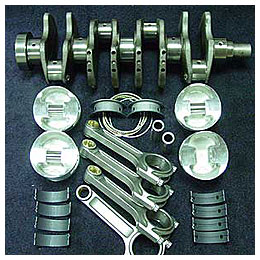
Persistent heavy knocking will erode your pistons
AllReviewsNewsAdviceFeaturesVideos
  • Home
  • Car Articles
  • advice
  • advice Listings
  • Car Ownership Advice

Choosing the right petrol grade for your car

01 Sep 2007

|

89,819 views

There is a common misconception that the higher the grade of the gasoline you pump, the faster your car speeds off. Which is which then?


There is a common misconception that the higher the grade of the gasoline you pump, the faster your car speeds off.

Many drivers tend to make costly mistakes when it comes to the grade of petroleum they pump. The truth is, a higher petrol grade is not necessarily better for your car.

In fact, the recommended gasoline for most cars is regular octane. The owner's manual is your best indicator on which grade to use. Using a higher octane gasoline than that will not make your car achieve better mileage, move faster, run cleaner or improve its operations in any way.

Premium gas costs roughly 30 cents more per litre as compared to the regular gas. This can accumulate to as much as S$702 in savings annually, based on a normal 1.6 litre car clocking an average mileage of 20,000km/year. Studies have shown that drivers are wasting hundreds of millions of dollars each year on higher grade gas than required.

It is only when your car engine knocks that you should switch to a higher octane gasoline. However, this happens only in rare instances. Some cars, such as sports cars and particular luxury cars do have higher compression engines. These cars might require premium gasoline to prevent knocking. Your best bet is to listen to your car's engine. As long as it does not knock, you are using the correct gasoline grade.

What is Octane Rating?

By definition, octane is any isomeric saturated hydrocarbon found in petroleum and used as a fuel and solvent. The higher the rating, the slower the burn when ignited during the compression burn cycle of the piston. The higher octane allows for more control of burning for higher compression engines. Thus, you will want to ensure that the octane rating of the gasoline correlates to the engine design, for complete burning of the gasoline by the engine in order to maximum fuel economy and clean emission.

Majority of cars are made to burn regular unleaded fuel with an octane rating of 95. Should the car need a higher octane rating, there will be an indication in the owner's manual and perhaps under the fuel gauge and by the fuel fill hole. As mentioned above, only high performance engines require higher octane gas.

Does higher octane gasoline contain more cleaning additive which will be better for my engine?

Unfortunately, this is not the case. Government regulations call for almost the same amount of additives in all gasoline to clean the injectors and valves. Regular octane gasoline does not compromise in preventing engine deposits from forming, in getting rid of them, or in cleaning your car's engine, as compared to higher octane gasoline.

When should you switch to a higher octane gasoline?

In rare cases, car engines may knock even when you use the recommended octane. Should this happen, you should switch to the next highest octane grade. Usually, switching to the mid-grade or premium-grade gasoline will remove the knock. If the knocking persists after one or two fill-ups, your car may need a tune-up or some other repair. Thereafter, you should revert back to the lowest octane grade which was recommended in the user's manual, or at which your engine runs without the knock.


What if I choose to use gasoline with higher octane ratings?

For starters, you will be making the gasoline manufacturers a lot richer than they already are. That aside, using a higher octane fuel than necessary will send unburned fuel into the emission system. This will also be collected in the catalytic converter. Should you overwork any system, it can breakdown or under perform. An early sign of such a predicament is a rotten egg smell from the tailpipe. Do not get a panic attack. Simply switch back to using a lower octane gasoline and viola! The strange odor usually vanishes after several tanks of gasoline.

Finally, is knocking harmful?

Occasional light knocking will not harm your engine. Neither does it harm your engine. However, do not turn a blind eye to severe knocking. A heavy or persistent knock can lead to engine damage.

Who says knowledge is power? Knowledge is power™and saving money!
Persistent heavy knocking will erode your pistons
Jegan Das Haridas
Text and photos by Jegan Das Haridas
Writing may be my thing, but cars, well, that's just pure passion that I simply cannot get rid off.
24.4k

Tags

right petrol grade petrol grade right petrol grade for your car right petrol for your car choosing right petrol choosing right petrol grade petrol

Jegan Das Haridas
Text and photos by Jegan Das Haridas
Writing may be my thing, but cars, well, that's just pure passion that I simply cannot get rid off.
24.4k

Tags

right petrol grade petrol grade right petrol grade for your car right petrol for your car choosing right petrol choosing right petrol grade petrol

Related Articles

Must-Have Car Accessories Every EV Driver Should Own

Must-Have Car Accessories Every EV Driver Should Own

New to driving? Here's how to become a better driver

New to driving? Here's how to become a better driver

Elevate every drive with these car audio upgrades

Elevate every drive with these car audio upgrades

10-Year COE Survival Kit: Essential Checklist

10-Year COE Survival Kit: Essential Checklist

Value-for-Money Servicing Packages for Your Car

Value-for-Money Servicing Packages for Your Car

Related Articles

Must-Have Car Accessories Every EV Driver Should Own

Must-Have Car Accessories Every EV Driver Should Own

New to driving? Here's how to become a better driver

New to driving? Here's how to become a better driver

Elevate every drive with these car audio upgrades

Elevate every drive with these car audio upgrades

10-Year COE Survival Kit: Essential Checklist

10-Year COE Survival Kit: Essential Checklist

Value-for-Money Servicing Packages for Your Car

Value-for-Money Servicing Packages for Your Car

You May Also Like

Sgcarmart Explores: Bras Basah!

Sgcarmart Explores: Bras Basah!

New cars are safer: Opt for one when you can

New cars are safer: Opt for one when you can

Maxus MIFA 7 Elite: Going big for the little moments

Maxus MIFA 7 Elite: Going big for the little moments

Sgcarmart Explores: East Coast Park!

Sgcarmart Explores: East Coast Park!

Opinion: Why do we even need green number plates?

Opinion: Why do we even need green number plates?

The BYD Sealion 8 seven-seater SUV arrives in Singapore

The BYD Sealion 8 seven-seater SUV arrives in Singapore

Hongqi Singapore opens its showroom doors

Hongqi Singapore opens its showroom doors

Must-Have Car Accessories Every EV Driver Should Own

Must-Have Car Accessories Every EV Driver Should Own

A first look at Chery's iCaur V23 and Jaecoo J8 in Singapore

A first look at Chery's iCaur V23 and Jaecoo J8 in Singapore

Mercedes-Benz GLB250+ Review

Mercedes-Benz GLB250+ Review

The 5 main things you must know about the XPENG L03

The 5 main things you must know about the XPENG L03

Is parallel import hesitancy growing among car buyers?

Is parallel import hesitancy growing among car buyers?

Tesla launches Model Y L in Singapore, first six-seater here

Tesla launches Model Y L in Singapore, first six-seater here

New to driving? Here's how to become a better driver

New to driving? Here's how to become a better driver

Toyota RAV4 Hybrid vs Subaru Forester e-Boxer

Toyota RAV4 Hybrid vs Subaru Forester e-Boxer

The all new XPENG Mona L03 is one smart coupe SUV

The all new XPENG Mona L03 is one smart coupe SUV

You May Also Like

Sgcarmart Explores: Bras Basah!

Sgcarmart Explores: Bras Basah!

New cars are safer: Opt for one when you can

New cars are safer: Opt for one when you can

Maxus MIFA 7 Elite: Going big for the little moments

Maxus MIFA 7 Elite: Going big for the little moments

Sgcarmart Explores: East Coast Park!

Sgcarmart Explores: East Coast Park!

Opinion: Why do we even need green number plates?

Opinion: Why do we even need green number plates?

The BYD Sealion 8 seven-seater SUV arrives in Singapore

The BYD Sealion 8 seven-seater SUV arrives in Singapore

Hongqi Singapore opens its showroom doors

Hongqi Singapore opens its showroom doors

Must-Have Car Accessories Every EV Driver Should Own

Must-Have Car Accessories Every EV Driver Should Own

A first look at Chery's iCaur V23 and Jaecoo J8 in Singapore

A first look at Chery's iCaur V23 and Jaecoo J8 in Singapore

Mercedes-Benz GLB250+ Review

Mercedes-Benz GLB250+ Review

The 5 main things you must know about the XPENG L03

The 5 main things you must know about the XPENG L03

Is parallel import hesitancy growing among car buyers?

Is parallel import hesitancy growing among car buyers?

Tesla launches Model Y L in Singapore, first six-seater here

Tesla launches Model Y L in Singapore, first six-seater here

New to driving? Here's how to become a better driver

New to driving? Here's how to become a better driver

Toyota RAV4 Hybrid vs Subaru Forester e-Boxer

Toyota RAV4 Hybrid vs Subaru Forester e-Boxer

The all new XPENG Mona L03 is one smart coupe SUV

The all new XPENG Mona L03 is one smart coupe SUV

All Advice Categories

Car BuyingCar SellingCar OwnershipCar TechnicalCar MaintenanceMiscellaneous

All Advice Categories

Car BuyingCar SellingCar OwnershipCar TechnicalCar MaintenanceMiscellaneous

Related Motor Directory Categories

    Solar Films & TintingPaint ProtectionTyres & RimsSpray PaintingUpholstery - Seats & TopsDecals, Stickers & Number Plates

Related Motor Directory Categories

    Solar Films & TintingPaint ProtectionTyres & RimsSpray PaintingUpholstery - Seats & TopsDecals, Stickers & Number Plates