View page in desktop
|
Report error
  •   Apple app store icon
  • Google play store icon
Terms of Service
|
Privacy Policy
|
PDPA
|
Site Map
|
Whistleblowing Portal
©2004-2026 Sgcarmart, Singapore. All rights reserved.
  • Home
  • Car Articles
  • advice
  • advice Listings
  • Car Buying Advice
  • Engine oil changes: Separating fact from fiction

    27 Jun 2023

    |

    7,940 views

    How often should you change your oil? Does synthetic oil last forever? What does 'severe conditions' mean? We tackle these and more!

    As a car owner, you've probably heard about engine oil being the 'lifeblood' of the car, and why it's important to change it regularly.

    Oil does more than just lubricate the engine's moving parts. One of its most important and understated roles is its detergency. Apart from providing lubrication, it's also formulated to help remove deposits, and keep your engine at its optimal temperature.

    Now, although there are plenty of facts about engine oil, there are also numerous misconceptions that persist. We bust several key ones.
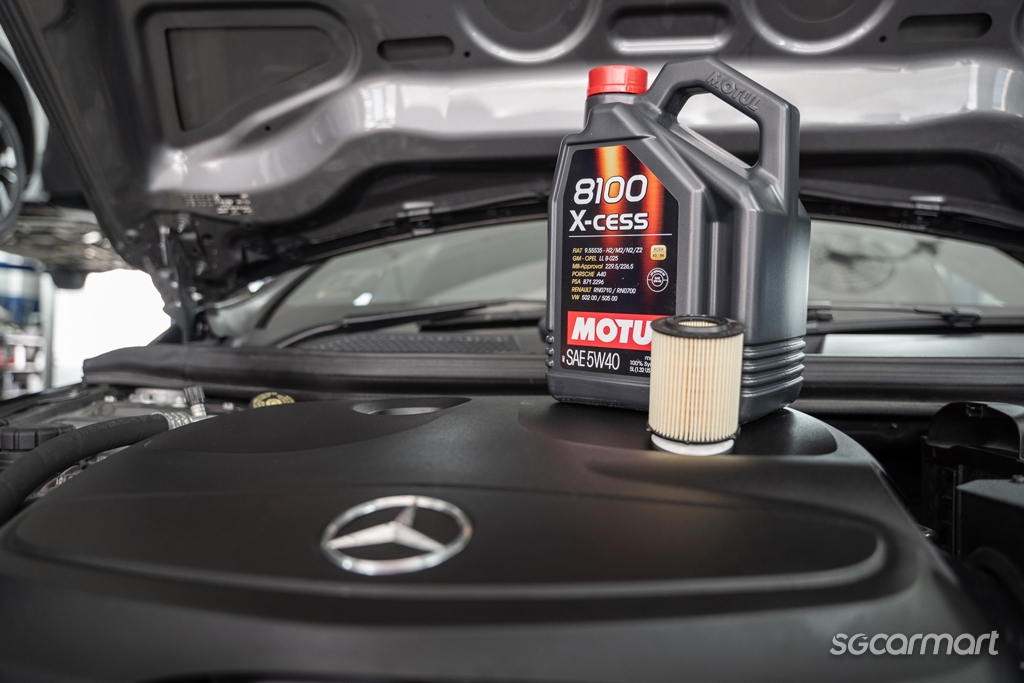
    Synthetic oil works well for modern cars and engines, but it'll have the opposite effect when used in a classic car

    1. Synthetic oil is always the best

    For modern cars, yes, synthetic oil is better than say, mineral oil or semi-synthetic oil. Synthetic oil typically has better lubricating and detergent properties, which benefits the engine. It can also better withstand the stresses of hot weather and stop-start traffic.

    However, when it comes to classic cars, synthetic oil is best avoided, as the chemicals that give it its detergency may end up harming an older engine's oil seals, eventually leading to an oil leak.

    Synthetic oil for new cars is great, but a classic car will probably need a mineral oil formulated to work with the metal alloys used in its engine construction.
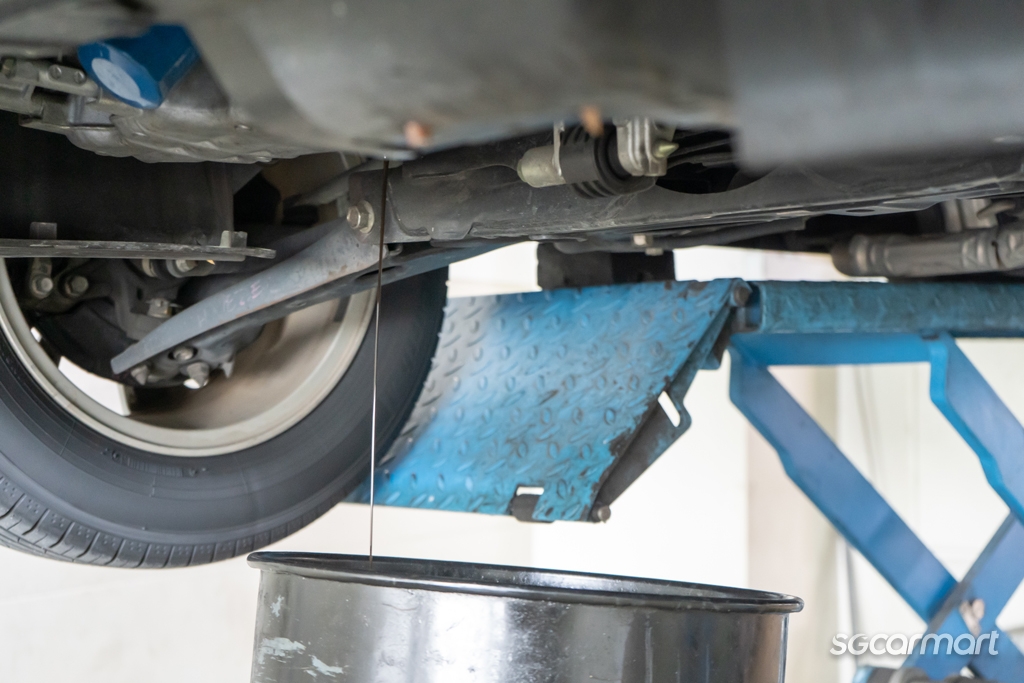
    You don't have to know much about cars to care for them - just follow the maintenance schedule

    2. No need to follow oil change intervals

    It's possible, but it really depends. For instance, if your next oil change is in six months or 10,000km (whichever comes first), changing the oil at 10,500km or in seven months is unlikely to cause a catastrophic failure, as engines are made to tolerate variances in maintenance.

    However, no matter how well formulated a synthetic oil is, it will eventually start to degrade due to heat, wear and accumulated deposits. Hence, every manufacturer will recommend oil change intervals based on time, mileage and driving conditions.

    Shorter servicing intervals are needed for severe driving conditions. These include factors such as stop-start traffic, constantly driving distances below 10km per trip, and dusty environments.
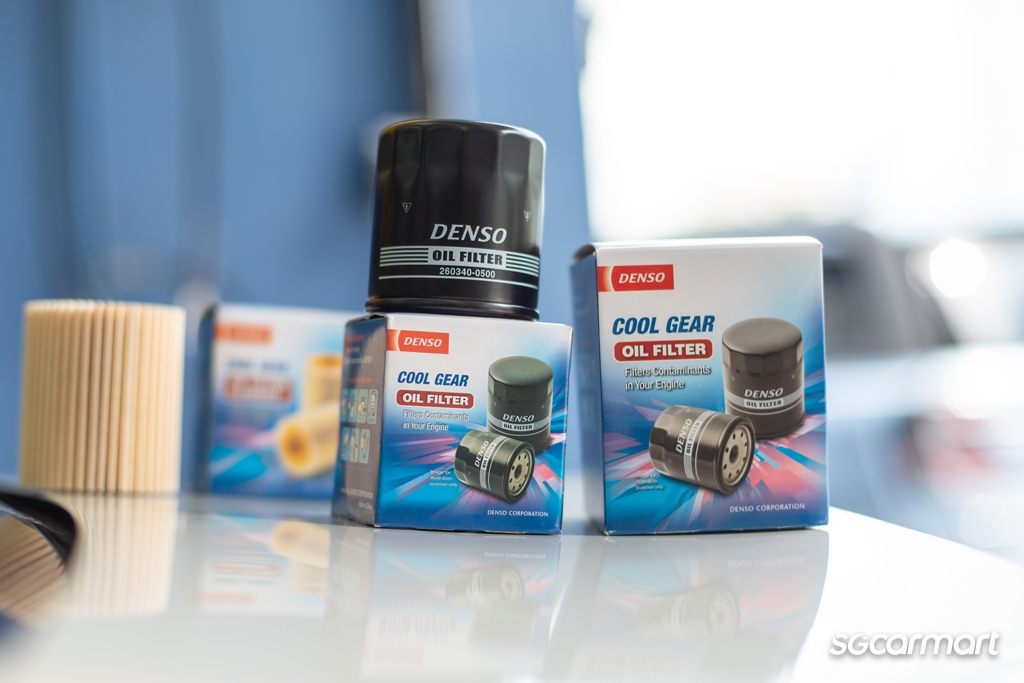
    The oil filter is an integral component that must be replaced during an oil change

    3. No need to change the oil filter

    It might seem tempting to just replace the oil but hold off on changing the oil filter to save money, but you only risk damaging your engine in the long run. Oil filters trap harmful deposits to help your motor remain clean.

    Having fresh oil is great, but once the filter is full of deposits, it can't trap any more. Instead, these nasties will continue circulating or clogging up your engine - the very situation you want to avoid.

    Replace the filter and the oil at the same time, or you'll end up damaging your car and your bank account. Remember, preventive maintenance is always better than downtime due to repairs.
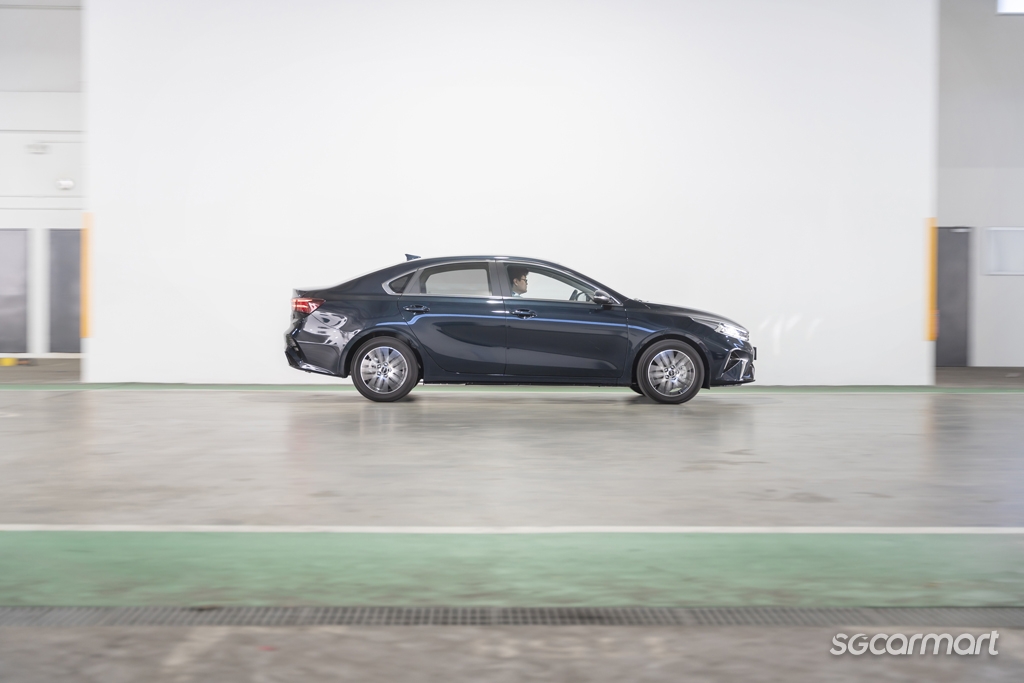
    Cars are at their best when driven at moderate to highway speeds, not during low-speed crawls

    4. Lower speeds and short distances are not 'severe'

    How can slow-moving traffic and driving short distances not be good for your car? After all, doesn't the lower speed and shorter usage period mean less stress on your vehicle?

    Engines achieve optimal performance at moderate to high speeds, not low-speed crawls. Slow speeds mean lower oil temperatures, and potentially lower lubricant viscosity, potentially leading to the build-up of sludge.

    Meanwhile, short distances do not allow oil and the engine to reach their optimal operating temperatures. At the right temperatures, the oil's protective and detergency properties will be at their highest, while the engine will be hot enough to burn off carbon that would otherwise remain as deposits.
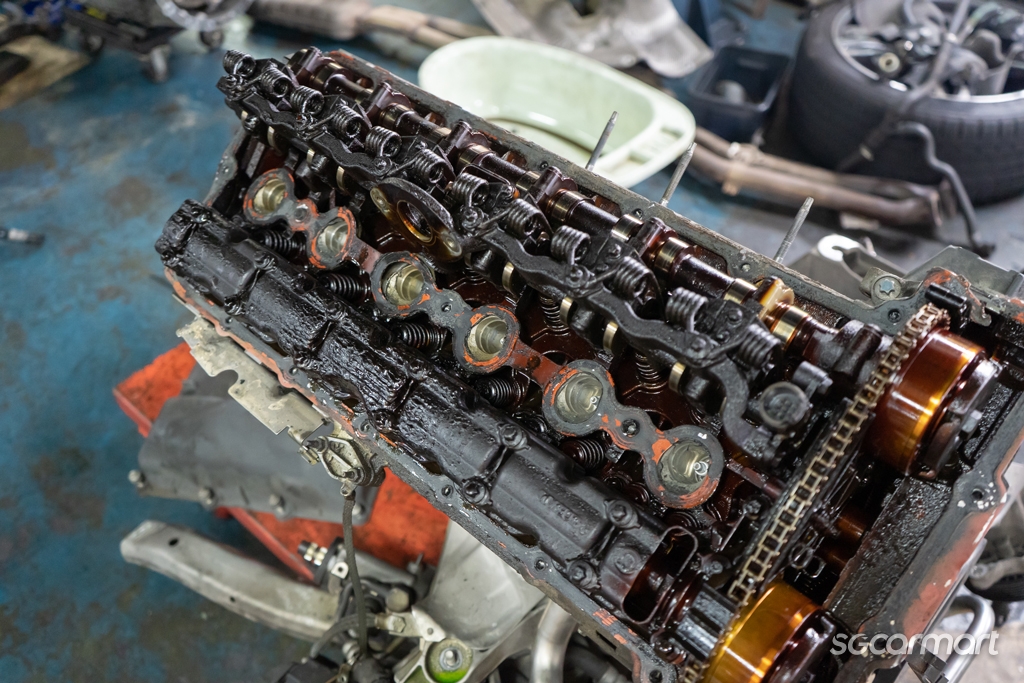
    Periodic oil changes will help prevent the build-up of sludge, which impedes performance

    5. No need to change the oil if my mileage is low

    This is another common myth. If the recommended intervals are six months or 10,000km, but the car has only clocked 3,000km during that period, an oil change seems like a waste of money.

    But despite the low mileage, the oil in the engine still ages and slowly loses its efficacy. So, its lubricating and detergency properties are lessened, resulting in less protection for the moving parts.

    Speaking of which, it also helps to think of oil as a moving part that also wears out, which is why it must be periodically replaced.

    Looking for more car maintenance content? These articles may interest you

    Three vehicle components you should replace on a regular schedule

    CWORKS - Affordable replacement parts with OE specification and reliability

    Five car servicing myths you must absolutely ignore

    Jeremy Chua
    Story by Jeremy Chua
    Jeremy loves fast cars, the sweet smell of petrol and the burbling, erotic noises from a V8.
    Photos by Editorial Team
    24.4k

    Tags

    advice car maintenance car maintenance advice car ownership oil change engine oil change oil oil filter sludge carbon carbon deposits changing your engine oil changing oil changing oil filter

    AllReviewsNewsAdviceFeaturesVideos
    • Home
    • Car Articles
    • advice
    • advice Listings
    • Car Buying Advice

    Engine oil changes: Separating fact from fiction

    27 Jun 2023

    |

    7,940 views

    How often should you change your oil? Does synthetic oil last forever? What does 'severe conditions' mean? We tackle these and more!

    As a car owner, you've probably heard about engine oil being the 'lifeblood' of the car, and why it's important to change it regularly.

    Oil does more than just lubricate the engine's moving parts. One of its most important and understated roles is its detergency. Apart from providing lubrication, it's also formulated to help remove deposits, and keep your engine at its optimal temperature.

    Now, although there are plenty of facts about engine oil, there are also numerous misconceptions that persist. We bust several key ones.

    Synthetic oil works well for modern cars and engines, but it'll have the opposite effect when used in a classic car

    1. Synthetic oil is always the best

    For modern cars, yes, synthetic oil is better than say, mineral oil or semi-synthetic oil. Synthetic oil typically has better lubricating and detergent properties, which benefits the engine. It can also better withstand the stresses of hot weather and stop-start traffic.

    However, when it comes to classic cars, synthetic oil is best avoided, as the chemicals that give it its detergency may end up harming an older engine's oil seals, eventually leading to an oil leak.

    Synthetic oil for new cars is great, but a classic car will probably need a mineral oil formulated to work with the metal alloys used in its engine construction.

    You don't have to know much about cars to care for them - just follow the maintenance schedule

    2. No need to follow oil change intervals

    It's possible, but it really depends. For instance, if your next oil change is in six months or 10,000km (whichever comes first), changing the oil at 10,500km or in seven months is unlikely to cause a catastrophic failure, as engines are made to tolerate variances in maintenance.

    However, no matter how well formulated a synthetic oil is, it will eventually start to degrade due to heat, wear and accumulated deposits. Hence, every manufacturer will recommend oil change intervals based on time, mileage and driving conditions.

    Shorter servicing intervals are needed for severe driving conditions. These include factors such as stop-start traffic, constantly driving distances below 10km per trip, and dusty environments.

    The oil filter is an integral component that must be replaced during an oil change

    3. No need to change the oil filter

    It might seem tempting to just replace the oil but hold off on changing the oil filter to save money, but you only risk damaging your engine in the long run. Oil filters trap harmful deposits to help your motor remain clean.

    Having fresh oil is great, but once the filter is full of deposits, it can't trap any more. Instead, these nasties will continue circulating or clogging up your engine - the very situation you want to avoid.

    Replace the filter and the oil at the same time, or you'll end up damaging your car and your bank account. Remember, preventive maintenance is always better than downtime due to repairs.

    Cars are at their best when driven at moderate to highway speeds, not during low-speed crawls

    4. Lower speeds and short distances are not 'severe'

    How can slow-moving traffic and driving short distances not be good for your car? After all, doesn't the lower speed and shorter usage period mean less stress on your vehicle?

    Engines achieve optimal performance at moderate to high speeds, not low-speed crawls. Slow speeds mean lower oil temperatures, and potentially lower lubricant viscosity, potentially leading to the build-up of sludge.

    Meanwhile, short distances do not allow oil and the engine to reach their optimal operating temperatures. At the right temperatures, the oil's protective and detergency properties will be at their highest, while the engine will be hot enough to burn off carbon that would otherwise remain as deposits.

    Periodic oil changes will help prevent the build-up of sludge, which impedes performance

    5. No need to change the oil if my mileage is low

    This is another common myth. If the recommended intervals are six months or 10,000km, but the car has only clocked 3,000km during that period, an oil change seems like a waste of money.

    But despite the low mileage, the oil in the engine still ages and slowly loses its efficacy. So, its lubricating and detergency properties are lessened, resulting in less protection for the moving parts.

    Speaking of which, it also helps to think of oil as a moving part that also wears out, which is why it must be periodically replaced.

    Looking for more car maintenance content? These articles may interest you

    Three vehicle components you should replace on a regular schedule

    CWORKS - Affordable replacement parts with OE specification and reliability

    Five car servicing myths you must absolutely ignore

    Jeremy Chua
    Story by Jeremy Chua
    Jeremy loves fast cars, the sweet smell of petrol and the burbling, erotic noises from a V8.
    Photos by Editorial Team
    24.4k

    Tags

    advice car maintenance car maintenance advice car ownership oil change engine oil change oil oil filter sludge carbon carbon deposits changing your engine oil changing oil changing oil filter

    All Advice Categories

    Car BuyingCar SellingCar OwnershipCar TechnicalCar MaintenanceMiscellaneous

    All Advice Categories

    Car BuyingCar SellingCar OwnershipCar TechnicalCar MaintenanceMiscellaneous

    Related Motor Directory Categories

      Car RentalCommercial Vehicle RentalUsed Car DealersNew Car DealersCar Leasing

    Related Motor Directory Categories

      Car RentalCommercial Vehicle RentalUsed Car DealersNew Car DealersCar Leasing

    Related Articles

    The iCaur V23 celebrates its official Singapore launch

    The iCaur V23 celebrates its official Singapore launch

    Hongqi E-HS9 Review

    Hongqi E-HS9 Review

    Sgcarmart Explores: Bras Basah!

    Sgcarmart Explores: Bras Basah!

    Multi-Pathway approach: Toyota was always right

    Multi-Pathway approach: Toyota was always right

    We try out roadside parking with the new OBU!

    We try out roadside parking with the new OBU!

    Big Test: Which brand makes the best hybrid?

    Big Test: Which brand makes the best hybrid?

    The 5 main things you must know about the XPENG L03

    The 5 main things you must know about the XPENG L03

    10 noteworthy production-ready cars at JMS 2025

    10 noteworthy production-ready cars at JMS 2025

    Related Articles

    The iCaur V23 celebrates its official Singapore launch

    The iCaur V23 celebrates its official Singapore launch

    Hongqi E-HS9 Review

    Hongqi E-HS9 Review

    Sgcarmart Explores: Bras Basah!

    Sgcarmart Explores: Bras Basah!

    Multi-Pathway approach: Toyota was always right

    Multi-Pathway approach: Toyota was always right

    We try out roadside parking with the new OBU!

    We try out roadside parking with the new OBU!

    Big Test: Which brand makes the best hybrid?

    Big Test: Which brand makes the best hybrid?

    The 5 main things you must know about the XPENG L03

    The 5 main things you must know about the XPENG L03

    10 noteworthy production-ready cars at JMS 2025

    10 noteworthy production-ready cars at JMS 2025

    You May Also Like

    Sgcarmart Explores: Bras Basah!

    Sgcarmart Explores: Bras Basah!

    New cars are safer: Opt for one when you can

    New cars are safer: Opt for one when you can

    Leapmotor B10: The electric SUV focused on what matters

    Leapmotor B10: The electric SUV focused on what matters

    LTA sets up poll to decide the least-ugliest EV plate

    LTA sets up poll to decide the least-ugliest EV plate

    Multi-Pathway approach: Toyota was always right

    Multi-Pathway approach: Toyota was always right

    Inside Foton's commercial vehicle range in Singapore

    Inside Foton's commercial vehicle range in Singapore

    Cars of 2026

    Cars of 2026

    Don't get yourself trapped in your high-tech EV

    Don't get yourself trapped in your high-tech EV

    Big Test: Which brand makes the best hybrid?

    Big Test: Which brand makes the best hybrid?

    Is parallel import hesitancy growing among car buyers?

    Is parallel import hesitancy growing among car buyers?

    iCaur V23 100kW Review

    iCaur V23 100kW Review

    The rise of PHEVs: A closer look at the numbers

    The rise of PHEVs: A closer look at the numbers

    The all new XPENG Mona L03 is one smart coupe SUV

    The all new XPENG Mona L03 is one smart coupe SUV

    Opinion: Why do we even need green number plates?

    Opinion: Why do we even need green number plates?

    Sgcarmart Explores: East Coast Park!

    Sgcarmart Explores: East Coast Park!

    Hongqi Singapore opens its showroom doors

    Hongqi Singapore opens its showroom doors

    You May Also Like

    Sgcarmart Explores: Bras Basah!

    Sgcarmart Explores: Bras Basah!

    New cars are safer: Opt for one when you can

    New cars are safer: Opt for one when you can

    Leapmotor B10: The electric SUV focused on what matters

    Leapmotor B10: The electric SUV focused on what matters

    LTA sets up poll to decide the least-ugliest EV plate

    LTA sets up poll to decide the least-ugliest EV plate

    Multi-Pathway approach: Toyota was always right

    Multi-Pathway approach: Toyota was always right

    Inside Foton's commercial vehicle range in Singapore

    Inside Foton's commercial vehicle range in Singapore

    Cars of 2026

    Cars of 2026

    Don't get yourself trapped in your high-tech EV

    Don't get yourself trapped in your high-tech EV

    Big Test: Which brand makes the best hybrid?

    Big Test: Which brand makes the best hybrid?

    Is parallel import hesitancy growing among car buyers?

    Is parallel import hesitancy growing among car buyers?

    iCaur V23 100kW Review

    iCaur V23 100kW Review

    The rise of PHEVs: A closer look at the numbers

    The rise of PHEVs: A closer look at the numbers

    The all new XPENG Mona L03 is one smart coupe SUV

    The all new XPENG Mona L03 is one smart coupe SUV

    Opinion: Why do we even need green number plates?

    Opinion: Why do we even need green number plates?

    Sgcarmart Explores: East Coast Park!

    Sgcarmart Explores: East Coast Park!

    Hongqi Singapore opens its showroom doors

    Hongqi Singapore opens its showroom doors