View page in desktop
|
Report error
  •   Apple app store icon
  • Google play store icon
Terms of Service
|
Privacy Policy
|
PDPA
|
Site Map
©2004-2026 Sgcarmart, Singapore. All rights reserved.
  • Home
  • Car Articles
  • features
  • features Listings
  • Features
  • Distance-based pricing: Best solution to traffic congestion?

    09 Nov 2023

    |

    7,066 views

    What exactly is distance-based road pricing, and will it be the next big change in traffic congestion management? We dig into it a little more…

    "Distance-based road pricing". With the official roll-out of ERP 2.0, one thing that is on everyone's mind (definitely on MPs' minds) is distance-based road pricing - a radical departure from the congestion pricing system that we know and loathe. 

    Singapore was actually the first country in the world to implement congestion charges, back in 1975. Our current automated gantry system has been in place since 1998. Since then, many countries/cities have followed suit (not the specific erection of ERP gantries, but congestion pricing in some form or another). Singapore is also regularly cited in many studies regarding congestion pricing (just about every research paper I've read on this topic mentions Singapore). 

    In Singapore, a distance-based road pricing system has been floated as far back as 2010, but even with ERP 2.0 set to be fully operative by 2025 (at least with the new OBUs in place), the LTA has been upfront and explicit about the fact that distance-based pricing will not be implemented yet. 
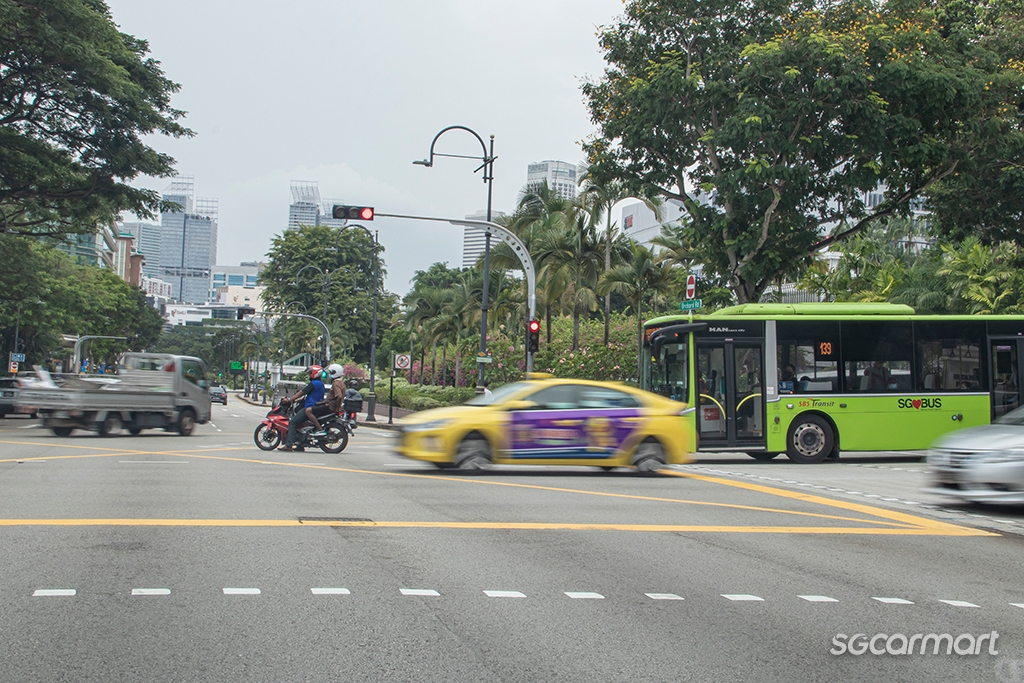
    Proponents of distance-based road pricing highlight that it is more equitable - people who use more should pay more

    The theory

    However, distance-based road pricing isn't some phenomena unique to Singapore. In fact, it is an economic topic that has been explored quite a lot, with studies that date back to 1999. (A study in Canada actually floated the idea of an "odometer audit" as a measure of distance travelled). 

    It's worth exploring the theoretical upside of such a system. 

    The fundamental and basic argument for such a system is equity - individuals should be charged based on how much they use. In such a system, Driver A, who travels twice as much on the same congested road(s) as Driver B, should be charged twice as much. In the current cordon area congestion pricing scheme, both drivers would be charged the same amount. 
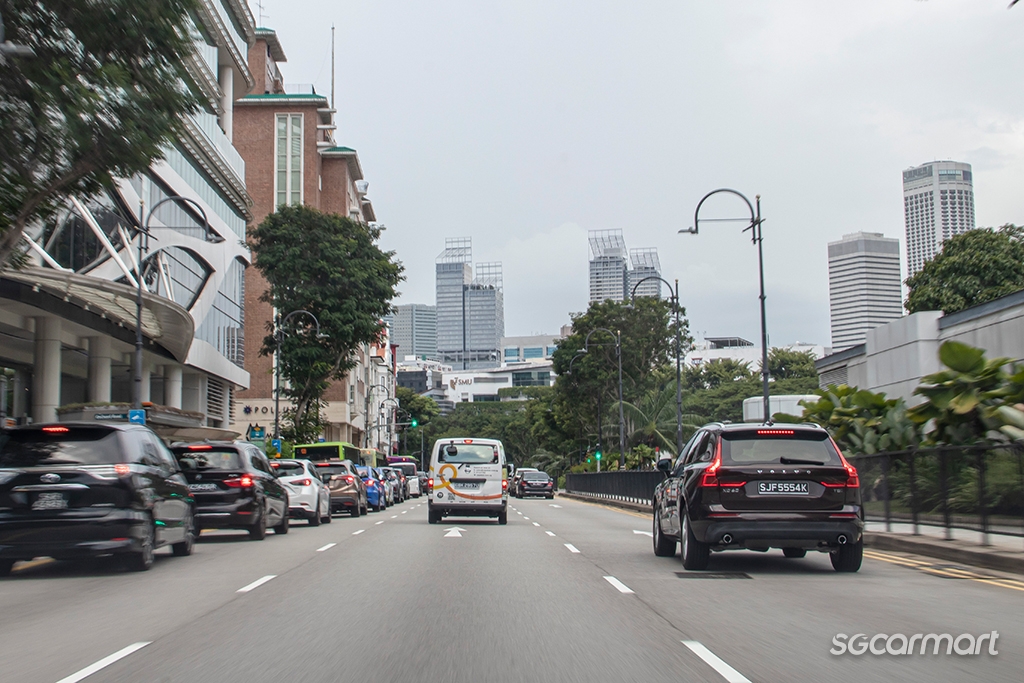
    A distance-based pricing system is also better at incentivising drivers to reduce road usage, since it delivers direct financial savings

    There is also the argument for economic efficiency. In a fixed cost system, drivers do not perceive cost as relative to distance travelled. A distance-based road pricing system would actively incentivise drivers to reduce road usage, since that cost is now a marginal one - less road usage equates to more financial savings. Any attempt to pursue a truly 'car-lite' vision would benefit from such economy efficiency. 

    A satellite distance-based congestion pricing would also allow additional flexibility when it comes to dynamic pricing. Different roads can be priced differently at different timings, and this can allow for a more specific control of traffic conditions throughout the day. It theoretically gives authorities the ability to plop down, move and remove ERP 'gantries', change pricing, adjust distances, all done virtually. A city planner's dream, no doubt (my Cities: Skyline brain is getting a slight dopamine hit just thinking about it). 

    So, from a theoretical perspective, a distance-based congestion pricing system makes sense. 
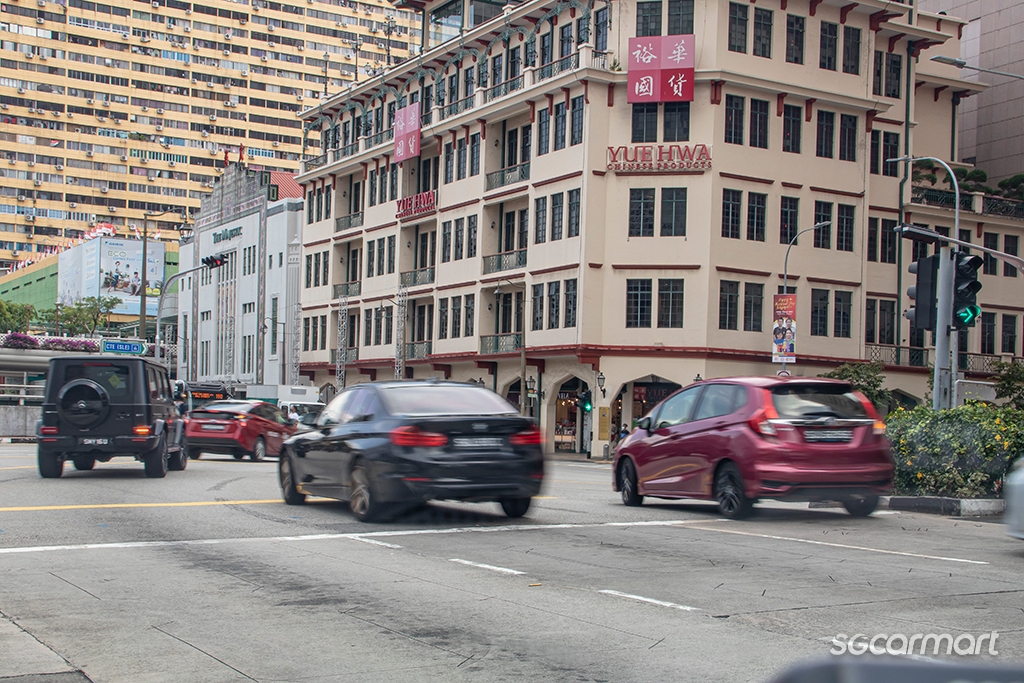
    One of the challenges of any distance-based road pricing is accuracy - determining location and distance travelled - but the upcoming GNSS-based ERP 2.0 system seems at least technologically sufficient 

    The practice 

    Theory is theory. Putting it into practice, however, is a much more complex matter. 

    One challenge is accuracy - how to correctly determine each car's specific location. With the upcoming OBUs, this at least feels resolvable. With the advances in technology, vehicles can be more accurately geolocated (although as Pokemon Go has shown us, spoofing is very much a thing). The technology may not yet be perfect, but it is at least functionally usable. 

    Another is policy. If equity is the objective, other elements of car-ownership charges - road tax, petrol duties, even insurance premiums - may have to be relooked to deliver the same kind of equity. 
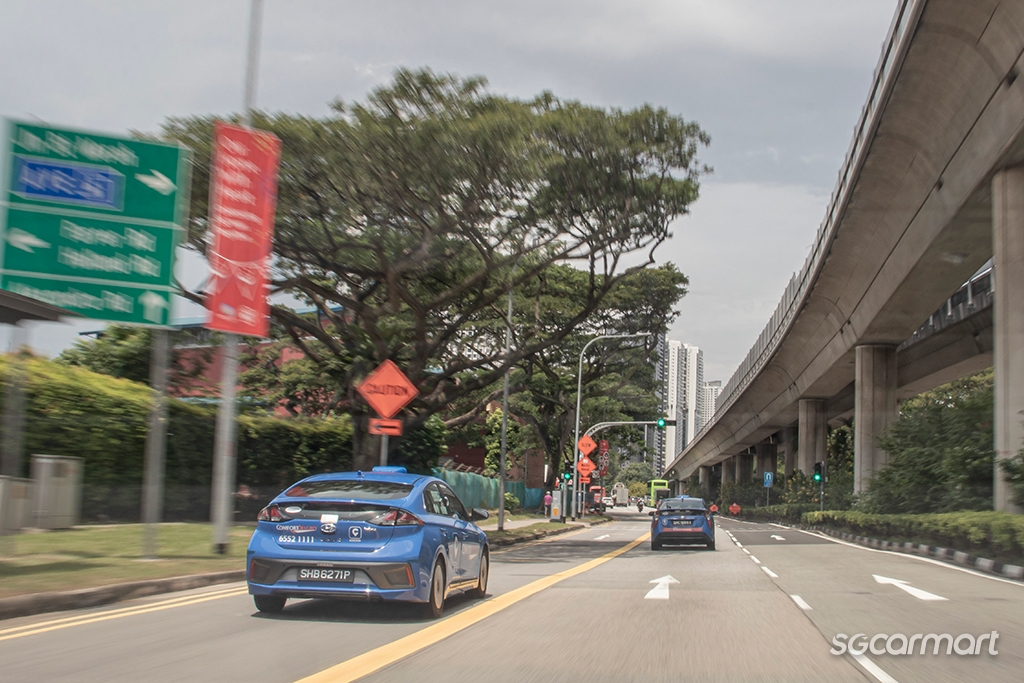
    Taxis, private-hire vehicles and delivery vehicles will certainly clock more distance travelled, due to the nature of their work - should such vehicles be charged equally to privately-owned ones? 

    Of course, there is also the matter of road users who inevitably will have higher distances clocked - taxis, private-hire vehicles, commercial vehicles, delivery vehicles and etc. These vehicles serve important economic functions, and a distance-based pricing system will be most financially disadvantageous to such drivers (assuming a single set of charges apply across all vehicles). 

    And perhaps most significantly, there are the optics. Any major systemic change will be politically dicey (to say the least). Singaporeans complain at the littlest things, imagine what will happen when congestion pricing is radically overhauled. Pricing transparency will also become a big question: How to determine which roads are taxed, and how much? 

    There is also the Big Brother concern that has already been raised with the implementation of ERP 2.0: Will the Government constantly know where I am on the road? It's worth highlighting that your smartphone in your pocket (or the one you are holding while reading this) is much more trackable, and we've happily lived with these smartphones for over a decade now. 
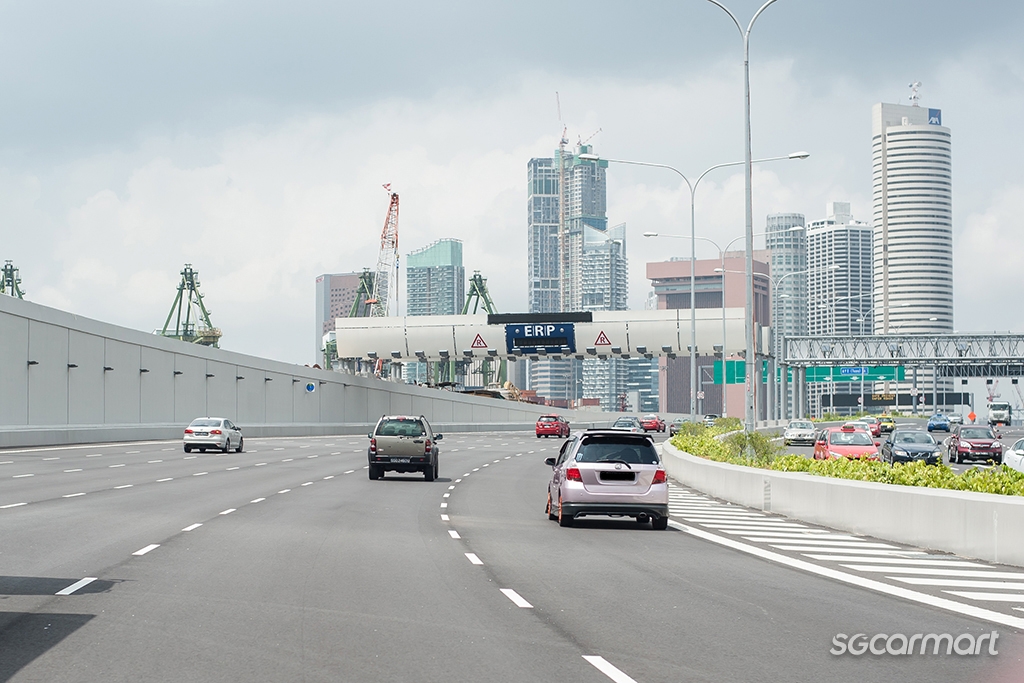
    Questions of fairness still arise regarding our current automated cordon-based ERP system, which has been in place for over 20 years, so it's understandable that any major change will be contentious and controversial

    Fair solution? 

    The question of fairness has no simple answer. One side of the argument is that what we have now is fair - everyone pays equally, regardless of actual road usage. The other side, of course, is that this current system is fundamentally unfair - users who travel less are actually subsidising the cost of users who travel more. 

    Trying to implement a distance-based pricing system is complicated - much more complex than simply pressing an 'On' button. Despite the wide library of studies and research papers available (ranging from America to Slovenia), the implementation of distance-based pricing is still extremely limited. Germany introduced the first GNSS road pricing system for trucks in 2005, and such a system now applies for trucks across a number of European countries. However, even though trials have been done, there has yet to be a system implemented for cars. 

    A move to a distance-based pricing system may encourage drivers to reduce overall road use, but at least right now, it raises more tricky questions than it provides good solutions

    Singapore may once again be the first in the world to do so, but not quite just yet. With record COE premiums and this move to ERP 2.0 already causing much consternation among drivers, a switch to a distance-based pricing system right now would be optically disastrous. 

    But I do believe it will come eventually. It will take some time for the authorities to work out the relevant policy and political justifications, but the economic efficiencies of a such a system feels too ripe for Singapore to pass up. In some ways, as we move to the new GNSS-based ERP 2.0 system, a distance-based pricing system feels inevitable. 

    The new GNSS-based ERP 2.0 will facilitate road side parking, but distance-based road pricing isn't going to happen for now - don't be surprised, though, if that becomes the next significant implementation post-2025

    The real question is what form that would take. Right now, it's simply too early to tell. While the conceptual benefits of any such system make sense, the practical and feasible implementation of one is highly complex (that's why the only city planning I do is on a computer game). 

    When will it happen? Your guess is as good as mine. But with the end-2025 timeline to roll out ERP 2.0 fully, my educated guess is that it surely won't happen any time before that. The authorities need time to roll out the new OBUs, and resolve any potential technical issues that arise. But once OBUs are fully implemented, don't be surprised if the next big implementation is a distance-based pricing system. 

    Desmond Chan
    Story by Desmond Chan
    Desmond thinks the world would be better if cars were smaller and less powerful. He wants to live in the 70s.
    Photos by Editorial Team
    24.4k

    Tags

    commentary erp erp 2.0 distance distance-based pricing congestion charge gnss erp congestion

    AllReviewsNewsAdviceFeaturesVideos
    • Home
    • Car Articles
    • features
    • features Listings
    • Features

    Distance-based pricing: Best solution to traffic congestion?

    09 Nov 2023

    |

    7,066 views

    What exactly is distance-based road pricing, and will it be the next big change in traffic congestion management? We dig into it a little more…

    "Distance-based road pricing". With the official roll-out of ERP 2.0, one thing that is on everyone's mind (definitely on MPs' minds) is distance-based road pricing - a radical departure from the congestion pricing system that we know and loathe. 

    Singapore was actually the first country in the world to implement congestion charges, back in 1975. Our current automated gantry system has been in place since 1998. Since then, many countries/cities have followed suit (not the specific erection of ERP gantries, but congestion pricing in some form or another). Singapore is also regularly cited in many studies regarding congestion pricing (just about every research paper I've read on this topic mentions Singapore). 

    In Singapore, a distance-based road pricing system has been floated as far back as 2010, but even with ERP 2.0 set to be fully operative by 2025 (at least with the new OBUs in place), the LTA has been upfront and explicit about the fact that distance-based pricing will not be implemented yet. 

    Proponents of distance-based road pricing highlight that it is more equitable - people who use more should pay more

    The theory

    However, distance-based road pricing isn't some phenomena unique to Singapore. In fact, it is an economic topic that has been explored quite a lot, with studies that date back to 1999. (A study in Canada actually floated the idea of an "odometer audit" as a measure of distance travelled). 

    It's worth exploring the theoretical upside of such a system. 

    The fundamental and basic argument for such a system is equity - individuals should be charged based on how much they use. In such a system, Driver A, who travels twice as much on the same congested road(s) as Driver B, should be charged twice as much. In the current cordon area congestion pricing scheme, both drivers would be charged the same amount. 

    A distance-based pricing system is also better at incentivising drivers to reduce road usage, since it delivers direct financial savings

    There is also the argument for economic efficiency. In a fixed cost system, drivers do not perceive cost as relative to distance travelled. A distance-based road pricing system would actively incentivise drivers to reduce road usage, since that cost is now a marginal one - less road usage equates to more financial savings. Any attempt to pursue a truly 'car-lite' vision would benefit from such economy efficiency. 

    A satellite distance-based congestion pricing would also allow additional flexibility when it comes to dynamic pricing. Different roads can be priced differently at different timings, and this can allow for a more specific control of traffic conditions throughout the day. It theoretically gives authorities the ability to plop down, move and remove ERP 'gantries', change pricing, adjust distances, all done virtually. A city planner's dream, no doubt (my Cities: Skyline brain is getting a slight dopamine hit just thinking about it). 

    So, from a theoretical perspective, a distance-based congestion pricing system makes sense. 

    One of the challenges of any distance-based road pricing is accuracy - determining location and distance travelled - but the upcoming GNSS-based ERP 2.0 system seems at least technologically sufficient 

    The practice 

    Theory is theory. Putting it into practice, however, is a much more complex matter. 

    One challenge is accuracy - how to correctly determine each car's specific location. With the upcoming OBUs, this at least feels resolvable. With the advances in technology, vehicles can be more accurately geolocated (although as Pokemon Go has shown us, spoofing is very much a thing). The technology may not yet be perfect, but it is at least functionally usable. 

    Another is policy. If equity is the objective, other elements of car-ownership charges - road tax, petrol duties, even insurance premiums - may have to be relooked to deliver the same kind of equity. 

    Taxis, private-hire vehicles and delivery vehicles will certainly clock more distance travelled, due to the nature of their work - should such vehicles be charged equally to privately-owned ones? 

    Of course, there is also the matter of road users who inevitably will have higher distances clocked - taxis, private-hire vehicles, commercial vehicles, delivery vehicles and etc. These vehicles serve important economic functions, and a distance-based pricing system will be most financially disadvantageous to such drivers (assuming a single set of charges apply across all vehicles). 

    And perhaps most significantly, there are the optics. Any major systemic change will be politically dicey (to say the least). Singaporeans complain at the littlest things, imagine what will happen when congestion pricing is radically overhauled. Pricing transparency will also become a big question: How to determine which roads are taxed, and how much? 

    There is also the Big Brother concern that has already been raised with the implementation of ERP 2.0: Will the Government constantly know where I am on the road? It's worth highlighting that your smartphone in your pocket (or the one you are holding while reading this) is much more trackable, and we've happily lived with these smartphones for over a decade now. 
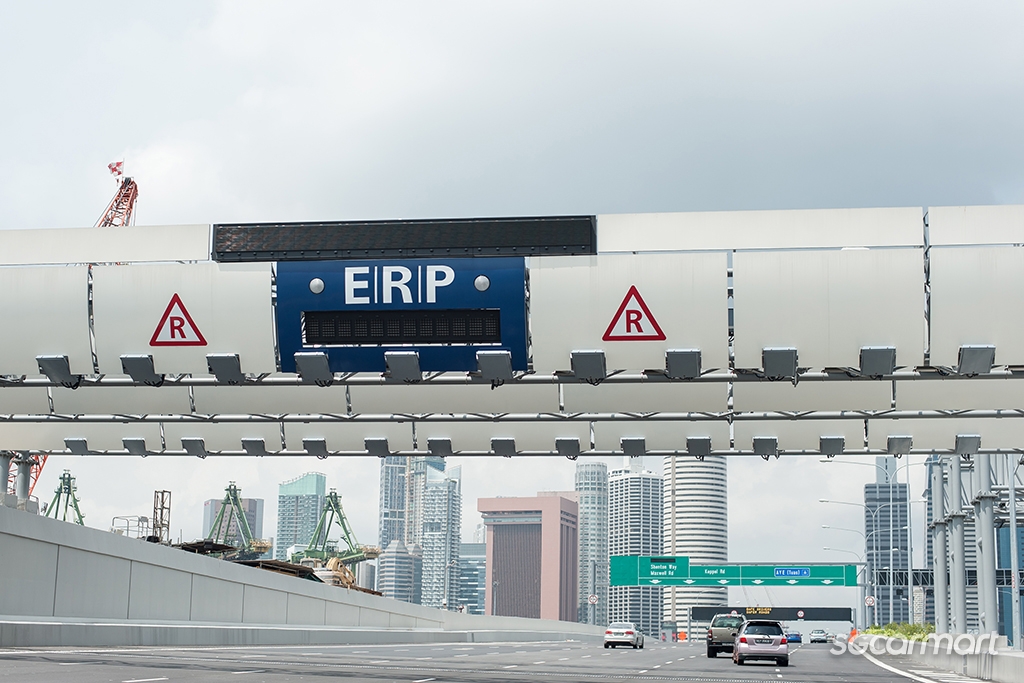
    Questions of fairness still arise regarding our current automated cordon-based ERP system, which has been in place for over 20 years, so it's understandable that any major change will be contentious and controversial

    Fair solution? 

    The question of fairness has no simple answer. One side of the argument is that what we have now is fair - everyone pays equally, regardless of actual road usage. The other side, of course, is that this current system is fundamentally unfair - users who travel less are actually subsidising the cost of users who travel more. 

    Trying to implement a distance-based pricing system is complicated - much more complex than simply pressing an 'On' button. Despite the wide library of studies and research papers available (ranging from America to Slovenia), the implementation of distance-based pricing is still extremely limited. Germany introduced the first GNSS road pricing system for trucks in 2005, and such a system now applies for trucks across a number of European countries. However, even though trials have been done, there has yet to be a system implemented for cars. 
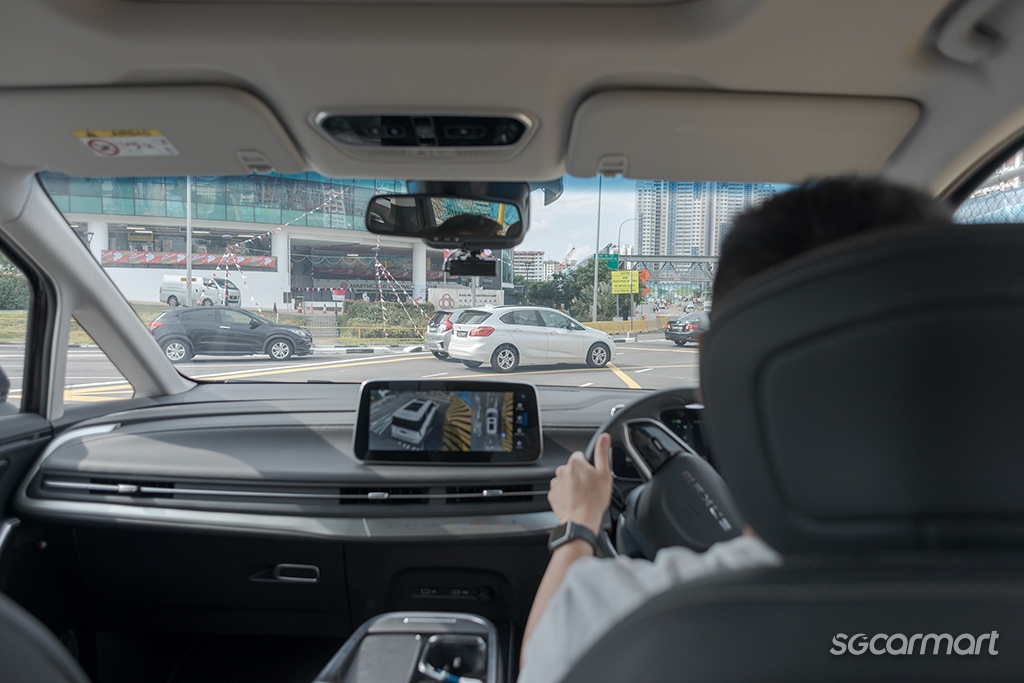
    A move to a distance-based pricing system may encourage drivers to reduce overall road use, but at least right now, it raises more tricky questions than it provides good solutions

    Singapore may once again be the first in the world to do so, but not quite just yet. With record COE premiums and this move to ERP 2.0 already causing much consternation among drivers, a switch to a distance-based pricing system right now would be optically disastrous. 

    But I do believe it will come eventually. It will take some time for the authorities to work out the relevant policy and political justifications, but the economic efficiencies of a such a system feels too ripe for Singapore to pass up. In some ways, as we move to the new GNSS-based ERP 2.0 system, a distance-based pricing system feels inevitable. 
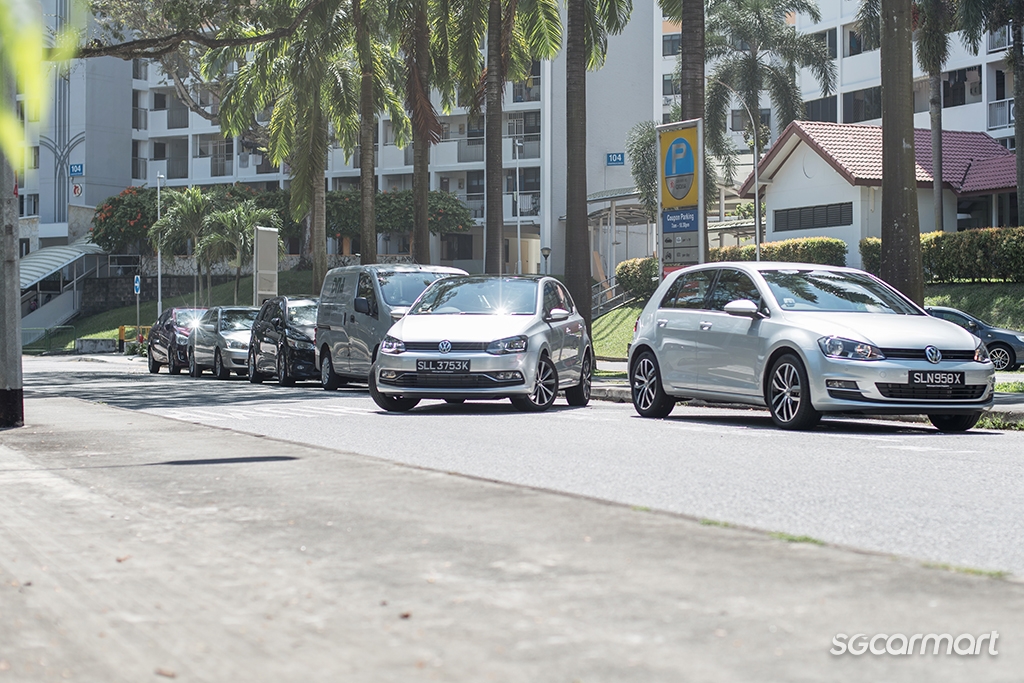
    The new GNSS-based ERP 2.0 will facilitate road side parking, but distance-based road pricing isn't going to happen for now - don't be surprised, though, if that becomes the next significant implementation post-2025

    The real question is what form that would take. Right now, it's simply too early to tell. While the conceptual benefits of any such system make sense, the practical and feasible implementation of one is highly complex (that's why the only city planning I do is on a computer game). 

    When will it happen? Your guess is as good as mine. But with the end-2025 timeline to roll out ERP 2.0 fully, my educated guess is that it surely won't happen any time before that. The authorities need time to roll out the new OBUs, and resolve any potential technical issues that arise. But once OBUs are fully implemented, don't be surprised if the next big implementation is a distance-based pricing system. 

    Desmond Chan
    Story by Desmond Chan
    Desmond thinks the world would be better if cars were smaller and less powerful. He wants to live in the 70s.
    Photos by Editorial Team
    24.4k

    Tags

    commentary erp erp 2.0 distance distance-based pricing congestion charge gnss erp congestion

    Newsletter

    Be Notified On The Latest News

    Newsletter

    Be Notified On The Latest News

    You May Also Like

    EV NEXT: Peace of mind with battery SOH certification

    EV NEXT: Peace of mind with battery SOH certification

    New to driving? Here's how to become a better driver

    New to driving? Here's how to become a better driver

    The things we buy cars for, and the things we keep them for

    The things we buy cars for, and the things we keep them for

    Get your next rental from AKA Car Rental

    Get your next rental from AKA Car Rental

    Proton e.MAS 7 Premium 100kW Review

    Proton e.MAS 7 Premium 100kW Review

    Opinion: Is it time for a change to our road traffic laws?

    Opinion: Is it time for a change to our road traffic laws?

    Dunlop's new tyres for an electrified world

    Dunlop's new tyres for an electrified world

    A first look at the Sitrak Light eTruck!

    A first look at the Sitrak Light eTruck!

    You May Also Like

    EV NEXT: Peace of mind with battery SOH certification

    EV NEXT: Peace of mind with battery SOH certification

    New to driving? Here's how to become a better driver

    New to driving? Here's how to become a better driver

    The things we buy cars for, and the things we keep them for

    The things we buy cars for, and the things we keep them for

    Get your next rental from AKA Car Rental

    Get your next rental from AKA Car Rental

    Proton e.MAS 7 Premium 100kW Review

    Proton e.MAS 7 Premium 100kW Review

    Opinion: Is it time for a change to our road traffic laws?

    Opinion: Is it time for a change to our road traffic laws?

    Dunlop's new tyres for an electrified world

    Dunlop's new tyres for an electrified world

    A first look at the Sitrak Light eTruck!

    A first look at the Sitrak Light eTruck!

    Related Articles

    Opinion: Is it time for a change to our road traffic laws?

    Opinion: Is it time for a change to our road traffic laws?

    Should I buy a car in July / August / September 2026?

    Should I buy a car in July / August / September 2026?

    16 noteworthy production models at the 2026 Auto Beijing!

    16 noteworthy production models at the 2026 Auto Beijing!

    Opinion: Why do we even need green number plates?

    Opinion: Why do we even need green number plates?

    We try out roadside parking with the new OBU!

    We try out roadside parking with the new OBU!

    Ferrari 849 Testarossa Spider: What you must know

    Ferrari 849 Testarossa Spider: What you must know

    7 things we learnt about the Zeekr 7GT

    7 things we learnt about the Zeekr 7GT

    Sgcarmart Explores: 2026 National Day Edition!

    Sgcarmart Explores: 2026 National Day Edition!

    Related Articles

    Opinion: Is it time for a change to our road traffic laws?

    Opinion: Is it time for a change to our road traffic laws?

    Should I buy a car in July / August / September 2026?

    Should I buy a car in July / August / September 2026?

    16 noteworthy production models at the 2026 Auto Beijing!

    16 noteworthy production models at the 2026 Auto Beijing!

    Opinion: Why do we even need green number plates?

    Opinion: Why do we even need green number plates?

    We try out roadside parking with the new OBU!

    We try out roadside parking with the new OBU!

    Ferrari 849 Testarossa Spider: What you must know

    Ferrari 849 Testarossa Spider: What you must know

    7 things we learnt about the Zeekr 7GT

    7 things we learnt about the Zeekr 7GT

    Sgcarmart Explores: 2026 National Day Edition!

    Sgcarmart Explores: 2026 National Day Edition!