View page in desktop
|
Report error
  •   Apple app store icon
  • Google play store icon
Terms of Service
|
Privacy Policy
|
PDPA
|
Site Map
|
Whistleblowing Portal
©2004-2026 Sgcarmart, Singapore. All rights reserved.
  • Home
  • Car Articles
  • features
  • features Listings
  • Features
  • EVCA: How it will affect the demand for EVs in Singapore

    19 Dec 2023

    |

    17,414 views

    Is the newly introduced Electric Vehicles Charging Act the first necessary step in Singapore's journey to electric mobility?

    Singapore has taken a significant step in its national agenda to transition to clean energy, with the commencement of the Electric Vehicles Charging Act 2022 (EVCA) on 8 December. This law forms the missing puzzle piece, which has remained a key limiting factor in local conversion to electric mobility. 

    Above all, the EVCA symbolises a clear mandate for the nation's EV goals and strategy. For the longest time since initial efforts focused on incentivising the acceptance of EVs, it seems demand - going forward - will be driven by systemic readiness. 
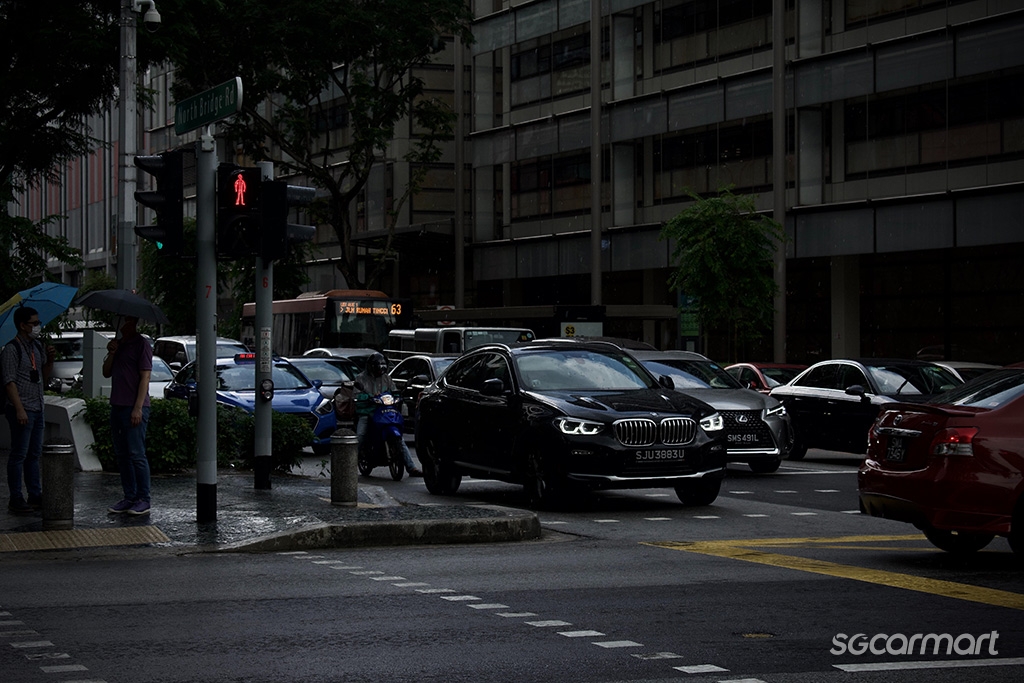
    Will the Electric Vehicles Charging Act 2022 be the first necessary step in helping Singapore to achieve its EV goals?

    Quite undeniably, the EVCA will help to build up local EV charging infrastructure by regulating and enabling a network of safe and reliable charging services. Put together with the extension of the EV Early Adoption Incentive (EEAI) scheme till 2025, EV uptake in Singapore appears poised for success.

    As we approach an inflection point, here's a question to ponder: Is the EVCA the first necessary step for Singapore to achieve its EV goals? 
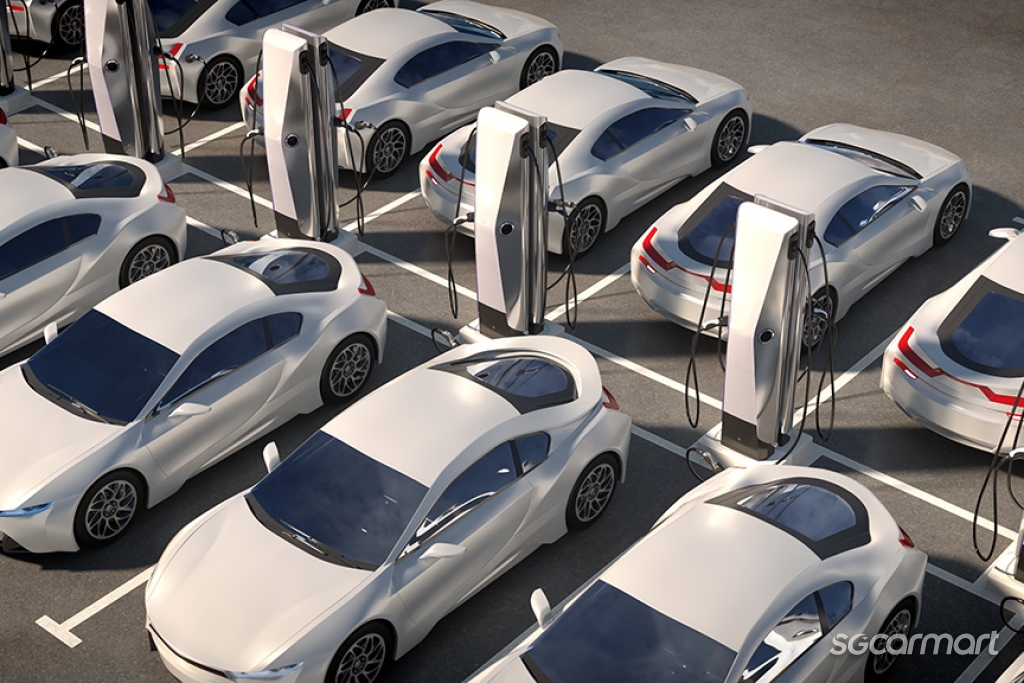
    Sustaining demand for EVs

    Since 2021, the EEAI has helped to gather EV traction by entitling those who choose to switch to an EV to rebates off the Additional Registration Fee (ARF). According to LTA, EVs made up almost 12% of newly registered vehicles locally in 2022. This number tripled from that in 2021. 

    But the EEAI, being an incentive scheme, cannot be continued forever simply because it has cost implications for the government's budget. Already we are seeing signs of us being weaned off: Starting 2024, the maximum amount of rebate one can get from the EEAI will be reduced from $20,000 to $15,000.
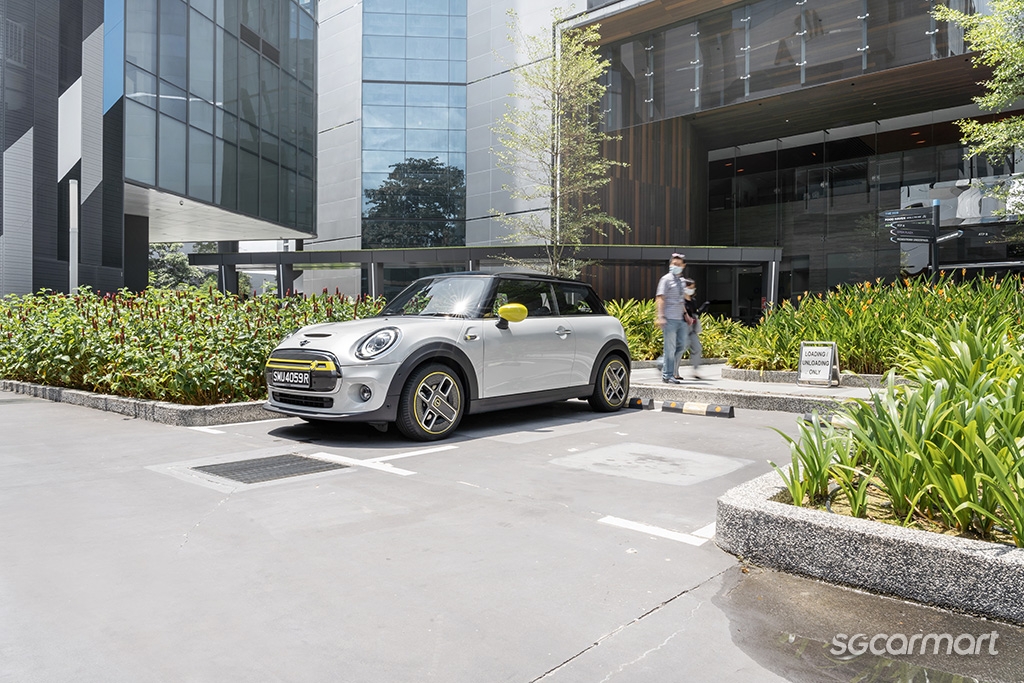
    With EVs being shrouded in an air of unaffordability, their rate of uptake locally may slow down with scaled-down financial support

    Based on a survey conducted by S&P Global Mobility in May 2023, affordability is the main reason for why consumers are holding back on electrification. This is despite the fact that EVs are slowly but surely closing the gap on price parity with their internal combustion engine counterparts. 

    How will we sustain EV adoption rates on local grounds with scaled down financial support?

    Let's first consider where Singapore stands in the global journey to vehicle electrification. China and Norway are no doubt at the forefront, having invested in infrastructure and technology early on. Both countries were also quick to push out government incentives, and tax credits or rebates to encourage EV adoption. Others like Canada, Japan, and the United Kingdom have policies mandating 100% EV sales.
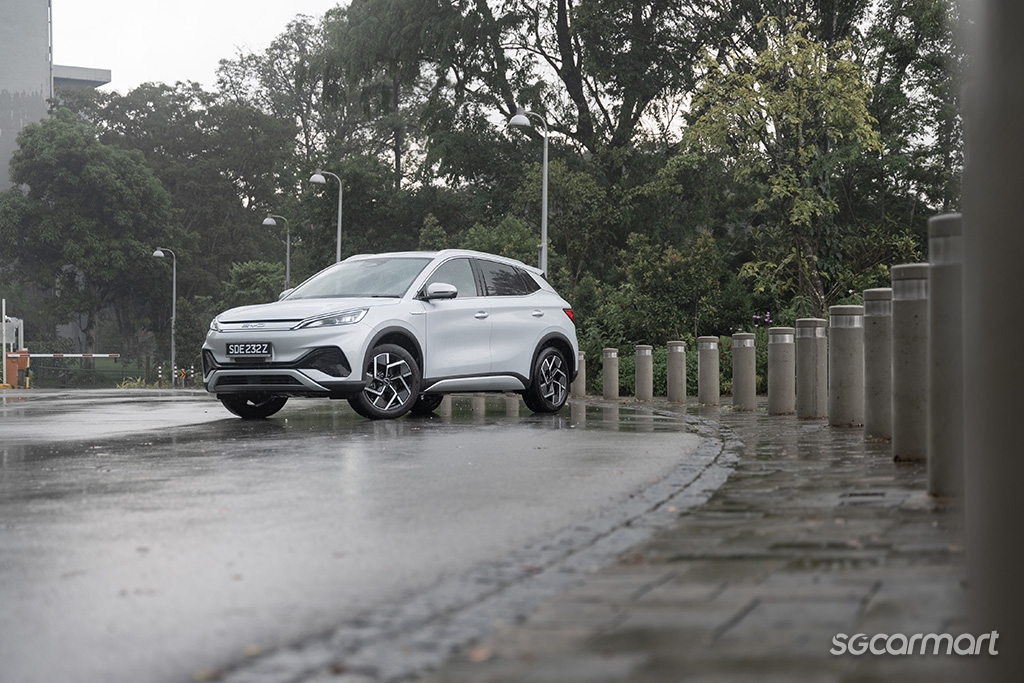
    These stories tell us that we are on the right track, albeit slow to effecting the necessary enablers. 

    The EVCA is the first enduring enabler in Singapore's experience with EV adoption. From hereon, the Act will function as a pillar in maintaining and boosting local demand for EVs. 

    Through paving the way for EV charging infrastructure, the Act will function as a pillar in maintaining and boosting local demand for EVs

    Paving the way for EV charging infrastructure

    With the EVCA, we will see an increase in the availability of shared or public EV charging points, islandwide. 

    The Act requires all new buildings and existing ones that undergo works from 8 December 2023, involving an "increase in the existing gross floor area (GFA) by at least 50%" to provide charging points for electric cars and motorcycles. This provision also applies to developments that request increases in their electrical load to over 280 kilo-volt ampere (kVA), after the EVCA has come into force.

    These will bolster LTA's plan to make every HDB township EV-ready by 2025. On completion, almost 2,000 housing board car parks will be equipped with EV charging lots.

    What this means for Singaporeans is more accessible chargers that will normalise EV charging on-the-go. This will ease much of the present inconvenience and frustration that comes with owning and driving an EV.
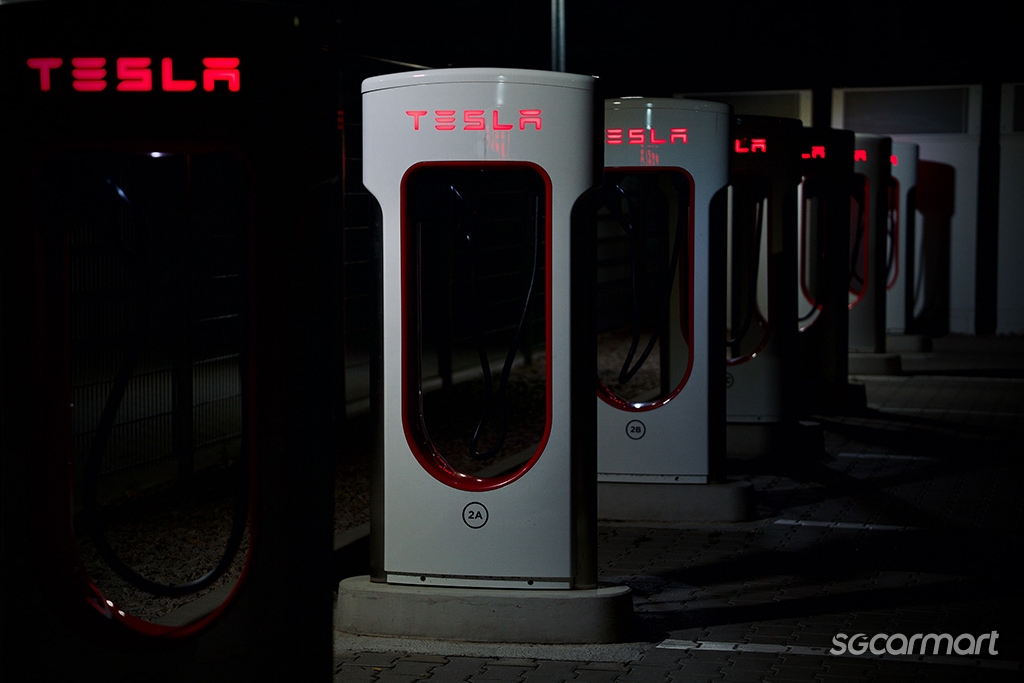
    With charging on-the-go an impending reality, vehicle owners will likely feel more inclined to switch to EVs; that is, if cost implications didn't exist

    Now that one of the biggest challenges impeding the local uptake of EVs is being addressed, vehicle owners should feel more inclined to make the switch. 

    Or so it seems. There are still the dollars and cents that can fuel or cool sentiments to convert. 

    Unavoidable tradeoffs

    The arrival of the EVCA brings with it a slew of regulatory costs for EV charger suppliers, owners, and operators. These include licensing and registration fees, which could vary depending on the charger profile (i.e. high or low power rating), size of the charger fleet, and charger lifespan. 

    It's natural to think that costs can be kept low by limiting the number of chargers registered, for instance. Interestingly, that isn't the case. According to LTA's calculations based on a charger lifespan of seven years, a large-sized public EV charging operator 10 times that of its competitor with the same profile of chargers, actually incurs $43 less in projected regulatory costs per charger each year.

    This is possible because of economies of scale. In this context, having more chargers helps to bring down the fixed costs since each charger can charge up multiple EVs in a day. Think of it as consumers paying for the regulatory fees whenever they pay for their EV charging sessions. The more the number of consumers who use an EV charger, the lesser the charger will cost in regulatory fees. 

    And here, we have two not-so-obvious implications that come hand in hand: An EV charger market dominated by the big players and cost transfer to the end user.
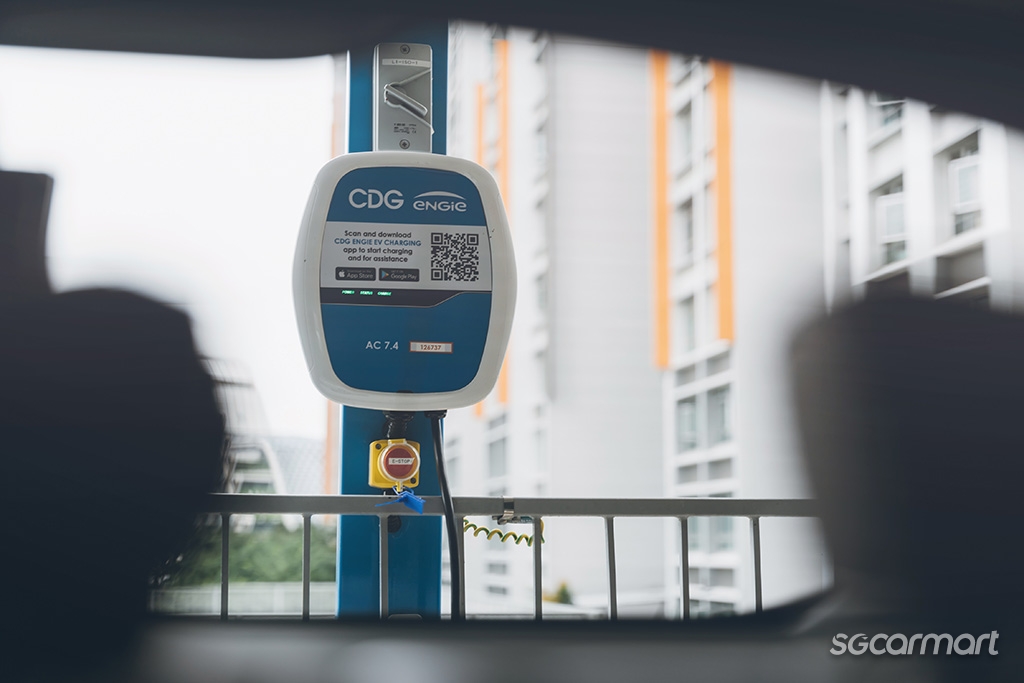
    As we have seen, the economies of scale brought about by the regulatory costs naturally prices smaller-sized charger operators out of the playing field. Unless they find a way to effectively diffuse costs, sustaining the fixed costs amidst competition from the large operators will be a tough battle to win.

    Another anticipatory reaction to these regulatory costs is for operators to pass them on to the end user. This would in turn translate into more expensive EV charging services, which could make EVs feel even more unaffordable than they already do to the masses. 

    In spite of these cost-driven implications, the EVCA is imperative to setting up the required charging infrastructure to boost the next phase of EV adoption in Singapore. In a way, these could be viewed as trade-offs for allowing our government greater locus of control over the safety, reliability, and rate of advancement of EV charging technology. 
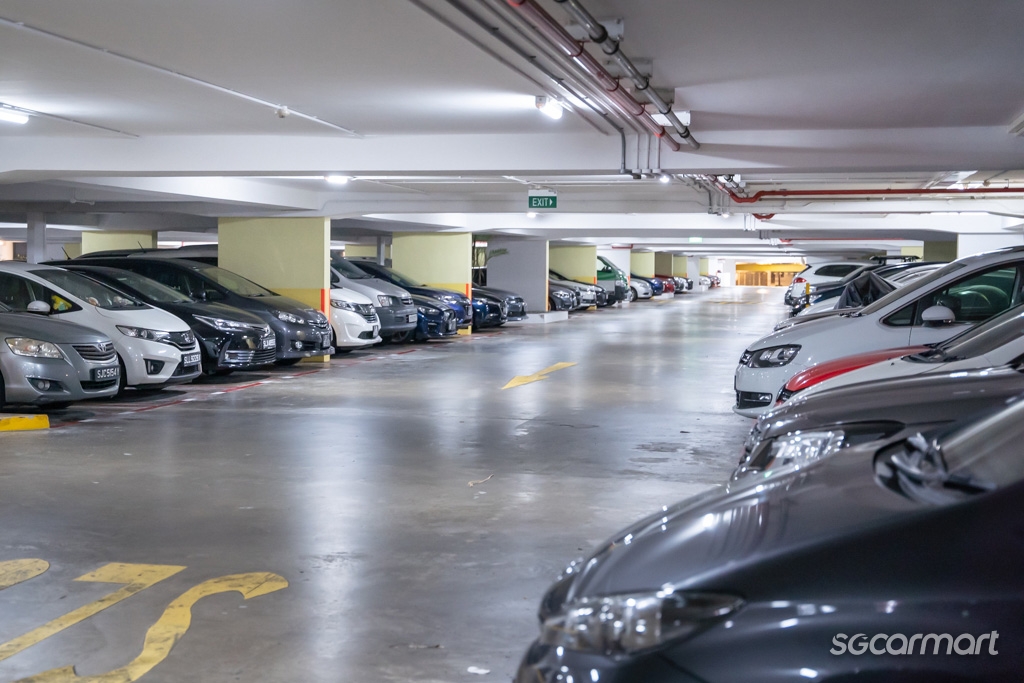
    A measured investment: The EVCA may bring tradeoffs but it is an absolutely necessary step for us to build the infrastructure required for the next chapter

    A pertinent step forward

    The implementation of the EVCA is the single most important step, at this point in time, for Singapore to make progress with EVs. Even if it comes with immediate cost implications, it's pertinent because it puts in place the infrastructure that enables charging availability and accessibility. 

    Government interventions can influence demand, but there is limited utility to such support external to the workings of the free market. They are also not sustainable. Ultimately, efforts pumped into the demand side of the equation have to be balanced with supply factors, and this is precisely what the EVCA sets out to do. 

    The Act may have come later than would have been ideal and much against our will, but it is a good start that will see Singapore through to 2040 and beyond. 

    Denise Phua
    Story by Denise Phua
    Denise pictures herself living in a tiny house parked on the green fields of New Zealand, complete with a huge hammock and a little vegetable garden.
    Photos by Editorial Team, Unsplash, Adobe Stock
    24.4k

    Tags

    commentary ev resource electric vehicles electric vehicles charging act 2022 evca charging infrastructure electric mobility ev charging

    AllReviewsNewsAdviceFeaturesVideos
    • Home
    • Car Articles
    • features
    • features Listings
    • Features

    EVCA: How it will affect the demand for EVs in Singapore

    19 Dec 2023

    |

    17,414 views

    Is the newly introduced Electric Vehicles Charging Act the first necessary step in Singapore's journey to electric mobility?

    Singapore has taken a significant step in its national agenda to transition to clean energy, with the commencement of the Electric Vehicles Charging Act 2022 (EVCA) on 8 December. This law forms the missing puzzle piece, which has remained a key limiting factor in local conversion to electric mobility. 

    Above all, the EVCA symbolises a clear mandate for the nation's EV goals and strategy. For the longest time since initial efforts focused on incentivising the acceptance of EVs, it seems demand - going forward - will be driven by systemic readiness. 

    Will the Electric Vehicles Charging Act 2022 be the first necessary step in helping Singapore to achieve its EV goals?

    Quite undeniably, the EVCA will help to build up local EV charging infrastructure by regulating and enabling a network of safe and reliable charging services. Put together with the extension of the EV Early Adoption Incentive (EEAI) scheme till 2025, EV uptake in Singapore appears poised for success.

    As we approach an inflection point, here's a question to ponder: Is the EVCA the first necessary step for Singapore to achieve its EV goals? 

    Sustaining demand for EVs

    Since 2021, the EEAI has helped to gather EV traction by entitling those who choose to switch to an EV to rebates off the Additional Registration Fee (ARF). According to LTA, EVs made up almost 12% of newly registered vehicles locally in 2022. This number tripled from that in 2021. 

    But the EEAI, being an incentive scheme, cannot be continued forever simply because it has cost implications for the government's budget. Already we are seeing signs of us being weaned off: Starting 2024, the maximum amount of rebate one can get from the EEAI will be reduced from $20,000 to $15,000.

    With EVs being shrouded in an air of unaffordability, their rate of uptake locally may slow down with scaled-down financial support

    Based on a survey conducted by S&P Global Mobility in May 2023, affordability is the main reason for why consumers are holding back on electrification. This is despite the fact that EVs are slowly but surely closing the gap on price parity with their internal combustion engine counterparts. 

    How will we sustain EV adoption rates on local grounds with scaled down financial support?

    Let's first consider where Singapore stands in the global journey to vehicle electrification. China and Norway are no doubt at the forefront, having invested in infrastructure and technology early on. Both countries were also quick to push out government incentives, and tax credits or rebates to encourage EV adoption. Others like Canada, Japan, and the United Kingdom have policies mandating 100% EV sales.

    These stories tell us that we are on the right track, albeit slow to effecting the necessary enablers. 

    The EVCA is the first enduring enabler in Singapore's experience with EV adoption. From hereon, the Act will function as a pillar in maintaining and boosting local demand for EVs. 

    Through paving the way for EV charging infrastructure, the Act will function as a pillar in maintaining and boosting local demand for EVs

    Paving the way for EV charging infrastructure

    With the EVCA, we will see an increase in the availability of shared or public EV charging points, islandwide. 

    The Act requires all new buildings and existing ones that undergo works from 8 December 2023, involving an "increase in the existing gross floor area (GFA) by at least 50%" to provide charging points for electric cars and motorcycles. This provision also applies to developments that request increases in their electrical load to over 280 kilo-volt ampere (kVA), after the EVCA has come into force.

    These will bolster LTA's plan to make every HDB township EV-ready by 2025. On completion, almost 2,000 housing board car parks will be equipped with EV charging lots.

    What this means for Singaporeans is more accessible chargers that will normalise EV charging on-the-go. This will ease much of the present inconvenience and frustration that comes with owning and driving an EV.

    With charging on-the-go an impending reality, vehicle owners will likely feel more inclined to switch to EVs; that is, if cost implications didn't exist

    Now that one of the biggest challenges impeding the local uptake of EVs is being addressed, vehicle owners should feel more inclined to make the switch. 

    Or so it seems. There are still the dollars and cents that can fuel or cool sentiments to convert. 

    Unavoidable tradeoffs

    The arrival of the EVCA brings with it a slew of regulatory costs for EV charger suppliers, owners, and operators. These include licensing and registration fees, which could vary depending on the charger profile (i.e. high or low power rating), size of the charger fleet, and charger lifespan. 

    It's natural to think that costs can be kept low by limiting the number of chargers registered, for instance. Interestingly, that isn't the case. According to LTA's calculations based on a charger lifespan of seven years, a large-sized public EV charging operator 10 times that of its competitor with the same profile of chargers, actually incurs $43 less in projected regulatory costs per charger each year.

    This is possible because of economies of scale. In this context, having more chargers helps to bring down the fixed costs since each charger can charge up multiple EVs in a day. Think of it as consumers paying for the regulatory fees whenever they pay for their EV charging sessions. The more the number of consumers who use an EV charger, the lesser the charger will cost in regulatory fees. 

    And here, we have two not-so-obvious implications that come hand in hand: An EV charger market dominated by the big players and cost transfer to the end user.

    As we have seen, the economies of scale brought about by the regulatory costs naturally prices smaller-sized charger operators out of the playing field. Unless they find a way to effectively diffuse costs, sustaining the fixed costs amidst competition from the large operators will be a tough battle to win.

    Another anticipatory reaction to these regulatory costs is for operators to pass them on to the end user. This would in turn translate into more expensive EV charging services, which could make EVs feel even more unaffordable than they already do to the masses. 

    In spite of these cost-driven implications, the EVCA is imperative to setting up the required charging infrastructure to boost the next phase of EV adoption in Singapore. In a way, these could be viewed as trade-offs for allowing our government greater locus of control over the safety, reliability, and rate of advancement of EV charging technology. 

    A measured investment: The EVCA may bring tradeoffs but it is an absolutely necessary step for us to build the infrastructure required for the next chapter

    A pertinent step forward

    The implementation of the EVCA is the single most important step, at this point in time, for Singapore to make progress with EVs. Even if it comes with immediate cost implications, it's pertinent because it puts in place the infrastructure that enables charging availability and accessibility. 

    Government interventions can influence demand, but there is limited utility to such support external to the workings of the free market. They are also not sustainable. Ultimately, efforts pumped into the demand side of the equation have to be balanced with supply factors, and this is precisely what the EVCA sets out to do. 

    The Act may have come later than would have been ideal and much against our will, but it is a good start that will see Singapore through to 2040 and beyond. 

    Denise Phua
    Story by Denise Phua
    Denise pictures herself living in a tiny house parked on the green fields of New Zealand, complete with a huge hammock and a little vegetable garden.
    Photos by Editorial Team, Unsplash, Adobe Stock
    24.4k

    Tags

    commentary ev resource electric vehicles electric vehicles charging act 2022 evca charging infrastructure electric mobility ev charging

    Newsletter

    Be Notified On The Latest News

    Newsletter

    Be Notified On The Latest News

    Related Articles

    Opinion: Is it time for a change to our road traffic laws?

    Opinion: Is it time for a change to our road traffic laws?

    Should I buy a car in July / August / September 2026?

    Should I buy a car in July / August / September 2026?

    16 noteworthy production models at the 2026 Auto Beijing!

    16 noteworthy production models at the 2026 Auto Beijing!

    Opinion: Why do we even need green number plates?

    Opinion: Why do we even need green number plates?

    Inside Foton's commercial vehicle range in Singapore

    Inside Foton's commercial vehicle range in Singapore

    From dreams to departures: The brands of yesteryear

    From dreams to departures: The brands of yesteryear

    Leapmotor B10: The electric SUV focused on what matters

    Leapmotor B10: The electric SUV focused on what matters

    Hongqi E-HS9: A modern expression of Eastern Luxury

    Hongqi E-HS9: A modern expression of Eastern Luxury

    Related Articles

    Opinion: Is it time for a change to our road traffic laws?

    Opinion: Is it time for a change to our road traffic laws?

    Should I buy a car in July / August / September 2026?

    Should I buy a car in July / August / September 2026?

    16 noteworthy production models at the 2026 Auto Beijing!

    16 noteworthy production models at the 2026 Auto Beijing!

    Opinion: Why do we even need green number plates?

    Opinion: Why do we even need green number plates?

    Inside Foton's commercial vehicle range in Singapore

    Inside Foton's commercial vehicle range in Singapore

    From dreams to departures: The brands of yesteryear

    From dreams to departures: The brands of yesteryear

    Leapmotor B10: The electric SUV focused on what matters

    Leapmotor B10: The electric SUV focused on what matters

    Hongqi E-HS9: A modern expression of Eastern Luxury

    Hongqi E-HS9: A modern expression of Eastern Luxury

    You May Also Like

    LTA sets up poll to decide the least-ugliest EV plate

    LTA sets up poll to decide the least-ugliest EV plate

    New cars are safer: Opt for one when you can

    New cars are safer: Opt for one when you can

    EV NEXT: Peace of mind with battery SOH certification

    EV NEXT: Peace of mind with battery SOH certification

    Sgcarmart Explores: Bras Basah!

    Sgcarmart Explores: Bras Basah!

    Multi-Pathway approach: Toyota was always right

    Multi-Pathway approach: Toyota was always right

    Inside Foton's commercial vehicle range in Singapore

    Inside Foton's commercial vehicle range in Singapore

    Don't get yourself trapped in your high-tech EV

    Don't get yourself trapped in your high-tech EV

    Big Test: Which brand makes the best hybrid?

    Big Test: Which brand makes the best hybrid?

    Is parallel import hesitancy growing among car buyers?

    Is parallel import hesitancy growing among car buyers?

    Cars of 2026

    Cars of 2026

    The rise of PHEVs: A closer look at the numbers

    The rise of PHEVs: A closer look at the numbers

    iCaur V23 100kW Review

    iCaur V23 100kW Review

    The all new XPENG Mona L03 is one smart coupe SUV

    The all new XPENG Mona L03 is one smart coupe SUV

    Opinion: Why do we even need green number plates?

    Opinion: Why do we even need green number plates?

    Hongqi Singapore opens its showroom doors

    Hongqi Singapore opens its showroom doors

    A first look at Chery's iCaur V23 and Jaecoo J8 in Singapore

    A first look at Chery's iCaur V23 and Jaecoo J8 in Singapore

    You May Also Like

    LTA sets up poll to decide the least-ugliest EV plate

    LTA sets up poll to decide the least-ugliest EV plate

    New cars are safer: Opt for one when you can

    New cars are safer: Opt for one when you can

    EV NEXT: Peace of mind with battery SOH certification

    EV NEXT: Peace of mind with battery SOH certification

    Sgcarmart Explores: Bras Basah!

    Sgcarmart Explores: Bras Basah!

    Multi-Pathway approach: Toyota was always right

    Multi-Pathway approach: Toyota was always right

    Inside Foton's commercial vehicle range in Singapore

    Inside Foton's commercial vehicle range in Singapore

    Don't get yourself trapped in your high-tech EV

    Don't get yourself trapped in your high-tech EV

    Big Test: Which brand makes the best hybrid?

    Big Test: Which brand makes the best hybrid?

    Is parallel import hesitancy growing among car buyers?

    Is parallel import hesitancy growing among car buyers?

    Cars of 2026

    Cars of 2026

    The rise of PHEVs: A closer look at the numbers

    The rise of PHEVs: A closer look at the numbers

    iCaur V23 100kW Review

    iCaur V23 100kW Review

    The all new XPENG Mona L03 is one smart coupe SUV

    The all new XPENG Mona L03 is one smart coupe SUV

    Opinion: Why do we even need green number plates?

    Opinion: Why do we even need green number plates?

    Hongqi Singapore opens its showroom doors

    Hongqi Singapore opens its showroom doors

    A first look at Chery's iCaur V23 and Jaecoo J8 in Singapore

    A first look at Chery's iCaur V23 and Jaecoo J8 in Singapore