The COE system is at its core a pretty simple one. It's a simple matter of demand and supply within a defined market size.
The LTA uses the COE system to effectively determine the total vehicle population in Singapore. Within those parameters, the demand for cars will then determine the price of COE.
All things consistent and equal
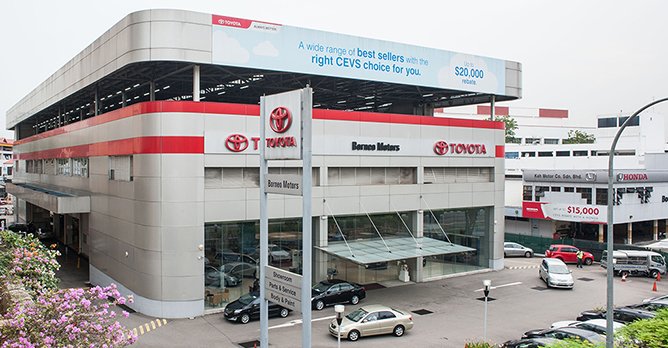
 In our traditional steady state market, COE prices were determined by demand from individual car buyers Since it was first introduced in 1990 (it was called VQS back then), we have seen cyclical fluctuations in COE prices in tandem with the 10 year cycle.
A 'high' year would mean that there is very high demand for a limited number of COEs, and typically 10 years later we will see a similar high demand as drivers with expiring COEs look to either purchase a new car or renew their current COE.
In a steady state market of individual car owners (such as we have seen over the past 2+ decades), these cyclical fluctuations should just continue indefinitely, barring any major changes like the Government deciding to shrink the overall COE supply, and thus the overall vehicle population.
After all, the COE system is a blind and impartial one - it doesn't care who is buying the car or for what purpose, as every registered car is valued equally (in their relevant COE categories).


More demand, less supply
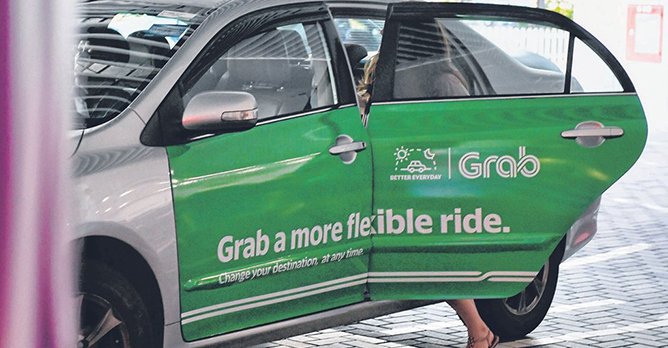 The influx of corporate players means that there is increased competition for COEs, which drives prices upwards However, it should be clear to most drivers that we are very much not in a steady state market anymore. And it is in this context that we have to consider if COE prices will just continue to remain this high moving forward.
On top of the zero growth policy that has been in place since Feb 2018, we have seen some major changes in the automotive sector. The key shift is away from just private car ownership to other car ownership models.
The introduction of ride hailing services, and as such private-hire vehicles, means that there is a new segment of car buying that is led not by individuals, but by companies.
Additionally, we are also seeing growing services such as rental and leasing, which also requires companies to have a fleet of cars available. This again further increases demand within a fixed supply of COEs. And remember, these companies all have growth in mind (growth begets profit, as simplistic an explanation as that may be). So, they have incentive to snap up COEs to grow their vehicle fleets.
 With the Government's push to be more car-lite, it's highly unlikely that COE supply will grow All this is happening within a car buying environment that doesn't seem to be slowing down. Individuals still want to own cars. And until a larger population of car owners decide to move away from private ownership and adopt these new car-using models, we are just going to be seeing increased demand with fixed supply.
The other consideration, of course, is the supply side. The LTA has no incentive for COE to fall, because obviously high COE means more money. But beyond that, the zero growth policy doesn't appear to be going away. If anything, it is more likely that the overall COE supply might shrink in the future, with the Government trying to move the country towards being more car-lite.
No going back
The next peak, based on the traditional 10 year cycle, should be in 2024. The hope is that COE prices might tumble in 2025. But, we are not in the traditional car market anymore. Car demand isn't strictly just from individual private buyers, but now with the additional influx of corporate players as well.
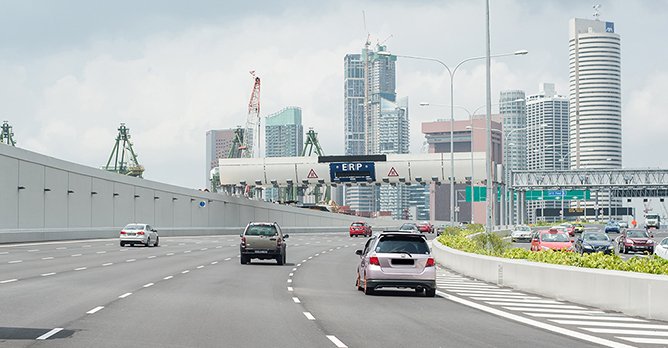 Unless many drivers decide to forgo private car ownership, in this current environment, COE prices might never go down again And, as the Singapore Green Plan 2030 looks to push increasing EV adoption, who's to say that new policies wouldn't be put in place to further restrict COE supply? Perhaps, there might be differentiated COEs for ICE and EV cars, which would place even further pressure on the traditional car buying model.
What does this all mean? Given all these factors, it would seem that COE premiums will continue to remain at this current high point, and in fact continue to climb in coming years. We should also be prepared for the possibility that unless a significant number of people decide to give up personal car ownership, COE prices might just never go down again.
The LTA uses the COE system to effectively determine the total vehicle population in Singapore. Within those parameters, the demand for cars will then determine the price of COE.
All things consistent and equal
A 'high' year would mean that there is very high demand for a limited number of COEs, and typically 10 years later we will see a similar high demand as drivers with expiring COEs look to either purchase a new car or renew their current COE.
In a steady state market of individual car owners (such as we have seen over the past 2+ decades), these cyclical fluctuations should just continue indefinitely, barring any major changes like the Government deciding to shrink the overall COE supply, and thus the overall vehicle population.
After all, the COE system is a blind and impartial one - it doesn't care who is buying the car or for what purpose, as every registered car is valued equally (in their relevant COE categories).
Sgcarmart
Best Car Leasing Deals & Discounts
Compare lowest monthly rates and best insurance coverage from 100+ leasing partners in Singapore.
Get Free Quotes
More demand, less supply
On top of the zero growth policy that has been in place since Feb 2018, we have seen some major changes in the automotive sector. The key shift is away from just private car ownership to other car ownership models.
The introduction of ride hailing services, and as such private-hire vehicles, means that there is a new segment of car buying that is led not by individuals, but by companies.
Additionally, we are also seeing growing services such as rental and leasing, which also requires companies to have a fleet of cars available. This again further increases demand within a fixed supply of COEs. And remember, these companies all have growth in mind (growth begets profit, as simplistic an explanation as that may be). So, they have incentive to snap up COEs to grow their vehicle fleets.
The other consideration, of course, is the supply side. The LTA has no incentive for COE to fall, because obviously high COE means more money. But beyond that, the zero growth policy doesn't appear to be going away. If anything, it is more likely that the overall COE supply might shrink in the future, with the Government trying to move the country towards being more car-lite.
No going back
The next peak, based on the traditional 10 year cycle, should be in 2024. The hope is that COE prices might tumble in 2025. But, we are not in the traditional car market anymore. Car demand isn't strictly just from individual private buyers, but now with the additional influx of corporate players as well.
What does this all mean? Given all these factors, it would seem that COE premiums will continue to remain at this current high point, and in fact continue to climb in coming years. We should also be prepared for the possibility that unless a significant number of people decide to give up personal car ownership, COE prices might just never go down again.
Sgcarmart
Best Car Leasing Deals & Discounts
Compare lowest monthly rates and best insurance coverage from 100+ leasing partners in Singapore.
- Best deals & discounted rates from our leasing partners
- 7-days return policy: Return the car if you change your mind