Production milestones can feel like little more than round numbers. In this case, however, GAC's 30-millionth vehicle offers a useful snapshot of where both the company and China's automotive industry are heading.
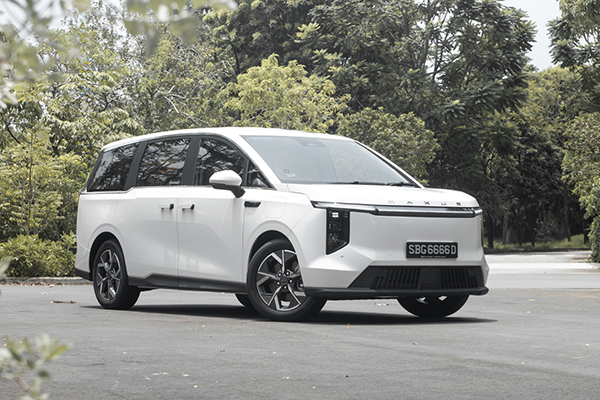
The Chinese carmaker recently celebrated the production of its 30-millionth vehicle, reaching the milestone just 29 years after entering vehicle manufacturing. Yet the more telling detail was not the number itself, but the vehicle chosen to mark the occasion: A right-hand-drive GAC M8 Plug-in Hybrid destined for an overseas customer.

That choice reflects a broader shift underway among Chinese manufacturers. While domestic growth once dominated the conversation, many brands are now increasingly focused on international markets, particularly those requiring local manufacturing and right-hand-drive production capability.
Notably, the vehicles showcased during the event were almost entirely electrified. Models including the GAC Honda P7, GAC Toyota BZ7, Aion N60 and Hyptec S600 rolled off production lines ahead of the milestone M8 PHEV, underlining the role EVs and hybrids are expected to play in GAC's next phase of growth.
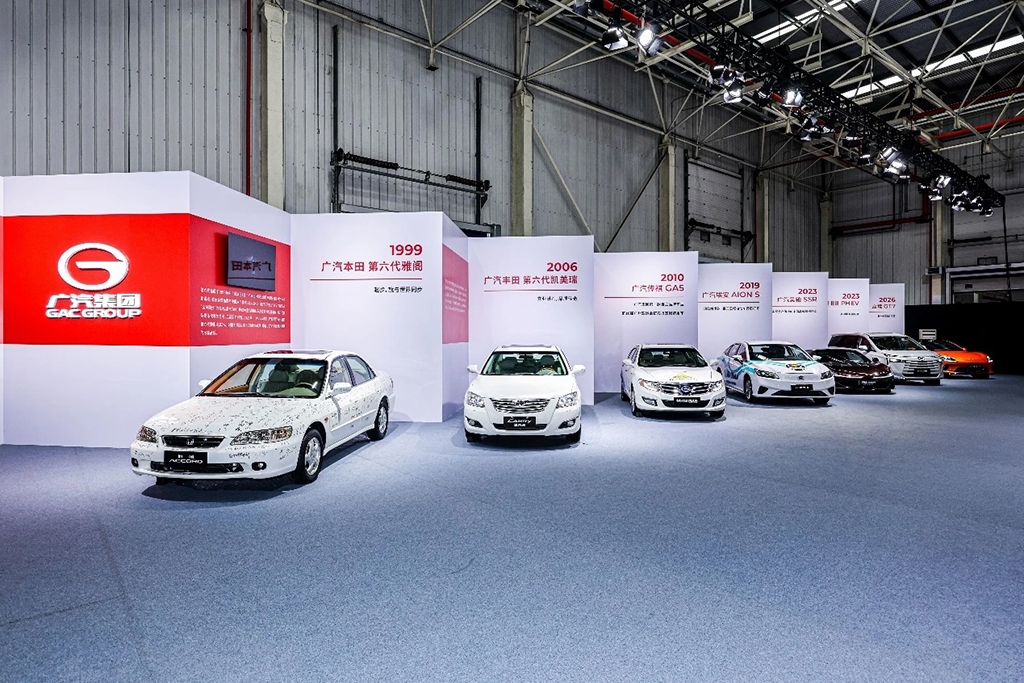
The milestone also arrived alongside several developments beyond China. GAC says its international business now spans 110 countries and territories, supported by more than 746 sales and service outlets, seven overseas manufacturing plants and nine parts warehouses.
Perhaps more interestingly, overseas production facilities are beginning to play a larger role in the company's expansion plans. GAC's Thailand plant recently celebrated production of its 10,000th vehicle, while operations in Indonesia and Austria continue to grow. The Thailand facility in particular has become an important hub for right-hand-drive vehicles, highlighting how local manufacturing is increasingly becoming the next battleground as Chinese brands move beyond simply exporting cars.
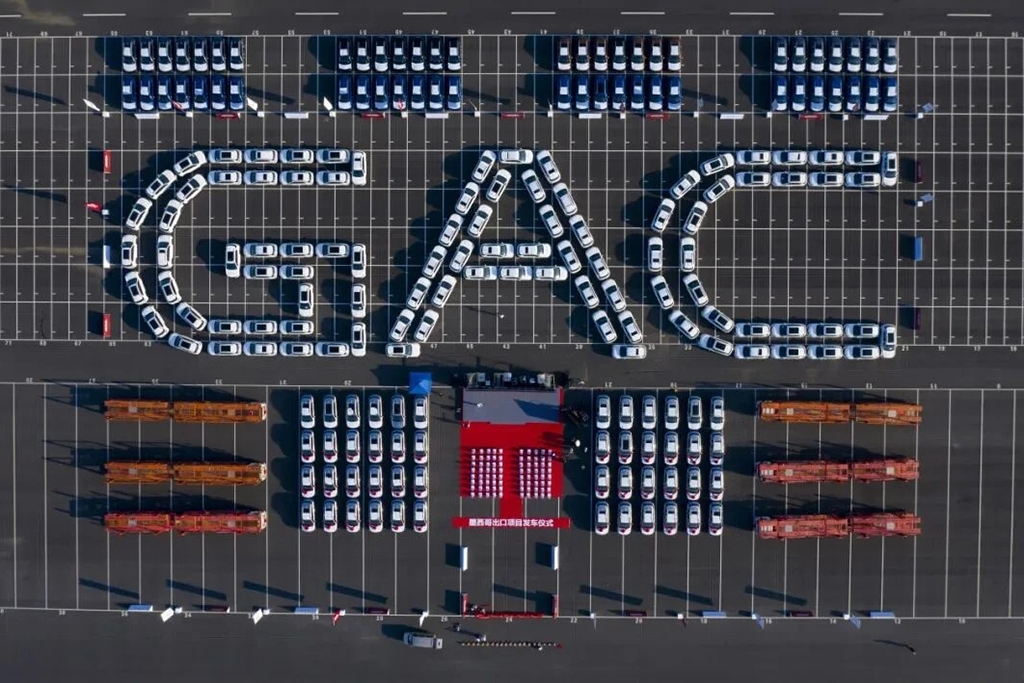
Viewed through that lens, the 30-millionth vehicle is less a celebration of volume and more a marker of changing priorities. For GAC and many of its peers, the next chapter appears to be defined not just by how many vehicles they can build, but where they build them and who they are building them for.