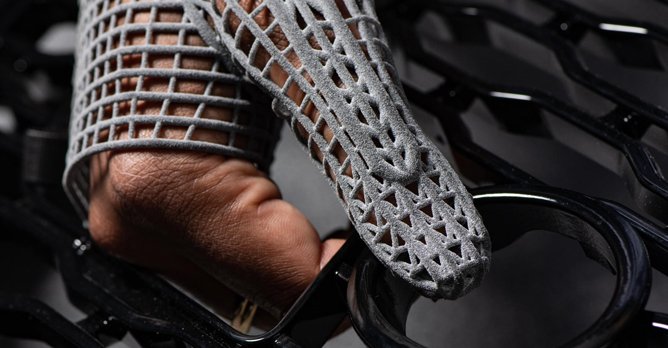
Engineers from Jaguar Land Rover are working on the next generation of protective workplace clothing - a lightweight 3D-printed glove which could help better protect employees from the threat of a musculoskeletal disorder.

Musculoskeletal disorders make up around 30% of all workplace injuries that result in time off and account for a third of the money paid in compensation to employees. Musculoskeletal disorders affect an estimated 10% of the global population, rising to as much as 40% in certain industries.
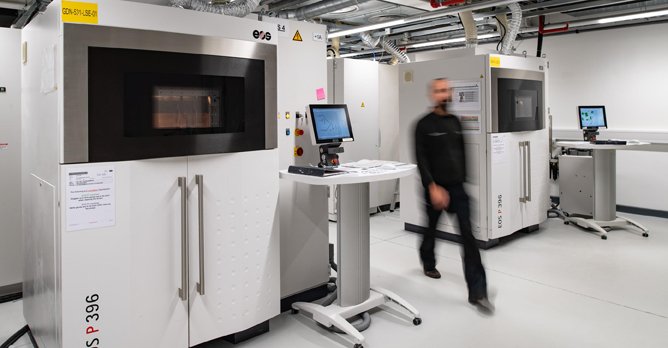
Engineers at Jaguar Land Rover's Gaydon site - home to one of the largest 3D printing facilities in the U.K. - saw an opportunity to use the company's advanced manufacturing expertise to design and 3D print a lattice-style structure which would provide support to reduce muscle fatigue, but also be flexible and comfortable enough to wear during an eight-hour shift.
Following feedback from trials, the team is now working on a second-generation prototype. It will include a foam pad made using impact additive D30 - a polymer material which absorbs impacts when placed under pressure. This will make the glove suitable for those who fit parts, such as door casings, using the palm of the hand.
In the short term the gloves will support workers across Jaguar Land Rover's facilities, helping to protect against musculoskeletal disorders. These form part of a wider future plan to deploy a range of technologies to assist those with muscle weakness or patients who suffer from physical or neurological disorders - helping employees return to work.