View page in desktop
|
Report error
  •   Apple app store icon
  • Google play store icon
Terms of Service
|
Privacy Policy
|
PDPA
|
Site Map
©2004-2026 Sgcarmart, Singapore. All rights reserved.
  • Home
  • Car Articles
  • news
  • news Listings
  • Audi News
  • The Audi e-tron GT, digital planning and production befitting the modern age

    21 Dec 2020

    |

    1,378 views

    The e-tron is Audi's first model to be developed without any physical prototypes, instead it was developed with virtual reality and 3D scanning tools.


    The Audi e-tron GT is the model for which production was planned entirely without physical prototypes. Multiple technical innovations made this possible, including three-dimensional building scans, machine learning processes and the use of virtual reality.

    All assembly processes, such as procedures and employee actions were tested and optimised in virtual spaces that model their real-world counterparts down to the finest detail. Virtual planning is now used across site boundaries, enabling digital, connected working without business trips or foreign assignments - and not just during the coronavirus pandemic.
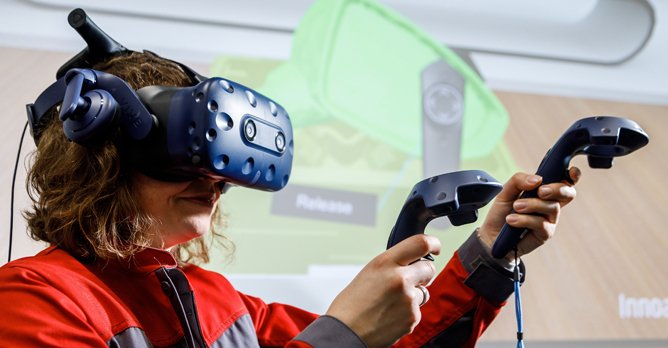

    The virtual planning of the Audi e-tron GT without physical prototypes saved not just time, but also materials and thus resources
    A variety of prototypes are used in the conventional planning process for the production of a new Audi model. The vehicle prototypes are fabricated during the early planning phase as one-off models with hand-built parts. This is time consuming and cost intensive. Assembly Planning uses these prototypes to define and optimise the later production processes.

    What are the employee's tasks? Where does a part have to be located for the employee to have optimal access to it? Can the employee hold and install the part by him- or herself? How does she have to move to do it? Are other parts in the way? What tools does he need?

    During production planning for the Audi e-tron GT, these questions were derived and answered entirely in the virtual world. Every step and every action was tested in the digital space using virtual reality. The goal of virtual planning is to ensure that during the later production of the vehicle, all processes are perfectly meshed and the cycles along the line are seamlessly coordinated.

    This requires that every detail of the production hall be modelled precisely and to scale. This is where 3D scans come into play. Using special hardware and software, they create a virtual reproduction of the physical production facility, including all equipment, tools and shelves.
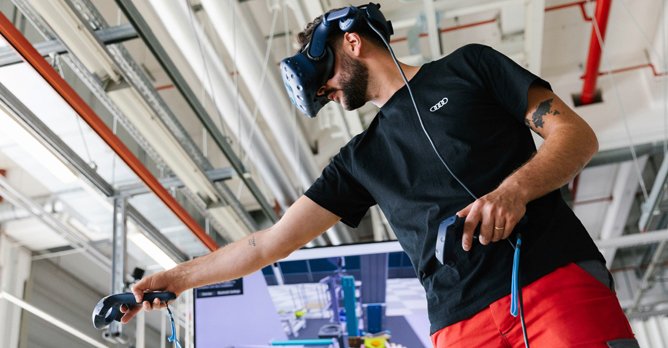

    With virtual reality, processes that once required a physical meeting are now possible in a virtual space
    A scanner is essential for generating the corresponding data. It is roughly two metres tall and is mounted on four wheels so that an employee can move it around the spaces. At the top is a Light Detection and Ranging unit and three additional laser scanners as well as a camera.

    Two processes are conducted simultaneously while scanning a space. The wide-angle camera takes a picture of the space while the lasers precisely measure it and generate a three-dimensional point cloud of the surroundings. 250,000m2 of production hall space at the Neckarsulm site alone has already been scanned using this technology.

    But it is the interaction between the hardware and software that takes the points, images and data sets generated and turns them into a usable overall image that can be used with the existing planning systems. The software used here is an in-house Audi development based on artificial intelligence and machine learning.

    The point cloud and the photographs are combined to produce a three-dimensional, photo-realistic space similar to what is seen in Google Street View. Proportions and sizes are true to scale and correspond to reality. The software also automatically recognises all objects, such as machines, shelves and systems in the space.
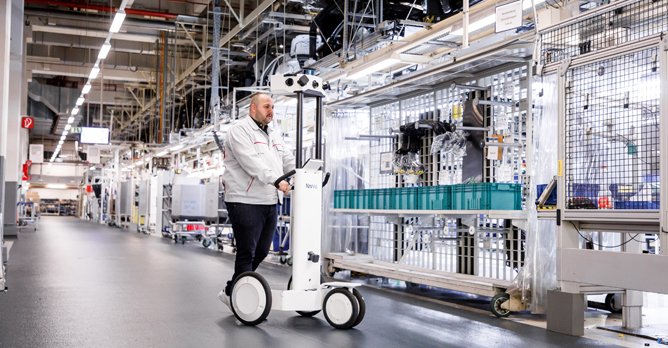

    The 2m tall scanner that Audi employees can wheel around to easily scan the models and parts they need to prototype
    All assembly procedures are jointly defined and tested in real time, as are ergonomic aspects or the exact arrangement of machines, shelves and parts along the assembly line. Audi is the Group lead for the development of the comprehensive Virtual Reality (VR) solution including the digital model. The project is being continued across brand lines under the leadership of Audi as a Group project and rolled out to more and more sites.

    Virtual planning is not restricted to just processes and work procedures. Objects such as containers for the transport and storage of sensitive parts, called special load containers, can also be planned using this technology.

    These containers for individual, particularly sensitive parts of the Audi e-tron GT, such as electric modules or interior parts - were planned using Audi's cross-site and cross-division virtually reality application rather than using multiple physical prototypes of iron and steel.

    Virtual container planning works like this. Since there are data sets for all parts, these can be loaded directly and to-scale in the VR application. As in the 3P workshops, multiple employees from different sites meet in a virtual space, where they use the part to check the perfect and tailored load carrier.

    Employees from Logistics, Assembly Planning, Occupational Safety, Quality Assurance, Material Flow Planning and also suppliers are involved in this process. They use digital pens to mark their changes on the virtual containers. The containers are loaded and unloaded, moved and measured during this process.

    Optimal safety of the part during transport is one objective of this planning. But employees or a robot must also be able to easily grab the part and remove it from the load carrier. Once the virtual design is complete, the data are simply exported and the special load carrier manufactured.

    24.4k

    Tags

    audi e-tron etron audi e-tron production testing developing development virtual reality 3d scanning prototype development future electric

    AllReviewsNewsAdviceFeaturesVideos
    • Home
    • Car Articles
    • news
    • news Listings
    • Audi News

    The Audi e-tron GT, digital planning and production befitting the modern age

    21 Dec 2020

    |

    1,378 views

    The e-tron is Audi's first model to be developed without any physical prototypes, instead it was developed with virtual reality and 3D scanning tools.


    The Audi e-tron GT is the model for which production was planned entirely without physical prototypes. Multiple technical innovations made this possible, including three-dimensional building scans, machine learning processes and the use of virtual reality.

    All assembly processes, such as procedures and employee actions were tested and optimised in virtual spaces that model their real-world counterparts down to the finest detail. Virtual planning is now used across site boundaries, enabling digital, connected working without business trips or foreign assignments - and not just during the coronavirus pandemic.


    The virtual planning of the Audi e-tron GT without physical prototypes saved not just time, but also materials and thus resources
    A variety of prototypes are used in the conventional planning process for the production of a new Audi model. The vehicle prototypes are fabricated during the early planning phase as one-off models with hand-built parts. This is time consuming and cost intensive. Assembly Planning uses these prototypes to define and optimise the later production processes.

    What are the employee's tasks? Where does a part have to be located for the employee to have optimal access to it? Can the employee hold and install the part by him- or herself? How does she have to move to do it? Are other parts in the way? What tools does he need?

    During production planning for the Audi e-tron GT, these questions were derived and answered entirely in the virtual world. Every step and every action was tested in the digital space using virtual reality. The goal of virtual planning is to ensure that during the later production of the vehicle, all processes are perfectly meshed and the cycles along the line are seamlessly coordinated.

    This requires that every detail of the production hall be modelled precisely and to scale. This is where 3D scans come into play. Using special hardware and software, they create a virtual reproduction of the physical production facility, including all equipment, tools and shelves.


    With virtual reality, processes that once required a physical meeting are now possible in a virtual space
    A scanner is essential for generating the corresponding data. It is roughly two metres tall and is mounted on four wheels so that an employee can move it around the spaces. At the top is a Light Detection and Ranging unit and three additional laser scanners as well as a camera.

    Two processes are conducted simultaneously while scanning a space. The wide-angle camera takes a picture of the space while the lasers precisely measure it and generate a three-dimensional point cloud of the surroundings. 250,000m2 of production hall space at the Neckarsulm site alone has already been scanned using this technology.

    But it is the interaction between the hardware and software that takes the points, images and data sets generated and turns them into a usable overall image that can be used with the existing planning systems. The software used here is an in-house Audi development based on artificial intelligence and machine learning.

    The point cloud and the photographs are combined to produce a three-dimensional, photo-realistic space similar to what is seen in Google Street View. Proportions and sizes are true to scale and correspond to reality. The software also automatically recognises all objects, such as machines, shelves and systems in the space.


    The 2m tall scanner that Audi employees can wheel around to easily scan the models and parts they need to prototype
    All assembly procedures are jointly defined and tested in real time, as are ergonomic aspects or the exact arrangement of machines, shelves and parts along the assembly line. Audi is the Group lead for the development of the comprehensive Virtual Reality (VR) solution including the digital model. The project is being continued across brand lines under the leadership of Audi as a Group project and rolled out to more and more sites.

    Virtual planning is not restricted to just processes and work procedures. Objects such as containers for the transport and storage of sensitive parts, called special load containers, can also be planned using this technology.

    These containers for individual, particularly sensitive parts of the Audi e-tron GT, such as electric modules or interior parts - were planned using Audi's cross-site and cross-division virtually reality application rather than using multiple physical prototypes of iron and steel.

    Virtual container planning works like this. Since there are data sets for all parts, these can be loaded directly and to-scale in the VR application. As in the 3P workshops, multiple employees from different sites meet in a virtual space, where they use the part to check the perfect and tailored load carrier.

    Employees from Logistics, Assembly Planning, Occupational Safety, Quality Assurance, Material Flow Planning and also suppliers are involved in this process. They use digital pens to mark their changes on the virtual containers. The containers are loaded and unloaded, moved and measured during this process.

    Optimal safety of the part during transport is one objective of this planning. But employees or a robot must also be able to easily grab the part and remove it from the load carrier. Once the virtual design is complete, the data are simply exported and the special load carrier manufactured.
    24.4k

    Tags

    audi e-tron etron audi e-tron production testing developing development virtual reality 3d scanning prototype development future electric

    Newsletter

    Be Notified On The Latest News

    Newsletter

    Be Notified On The Latest News

    Latest COE Prices

    August 2026 | 1st BIDDING
    NEXT TENDER: 19 Aug 2026
    CAT A
    $123,890
    CAT B
    $129,910
    CAT C
    $91,545
    CAT E
    $131,000
    View Full Results

    Latest COE Prices

    August 2026 | 1st BIDDING
    NEXT TENDER: 19 Aug 2026
    CAT A
    $123,890
    CAT B
    $129,910
    CAT C
    $91,545
    CAT E
    $131,000
    View Full Results

    You May Also Like

    Sgcarmart Explores: Bras Basah!

    Sgcarmart Explores: Bras Basah!

    New cars are safer: Opt for one when you can

    New cars are safer: Opt for one when you can

    Maxus MIFA 7 Elite: Going big for the little moments

    Maxus MIFA 7 Elite: Going big for the little moments

    Sgcarmart Explores: East Coast Park!

    Sgcarmart Explores: East Coast Park!

    Opinion: Why do we even need green number plates?

    Opinion: Why do we even need green number plates?

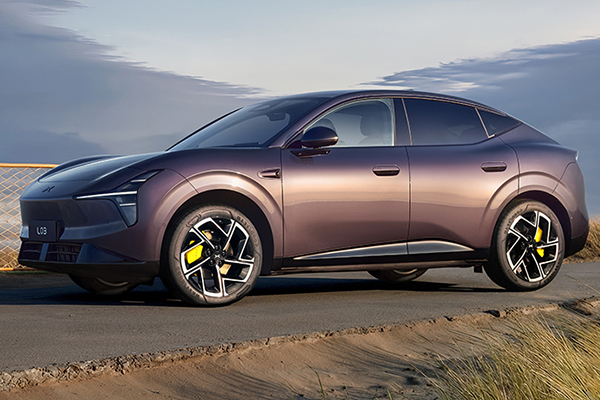
    The all new XPENG Mona L03 is one smart coupe SUV

    The all new XPENG Mona L03 is one smart coupe SUV

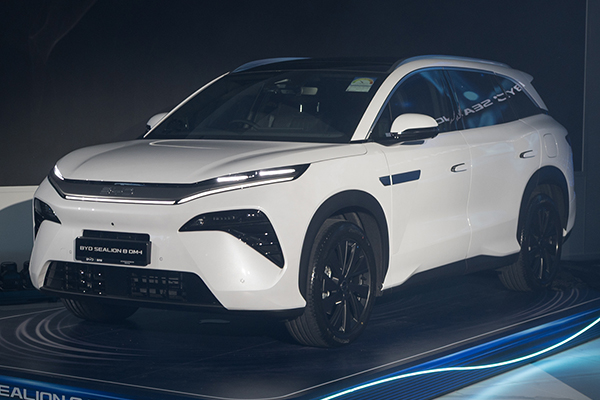
    The BYD Sealion 8 seven-seater SUV arrives in Singapore

    The BYD Sealion 8 seven-seater SUV arrives in Singapore

    Must-Have Car Accessories Every EV Driver Should Own

    Must-Have Car Accessories Every EV Driver Should Own

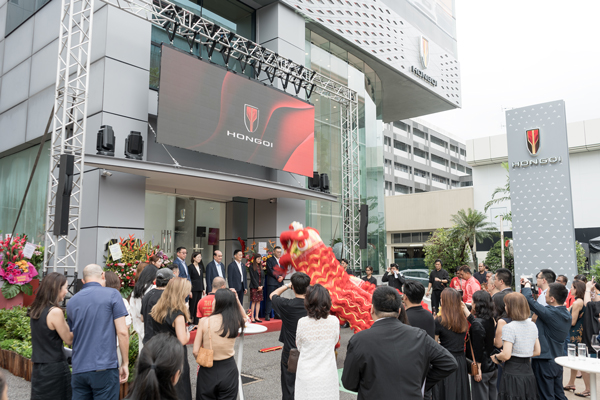
    Hongqi Singapore opens its showroom doors

    Hongqi Singapore opens its showroom doors

    Ferrari 849 Testarossa Spider - with the sky included

    Ferrari 849 Testarossa Spider - with the sky included

    Mercedes-Benz GLB250+ Review

    Mercedes-Benz GLB250+ Review

    A first look at Chery's iCaur V23 and Jaecoo J8 in Singapore

    A first look at Chery's iCaur V23 and Jaecoo J8 in Singapore

    Tesla launches Model Y L in Singapore, first six-seater here

    Tesla launches Model Y L in Singapore, first six-seater here

    New to driving? Here's how to become a better driver

    New to driving? Here's how to become a better driver

    The 5 main things you must know about the XPENG L03

    The 5 main things you must know about the XPENG L03

    BMW iX3 Review

    BMW iX3 Review

    You May Also Like

    Sgcarmart Explores: Bras Basah!

    Sgcarmart Explores: Bras Basah!

    New cars are safer: Opt for one when you can

    New cars are safer: Opt for one when you can

    Maxus MIFA 7 Elite: Going big for the little moments

    Maxus MIFA 7 Elite: Going big for the little moments

    Sgcarmart Explores: East Coast Park!

    Sgcarmart Explores: East Coast Park!

    Opinion: Why do we even need green number plates?

    Opinion: Why do we even need green number plates?

    The all new XPENG Mona L03 is one smart coupe SUV

    The all new XPENG Mona L03 is one smart coupe SUV

    The BYD Sealion 8 seven-seater SUV arrives in Singapore

    The BYD Sealion 8 seven-seater SUV arrives in Singapore

    Must-Have Car Accessories Every EV Driver Should Own

    Must-Have Car Accessories Every EV Driver Should Own

    Hongqi Singapore opens its showroom doors

    Hongqi Singapore opens its showroom doors

    Ferrari 849 Testarossa Spider - with the sky included

    Ferrari 849 Testarossa Spider - with the sky included

    Mercedes-Benz GLB250+ Review

    Mercedes-Benz GLB250+ Review

    A first look at Chery's iCaur V23 and Jaecoo J8 in Singapore

    A first look at Chery's iCaur V23 and Jaecoo J8 in Singapore

    Tesla launches Model Y L in Singapore, first six-seater here

    Tesla launches Model Y L in Singapore, first six-seater here

    New to driving? Here's how to become a better driver

    New to driving? Here's how to become a better driver

    The 5 main things you must know about the XPENG L03

    The 5 main things you must know about the XPENG L03

    BMW iX3 Review

    BMW iX3 Review

    Related Articles

    Sgcarmart Explores: Bras Basah!

    Sgcarmart Explores: Bras Basah!

    Opinion: Why do we even need green number plates?

    Opinion: Why do we even need green number plates?

    Ferrari 849 Testarossa Spider: What you must know

    Ferrari 849 Testarossa Spider: What you must know

    Hongqi Singapore opens its showroom doors

    Hongqi Singapore opens its showroom doors

    Ferrari 849 Testarossa Spider - with the sky included

    Ferrari 849 Testarossa Spider - with the sky included

    PARF rebates cut by 45%: Six quick takeaways and thoughts

    PARF rebates cut by 45%: Six quick takeaways and thoughts

    The all new XPENG Mona L03 is one smart coupe SUV

    The all new XPENG Mona L03 is one smart coupe SUV

    DENZA B5 luxury SUV launched in Singapore

    DENZA B5 luxury SUV launched in Singapore

    Related Articles

    Sgcarmart Explores: Bras Basah!

    Sgcarmart Explores: Bras Basah!

    Opinion: Why do we even need green number plates?

    Opinion: Why do we even need green number plates?

    Ferrari 849 Testarossa Spider: What you must know

    Ferrari 849 Testarossa Spider: What you must know

    Hongqi Singapore opens its showroom doors

    Hongqi Singapore opens its showroom doors

    Ferrari 849 Testarossa Spider - with the sky included

    Ferrari 849 Testarossa Spider - with the sky included

    PARF rebates cut by 45%: Six quick takeaways and thoughts

    PARF rebates cut by 45%: Six quick takeaways and thoughts

    The all new XPENG Mona L03 is one smart coupe SUV

    The all new XPENG Mona L03 is one smart coupe SUV

    DENZA B5 luxury SUV launched in Singapore

    DENZA B5 luxury SUV launched in Singapore