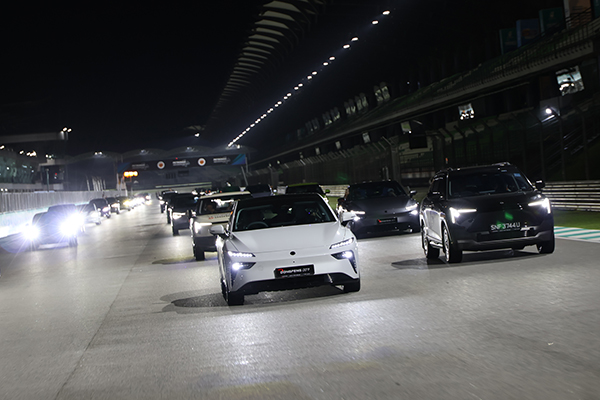
BMW's Neue Klasse models, which are due to be launched from 2025 onwards, will feature trim parts made of plastic whose raw material contains around 30% recycled fishing nets and ropes. This raw material is sourced at ports all around the world to ensure that it does not end up being discarded into the sea.
BMW will utilise an exclusive recycling process, using waste material from the maritime industry to produce trim parts suitable for the exterior and interior of future vehicles. The resulting components have an approximately 25% lower carbon footprint than their counterparts made from conventionally manufactured plastics.
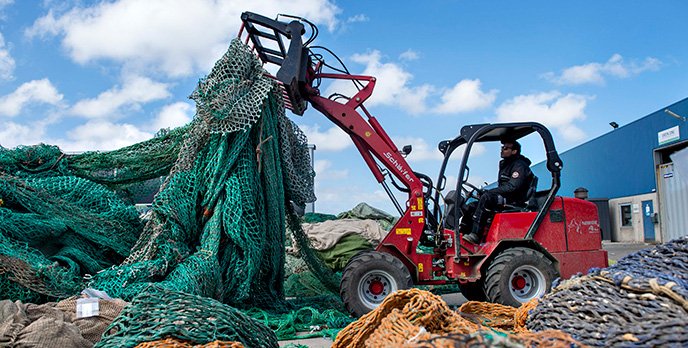
 Usage of fishing nets and ropes will see a decrease of carbon footprints by 25 percent The BMW Group is working with different approaches to use plastic waste from the maritime industry as a raw material for vehicle components to conserve valuable resources and reduce carbon dioxide emissions.
Recycled nylon waste forms the basis for a synthetic yarn from which the floor mats in the BMW iX and the new BMW X1, for example, are made. This material, known as Econyl, is made from discarded fishing nets well as worn floor coverings and residual waste from plastics production.
In a new initiative developed in cooperation with the Danish company PLASTIX, the BMW Group is taking the recycling of maritime plastic waste a step further. After separation, fishing nets and ropes undergo a process that produces plastic granules.
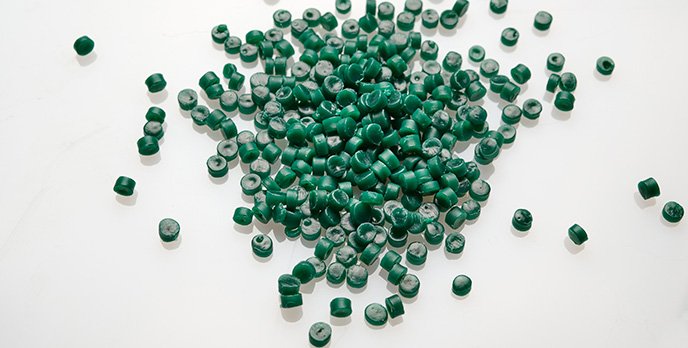 Who would have guessed. These plastic granules are actually made from recycled fishing nets and ropes While recycled maritime plastic has so far only been used in the automotive industry in the form of fibres for new vehicle components, this recycled material is now also suitable for the injection moulding process for the first time.
This creates additional application possibilities for recycled plastics. The components manufactured using the injection moulding process are trim parts that will be used in both non-visible and visible areas of the exterior and interior of the Neue Klasse models from 2025.
Overall, the BMW Group has set itself the target of increasing the proportion of secondary materials in the thermoplastics used in new vehicles from currently around 20% to an average of 40% by 2030.
BMW will utilise an exclusive recycling process, using waste material from the maritime industry to produce trim parts suitable for the exterior and interior of future vehicles. The resulting components have an approximately 25% lower carbon footprint than their counterparts made from conventionally manufactured plastics.
Recycled nylon waste forms the basis for a synthetic yarn from which the floor mats in the BMW iX and the new BMW X1, for example, are made. This material, known as Econyl, is made from discarded fishing nets well as worn floor coverings and residual waste from plastics production.
In a new initiative developed in cooperation with the Danish company PLASTIX, the BMW Group is taking the recycling of maritime plastic waste a step further. After separation, fishing nets and ropes undergo a process that produces plastic granules.
This creates additional application possibilities for recycled plastics. The components manufactured using the injection moulding process are trim parts that will be used in both non-visible and visible areas of the exterior and interior of the Neue Klasse models from 2025.
Overall, the BMW Group has set itself the target of increasing the proportion of secondary materials in the thermoplastics used in new vehicles from currently around 20% to an average of 40% by 2030.