Hosted virtually on 4 Feb 2021, this year's Nissan Futures event brought together industry leaders, government officials, media and Nissan executives to discuss the opportunity for carbon-neutral mobility in ASEAN.
Framed around the theme of 'Electrifying 250 million cars. An impossible dream?', the discussion was centred around the "The Future of Electrified Vehicles in Southeast Asia" study conducted by Frost & Sullivan.
Changing perceptions
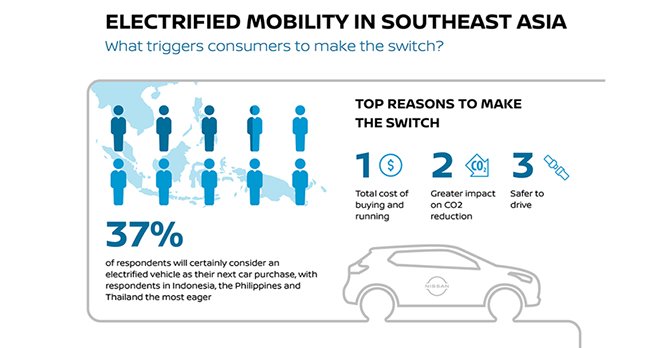

The study found that 64% of respondents across ASEAN say they are more willing to consider an electrified vehicle than they were five years ago. 37% of the surveyed car drivers state they would certainly consider an electrified vehicle as their next car purchase within the next three years.
This points to a growing enthusiasm when it comes to the adoption of electrified vehicles. With a fast growing middle class in ASEAN and an increasing demand for personal mobility, coupled with an increasing awareness on the stress on growing megacities, electrified mobility is increasingly becoming a more sustainable choice for car buyers.
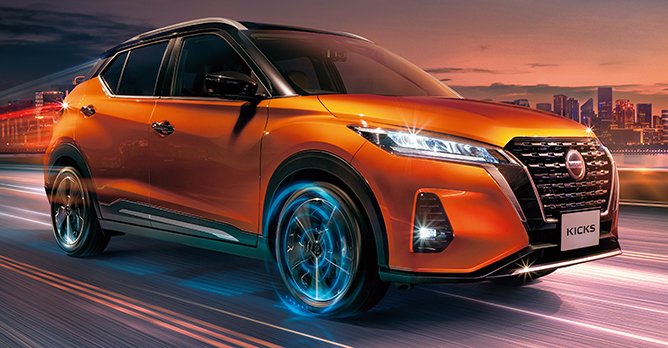
To this end, Nissan is continuing to invest in new electrified products. Thailand is the first country outside Japan to produce e-POWER, Nissan's unique technology. Moving forward, Thailand has committed to making 30% of automobile production to be electrified vehicles by 2030.
More e-POWER models are also set to be introduced to more Southeast Asian markets. Nissan currently already has introduced electrified vehicles to Singapore, Malaysia, Thailand, Indonesia and Hong Kong. In the coming months, the new Note e-POWER will also be launched in Singapore and Hong Kong.
Moving markets
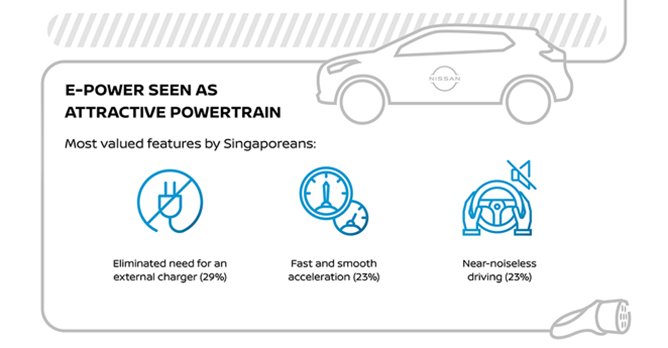
While there have been positive developments across the board as far as lowering barriers to adoption and increasing customer awareness and acceptance of electrification technology, it appears that Singapore in particular is much more resistant to change compared to the other five countries.
When it comes to the intention to purchase an electrified vehicle, Singapore ranked second last in responding 'Certainly', and joint first in responding 'Not at all'. Singapore also ranked last when it comes to the perceptions of environmental impact on purchase decision, and had the highest percentage of respondents that perceived electrified vehicle maintenance costs to be the same as a conventional car.
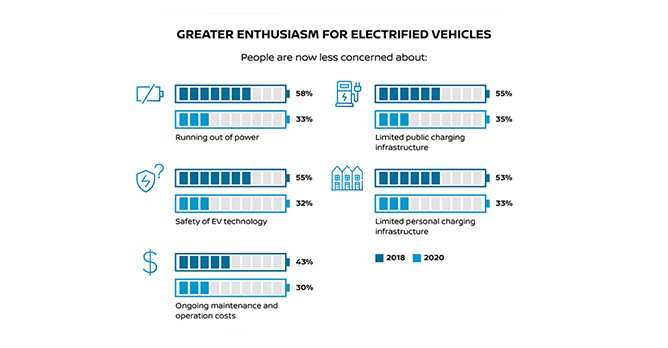
Part of this can be attributed to a deeply entrenched car market, combined with the high cost of cars here that make buyers especially price sensitive.
However, it's also interesting to consider Singapore's developed, cosmopolitan society in contrast to the other countries who are developing markets. There, it appears that the impact of electrified vehicles, both in delivering practical mobility solutions as well as also reducing the environmental impact of cars, becomes much more significant.
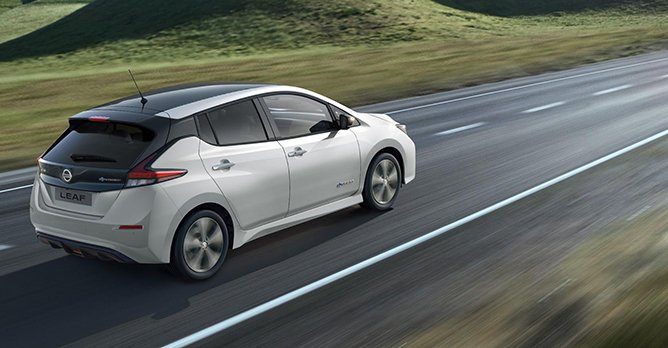
The study shows a growing group of consumers driven by strong environmental awareness and climate change concerns. They view electrified vehicle use as a way to do their bit for the environment. This care for the environment was found to be most important to consumers in the Philippines and Thailand.
Capturing emotions
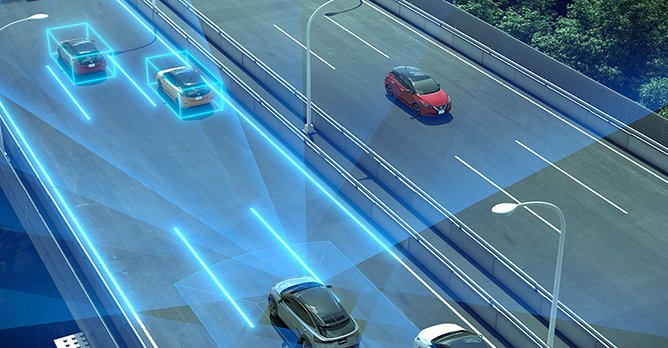
While there are of course rational and practical considerations when it comes to electrified mobility, the study highlights that the choice of going electric is an increasingly emotional one. An electrified vehicle isn't just a cleaner, greener solution, it also has to deliver emotionality and fun in its own distinct way.
Consumers are increasingly exposed to and educated about new electrified mobility technologies and solutions, whether its Nissan's e-POWER technology or other new innovations afforded by electrified cars. With more and more carmakers developing new electromobility solutions, the technology will no doubt be developed to a point where it's readily accessible and available to consumers. Even the constraints of charging infrastructure will be resolved in a matter of time - many countries have committed to building up charging infrastructure across big cities.
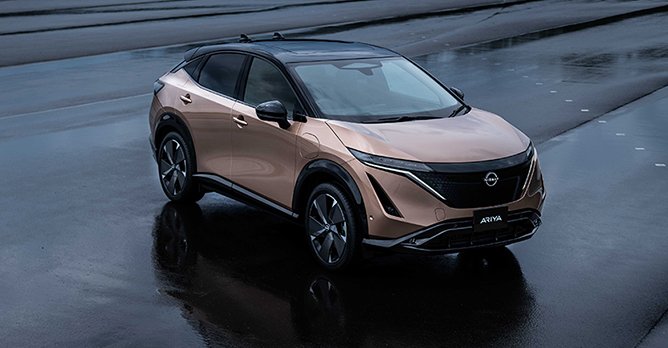
In this respect, carmakers remain tasked to do the same things they've always been doing - to create engaging and captivating designs, develop human-centric and practical solutions, and to continue to meet the simple demands of personal mobility with bold solutions.