Cars are becoming safer with every new generation, thanks to the advancements in chassis and body designs, crash testing, and the proliferation of safety features. This is good news not just for drivers, but for passengers, pedestrians and other road users, too.
However, when most buyers shop for a new set of wheels, they inevitably come across brochures listing numerous safety features, whose acronyms and descriptions can confuse the uninitiated.
You don't need to do a deep dive to understand how these technologies work, though. Here's a quick rundown of the most common car safety features and how they work.
Blind Spot Monitor
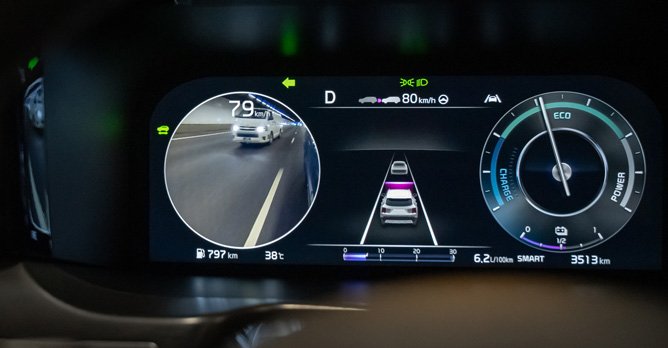
 Kia models such as the Sorento can have a Blind-Spot View Monitor (BVM) that displays live footage of what's in your blind spot
Also known as: Blind Spot Information System (Volvo), Side Assist (Audi), Intelligent Blind Spot Intervention (Nissan), Blind-Spot Collision-Avoidance Assist (Hyundai and Kia), Blind Spot Detection (Opel).
How it works: It detects vehicles in your blind spot and depending on the car brand, alerts the driver with a combination of audio and visual cues. The most popular method is an orange indicator that lights up on the wing mirror on the side that you plan to filter or turn towards.
In some cars, the blind spot monitor can also alert you by vibrating the steering wheel. A message may also be shown on the instrument panel.
Lane Keep
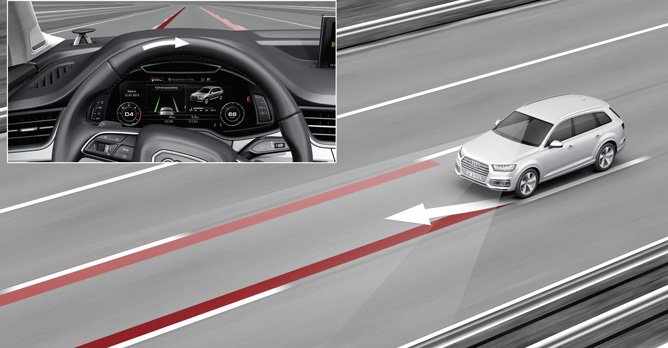 Lane Keep can help you remain in your lane, but it cannot counter a reckless driver who insists on changing lanes without signalling
Also known as: Intelligent Lane Intervention (Nissan), Lane Departure Alert (Toyota), Lane Keeping Assist (Kia), Lane Sway and Departure Warning (Subaru), Lane Assist (Skoda).
How it works: Helps you stay in your chosen lane by vibrating the steering wheel when it detects the car drifting closer to the lane markings. More advanced systems can even apply steering inputs to keep the car within its lane.
Depending on the car make and model, this safety feature may or may not work in conjunction with the Blind Spot Monitor.
Forward Collision-Avoidance Assist
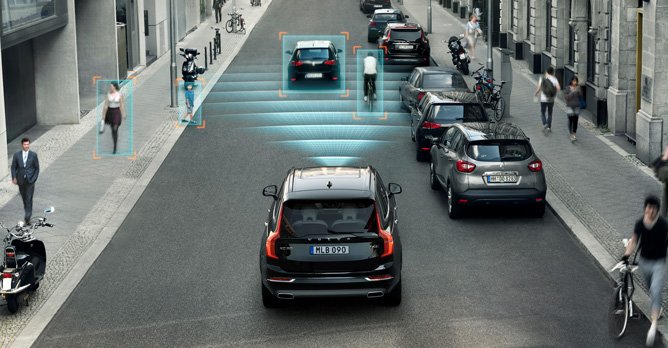 Today's advanced systems can detect not just cars and humans, but animals, too
Also known as: City Safety (Volvo), Pre-Collision System (Toyota), Pre-Collision Braking (Subaru), Front Assist with City Emergency Brake (Volkswagen), Intelligent Forward Collision Warning (Nissan).
How it works: If the vehicle in front of yours has suddenly stopped or slowed down and you haven't braked, the system automatically applies the brakes to help prevent a collision.
By braking earlier and harder than the driver, the system can also help to mitigate the effects of a mishap if one can't be avoided.
More advanced systems detect not just cars, but pedestrians and cyclists as well. They can even work not just in a straight line, but also when a car is turning.
Rear Cross Traffic Alert
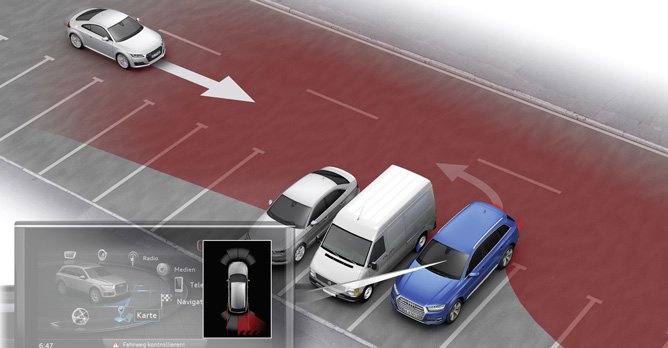 Rear Cross Traffic Alert is especially handy when a tall panel van or lorry is parked beside you and obstructing your view
Also known as: Cross Traffic Alert with brake support (Polestar), Intelligent Back-Up Intervention (Nissan).
How it works: Helps prevent accidents while you’re reversing by detecting traffic approaching from the left and right side of your car and alerting you.
The alerts are typically audio and visual. In more advanced systems, the system can even automatically apply the brakes if the driver fails to take action after warnings are given.
Adaptive Cruise Control
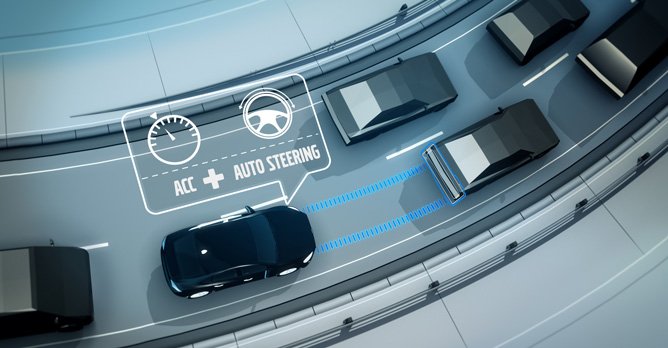 Adaptive Cruise Control systems make driving even more convenient, but the driver must always be ready to take back control when needed
Also known as: Dynamic Radar Cruise Control (Toyota), Active Distance Assist DISTRONIC (Mercedes-Benz), Smart Cruise Control with Stop & Go (Hyundai).
How it works: Drivers activate the system and set the speed and following distance. Adaptive Cruise Control then accelerates or slows down the car in response to the speed of the vehicle in front.
More advanced systems even work in congested conditions. Volkswagen’s aptly named Traffic Jam Assist, for instance, can bring the car to a halt and resumes driving duties once the car in front starts moving.
ESP or Electronic Stability Programme
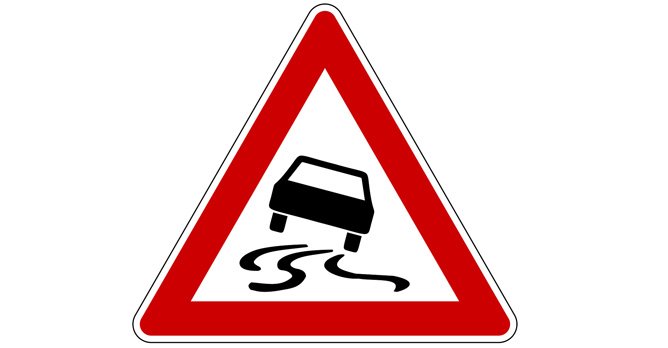 ESP helps maintain traction and roadholding in slippery conditions, and is a necessity given how powerful cars have become
Also known as: ESC or Electronic Stability Control, DSC or Dynamic Stability Control.
How it works: It prevents wheelspin and lessens the possibility of a skid in slippery conditions by reducing the engine torque to the driven axle/s. This gives the tyres a chance to slow down, stop spinning and regain traction.
Another benefit is that this safety feature can also help prevent understeer and oversteer.
On advanced all-wheel drive systems, the ESP can even control the amount of torque being sent to individual wheels to further improve overall grip.
Essentially a more advanced version of traction control, which only tries to prevent or stop wheelspin, ESP takes the car’s motion, pitch and yaw into account when it intervenes.
ABS
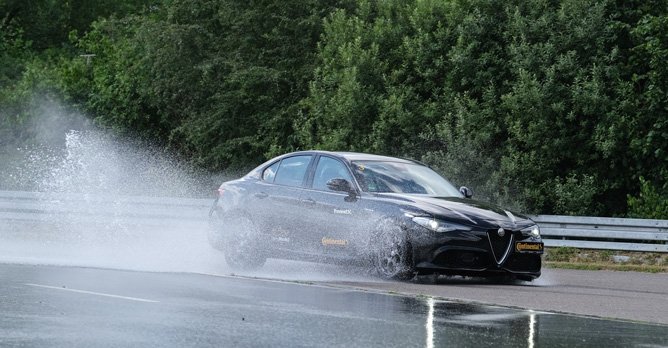 Cars without ABS are trickier to drive because braking too hard can lock up the wheels and cause the vehicle to skid in slippery conditions
Also known as: Anti-lock braking system or informally as anti-lock brakes.
How it works: ABS prevents wheels (and tyres) from locking up under heavy braking by 'pumping' the brakes multiple times in succession. When activated, you will feel a strong pulsing sensation from the brake pedal, which will be accompanied by a loud groaning noise.
Keep your foot on the brake pedal if you desperately need to slow down or stop!
By preventing the tyres from locking up under braking, you have a chance to stop and/or possibly steer your way out of trouble. Remember, when the wheels lock up, the car will skid, and in slippery conditions, its trajectory becomes even more unpredictable.
Here are some related articles that might interest you
How to prepare your car for wet weather
5 habits that good drivers possess
Are Conti cars (European) really safer than JDM/Japanese cars and Korean cars?
Dangerous driving: When will we learn?
However, when most buyers shop for a new set of wheels, they inevitably come across brochures listing numerous safety features, whose acronyms and descriptions can confuse the uninitiated.
You don't need to do a deep dive to understand how these technologies work, though. Here's a quick rundown of the most common car safety features and how they work.
Blind Spot Monitor
Also known as: Blind Spot Information System (Volvo), Side Assist (Audi), Intelligent Blind Spot Intervention (Nissan), Blind-Spot Collision-Avoidance Assist (Hyundai and Kia), Blind Spot Detection (Opel).
How it works: It detects vehicles in your blind spot and depending on the car brand, alerts the driver with a combination of audio and visual cues. The most popular method is an orange indicator that lights up on the wing mirror on the side that you plan to filter or turn towards.
In some cars, the blind spot monitor can also alert you by vibrating the steering wheel. A message may also be shown on the instrument panel.
Lane Keep
Also known as: Intelligent Lane Intervention (Nissan), Lane Departure Alert (Toyota), Lane Keeping Assist (Kia), Lane Sway and Departure Warning (Subaru), Lane Assist (Skoda).
How it works: Helps you stay in your chosen lane by vibrating the steering wheel when it detects the car drifting closer to the lane markings. More advanced systems can even apply steering inputs to keep the car within its lane.
Depending on the car make and model, this safety feature may or may not work in conjunction with the Blind Spot Monitor.
Forward Collision-Avoidance Assist
Also known as: City Safety (Volvo), Pre-Collision System (Toyota), Pre-Collision Braking (Subaru), Front Assist with City Emergency Brake (Volkswagen), Intelligent Forward Collision Warning (Nissan).
How it works: If the vehicle in front of yours has suddenly stopped or slowed down and you haven't braked, the system automatically applies the brakes to help prevent a collision.
By braking earlier and harder than the driver, the system can also help to mitigate the effects of a mishap if one can't be avoided.
More advanced systems detect not just cars, but pedestrians and cyclists as well. They can even work not just in a straight line, but also when a car is turning.
Rear Cross Traffic Alert
Also known as: Cross Traffic Alert with brake support (Polestar), Intelligent Back-Up Intervention (Nissan).
How it works: Helps prevent accidents while you’re reversing by detecting traffic approaching from the left and right side of your car and alerting you.
The alerts are typically audio and visual. In more advanced systems, the system can even automatically apply the brakes if the driver fails to take action after warnings are given.
Adaptive Cruise Control
Also known as: Dynamic Radar Cruise Control (Toyota), Active Distance Assist DISTRONIC (Mercedes-Benz), Smart Cruise Control with Stop & Go (Hyundai).
How it works: Drivers activate the system and set the speed and following distance. Adaptive Cruise Control then accelerates or slows down the car in response to the speed of the vehicle in front.
More advanced systems even work in congested conditions. Volkswagen’s aptly named Traffic Jam Assist, for instance, can bring the car to a halt and resumes driving duties once the car in front starts moving.
ESP or Electronic Stability Programme
Also known as: ESC or Electronic Stability Control, DSC or Dynamic Stability Control.
How it works: It prevents wheelspin and lessens the possibility of a skid in slippery conditions by reducing the engine torque to the driven axle/s. This gives the tyres a chance to slow down, stop spinning and regain traction.
Another benefit is that this safety feature can also help prevent understeer and oversteer.
On advanced all-wheel drive systems, the ESP can even control the amount of torque being sent to individual wheels to further improve overall grip.
Essentially a more advanced version of traction control, which only tries to prevent or stop wheelspin, ESP takes the car’s motion, pitch and yaw into account when it intervenes.
ABS
Also known as: Anti-lock braking system or informally as anti-lock brakes.
How it works: ABS prevents wheels (and tyres) from locking up under heavy braking by 'pumping' the brakes multiple times in succession. When activated, you will feel a strong pulsing sensation from the brake pedal, which will be accompanied by a loud groaning noise.
Keep your foot on the brake pedal if you desperately need to slow down or stop!
By preventing the tyres from locking up under braking, you have a chance to stop and/or possibly steer your way out of trouble. Remember, when the wheels lock up, the car will skid, and in slippery conditions, its trajectory becomes even more unpredictable.
Here are some related articles that might interest you
How to prepare your car for wet weather
5 habits that good drivers possess
Are Conti cars (European) really safer than JDM/Japanese cars and Korean cars?
Dangerous driving: When will we learn?