BMW i7
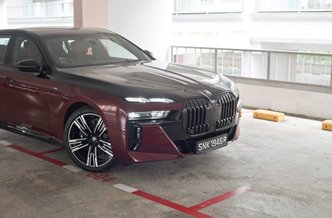
Statelier and has more presence
Roomier, higher-spec interior
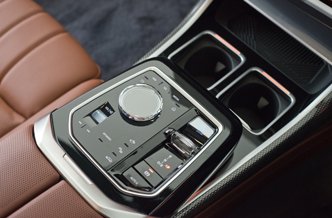
Offers more controls in the rear
Comfier backseat
Much higher price tag
Mercedes-Benz EQS450+
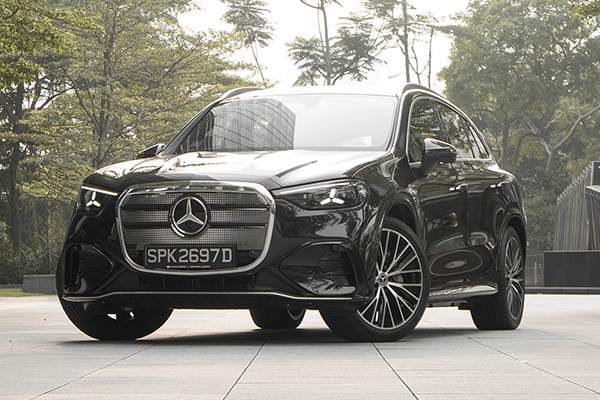
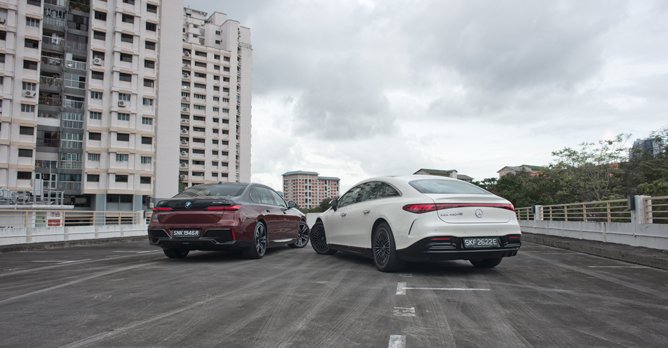
Curvier and sexier exterior
Sportier driving position
Cooler mood lighting
More intuitive infotainment
Nimbler handling
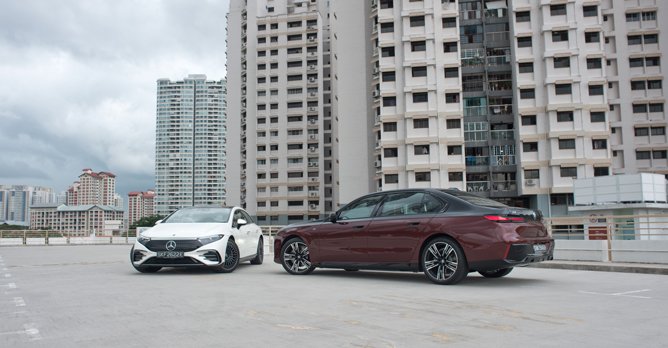
Mention the term 'luxury limo' and the two models that spring to mind are the Mercedes-Benz S-Class and BMW 7 Series. Both brands are well-versed in the art making of large sedans, and with the move towards electrification, they have whipped out electric versions of their respective flagships as well.
In the red corner is the BMW i7, which comes in the M Sport Pro xDrive60 variant. As the current range-topping model, it has an extensive equipment list that should please its owner, who is likely to be chauffeur-driven half the time.
Over in the white corner is the EQS450+. Mercedes-Benz has surprised drivers with this contender, for instead of making it resemble the S-Class, the EQS has a totally different design, along with performance that defies expectations, too. Plus, it is well-equipped, despite being the 'base' model in the lineup.
Electric and dramatic
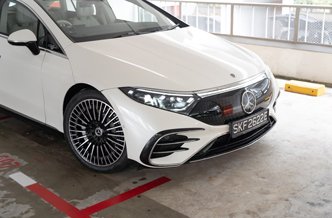
The EQS' rear end is striking, too, with the taillights 'stretched' across the boot lid to emphasise the car's width. Here, too, the EQS is made distinct, as the taillights have a 3D helix design.

Dimensions aside, the i7 also looks swankier than the EQS. The daytime running lights, for instance, sparkle as you approach the car because of the Swarovski crystals embedded in them.
Unlike the front end with its oversized kidney grilles, the i7's rear is more restrained, with sleek and minimalist taillights. But if you think the Bimmer can't do drama, then prepare to be wowed, for the doors can be opened at a touch of a button. Handy for impressing clients and/or business rivals.
Screen queens
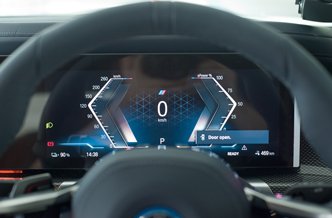
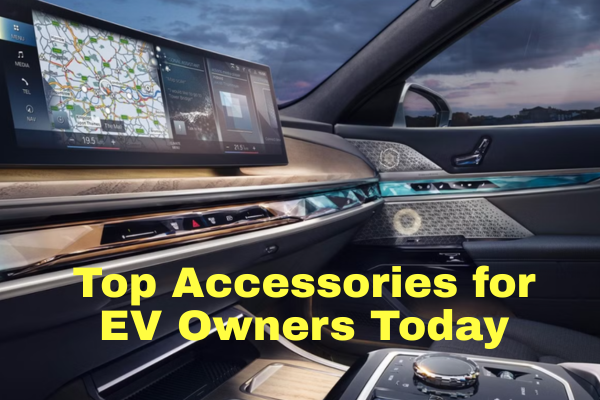
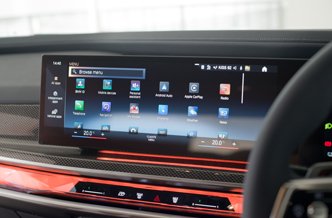
Most of the dashboard is occupied by the Curved Display, which brings together the 14.9-inch Control Display for the infotainment and the 12.3-inch instrument panel. Below that is the aptly named Interaction Bar that not only works as a decorative element, but a control panel and ambient light as well.
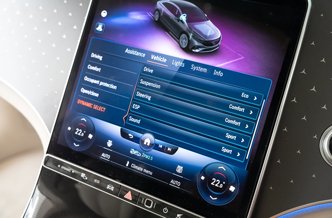
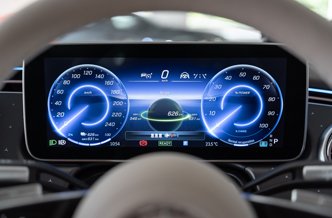
These can be configured to display multiple hues, too, which essentially allows you to conduct a light show. And despite not having a single continuous screen like the i7, the MBUX system here is more intuitive and easier to use, for it has fewer menus to get lost in.
Between the two, the EQS feels sportier. The steeper rake angle of the windscreen and more ensconced seating position make you feel like you're in a large coupe or grand tourer. On the other hand, if you seek even more space and refinement, it's the i7 that provides these in spades.
Executive suites
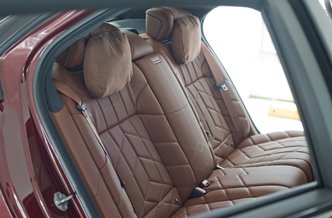
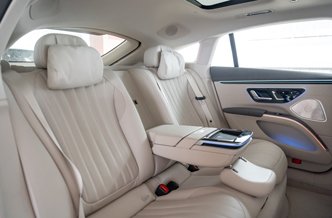
Then there's the control factor. Even while being chauffeured, smartphone-like touchscreens on the doors let you adjust the climate, entertainment, and open/close the sunshades.
The EQS, on the other hand, does not offer the same level of control. You need to open and shut the doors yourself or have your chauffeur take care of these. You're also in charge of your own entertainment and (gasp) need to stretch out to adjust the aircon temperature.
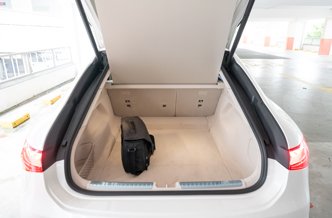
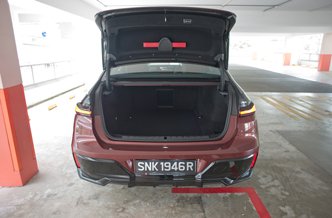
The EQS is also the choice for those who enjoy a weekly golf game or two. Thanks to its fastback body style, it has a cavernous boot capacity of 580 litres, or 80 litres more than the i7. Plus, the wide aperture makes loading golf bags - or other bulky items - much easier here than in the i7.
Questions of power
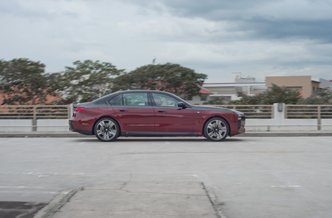
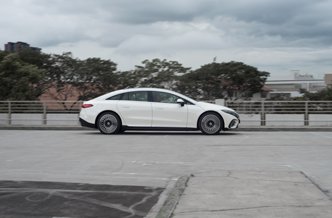
Its two motors are capable of a stout 536bhp and 745Nm of torque, figures that propel the electric luxo-barge from rest to 100km/h in just 4.7 seconds. It's even more impressive when you consider that the car weighs 2.7 tonnes.
The i7 is how you'd imagine a spaceship to perform. It can be eerily quiet as it sends the scenery whooshing by in a blur. Without any music or conversation to accompany the proceedings, it can even be unnerving.
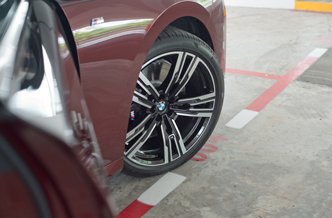
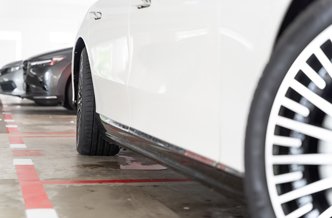
Peering out over the bonnet from the driver's seat, the limo's size is obvious. Rear-axle steering helps lessen the turning circle, but unlike the EQS, the tail feels boat-like when navigating tight carparks.
The EQS, on the other hand, is surprisingly nimble for its size, and the rear-wheel steering here is unobtrusive. Unlike the i7, which prefers to be driven in a more 'proper' manner, the EQS feels sporty and does not mind being whipped around corners.
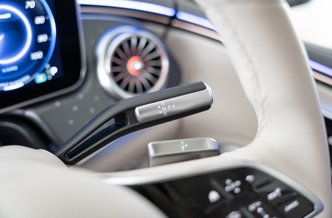
And with a 107.8kWh battery, the EQS can also go the distance, with a claimed driving range of 762km. In comparison, the i7 has a 101.7kWh battery, which allows it to cover up to 625km on a full charge.
Board decision
And if you love driving, features like the frameless windows, coupe-like cockpit and more agile handling, which belies its size, will appeal to you as well. Plus, the EQS feels more special because it's built on an EV-specific platform, whereas the i7 and its petrol-powered sibling share the same chassis.
But the longer you mull over the acquisition decision, the more you'll gravitate towards the i7, which is even more upmarket than the EQS. It's hard not to be swayed by the shimmering daytime running lights, sumptuous interior and fine seating surfaces.
The i7 is also a more complete limousine because it caters better to chauffeur-driven bosses. Add athleticism and automatic doors to the mix, and you could argue that the $150,000 premium it commands (at time of writing) is worth it.
Looking to compare more cars? Check out these other Group Tests
Audi Q3 1.5 goes up against the BMW X1 sDrive16i
BMW 520i Executive meets the Lexus ES300h Luxury
Volkswagen T-Cross takes on the Kia Stonic SX
Mazda CX-8 squares off against the Skoda Kodiaq
Audi A8 goes head-to-head with the Mercedes-Benz S-Class
Lexus NX 350 F Sport takes on the Audi Q5 and BMW X3
Audi A3 1.0 goes up against the BMW 216i Gran Coupe