BMW i3 (A) First Drive Review
08 Nov 2013|28,838 views









If you need an illustration of how fast and how far BMW has risen in recent years, compare and contrast its lineup with the rest of the carmakers. Not only is BMW the segment leader when it comes to its sedans, it is also one of the few carmakers to have a pure-electric production-ready vehicle.
There are probably a few carmakers out there who are prepared to suffer the kind of knocks that come with hurtling itself into a segment that isn't exactly supported by our Government. But to confidently roll out a car that would, possibly, change the perception of an electric vehicle could be a knock that's well worth.
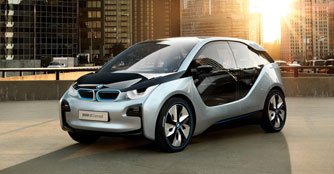
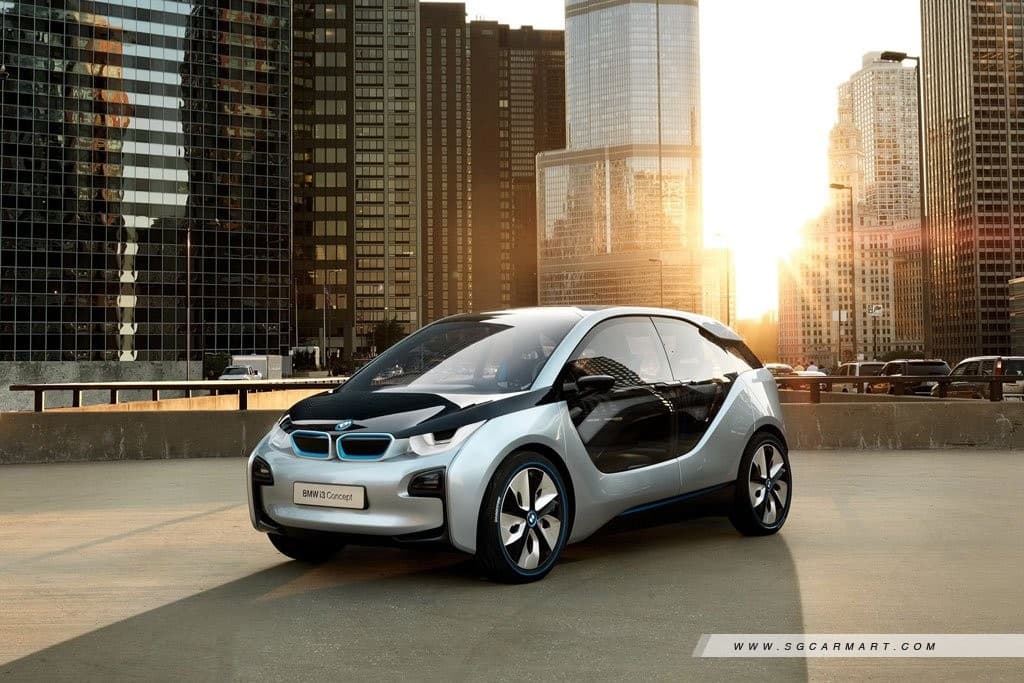
 The concept i3 hasn't changed much from the production-ready one
The star of the story, without a doubt, is the BMW i3.
Dubbed as the Project i, it started back in 2007, where a comprehensive customer-testing programme involving the MINI-based MINI E and the 1 Series ActiveE concept covered millions of test kilometres - all done to find out the driving habits of electric vehicle users.
There are probably a few carmakers out there who are prepared to suffer the kind of knocks that come with hurtling itself into a segment that isn't exactly supported by our Government. But to confidently roll out a car that would, possibly, change the perception of an electric vehicle could be a knock that's well worth.
The star of the story, without a doubt, is the BMW i3.
Dubbed as the Project i, it started back in 2007, where a comprehensive customer-testing programme involving the MINI-based MINI E and the 1 Series ActiveE concept covered millions of test kilometres - all done to find out the driving habits of electric vehicle users.
 |
These were part of the long-term development for the BMW's new sub-brand - the BMW i - which in BMW's language is a comprehensive and ground-breaking concept for sustainable mobility.
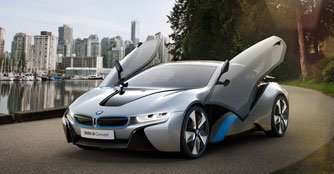
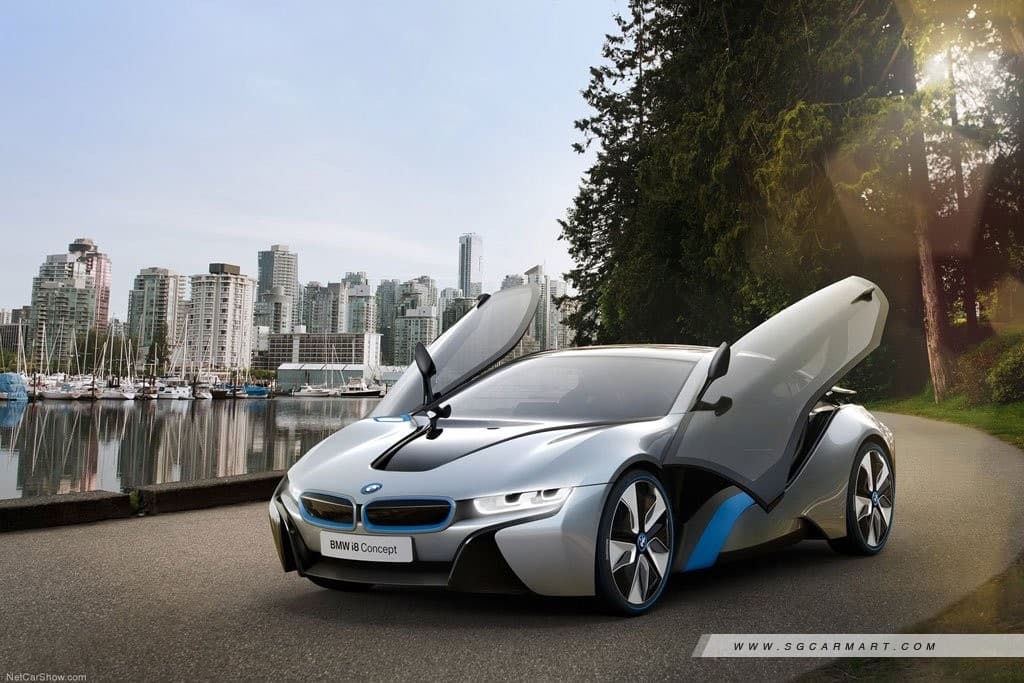
It was only a couple of years later at the 2009 Frankfurt Motor Show when the concepts of the BMW i3 and the sporty i8 were showcased. Thus, it's relatively safe to say that the BMW i3 is the showroom manifestation of six years worth of research.
 |
Exterior
One of the criteria for the BMW i3 car, which competes against the Nissan Leaf in Singapore for urban electric supremacy, is focused on city dwellers and younger drivers who share a different taste for cars compared to the generation of their parents.
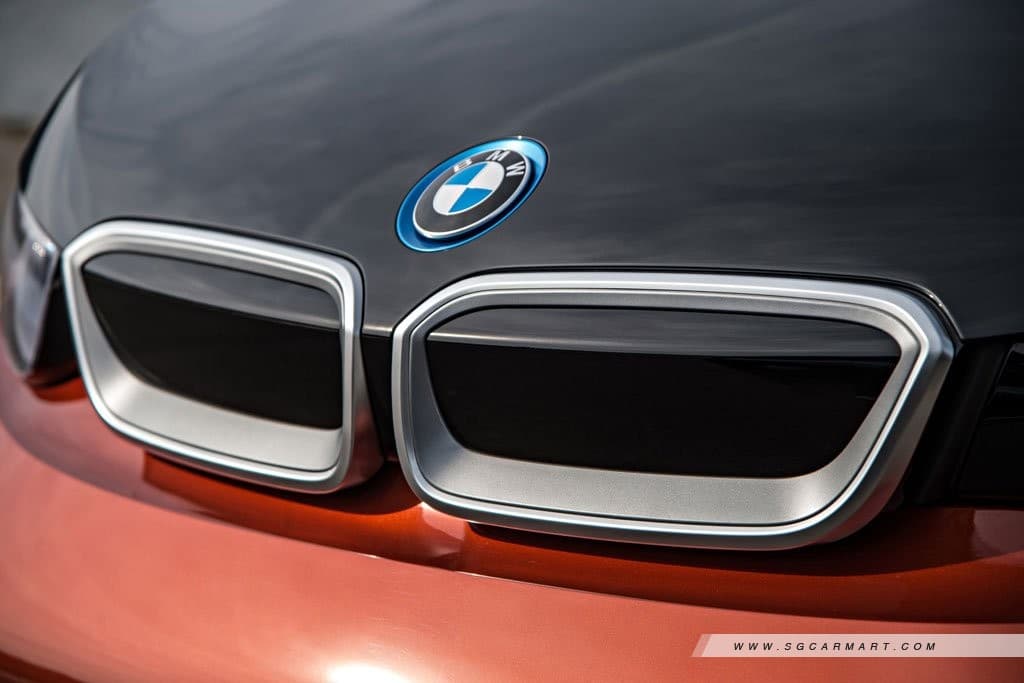
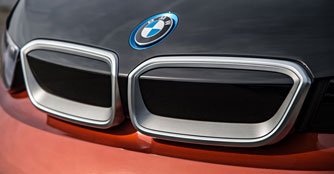 The signature BMW twin-kidney grille is not lost, although it's more form than function on the i3
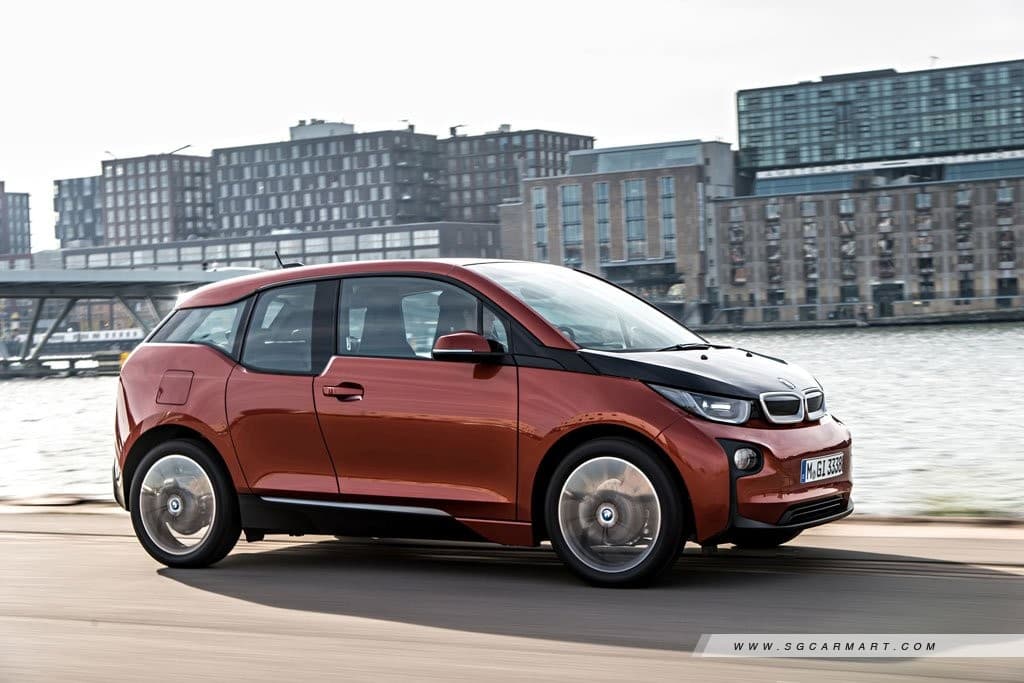
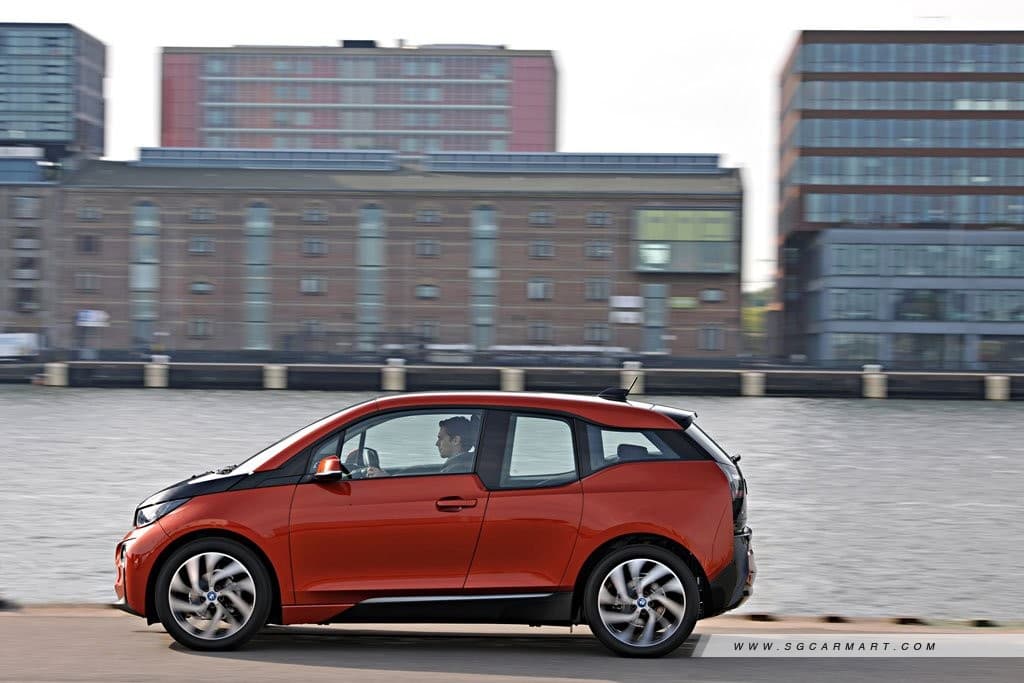
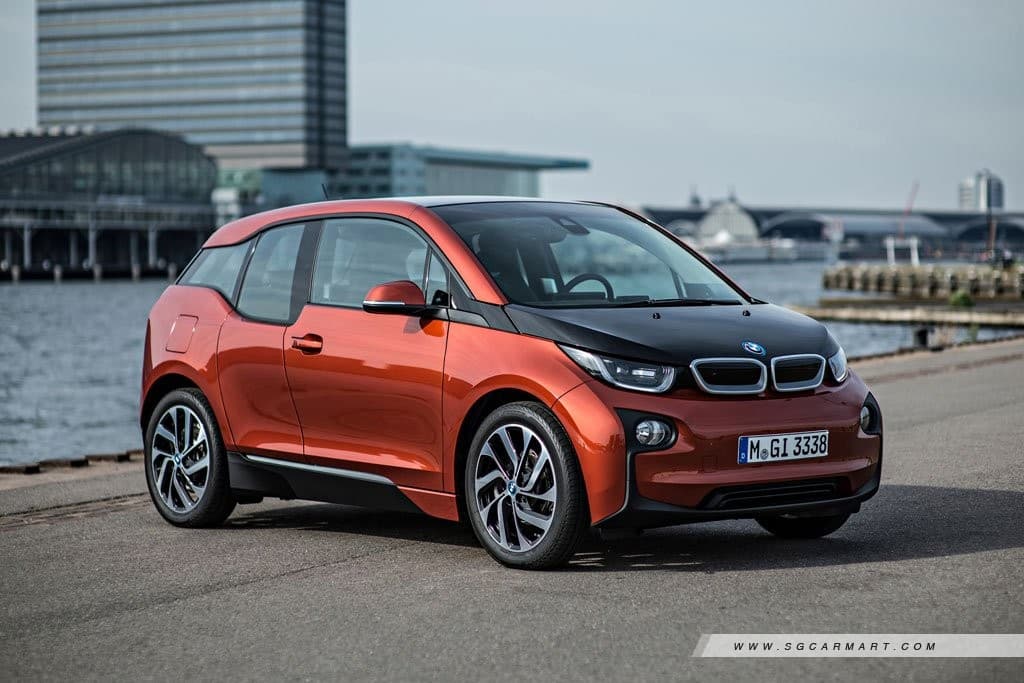
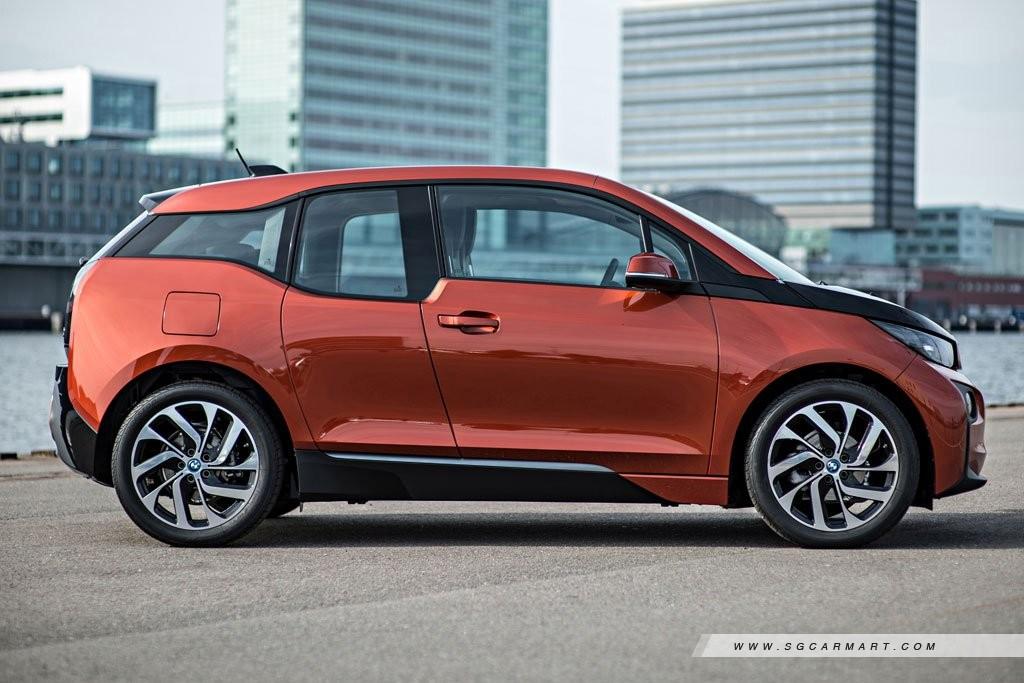
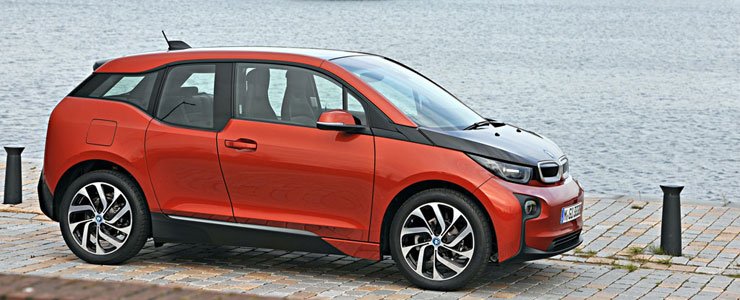
As such, the styling of the car is distinctive and avant garde, with muscular haunches and layered exterior that make it look like a concept car driven straight off the design headquarters.
One of the criteria for the BMW i3 car, which competes against the Nissan Leaf in Singapore for urban electric supremacy, is focused on city dwellers and younger drivers who share a different taste for cars compared to the generation of their parents.
As such, the styling of the car is distinctive and avant garde, with muscular haunches and layered exterior that make it look like a concept car driven straight off the design headquarters.
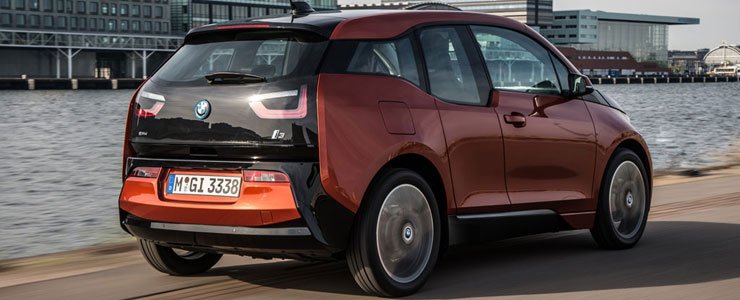
Still, it's instantly recognisable as a Bimmer, thanks to the twin-kidney grille on the snout that is more 'form' than 'function'. Equally futuristic is the rear, where the unbroken sheet of black glass surface displays a festival of new ideas. It's a good mix of brash and bold, where you'll see an intersection of shapes, straight lines and curves.
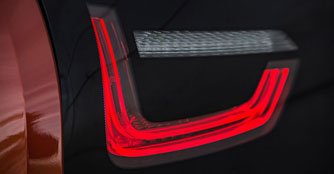 U-shaped LED taillights provide a striking night design
At 3,999mm long, 1,775mm wide and 1,578mm tall, the electric compact hatchback is compact - more so than the Nissan Leaf. But it sits on larger-than-life 19-inch wheels and has a rather upright posture that makes it look bigger than it is.
At 3,999mm long, 1,775mm wide and 1,578mm tall, the electric compact hatchback is compact - more so than the Nissan Leaf. But it sits on larger-than-life 19-inch wheels and has a rather upright posture that makes it look bigger than it is.
 |
Interior
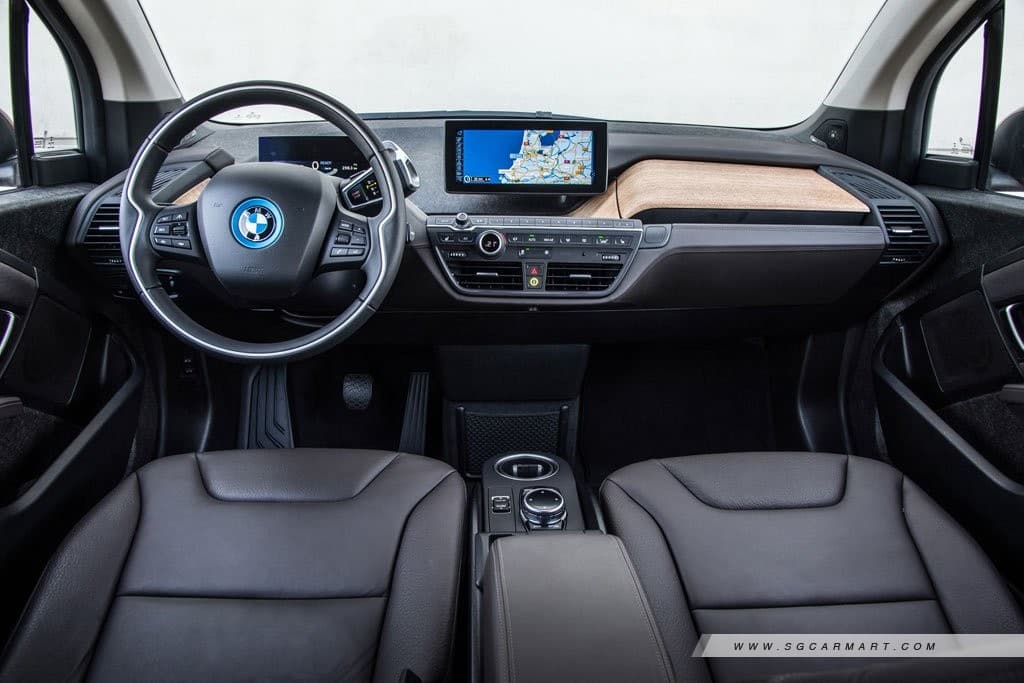
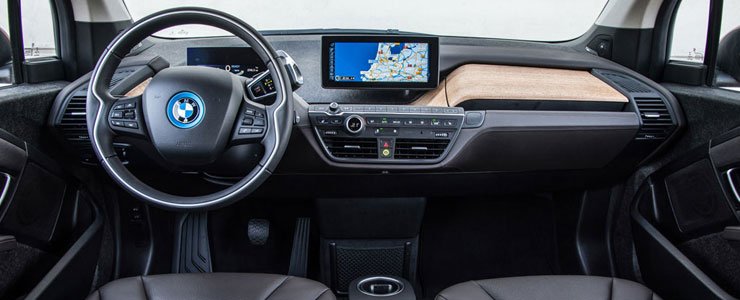
Despite its compact dimensions, the i3 has a rather spacious interior, credit going to the minimalist loft-inspired design. Accommodation up front is more than adequate and there is a commanding view of the road up ahead, thanks to the high driving position.
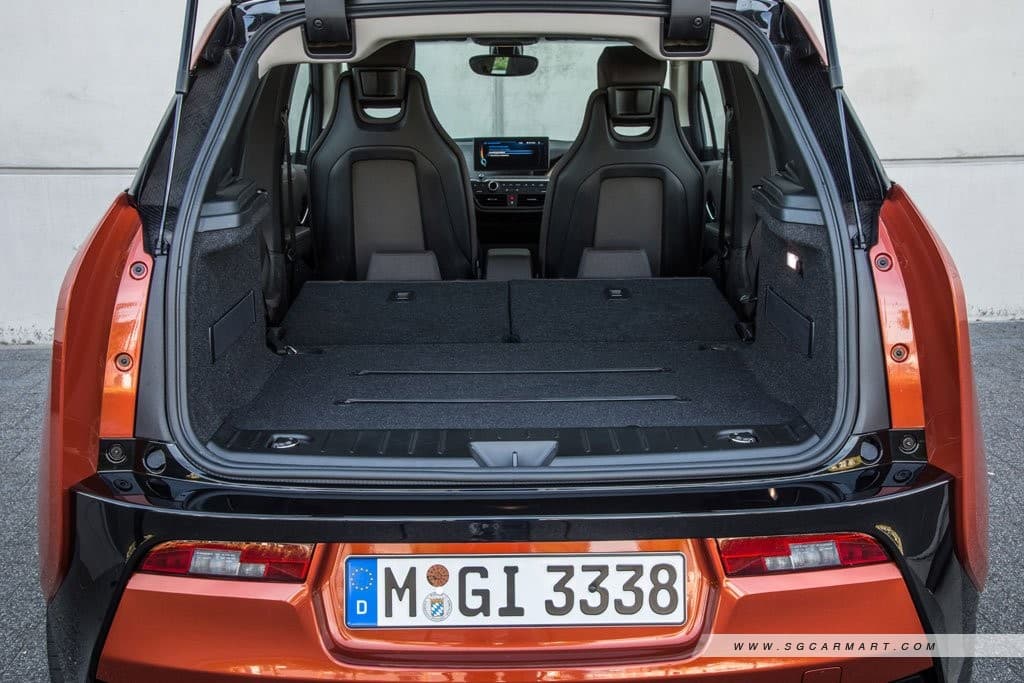
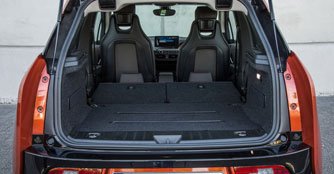 Luggage capacity is more than adequate for your daily needs
Also commodious is the car's boot space. While it's a mere 260 litres with the rear seats in place, a totally level load compartment floor is created when you fold them, allowing the car's load capacity to expand to a generous 1,100 litres.
Rear passengers, however, have to wait until the front doors are opened before they can open up the rear-hinged 'coach' doors. But the advantage of this is that rear occupants can enjoy easy access to the both the back seats, thanks to the lack of B-pillars.
Despite its compact dimensions, the i3 has a rather spacious interior, credit going to the minimalist loft-inspired design. Accommodation up front is more than adequate and there is a commanding view of the road up ahead, thanks to the high driving position.
Also commodious is the car's boot space. While it's a mere 260 litres with the rear seats in place, a totally level load compartment floor is created when you fold them, allowing the car's load capacity to expand to a generous 1,100 litres.
Rear passengers, however, have to wait until the front doors are opened before they can open up the rear-hinged 'coach' doors. But the advantage of this is that rear occupants can enjoy easy access to the both the back seats, thanks to the lack of B-pillars.
The Carbon Fibre Reinforced Plastic (CFRP) and wood adorning the dash and other parts of the cabin give the car a raw but environmental-friendly look while the free-floating iDrive screen that takes centre stage give further enhances the car's cool factor. It's a very calming environment here, with a strong sense of modernity.
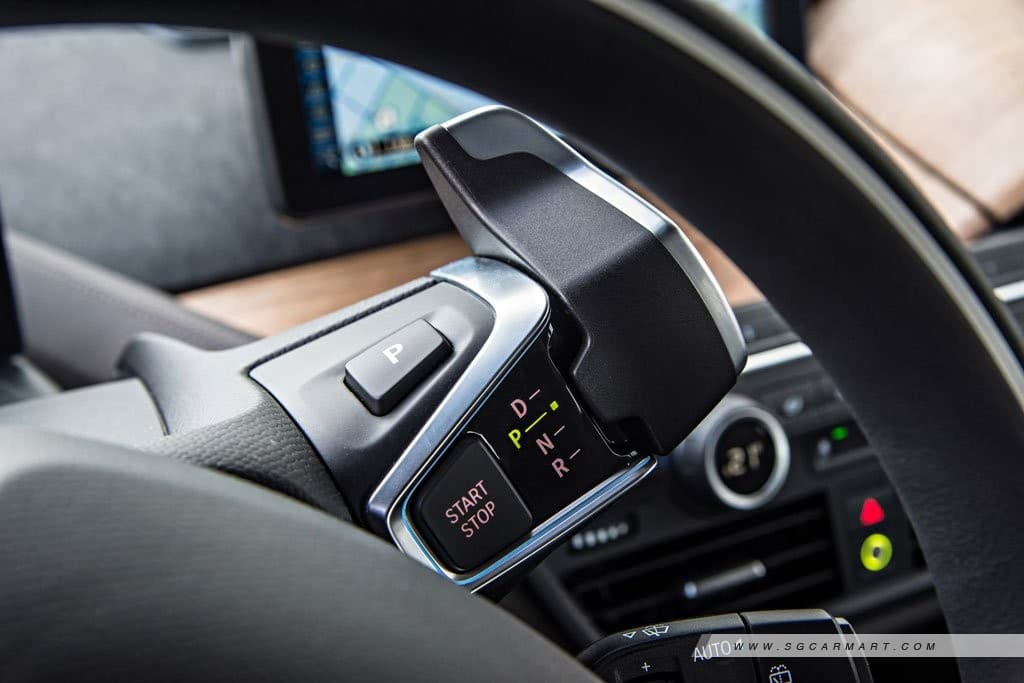
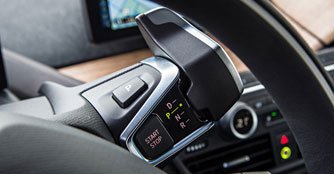 Drivers will have to select their direction of travel via a column-mounted rotary gear shifter
What's also notable is the i3's innovative 'slick' shifter. While it's column-mounted, it isn't pivoted like how other column-mounted shifters do. You select between Drive, Park, Neutral and Reverse via a clunky stalk unit, which moves forwards or backwards according to your desired direction of travel.
What's also notable is the i3's innovative 'slick' shifter. While it's column-mounted, it isn't pivoted like how other column-mounted shifters do. You select between Drive, Park, Neutral and Reverse via a clunky stalk unit, which moves forwards or backwards according to your desired direction of travel.
 |
Drivetrain
The BMW i3's rear-mounted 125kW (170bhp) electric motor is nicely married to single-ratio gearbox that offers three driving modes - Comfort, Eco Pro and Eco Pro Plus, of which both the Eco modes will enable the range to increase by around 20km when engaged.
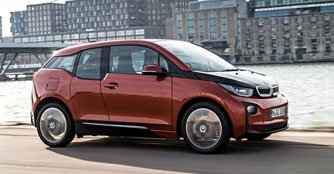 The BMW i3 is quick off the line and will reach an electronically limited top speed of 150km/h
When left to Comfort mode, the car is capable of travelling up to 160km on a full charge, although our test car had a lesser range of 142km after being charged overnight.
Climb in, press the start button, and besides the dashboard lighting up to the accompaniment of a start-up melody, you'll never be able to tell the car is running. There's barely any of the mechanical whines or electrical buzzes often associated with electric cars even when moving off.
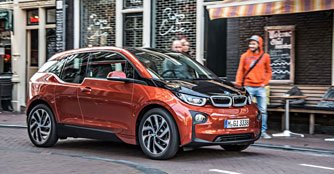 The car is best enjoyed and suited around the city
Like all electric cars, the i3 accelerates briskly and smoothly from the word go. With a peak torque of 250Nm sent straight to the rear wheels, the acceleration feels better than most electric cars we've tried. In fact, the 0-100km/h sprint is dispatched in just 7.2 seconds - similar to the MINI Cooper S hot hatch.
The BMW i3's rear-mounted 125kW (170bhp) electric motor is nicely married to single-ratio gearbox that offers three driving modes - Comfort, Eco Pro and Eco Pro Plus, of which both the Eco modes will enable the range to increase by around 20km when engaged.
When left to Comfort mode, the car is capable of travelling up to 160km on a full charge, although our test car had a lesser range of 142km after being charged overnight.
Climb in, press the start button, and besides the dashboard lighting up to the accompaniment of a start-up melody, you'll never be able to tell the car is running. There's barely any of the mechanical whines or electrical buzzes often associated with electric cars even when moving off.
Like all electric cars, the i3 accelerates briskly and smoothly from the word go. With a peak torque of 250Nm sent straight to the rear wheels, the acceleration feels better than most electric cars we've tried. In fact, the 0-100km/h sprint is dispatched in just 7.2 seconds - similar to the MINI Cooper S hot hatch.
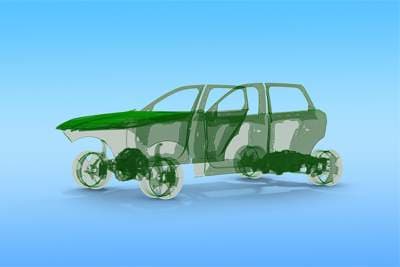
Being light is definitely one of the factors, thanks to the LifeDrive structure that consists of an ultra-lightweight Carbon Fibre Reinforced Plastic (CFRP) passenger cell and aluminium Drive module.
As a result, the BMW i3 is merely 1,195kg, almost 30 percent lighter than the larger Nissan Leaf electric car, which weighs some 1,540kg.
But the distinctive feature, however, is the dramatic regenerative braking that permits the i3 to be driven largely by modulating the accelerator without having the need to touch the brake pedal much, which helps to maximise energy recuperation.
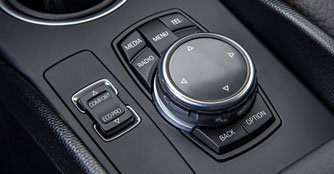 The iDrive operating system and Driving Experience Control switch are fitted as standard in the i3
Traction is also excellent in this car. Do not let the large but comparatively narrow 175/60 R19 tyres that came with our test car fool you. They provide loads of straight-line traction and impressive road holding around bends, allowing the i3 to carve corners with excellent body control and superb balance.
For such a high-riding car it handles pretty well because of the fact that the battery pack is mounted low, giving the i3 a lower centre of gravity that enhances cornering ability.
Conclusion
Make no mistakes. The BMW i3 is a good car. It's not a car that strays far from the rest the lineup in BMW's stable just because it's electric. It simply carries the vital principles of the Bavarian carmaker into a new realm.
BMW's own figures point to a frugal 12.9kWh/100km. As always, we clocked a slightly higher 14.7kWh/100km. Either way, the figures suggest that this electric hatch will meet the needs of most drivers here in Singapore.
The BMW i3 is expected to be on sale here by the third quarter of 2014.
As a result, the BMW i3 is merely 1,195kg, almost 30 percent lighter than the larger Nissan Leaf electric car, which weighs some 1,540kg.
But the distinctive feature, however, is the dramatic regenerative braking that permits the i3 to be driven largely by modulating the accelerator without having the need to touch the brake pedal much, which helps to maximise energy recuperation.
Traction is also excellent in this car. Do not let the large but comparatively narrow 175/60 R19 tyres that came with our test car fool you. They provide loads of straight-line traction and impressive road holding around bends, allowing the i3 to carve corners with excellent body control and superb balance.
For such a high-riding car it handles pretty well because of the fact that the battery pack is mounted low, giving the i3 a lower centre of gravity that enhances cornering ability.
Conclusion
Make no mistakes. The BMW i3 is a good car. It's not a car that strays far from the rest the lineup in BMW's stable just because it's electric. It simply carries the vital principles of the Bavarian carmaker into a new realm.
BMW's own figures point to a frugal 12.9kWh/100km. As always, we clocked a slightly higher 14.7kWh/100km. Either way, the figures suggest that this electric hatch will meet the needs of most drivers here in Singapore.
The BMW i3 is expected to be on sale here by the third quarter of 2014.
If you need an illustration of how fast and how far BMW has risen in recent years, compare and contrast its lineup with the rest of the carmakers. Not only is BMW the segment leader when it comes to its sedans, it is also one of the few carmakers to have a pure-electric production-ready vehicle.
There are probably a few carmakers out there who are prepared to suffer the kind of knocks that come with hurtling itself into a segment that isn't exactly supported by our Government. But to confidently roll out a car that would, possibly, change the perception of an electric vehicle could be a knock that's well worth.
The star of the story, without a doubt, is the BMW i3.
Dubbed as the Project i, it started back in 2007, where a comprehensive customer-testing programme involving the MINI-based MINI E and the 1 Series ActiveE concept covered millions of test kilometres - all done to find out the driving habits of electric vehicle users.
There are probably a few carmakers out there who are prepared to suffer the kind of knocks that come with hurtling itself into a segment that isn't exactly supported by our Government. But to confidently roll out a car that would, possibly, change the perception of an electric vehicle could be a knock that's well worth.
The star of the story, without a doubt, is the BMW i3.
Dubbed as the Project i, it started back in 2007, where a comprehensive customer-testing programme involving the MINI-based MINI E and the 1 Series ActiveE concept covered millions of test kilometres - all done to find out the driving habits of electric vehicle users.
These were part of the long-term development for the BMW's new sub-brand - the BMW i - which in BMW's language is a comprehensive and ground-breaking concept for sustainable mobility.
It was only a couple of years later at the 2009 Frankfurt Motor Show when the concepts of the BMW i3 and the sporty i8 were showcased. Thus, it's relatively safe to say that the BMW i3 is the showroom manifestation of six years worth of research.
It was only a couple of years later at the 2009 Frankfurt Motor Show when the concepts of the BMW i3 and the sporty i8 were showcased. Thus, it's relatively safe to say that the BMW i3 is the showroom manifestation of six years worth of research.
Exterior
One of the criteria for the BMW i3 car, which competes against the Nissan Leaf in Singapore for urban electric supremacy, is focused on city dwellers and younger drivers who share a different taste for cars compared to the generation of their parents.
As such, the styling of the car is distinctive and avant garde, with muscular haunches and layered exterior that make it look like a concept car driven straight off the design headquarters.
One of the criteria for the BMW i3 car, which competes against the Nissan Leaf in Singapore for urban electric supremacy, is focused on city dwellers and younger drivers who share a different taste for cars compared to the generation of their parents.
As such, the styling of the car is distinctive and avant garde, with muscular haunches and layered exterior that make it look like a concept car driven straight off the design headquarters.
Still, it's instantly recognisable as a Bimmer, thanks to the twin-kidney grille on the snout that is more 'form' than 'function'. Equally futuristic is the rear, where the unbroken sheet of black glass surface displays a festival of new ideas. It's a good mix of brash and bold, where you'll see an intersection of shapes, straight lines and curves.
At 3,999mm long, 1,775mm wide and 1,578mm tall, the electric compact hatchback is compact - more so than the Nissan Leaf. But it sits on larger-than-life 19-inch wheels and has a rather upright posture that makes it look bigger than it is.
At 3,999mm long, 1,775mm wide and 1,578mm tall, the electric compact hatchback is compact - more so than the Nissan Leaf. But it sits on larger-than-life 19-inch wheels and has a rather upright posture that makes it look bigger than it is.
Interior
Despite its compact dimensions, the i3 has a rather spacious interior, credit going to the minimalist loft-inspired design. Accommodation up front is more than adequate and there is a commanding view of the road up ahead, thanks to the high driving position.
Also commodious is the car's boot space. While it's a mere 260 litres with the rear seats in place, a totally level load compartment floor is created when you fold them, allowing the car's load capacity to expand to a generous 1,100 litres.
Rear passengers, however, have to wait until the front doors are opened before they can open up the rear-hinged 'coach' doors. But the advantage of this is that rear occupants can enjoy easy access to the both the back seats, thanks to the lack of B-pillars.
Despite its compact dimensions, the i3 has a rather spacious interior, credit going to the minimalist loft-inspired design. Accommodation up front is more than adequate and there is a commanding view of the road up ahead, thanks to the high driving position.
Also commodious is the car's boot space. While it's a mere 260 litres with the rear seats in place, a totally level load compartment floor is created when you fold them, allowing the car's load capacity to expand to a generous 1,100 litres.
Rear passengers, however, have to wait until the front doors are opened before they can open up the rear-hinged 'coach' doors. But the advantage of this is that rear occupants can enjoy easy access to the both the back seats, thanks to the lack of B-pillars.
The Carbon Fibre Reinforced Plastic (CFRP) and wood adorning the dash and other parts of the cabin give the car a raw but environmental-friendly look while the free-floating iDrive screen that takes centre stage give further enhances the car's cool factor. It's a very calming environment here, with a strong sense of modernity.
What's also notable is the i3's innovative 'slick' shifter. While it's column-mounted, it isn't pivoted like how other column-mounted shifters do. You select between Drive, Park, Neutral and Reverse via a clunky stalk unit, which moves forwards or backwards according to your desired direction of travel.
What's also notable is the i3's innovative 'slick' shifter. While it's column-mounted, it isn't pivoted like how other column-mounted shifters do. You select between Drive, Park, Neutral and Reverse via a clunky stalk unit, which moves forwards or backwards according to your desired direction of travel.
Drivetrain
The BMW i3's rear-mounted 125kW (170bhp) electric motor is nicely married to single-ratio gearbox that offers three driving modes - Comfort, Eco Pro and Eco Pro Plus, of which both the Eco modes will enable the range to increase by around 20km when engaged.
When left to Comfort mode, the car is capable of travelling up to 160km on a full charge, although our test car had a lesser range of 142km after being charged overnight.
Climb in, press the start button, and besides the dashboard lighting up to the accompaniment of a start-up melody, you'll never be able to tell the car is running. There's barely any of the mechanical whines or electrical buzzes often associated with electric cars even when moving off.
Like all electric cars, the i3 accelerates briskly and smoothly from the word go. With a peak torque of 250Nm sent straight to the rear wheels, the acceleration feels better than most electric cars we've tried. In fact, the 0-100km/h sprint is dispatched in just 7.2 seconds - similar to the MINI Cooper S hot hatch.
The BMW i3's rear-mounted 125kW (170bhp) electric motor is nicely married to single-ratio gearbox that offers three driving modes - Comfort, Eco Pro and Eco Pro Plus, of which both the Eco modes will enable the range to increase by around 20km when engaged.
When left to Comfort mode, the car is capable of travelling up to 160km on a full charge, although our test car had a lesser range of 142km after being charged overnight.
Climb in, press the start button, and besides the dashboard lighting up to the accompaniment of a start-up melody, you'll never be able to tell the car is running. There's barely any of the mechanical whines or electrical buzzes often associated with electric cars even when moving off.
Like all electric cars, the i3 accelerates briskly and smoothly from the word go. With a peak torque of 250Nm sent straight to the rear wheels, the acceleration feels better than most electric cars we've tried. In fact, the 0-100km/h sprint is dispatched in just 7.2 seconds - similar to the MINI Cooper S hot hatch.
Being light is definitely one of the factors, thanks to the LifeDrive structure that consists of an ultra-lightweight Carbon Fibre Reinforced Plastic (CFRP) passenger cell and aluminium Drive module.
As a result, the BMW i3 is merely 1,195kg, almost 30 percent lighter than the larger Nissan Leaf electric car, which weighs some 1,540kg.
But the distinctive feature, however, is the dramatic regenerative braking that permits the i3 to be driven largely by modulating the accelerator without having the need to touch the brake pedal much, which helps to maximise energy recuperation.
Traction is also excellent in this car. Do not let the large but comparatively narrow 175/60 R19 tyres that came with our test car fool you. They provide loads of straight-line traction and impressive road holding around bends, allowing the i3 to carve corners with excellent body control and superb balance.
For such a high-riding car it handles pretty well because of the fact that the battery pack is mounted low, giving the i3 a lower centre of gravity that enhances cornering ability.
Conclusion
Make no mistakes. The BMW i3 is a good car. It's not a car that strays far from the rest the lineup in BMW's stable just because it's electric. It simply carries the vital principles of the Bavarian carmaker into a new realm.
BMW's own figures point to a frugal 12.9kWh/100km. As always, we clocked a slightly higher 14.7kWh/100km. Either way, the figures suggest that this electric hatch will meet the needs of most drivers here in Singapore.
The BMW i3 is expected to be on sale here by the third quarter of 2014.
As a result, the BMW i3 is merely 1,195kg, almost 30 percent lighter than the larger Nissan Leaf electric car, which weighs some 1,540kg.
But the distinctive feature, however, is the dramatic regenerative braking that permits the i3 to be driven largely by modulating the accelerator without having the need to touch the brake pedal much, which helps to maximise energy recuperation.
Traction is also excellent in this car. Do not let the large but comparatively narrow 175/60 R19 tyres that came with our test car fool you. They provide loads of straight-line traction and impressive road holding around bends, allowing the i3 to carve corners with excellent body control and superb balance.
For such a high-riding car it handles pretty well because of the fact that the battery pack is mounted low, giving the i3 a lower centre of gravity that enhances cornering ability.
Conclusion
Make no mistakes. The BMW i3 is a good car. It's not a car that strays far from the rest the lineup in BMW's stable just because it's electric. It simply carries the vital principles of the Bavarian carmaker into a new realm.
BMW's own figures point to a frugal 12.9kWh/100km. As always, we clocked a slightly higher 14.7kWh/100km. Either way, the figures suggest that this electric hatch will meet the needs of most drivers here in Singapore.
The BMW i3 is expected to be on sale here by the third quarter of 2014.



Thank You For Your Subscription.







Tags
Products & Services

For Owners
Quick Links
About Sgcarmart