What We Like
What We Dislike
Affordable bread-and-butter cars were once the go-to choice for new drivers or those seeking no-frills, point-to-point transport. Something with basic amenities and the usual safety systems. A car that prioritised efficiency over performance.
But today's astronomical COE premiums have changed this. With buyers paying significantly more in taxes through the COE system, many now prefer better-equipped models with more features. 'Basic' doesn't cut it anymore - that is the market the e.MAS 5 is in.
Behind the badge
The e.MAS 5 must also overcome the perception of the Proton badge. It is unlikely to be the first brand that comes to mind when considering spending more than $150,000 on a new car.
But what if you learned that the e.MAS 5 is based on the Geely Xingyuan? And what if a quick search revealed that it is among the best-selling EVs in Malaysia and China?
It's enough to make one pause and see the e.MAS 5 in a different light.
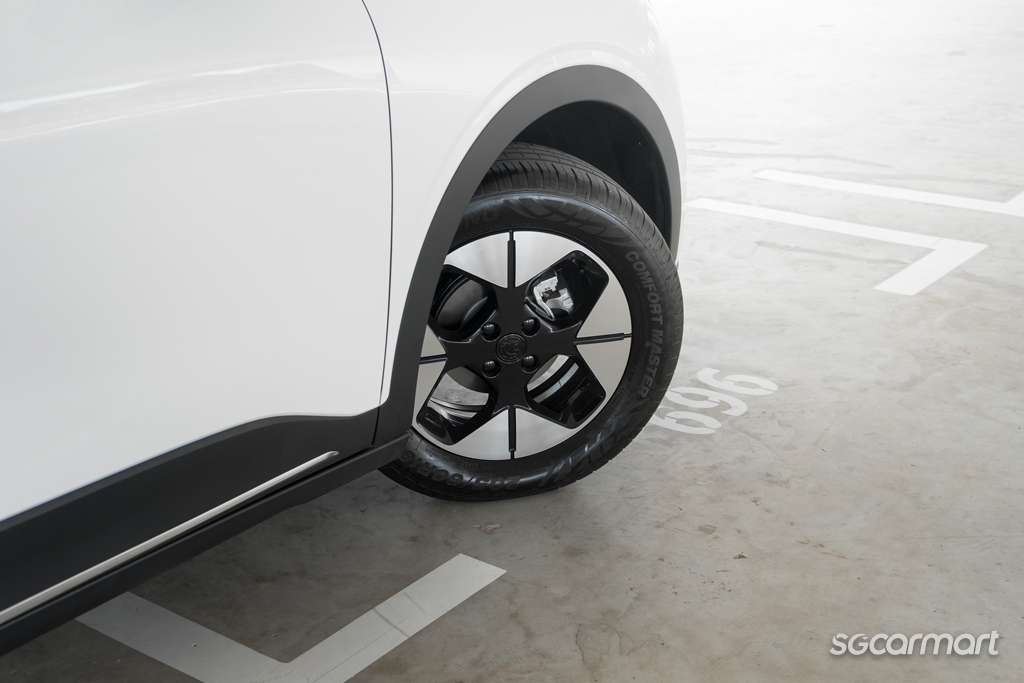
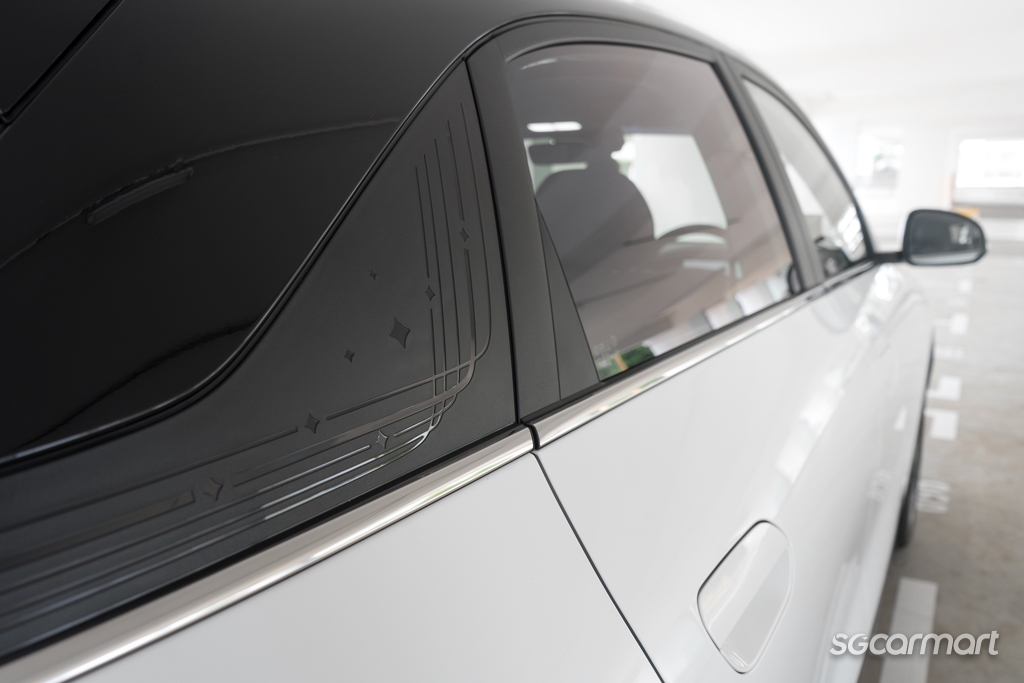
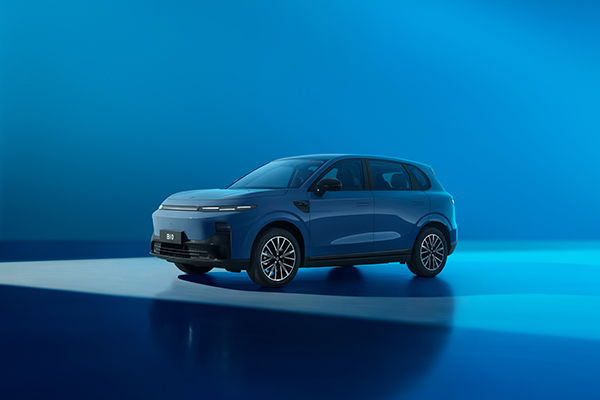
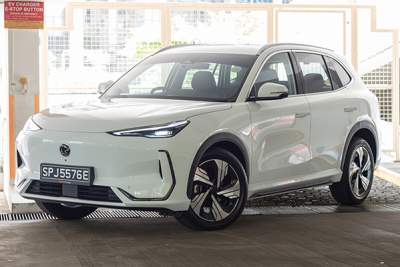
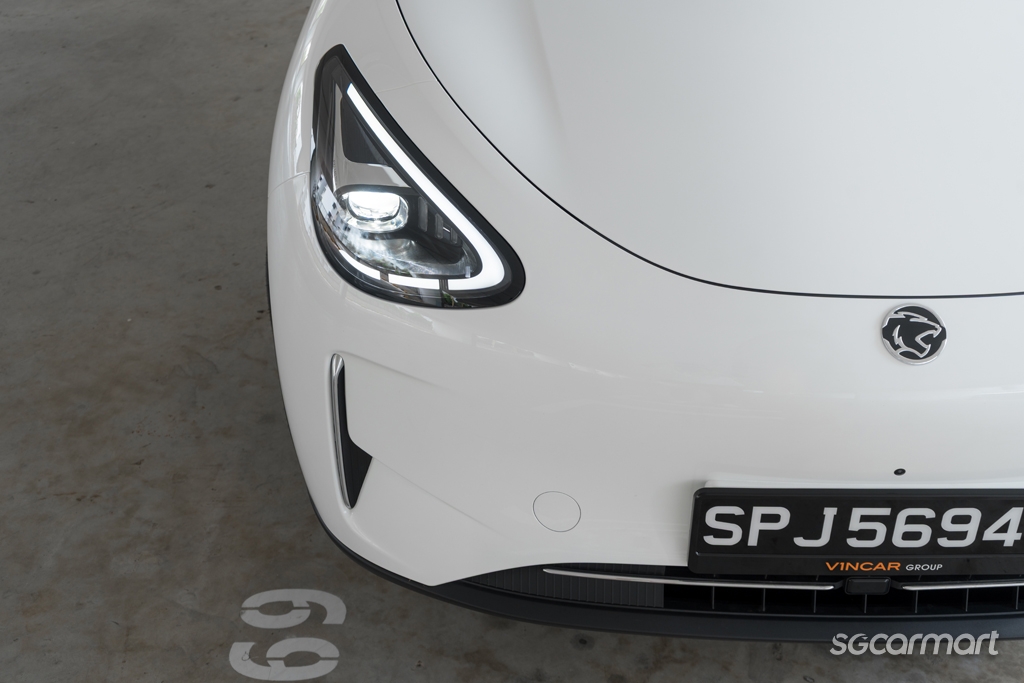
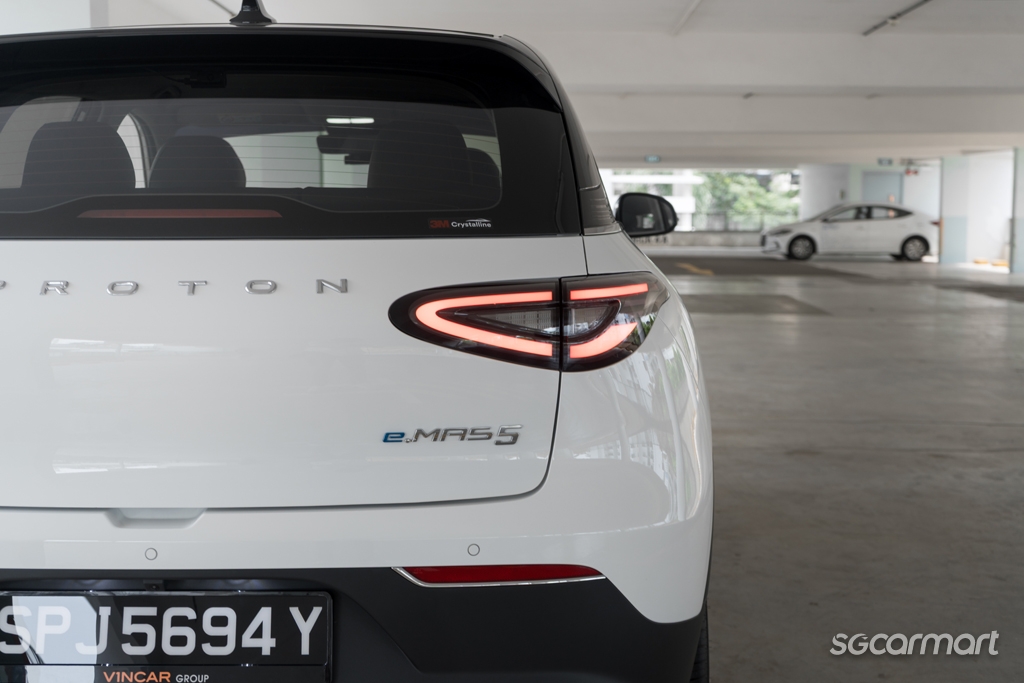
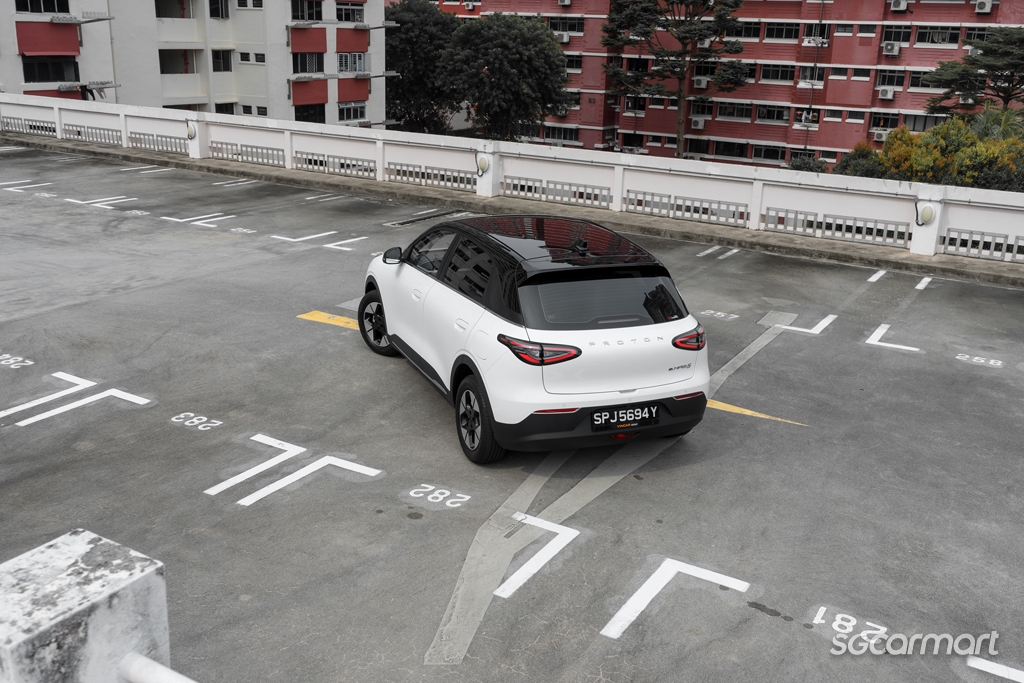
What attracts buyers to the e.MAS 5 then? Well, for starters, it's cute - it has rounded bumpers and gentle bulges above the head lights. The rear fenders are slightly flared, and the stylised C-shaped taillights complement the car's charm.
I'm not sold on the 'Proton' lettering on the tailgate, though. Having the tiger badge at the rear instead would be better - the use of symbols, rather than words, reflects stronger confidence.
Size-wise, the e.MAS 5 is larger than the Dongfeng Box, but smaller than the BYD Dolphin. It measures 4,135mm from tip to tip, but since there's no need for an engine bay, the wheelbase is 2,650mm long. That's comparable to a midsize hatchback, despite the e.MAS 5 being a subcompact one.
Premium economy
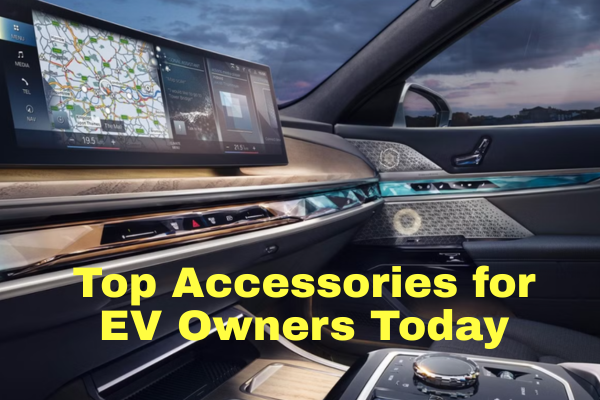
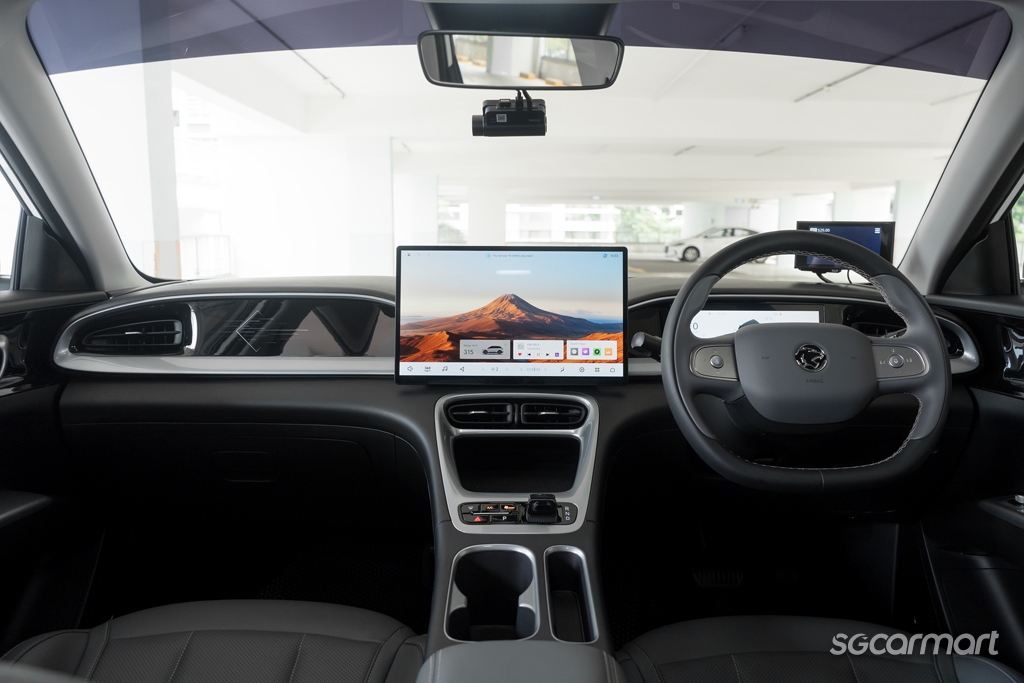
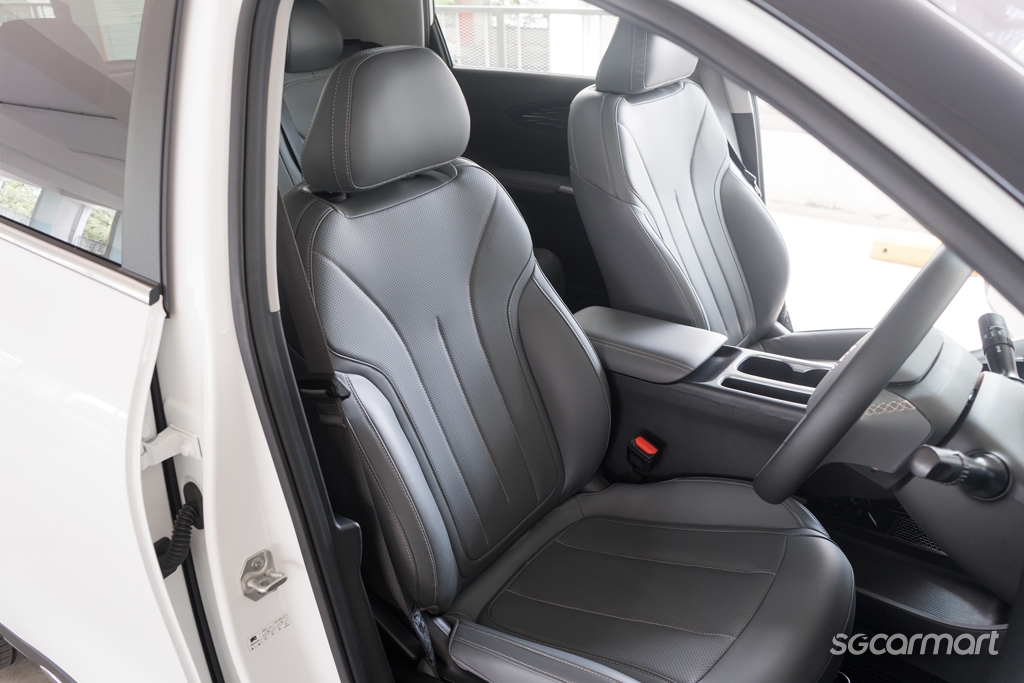
Then there's the cabin, which has better-than-expected fittings. Daily runabouts are typically associated with functional, austere cabins. The e.MAS 5, however, leaves a stronger impression, with robust-feeling materials and good assembly quality.
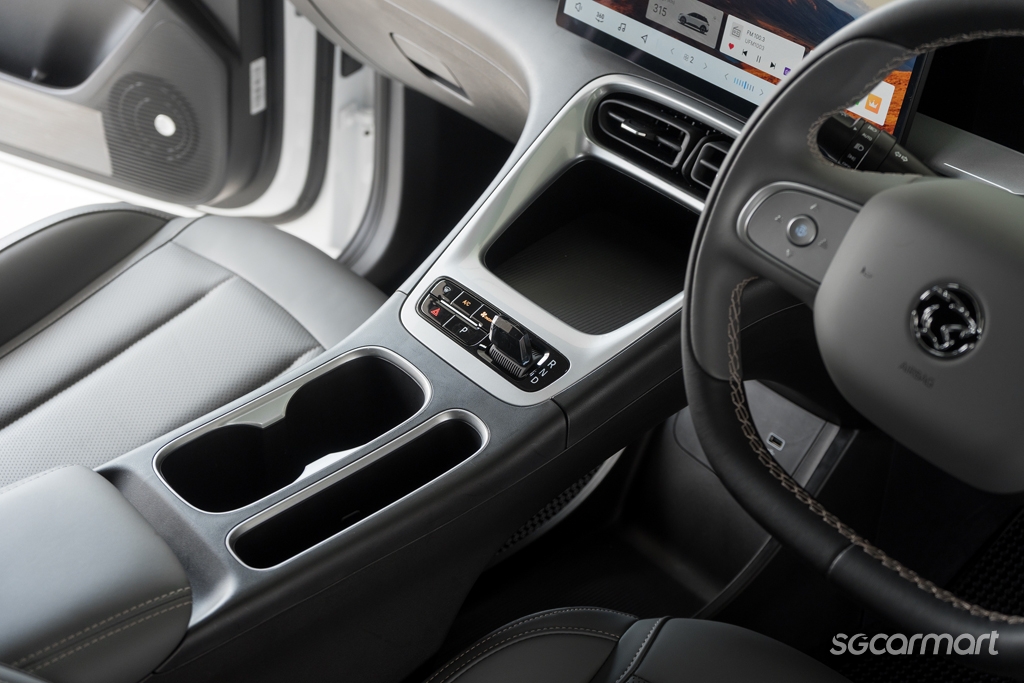
As expected, however, the overall design is minimalist, with physical controls restricted to buttons on the steering wheel and centre console. Interestingly, the car uses a tab-style gear selector instead of a column-mounted stalk, the latter of which could have freed up even more cabin space.
On that note, it's good that the hazard lights button is also here. It's more intuitive compared to other Chinese EVs, which annoyingly place it on the ceiling beside the overhead lamps.
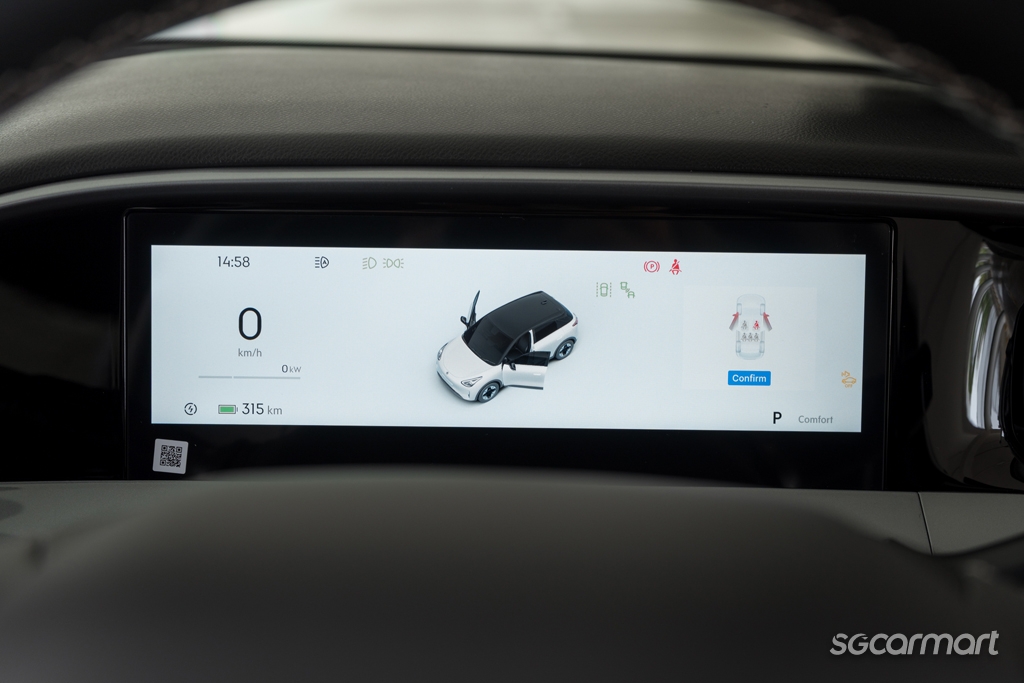
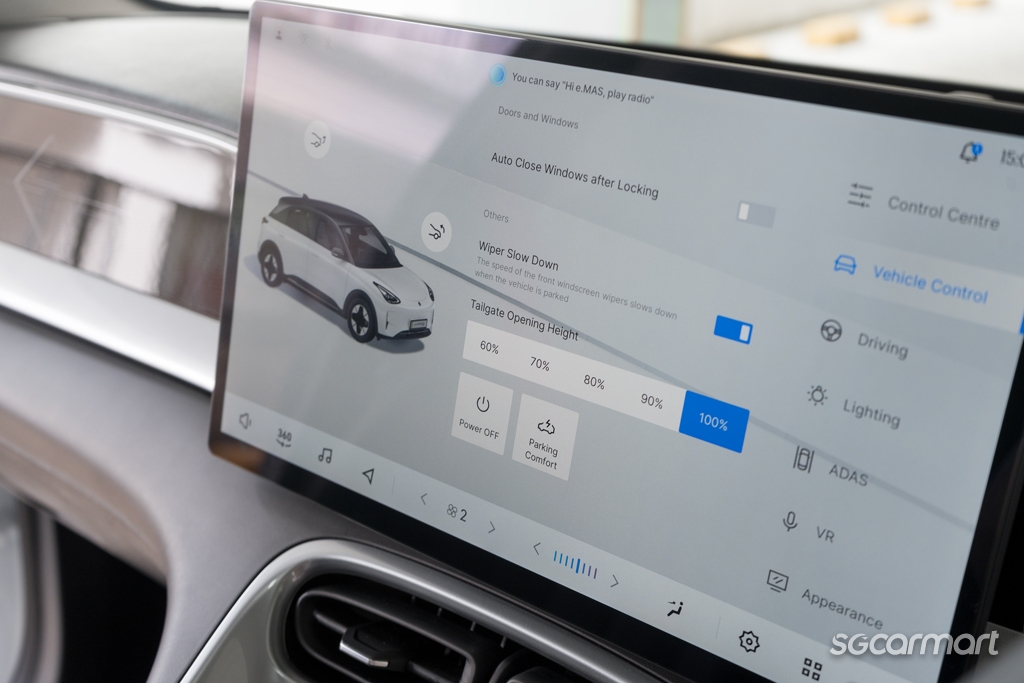
The infotainment is pretty good. There are no loading times, and everything is presented on a 14.6-inch full-HD screen. Wireless Apple CarPlay and Android Auto are standard as well, but it takes time to get the hang of the entire system because there are a lot of options and functions to explore.
Speaking of functions, this is the first digital climate control system I've encountered without temperature readouts. Instead, it's a slider that's bluish on the left and reddish on the right - a setup in cars from the early 1990s. But the air-con works well, despite the broiling heat.
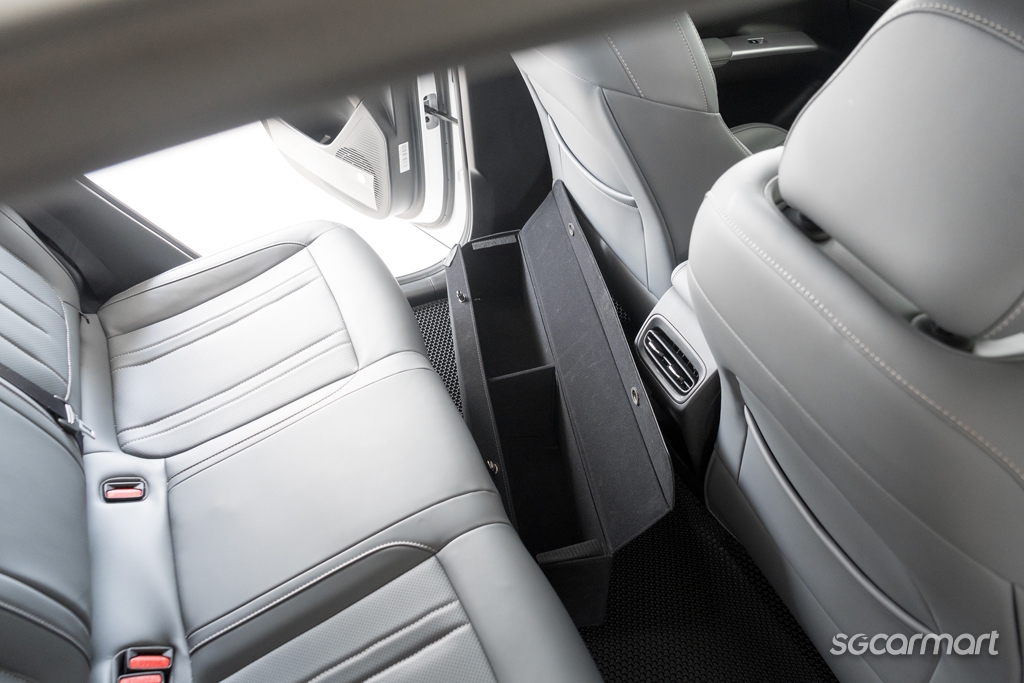
Cool air is something backseat passengers will enjoy thanks to the rear air vents. Occupants here also enjoy decent legroom, though foot space could be better. At any rate, perhaps the one wearing chunky shoes can place them in the 28-litre storage drawer below the rear bench.
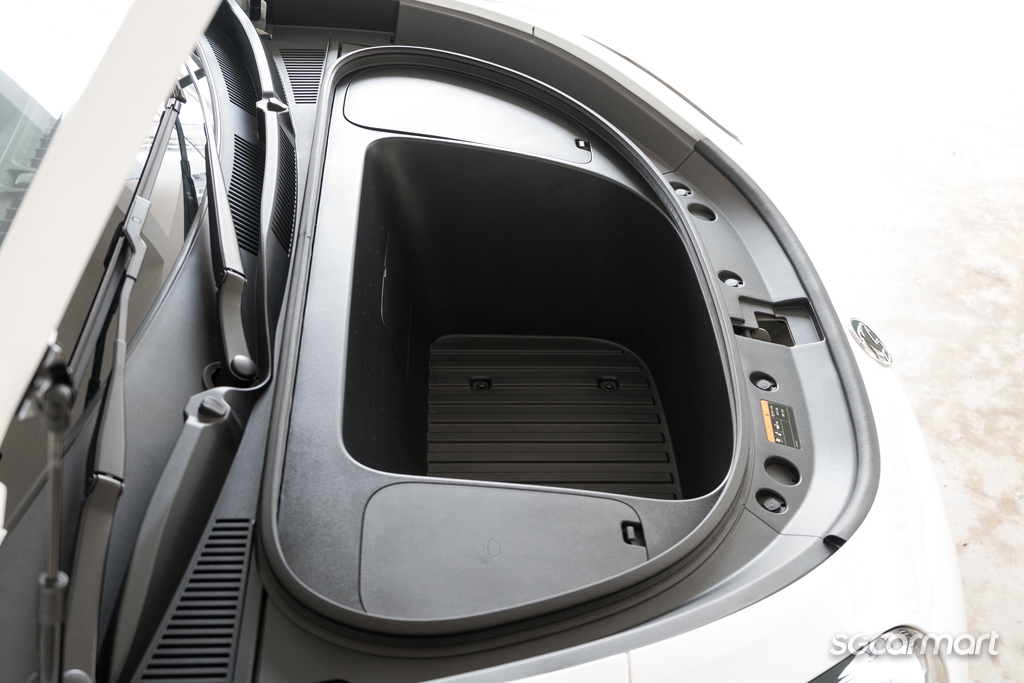
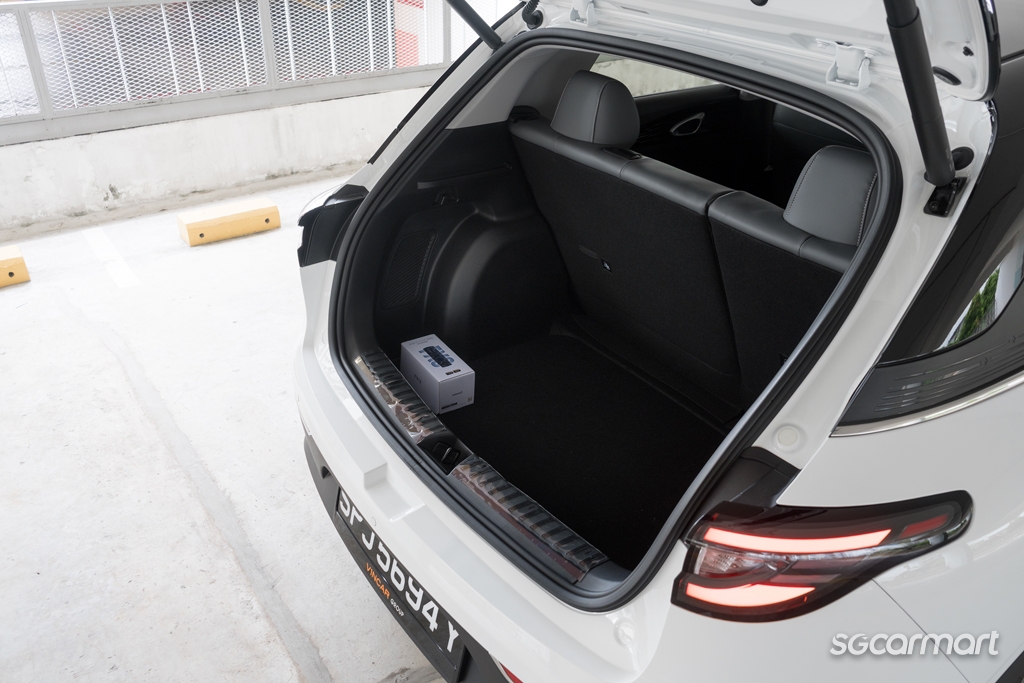
On this topic, the e.MAS 5 also has a 20-litre storage point below the centre console, a 70-litre frunk, and a 375-litre boot that expands to 1,320 litres with the backrests folded - not bad considering the car's overall size.
Making it fun
Basic runabouts can be surprisingly fun to punt around despite the lack of oomph. More ponies are always welcome, but making a slow car go fast is always more entertaining than doing the same with a powerful one.
In this case, the e.MAS 5 gives you 85kW (114bhp) and 150Nm of instant torque. Keener drivers should note that that the car weighs just over 1.3-tonnes, has a multi-link rear suspension, and is rear-wheel driven.
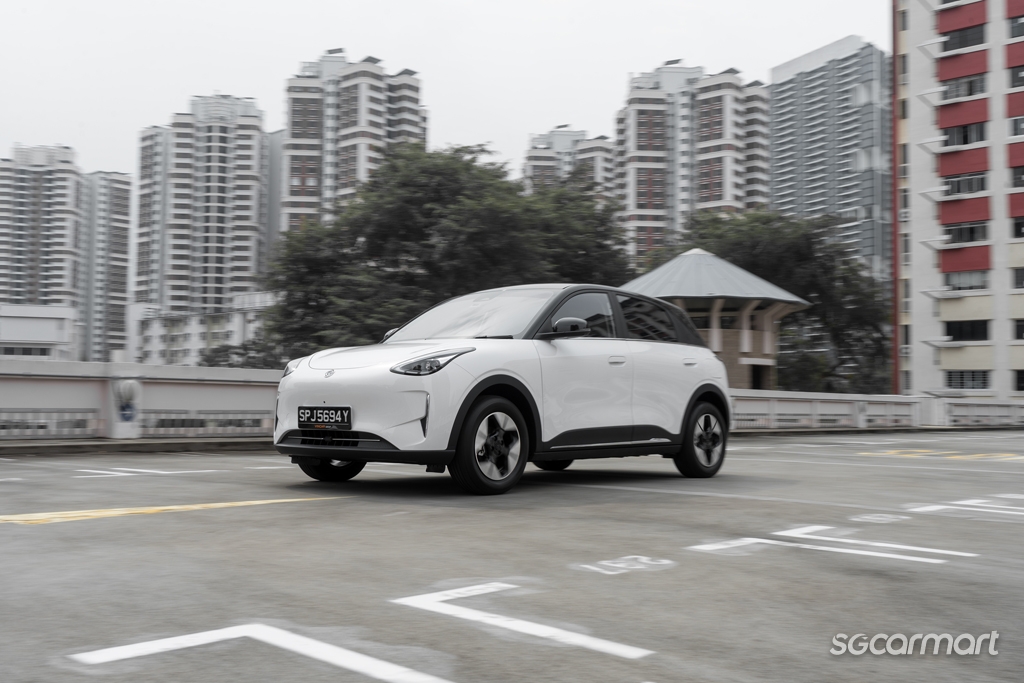
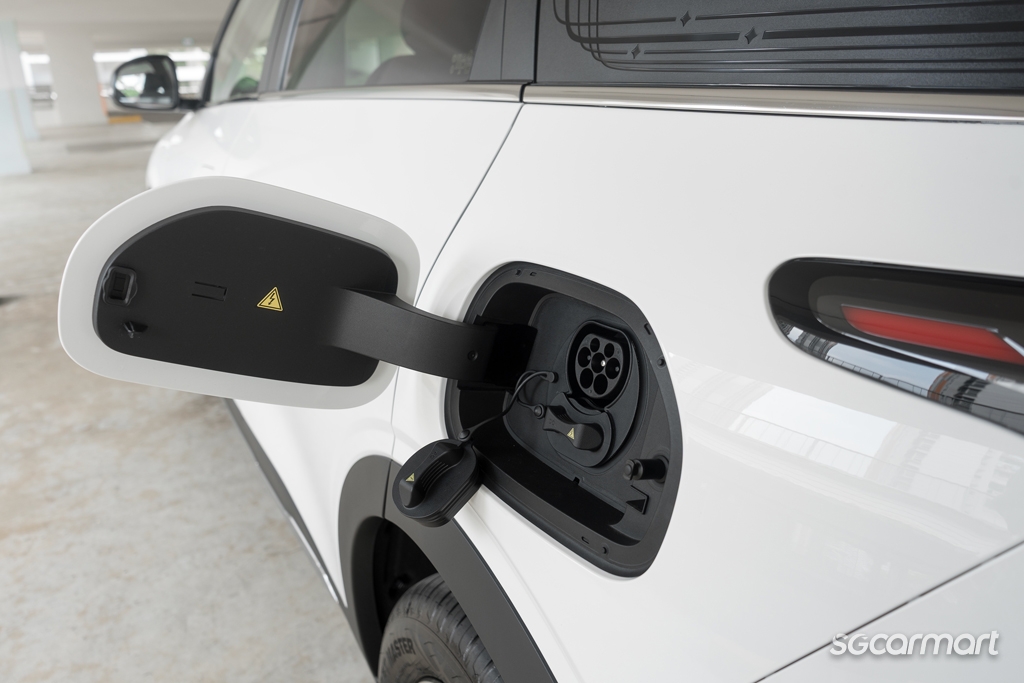
The latter point means you are pushed rather than pulled along, with Proton citing a zero to 50km/h time of 3.9 seconds and a century sprint time of 10 seconds.
Try flinging the e.MAS 5 into a corner and you'll be surprised by its composure. It's not tack-sharp, but it tolerates ham-fisted manoeuvres. In a way, its modest outputs, compact size, and relatively light weight make it more forgiving.
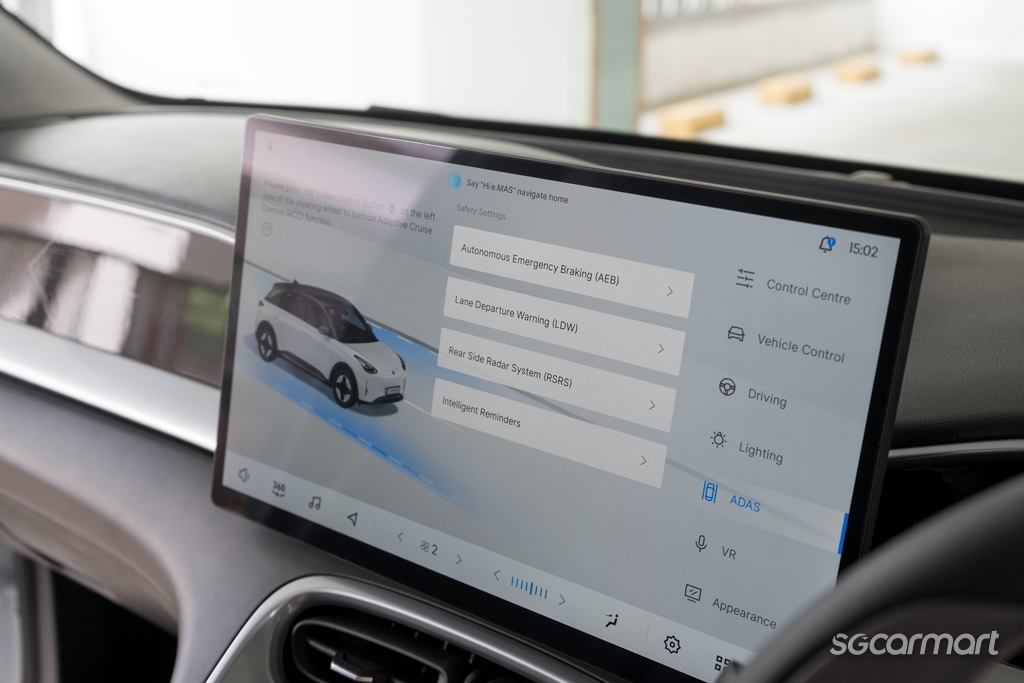
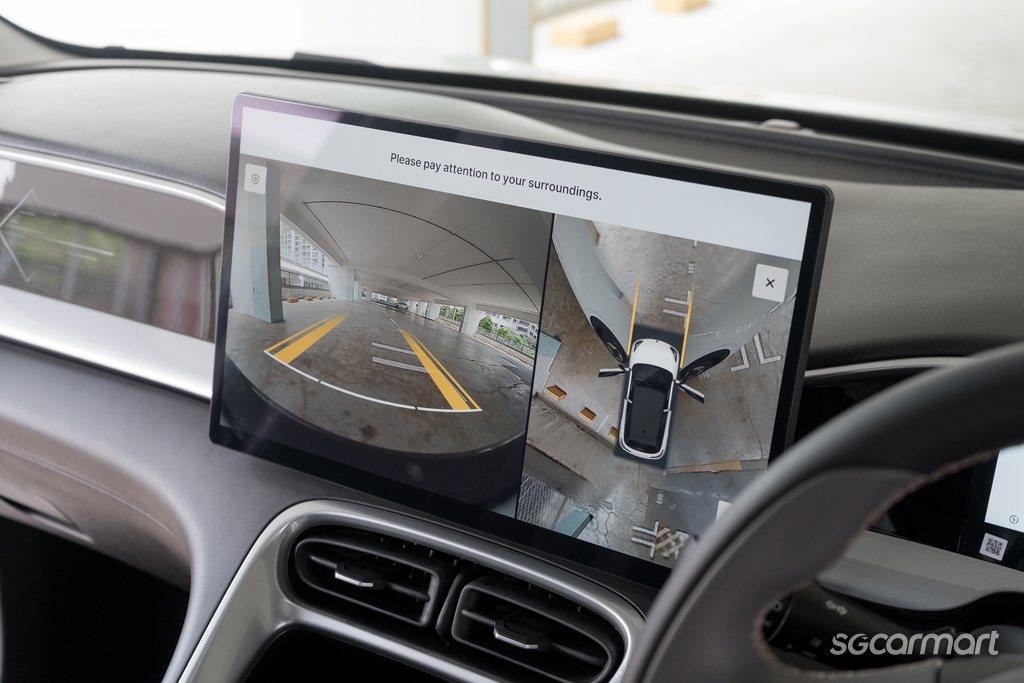
The e.MAS 5 had its software recently updated and one of the claimed benefits is that the ADAS warnings are less intrusive. I never got to try the pre-update system so I can't compare, but with this car, Lane Departure Warning isn't as sensitive as expected. I left it activated throughout the test drive, yet it remained largely unobtrusive.
Also, when you switch off the speed warning function, it stays off. When I last drove the e.MAS 7, I had to turn it off before every drive because it turned itself back on by default. It's not a bad feature per se, but the incessant beeping will get to you.
An honest proposition
The e.MAS 5 looks cute, has decent efficiency and range (6.6km/kWh and 325km), and since the battery (40.16kWh) isn't that big, charging costs might be lower as well - depending on your usage.
In a market filled with EVs promising everything plus the kitchen sink, a car like the e.MAS 5 is refreshing. Sure, it has plenty of kit, but it's not yelling about it. It's rear-wheel driven, but it's never described or positioned as sporty. Indeed, it would make a wonderful entry-level EV - if not for our current COE system.
These reviews may interest you as well
Distinct styling aside, the pint-sized Dolphin's outsized equipment list and superb practicality make it a valuable addition to the BYD electric family
Funky, well-specced, and competitively priced, the Dongfeng Box is a compelling compact electric hatch that could well appeal to first-time car-owners