Bentley blends tradition with precision
02 Jun 2026|20 views
What is it about handcrafted luxury that fascinates us?
Craftsmanship is one of the biggest draws. Taking the time to do something right so that it has every chance of lasting a long time, is a worthy endeavour.
In a world obsessed with instant gratification, this quality is further enhanced. When applied to automobiles, the results aren't just startling - these models also leave drivers and onlookers in awe.
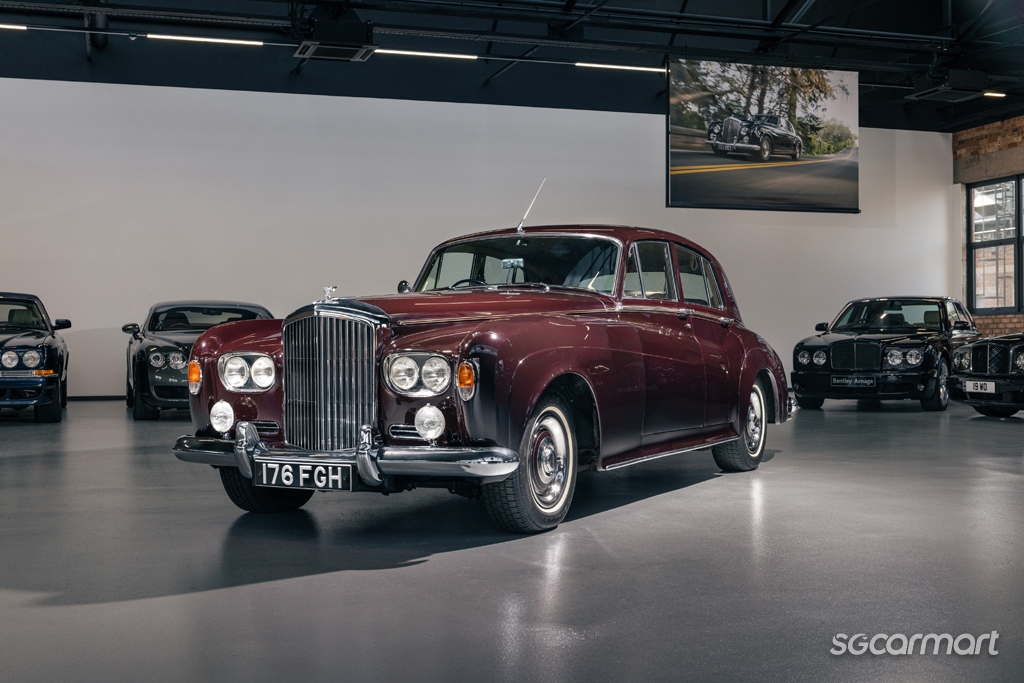
Case in point: 84% of the cars Bentley produced are still on the road today, according to the brand's CEO, Dr Frank Steffen Walliser. That's impressive for a 107-year old marque. To be sure, Bentley owners can afford the maintenance, but it's also true that well-made cars will stand the test of time.
But one question still looms large: How will Bentley navigate an era increasingly defined by electrification, which is also changing how luxury is perceived?
Old materials, modern techniques
Cars are produced on assembly lines - as they roll forward, various components are fitted to the body and interior. But when it comes to the uber-luxury segment, this process isn't exactly straightforward.
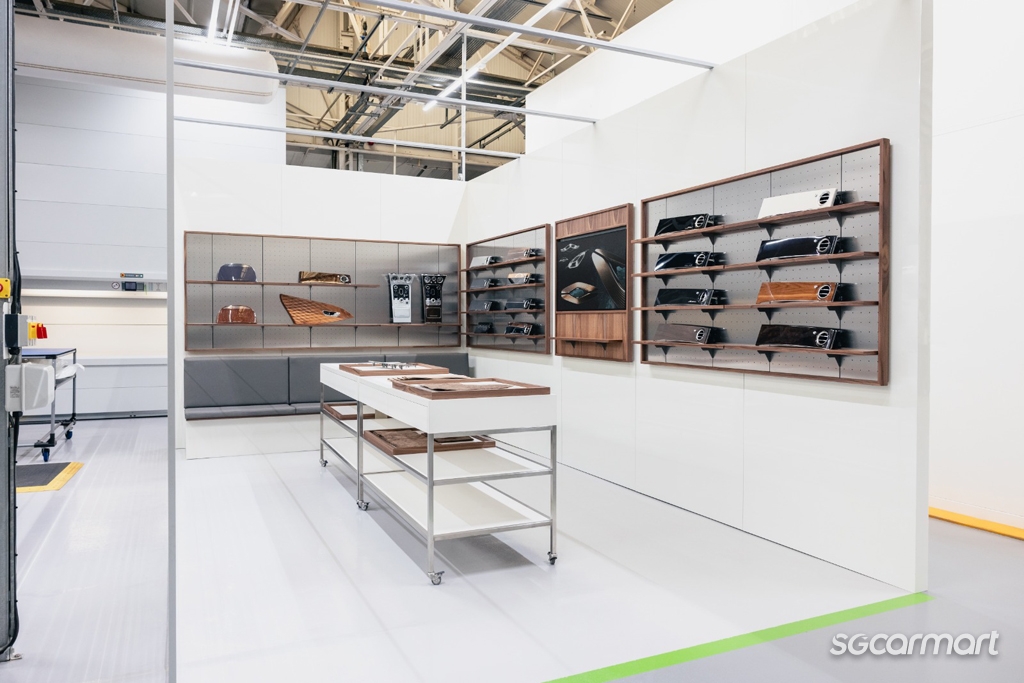
Most Bentleys are personalised. Everything from the paint to the upholstery to the stitching and veneers can be customised to the client's desires. There are over 46 billion possible combinations - essentially infinite - available to a client.
This, and other details, were explained by Max Harris-Jones, Bentley's Sustainability and Community Communications Manager, during the factory tour.
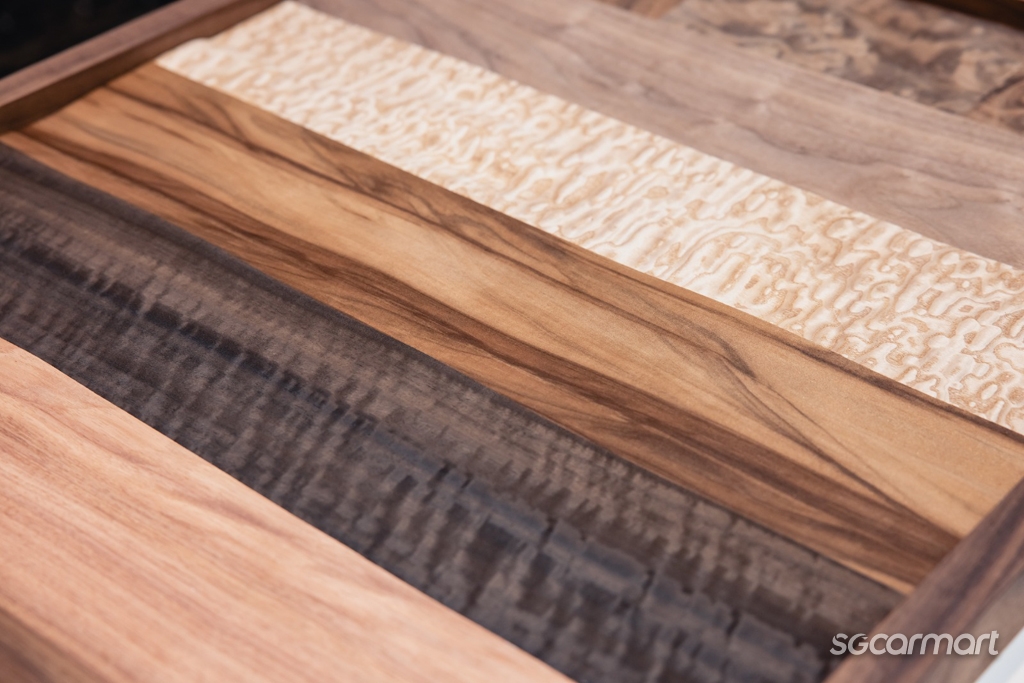
Max detailed how the wood veneers in a Bentley are produced. Selecting and purchasing the timber used is a job that only three specialists are entrusted with. And you can't just use any type of wood - it must be rigorously tested first to ensure it resists wear and aging and won't splinter in an accident.
Bentley even pioneered 3D veneers, which feature a three-dimensional diamond pattern machined into the wood.
Giving these veneers a deep lustre is a painstaking process. Five coats of lacquer are applied, but to remove the initial orange-peel like finish, four layers end up being polished away. The polishing is done by hand, because a machine cannot achieve the carmaker's standard.
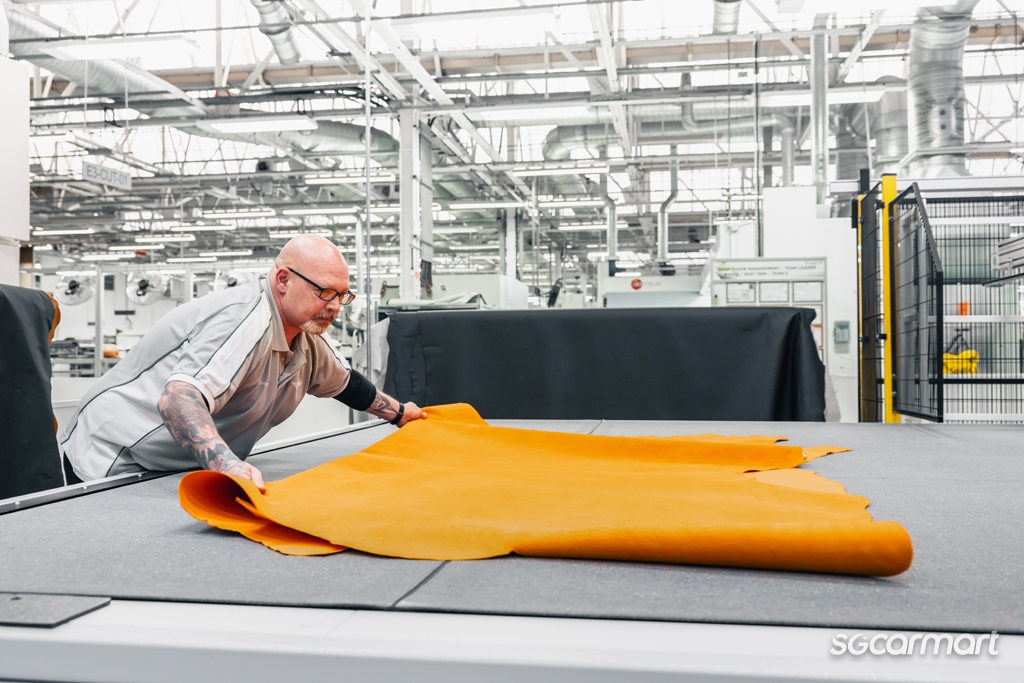
To minimise wastage, less-than-perfect leather is used in inconspicuous areas, while any leftovers are recycled
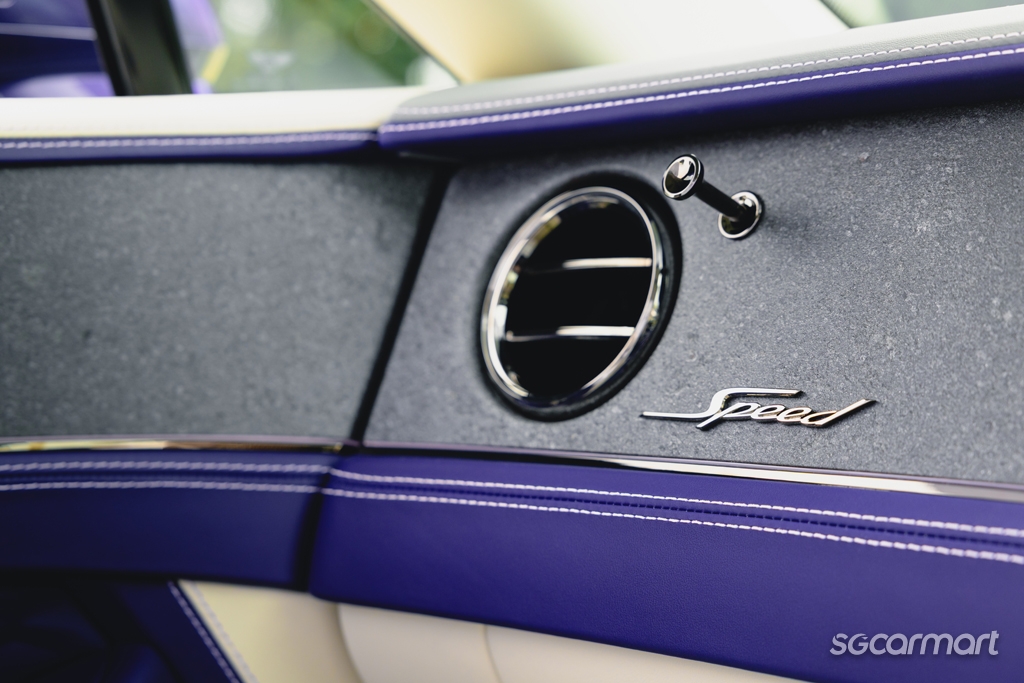
Even more interesting are the stone veneers, which are in a nutshell, slate or quartzite that are processed and cut (but not pressed like wood). It's a fascinating and complicated topic that merits its own feature story.
The interior wouldn't be complete unless it was upholstered in high-quality leather and for this task, Bentley only utilises bull hides. Cow hides are avoided because they get stretched when a cow is gestating.
A nod to the past
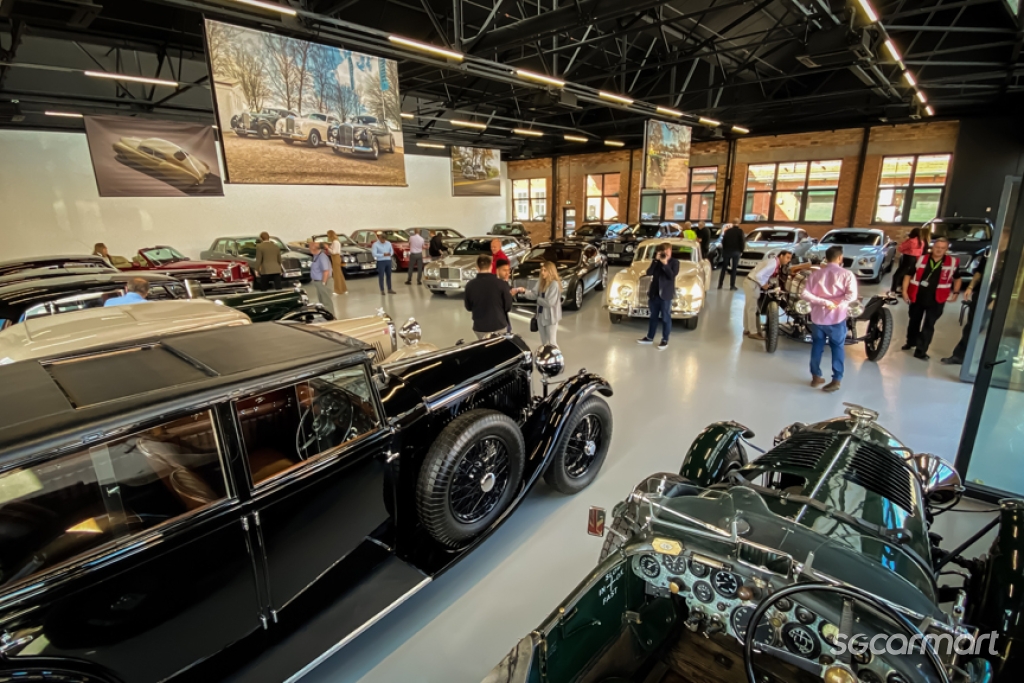
No visit to Crewe would be complete if we didn't get to 'time travel' and check out some of Bentley's iconic models.
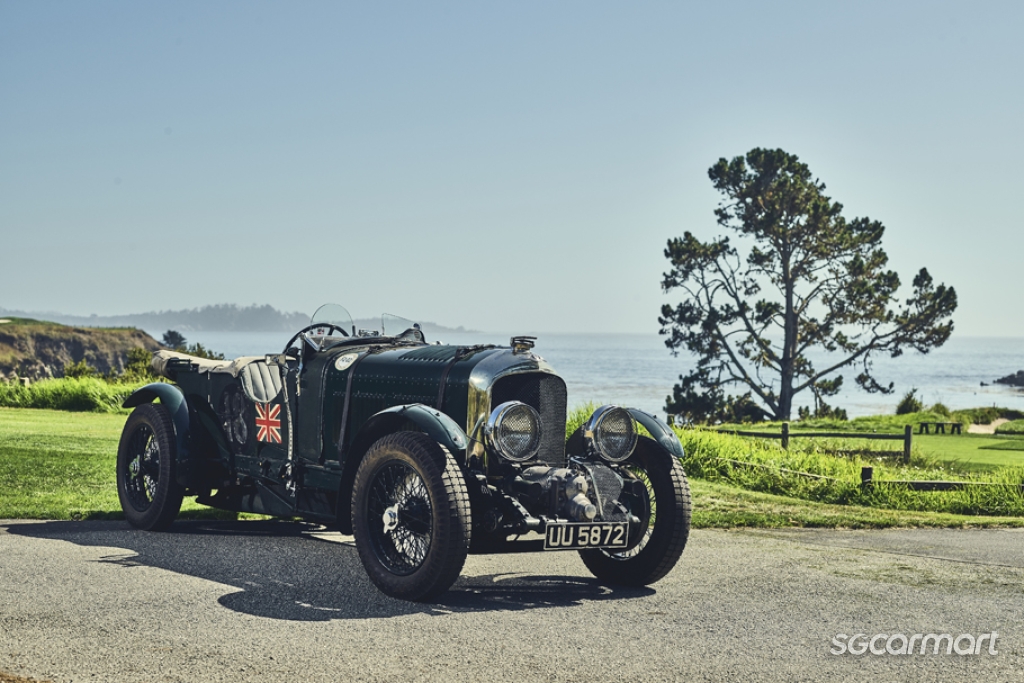
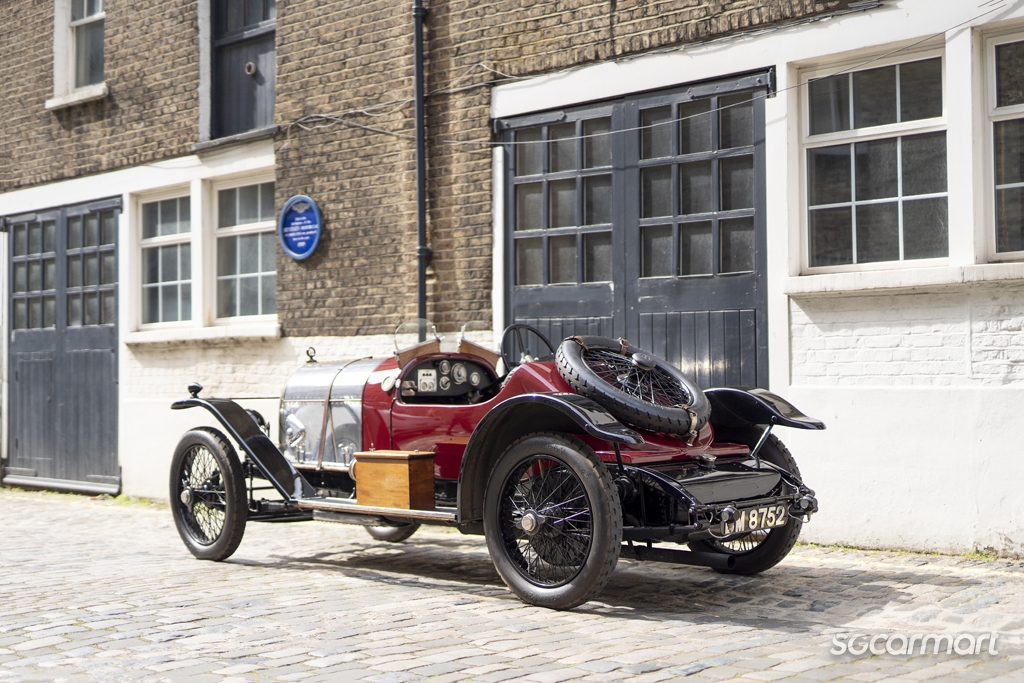
The Historic Lineage Collection, located in CW1 House, hosts some of the brand's oldest and rarest models. These include the famed 'Blower' or supercharged cars, the 1939 Mark V Corniche, and the 1919 3.0-litre EXP2 - the oldest Bentley in the world and the second car built by founded W.O. Bentley.
Being able to get up close to these rare automobiles was a moment to be savoured. It's not every day that one gets to be in the presence of cars that laid the foundation for the brand.
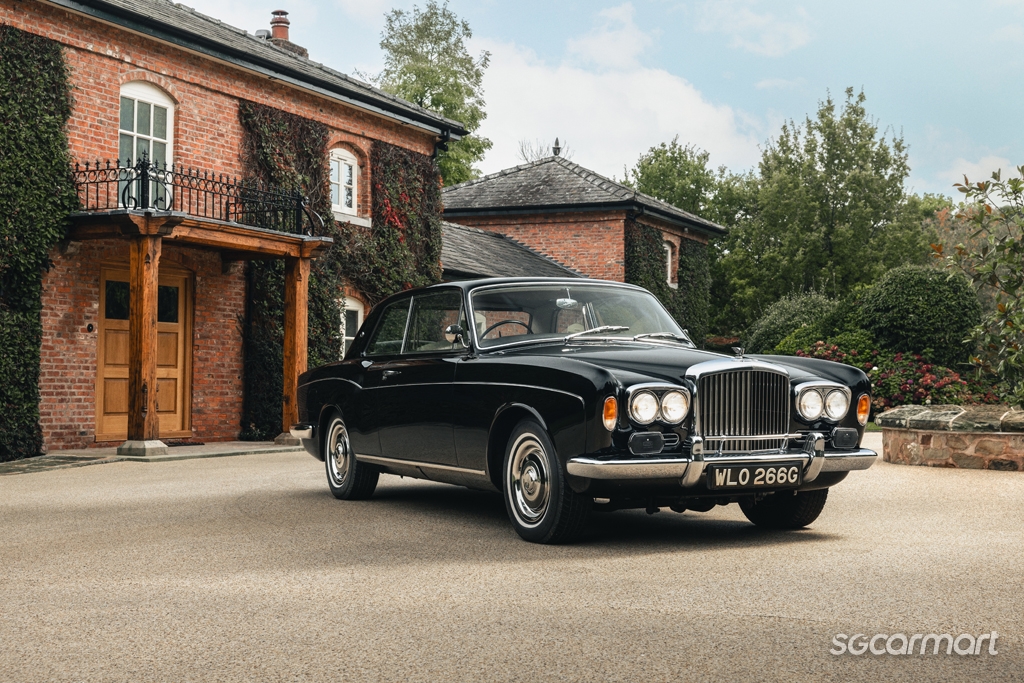
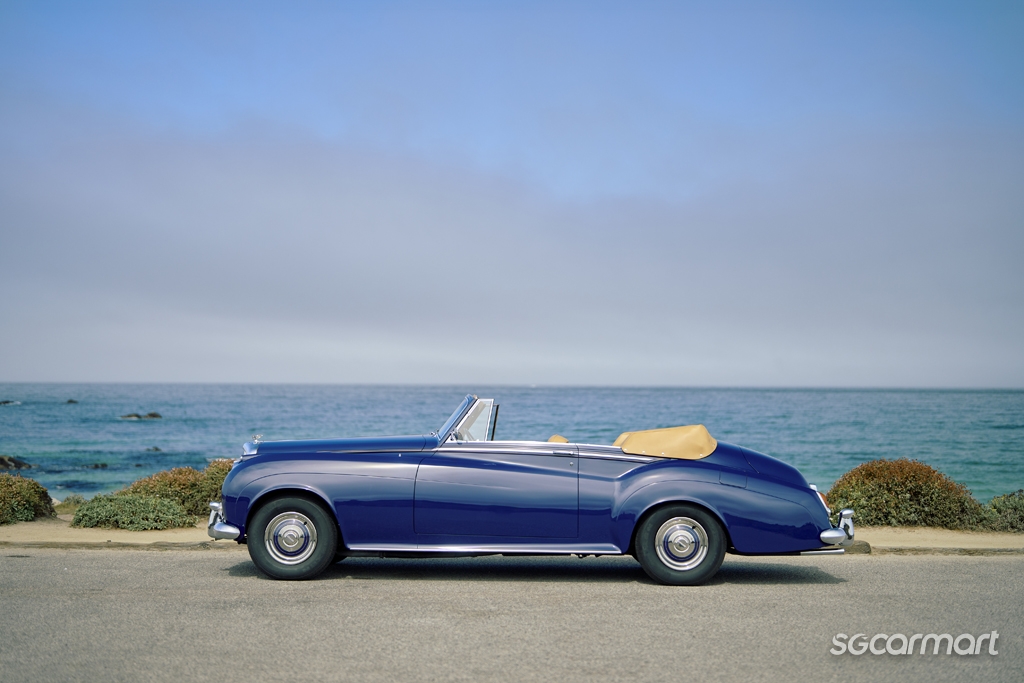
The elongated curves on the 1961 S2 Drophead Coupe and 1968 T Series Mulliner Coupe can still leave bystanders awestruck
Bentley Heritage Collection, which houses cars produced from 1946 onwards, was the second 'time machine' we entered. Here, we found models such as the 1961 S2 Drophead Coupe, 1963 S3 Sedan, 1968 T Series Mulliner Coupe, and 2011 Arnage Red Label. The latter is the first model produced after Volkswagen acquired Bentley.
The models from the 1960s are particularly striking because of their bodywork, which features elongated fenders and plenty of curves. Though six decades old, they are as eye-catching as when they first rolled off the assembly line.
Back to that question
Bentley has over a century of experience making personalised automobiles with luxurious, handcrafted interiors. Its history is filled with numerous iconic models, and the fact that many of its cars are still on the roads underscores its legacy.
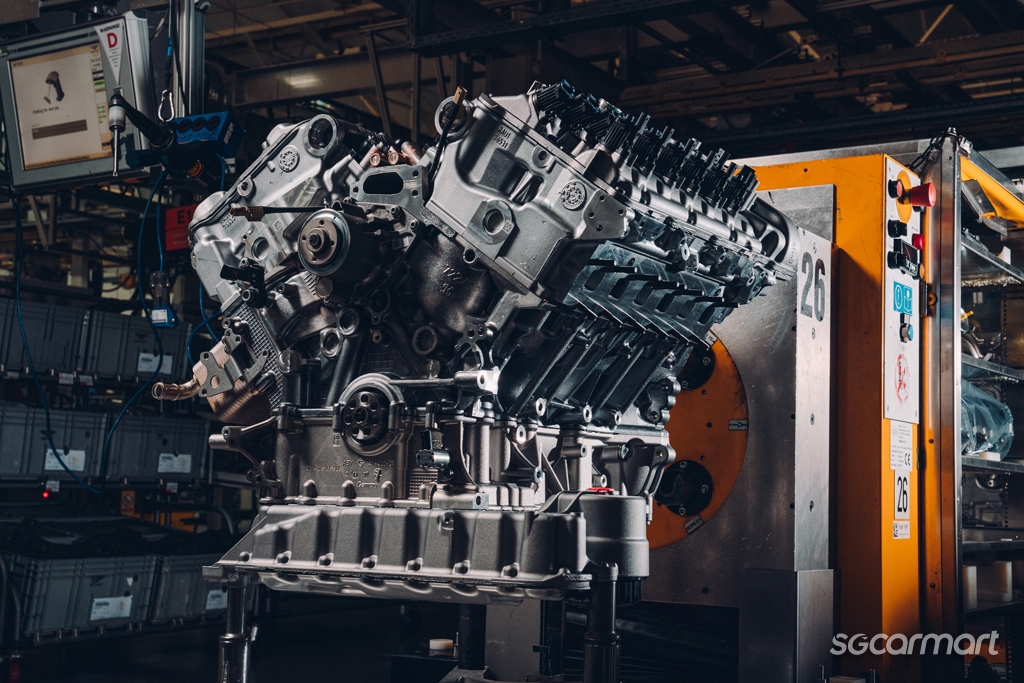
But seamless, silent performance riding on a gigantic wave of low-end torque is no longer the purview of engines such as the 6.75-litre V8 or 6.0-litre W12. Electric powertrains have commodified this previously rarified performance.
And in an era increasingly defined by EVs and the rise of Chinese carmakers, is Bentley's future all-electric? It's a tricky question to answer. What Dr Walliser is certain of is that full hybrids (or plug-in hybrids, in its case) are what the brand needs to offer customers in the short- to mid-term.
He added that Bentley will not offer electric versions of existing models, because the investments required will be hefty, and both versions will only cannibalise each other. This is why the brand will offer a smaller full-electric SUV instead.
Keen drivers, however, will be pleased to hear that although the W12 has been retired, Bentley hasn't bid farewell to the combustion engine. Asked if there was a chance for another one-off, limited series of petrol-powered models, Dr Walliser said it was possible because "Bentley is always about offering choice."
The W12 may have been retired, but it's still possible for Bentley to make another one-off, petrol-driven model series like the Supersports
As for the new players entering the segment, Dr Walliser does not see them as true-blue luxury manufacturers yet. "Expensive does not automatically mean luxurious", he quipped.
Whether the clients will also continue feeling the same as time passes remains to be seen. One thing Bentley can count on though, is its legacy and reputation for handcrafted luxury, which newcomers cannot easily replicate.
What is it about handcrafted luxury that fascinates us?
Craftsmanship is one of the biggest draws. Taking the time to do something right so that it has every chance of lasting a long time, is a worthy endeavour.
In a world obsessed with instant gratification, this quality is further enhanced. When applied to automobiles, the results aren't just startling - these models also leave drivers and onlookers in awe.
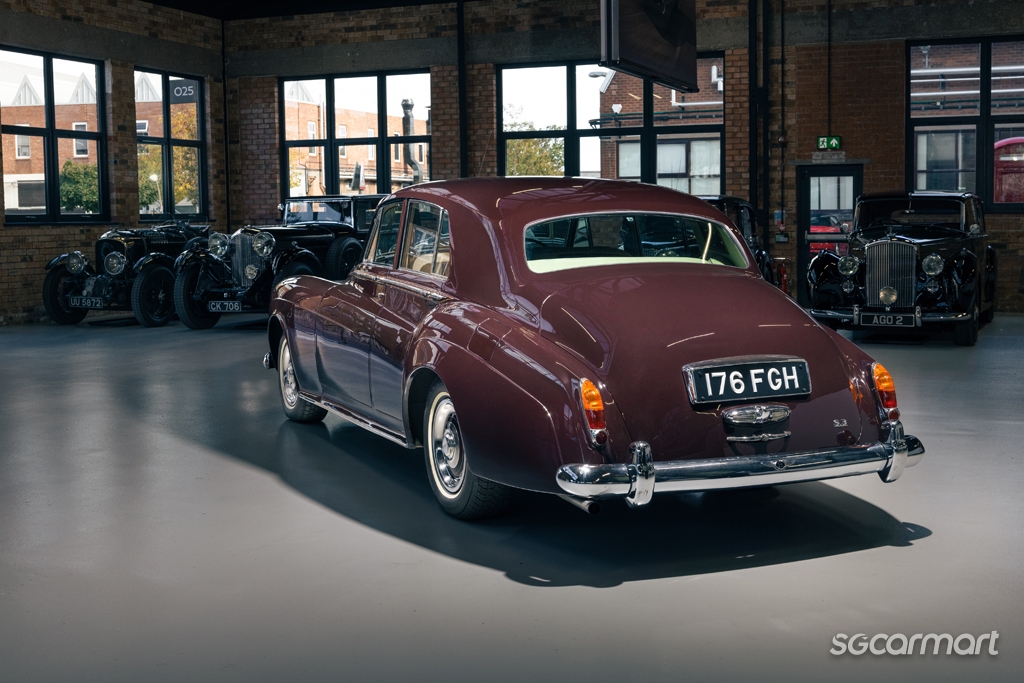
Case in point: 84% of the cars Bentley produced are still on the road today, according to the brand's CEO, Dr Frank Steffen Walliser. That's impressive for a 107-year old marque. To be sure, Bentley owners can afford the maintenance, but it's also true that well-made cars will stand the test of time.
But one question still looms large: How will Bentley navigate an era increasingly defined by electrification, which is also changing how luxury is perceived?
Old materials, modern techniques
Cars are produced on assembly lines - as they roll forward, various components are fitted to the body and interior. But when it comes to the uber-luxury segment, this process isn't exactly straightforward.
Most Bentleys are personalised. Everything from the paint to the upholstery to the stitching and veneers can be customised to the client's desires. There are over 46 billion possible combinations - essentially infinite - available to a client.
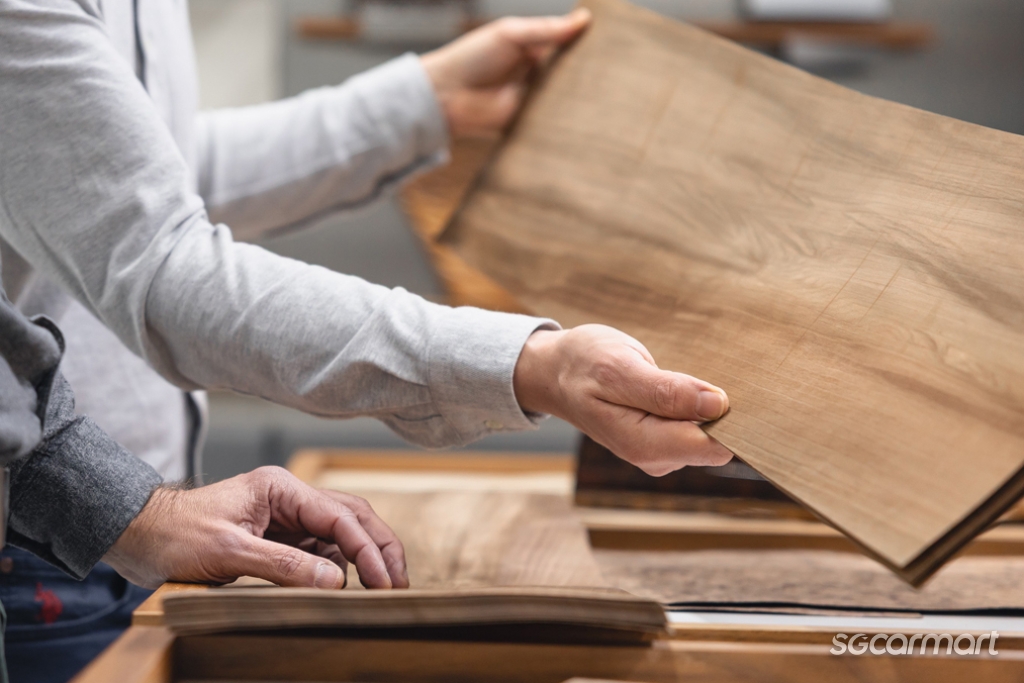
This, and other details, were explained by Max Harris-Jones, Bentley's Sustainability and Community Communications Manager, during the factory tour.
Max detailed how the wood veneers in a Bentley are produced. Selecting and purchasing the timber used is a job that only three specialists are entrusted with. And you can't just use any type of wood - it must be rigorously tested first to ensure it resists wear and aging and won't splinter in an accident.
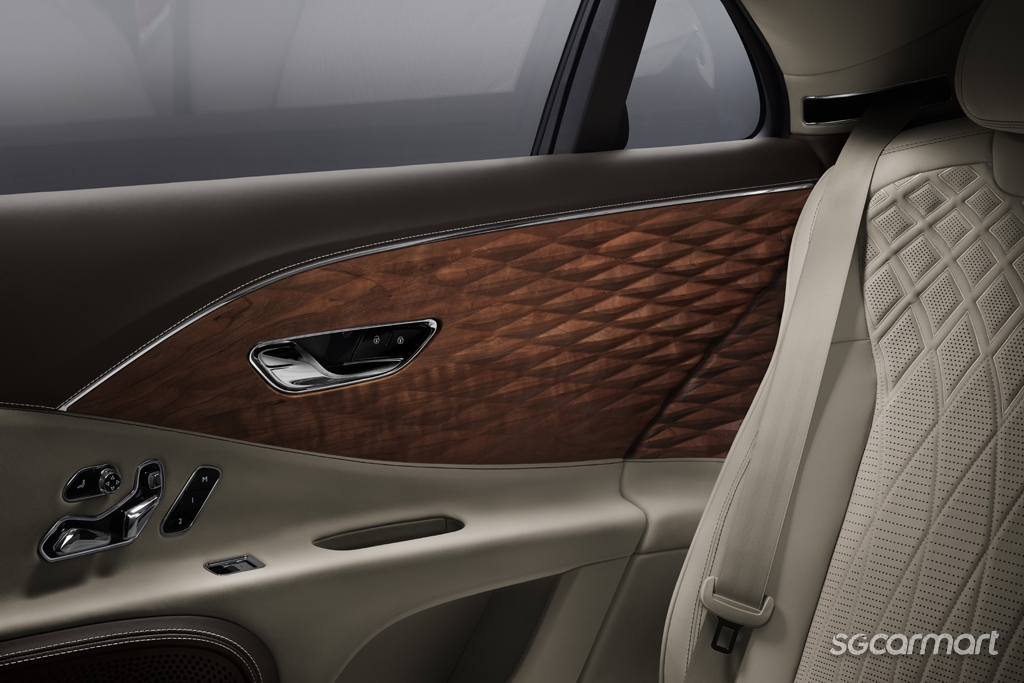
Bentley even pioneered 3D veneers, which feature a three-dimensional diamond pattern machined into the wood.
Giving these veneers a deep lustre is a painstaking process. Five coats of lacquer are applied, but to remove the initial orange-peel like finish, four layers end up being polished away. The polishing is done by hand, because a machine cannot achieve the carmaker's standard.
To minimise wastage, less-than-perfect leather is used in inconspicuous areas, while any leftovers are recycled
Even more interesting are the stone veneers, which are in a nutshell, slate or quartzite that are processed and cut (but not pressed like wood). It's a fascinating and complicated topic that merits its own feature story.
The interior wouldn't be complete unless it was upholstered in high-quality leather and for this task, Bentley only utilises bull hides. Cow hides are avoided because they get stretched when a cow is gestating.
A nod to the past
No visit to Crewe would be complete if we didn't get to 'time travel' and check out some of Bentley's iconic models.
The Historic Lineage Collection, located in CW1 House, hosts some of the brand's oldest and rarest models. These include the famed 'Blower' or supercharged cars, the 1939 Mark V Corniche, and the 1919 3.0-litre EXP2 - the oldest Bentley in the world and the second car built by founded W.O. Bentley.
Being able to get up close to these rare automobiles was a moment to be savoured. It's not every day that one gets to be in the presence of cars that laid the foundation for the brand.
The elongated curves on the 1961 S2 Drophead Coupe and 1968 T Series Mulliner Coupe can still leave bystanders awestruck
Bentley Heritage Collection, which houses cars produced from 1946 onwards, was the second 'time machine' we entered. Here, we found models such as the 1961 S2 Drophead Coupe, 1963 S3 Sedan, 1968 T Series Mulliner Coupe, and 2011 Arnage Red Label. The latter is the first model produced after Volkswagen acquired Bentley.
The models from the 1960s are particularly striking because of their bodywork, which features elongated fenders and plenty of curves. Though six decades old, they are as eye-catching as when they first rolled off the assembly line.
Back to that question
Bentley has over a century of experience making personalised automobiles with luxurious, handcrafted interiors. Its history is filled with numerous iconic models, and the fact that many of its cars are still on the roads underscores its legacy.
But seamless, silent performance riding on a gigantic wave of low-end torque is no longer the purview of engines such as the 6.75-litre V8 or 6.0-litre W12. Electric powertrains have commodified this previously rarified performance.
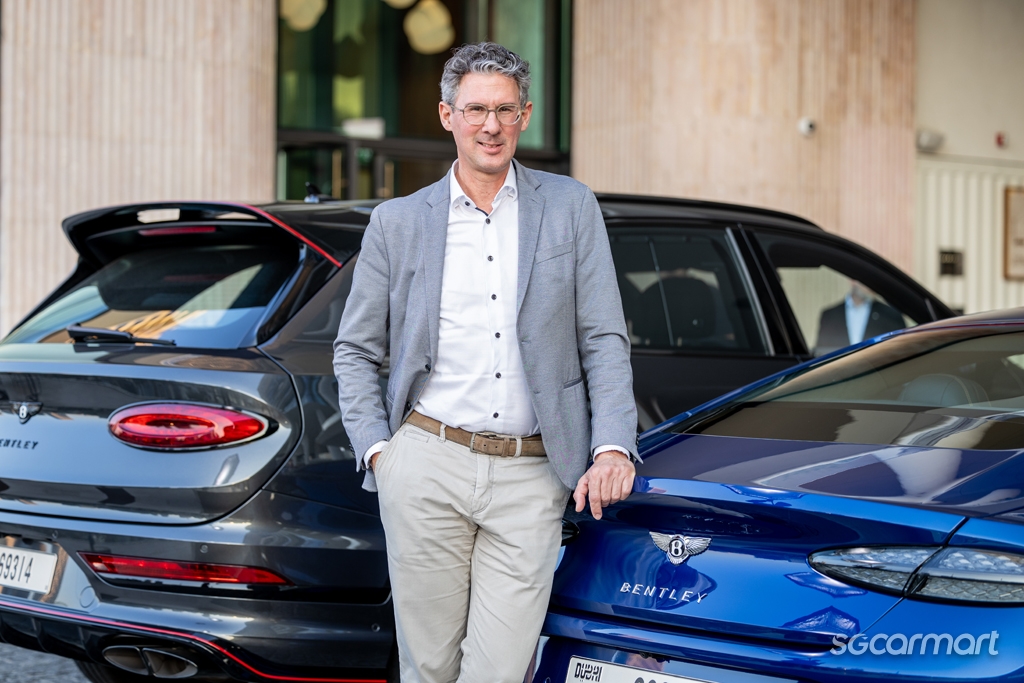
And in an era increasingly defined by EVs and the rise of Chinese carmakers, is Bentley's future all-electric? It's a tricky question to answer. What Dr Walliser is certain of is that full hybrids (or plug-in hybrids, in its case) are what the brand needs to offer customers in the short- to mid-term.
He added that Bentley will not offer electric versions of existing models, because the investments required will be hefty, and both versions will only cannibalise each other. This is why the brand will offer a smaller full-electric SUV instead.
Keen drivers, however, will be pleased to hear that although the W12 has been retired, Bentley hasn't bid farewell to the combustion engine. Asked if there was a chance for another one-off, limited series of petrol-powered models, Dr Walliser said it was possible because "Bentley is always about offering choice."
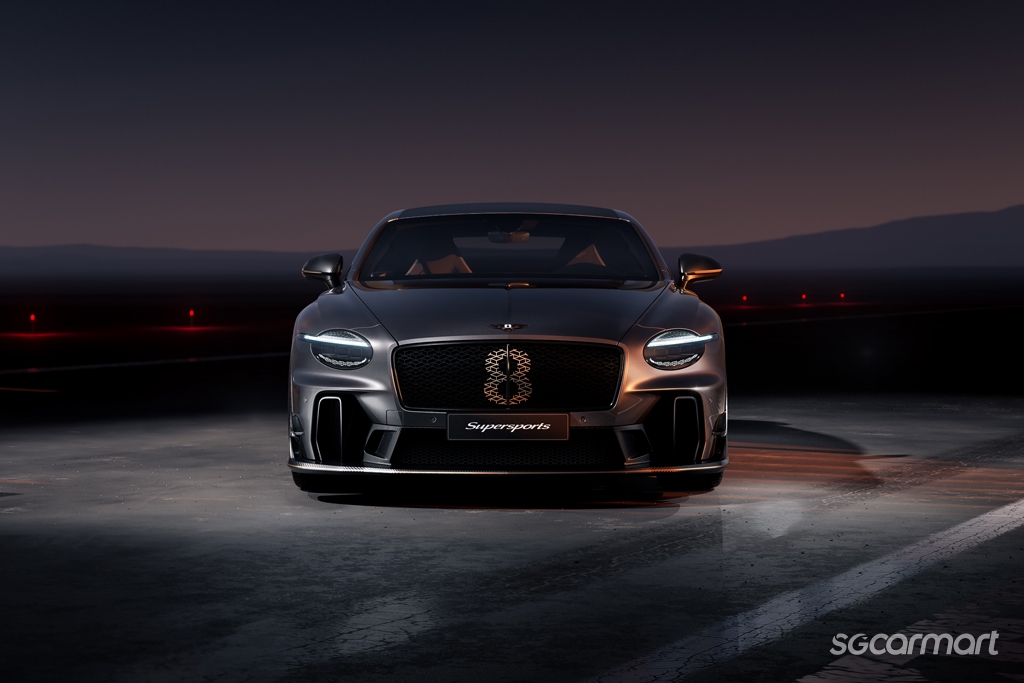
The W12 may have been retired, but it's still possible for Bentley to make another one-off, petrol-driven model series like the Supersports
As for the new players entering the segment, Dr Walliser does not see them as true-blue luxury manufacturers yet. "Expensive does not automatically mean luxurious", he quipped.
Whether the clients will also continue feeling the same as time passes remains to be seen. One thing Bentley can count on though, is its legacy and reputation for handcrafted luxury, which newcomers cannot easily replicate.

Thank You For Your Subscription.