View page in desktop
|
Report error
  •   Apple app store icon
  • Google play store icon
Terms of Service
|
Privacy Policy
|
PDPA
|
Site Map
©2004-2026 Sgcarmart, Singapore. All rights reserved.
  • Home
  • Car Articles
  • features
  • features Listings
  • Features
  • Going car-lite: Is cycling going to make a difference?

    24 Oct 2023

    |

    4,859 views

    With 1,300km of cycling paths set to be built by 2030, it's worth exploring whether it will actually encourage more people to go car-lite.

    We've seen steady drips of information from the Land Transport Authority (LTA) about the building of more cycling paths as part of the Islandwide Cycling Network (the latest news release was on 11 Sep 2023). Like it or not, we are getting more cycling paths - the target is 1,300km of cycling paths by 2030. 

    This, of course, is part of a larger national strategy to encourage bike use, with the explicit or implicit intent to thus discourage personal car use - to go car-lite. As we've previously explored, the idea of 'car-lite' brings with it plenty of complicated discussions. 

    But, it's also worth looking into how exactly the ICN intersects with drivers, and what it means for the broader transportation network in Singapore. 
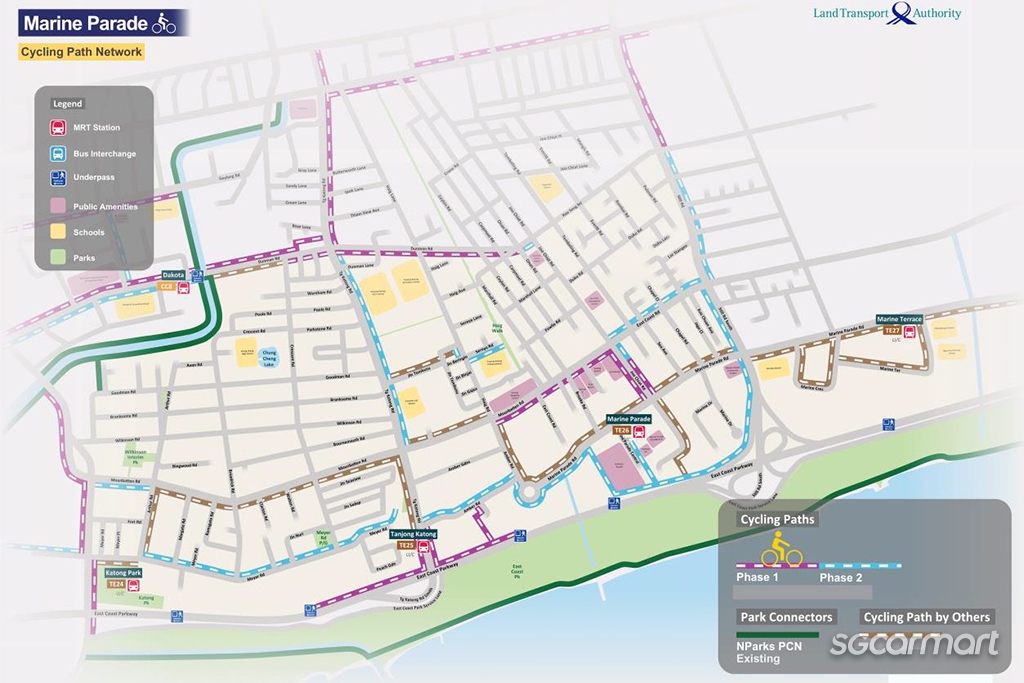
    The Islandwide Cycling Network is set to get 1,300km of cycling paths spread out across the various Singapore towns

    Paths vs lanes

    The first thing to explore is real estate. 

    If you have been to cycling-friendly cities (Amsterdam immediately springs to mind), you will have surely noticed bicycle lanes on roads. 

    What this means, from a real estate perspective, is that expanding the cycling infrastructure necessitates taking away from the automotive infrastructure, since the physical tarmac space is ultimately fixed and shared (assuming no new tarmac is laid down). 

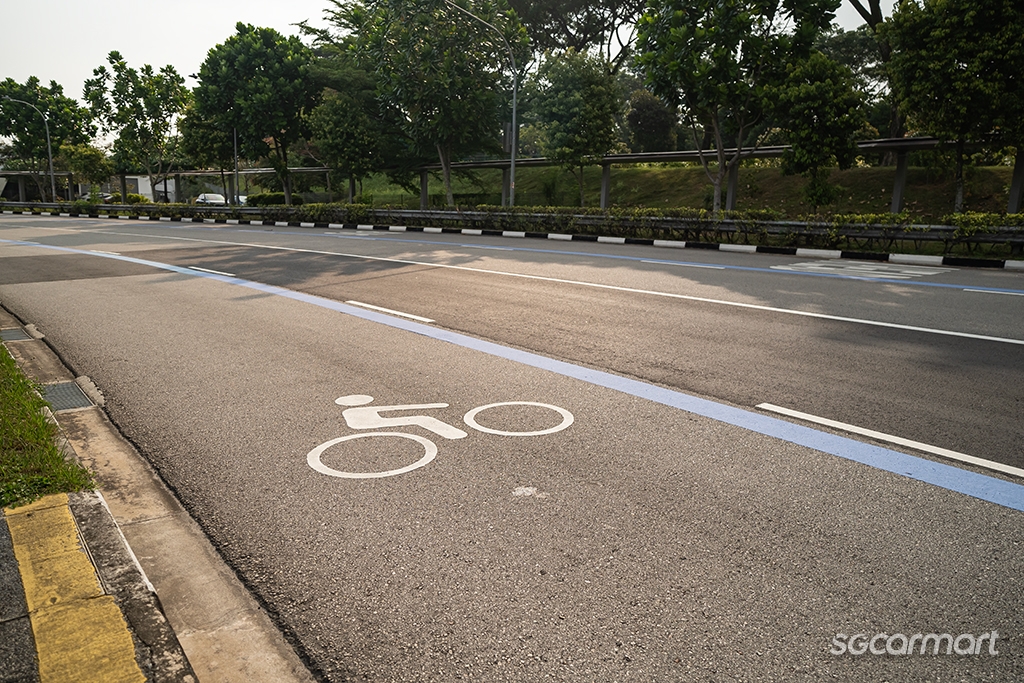
    Along portions of Tanah Merah Coast Road, there is a dedicated bike lane adjacent to the existing car lanes (Image credit: Google Maps)
    Since April 2023, the Sunday Cycling Lane at West Camp Road (which occupies most of the left most car lane) has been made permanent, but is only in effect from 5:00am to 11:00am

    In Singapore, there are some (extremely) limited examples of this - at Tanah Merah Coast Road, as well as at West Camp Road in Seletar. 

    The anti-cycling argument from motorists, of course, is that less road space equals more congestion. That, on the surface, seems to compute. However, as we've previously explored, this isn't necessarily the case. In other countries, cycling lanes have actually been shown to reduce congestion. 

    However, here in Singapore, the likely scenario is that many of these cycling paths will not replace tarmac, but be alongside them. This is the model that we're predominantly seeing in many estates today, and looks like the model moving forward (based on the sketches released by the LTA). 

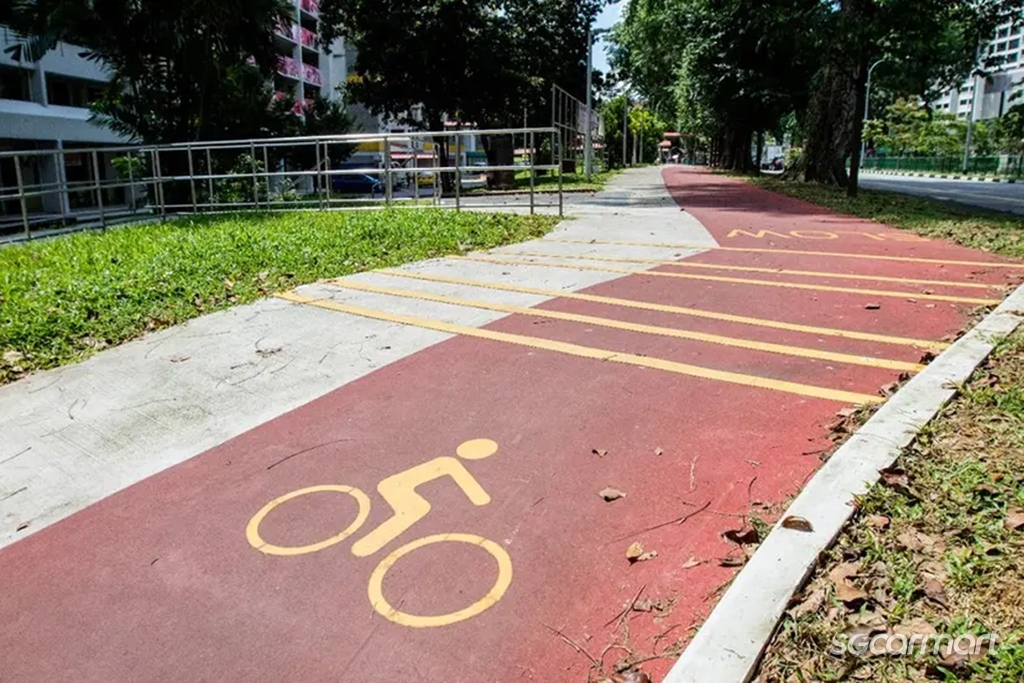
    The expanding ICN will see more cycling paths alongside pedestrian footpaths (similar to what we currently already see in many estates), and will not affect existing tarmac real estate

    I believe that this is a good thing. More cycling paths would allow better delineation between pedestrians, cyclists and motorists - each having a defined space with defined rules. By reducing overlap between various transport modes (as well as pedestrians), this actually could reduce the chances of incidents and accidents. Of course, the question of how to ensure or enforce the use of such paths by cyclists is an open one. 

    To be clear, we are getting cycling paths, not cycling lanes. Angry drivers, hold off with your pitchforks… 

    Since the pandemic, there has been a notable uptick in people who have embraced cycling as a hobby or a form of exercise

    Hobby vs transport

    That said, cycling paths will not accommodate all cyclists. 

    Especially since/during COVID-19, we've seen a significant increase in cyclists on roads. For many, it is a form of exercise, or a hobby, often conducted in groups. 

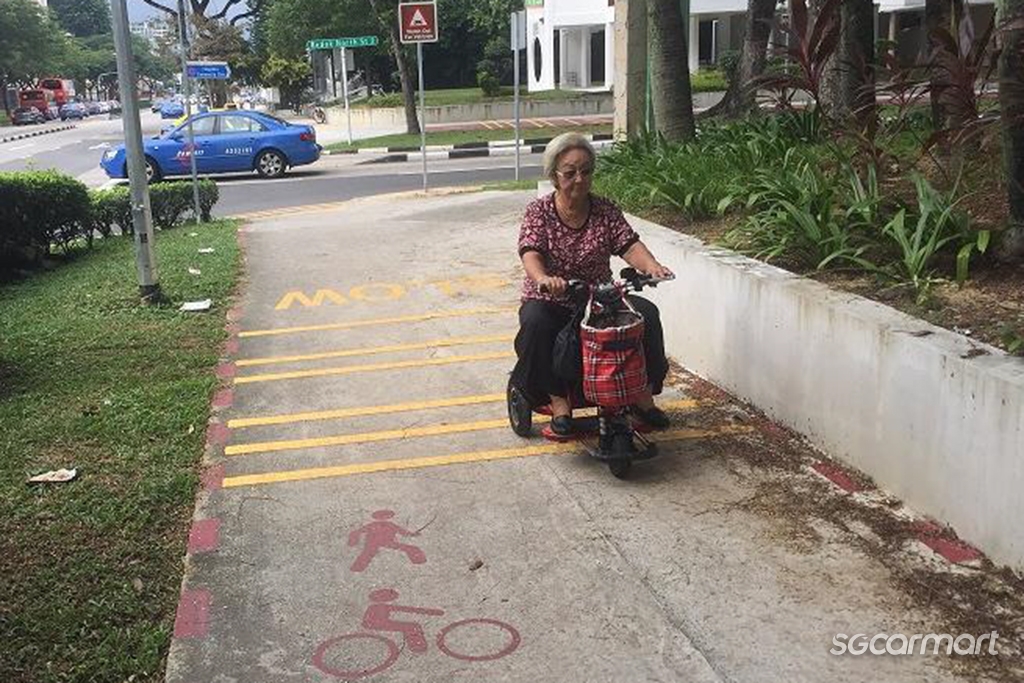
    Additional cycling paths will benefit individual commuters who use bicycles to get from point to point

    For the hobbyists, people who cycle distances in the double digit kms rather than single digits, these new cycling paths likely won't serve them much. This is especially the case for groups of riders, though there are now new regulations on how such groups should behave on roads. The co-existence of these groups with drivers is another topic of discussion altogether. 

    The ICN will chiefly serve individuals who use bicycles as a form of transport, including individuals who do deliveries. Short distances, point-to-point journeys - these are exactly the sort of commuters that can support a car-lite vision. 

    Realistically, cycling is unlikely to replace driving as most car-owners' primary mode of transport

    Cycling: Alternative or complementary transportation? 

    The next real question is whether cycling can serve as a realistic alternative form of transport. 

    For a large number of people, the answer is likely no. Cycling works in dense city centres where people commute limited distances, helped in countries like Germany and the Netherlands by the preferential climate. 

    In Singapore, you're not realistically going to cycle from say, Punggol to the CBD every day. I used to cycle an hour from Bedok to Clementi back in my army days, and that is just not practical for most people. 

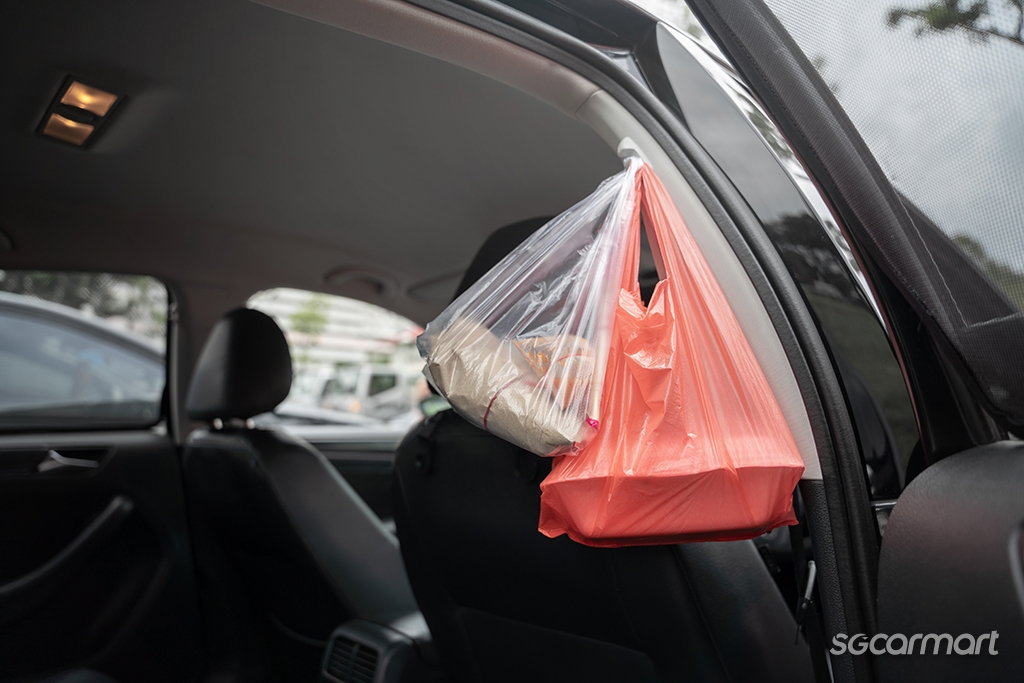
    Heading out to dabao lunch? Cycling can (and arguably should) be an alternative transport option, instead of driving

    That said, it is worth considering cycling as a mode of transport for shorter distance commutes. The five-minute drive to have lunch at your neighbourhood hawker centre can certainly be replaced by a bicycle. It's also worth pointing out that short, low-speed journeys are when cars are operating at their least efficient. And with the emergence of folding bicycles, there's also the argument to be made for packing your bicycle in your car; drive the long journeys, cycle the short ones. 

    In a way, cycling can be complementary - not to replace your car use, but to reduce your car use. 

    More cycling paths will not magically reduce the number of cars on our roads, but having an increasingly viable alternative to driving (with more available and accessible infrastructure) is certainly a step in the right direction

    The reality 

    The mixed reality is that the ICN is here to stay. With defined paths for cyclists that improve safety and connectivity, this can make cycling a more viable way of commuting - perhaps not the daily commute to office, but more occasional, shorter journeys, such as to the supermarket or out for Saturday lunch. 

    Ultimately, it is about making cycling more conducive - this will benefit existing cyclists, and can also encourage more people to at least begin to entertain the idea of getting about on two wheels. 

    Is cycling the answer to going car-lite? It's no silver bullet - most people are not going to trade car for bike. The ICN is also in itself no perfect solution - discussions (arguments, probably) will still be had on the "correct" use of such paths, and occasional conflicts between pedestrian and cyclist will still happen (as they already do now). 

    With better infrastructure in place, more people can realistically adopt cycling as a complementary mode of transport - it's no magical solution to becoming car-lite, recognising cyclists as a core part of the transport eco-system is certainly a positive step forward

    However, it is a step in a positive direction, by providing more opportunities for commuters to explore alternative means of transport. Opportunity matters - it's much easier to convince an individual to choose a bicycle over a car to make a 5-minute journey when a cycling path is readily available. 

    And perhaps more importantly, it is also an encouraging step in recognising cyclists as a core part of the transport landscape and infrastructure. 

    Here are a few other stories that may interest you!

    Why building more roads doesn't ease congestion

    No amount of theory tests for e-riders will be enough to make our roads safer

    What going car-lite actually entails and why it isn't as extreme as it sounds

    Desmond Chan
    Story by Desmond Chan
    Desmond thinks the world would be better if cars were smaller and less powerful. He wants to live in the 70s.
    Photos by Editorial Team, LTA, Google Maps
    24.4k

    Tags

    commentary cycling car-lite bicycle cycling path islandwide cycling network car drivers cyclists,

    AllReviewsNewsAdviceFeaturesVideos
    • Home
    • Car Articles
    • features
    • features Listings
    • Features

    Going car-lite: Is cycling going to make a difference?

    24 Oct 2023

    |

    4,859 views

    With 1,300km of cycling paths set to be built by 2030, it's worth exploring whether it will actually encourage more people to go car-lite.

    We've seen steady drips of information from the Land Transport Authority (LTA) about the building of more cycling paths as part of the Islandwide Cycling Network (the latest news release was on 11 Sep 2023). Like it or not, we are getting more cycling paths - the target is 1,300km of cycling paths by 2030. 

    This, of course, is part of a larger national strategy to encourage bike use, with the explicit or implicit intent to thus discourage personal car use - to go car-lite. As we've previously explored, the idea of 'car-lite' brings with it plenty of complicated discussions. 

    But, it's also worth looking into how exactly the ICN intersects with drivers, and what it means for the broader transportation network in Singapore. 
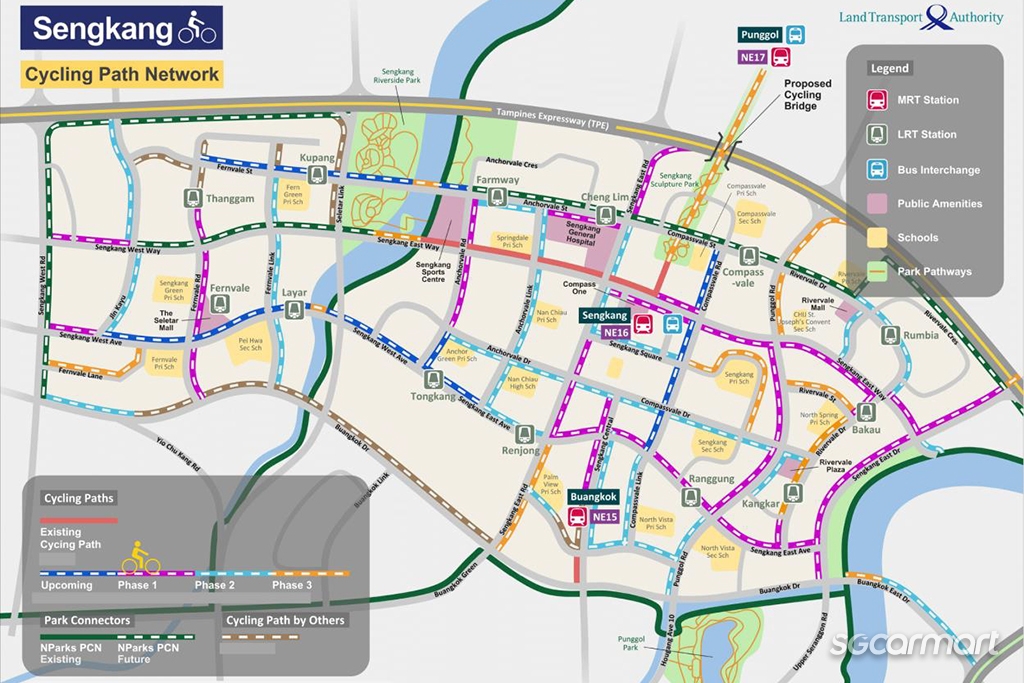
    The Islandwide Cycling Network is set to get 1,300km of cycling paths spread out across the various Singapore towns

    Paths vs lanes

    The first thing to explore is real estate. 

    If you have been to cycling-friendly cities (Amsterdam immediately springs to mind), you will have surely noticed bicycle lanes on roads. 

    What this means, from a real estate perspective, is that expanding the cycling infrastructure necessitates taking away from the automotive infrastructure, since the physical tarmac space is ultimately fixed and shared (assuming no new tarmac is laid down). 
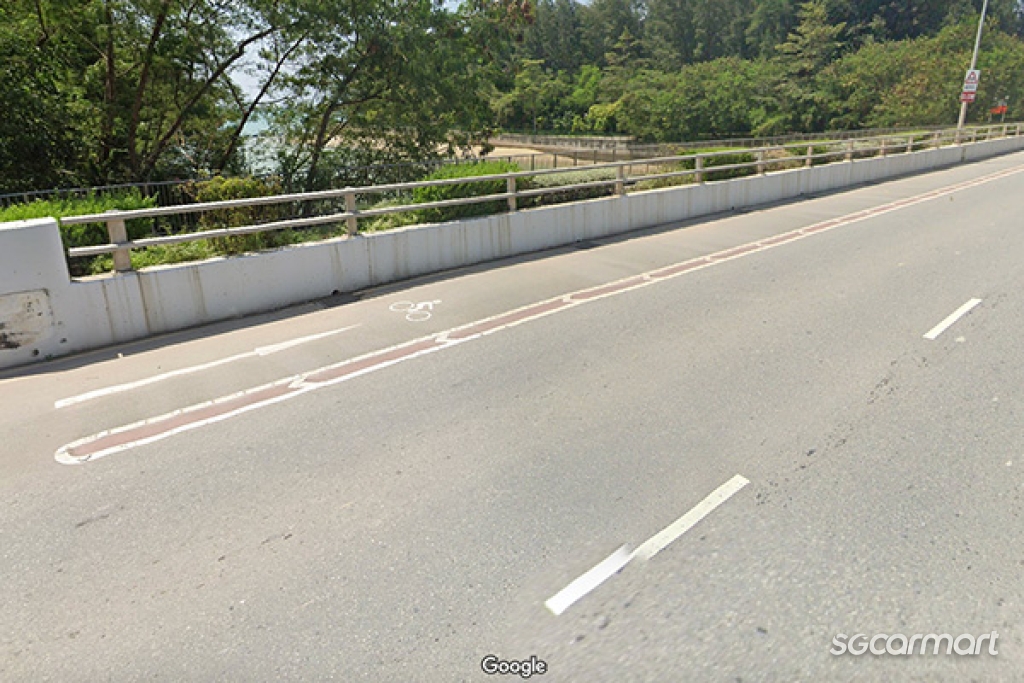
    Along portions of Tanah Merah Coast Road, there is a dedicated bike lane adjacent to the existing car lanes (Image credit: Google Maps)
    Since April 2023, the Sunday Cycling Lane at West Camp Road (which occupies most of the left most car lane) has been made permanent, but is only in effect from 5:00am to 11:00am

    In Singapore, there are some (extremely) limited examples of this - at Tanah Merah Coast Road, as well as at West Camp Road in Seletar. 

    The anti-cycling argument from motorists, of course, is that less road space equals more congestion. That, on the surface, seems to compute. However, as we've previously explored, this isn't necessarily the case. In other countries, cycling lanes have actually been shown to reduce congestion. 

    However, here in Singapore, the likely scenario is that many of these cycling paths will not replace tarmac, but be alongside them. This is the model that we're predominantly seeing in many estates today, and looks like the model moving forward (based on the sketches released by the LTA). 

    The expanding ICN will see more cycling paths alongside pedestrian footpaths (similar to what we currently already see in many estates), and will not affect existing tarmac real estate

    I believe that this is a good thing. More cycling paths would allow better delineation between pedestrians, cyclists and motorists - each having a defined space with defined rules. By reducing overlap between various transport modes (as well as pedestrians), this actually could reduce the chances of incidents and accidents. Of course, the question of how to ensure or enforce the use of such paths by cyclists is an open one. 

    To be clear, we are getting cycling paths, not cycling lanes. Angry drivers, hold off with your pitchforks… 
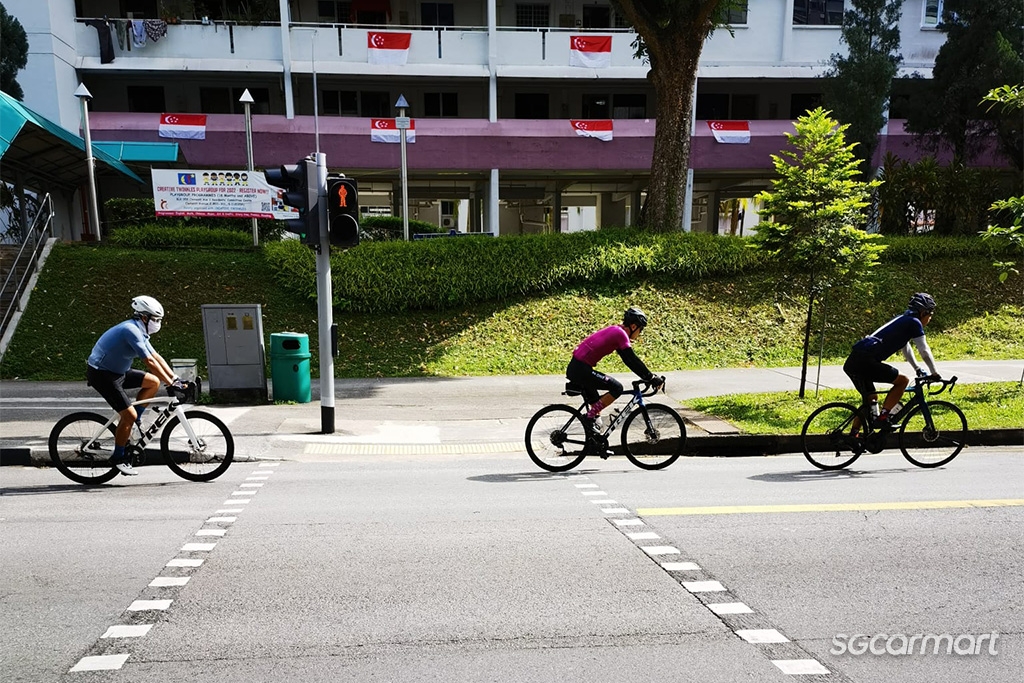
    Since the pandemic, there has been a notable uptick in people who have embraced cycling as a hobby or a form of exercise

    Hobby vs transport

    That said, cycling paths will not accommodate all cyclists. 

    Especially since/during COVID-19, we've seen a significant increase in cyclists on roads. For many, it is a form of exercise, or a hobby, often conducted in groups. 
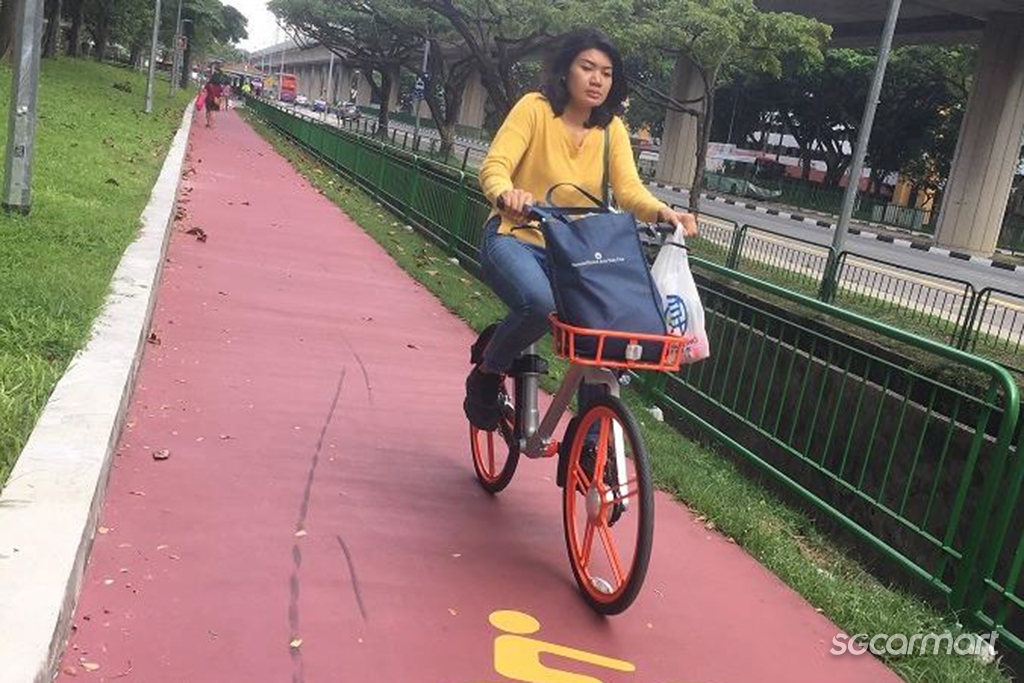
    Additional cycling paths will benefit individual commuters who use bicycles to get from point to point

    For the hobbyists, people who cycle distances in the double digit kms rather than single digits, these new cycling paths likely won't serve them much. This is especially the case for groups of riders, though there are now new regulations on how such groups should behave on roads. The co-existence of these groups with drivers is another topic of discussion altogether. 

    The ICN will chiefly serve individuals who use bicycles as a form of transport, including individuals who do deliveries. Short distances, point-to-point journeys - these are exactly the sort of commuters that can support a car-lite vision. 
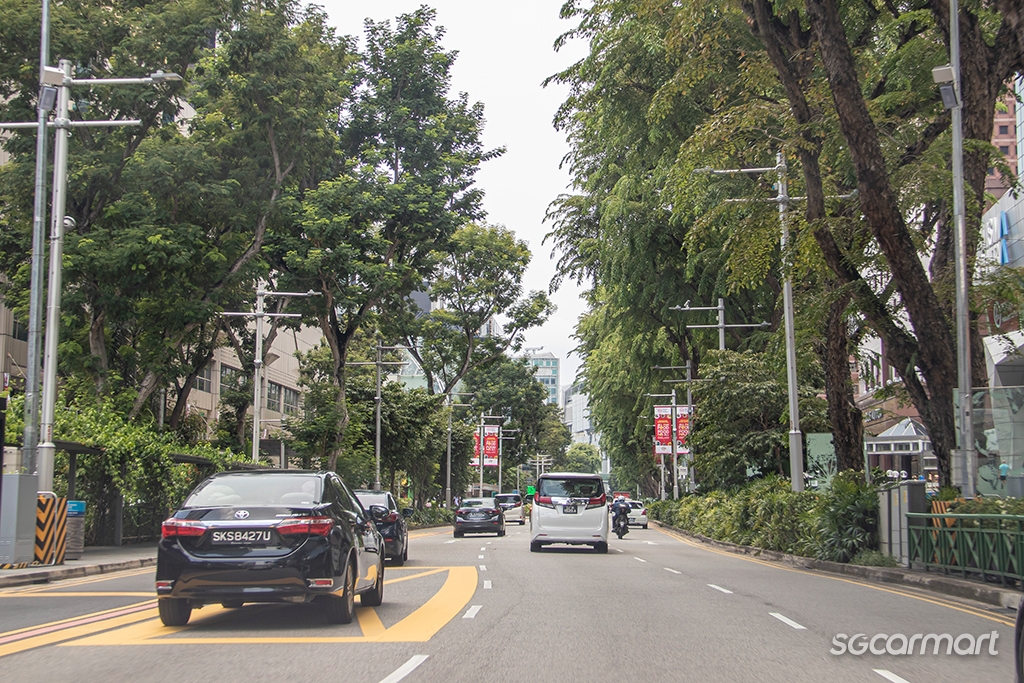
    Realistically, cycling is unlikely to replace driving as most car-owners' primary mode of transport

    Cycling: Alternative or complementary transportation? 

    The next real question is whether cycling can serve as a realistic alternative form of transport. 

    For a large number of people, the answer is likely no. Cycling works in dense city centres where people commute limited distances, helped in countries like Germany and the Netherlands by the preferential climate. 

    In Singapore, you're not realistically going to cycle from say, Punggol to the CBD every day. I used to cycle an hour from Bedok to Clementi back in my army days, and that is just not practical for most people. 
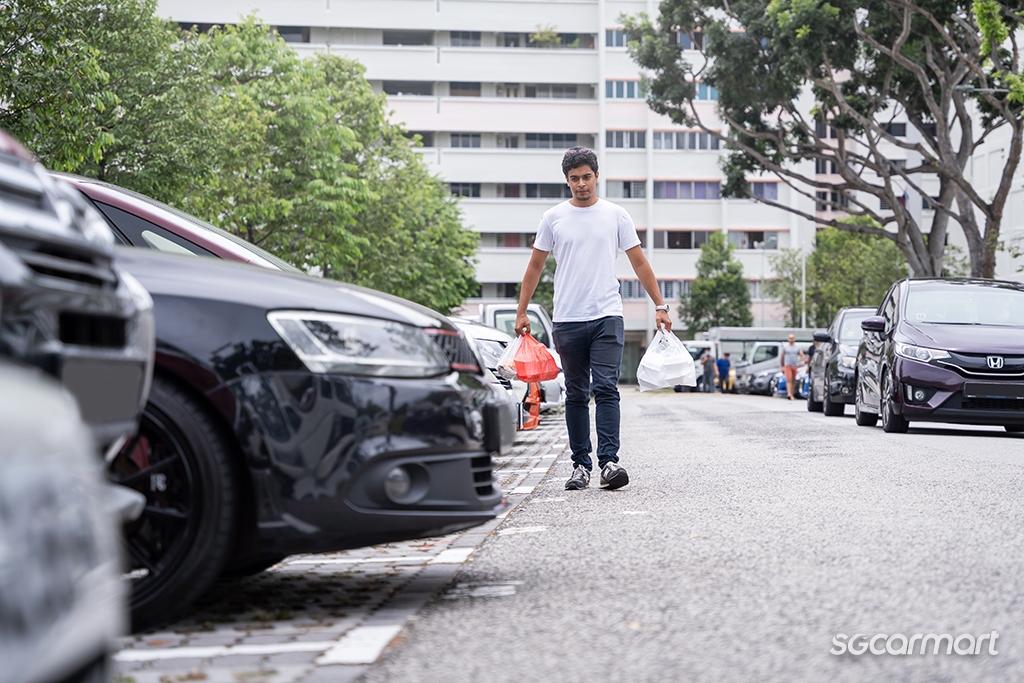
    Heading out to dabao lunch? Cycling can (and arguably should) be an alternative transport option, instead of driving

    That said, it is worth considering cycling as a mode of transport for shorter distance commutes. The five-minute drive to have lunch at your neighbourhood hawker centre can certainly be replaced by a bicycle. It's also worth pointing out that short, low-speed journeys are when cars are operating at their least efficient. And with the emergence of folding bicycles, there's also the argument to be made for packing your bicycle in your car; drive the long journeys, cycle the short ones. 

    In a way, cycling can be complementary - not to replace your car use, but to reduce your car use. 
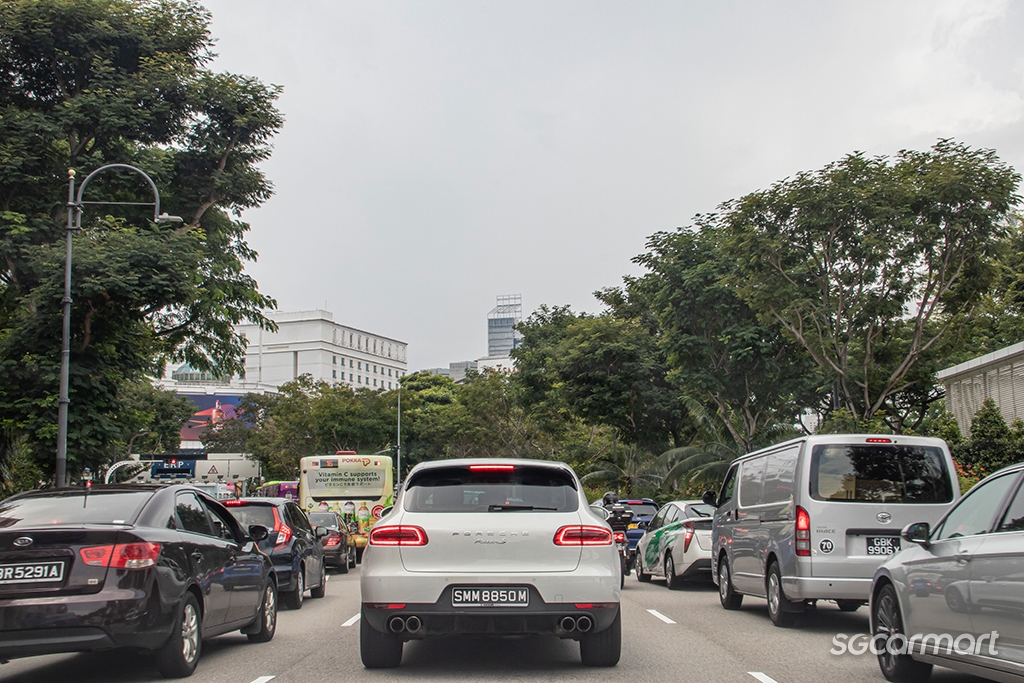
    More cycling paths will not magically reduce the number of cars on our roads, but having an increasingly viable alternative to driving (with more available and accessible infrastructure) is certainly a step in the right direction

    The reality 

    The mixed reality is that the ICN is here to stay. With defined paths for cyclists that improve safety and connectivity, this can make cycling a more viable way of commuting - perhaps not the daily commute to office, but more occasional, shorter journeys, such as to the supermarket or out for Saturday lunch. 

    Ultimately, it is about making cycling more conducive - this will benefit existing cyclists, and can also encourage more people to at least begin to entertain the idea of getting about on two wheels. 

    Is cycling the answer to going car-lite? It's no silver bullet - most people are not going to trade car for bike. The ICN is also in itself no perfect solution - discussions (arguments, probably) will still be had on the "correct" use of such paths, and occasional conflicts between pedestrian and cyclist will still happen (as they already do now). 
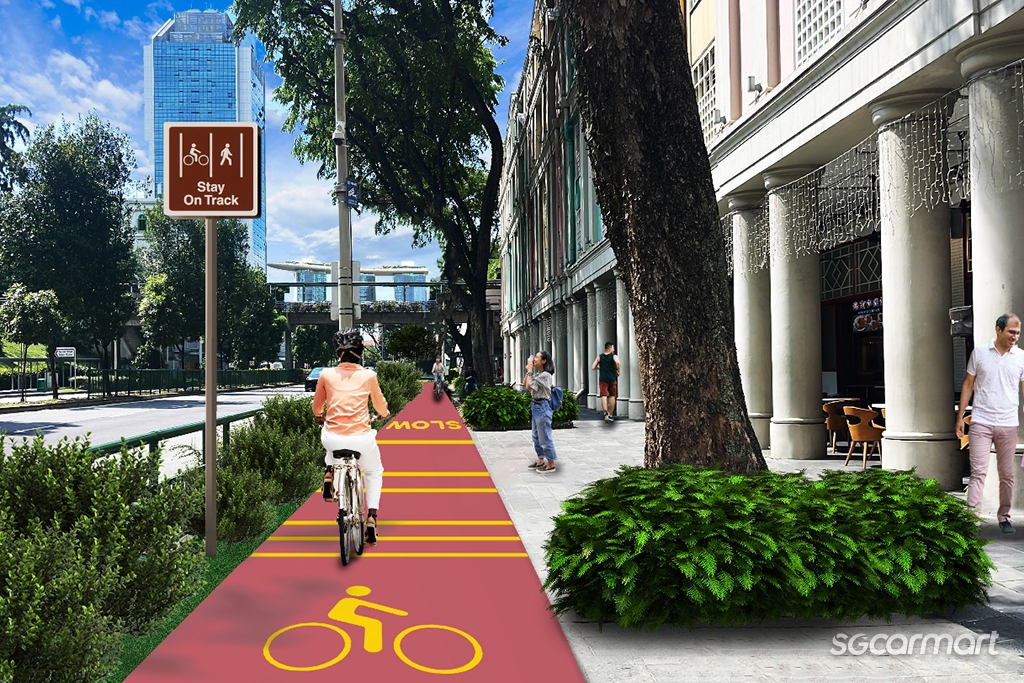
    With better infrastructure in place, more people can realistically adopt cycling as a complementary mode of transport - it's no magical solution to becoming car-lite, recognising cyclists as a core part of the transport eco-system is certainly a positive step forward

    However, it is a step in a positive direction, by providing more opportunities for commuters to explore alternative means of transport. Opportunity matters - it's much easier to convince an individual to choose a bicycle over a car to make a 5-minute journey when a cycling path is readily available. 

    And perhaps more importantly, it is also an encouraging step in recognising cyclists as a core part of the transport landscape and infrastructure. 

    Here are a few other stories that may interest you!

    Why building more roads doesn't ease congestion

    No amount of theory tests for e-riders will be enough to make our roads safer

    What going car-lite actually entails and why it isn't as extreme as it sounds

    Desmond Chan
    Story by Desmond Chan
    Desmond thinks the world would be better if cars were smaller and less powerful. He wants to live in the 70s.
    Photos by Editorial Team, LTA, Google Maps
    24.4k

    Tags

    commentary cycling car-lite bicycle cycling path islandwide cycling network car drivers cyclists,

    Newsletter

    Be Notified On The Latest News

    Newsletter

    Be Notified On The Latest News

    You May Also Like

    Sgcarmart Explores: Bras Basah!

    Sgcarmart Explores: Bras Basah!

    New cars are safer: Opt for one when you can

    New cars are safer: Opt for one when you can

    Maxus MIFA 7 Elite: Going big for the little moments

    Maxus MIFA 7 Elite: Going big for the little moments

    The BYD Sealion 8 seven-seater SUV arrives in Singapore

    The BYD Sealion 8 seven-seater SUV arrives in Singapore

    The all new XPENG Mona L03 is one smart coupe SUV

    The all new XPENG Mona L03 is one smart coupe SUV

    Sgcarmart Explores: East Coast Park!

    Sgcarmart Explores: East Coast Park!

    Opinion: Why do we even need green number plates?

    Opinion: Why do we even need green number plates?

    Is parallel import hesitancy growing among car buyers?

    Is parallel import hesitancy growing among car buyers?

    Don't get yourself trapped in your high-tech EV

    Don't get yourself trapped in your high-tech EV

    Must-Have Car Accessories Every EV Driver Should Own

    Must-Have Car Accessories Every EV Driver Should Own

    Hongqi Singapore opens its showroom doors

    Hongqi Singapore opens its showroom doors

    Ferrari 849 Testarossa Spider - with the sky included

    Ferrari 849 Testarossa Spider - with the sky included

    The rise of PHEVs: A closer look at the numbers

    The rise of PHEVs: A closer look at the numbers

    Mercedes-Benz GLB250+ Review

    Mercedes-Benz GLB250+ Review

    Tesla launches Model Y L in Singapore, first six-seater here

    Tesla launches Model Y L in Singapore, first six-seater here

    5 trends to look out for in 2026

    5 trends to look out for in 2026

    You May Also Like

    Sgcarmart Explores: Bras Basah!

    Sgcarmart Explores: Bras Basah!

    New cars are safer: Opt for one when you can

    New cars are safer: Opt for one when you can

    Maxus MIFA 7 Elite: Going big for the little moments

    Maxus MIFA 7 Elite: Going big for the little moments

    The BYD Sealion 8 seven-seater SUV arrives in Singapore

    The BYD Sealion 8 seven-seater SUV arrives in Singapore

    The all new XPENG Mona L03 is one smart coupe SUV

    The all new XPENG Mona L03 is one smart coupe SUV

    Sgcarmart Explores: East Coast Park!

    Sgcarmart Explores: East Coast Park!

    Opinion: Why do we even need green number plates?

    Opinion: Why do we even need green number plates?

    Is parallel import hesitancy growing among car buyers?

    Is parallel import hesitancy growing among car buyers?

    Don't get yourself trapped in your high-tech EV

    Don't get yourself trapped in your high-tech EV

    Must-Have Car Accessories Every EV Driver Should Own

    Must-Have Car Accessories Every EV Driver Should Own

    Hongqi Singapore opens its showroom doors

    Hongqi Singapore opens its showroom doors

    Ferrari 849 Testarossa Spider - with the sky included

    Ferrari 849 Testarossa Spider - with the sky included

    The rise of PHEVs: A closer look at the numbers

    The rise of PHEVs: A closer look at the numbers

    Mercedes-Benz GLB250+ Review

    Mercedes-Benz GLB250+ Review

    Tesla launches Model Y L in Singapore, first six-seater here

    Tesla launches Model Y L in Singapore, first six-seater here

    5 trends to look out for in 2026

    5 trends to look out for in 2026

    Related Articles

    A first look at Chery's iCaur V23 and Jaecoo J8 in Singapore

    A first look at Chery's iCaur V23 and Jaecoo J8 in Singapore

    The all new XPENG Mona L03 is one smart coupe SUV

    The all new XPENG Mona L03 is one smart coupe SUV

    Opinion: Why do we even need green number plates?

    Opinion: Why do we even need green number plates?

    BYD Seal 6 Premium Review

    BYD Seal 6 Premium Review

    Toyota bZ4X Review

    Toyota bZ4X Review

    Must-Have Car Accessories Every EV Driver Should Own

    Must-Have Car Accessories Every EV Driver Should Own

    Deepal S05 Electric Review

    Deepal S05 Electric Review

    Honda ZR-V Hybrid Review

    Honda ZR-V Hybrid Review

    Related Articles

    A first look at Chery's iCaur V23 and Jaecoo J8 in Singapore

    A first look at Chery's iCaur V23 and Jaecoo J8 in Singapore

    The all new XPENG Mona L03 is one smart coupe SUV

    The all new XPENG Mona L03 is one smart coupe SUV

    Opinion: Why do we even need green number plates?

    Opinion: Why do we even need green number plates?

    BYD Seal 6 Premium Review

    BYD Seal 6 Premium Review

    Toyota bZ4X Review

    Toyota bZ4X Review

    Must-Have Car Accessories Every EV Driver Should Own

    Must-Have Car Accessories Every EV Driver Should Own

    Deepal S05 Electric Review

    Deepal S05 Electric Review

    Honda ZR-V Hybrid Review

    Honda ZR-V Hybrid Review