View page in desktop
|
Report error
  •   Apple app store icon
  • Google play store icon
Terms of Service
|
Privacy Policy
|
PDPA
|
Site Map
©2004-2026 Sgcarmart, Singapore. All rights reserved.
  • Home
  • Car Articles
  • features
  • features Listings
  • Features
  • Why building more roads doesn't ease congestion

    04 Oct 2023

    |

    3,704 views

    Maybe it’s time to reverse induced demand to resuscitate our love-hate relationship with travelling on the roads.

    Singaporeans love complaining about traffic. And it's true, at least anecdotally. When you're stuck in traffic along Shenton Way when heading to the office or crawling along the PIE when heading home, it's hard to keep down the pressure lid of even the calmest person. 

    But, when it comes to congestion, Singapore is really not that bad. Based on the 2022 INRIX Global Traffic Scorecard, Singapore is ranked as the 264th most congested city in the world, just behind Bonn (263) and just ahead of Thessaloniki (265), two cities that I'm sure no one has heard of before. For some regional reference, Jakarta is 173rd, and Bangkok is 32nd (Malaysia wasn't in the report). London is first, of course - the most congested city in the world. 

    Road work is a common sight in Singapore, and laying asphalt to pave new roads has long been taken as a measure to ease bottlenecks

    That said, there's always a conversation to be had about how to reduce congestion further. It's why we constantly see road works being done here in Singapore. 

    However, we may want to consider if more roads are really what we need. 

    If not more, then what?

    There is something called Induced Demand. 

    It is an economic term that has, in recent times, been applied to transportation planning. The basic summary is the notion that more supply drives more consumption. In transportation terms, more road availability tends to lead to more traffic. 

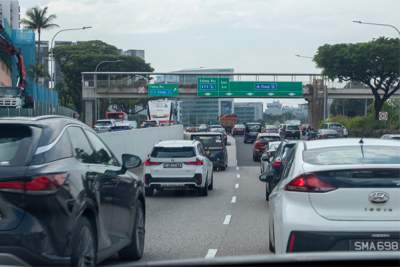
    Expanded road space should reduce congestion, but even then traffic volume doesn't seem to get less intense

    If it sounds oddly counter-intuitive, imagine highway lanes infamously known for being congested. Apart from drivers who obstinately use them despite knowing this because they have little to no alternative to getting to their destination conveniently (in Singapore, though, this is hardly true because we are so small), there is another often overlooked pool that I'd like to refer to as 'pent-up demand'. These people would usually find other ways of getting around since they want to avoid sitting in traffic. Building another highway opens the floodgates for these 'pent-up' drivers who would take to it, enticed by perceived less congestion. 

    In short, new roads create new drivers that cause the intensity of traffic to stay the same at best. 

    This is why we have seen that major projects to ease congestion have not always panned out as intended. Take the notorious PIE as an example. Since its initial construction in the 1970s, slices of the expressway have been widened at different points in time. Yet when peak periods come around, traffic jams return like a parasite latched onto its host. Closer to the heartlands, Loyang Avenue and Clementi Road are ill-famed for their congestion conditions despite increased road capacity over the years. 

    The reverse is also then true. Reduced supply will help drive down consumption. It's termed 'Traffic Evaporation' - reducing road availability will help drive down traffic. The psychological effect at play here is that when people recognise there is less availability of road space, they are less likely to use that road. 

    According to researchers, there may be short-term increased congestion, but in the long term congestion will actually go down, not up. 

    Not a 'silver bullet' but bronze, perhaps

    Does that mean we should stop laying down new roads altogether? That would be a self-imposed restriction on mobility. The truth is people love moving around. Limiting that would not do our economy and society any good. The point here, though, is recognising that it's not only about the infrastructure but also individual behaviours. If we enable people to get around, they will do it more.

    Skeptics of applying the economist-speak of Induced Demand to urban transportation planning argue that the concept is warped because the theory disagrees with how commonsensical demand works. The skepticism goes a step further to claim that Induced Demand disregards the role of price changes in the whole equation of congestion. It picks on the assumption that drivers are insensitive to the real costs of driving that are connected to congestion just because more roads make driving conceptually cheaper (due to less congestion). 

    In the case of Singapore, our answer to these arguments lies in our reality. Let's unpack it a little to get to the bottom of it. 
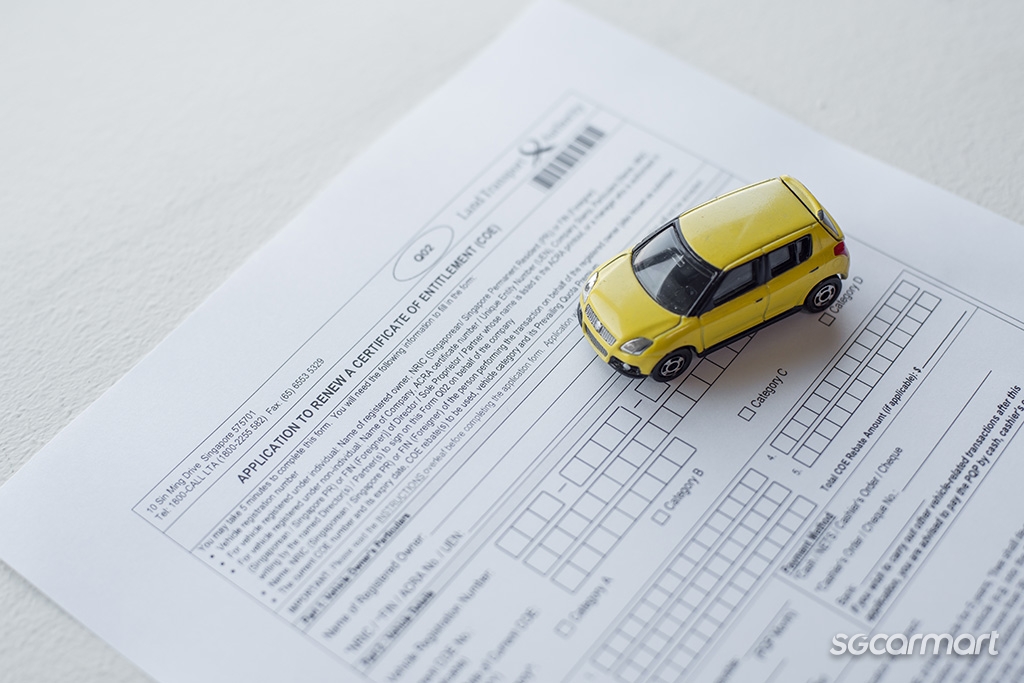
    Singaporeans are living examples of how the skeptics are right on every count

    We are known for our congestion charge, the ERP. It's our method of regulating traffic during peak periods, which has arguably been successful. When new roads are constructed, ERPs are built in tandem. This means there is almost no way for driving to get cheaper than public transit, at least cost-wise. Not forgetting the COEs that almost disincentivise car ownership. Then we have our MRT lines and public bus routes with reach so wide that they serve even the Singaporeans living in the furthest recesses of the island. Given such cost-effective options at our disposal, people who still choose to drive do so because they prefer to do it - sometimes prompted by circumstances - even if it doesn't make good money sense.

    These are the same people who will relish the opening of new roads. This is Induced Demand at work, driven by the human psyche. 

    But that isn't to say reversing Induced Demand is the 'silver bullet' to our congestion problem. Rather, it could complement the host of strategies we have enacted simply by nudging people into the positive behaviours we want. 

    Well, like it or not, it's the way forward

    Brace yourselves because it's coming. 

    Pedestrian-friendly zones will see cars slowing down to make moving around the neighbourhoods safer for the elderly

    At this year's National Day Rally, Prime Minister Lee hinted at applying the very concept of Induced Demand to make neighbourhoods more pedestrian-friendly, especially for our elderly. We can expect more zones with barrier-free ramps, raised zebra crossings, longer green man signals, and narrowed roads that will slow cars down. 

    It reminds me of London's experience with an increased availability of bike lanes, which has favourably reduced congestion. Granted our higher population density relative to London, Singapore's aging demographic is enough impetus for us to give a shot at decreasing road capacity. It also tells us that solutions to congestion aren't as straightforward as we have thought them to be. In the same way that more roads mean more traffic, less roads could lead to less traffic. But rather than more or less, perhaps what's more relevant is the quality of the roads, and not the quantity. 

    Importantly, reducing road congestion is contingent on the mobility across the various transport options that our roads enable us to have, as well as other forms of transport (especially public transportation), instead of simply the amount of road space available. 

    Denise Phua
    Story by Denise Phua
    Denise pictures herself living in a tiny house parked on the green fields of New Zealand, complete with a huge hammock and a little vegetable garden.
    Photos by Editorial Team, Adobe Stock
    24.4k

    Tags

    commentary traffic congestion induced demand highways road space erp coe pedestrian-friendly

    AllReviewsNewsAdviceFeaturesVideos
    • Home
    • Car Articles
    • features
    • features Listings
    • Features

    Why building more roads doesn't ease congestion

    04 Oct 2023

    |

    3,704 views

    Maybe it’s time to reverse induced demand to resuscitate our love-hate relationship with travelling on the roads.

    Singaporeans love complaining about traffic. And it's true, at least anecdotally. When you're stuck in traffic along Shenton Way when heading to the office or crawling along the PIE when heading home, it's hard to keep down the pressure lid of even the calmest person. 

    But, when it comes to congestion, Singapore is really not that bad. Based on the 2022 INRIX Global Traffic Scorecard, Singapore is ranked as the 264th most congested city in the world, just behind Bonn (263) and just ahead of Thessaloniki (265), two cities that I'm sure no one has heard of before. For some regional reference, Jakarta is 173rd, and Bangkok is 32nd (Malaysia wasn't in the report). London is first, of course - the most congested city in the world. 

    Road work is a common sight in Singapore, and laying asphalt to pave new roads has long been taken as a measure to ease bottlenecks

    That said, there's always a conversation to be had about how to reduce congestion further. It's why we constantly see road works being done here in Singapore. 

    However, we may want to consider if more roads are really what we need. 

    If not more, then what?

    There is something called Induced Demand. 

    It is an economic term that has, in recent times, been applied to transportation planning. The basic summary is the notion that more supply drives more consumption. In transportation terms, more road availability tends to lead to more traffic. 

    Expanded road space should reduce congestion, but even then traffic volume doesn't seem to get less intense

    If it sounds oddly counter-intuitive, imagine highway lanes infamously known for being congested. Apart from drivers who obstinately use them despite knowing this because they have little to no alternative to getting to their destination conveniently (in Singapore, though, this is hardly true because we are so small), there is another often overlooked pool that I'd like to refer to as 'pent-up demand'. These people would usually find other ways of getting around since they want to avoid sitting in traffic. Building another highway opens the floodgates for these 'pent-up' drivers who would take to it, enticed by perceived less congestion. 

    In short, new roads create new drivers that cause the intensity of traffic to stay the same at best. 

    This is why we have seen that major projects to ease congestion have not always panned out as intended. Take the notorious PIE as an example. Since its initial construction in the 1970s, slices of the expressway have been widened at different points in time. Yet when peak periods come around, traffic jams return like a parasite latched onto its host. Closer to the heartlands, Loyang Avenue and Clementi Road are ill-famed for their congestion conditions despite increased road capacity over the years. 

    The reverse is also then true. Reduced supply will help drive down consumption. It's termed 'Traffic Evaporation' - reducing road availability will help drive down traffic. The psychological effect at play here is that when people recognise there is less availability of road space, they are less likely to use that road. 

    According to researchers, there may be short-term increased congestion, but in the long term congestion will actually go down, not up. 

    Not a 'silver bullet' but bronze, perhaps

    Does that mean we should stop laying down new roads altogether? That would be a self-imposed restriction on mobility. The truth is people love moving around. Limiting that would not do our economy and society any good. The point here, though, is recognising that it's not only about the infrastructure but also individual behaviours. If we enable people to get around, they will do it more.

    Skeptics of applying the economist-speak of Induced Demand to urban transportation planning argue that the concept is warped because the theory disagrees with how commonsensical demand works. The skepticism goes a step further to claim that Induced Demand disregards the role of price changes in the whole equation of congestion. It picks on the assumption that drivers are insensitive to the real costs of driving that are connected to congestion just because more roads make driving conceptually cheaper (due to less congestion). 

    In the case of Singapore, our answer to these arguments lies in our reality. Let's unpack it a little to get to the bottom of it. 
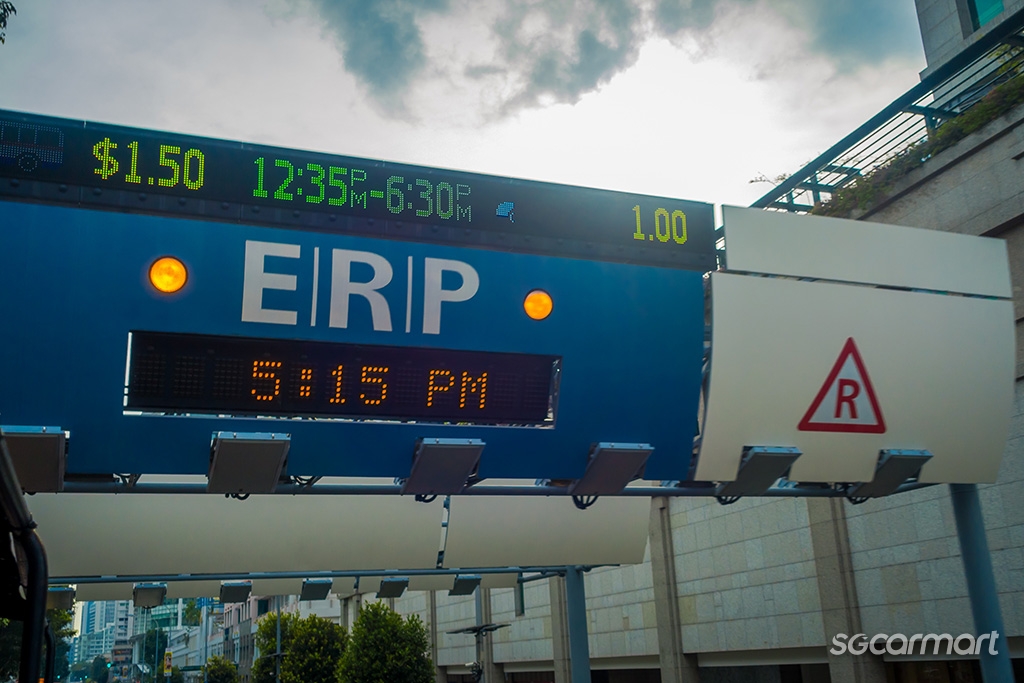
    Singaporeans are living examples of how the skeptics are right on every count

    We are known for our congestion charge, the ERP. It's our method of regulating traffic during peak periods, which has arguably been successful. When new roads are constructed, ERPs are built in tandem. This means there is almost no way for driving to get cheaper than public transit, at least cost-wise. Not forgetting the COEs that almost disincentivise car ownership. Then we have our MRT lines and public bus routes with reach so wide that they serve even the Singaporeans living in the furthest recesses of the island. Given such cost-effective options at our disposal, people who still choose to drive do so because they prefer to do it - sometimes prompted by circumstances - even if it doesn't make good money sense.

    These are the same people who will relish the opening of new roads. This is Induced Demand at work, driven by the human psyche. 

    But that isn't to say reversing Induced Demand is the 'silver bullet' to our congestion problem. Rather, it could complement the host of strategies we have enacted simply by nudging people into the positive behaviours we want. 

    Well, like it or not, it's the way forward

    Brace yourselves because it's coming. 

    Pedestrian-friendly zones will see cars slowing down to make moving around the neighbourhoods safer for the elderly

    At this year's National Day Rally, Prime Minister Lee hinted at applying the very concept of Induced Demand to make neighbourhoods more pedestrian-friendly, especially for our elderly. We can expect more zones with barrier-free ramps, raised zebra crossings, longer green man signals, and narrowed roads that will slow cars down. 

    It reminds me of London's experience with an increased availability of bike lanes, which has favourably reduced congestion. Granted our higher population density relative to London, Singapore's aging demographic is enough impetus for us to give a shot at decreasing road capacity. It also tells us that solutions to congestion aren't as straightforward as we have thought them to be. In the same way that more roads mean more traffic, less roads could lead to less traffic. But rather than more or less, perhaps what's more relevant is the quality of the roads, and not the quantity. 

    Importantly, reducing road congestion is contingent on the mobility across the various transport options that our roads enable us to have, as well as other forms of transport (especially public transportation), instead of simply the amount of road space available. 

    Denise Phua
    Story by Denise Phua
    Denise pictures herself living in a tiny house parked on the green fields of New Zealand, complete with a huge hammock and a little vegetable garden.
    Photos by Editorial Team, Adobe Stock
    24.4k

    Tags

    commentary traffic congestion induced demand highways road space erp coe pedestrian-friendly

    Newsletter

    Be Notified On The Latest News

    Newsletter

    Be Notified On The Latest News

    You May Also Like

    Get your next rental from AKA Car Rental

    Get your next rental from AKA Car Rental

    New to driving? Here's how to become a better driver

    New to driving? Here's how to become a better driver

    Sgcarmart Explores: 2026 National Day Edition!

    Sgcarmart Explores: 2026 National Day Edition!

    Dunlop's new tyres for an electrified world

    Dunlop's new tyres for an electrified world

    Corvette Stingray Review

    Corvette Stingray Review

    Omoda & Jaecoo is forging ahead with its Super AI cockpit

    Omoda & Jaecoo is forging ahead with its Super AI cockpit

    A first look at the Sitrak Light eTruck!

    A first look at the Sitrak Light eTruck!

    The new Pirelli Cinturato Rosso with Seal Inside Tech!

    The new Pirelli Cinturato Rosso with Seal Inside Tech!

    Related Articles

    Should I buy a car in July / August / September 2026?

    Should I buy a car in July / August / September 2026?

    16 noteworthy production models at the 2026 Auto Beijing!

    16 noteworthy production models at the 2026 Auto Beijing!

    Opinion: Why do we even need green number plates?

    Opinion: Why do we even need green number plates?

    Us against the world: Which is the best off-roader?

    Us against the world: Which is the best off-roader?

    The all new XPENG Mona L03 is one smart coupe SUV

    The all new XPENG Mona L03 is one smart coupe SUV

    Ferrari 849 Testarossa Spider - with the sky included

    Ferrari 849 Testarossa Spider - with the sky included

    The 5 main things you must know about the XPENG L03

    The 5 main things you must know about the XPENG L03

    Designing around real life: The BMW iX3 in Bangkok

    Designing around real life: The BMW iX3 in Bangkok

    You May Also Like

    Get your next rental from AKA Car Rental

    Get your next rental from AKA Car Rental

    New to driving? Here's how to become a better driver

    New to driving? Here's how to become a better driver

    Sgcarmart Explores: 2026 National Day Edition!

    Sgcarmart Explores: 2026 National Day Edition!

    Dunlop's new tyres for an electrified world

    Dunlop's new tyres for an electrified world

    Corvette Stingray Review

    Corvette Stingray Review

    Omoda & Jaecoo is forging ahead with its Super AI cockpit

    Omoda & Jaecoo is forging ahead with its Super AI cockpit

    A first look at the Sitrak Light eTruck!

    A first look at the Sitrak Light eTruck!

    The new Pirelli Cinturato Rosso with Seal Inside Tech!

    The new Pirelli Cinturato Rosso with Seal Inside Tech!

    Related Articles

    Should I buy a car in July / August / September 2026?

    Should I buy a car in July / August / September 2026?

    16 noteworthy production models at the 2026 Auto Beijing!

    16 noteworthy production models at the 2026 Auto Beijing!

    Opinion: Why do we even need green number plates?

    Opinion: Why do we even need green number plates?

    Us against the world: Which is the best off-roader?

    Us against the world: Which is the best off-roader?

    The all new XPENG Mona L03 is one smart coupe SUV

    The all new XPENG Mona L03 is one smart coupe SUV

    Ferrari 849 Testarossa Spider - with the sky included

    Ferrari 849 Testarossa Spider - with the sky included

    The 5 main things you must know about the XPENG L03

    The 5 main things you must know about the XPENG L03

    Designing around real life: The BMW iX3 in Bangkok

    Designing around real life: The BMW iX3 in Bangkok