The word 'super' describes something (or someone) that is extraordinarily awesome. It is beyond great. Seeing, hearing or reading the word 'super' raises expectations and makes us anticipate something that will quite literally blow our socks off.
So when Honda uses the word not merely as an adjective but as part of a model name, expectations shoot through the roof and into outer space.
Interestingly, Honda uses the 'Super' name for both car and motorcycle models.
There's the Super Cub, the iconic underbone motorcycle that is also the most produced vehicle ever, with over 100 million made since 1958. The Super Cub is also the progenitor of all underbone motorcycles, colloquially called kapchais.
Next there's the Super-N, the electric kei car that the Super-ONE is based on. The Super-ONE is not a kei car because it exceeds the power and size constraints of the segment.
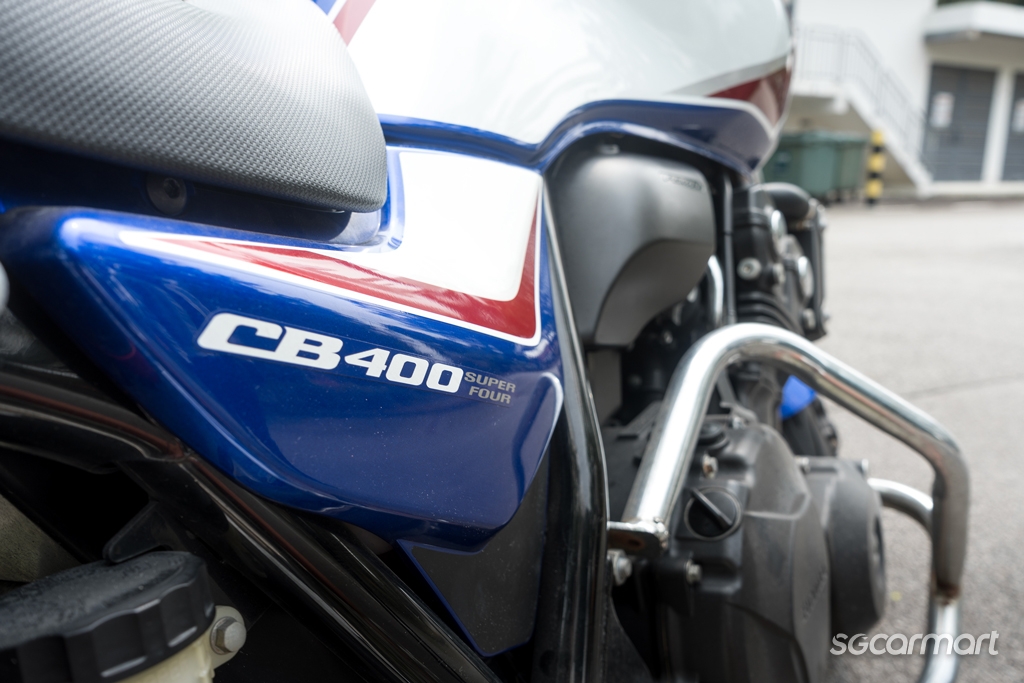
And of course, we have the CB400 Super Four, which is simply referred to as the Super Four. Produced for over 30 years across multiple generations, this bike is familiar to young and old riders alike.
Claims to fame
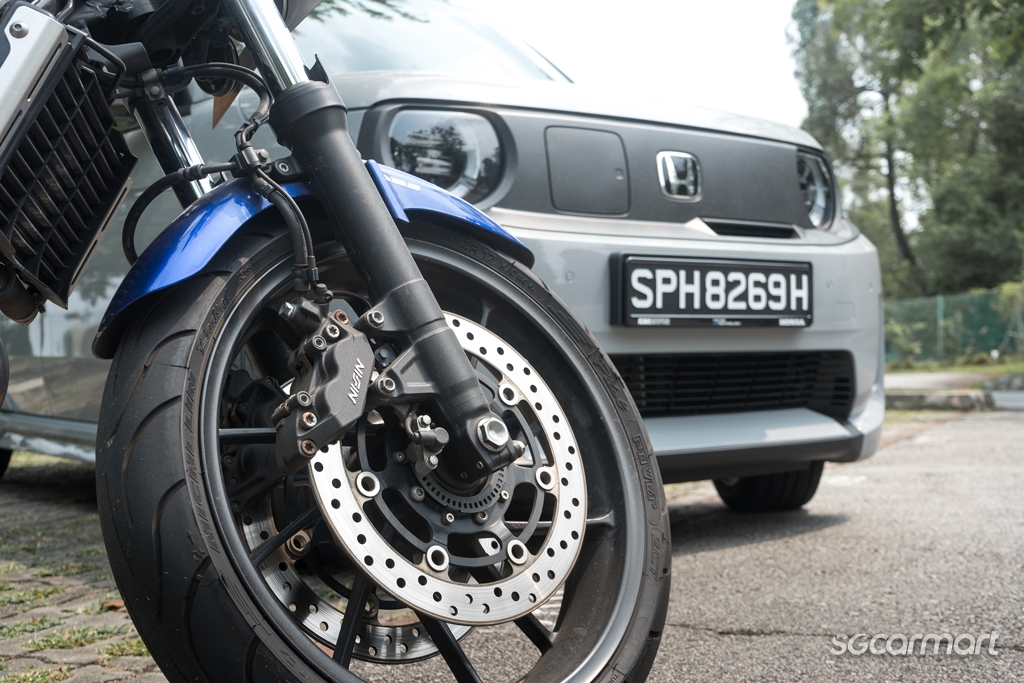
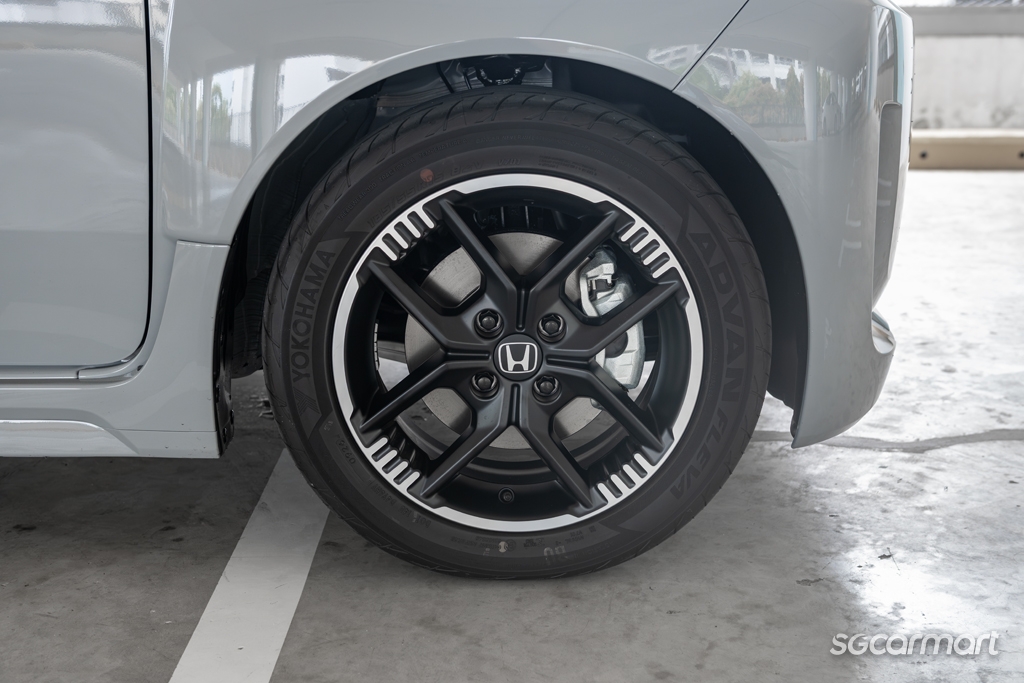
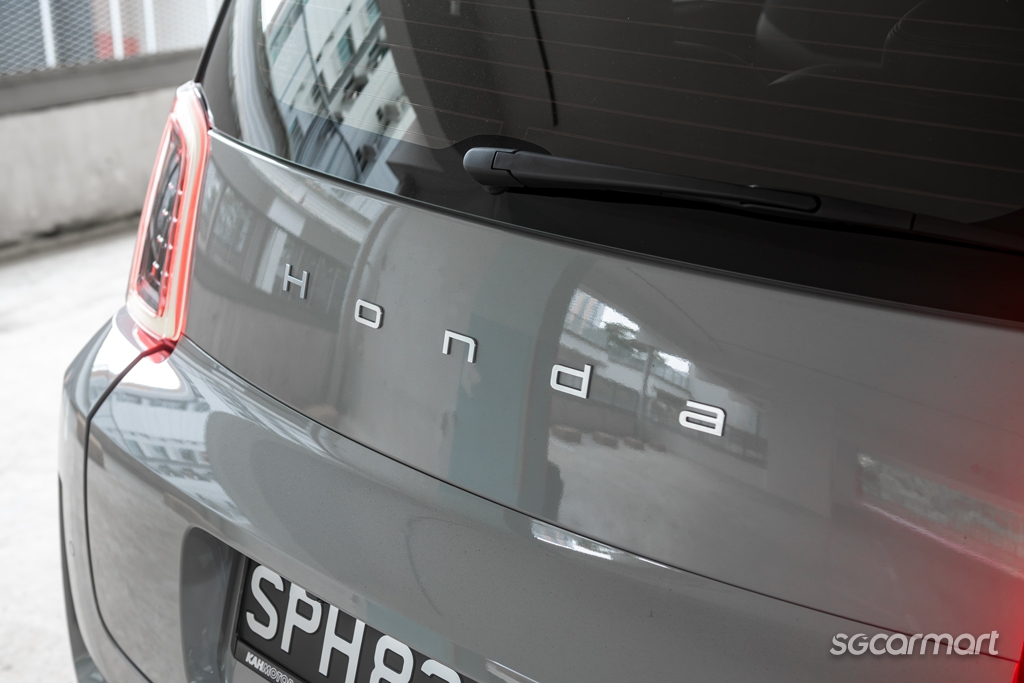
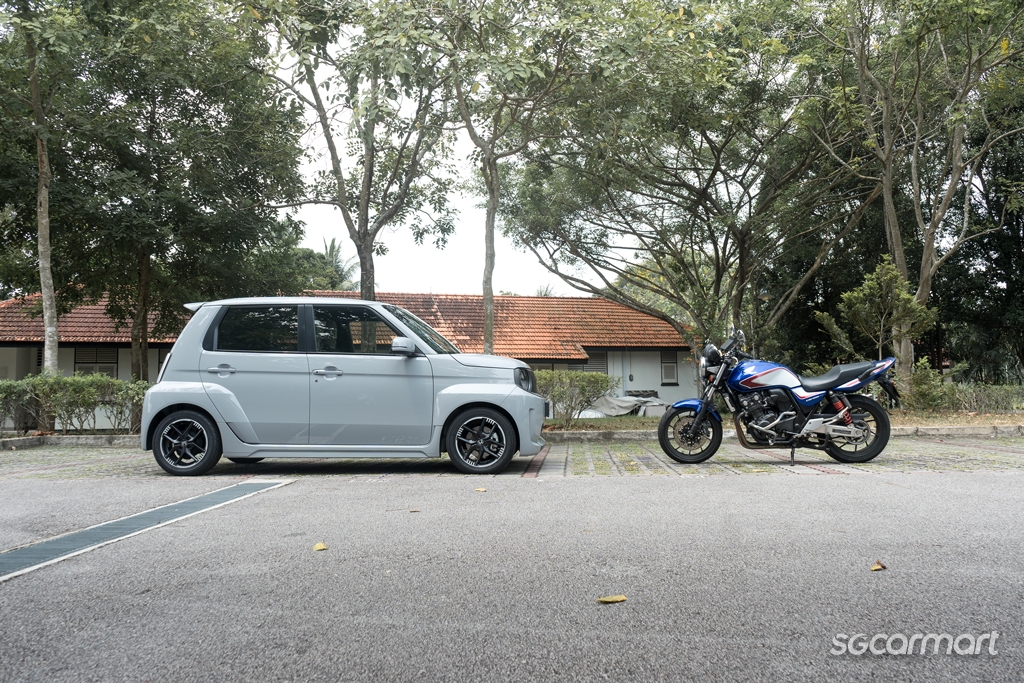
The subcompact hatchback Super-ONE may be diminutive in size, but its kerb appeal is enormous.
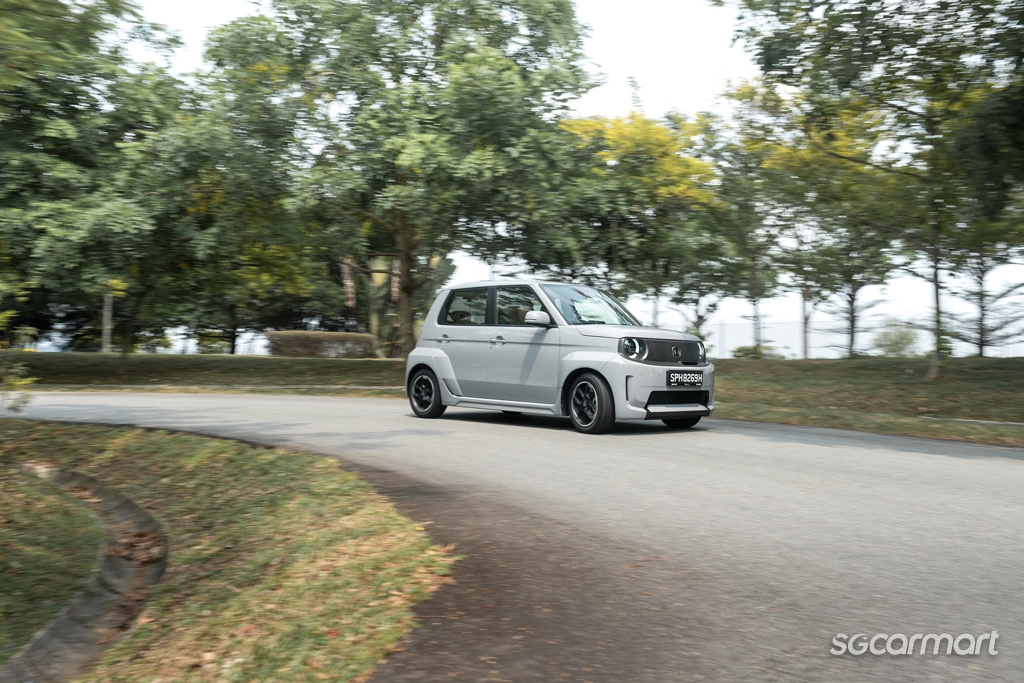
It sits low to the ground, has hilariously exaggerated fenders, an aggressive body kit, and an oversized roof spoiler. You imagine it packs 700kW. Then you burst out laughing when you discover it is 70kW (94bhp) and 162Nm of torque.
It doesn't matter though. The Super-ONE weighs less than 1.1 tonnes - which means little inertia - and it's electric, so power delivery is immediate.
Similarly, although the Super Four is a relatively small and ordinary-looking motorcycle, it holds outsized appeal among riders here.
Here's why: In Singapore, there are three classes of motorcycle licence (2B, 2A, 2) and each one limits the licence holder to a range of engine displacements or in the case of electric motorcycles, outputs.
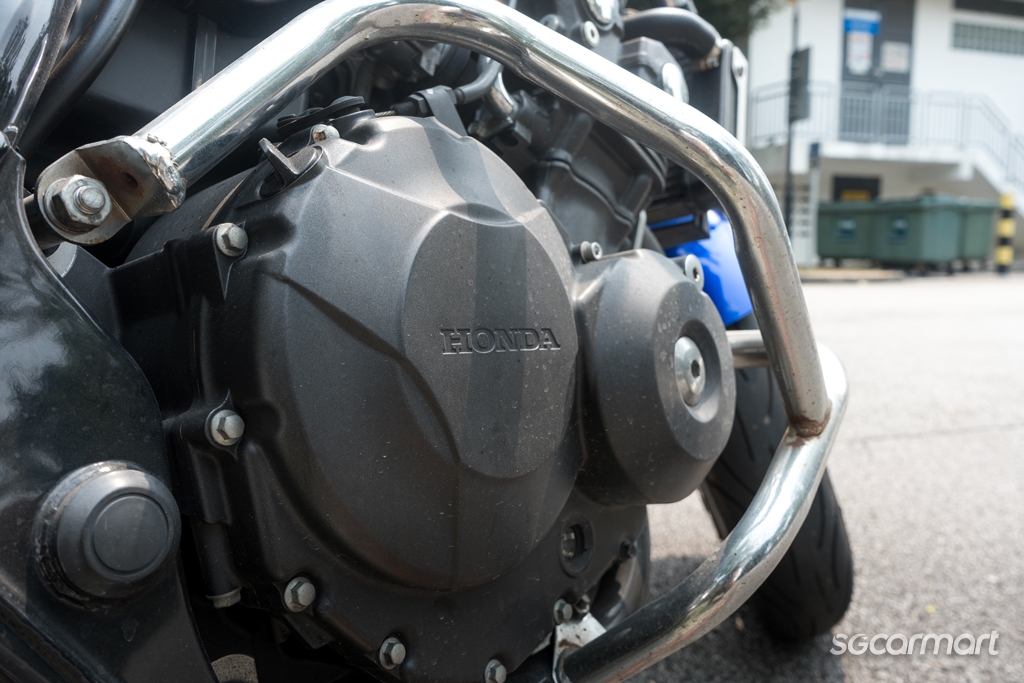
The Super Four's four-cylinder engine (hence the name) displaces 399cc, right at the limit of the 400cc maximum under Class 2A. Of course, riders are also drawn to its relatively high outputs: The 2020 model seen here produces 55bhp at 11,000rpm and 39Nm of torque at 9,500rpm.
Figures like these make the Super Four much more powerful compared to other single- or twin-cylinder motorcycles, making it an ideal choice for Class 2A licence holders seeking performance.
Stirring hearts
It's easy for enthusiasts to dismiss the Super-ONE for being an EV. But don't knock it before you try it. Behind the wheel, the Super-ONE delights with its irrepressibly bubbly character, and you'll find yourself making snap directional changes just because you can.
The car's lightness also makes it forgiving, and it shrugs off attempts at being thrown haphazardly into corners. It may not be quick, but its handling is delightful.
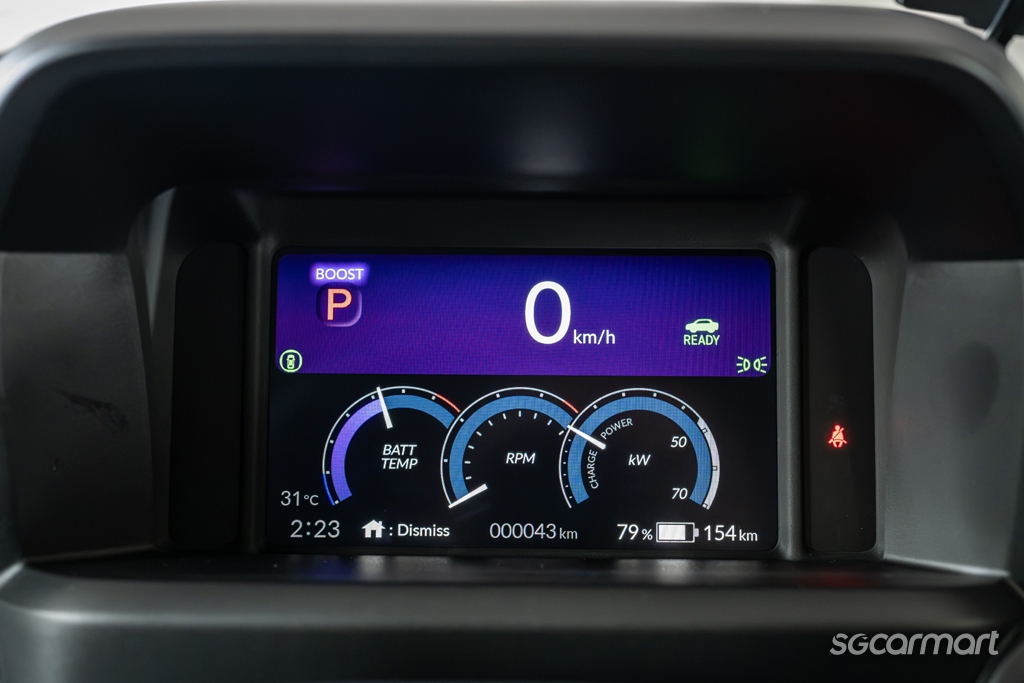
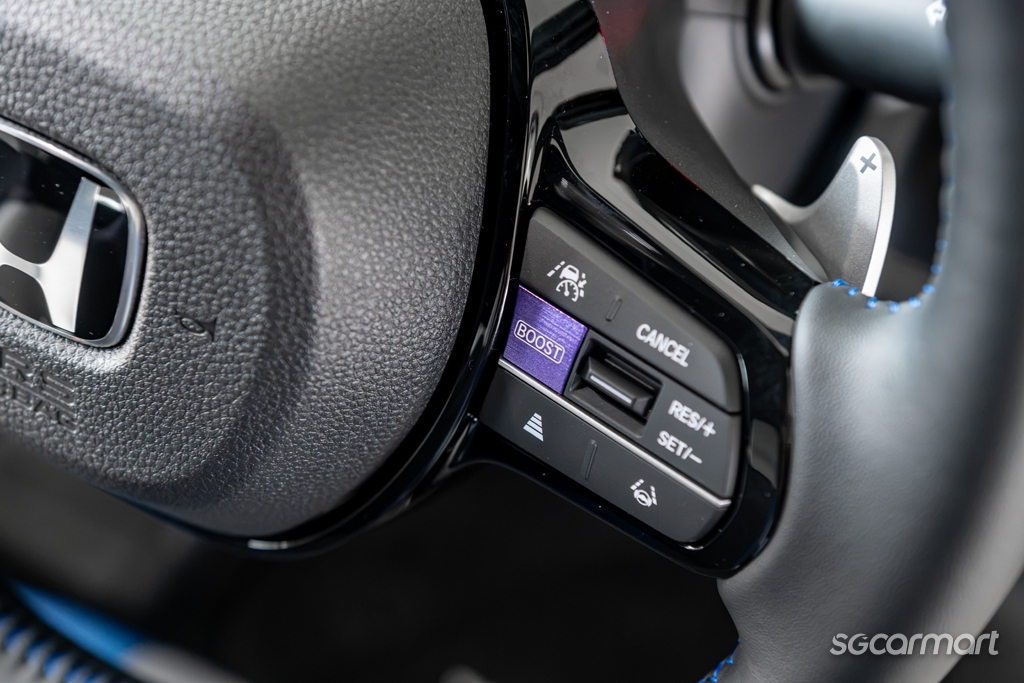
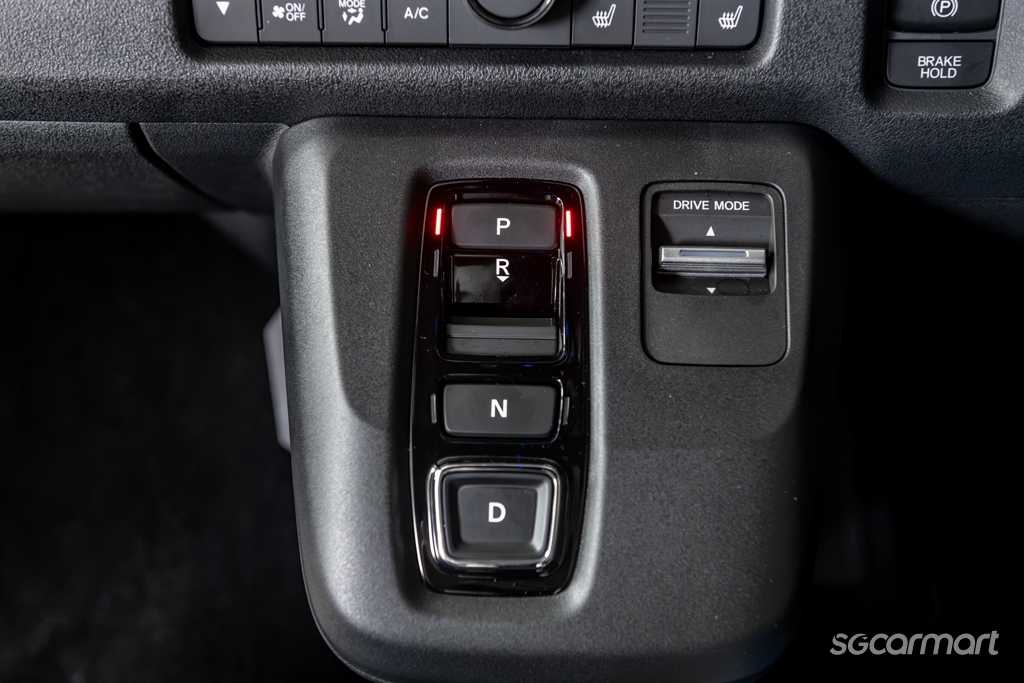
The fun can be taken up a notch by hitting the 'Boost' button on the steering wheel. In this mode, the Super-ONE offers simulated shift points that you can actuate with the paddle-shifters. Each 'shift' is accompanied by a bassy-sounding 'braap', which sounds good despite being artificial.
The Super Four's music, on the other hand, is purely organic. The mechanical orchestra has a surprisingly raspy intake (this unit has an aftermarket air filter) and relatively throaty exhaust note - even with the stock pipe.
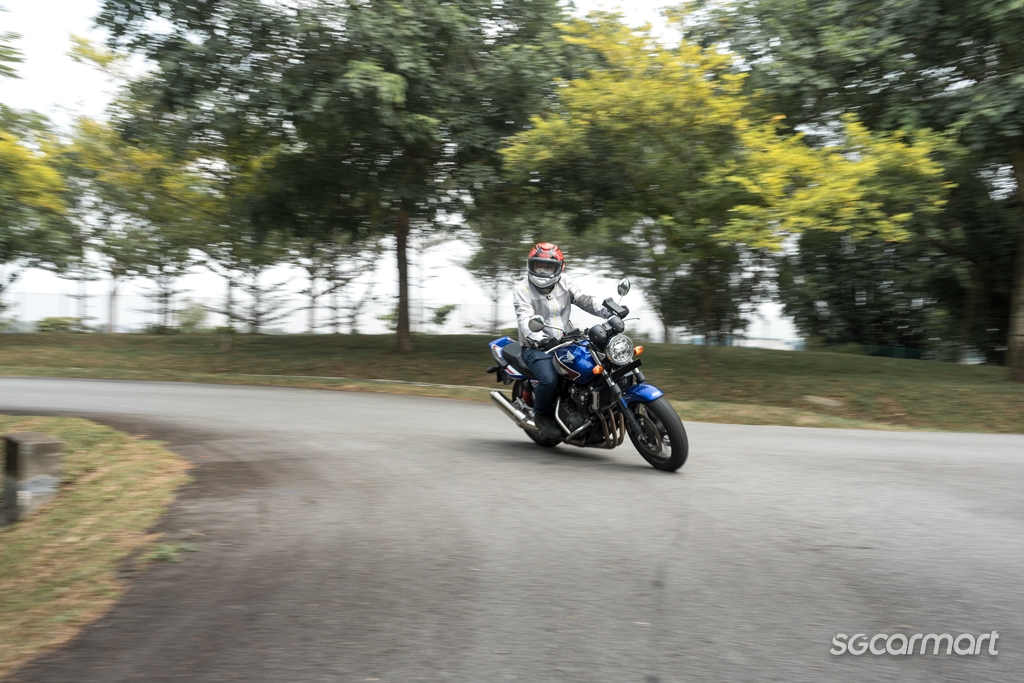
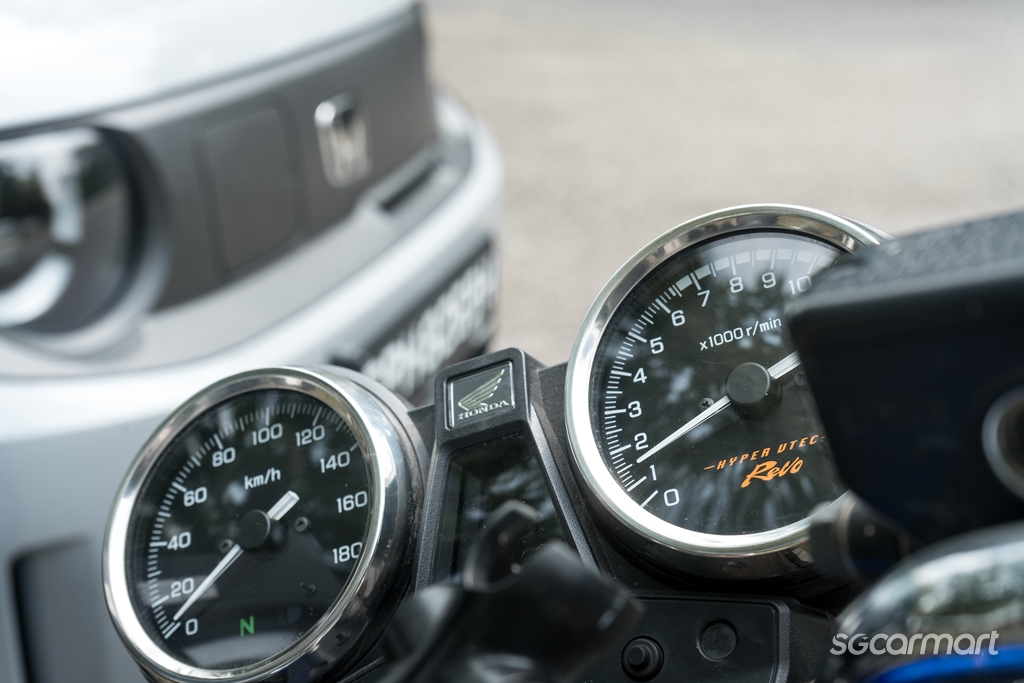
Now, unlike the Super-ONE, you don't press a button to unlock the Super Four's fun side. Instead, you crank up the revs and wait for VTEC to kick in at 6,750rpm. VTEC here is different from the one in Honda automobiles - it doesn't have longer cam lobes to lift the intake valves higher and allow them to stay open longer.
Instead, below 6,750rpm, only two of the four valves per cylinder are active. Once you cross this threshold, all four valves are actuated, increasing airflow to the cylinders and creating a bigger 'bang'. The switchover is accompanied by a distinct exhaust note, whose volume rises in tandem with the engine speed. It's a sound familiar even to non-riders.
The price you pay
Obviously, the more you chase VTEC, the thirstier the Super Four becomes. Spin the motor to 10,000rpm each chance you get, and prepare to see a car-like consumption of 10km/L. Then again, what's the point of having a Super Four if you don't hear it scream?
Also, rather than offering incisive handling, the Super Four is designed to be stable and rider-friendly. Look elsewhere if you want something that changes direction quicker and is easier to lean over.
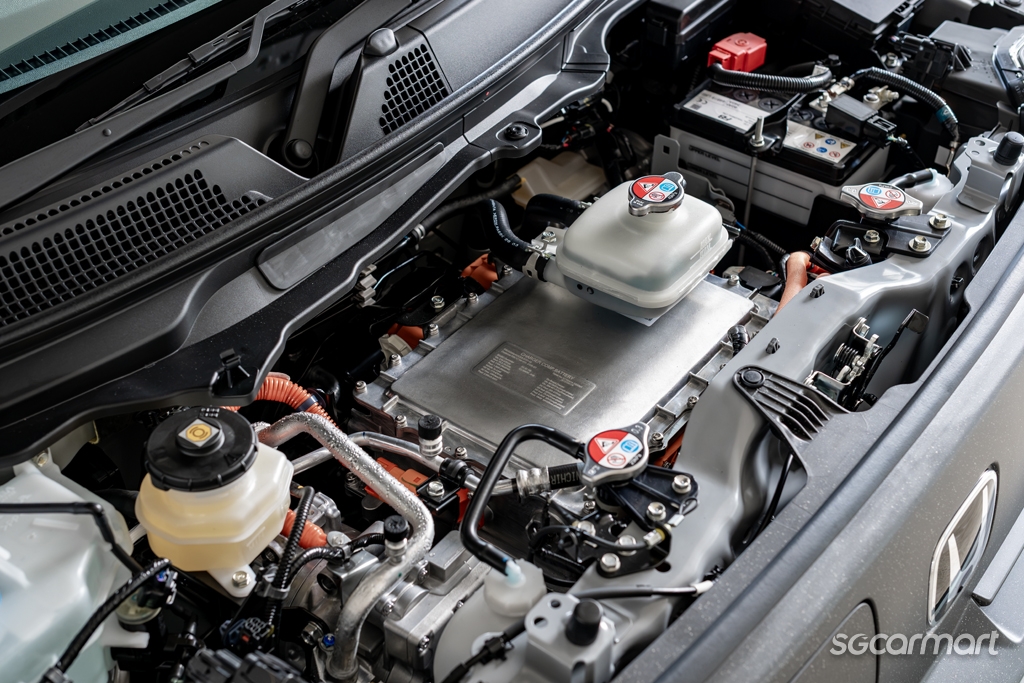
The Super-ONE's main shortcoming, on the other hand, is its limited range. Though to be fair, its diminutive size means the battery size (29.6kWh) would be small, too.
The resulting 202km range is sufficient if it's a second car for running errands nearby, but not for the typical driver who needs a car for office commutes, school runs, and everything else in between. Besides, anyone who buys a Super-ONE will want to use boost mode often, which further impacts range.
Lasting impressions
The Super-ONE may be new, but its looks and personality ensure an unforgettable driving experience. In a world where EVs keep getting larger and heavier, the Super-ONE shows that sometimes all you need is a small car that never fails to put a smile on your face.
The Super Four is hankered after by newbies and beloved even by experienced riders. It's the first motorcycle that comes to mind for anyone seeking a 400cc bike. Honda recently debuted a successor, but riders know that it's just not the same.
The Super-ONE and Super Four continue to be Honda's 'super numbers'. Enjoy them while you can because we all know that in the future, they won't make them like they used to.