Opinion: Why do we even need green number plates?
16 Apr 2026|20 views
The Land Transport Authority (LTA) recently announced that in collaboration with the Singapore Civil Defence Force (SCDF), they will be initiating “stakeholder engagement on differentiated license plates for electric vehicles”. Green number plates, basically.
According to the press release, LTA and SCDF “intend to implement differentiated license plates for Electric Vehicles, including plug-in hybrid EVs”. It appears that for all intents and purposes, this decision has already been made.
When I heard the news, my immediate response was simple: What for??
The thinking, it seems, is safety. Fire safety, more specifically. This was originally announced by Mr Edwin Tong, Minister for Law and Second Minister for Home Affairs, during the Committee of Supply Debate 2026, and I’m going verbatim quote what was said:
“Our regulatory frameworks also need to address emerging fire safety risks. For instance, while research has shown that fires in electric vehicles (EVs) are less likely than in internal combustion engine vehicles, EVs pose different risks when they catch fire, and therefore require a different management approach. MHA and MOT are therefore studying the use of differentiated licence plates for EVs, as has been done in other countries. More information will be shared later this year.
This can help SCDF responders more easily identify whether a vehicle is an EV, and adopt specialised procedures during an incident. This includes establishing a wider safety cordon to account for more intense flames. And members of the public can also more readily identify that an affected vehicle is an EV, and take precautions to stay away.”
That’s it. It was 5 sentences as part of a 116 sentence speech.
So, let’s dig into this a little bit deeper.
“Fire safety risks”
4 EVs caught fire in Singapore in 2025. According to SCDF’s 2025 fire statistics, “Fires involving EVs remained low. Of the 226 vehicle fires in 2025, 4 involved EVs (1.77%). The observation is consistent with findings from international studies which indicate that there are generally fewer fires involving EVs relative to other vehicle types.”
So, it’s certainly not a pressing statistical concern - ICE cars are much more likely to catch fire than an EV, and SCDF acknowledges as much. And the mechanical logic makes sense too: ICE cars have many more moving parts, and you know, also sloshing around with this extremely-combustible liquid inside and also regularly firing sparks and creating mini explosions. In fact, according to data from U.S.A's NSTB referenced by SCDF, ICE cars are 40 to 60 times more likely to catch fire than EVs.
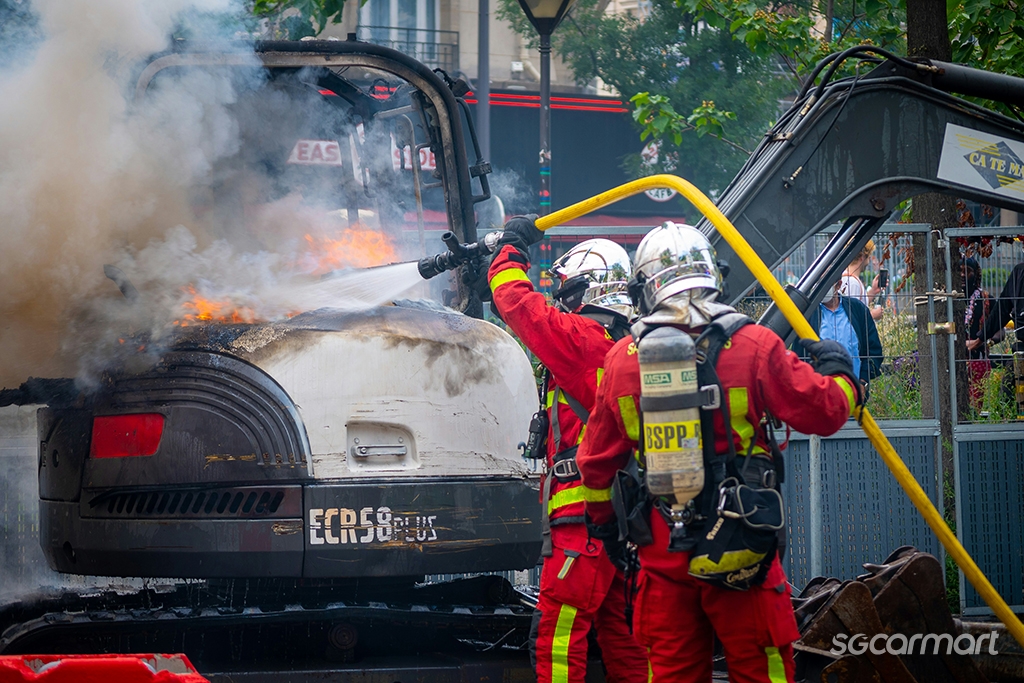
Fire intensity, then. “Different risks”.
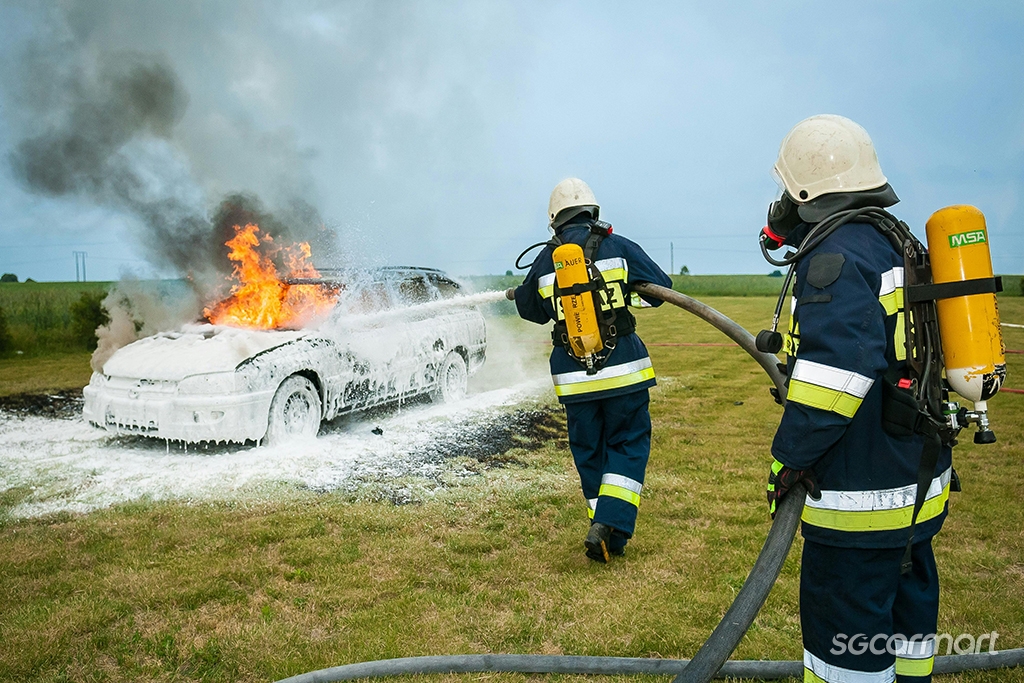
There are different classes of fires, each which need to be dealt with differently. For liquid fires, foam or powder extinguishers are needed. For electrical fires, CO2 is best, but powder can also be used. In fact, powder appears to be the best default option of dealing with vehicle fires, so is there really any need for differentiation?
As far as more intense flames and a wide safety cordon, I don’t see why that shouldn’t be a default practice anyway. Again, shouldn’t all vehicle fires be treated the same and with elevated caution anyways? And what if the number plate is obscured, or burnt/destroyed as part of the accident?
“And members of the public can also more readily identify that an affected vehicle is an EV, and take precautions to stay away.”
Seriously, a car is on fire, do you need anything to tell you to stay away? Why is there a need to identify the type of vehicles? I doubt you’re looking at the number plate anyway, considering, you know, that the car is ON FIRE.
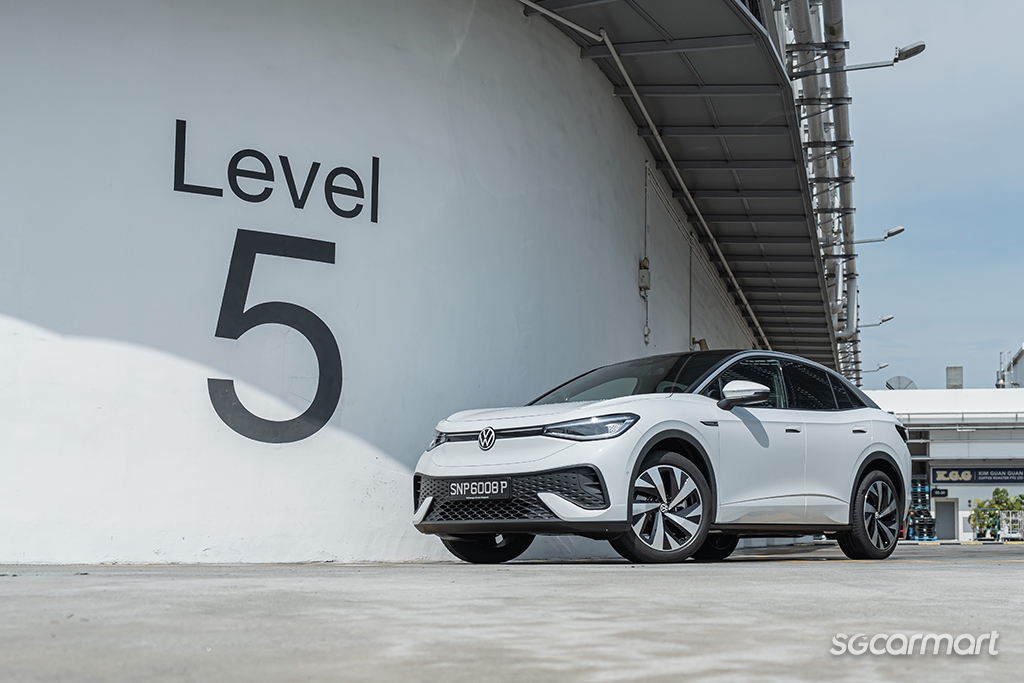
Defining a green-plate car
If the concern is electrical fires in the broader sense, it’s worth pointing out that modern cars have extensive number of electrical components. ICE and EVs are not mechanically exclusive. And this gap will likely continue to shrink, as cars get more ‘software-defined’. More electronics, more wiring, more potentially more points of electrical combustion.
So far, BEVs and PHEVs have been bookmarked for green plates. If the concern is a safety one, then the natural logic is because these cars have high-voltage batteries. We know BEVs have large battery packs, some exceeding 100kWh. PHEVs have high-voltage batteries that can range from 8-23kWh.
Hybrid cars have smaller batteries (1-2kWh), but are still high-voltage batteries. As we look ahead, continued technological development could see increased battery capacities, will there come a point where hybrid cars tip into ‘green plate territory’?
“As has been done in other countries”
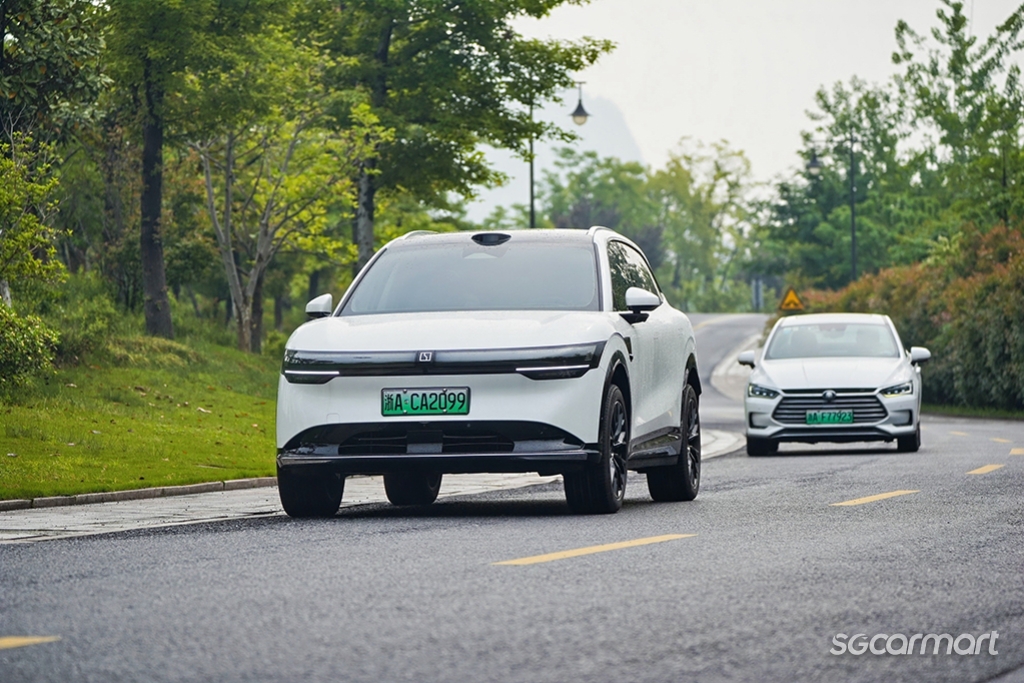
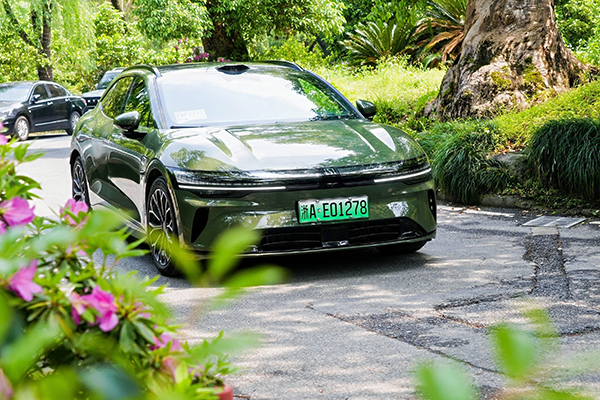
There are many examples of other countries where electric vehicles wear differentiated number plates - given the proposed designs floated by LTA, the most obvious analogue would be China.
But let’s also delve a little bit deeper.
China: The Green License Plate policy is part of a deliberate incentive to get drivers to adopt new energy vehicles (NEVs, which include BEVs and PHEVs) - these buyers don’t have to enter the same vehicle license lottery pool as non-NEV buyers (and as such makes it much easier to secure as car). It also allows access to urban restrictions and exemptions, and facilitates automated recognition by traffic and toll systems.
India: Toll concessions, access to special lanes and dedicated parking spaces.
United Kingdom: Identification to facilitate parking benefits and entry into low/zero-emission zones.
Germany: Free/reduced parking, entry into low-emission zones, bus-lane access (where permitted).
Norway: No special colour, but distinct alphanumeric marker. Toll exemptions, ferry discounts, access to restricted lanes, integration with automated toll and parking systems.
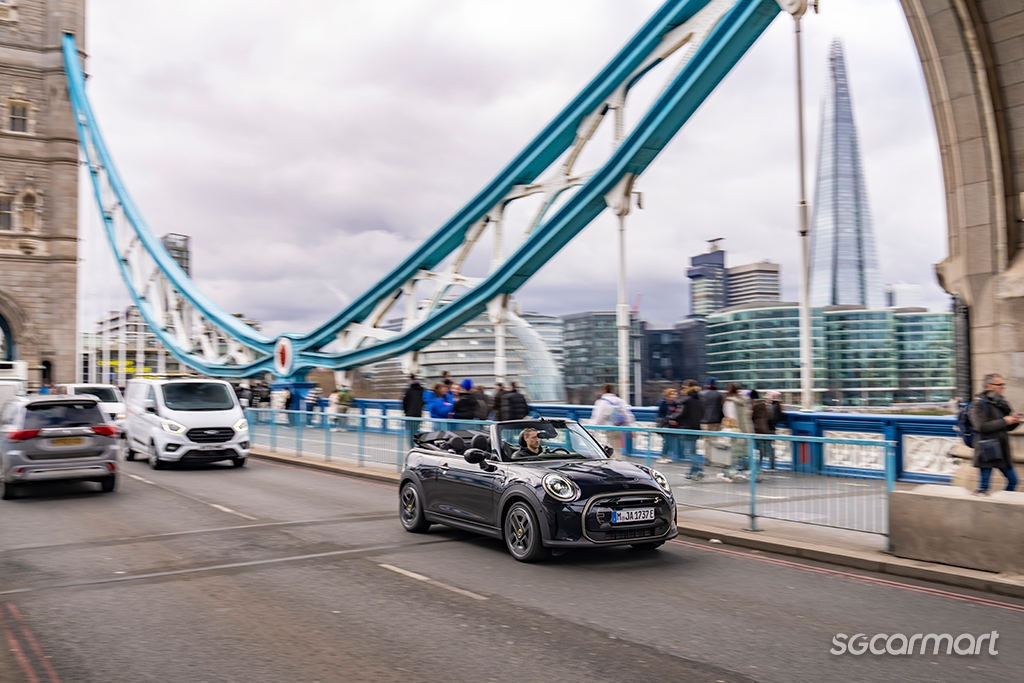
Some form of differentiation for EVs is relatively common in many European countries, many of which have some kind of low/zero-emission zone (typically these are in the dense city centres). Many places also offer specific parking benefits for EVs, as well as toll benefits/exemptions.
In just about every case that I can find, there is a specified benefit for green-plated cars when they are not on fire. The green plates (or its according differentiation marker) serve a regulatory purpose of some kind. There’s also a less tangible impact of social signalling - the notion that seeing green plates on the road helps to signal the countries transition towards greener motoring options, and potentially encouraging other motorists to join in.
In fact, I have yet to find any specific mention of fire safety as a rationale for differentiated plates.
So why are we doing it?
Look, I’m not saying that the implementation of differentiated number plates for electric vehicles is without merit, nor is it a solution looking for a problem. However, it does seem like that problem right now is extremely specific and narrowly defined.
EV fires have a much lower incidence rate compared to non-EVs. Across all vehicle types, there were 57,213 electric vehicles (5.8% of the total vehicles population) in Singapore as of the end of 2025, which equates to a fire incidence rate of about 0.007%. Of the 4 incidents, one actually wasn’t due to battery or electrical causes, so that drops the incidence rate significantly. For non-EVs, the fire incidence rate is 0.024%, or more than 3 times that of EVs. This seems like a lot of hassle to address a currently very limited problem. And then there's the optics of it - Singaporeans will seemingly latch on to anything to complain about.
Perhaps there’s some as-yet-announced rationale for requiring quick identification of such vehicles. This might be the first step in eventually rolling out some regulatory function that impact EVs (maybe to fine non-EVs parked in EV lots?). Even so, Singapore also doesn’t have to conditions to require widespread regulatory control - we don’t have inter-city highway toll booths, car-sharing lanes, or low/zero-emission zones.
As things stand, this move seems slightly over-reactionary, and a somewhat unnecessary allocation of resources, given the required logistical and administrative work that will go into implementing this (especially to turnover plates on existing vehicles). One can't help but wonder if that time and resource could be better spent elsewhere.
The Land Transport Authority (LTA) recently announced that in collaboration with the Singapore Civil Defence Force (SCDF), they will be initiating “stakeholder engagement on differentiated license plates for electric vehicles”. Green number plates, basically.
According to the press release, LTA and SCDF “intend to implement differentiated license plates for Electric Vehicles, including plug-in hybrid EVs”. It appears that for all intents and purposes, this decision has already been made.
When I heard the news, my immediate response was simple: What for??
The thinking, it seems, is safety. Fire safety, more specifically. This was originally announced by Mr Edwin Tong, Minister for Law and Second Minister for Home Affairs, during the Committee of Supply Debate 2026, and I’m going verbatim quote what was said:
“Our regulatory frameworks also need to address emerging fire safety risks. For instance, while research has shown that fires in electric vehicles (EVs) are less likely than in internal combustion engine vehicles, EVs pose different risks when they catch fire, and therefore require a different management approach. MHA and MOT are therefore studying the use of differentiated licence plates for EVs, as has been done in other countries. More information will be shared later this year.
This can help SCDF responders more easily identify whether a vehicle is an EV, and adopt specialised procedures during an incident. This includes establishing a wider safety cordon to account for more intense flames. And members of the public can also more readily identify that an affected vehicle is an EV, and take precautions to stay away.”
That’s it. It was 5 sentences as part of a 116 sentence speech.
So, let’s dig into this a little bit deeper.
“Fire safety risks”
4 EVs caught fire in Singapore in 2025. According to SCDF’s 2025 fire statistics, “Fires involving EVs remained low. Of the 226 vehicle fires in 2025, 4 involved EVs (1.77%). The observation is consistent with findings from international studies which indicate that there are generally fewer fires involving EVs relative to other vehicle types.”
So, it’s certainly not a pressing statistical concern - ICE cars are much more likely to catch fire than an EV, and SCDF acknowledges as much. And the mechanical logic makes sense too: ICE cars have many more moving parts, and you know, also sloshing around with this extremely-combustible liquid inside and also regularly firing sparks and creating mini explosions. In fact, according to data from U.S.A's NSTB referenced by SCDF, ICE cars are 40 to 60 times more likely to catch fire than EVs.
Fire intensity, then. “Different risks”.
There are different classes of fires, each which need to be dealt with differently. For liquid fires, foam or powder extinguishers are needed. For electrical fires, CO2 is best, but powder can also be used. In fact, powder appears to be the best default option of dealing with vehicle fires, so is there really any need for differentiation?
As far as more intense flames and a wide safety cordon, I don’t see why that shouldn’t be a default practice anyway. Again, shouldn’t all vehicle fires be treated the same and with elevated caution anyways? And what if the number plate is obscured, or burnt/destroyed as part of the accident?
“And members of the public can also more readily identify that an affected vehicle is an EV, and take precautions to stay away.”
Seriously, a car is on fire, do you need anything to tell you to stay away? Why is there a need to identify the type of vehicles? I doubt you’re looking at the number plate anyway, considering, you know, that the car is ON FIRE.
Defining a green-plate car
If the concern is electrical fires in the broader sense, it’s worth pointing out that modern cars have extensive number of electrical components. ICE and EVs are not mechanically exclusive. And this gap will likely continue to shrink, as cars get more ‘software-defined’. More electronics, more wiring, more potentially more points of electrical combustion.
So far, BEVs and PHEVs have been bookmarked for green plates. If the concern is a safety one, then the natural logic is because these cars have high-voltage batteries. We know BEVs have large battery packs, some exceeding 100kWh. PHEVs have high-voltage batteries that can range from 8-23kWh.
Hybrid cars have smaller batteries (1-2kWh), but are still high-voltage batteries. As we look ahead, continued technological development could see increased battery capacities, will there come a point where hybrid cars tip into ‘green plate territory’?
“As has been done in other countries”
There are many examples of other countries where electric vehicles wear differentiated number plates - given the proposed designs floated by LTA, the most obvious analogue would be China.
But let’s also delve a little bit deeper.
China: The Green License Plate policy is part of a deliberate incentive to get drivers to adopt new energy vehicles (NEVs, which include BEVs and PHEVs) - these buyers don’t have to enter the same vehicle license lottery pool as non-NEV buyers (and as such makes it much easier to secure as car). It also allows access to urban restrictions and exemptions, and facilitates automated recognition by traffic and toll systems.
India: Toll concessions, access to special lanes and dedicated parking spaces.
United Kingdom: Identification to facilitate parking benefits and entry into low/zero-emission zones.
Germany: Free/reduced parking, entry into low-emission zones, bus-lane access (where permitted).
Norway: No special colour, but distinct alphanumeric marker. Toll exemptions, ferry discounts, access to restricted lanes, integration with automated toll and parking systems.
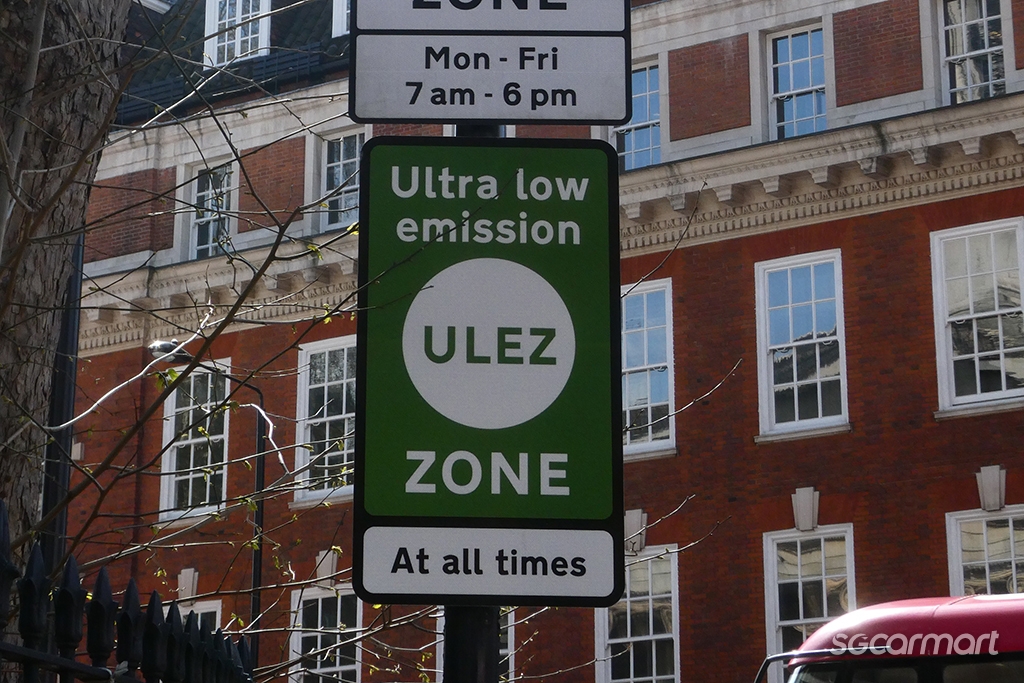
Some form of differentiation for EVs is relatively common in many European countries, many of which have some kind of low/zero-emission zone (typically these are in the dense city centres). Many places also offer specific parking benefits for EVs, as well as toll benefits/exemptions.
In just about every case that I can find, there is a specified benefit for green-plated cars when they are not on fire. The green plates (or its according differentiation marker) serve a regulatory purpose of some kind. There’s also a less tangible impact of social signalling - the notion that seeing green plates on the road helps to signal the countries transition towards greener motoring options, and potentially encouraging other motorists to join in.
In fact, I have yet to find any specific mention of fire safety as a rationale for differentiated plates.
So why are we doing it?
Look, I’m not saying that the implementation of differentiated number plates for electric vehicles is without merit, nor is it a solution looking for a problem. However, it does seem like that problem right now is extremely specific and narrowly defined.
EV fires have a much lower incidence rate compared to non-EVs. Across all vehicle types, there were 57,213 electric vehicles (5.8% of the total vehicles population) in Singapore as of the end of 2025, which equates to a fire incidence rate of about 0.007%. Of the 4 incidents, one actually wasn’t due to battery or electrical causes, so that drops the incidence rate significantly. For non-EVs, the fire incidence rate is 0.024%, or more than 3 times that of EVs. This seems like a lot of hassle to address a currently very limited problem. And then there's the optics of it - Singaporeans will seemingly latch on to anything to complain about.
Perhaps there’s some as-yet-announced rationale for requiring quick identification of such vehicles. This might be the first step in eventually rolling out some regulatory function that impact EVs (maybe to fine non-EVs parked in EV lots?). Even so, Singapore also doesn’t have to conditions to require widespread regulatory control - we don’t have inter-city highway toll booths, car-sharing lanes, or low/zero-emission zones.
As things stand, this move seems slightly over-reactionary, and a somewhat unnecessary allocation of resources, given the required logistical and administrative work that will go into implementing this (especially to turnover plates on existing vehicles). One can't help but wonder if that time and resource could be better spent elsewhere.

Thank You For Your Subscription.