13 autonomous bus articles
 LTA News
LTA awards contract to deploy autonomous buses on 2 services
 LTA News
LTA to pilot autonomous public buses in 2026
 Other News
Oxa unveils self-driving Ford E-Transit Van and Minibus
 Other News
Pay-to-ride driverless buses begin operations in two areas of Singapore
 LTA News
100 drivers to be trained to handle autonomous buses
 Other News
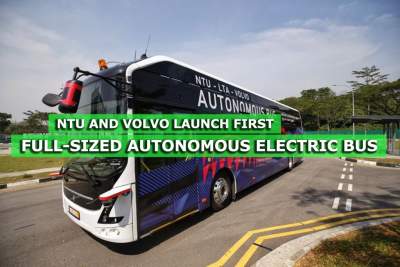
NTU and Volvo launch world's first full-sized autonomous electric bus
 Other News
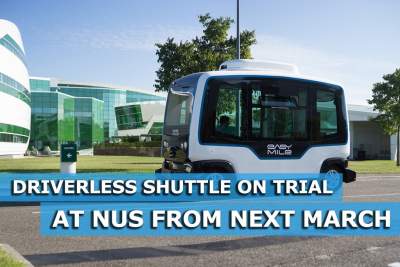
Driverless shuttle on trial at NUS from next March
 Other News
Trainmaker Alstom eyes e-bus market
 Other News
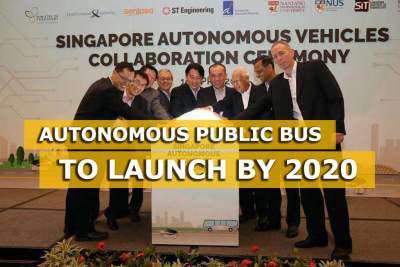
Autonomous public bus to be launched by 2020
 Other News
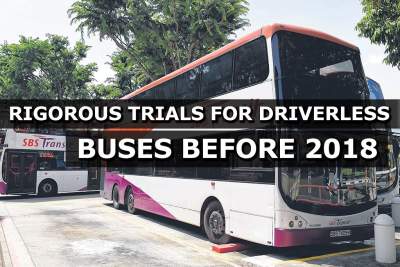
Rigorous trials before self-driving buses hit the road
 Other News
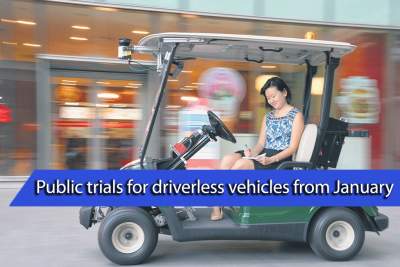
Driverless vehicles could hit local public roads as early as January 2015
 Other News
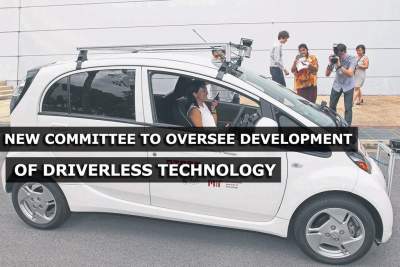
New committee set up to supervise research into autonomous technology
 Other News
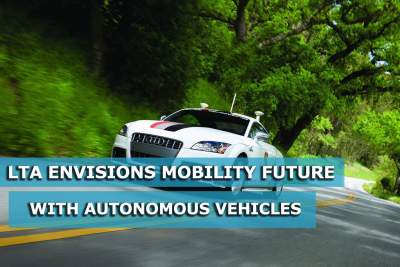
LTA studying use of autonomous vehicles as viable mode of transport