Audi has resurrected the A2 nameplate for the electric age, unveiling the new A2 e-tron in Paris as a compact EV focused on efficiency, practicality, and everyday usability.
The new model sits as Audi's fully electric entry into the compact segment, but its headline figure is energy consumption. Audi claims the A2 e-tron can use as little as 12.8kWh/100km under the WLTP test cycle, making it the most efficient production Audi ever built. In its most efficient form, the car is also capable of travelling up to 646km on a charge.
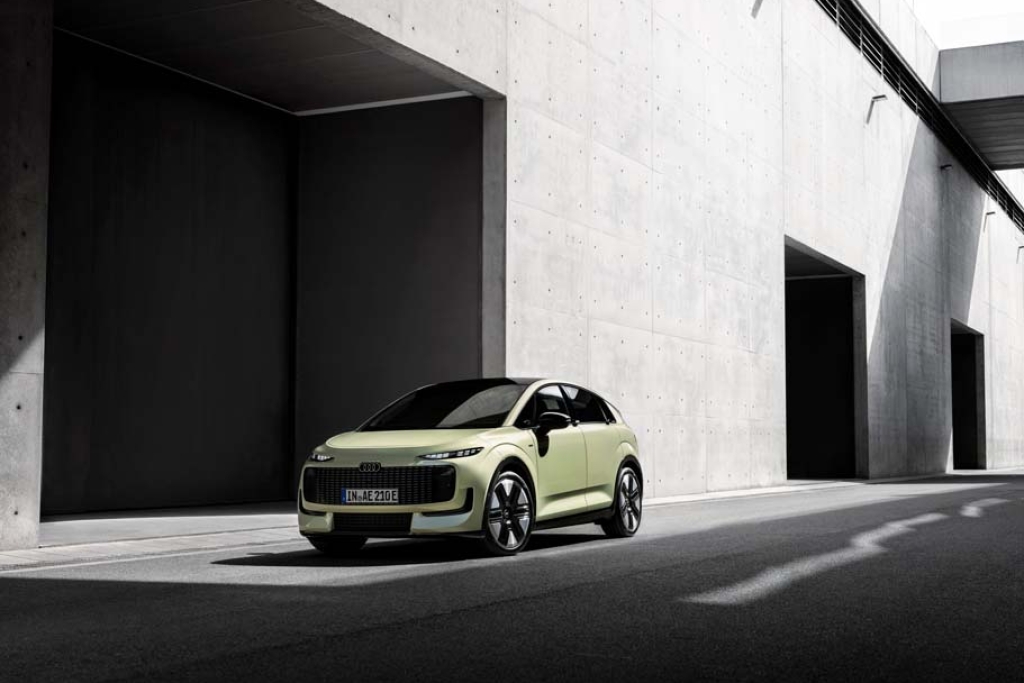
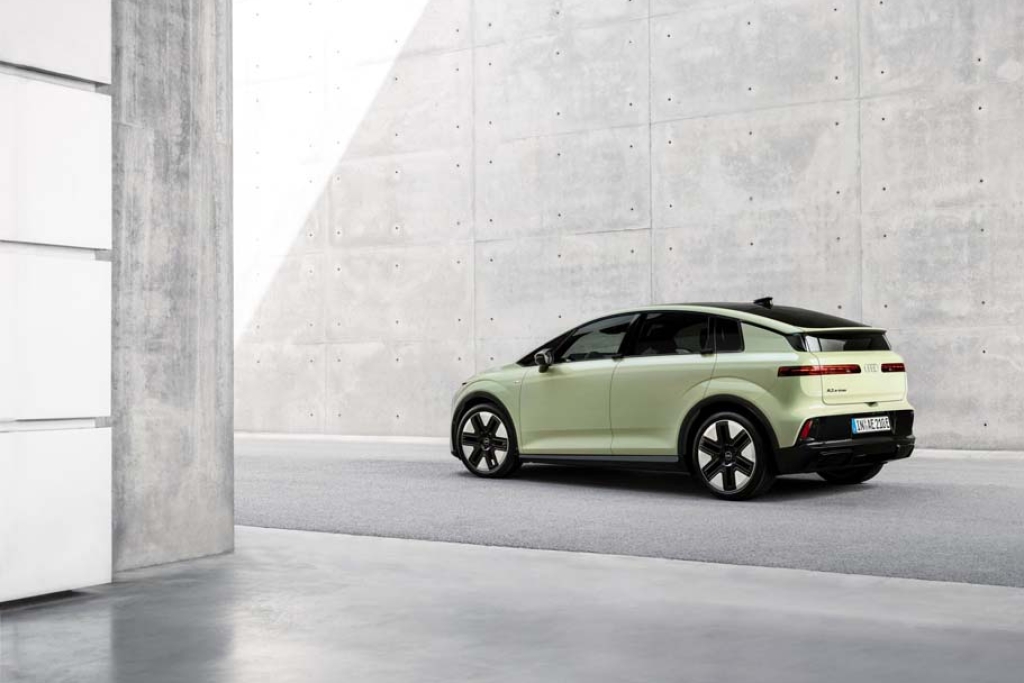
Efficiency has shaped almost every aspect of the car's development. The A2 e-tron achieves a drag coefficient of just 0.24, helped by an enclosed underbody, active cooling-air intake, aerodynamically optimised wheels, and wheel arch airflow management features. The result is not just a lower consumption figure, but potentially fewer charging stops and greater real-world usability.
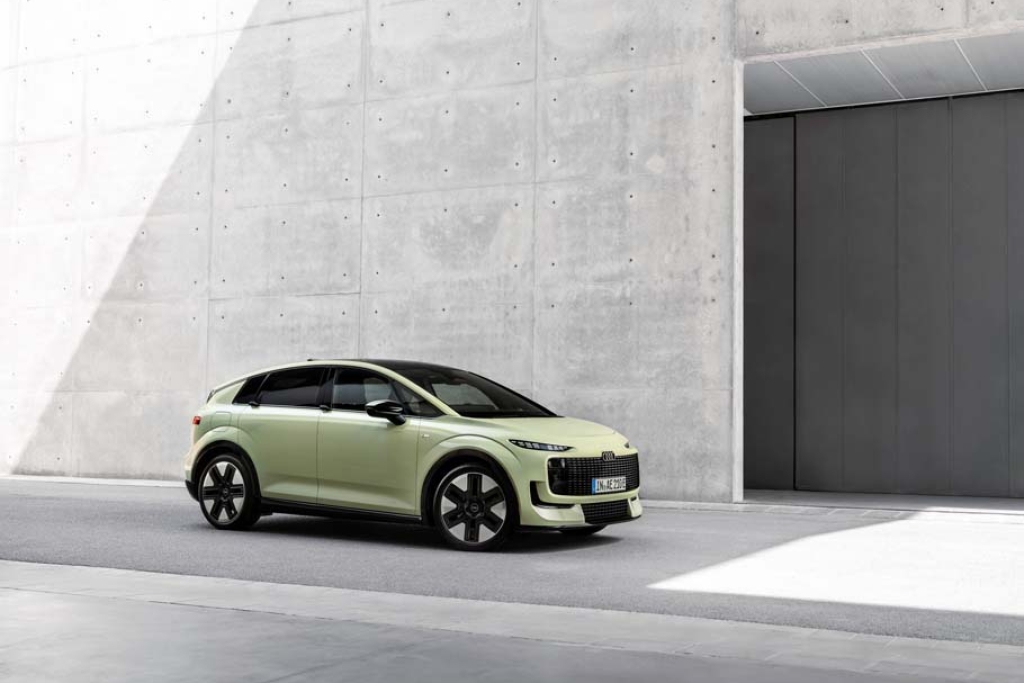
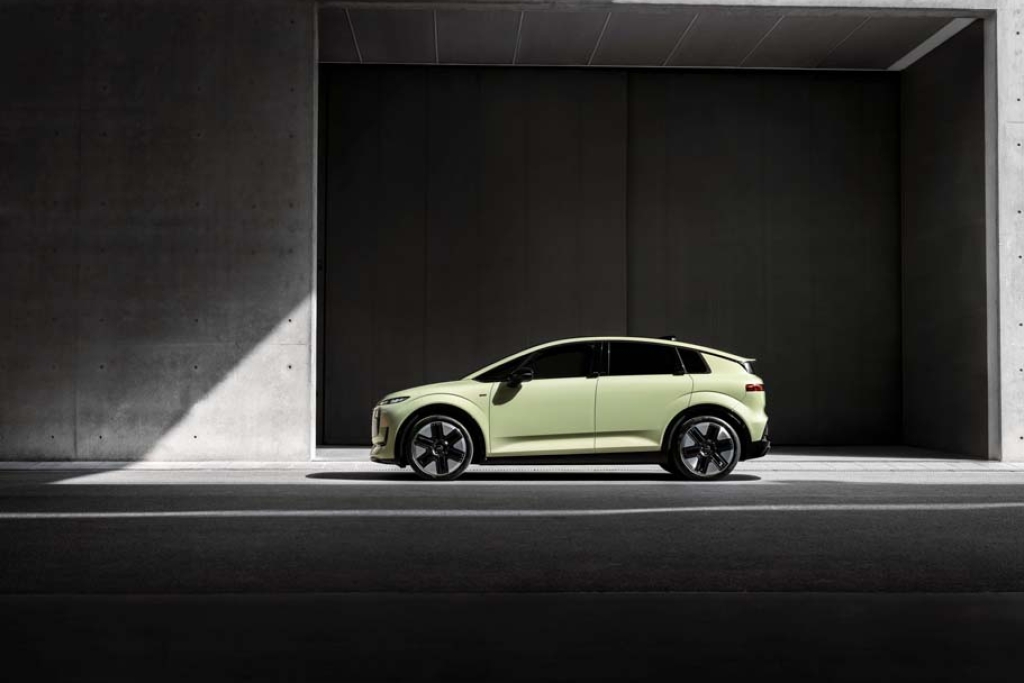
Buyers will be able to choose between four power outputs ranging from 125kW to 240kW, alongside three battery sizes: 52kWh, 61kWh, and 84kWh. Rear-wheel drive is standard across the range, while bidirectional charging capability allows the car to power external devices or, in selected markets, function as a home energy storage source.
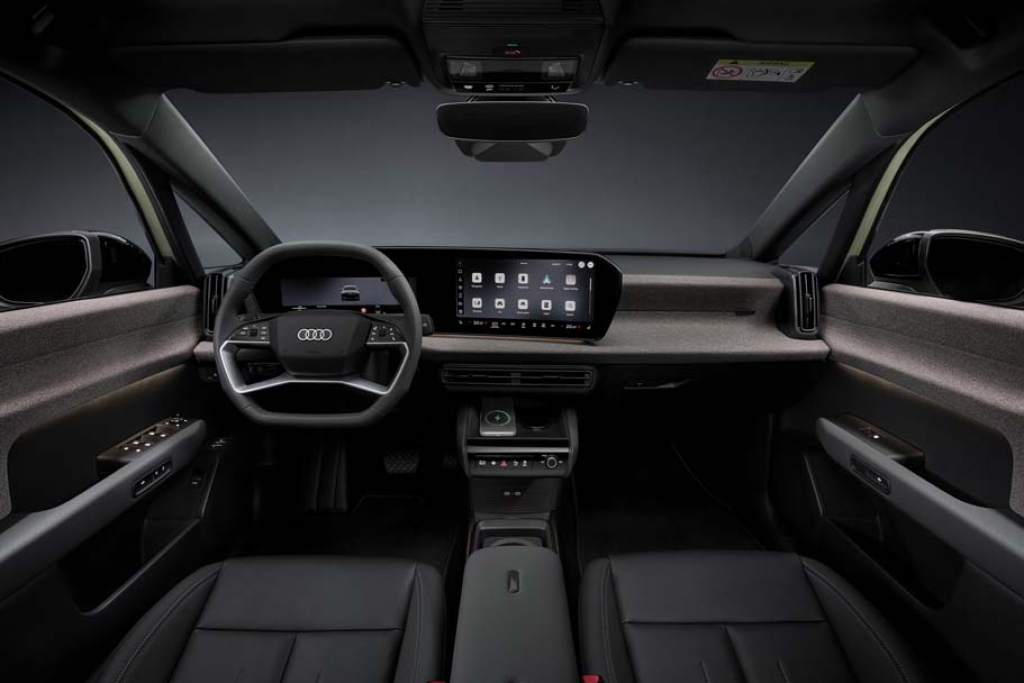
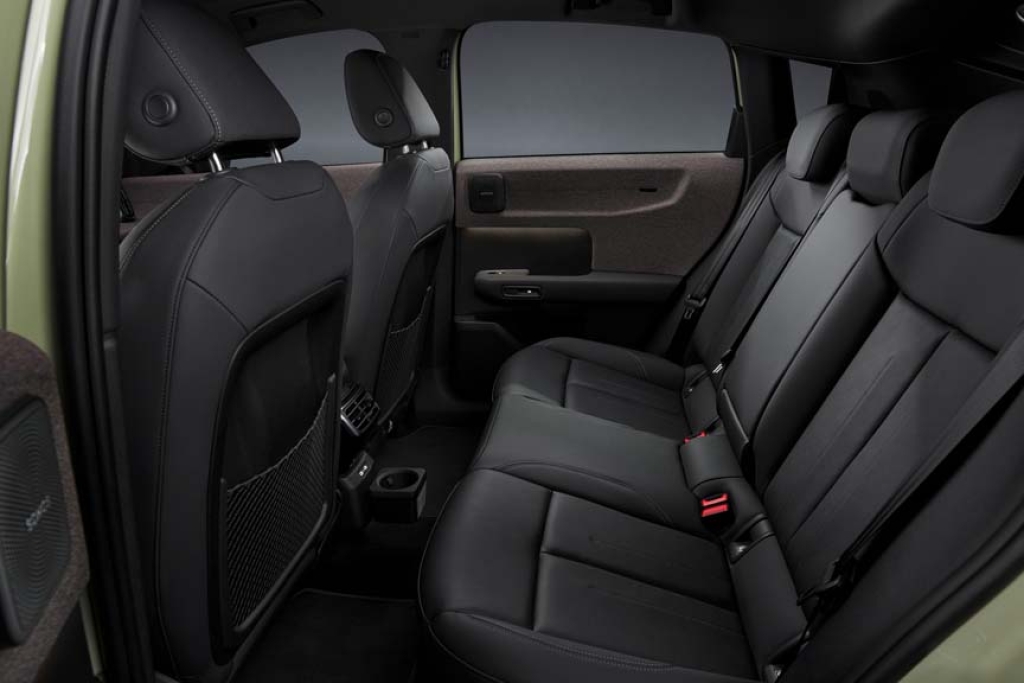
Inside, Audi has prioritised space despite the car's compact dimensions. A lengthy 2,770mm wheelbase, a panoramic glass roof measuring 1.6 square metres, and a highly configurable cabin are all intended to make the A2 e-tron feel larger than its footprint suggests. Audi is also introducing the Fidlock magnetic fastening system as standard, allowing accessories and storage items to be secured with a simple click.
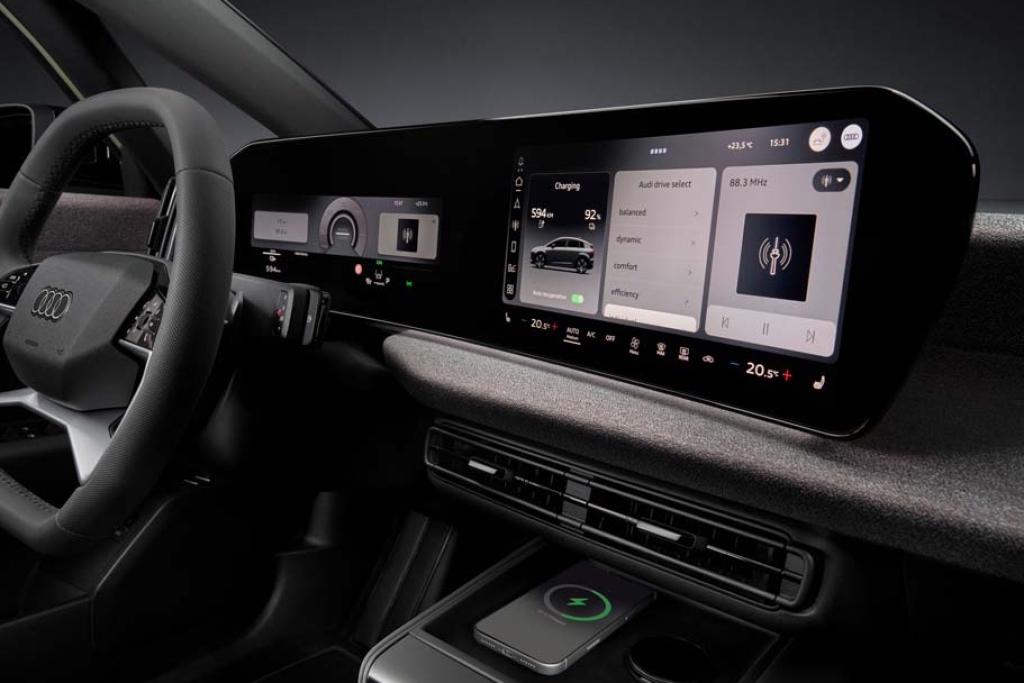
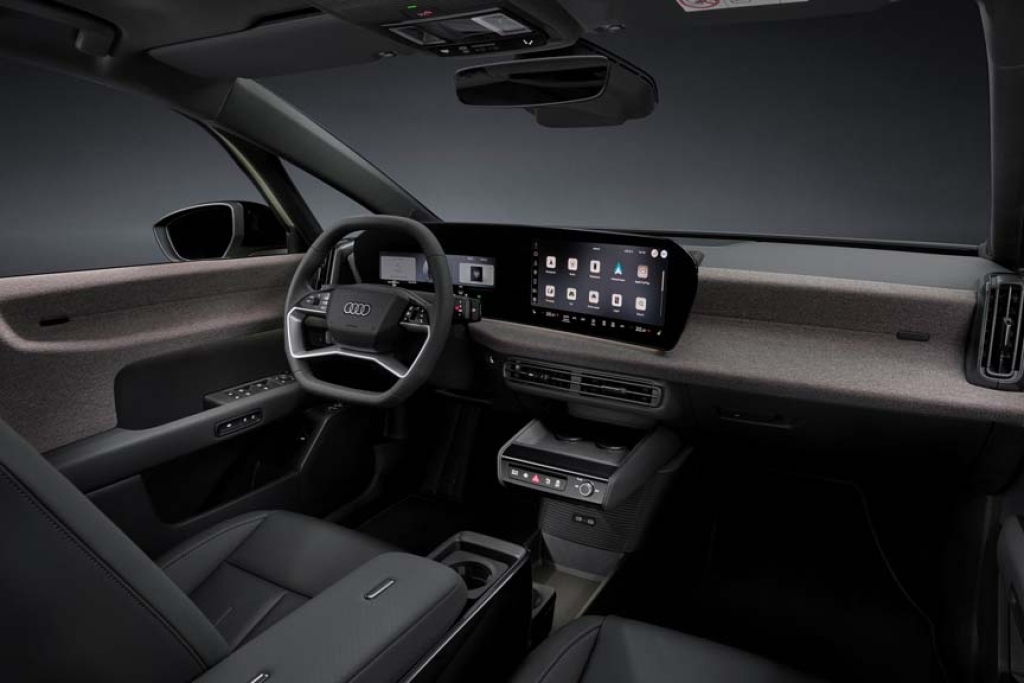
Technology features include a curved panoramic display, AI-powered Audi assistant, integrated Microsoft Teams and Outlook functionality, and an e-tron route planner that can optimise charging stops based on traffic and charging station availability.
Production will take place at Audi's Ingolstadt plant in Germany, with the company claiming the model reached production significantly faster than comparable previous projects. Orders are scheduled to open in September 2026, with first deliveries expected from December.