Rolls-Royce Motor Cars has commenced a global on-road testing programme for Project Nightingale, its ultra-exclusive all-electric Coachbuild Collection limited to just 100 customer cars worldwide. The programme is one of the most extensive in the marque's history, with engineers set to spend a combined 350 weeks validating the vehicle across some of the world's most demanding environments.
First revealed in April 2026, Project Nightingale combines bespoke coachbuilt design with Rolls-Royce's electric drivetrain technology. According to the company, clients made it clear from the outset that the cars were intended to be driven extensively around the world rather than remain in private collections
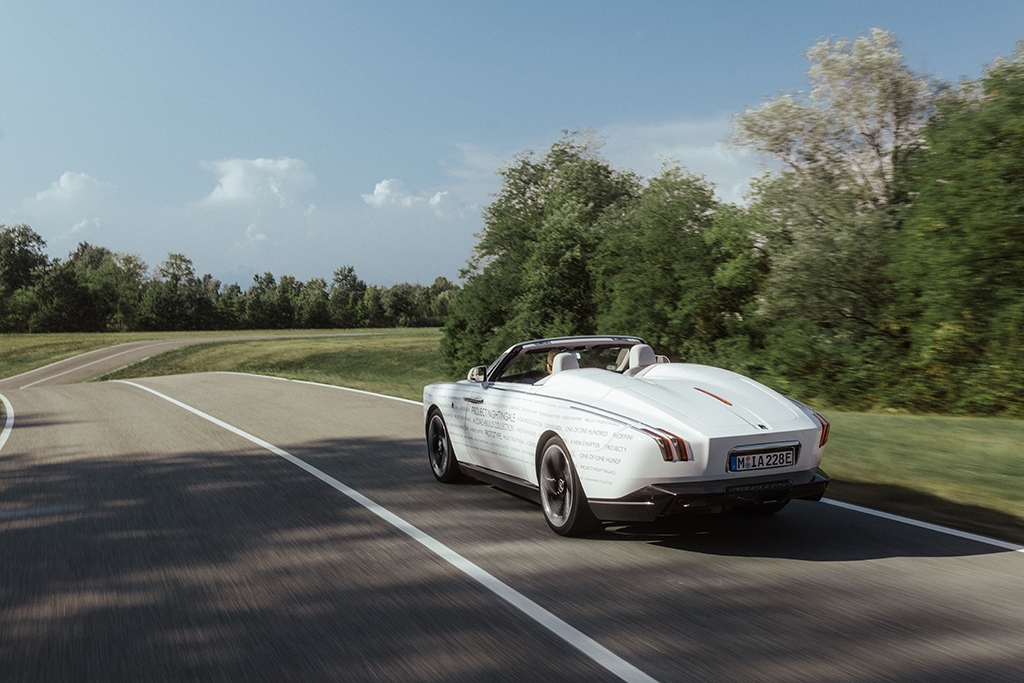
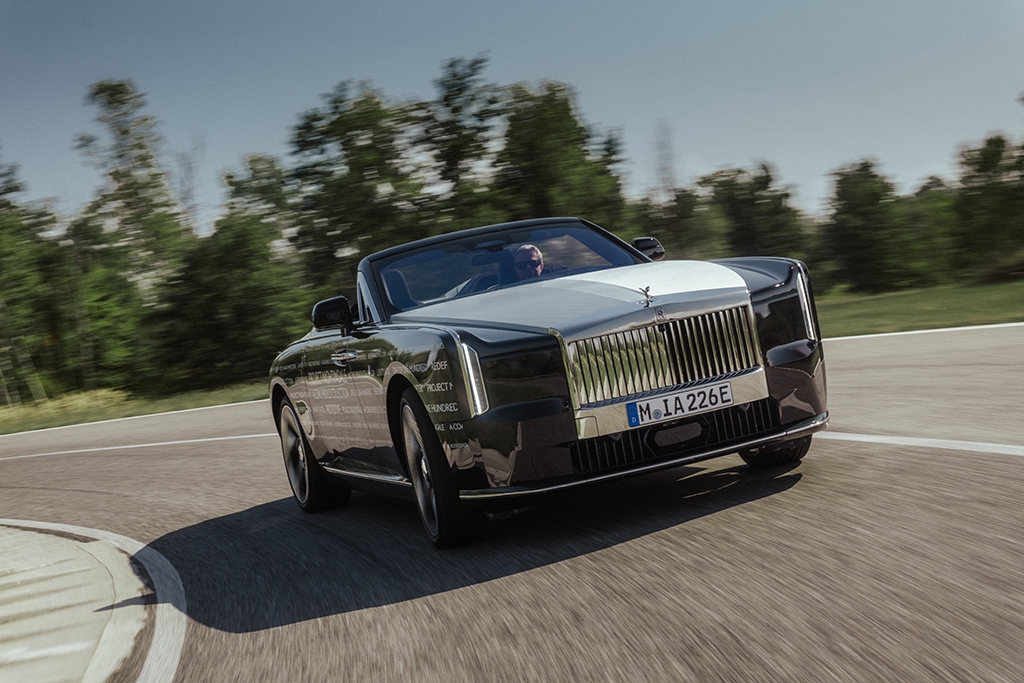
Testing will begin in Southern Europe before expanding to locations ranging from the Arctic Circle to the deserts of the Arabian Peninsula. The prototypes will be subjected to extreme temperatures and altitudes of up to 2,750m, reflecting the diverse conditions owners are expected to encounter.
The programme also pays tribute to Rolls-Royce's heritage. Project Nightingale takes its name from "Le Rossignol", the French home built by Henry Royce for his engineers and designers on the French Riviera. More than a century ago, Rolls-Royce used the region as a base for durability and performance testing, a tradition the company says continues with Project Nightingale.
Prior to on-road testing, static prototypes completed more than 1,430 hours of aerodynamic development, including digital simulations and wind tunnel work. These findings will now be verified at a private high-speed test facility, where the car will reach speeds of up to 249km/h. Engineers will focus heavily on reducing wind noise and preserving the refinement expected of a Rolls-Royce.
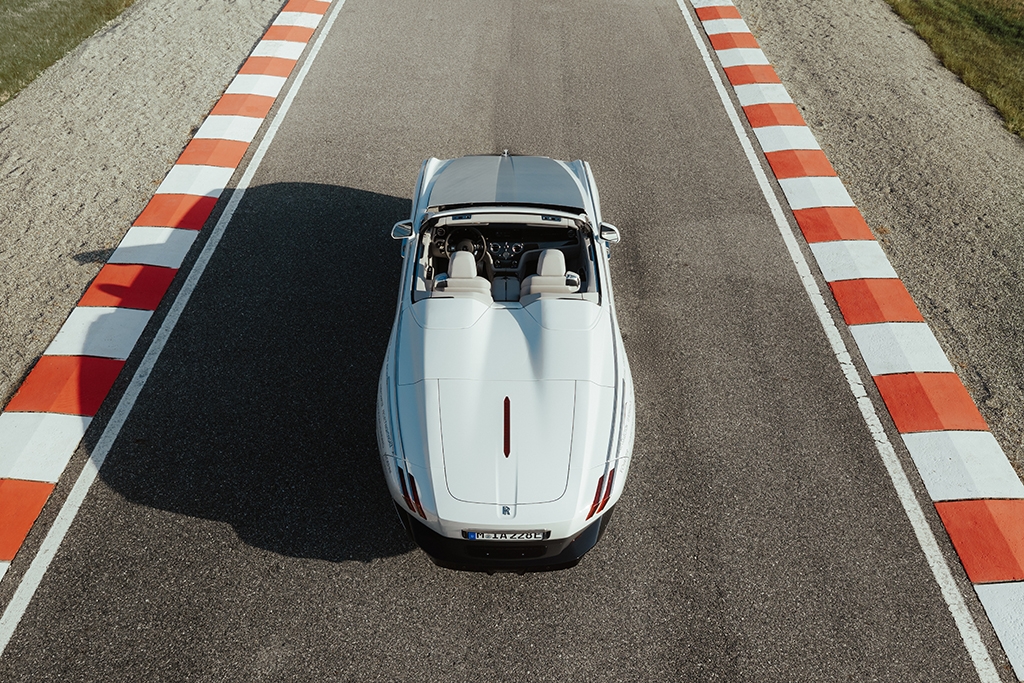
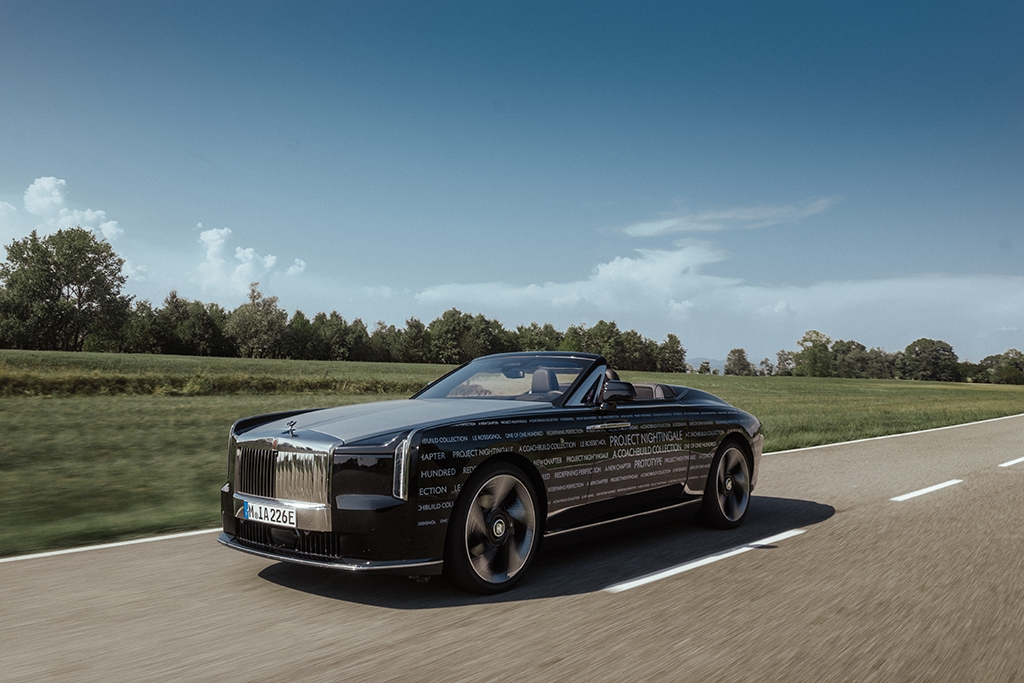
Among the technologies undergoing validation is a newly patented fully electric wind deflector designed specifically for Project Nightingale. The system is engineered to reduce cabin turbulence and improve comfort when driving with the roof lowered, including in cooler climates. The roof incorporates a sound-deadening construction combining cashmere, fabric and composite materials.
Another key engineering highlight is the "Piano Boot", a unique side-opening cantilever luggage compartment. To ensure durability, Rolls-Royce will subject the mechanism to 15,000 opening and closing cycles.
For Singapore's ultra-luxury market, the announcement offers a glimpse into the extraordinary engineering and bespoke development processes behind one of the most exclusive electric Rolls-Royces ever created.