Rolls-Royce presents the first of new Coachbuild Collection
17 Apr 2026|121 views


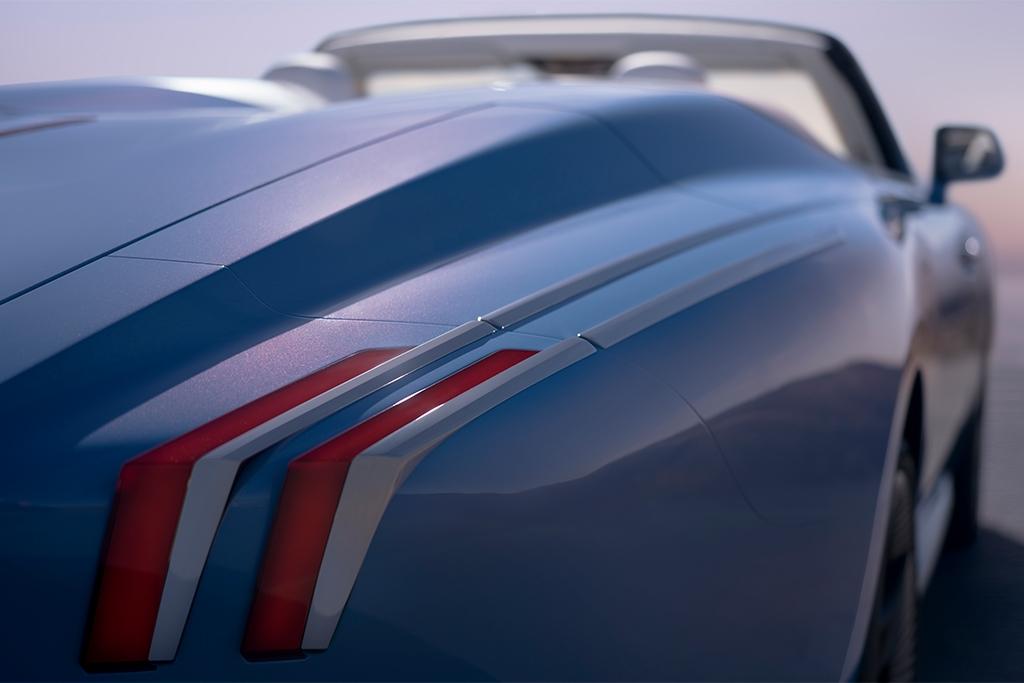


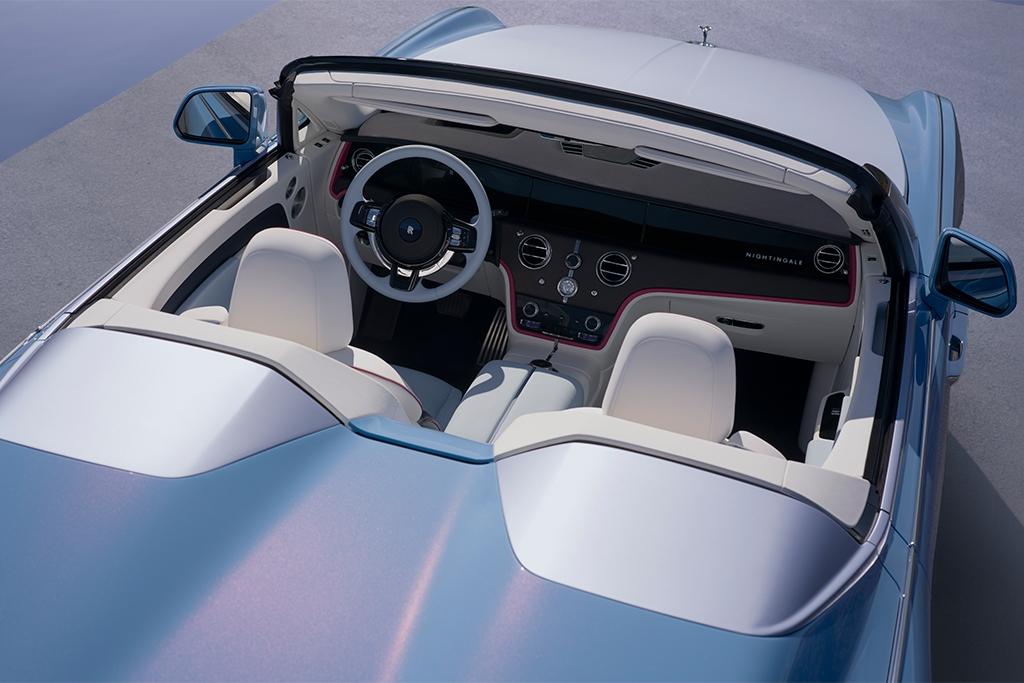
Rolls-Royce Motor Cars has presented the Project Nightingale, the first of its Coachbuild Collection that itself was announced just last month.
And in keeping with its promise, this open-top, two-seat motor car is underpinned by a fully electric drivetrain. Its aesthetic is inspired by the principles of Streamline Moderne design from the late Art Deco era; wherein precise lines and uninterrupted forms are more powerful than ornament.
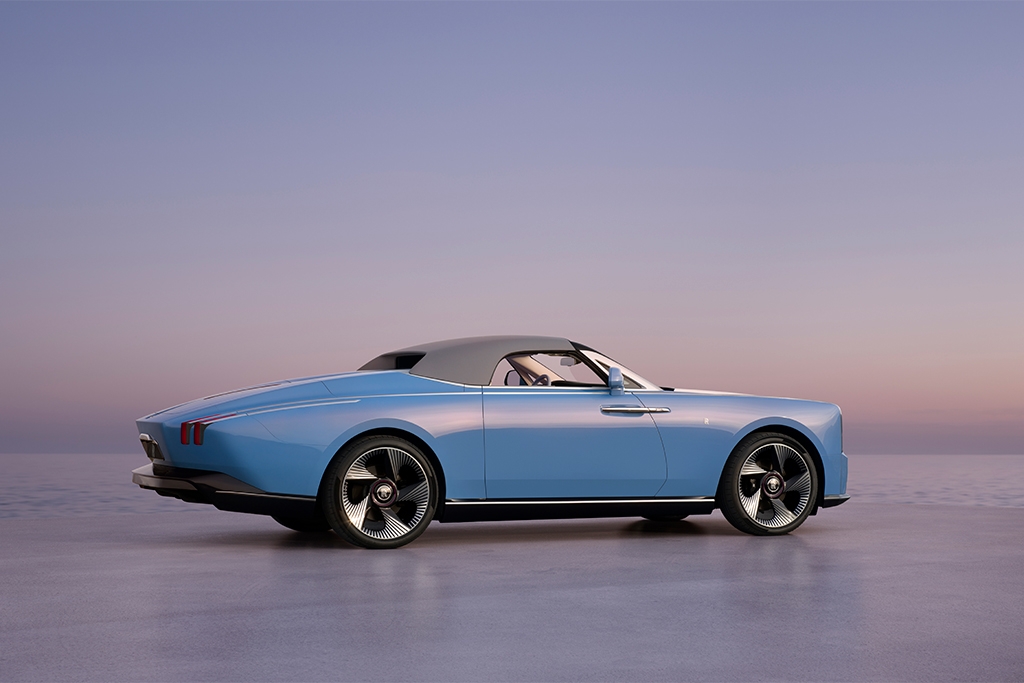
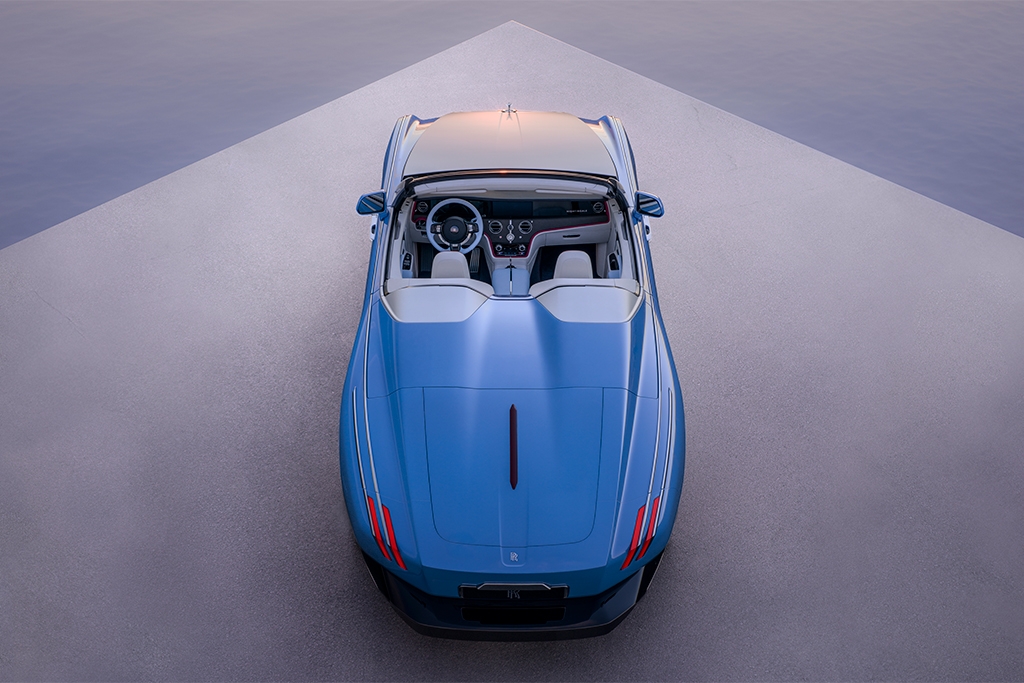
The fully-electric Project Nightingale features a torpedo-shaped design
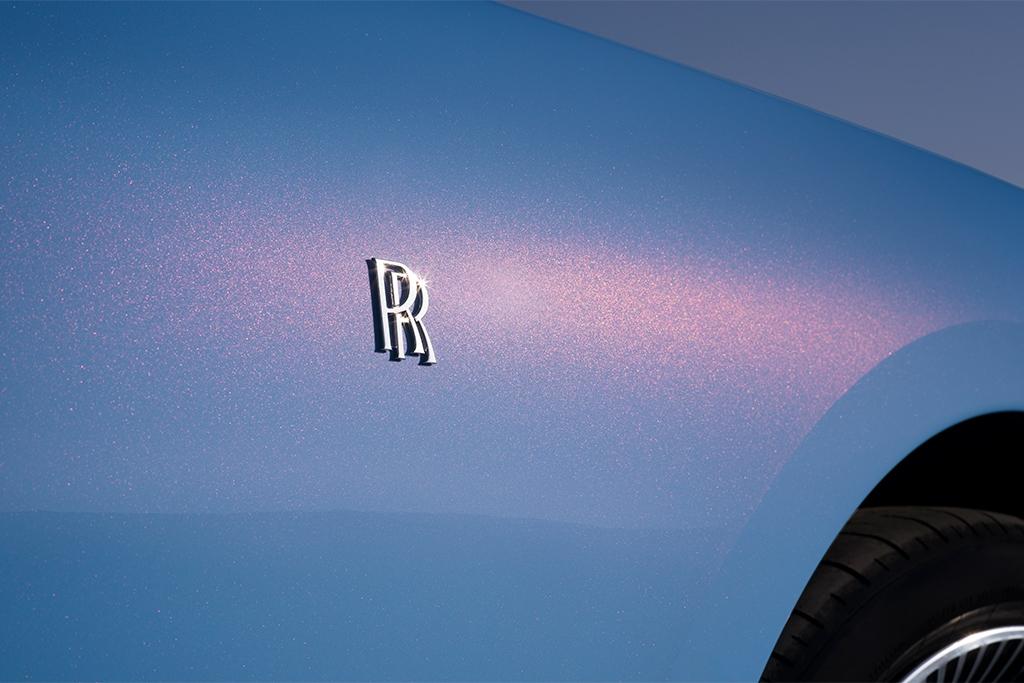
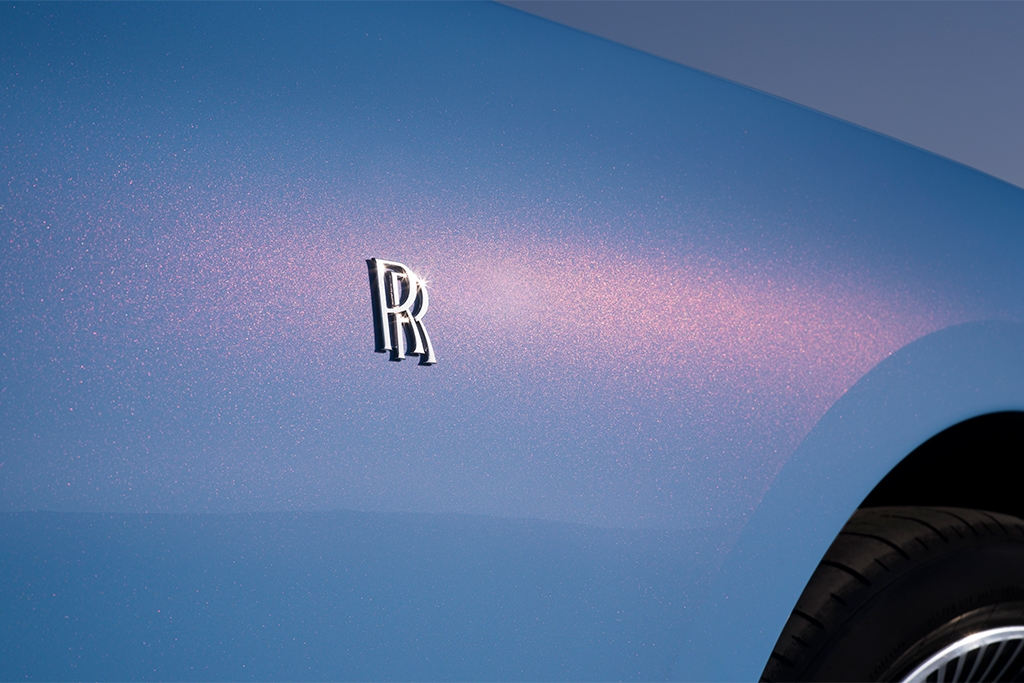
Another point of inspiration for Project Nightingale is Rolls-Royce's experimental motor cars of the 1920s. Known as "EX" models and fitted with red badges - of which Project Nightingale is also equipped with - these are some of the rarest and most desirable motor cars in the marque's history. Two of these prototypes were a particular focus: 16EX and 17EX.
From these foundations, Coachbuild designers distilled three principles that directly inform Project Nightingale: "Upright to flowing", in which the Pantheon Grille's commanding vertical gesture transitions into a long, graceful rear; "Central fuselage", which is defined by a single unbroken hull line running from front to rear; and "Flying wings", sculptural volumes that create tension across the overall form and pull the eye towards the rear.
At 5,760mm in length, the Project Nightingale is almost exactly the same length as Rolls-Royce's flagship saloon, Phantom, yet devoted entirely to a two-seat convertible form. It features a torpedo-shaped design, an expansive bonnet that gives way to a raked windscreen, and 24-inch wheels, among others.
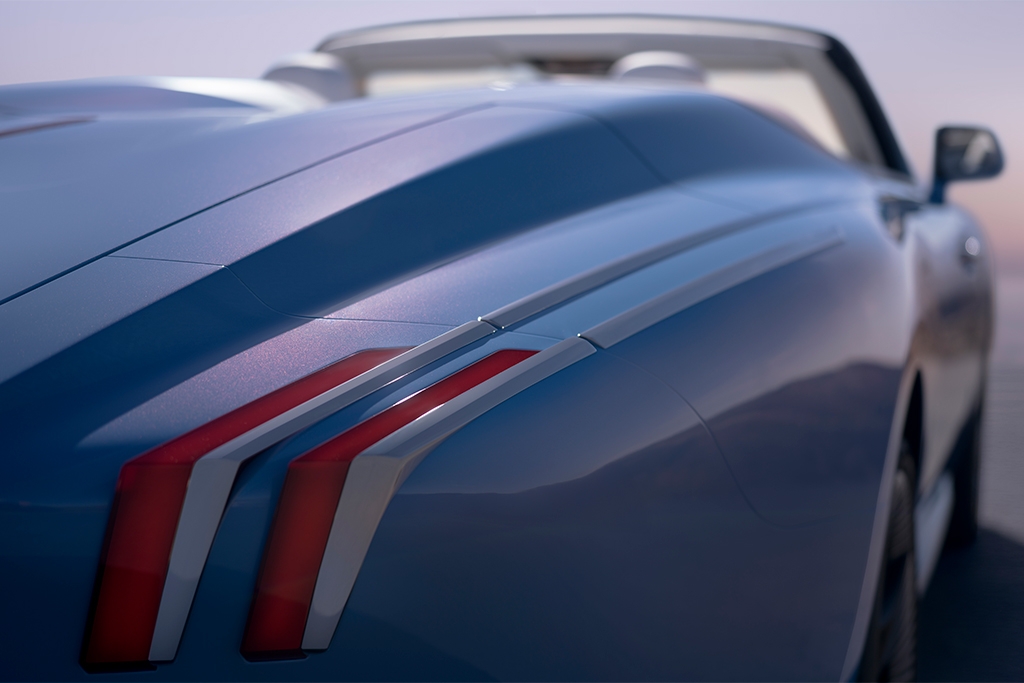
At the back, the surfacing swells around the rear wheel arches, creating an impression of planted, muscular strength that balances the overall design's grace
But inside is where it gets interesting. Inspired by an early prototype drive, the Rolls-Royce designers began studying recordings of nightingales and analysing the distinctive sound-wave patterns created by its song. This then evolved into an idea, where the designers decided to translate the rhythm of birdsong into a visual form. Enter the Starlight Breeze suite.
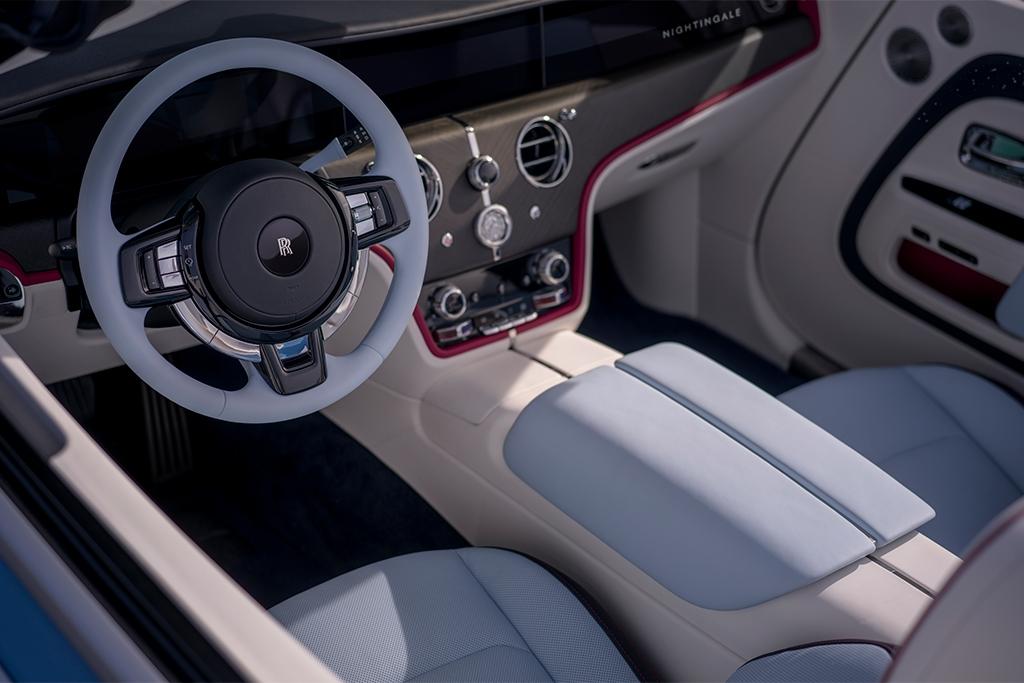
This takes shape in the form of a flowing constellation of ambient illumination comprising 10,500 individual "stars" in three sizes that extends from the front of each door and around the driver and companion’s seat.
Additionally, upon opening the coach door, the armrest glides rearwards automatically to reveal the Spirit of Ecstasy rotary controller. It is operated with an exceptionally tactile stainless-steel collar formed with four grooves, which sees the metal within each one faceted and then glass-blasted. This jewelled treatment extends throughout the interior to the gear selector and remaining rotary controls, which are sparingly curated to just five in total.
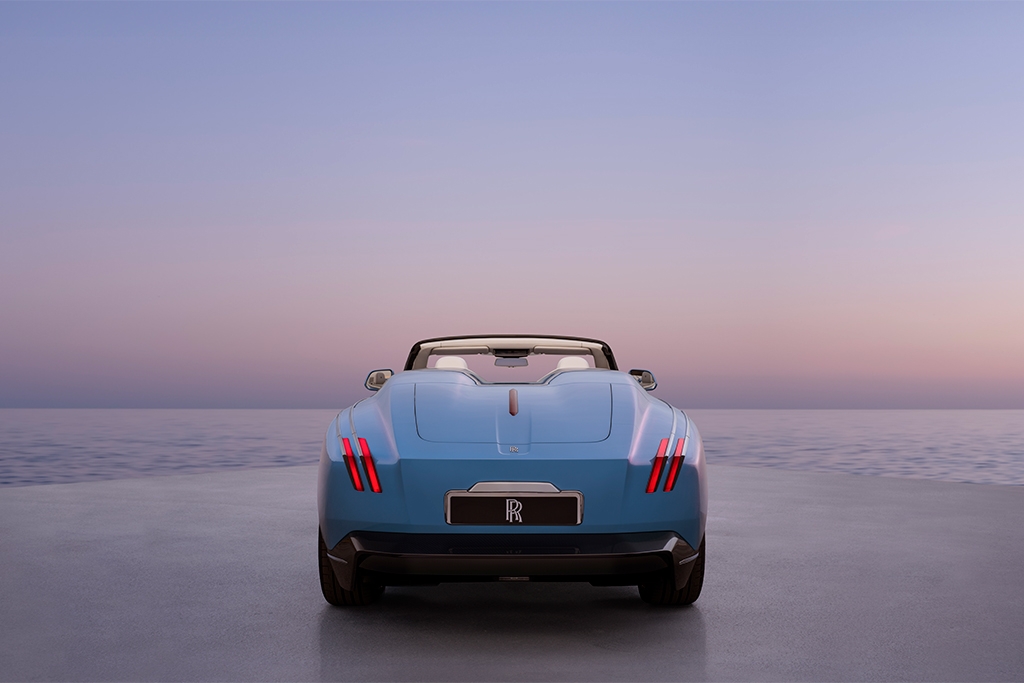
Only 100 units of Project Nightingale will ever be built
For Project Nightingale, Rolls-Royce is developing an entirely new colour and material palette and set of bespoke features, designed and reserved exclusively for this specific Coachbuild Collection. These will not be available on any other Rolls-Royce motor car. With only 100 units to be made, each motor car will be meticulously curated with its commissioning client.
Rolls-Royce has said that entry to the Coachbuild Collection programme is by invitation only and client deliveries will commence from 2028.
Rolls-Royce Motor Cars has presented the Project Nightingale, the first of its Coachbuild Collection that itself was announced just last month.
And in keeping with its promise, this open-top, two-seat motor car is underpinned by a fully electric drivetrain. Its aesthetic is inspired by the principles of Streamline Moderne design from the late Art Deco era; wherein precise lines and uninterrupted forms are more powerful than ornament.
The fully-electric Project Nightingale features a torpedo-shaped design
Another point of inspiration for Project Nightingale is Rolls-Royce's experimental motor cars of the 1920s. Known as "EX" models and fitted with red badges - of which Project Nightingale is also equipped with - these are some of the rarest and most desirable motor cars in the marque's history. Two of these prototypes were a particular focus: 16EX and 17EX.
From these foundations, Coachbuild designers distilled three principles that directly inform Project Nightingale: "Upright to flowing", in which the Pantheon Grille's commanding vertical gesture transitions into a long, graceful rear; "Central fuselage", which is defined by a single unbroken hull line running from front to rear; and "Flying wings", sculptural volumes that create tension across the overall form and pull the eye towards the rear.
At 5,760mm in length, the Project Nightingale is almost exactly the same length as Rolls-Royce's flagship saloon, Phantom, yet devoted entirely to a two-seat convertible form. It features a torpedo-shaped design, an expansive bonnet that gives way to a raked windscreen, and 24-inch wheels, among others.
At the back, the surfacing swells around the rear wheel arches, creating an impression of planted, muscular strength that balances the overall design's grace
But inside is where it gets interesting. Inspired by an early prototype drive, the Rolls-Royce designers began studying recordings of nightingales and analysing the distinctive sound-wave patterns created by its song. This then evolved into an idea, where the designers decided to translate the rhythm of birdsong into a visual form. Enter the Starlight Breeze suite.
This takes shape in the form of a flowing constellation of ambient illumination comprising 10,500 individual "stars" in three sizes that extends from the front of each door and around the driver and companion’s seat.
Additionally, upon opening the coach door, the armrest glides rearwards automatically to reveal the Spirit of Ecstasy rotary controller. It is operated with an exceptionally tactile stainless-steel collar formed with four grooves, which sees the metal within each one faceted and then glass-blasted. This jewelled treatment extends throughout the interior to the gear selector and remaining rotary controls, which are sparingly curated to just five in total.
Only 100 units of Project Nightingale will ever be built
For Project Nightingale, Rolls-Royce is developing an entirely new colour and material palette and set of bespoke features, designed and reserved exclusively for this specific Coachbuild Collection. These will not be available on any other Rolls-Royce motor car. With only 100 units to be made, each motor car will be meticulously curated with its commissioning client.
Rolls-Royce has said that entry to the Coachbuild Collection programme is by invitation only and client deliveries will commence from 2028.


Latest COE Prices
May 2026 | 2nd BIDDING
NEXT TENDER: 04 Jun 2026
CAT A$124,229
CAT B$129,501
CAT C$92,223
CAT E$130,000
View Full Results 
Thank You For Your Subscription.


Tags
Products & Services

For Owners
Quick Links
About Sgcarmart