Ever since the very first model rolled off the production line in 1975, the BMW 3 Series has always been the heart of the Bavarian brand's model lineup. With its combination of progressive design, dynamic agility and innovative technology, the 3 Series has come to represent the heartbeat of the brand (having sold over 15 million units worldwide).
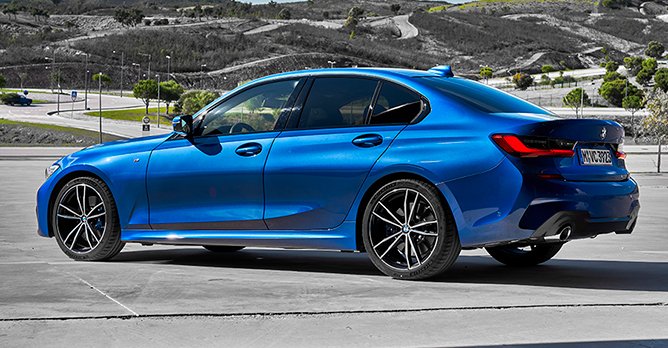

As with each successive generation, the BMW 3 Series has grown longer and wider. The new model is 76mm longer than before (with a 41mm longer wheelbase), 1mm taller, and 16mm wider.
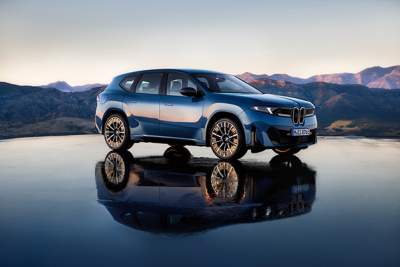
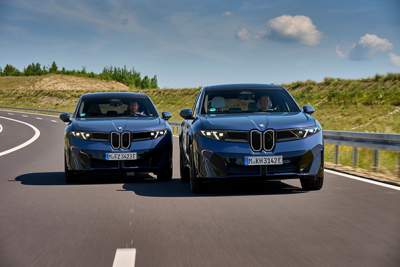
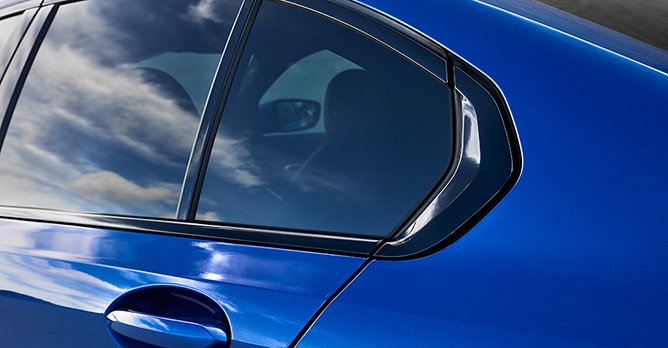
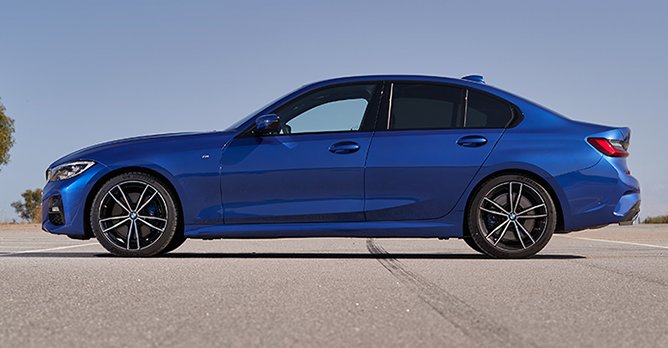
The front fascia is headlined by the distinctive kidney grille and LED head lights, but the side profile has been purposely simplified to create a more elegant yet muscular design. Designed around the philosophy of 'clear forms and precise lines', the side profile of the new 3 Series features a pair of distinctive character lines rising upwards towards the rear, as well as a dynamic contour line near the side skirts.
These combine to create a forward-surging visual sensation. The designers have also offered a reinterpretation of the brand's hallmark Hofmeister kink - it is now integrated into the C-pillar to give the rear doors a free-standing glass edge.
The cabin of the new 3 Series features the brand's new design language (also seen in the X5, 8 Series, Z4 and X7), and is designed around two key philosophies - clear arrangement of surfaces, and the clustering of controls.
The tall centre console houses the infotainment display (running the new BMW Operating System 7.0) that flows via an uninterupted surface into the BMW Live Cockpit intrument cluster, forming a large-surfaced screen grouping. Additionally, sharp, horizontal lines flow across the centre console and on towards the coordinated design of the door trim, creating a sleek and driver-focused cockpit.
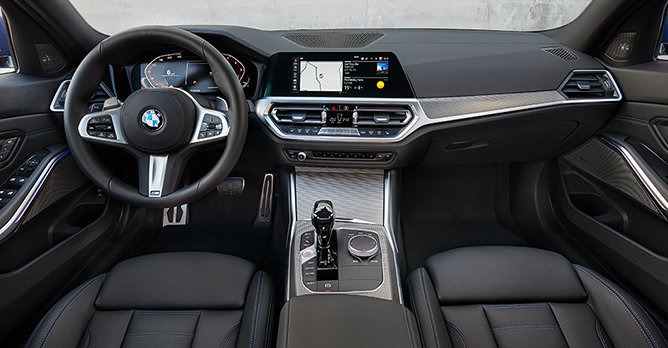
On either door, the seat setting buttons have been moved downward and aligned with the door handles, creating a neater and more seamless surface.
The acoustic properties of the 3 Series has also been improved - foam-filled A-pillars and an acoustic glass windscreen come as standard, while acoustic glass can also be optioned on both front windows. Combined with the newly designed front seats and optimised rear legroom, the cabin now offers added luxury and serenity.
Of course, one of the defining qualities of the 3 Series is its dynamic agility. To this end, the engineers have also made significant efforts to improving the car's handling and overall driving quality.
The car has wider front (+43mm) and rear (+21mm) tracks, a 10mm lower centre of gravity, up to 50% increased body rigidity, a weight reduction of up to 55kg, an ideal 50:50 weight distribution, as well as newly designed shock absorbers (featuring lift-related dampers) on both the front and rear suspension.
One notable new feature is the Narrow Passage Assistant - it takes cues from road markings and vehicles in front of the car to guide the car through narrow roads, such as in areas with road works.
With the full suite of assistance technologies, the 3 Series is capable of Level 2 autonomous driving, allowing you to take your hands off the wheel for a long time. However, the implementation and availability of this system is subject to individual market conditions.
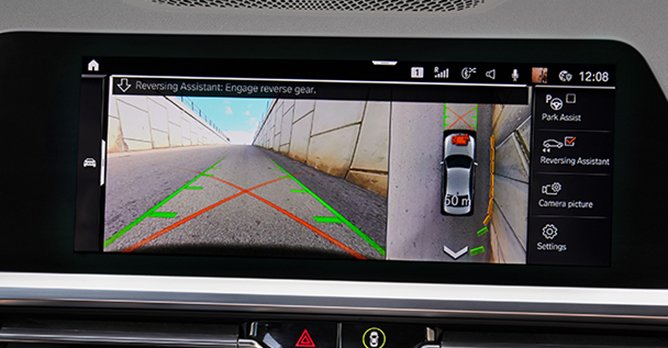
The new 3 Series also features the Reversing Assistant - the car remembers the last 50m travelled, and can autonomously reverse itself with the driver only required to operate the brakes. This is especially useful when caught on a narrow dead-end one-way street, or when faced with on-coming traffic on a narrow road.
The 3 Series also comes equipped with the BMW Intelligent Personal Assistant. On top of responding to voice commands to operate a wide number of tasks (such as finding the nearest Starbucks or checking your oil levels), you can also rename the system to any (three-word or fewer) name of your choosing.
There will also be three diesel engines offered - a 147bhp four-cylinder in the 318d, a 187bhp four-cylinder in the 320d, and a 261bhp six-cylinder engine in the 330d. Additionally, two more engine variants will be introduced in July 2019.
The BMW 330e features the brand's latest plug-in hybrid technology, and offers a maximum electric range of 60km. Also, a high-performance M340i xDrive variant will be introduced, powered by a 3.0-litre straight-six engine producing 369bhp and 500Nm of torque.
Stay tuned for our first impressions of the BMW 330i, the BMW 320d, as well as a pre-production M340i prototype.
Or watch or video review of the BMW 320i M Sport as tested in Singapore!