Apart from speeding, which the company aims to help combat with a top speed limit, intoxication and distraction are two other primary areas of concern for traffic safety. Together, these three areas constitute the main 'gaps' towards Volvo Cars' vision of a future with zero traffic fatalities, and require a focus on human behaviour in the company's safety work as well.
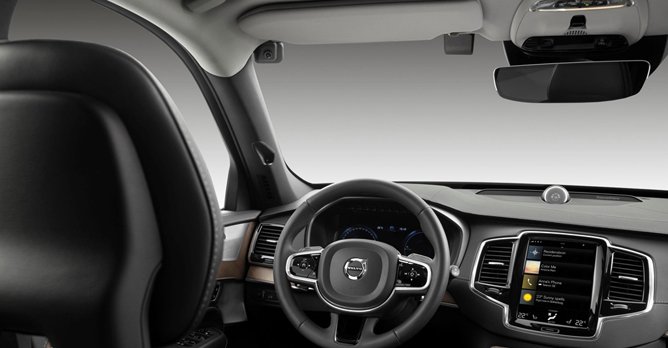

The in-car cameras show how carmakers can take an active responsibility for achieving zero traffic fatalities
Volvo Cars believes intoxication and distraction should be addressed by installing in-car cameras and other sensors that monitor the driver and allow the car to intervene if a clearly intoxicated or distracted driver does not respond to warning signals and is risking an accident involving serious injury or death.
That intervention could involve limiting the car's speed, alerting the Volvo On Call assistance service and, as a final course of action, actively slowing down and safely parking the car.
Examples of such behaviour include a complete lack of steering input for extended periods of time, drivers who are detected to have their eyes closed or off the road for extended periods of time, as well as extreme weaving across lanes or excessively slow reaction times.
A driver-monitoring system as described above is an important element of allowing the car to actively make decisions in order to help avoid accidents that could result in severe injuries or death.
Introduction of the cameras on all Volvo models will start on the next generation of Volvo's scalable SPA2 vehicle platform in the early 2020s. Details on the exact amount of cameras and their positioning in the interior will follow at a later stage.