Nissan sets carbon-neutral goal for 2050
29 Jan 2021|1,642 views
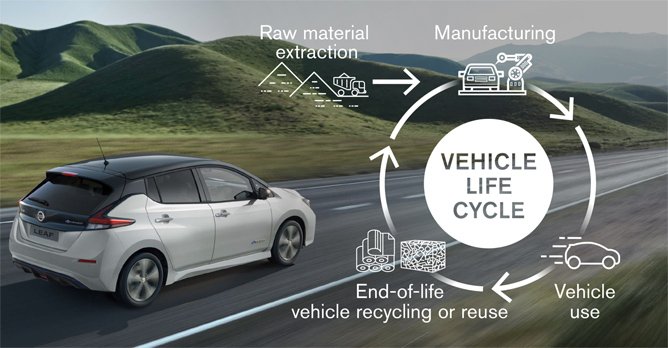
Nissan has set the goal to achieve carbon neutrality across the its operations and the life cycle of its products by 2050.
Nissan will pursue further innovations in electrification and manufacturing technology to make progress on the company's carbon neutrality goal in a few strategic areas.
These include the development of battery technologies including solid-state and related technologies to develop cost-competitive and more efficient electric vehicles and the further development of Nissan's e-POWER electrified powertrains to achieve greater energy efficiency.
Also planned is the development of a battery ecosystem to support decentralised, onsite power generation for buildings with renewable energy sources. To this end, Nissan anticipates increased collaboration with the energy sector to support the decarbonisation of power grids.
Finally, Nissan plans to develop manufacturing process innovations to support higher productivity in vehicle assembly, starting with the Nissan Intelligent Factory initiative. The company will also strive for greater energy and material efficiencies to support longer-term carbon neutrality ambitions.
Nissan's goal builds on its decades-long programmes to reduce emissions and provide electric vehicle technologies that benefit the environment and society. The company's electrification and emissions reduction efforts support the aims of the U.N. Paris Agreement on climate change and global progress toward carbon neutrality by 2050.
With 100% of all new vehicle offerings to be electrified in the key markets of Japan, China, the U.S.A and Europe by the early 2030s, Nissan will also be among the leaders in driving the adoption of electric vehicle technology.
Nissan believes the automotive industry can be a driving force in meeting global environmental and climate needs through a commitment to innovation and impact reduction by collaborating with authorities and partners worldwide. When combined with the expansion of renewable energy and charging infrastructure, vehicle electrification and sustainable operations can help accelerate the arrival of a carbon neutral future.
Nissan has set the goal to achieve carbon neutrality across the its operations and the life cycle of its products by 2050.
Nissan will pursue further innovations in electrification and manufacturing technology to make progress on the company's carbon neutrality goal in a few strategic areas.
These include the development of battery technologies including solid-state and related technologies to develop cost-competitive and more efficient electric vehicles and the further development of Nissan's e-POWER electrified powertrains to achieve greater energy efficiency.
Also planned is the development of a battery ecosystem to support decentralised, onsite power generation for buildings with renewable energy sources. To this end, Nissan anticipates increased collaboration with the energy sector to support the decarbonisation of power grids.
Finally, Nissan plans to develop manufacturing process innovations to support higher productivity in vehicle assembly, starting with the Nissan Intelligent Factory initiative. The company will also strive for greater energy and material efficiencies to support longer-term carbon neutrality ambitions.
Nissan's goal builds on its decades-long programmes to reduce emissions and provide electric vehicle technologies that benefit the environment and society. The company's electrification and emissions reduction efforts support the aims of the U.N. Paris Agreement on climate change and global progress toward carbon neutrality by 2050.
With 100% of all new vehicle offerings to be electrified in the key markets of Japan, China, the U.S.A and Europe by the early 2030s, Nissan will also be among the leaders in driving the adoption of electric vehicle technology.
Nissan believes the automotive industry can be a driving force in meeting global environmental and climate needs through a commitment to innovation and impact reduction by collaborating with authorities and partners worldwide. When combined with the expansion of renewable energy and charging infrastructure, vehicle electrification and sustainable operations can help accelerate the arrival of a carbon neutral future.

Latest COE Prices
June 2026 | 1st BIDDING
NEXT TENDER: 17 Jun 2026
CAT A$126,009
CAT B$126,989
CAT C$94,000
CAT E$129,000
View Full Results Thank You For Your Subscription.