Toyota Noah Hybrid vs Nissan Serena e-POWER
16 Dec 2025|20,864 views



Toyota Noah Hybrid
More imposing styling
Better ergonomics all around
Better manoeuvrability, sharper drive
Boasts slight edge still in fuel efficiency
Nissan Serena e-POWER
More understated presence
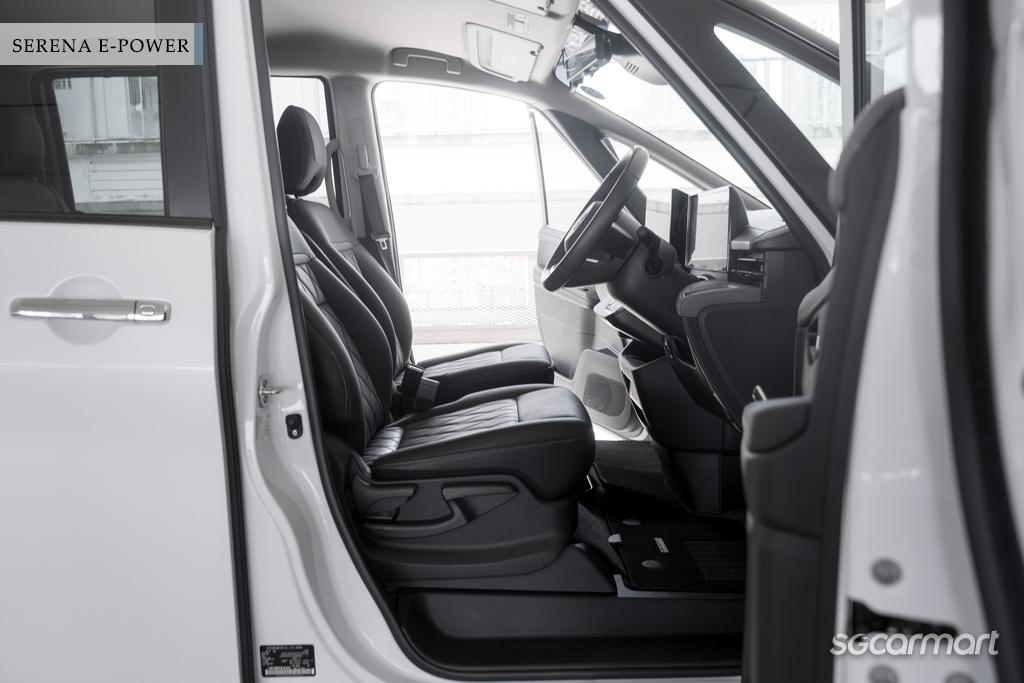
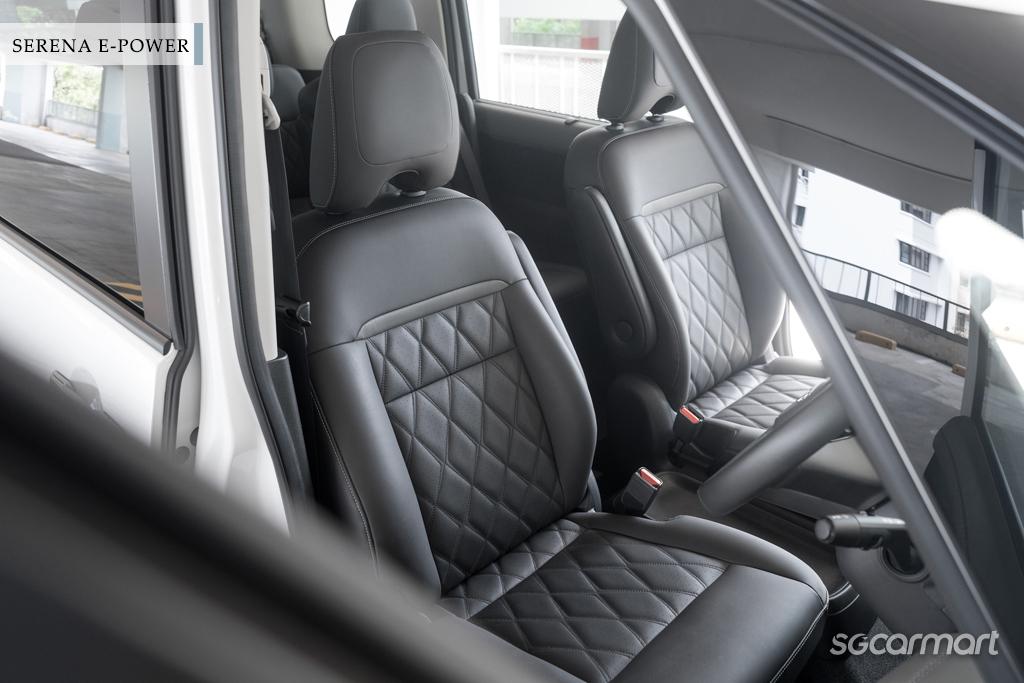
More modern and upmarket cabin
Better equipped across all three rows
Superior drivetrain refinement; commendable fuel efficiency
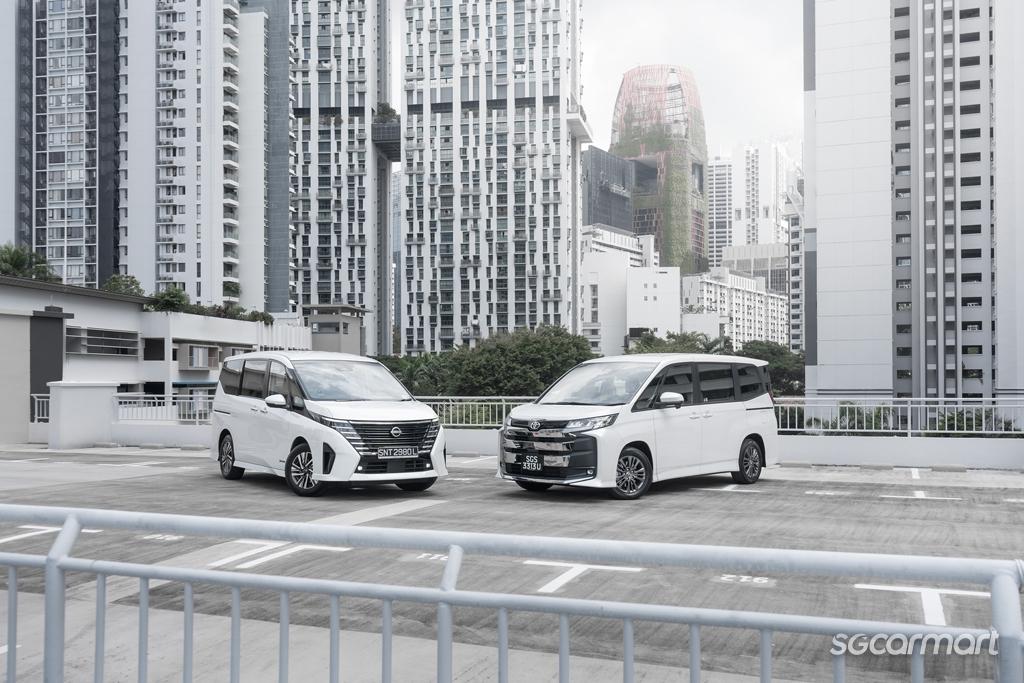
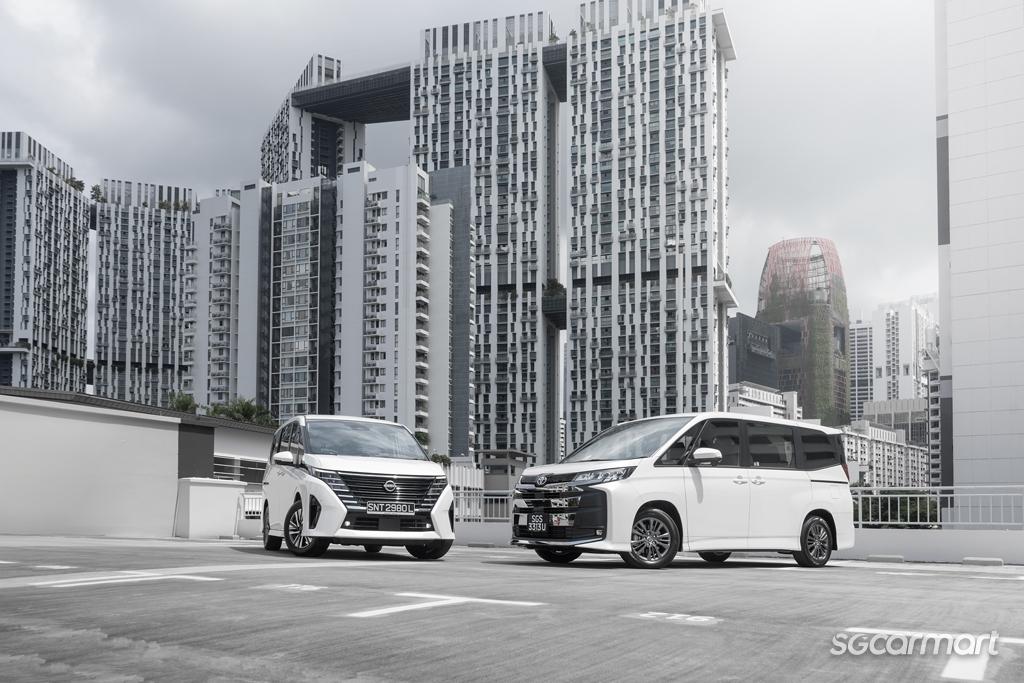
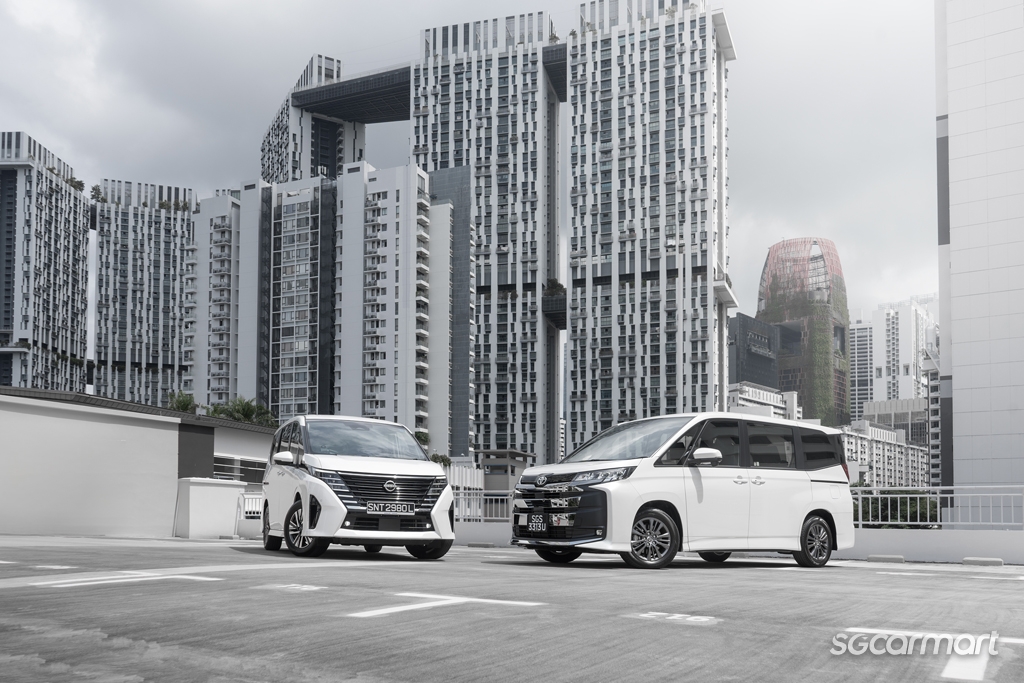
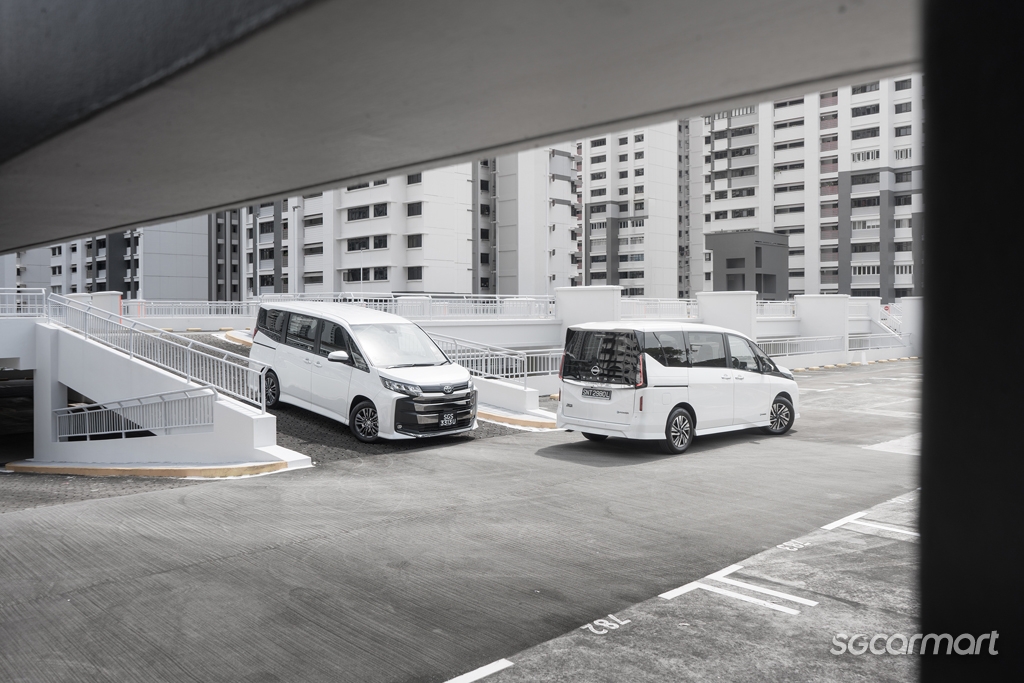
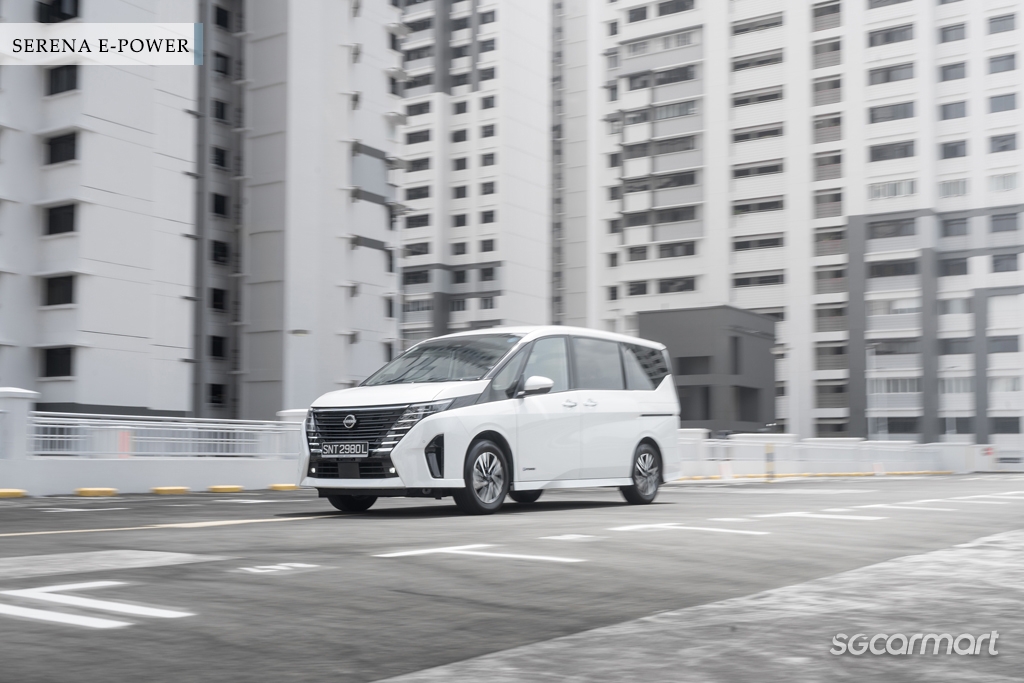
Glistening in the midday sun, million-dollar HDB flats in the background, the two boxes on wheels we've gathered for our group test suddenly call to mind the 'Maxi cabs' that used to sit atop the taxi food chain in Singapore.
We don't get to choose the colours of the cars that we take out, so it feels serendipitous that both loaned to us happen to be in a pure, stark white. In different paintcoats, the memory of those taxis wouldn't have been jolted.
You could argue that in their own right, both the Toyota Noah Hybrid and Nissan Serena e-POWER serve as spiritual successors to those white Mercedes-Benz Vitos.
Both have become massively popular on our roads for their ability to ferry seven relatively comfortably - and thus also become integral parts of the ride-hailing market. And while the chances are that you've had one of these pull up at Changi Airport to take you home after a holiday, they've also become massive hits among private buyers.
Painting differently by the numbers
It's not hard to see why.
Indeed - smaller MPVs like the Toyota Sienta and Honda Freed hold their own charm; seven-seater SUVs have also grown competently roomy over the years. Regardless, no other segment of vehicles can nail the nexus between right-sized footprints, sheer space, and relative affordability quite as perfectly as the mid-sized MPV. Both the Noah Hybrid and Serena e-POWER are full hybrids too (albeit in different rights - more on that later), so there's the added promise of fuel economy here.
The spotlight on the segment, as you may already know, has been renewed lately thanks to the arrival at last of the Noah Hybrid in the showrooms of Toyota's official dealer, Borneo Motors.
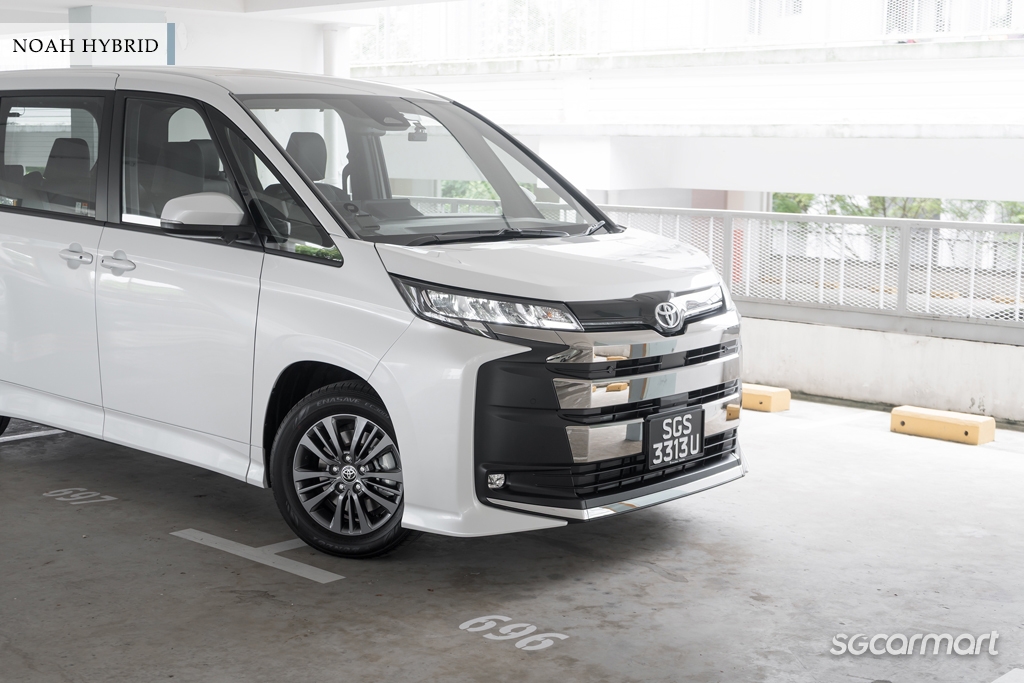
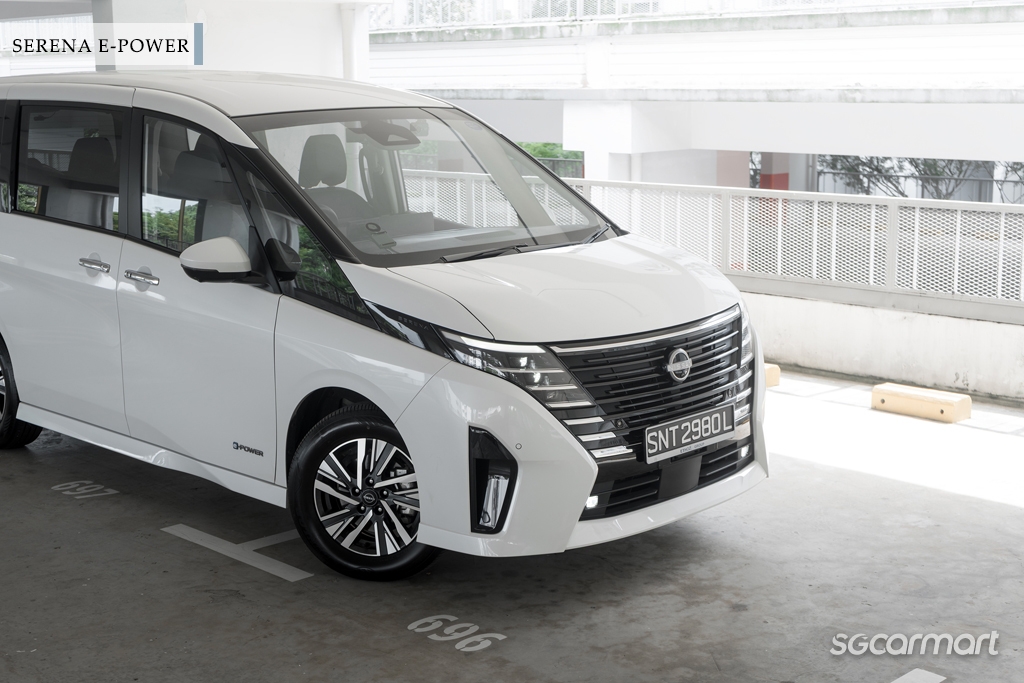
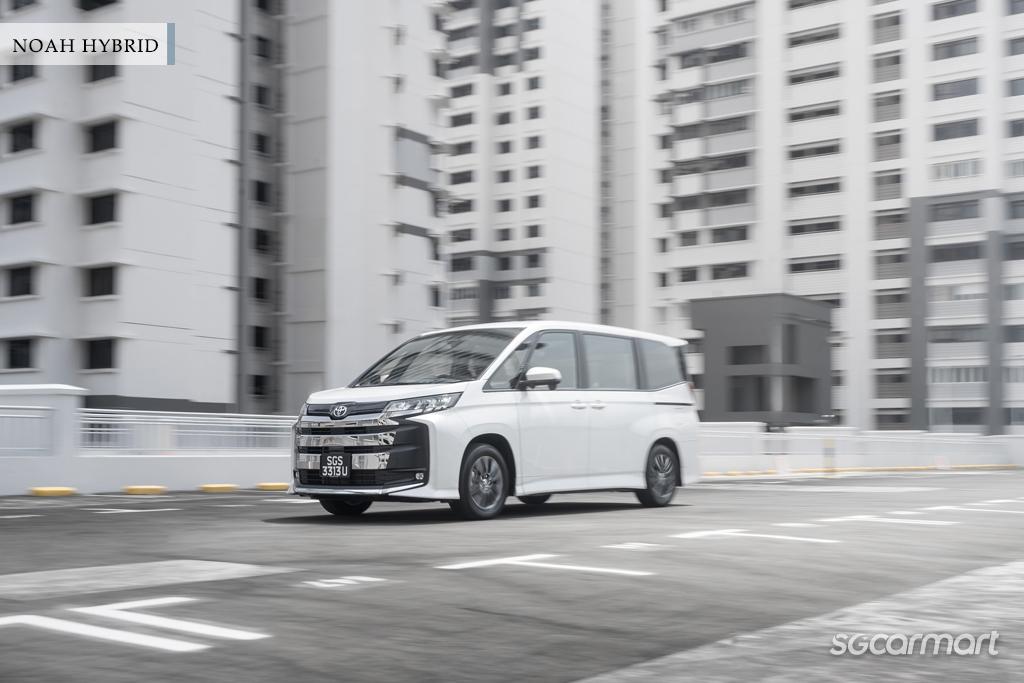
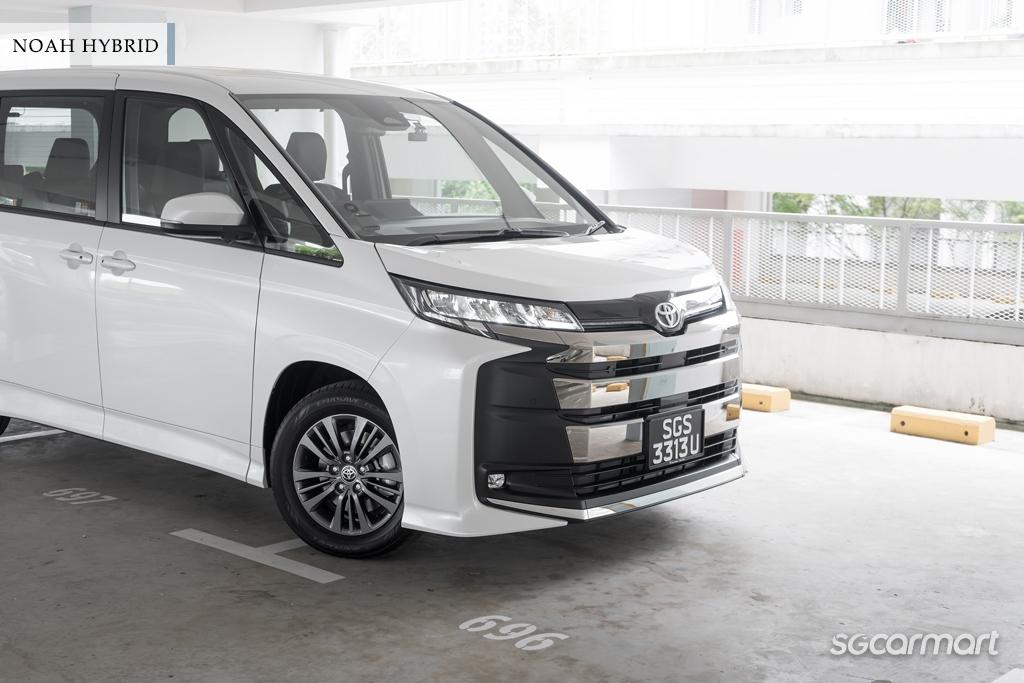
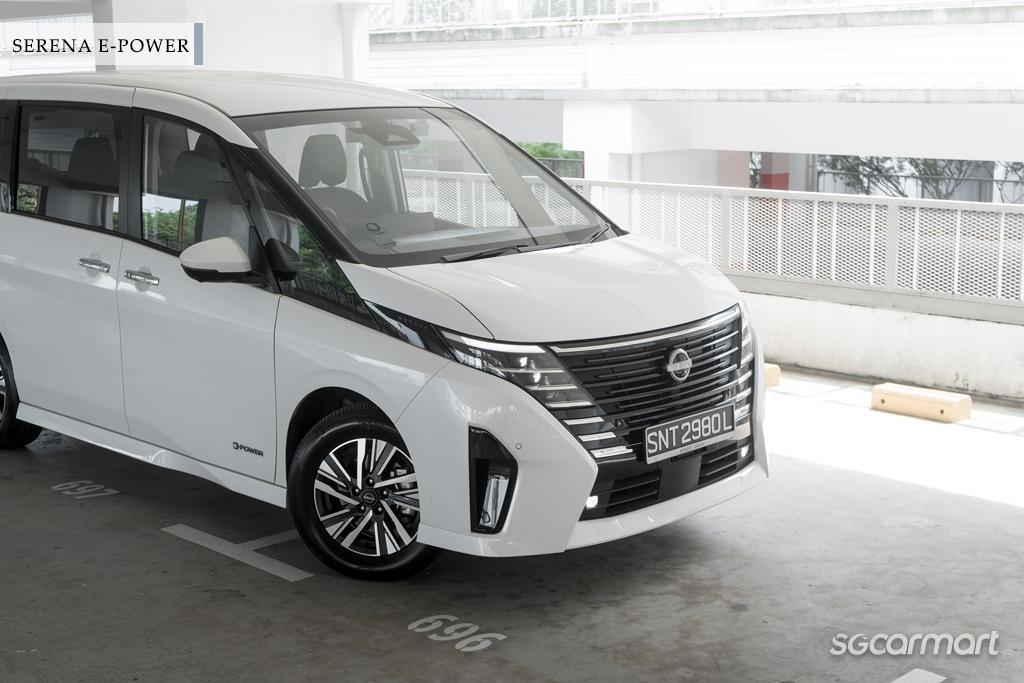
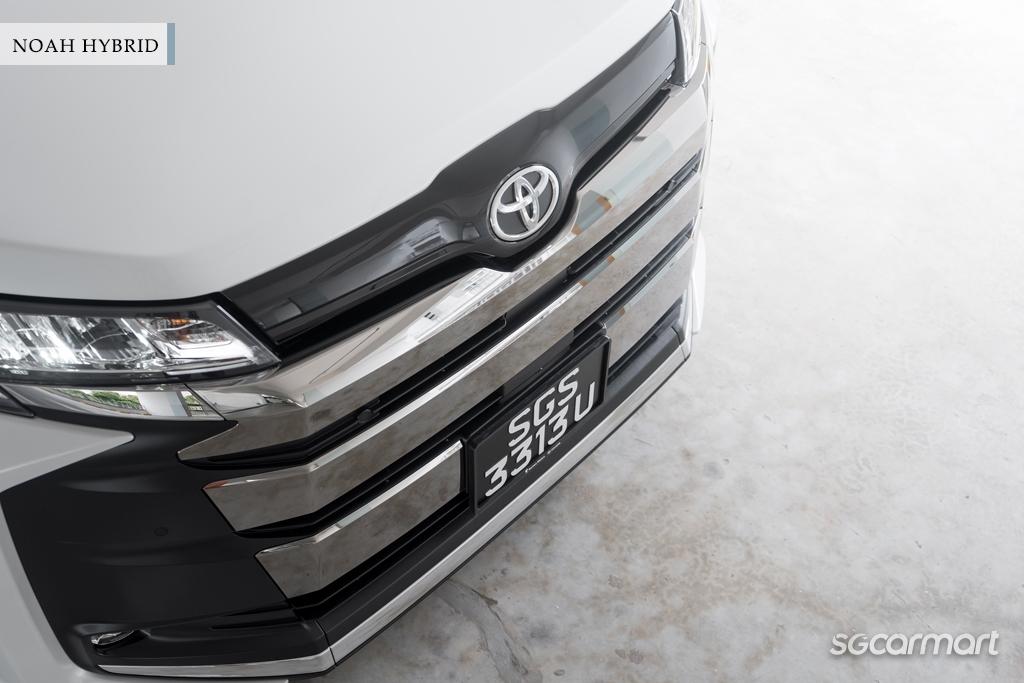
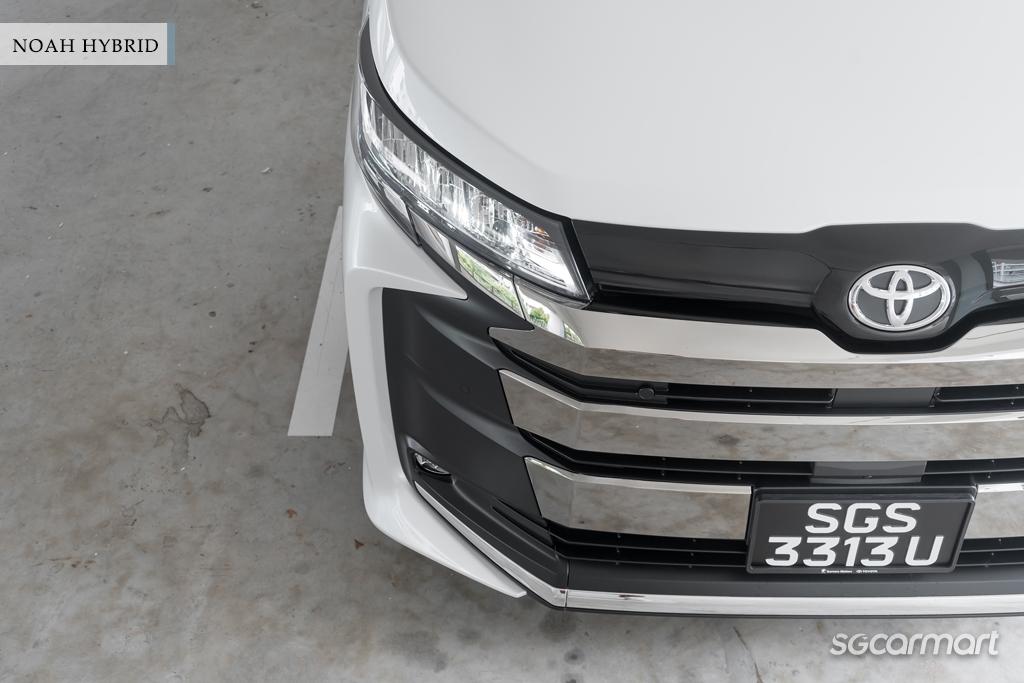
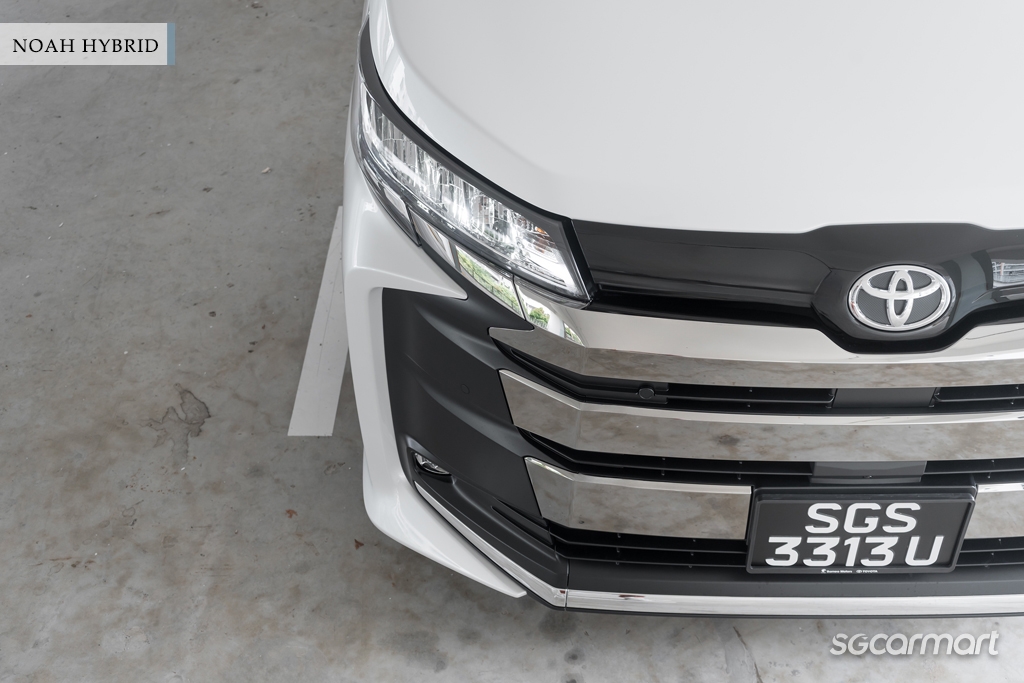
The 'official' Noah's chrome-heavy front is reminiscent of the Toyota Vellfire's, and gives it a bit more presence than the Serena with its V-motion front grille
Considering that the model has been sold by parallel importers for more than a year now, the Noah's face is no longer a foreign one on our roads. Still, it's worth pointing out that 'official' units stand apart slightly.
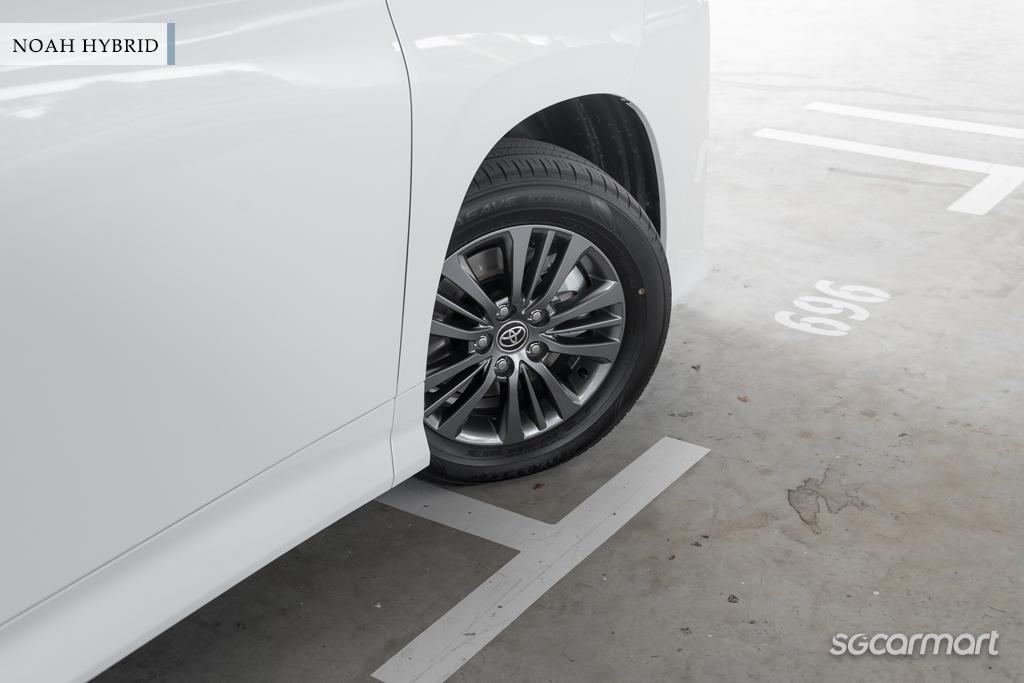
Specced out in one of the higher trim levels made available by Toyota, this Noah rides on tastier, glossy 16-inch aluminium rims, and gets what Borneo Motors calls an aero kit (side skirts, specific front and rear bumpers).
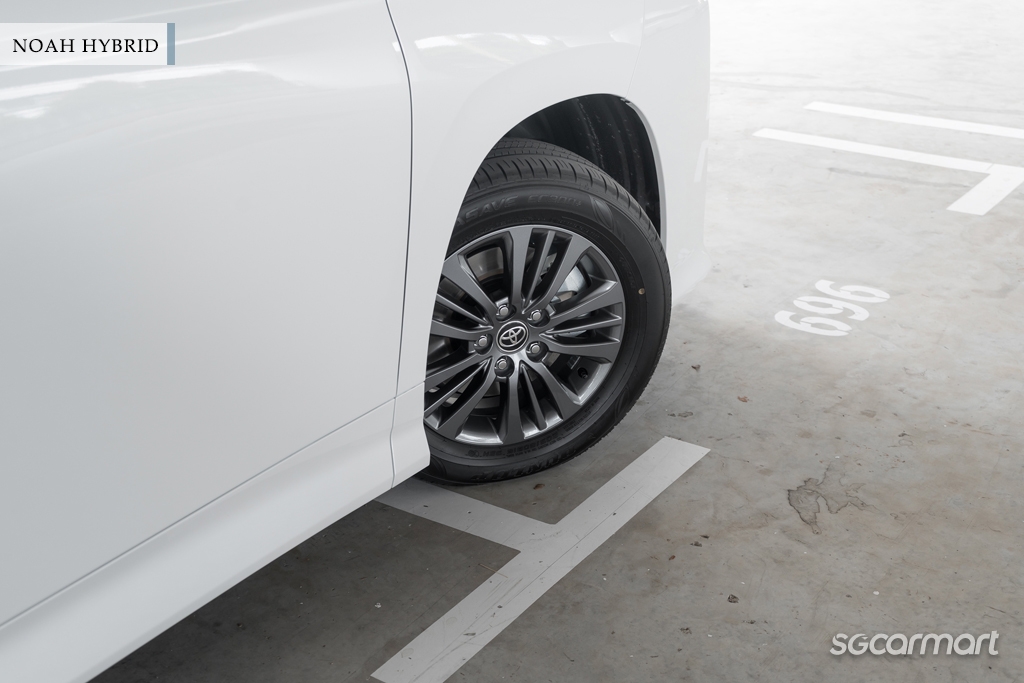
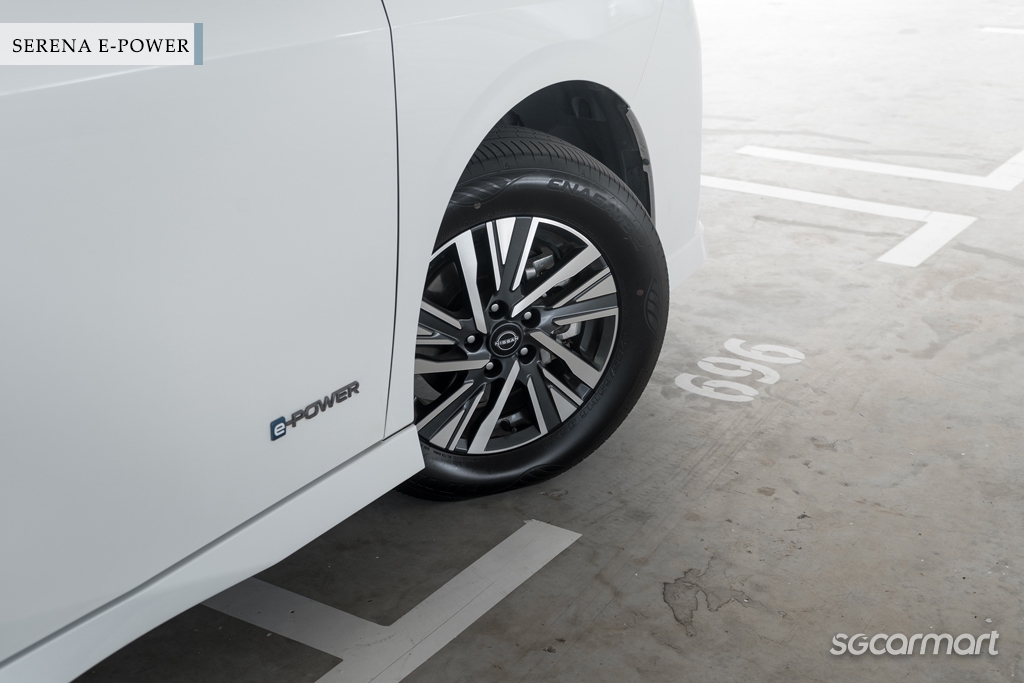
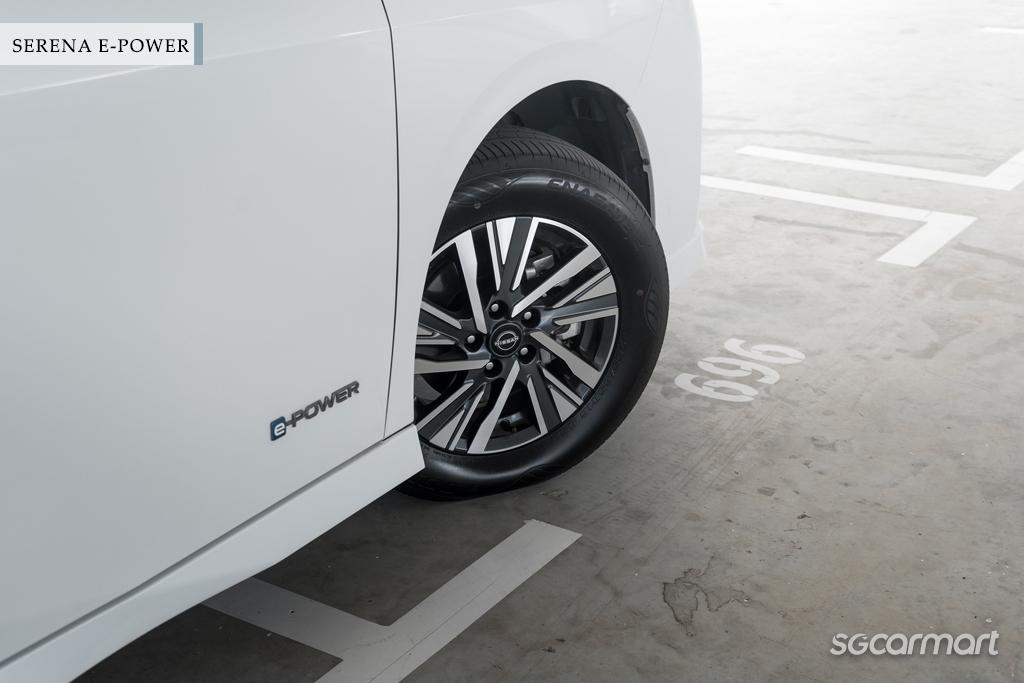
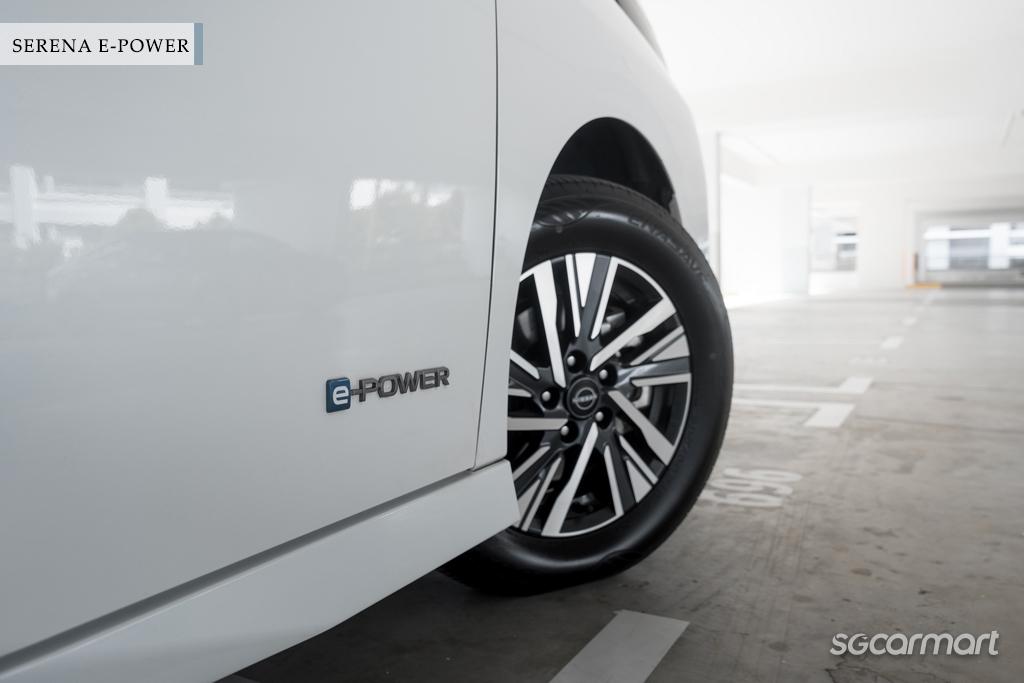
Both cars ride on 16-inch wheels, although the Serena gets slightly higher profile tyres
Taking a leaf out of the styling book of its larger and more luxurious sibling (the sublime Vellfire), most notable are the thick and shiny chrome slats on the Noah's front end. You don't expect a mid-sized MPV to boast such presence, but the Noah does, with its upright nose and bling-y front grille.
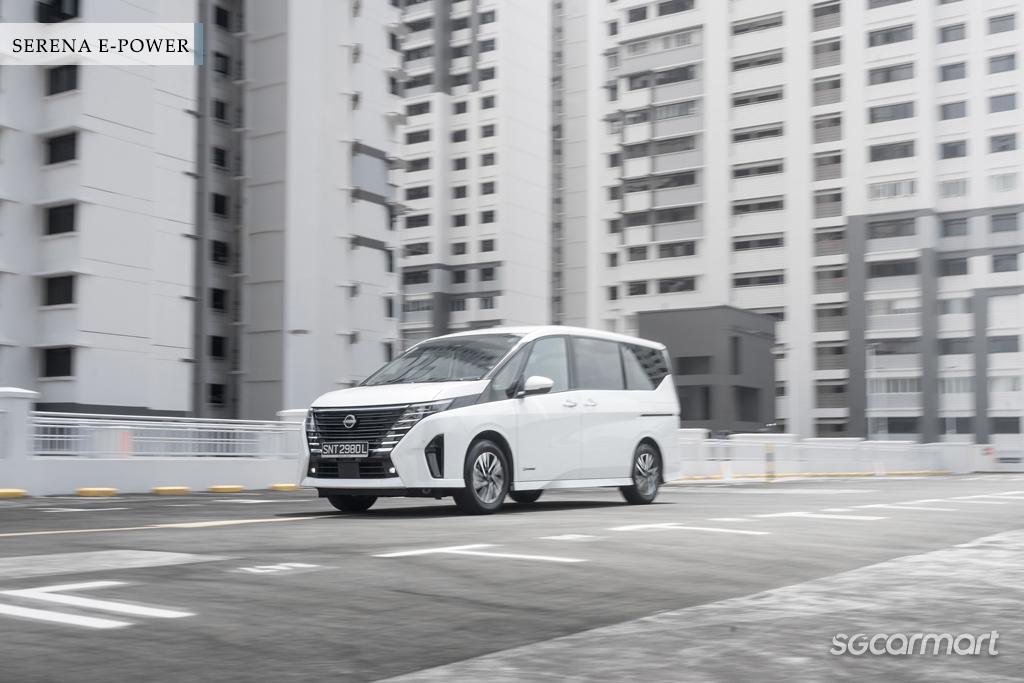
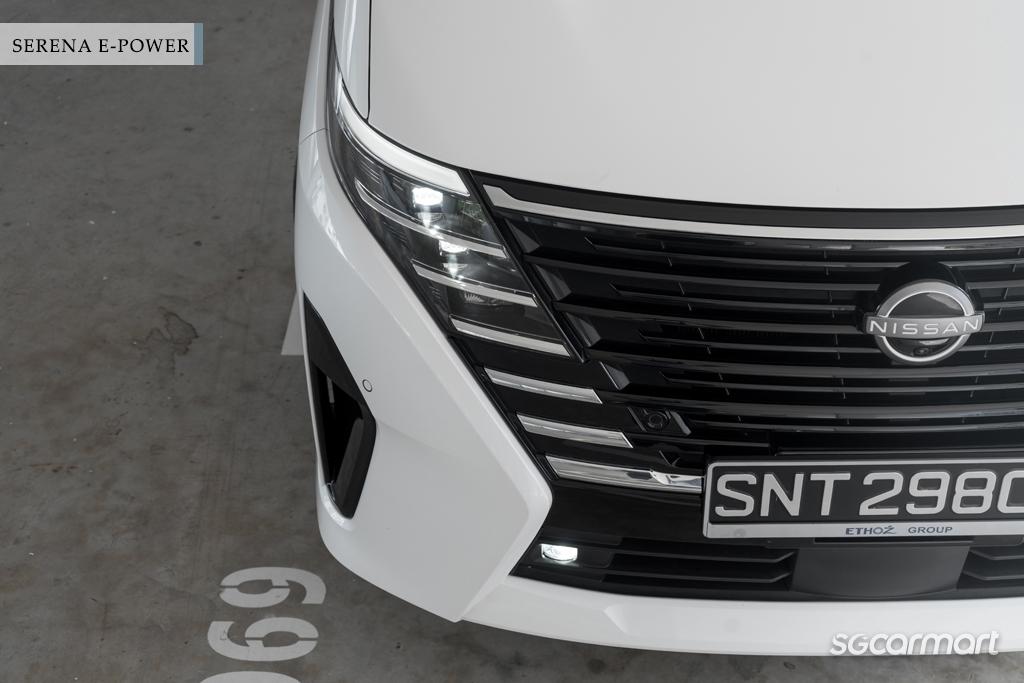
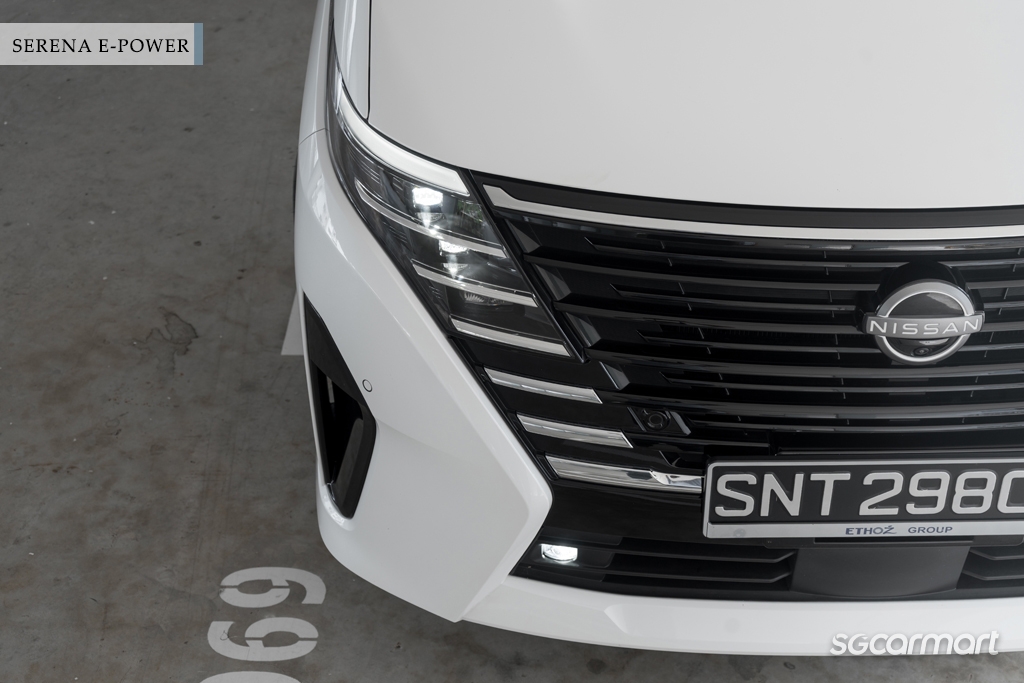
Parked next to it, the Serena feels softer, and far more understated. Its new interpretation of Nissan's signature 'V-Motion' aesthetic, consisting now of stacked horizontal elements that neatly blend the head lights in, may be an acquired taste (one that I've grown to savour quite a bit, actually). But it's an undeniably modern take on a modern MPV - far less garish than its predecessor.
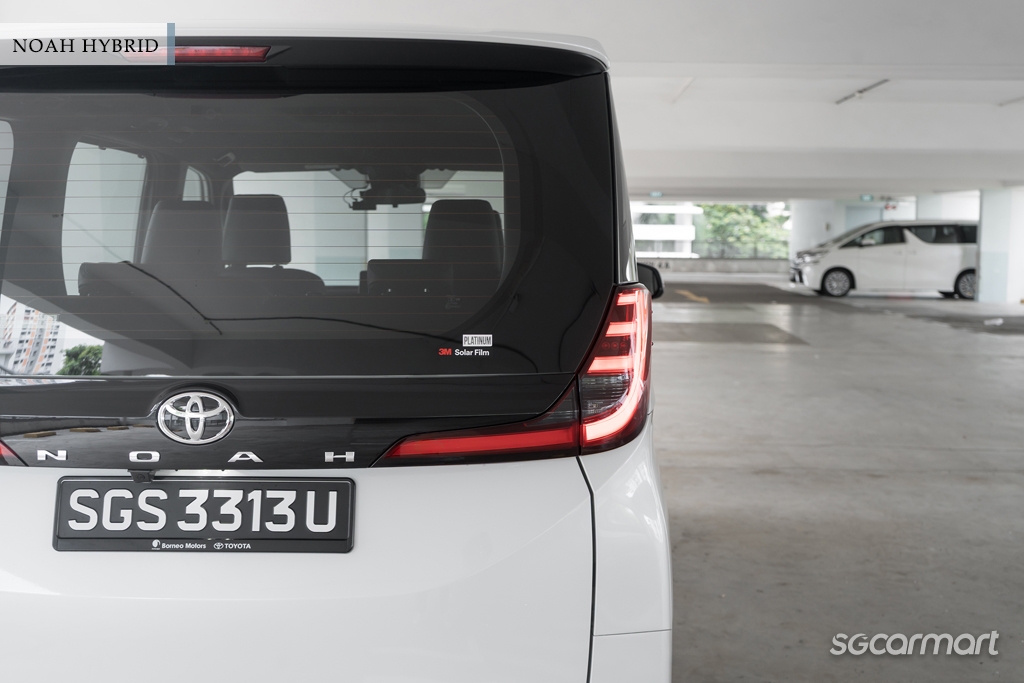
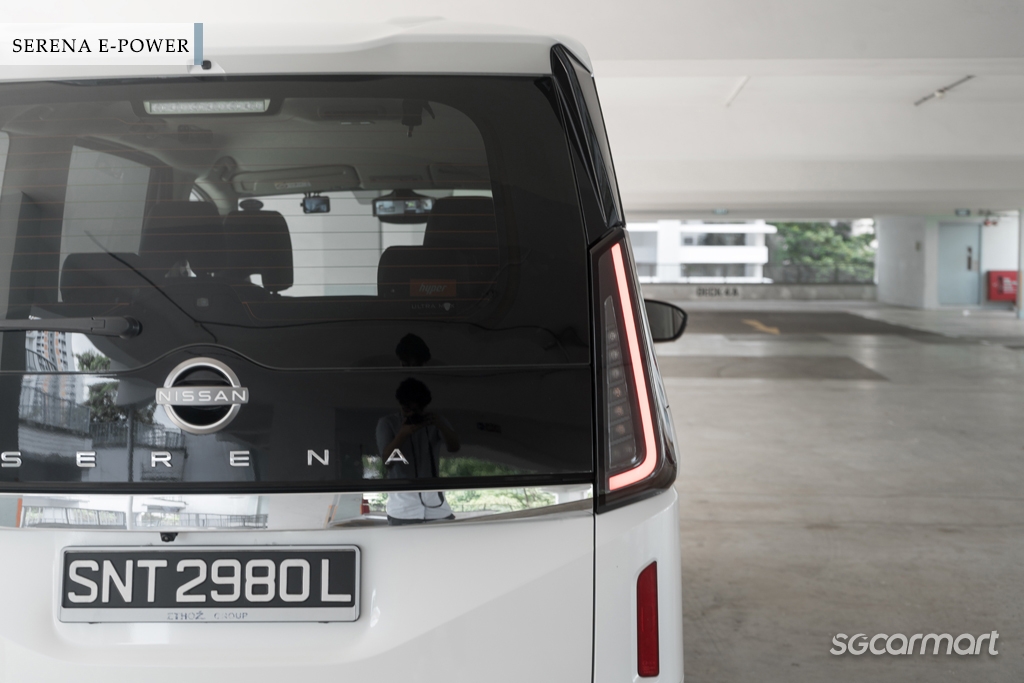
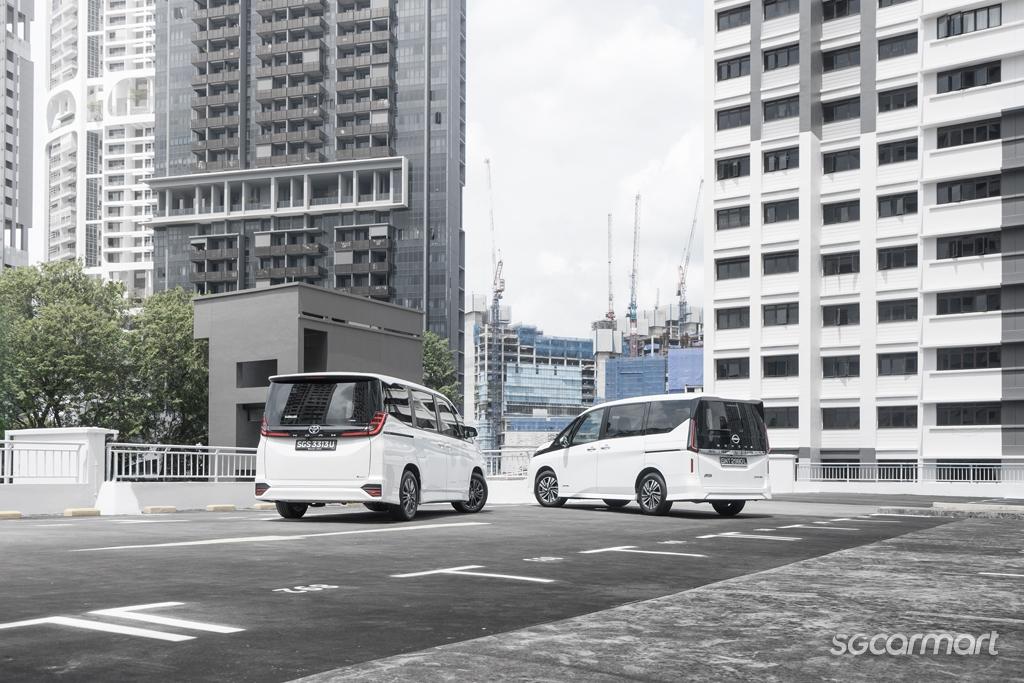
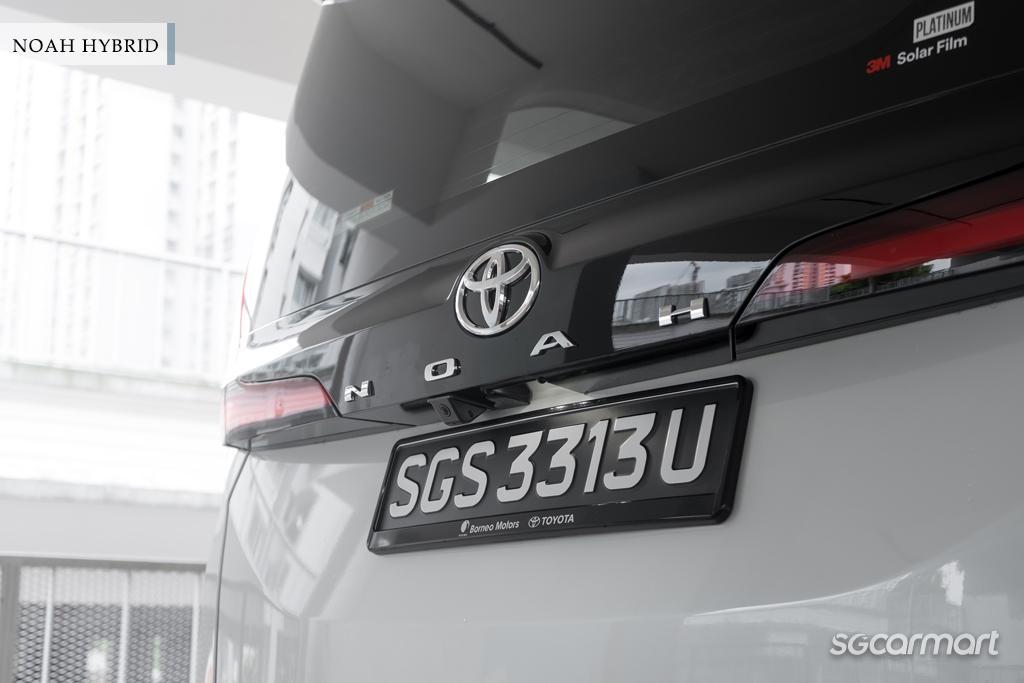
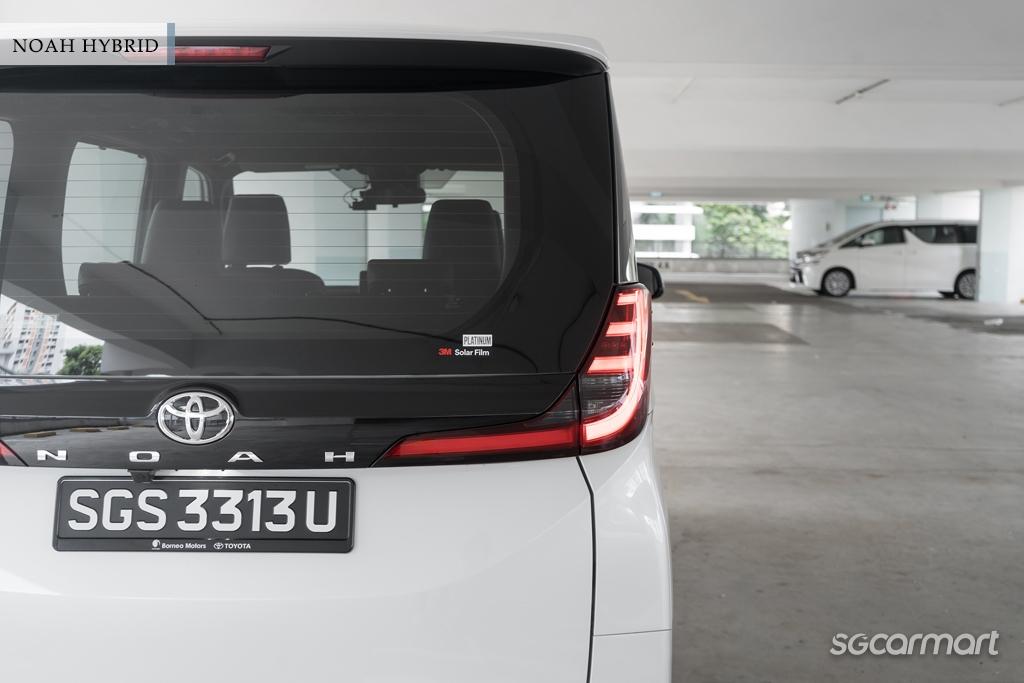
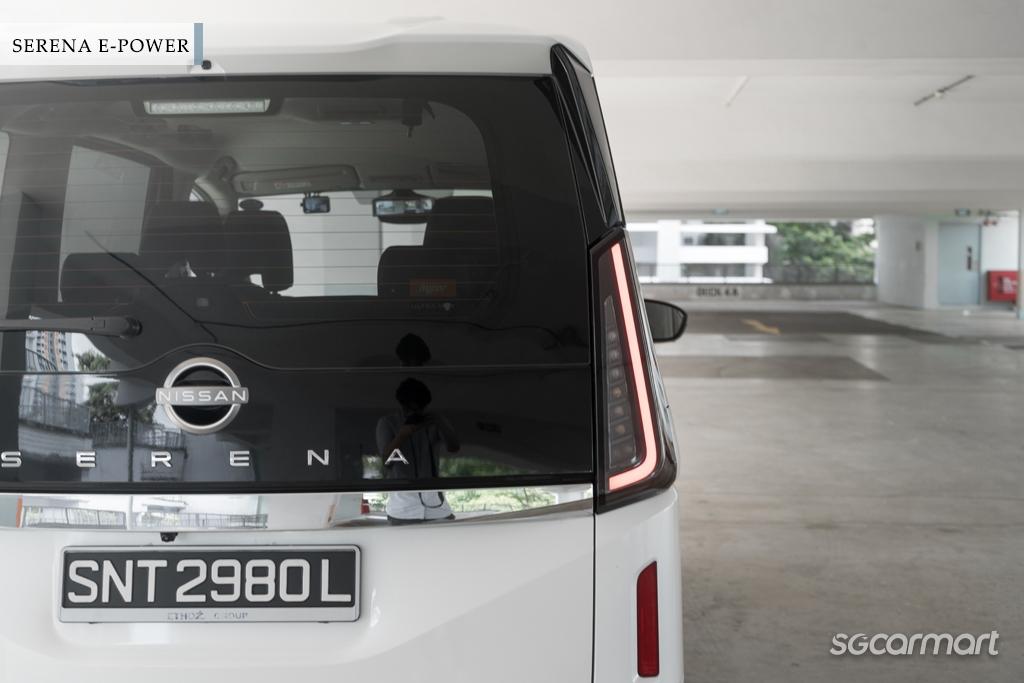
The Serena's rear end is a sleeker affair, with its slimmer and cleaner-looking tail lamps
From the front, it doesn't lean as heavily into the blocky aesthetic of the Noah too, with its slanted snout - though come round to the side, and its minivan silhouette is more pronounced with its added height (25mm more than the Noah).
The Serena also gets a standard body kit in Singapore, which gives it side skirts and a tasty rear spoiler (whatever that could do to the performance of a blocky MPV) for extra visual sharpness. Speaking of which, the Serena's rear-end is also a sleeker affair than the Noah's, with its slimmer tail lights.
Finally, we're splitting hairs here, but colours do matter to the private buyer. In this regard, the Serena has the upper hand with its more diverse official colour palette (eight different selections!), which even includes dual-tone options. With the Noah, however, you're limited to just white, silver and black.
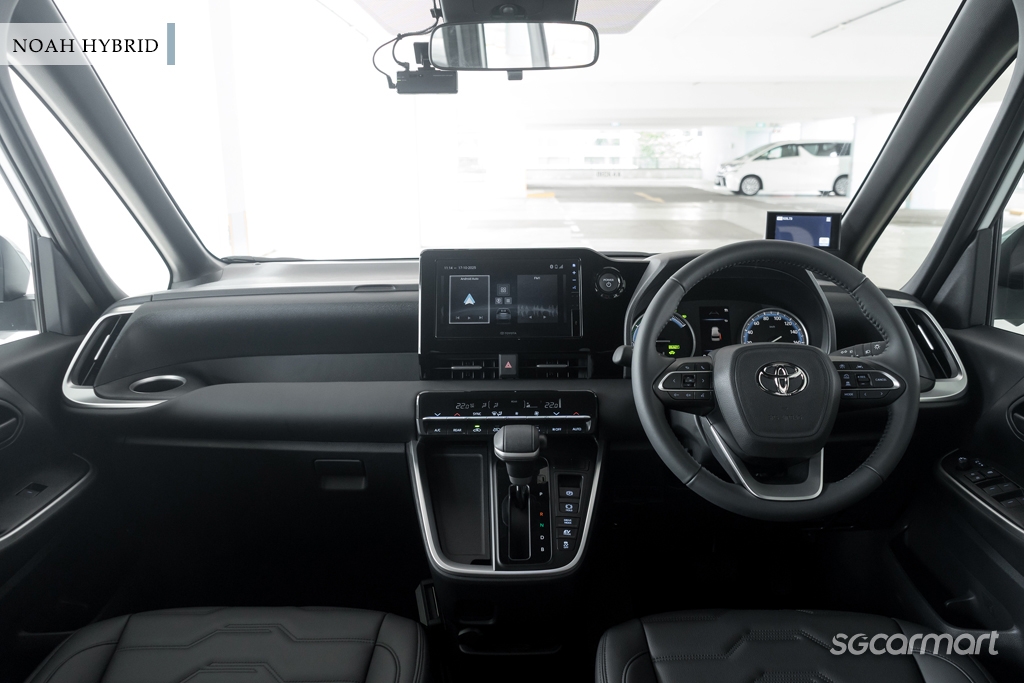
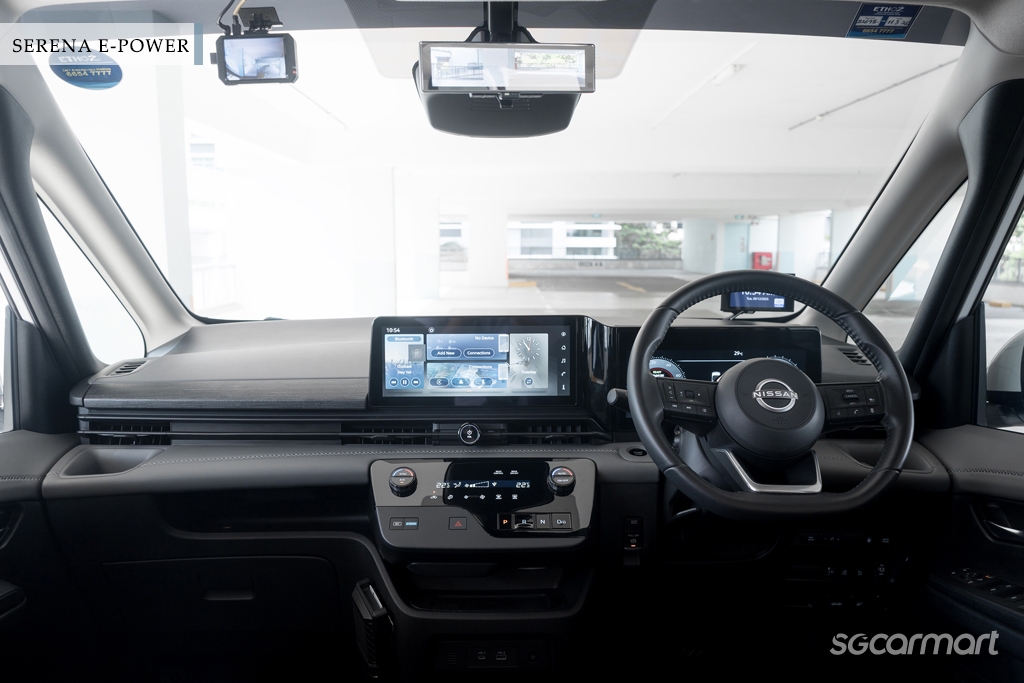
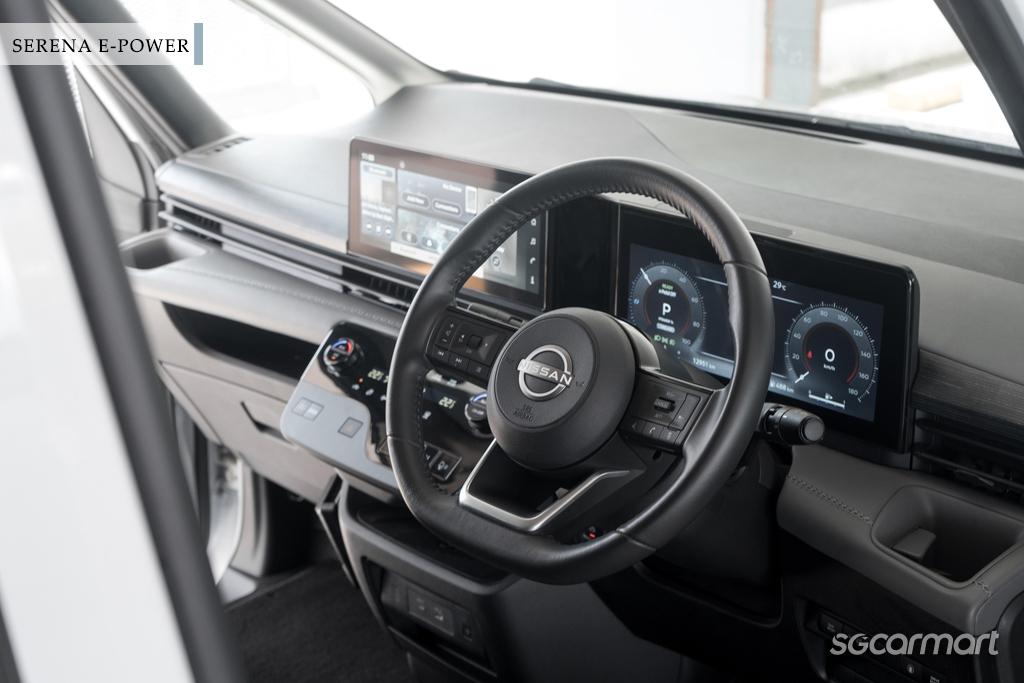
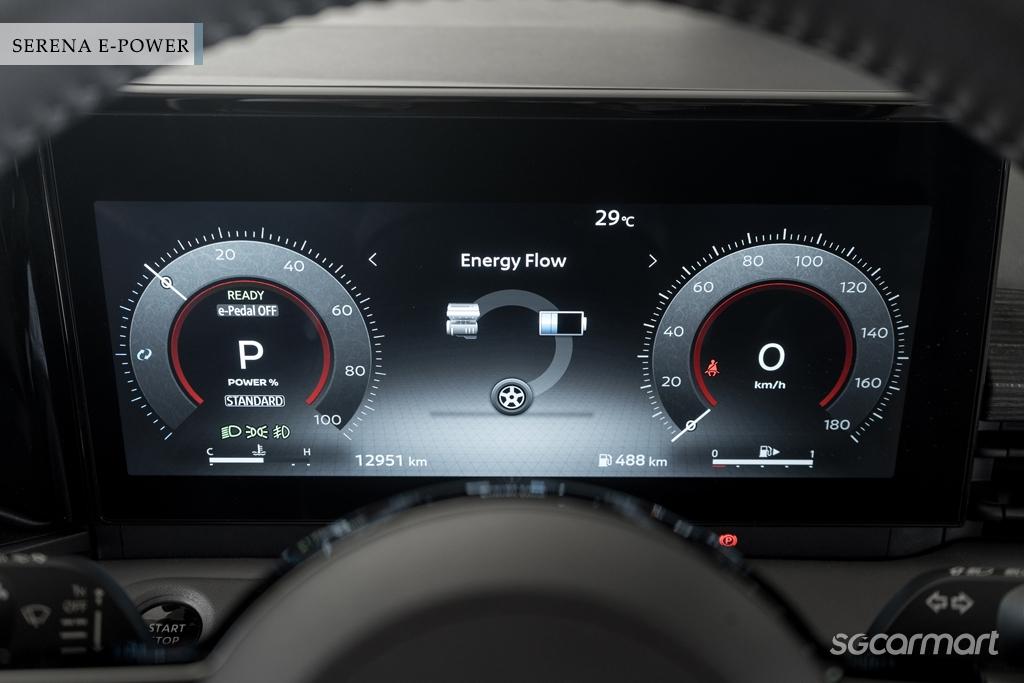
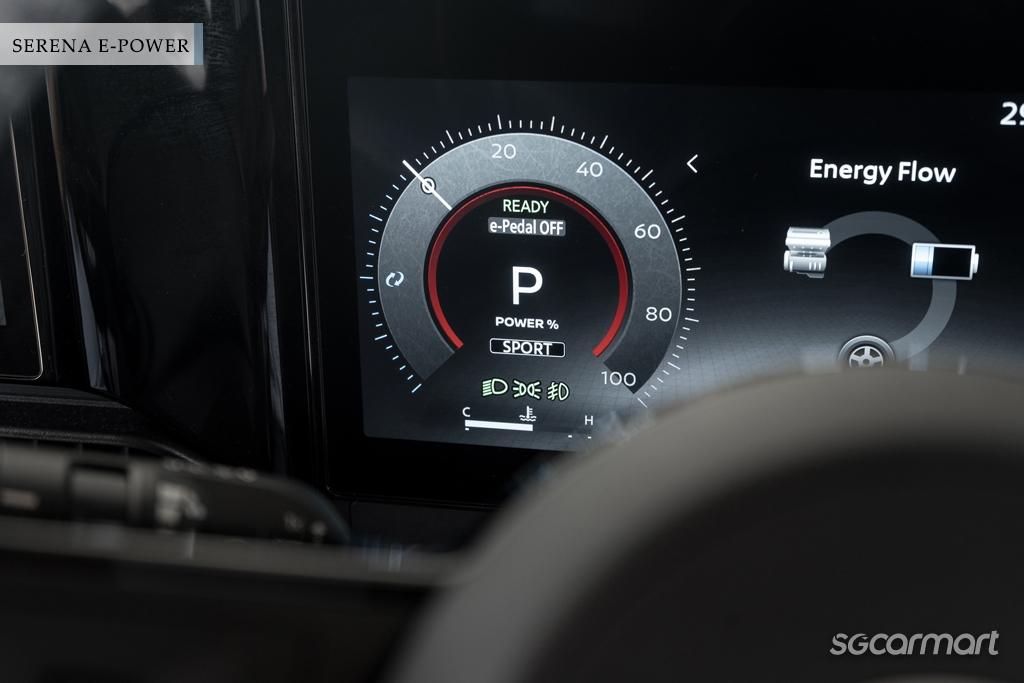
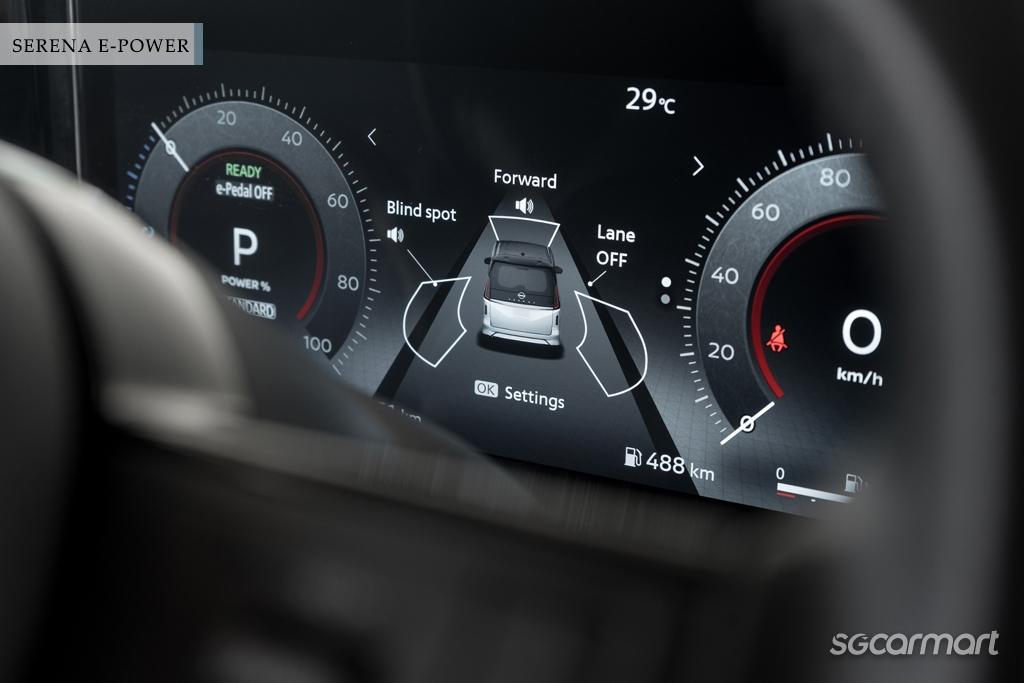
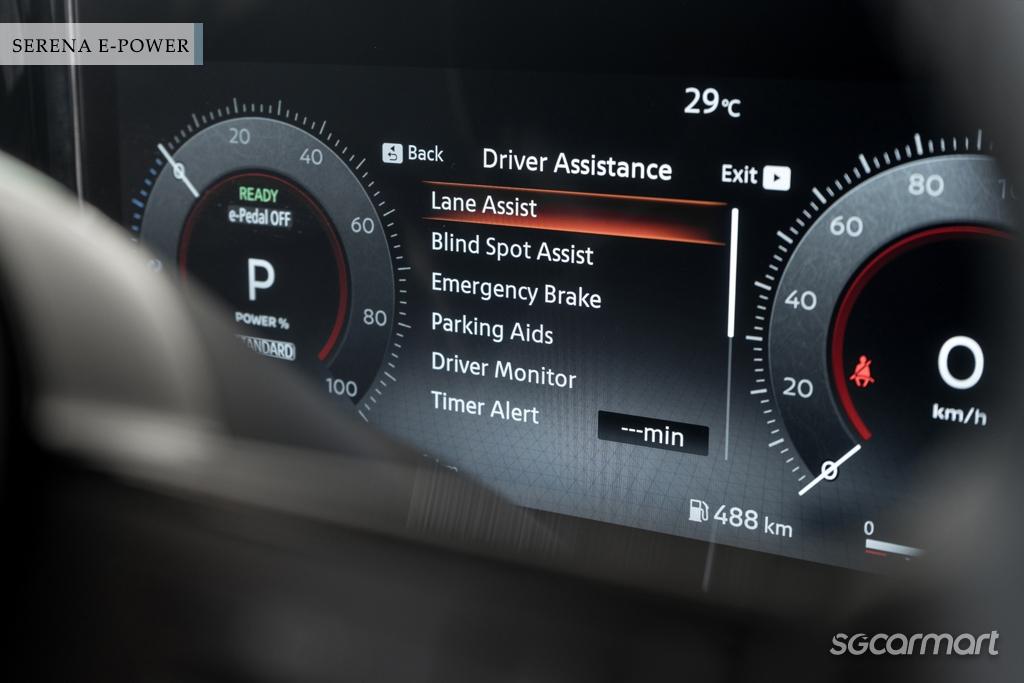
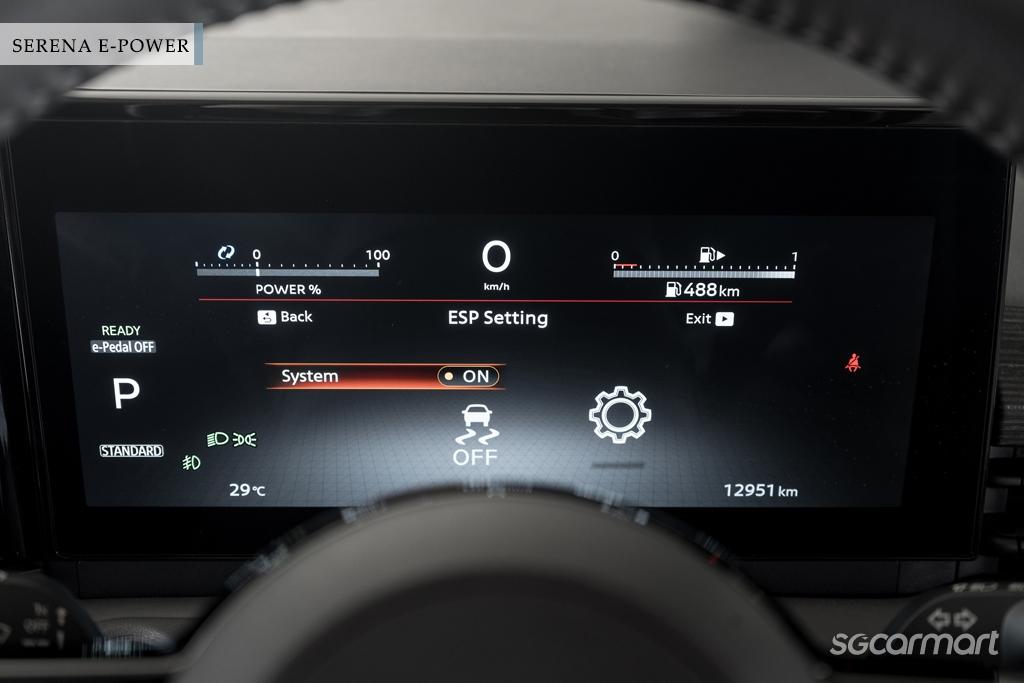
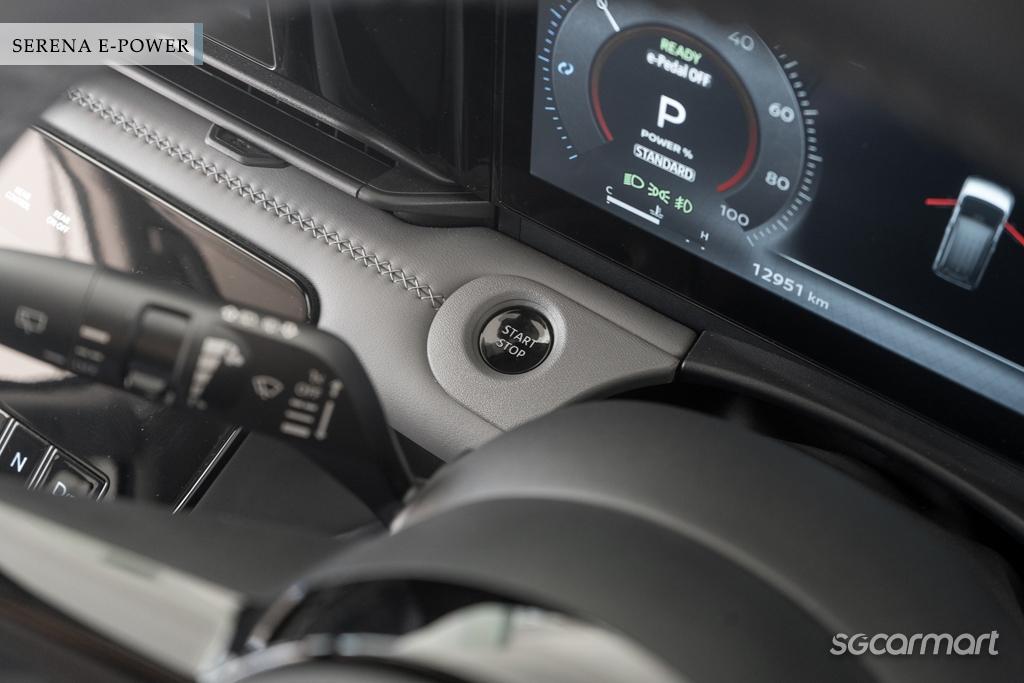
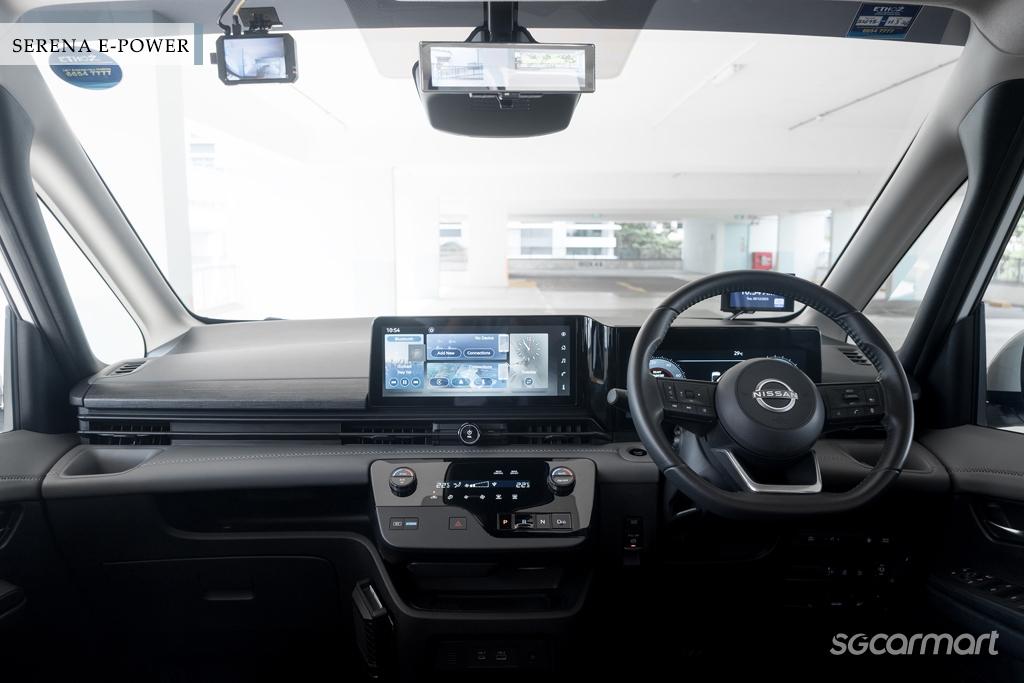
The Serena's cabin is undeniably the more modern of the two, with its full-digital layout
Interestingly, that instant wow factor is flipped for both cars on the inside, where the Serena instantly feels like the more modern machine.
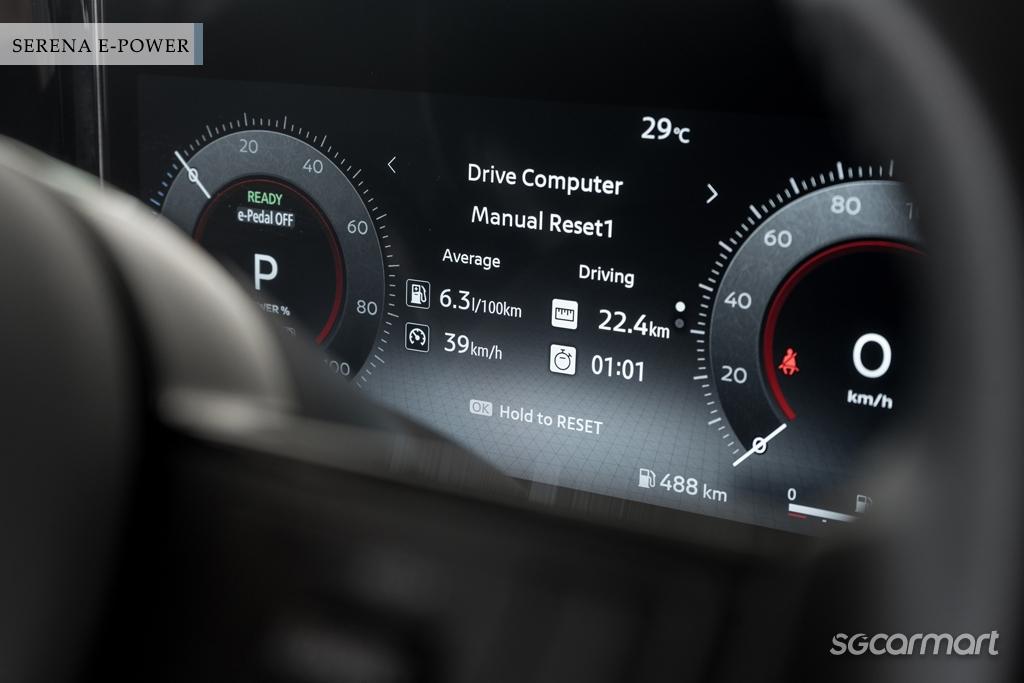
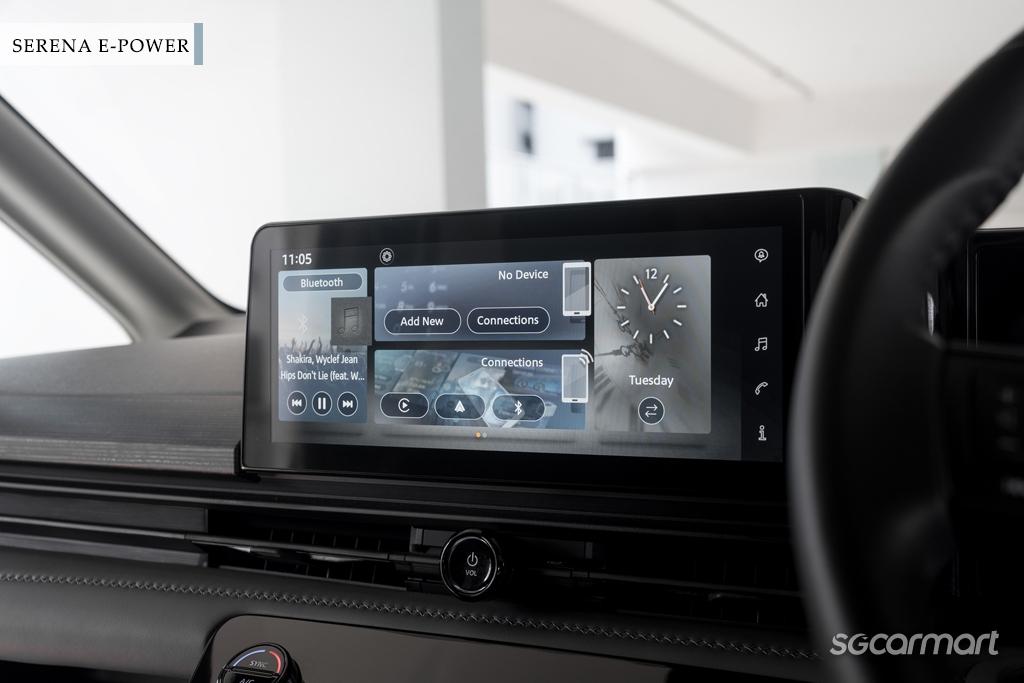
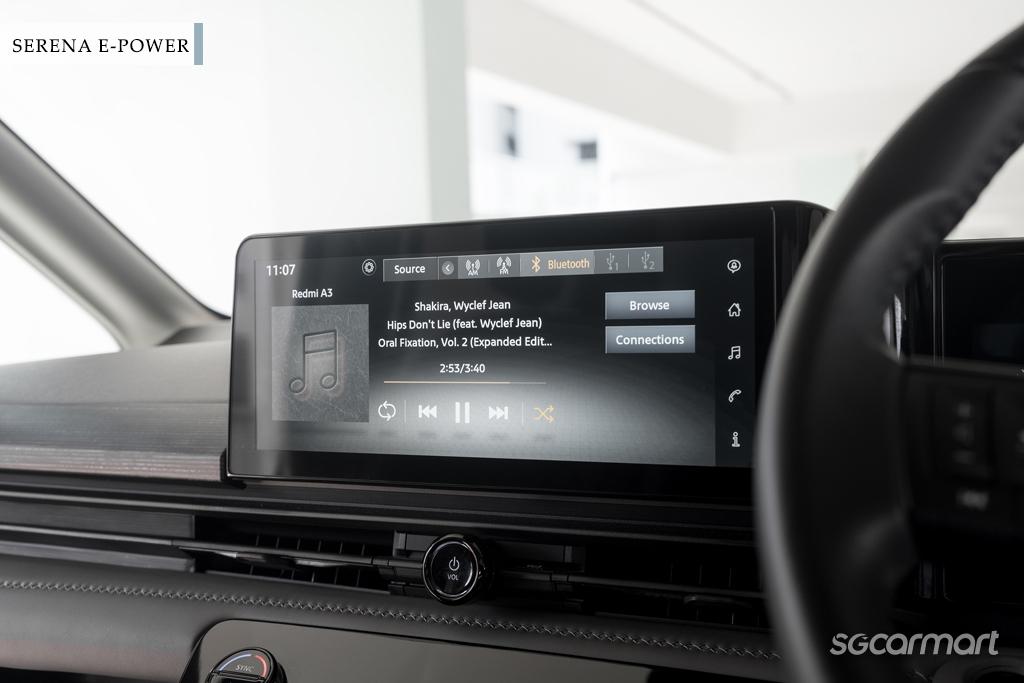
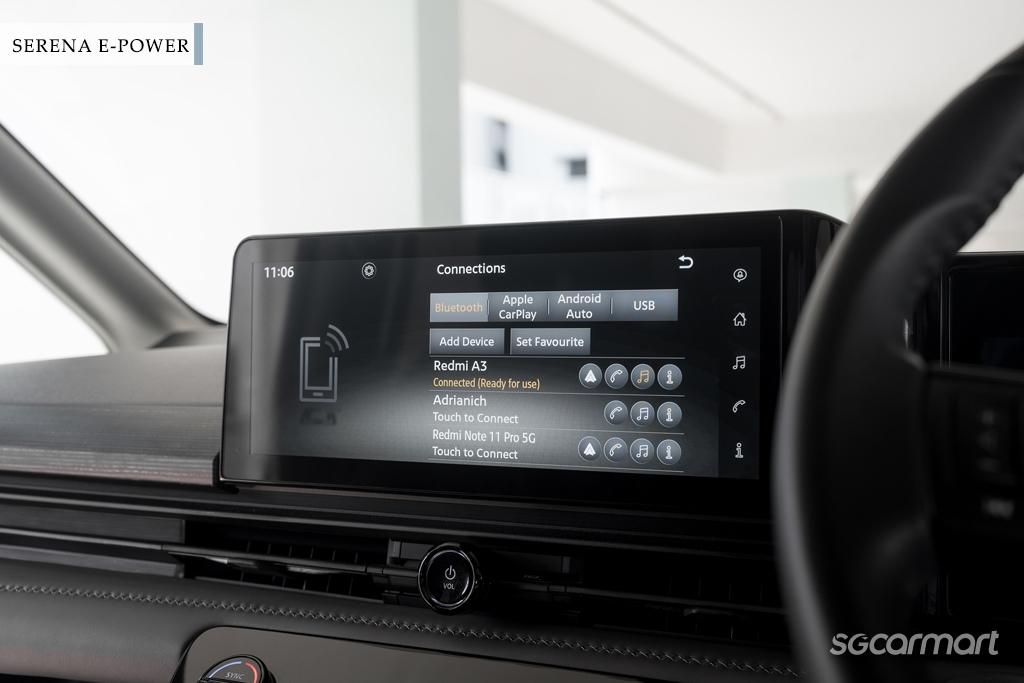
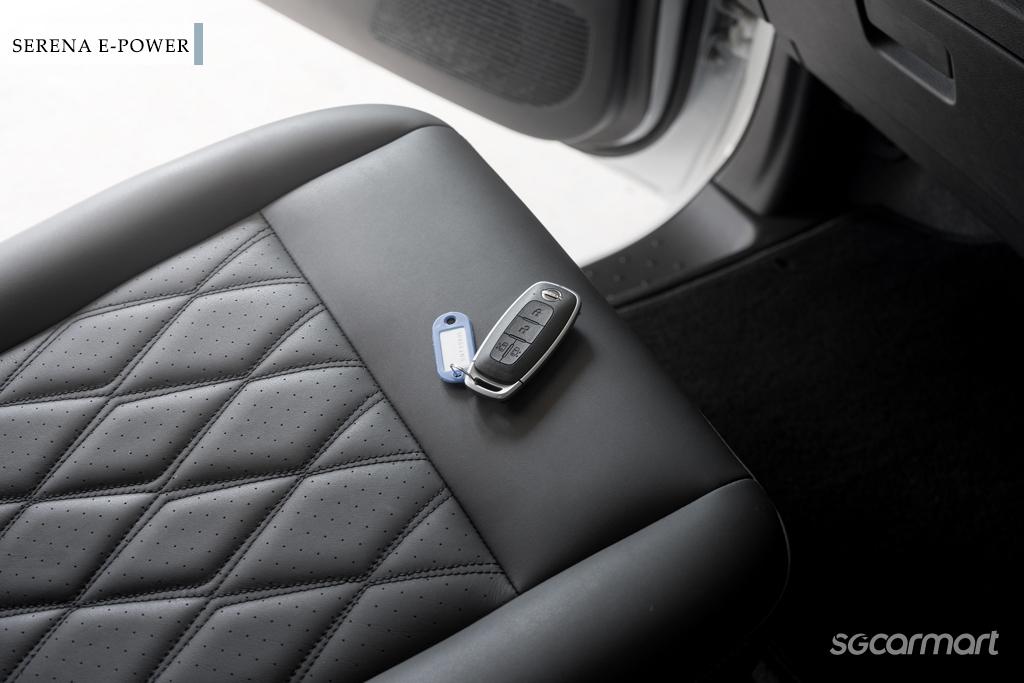
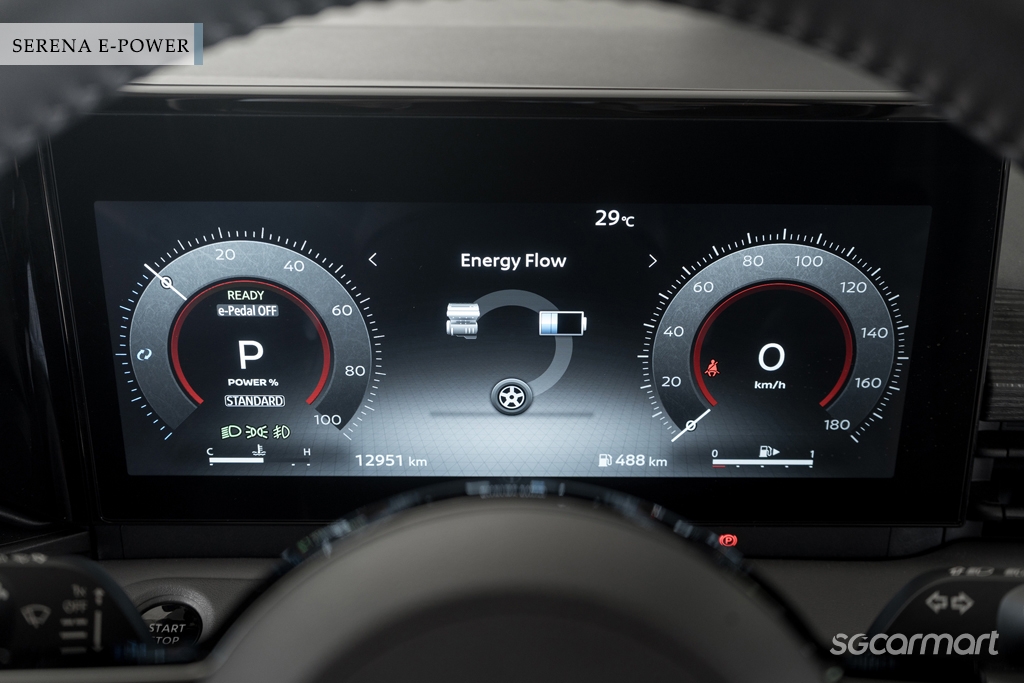
Credit is due to its sleek dashboard, which comes with padded surfaces, light stitching, and a snazzy dual 12.3-inch screen setup for your infotainment touchscreen and driver's display. The former even supports Apple CarPlay and Android Auto wirelessly (if you're an Android user, you'll have to pack a cable on the Noah).
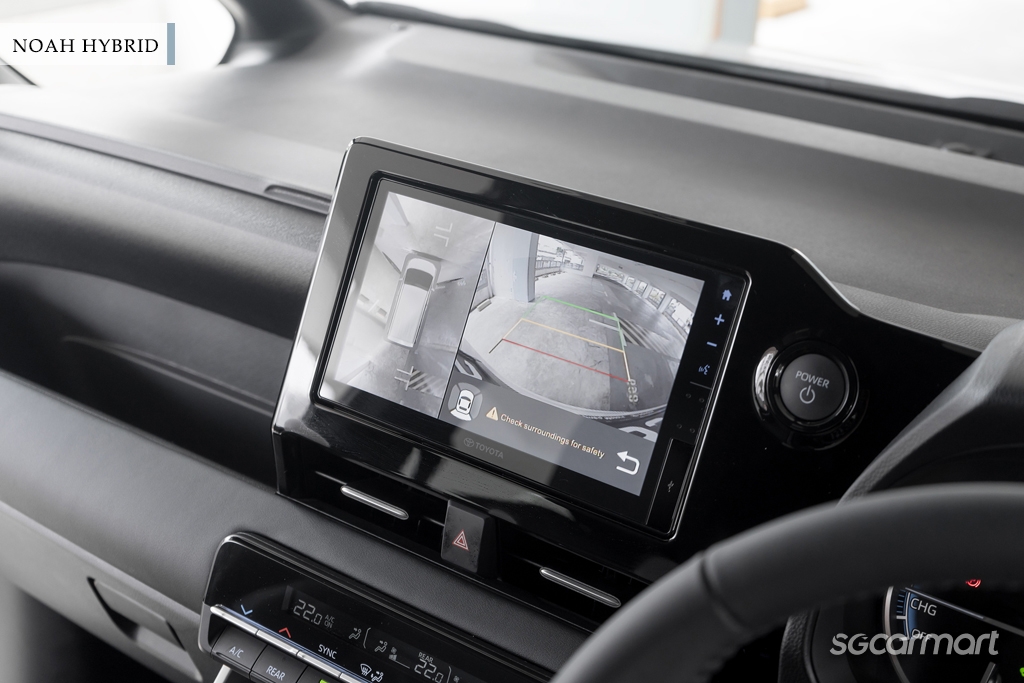
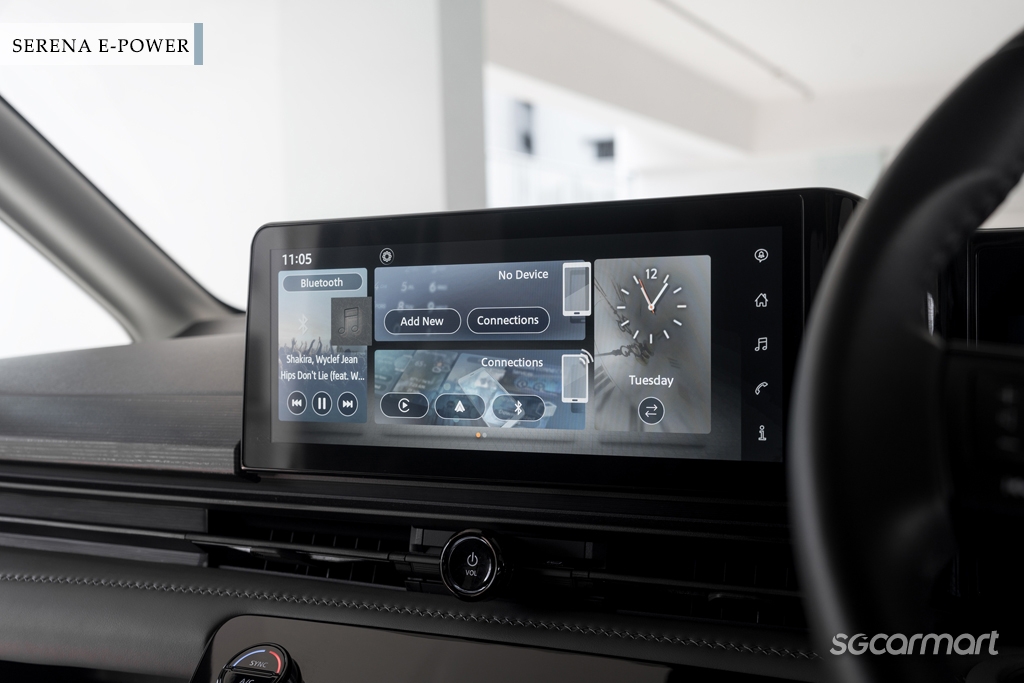
The Serena's 12.3-inch infotainment touchscreen doesn't just have the Noah's 9.0-inch one pipped in terms of size, but in resolution and responsiveness too
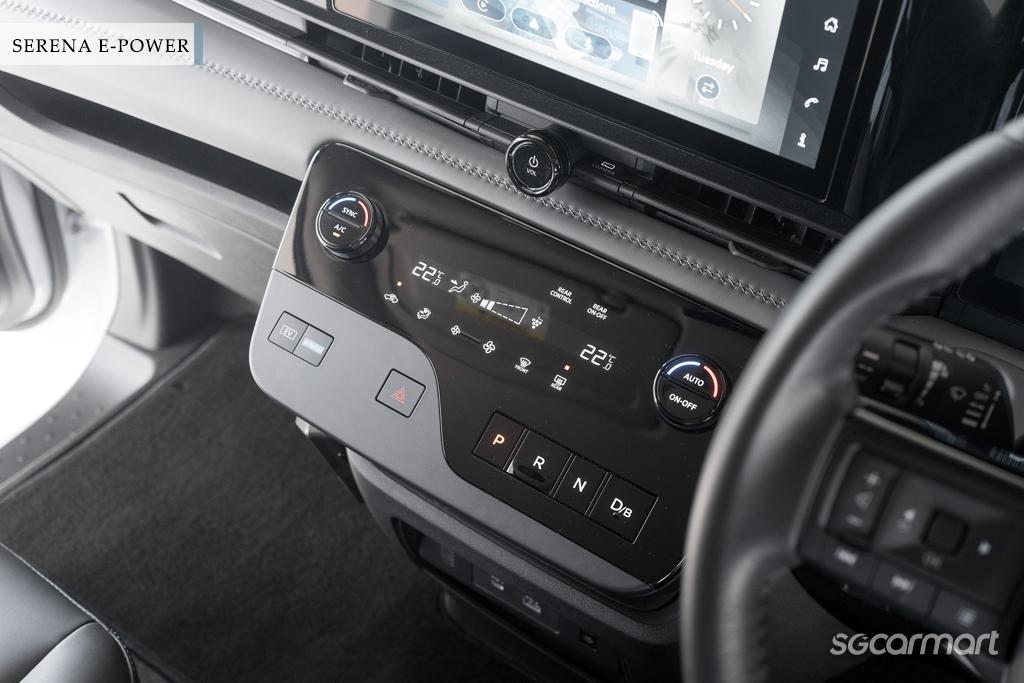
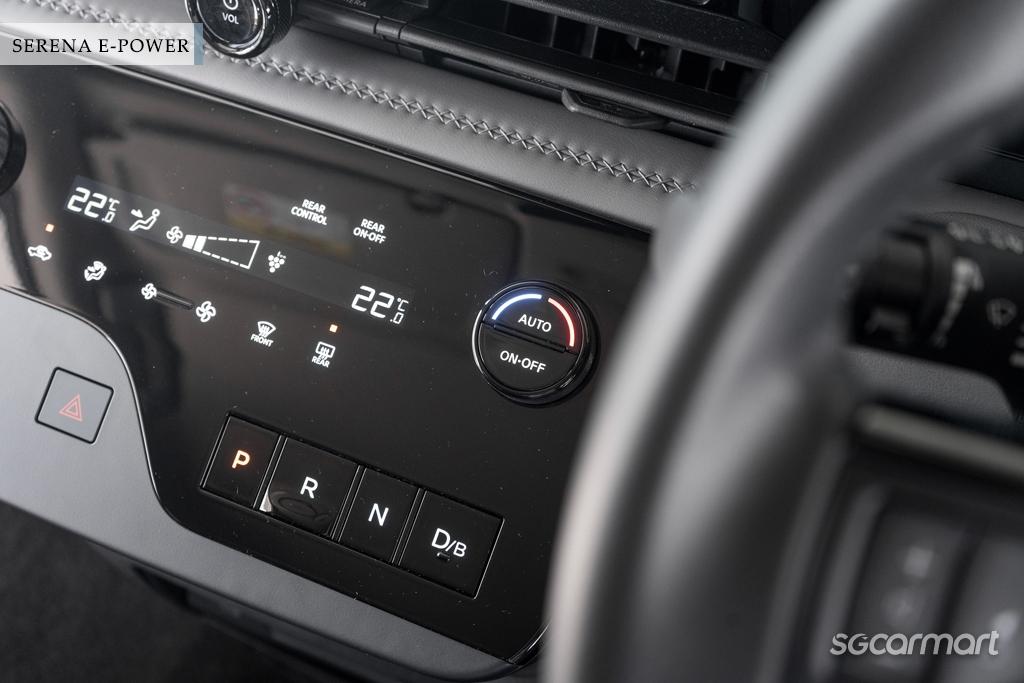
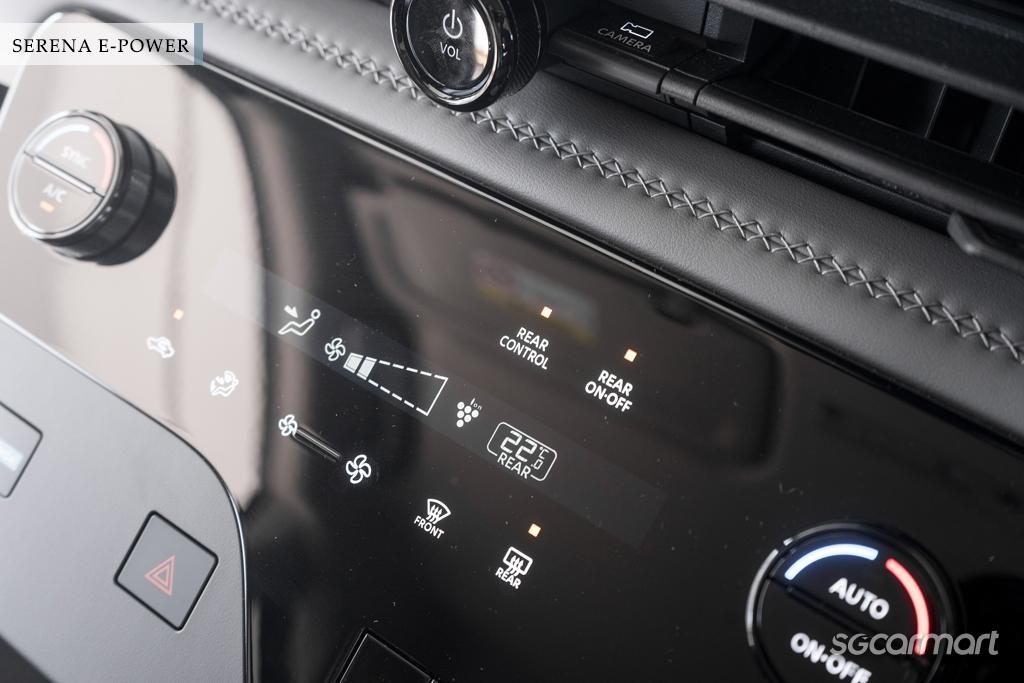
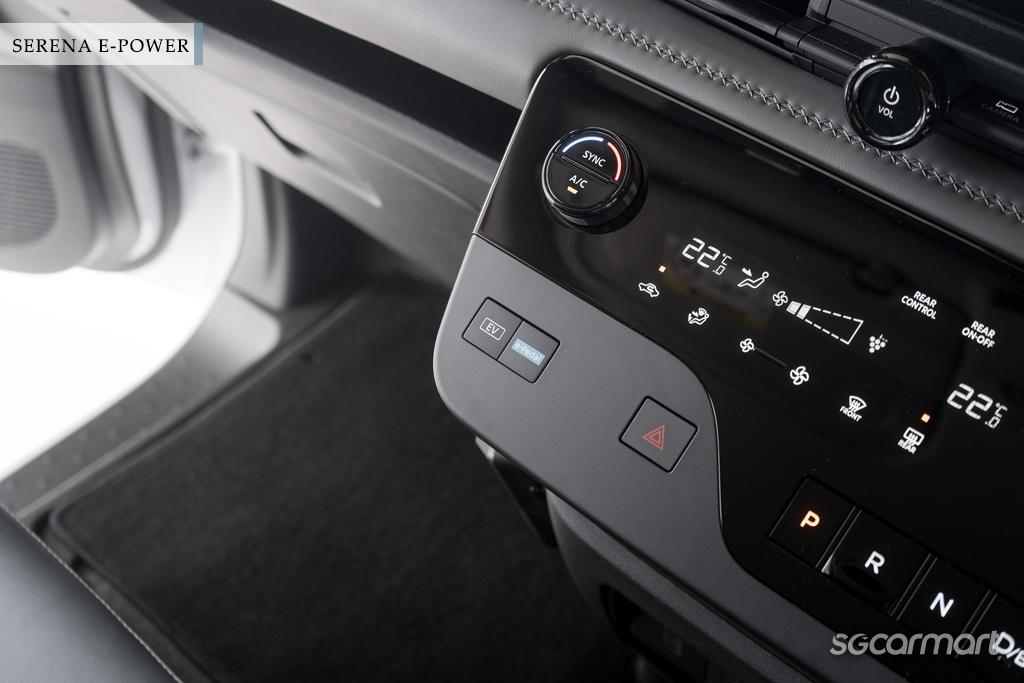
If you thought that MPVs had to be all function and no form, the Serena continues to prove otherwise up front. While it doesn't pursue a full touch-operated route, it does present a cool-looking touch panel for your air-conditioning controls, which throws nicely-weighted rotary dials for adjusting temperature into the mix.
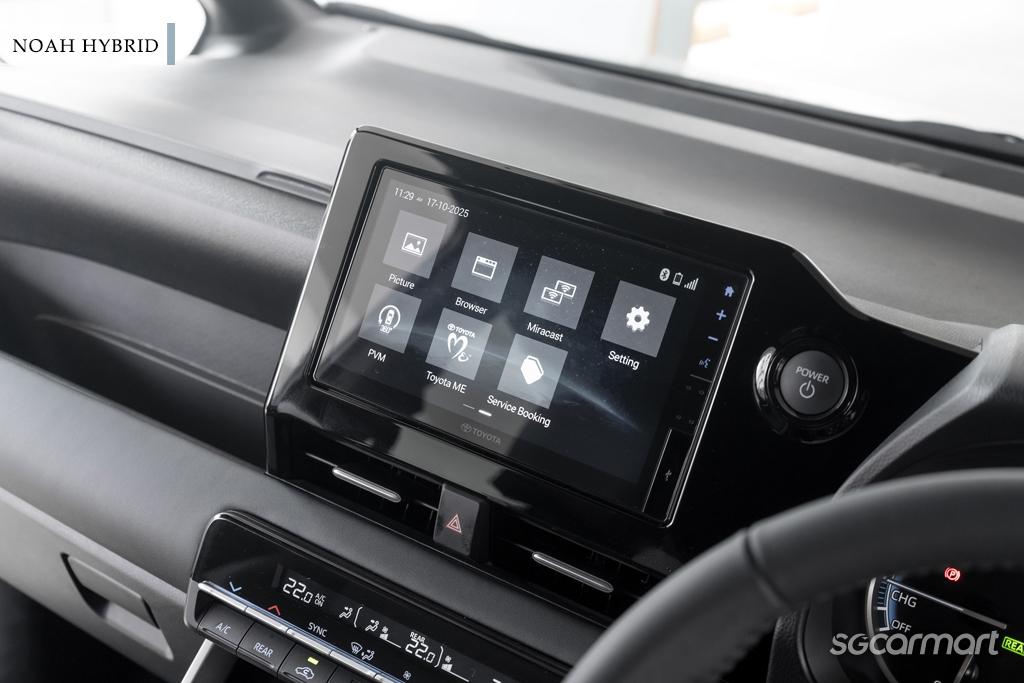
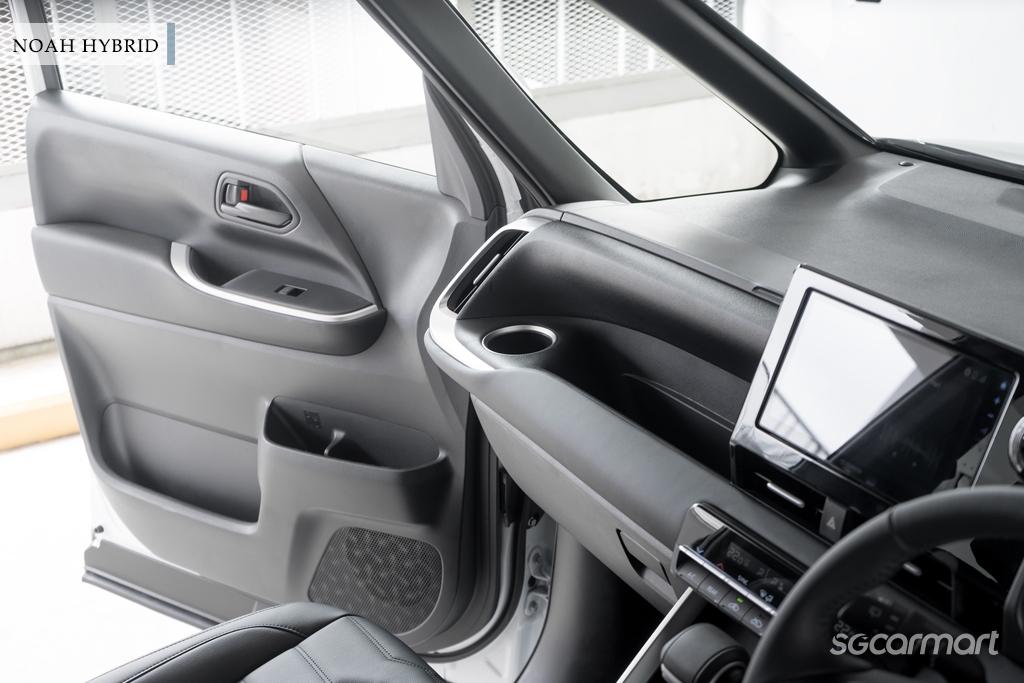
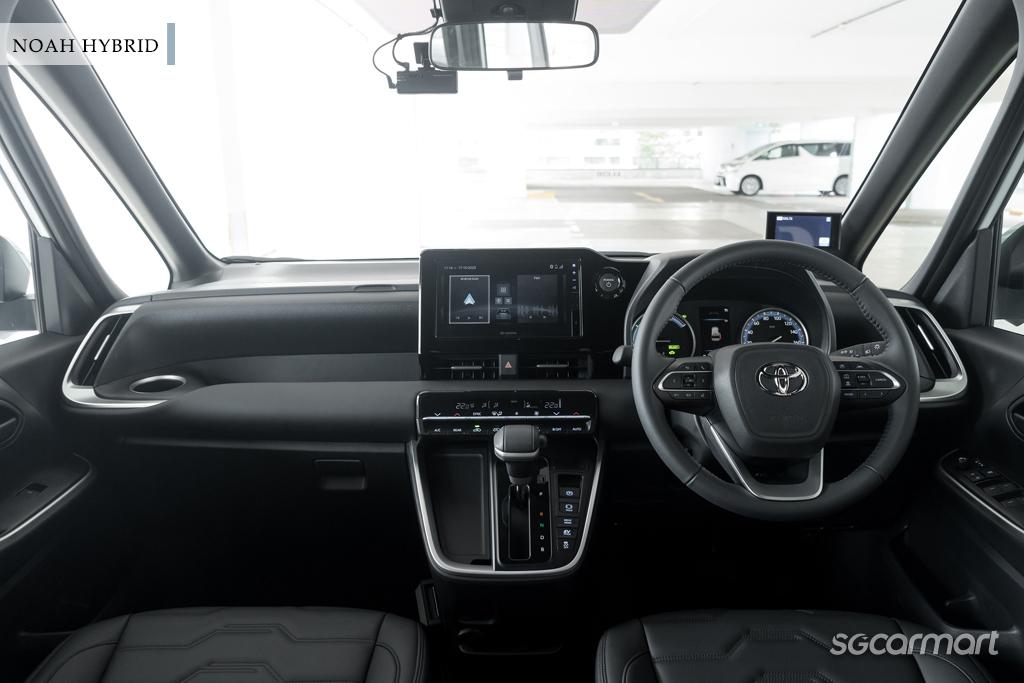
Across the board, the Noah's dash feels dated in comparison.
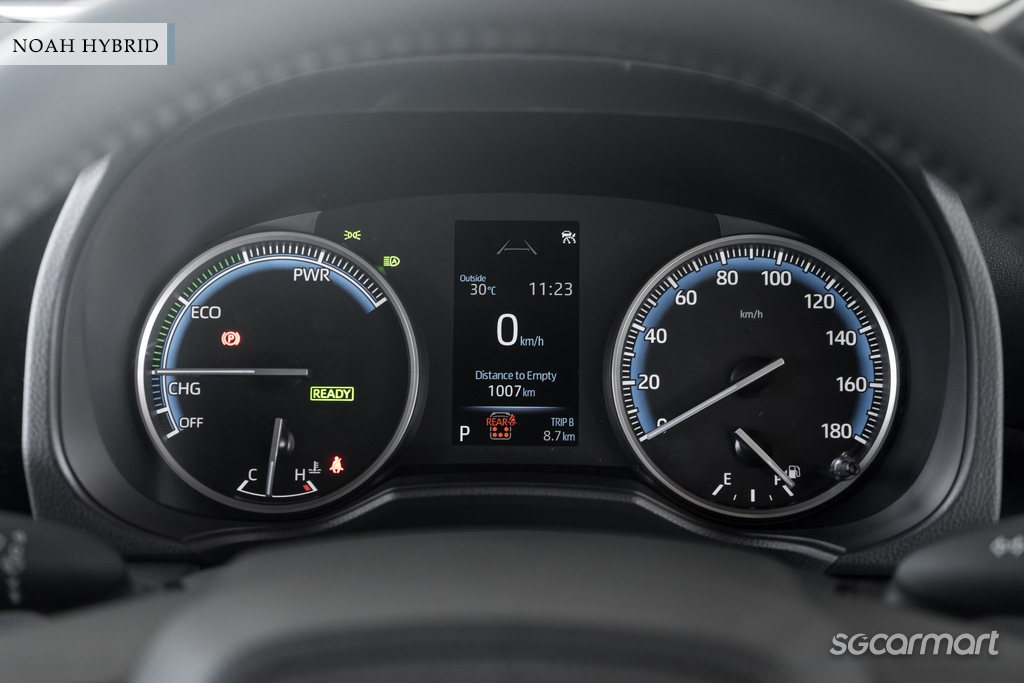
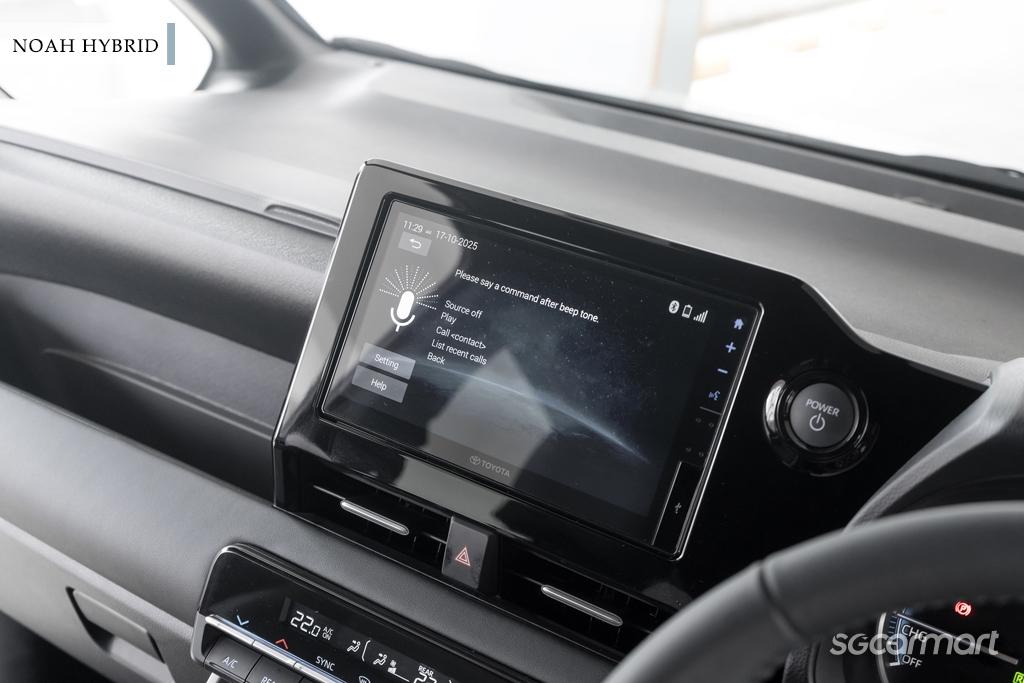
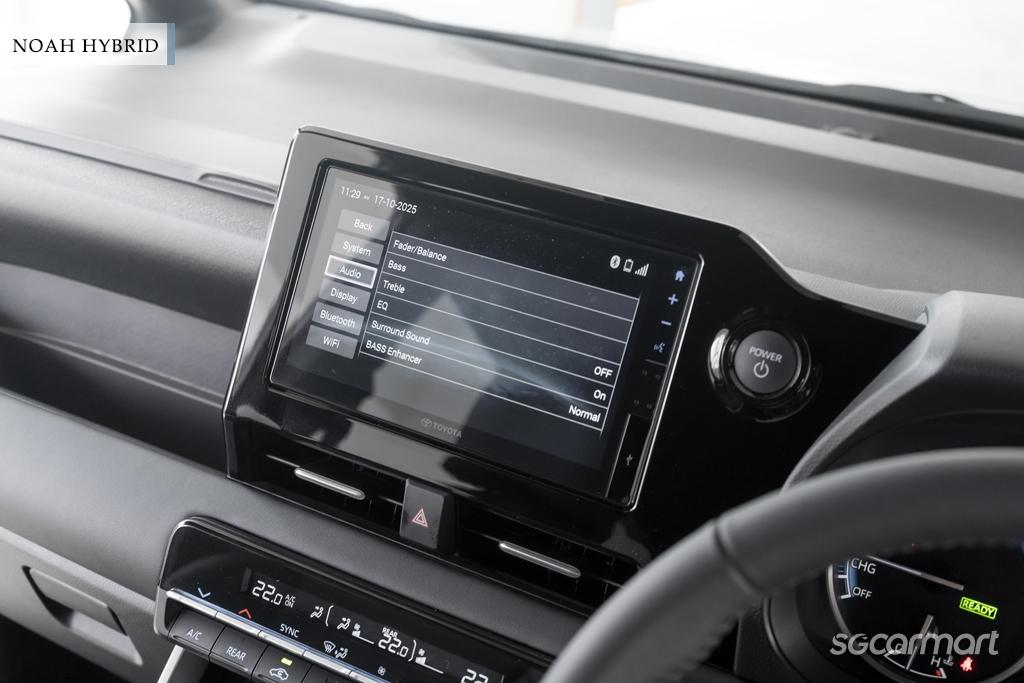
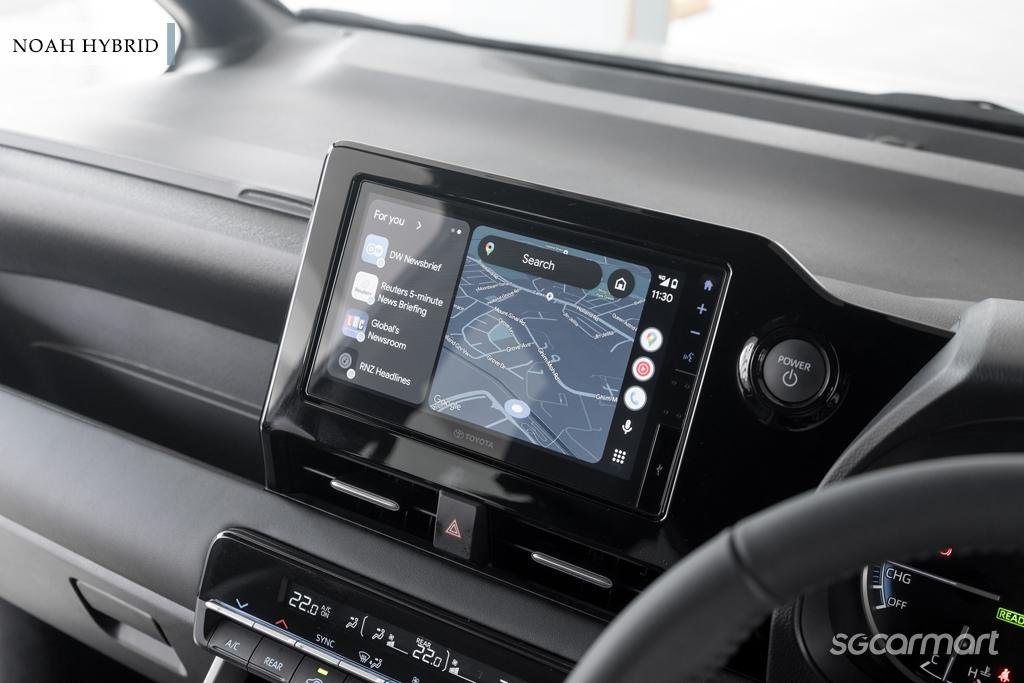
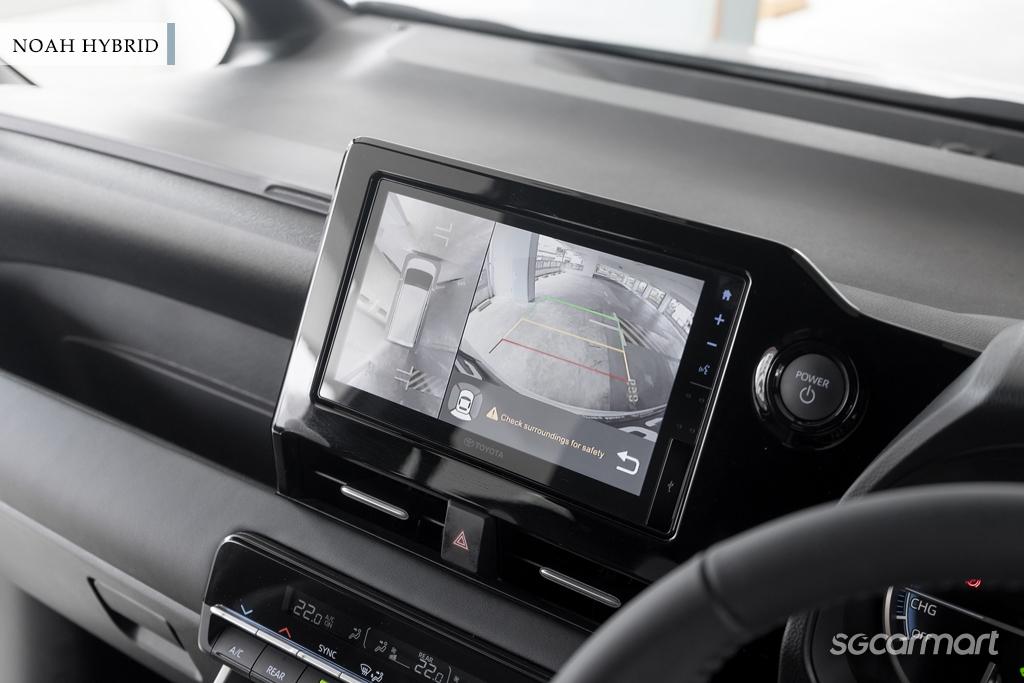
Its infotainment touchscreen is a smaller 9.0-inch factory-fitted item, for starters, and is neither as responsive nor as vibrant as the Serena's.
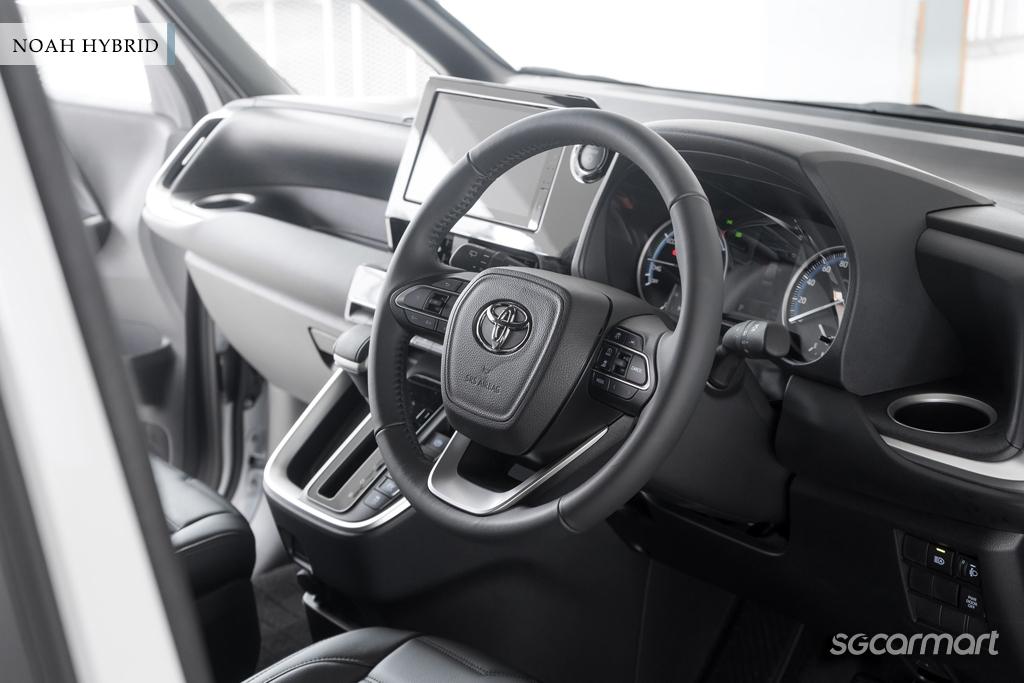
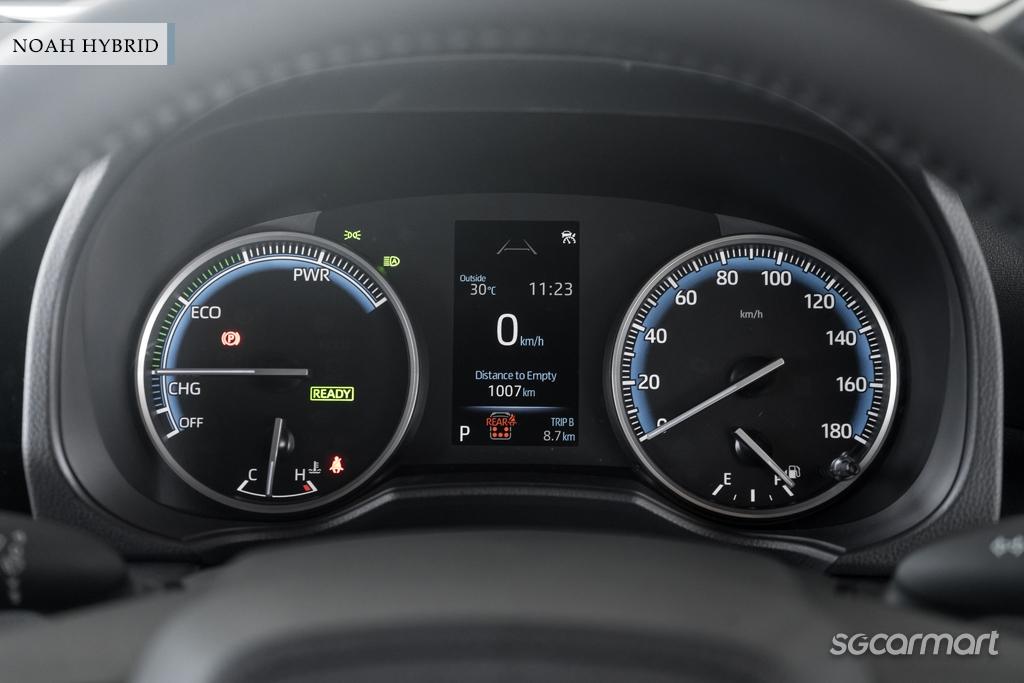
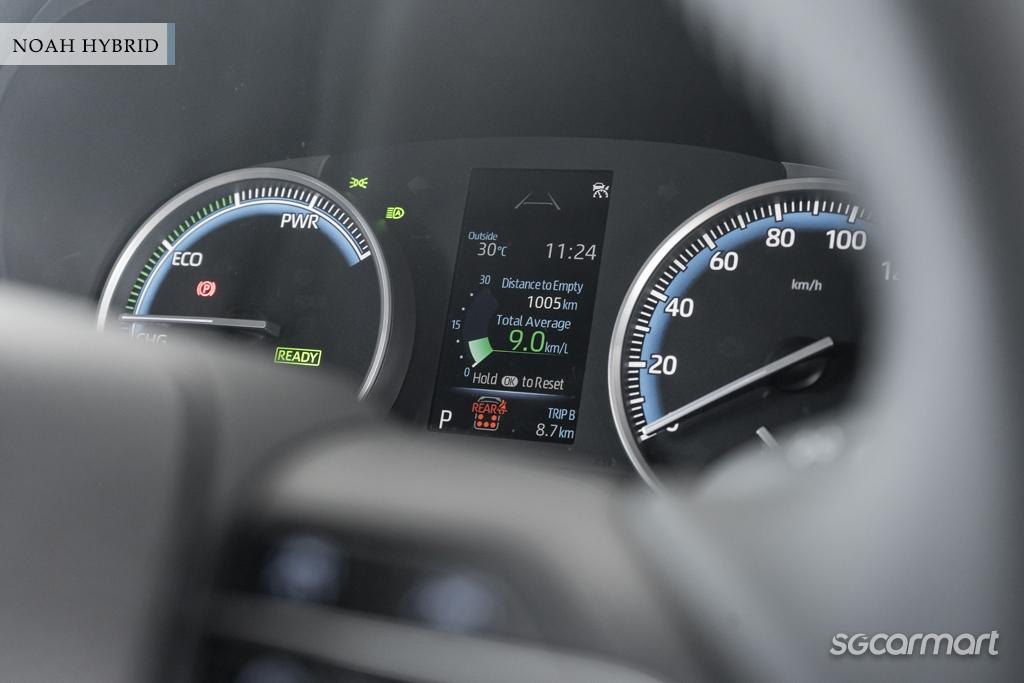
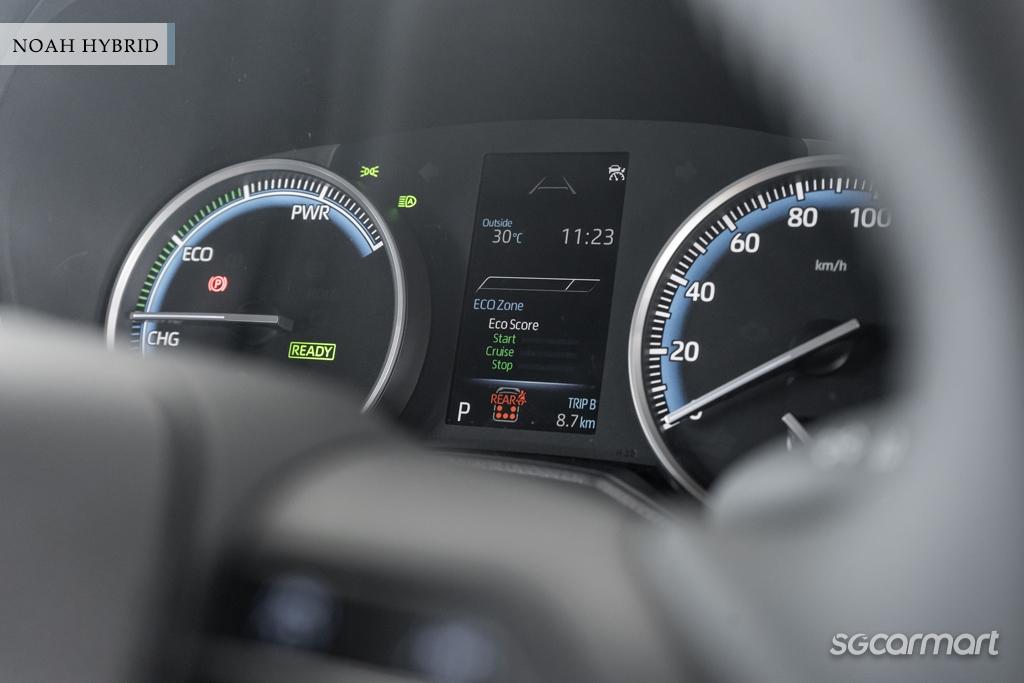
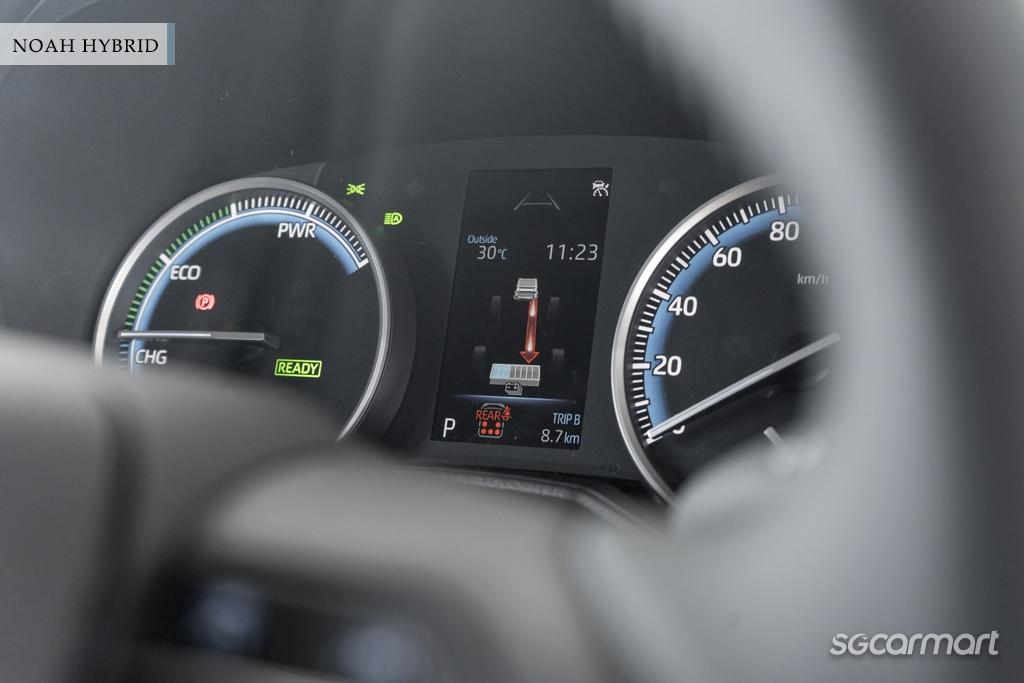
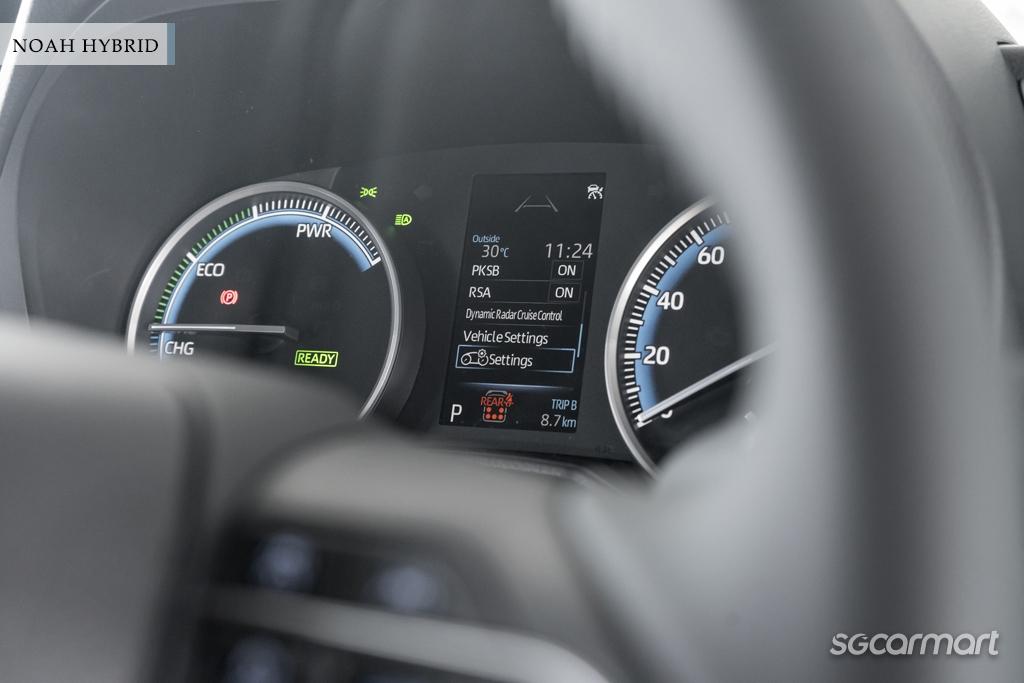
In rather old-school style, its instrument cluster retains analogue dials for the car's power meter and speedo too, flanking a 4.2-inch LCD display. The latter condenses all relevant information very sensibly, and is likewise logical to operate - but the digital-analogue combo remains less impressive than the Serena's full-digital route.
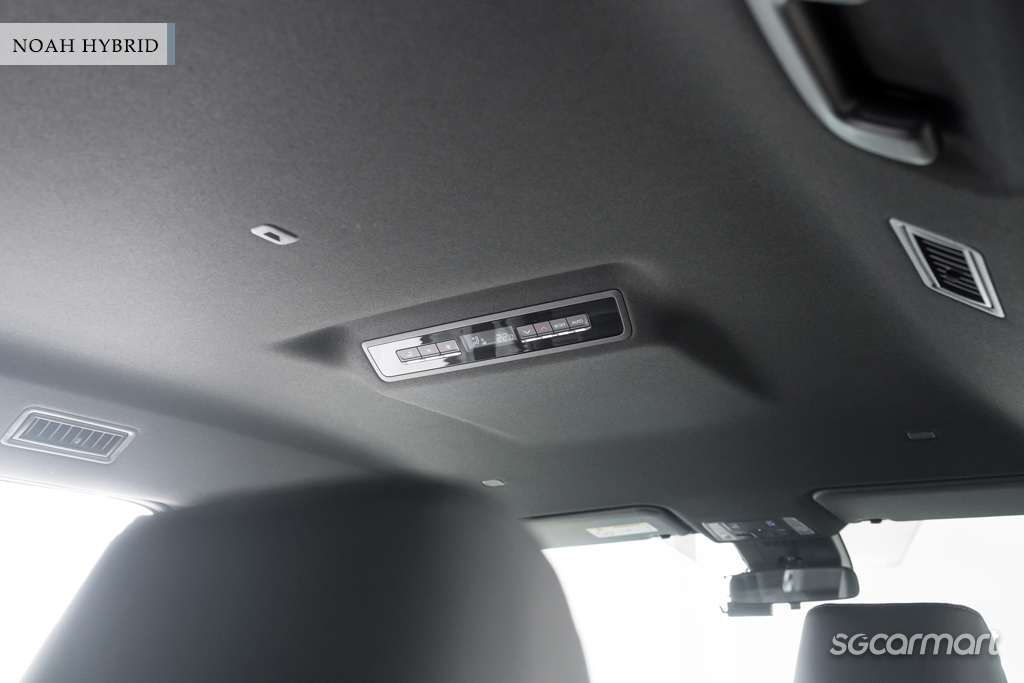
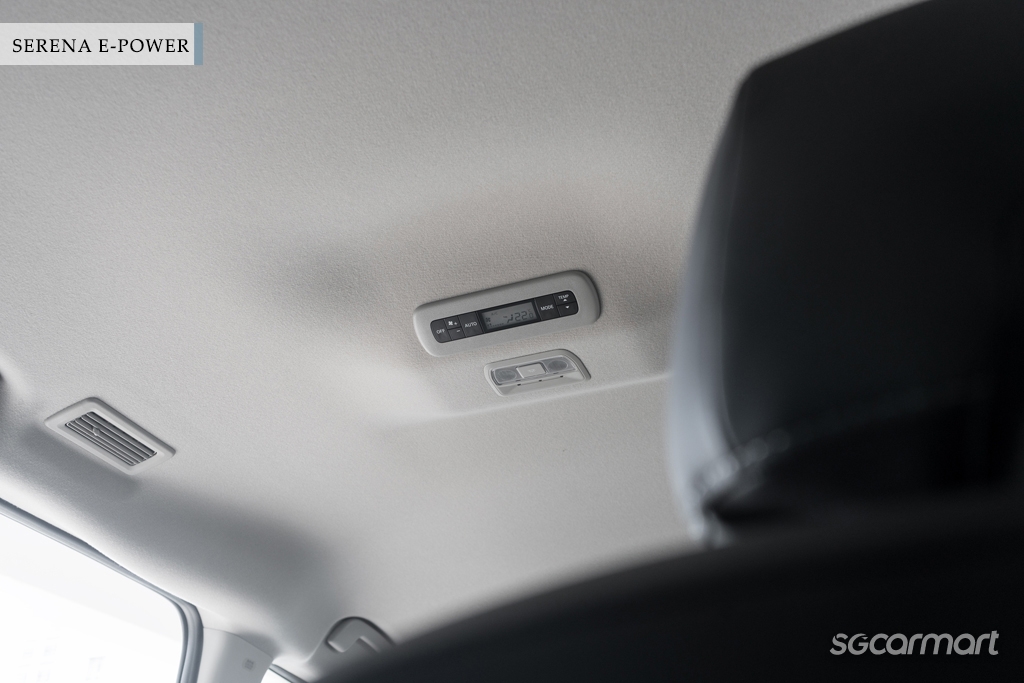
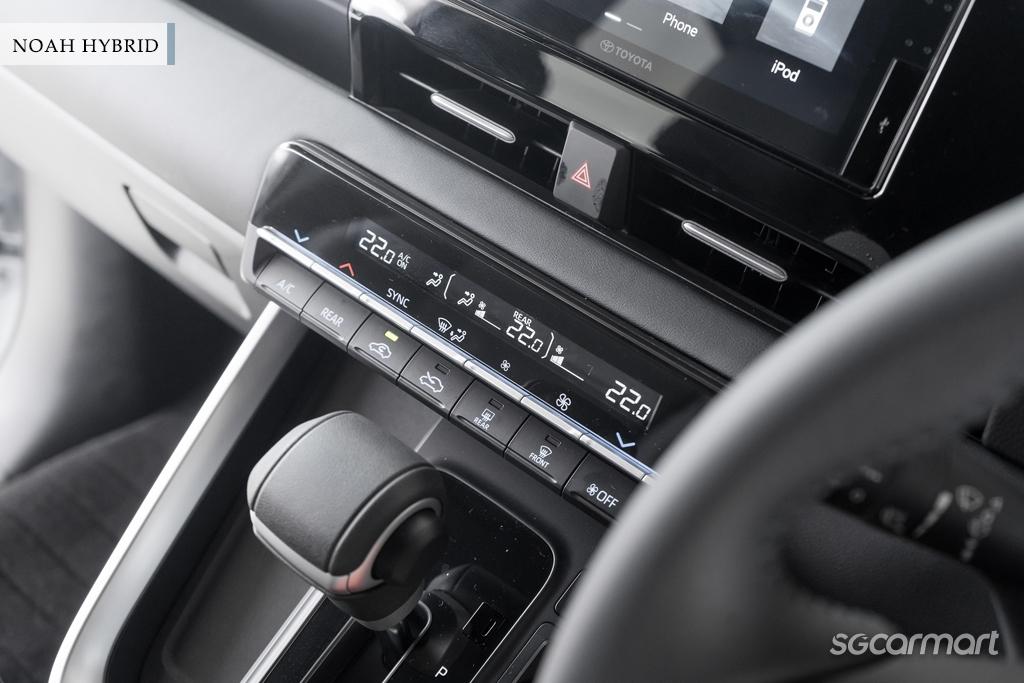
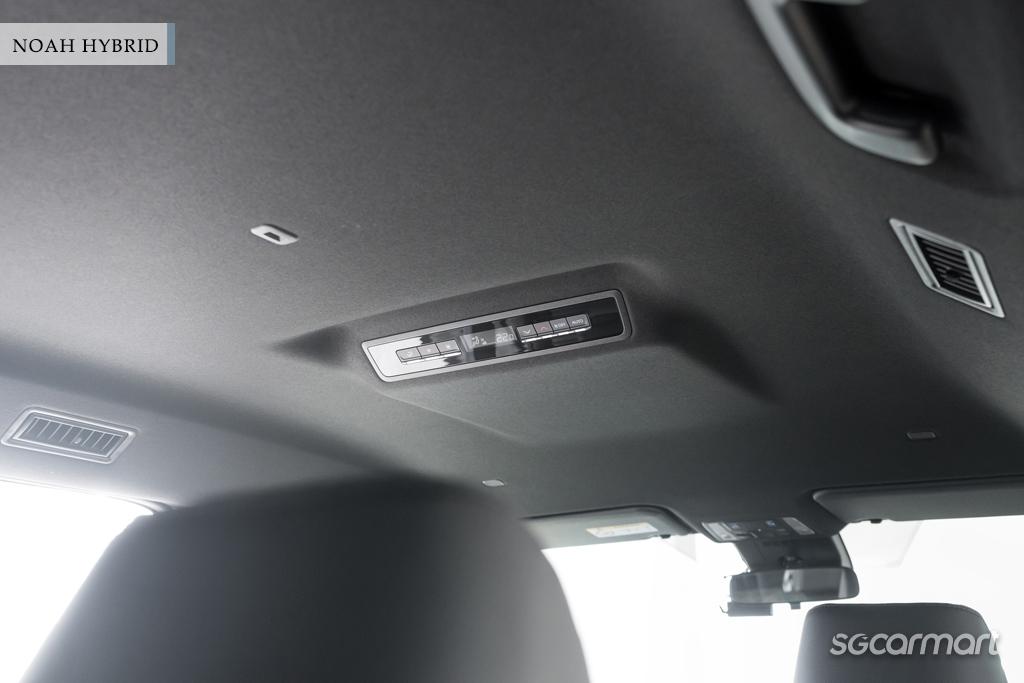
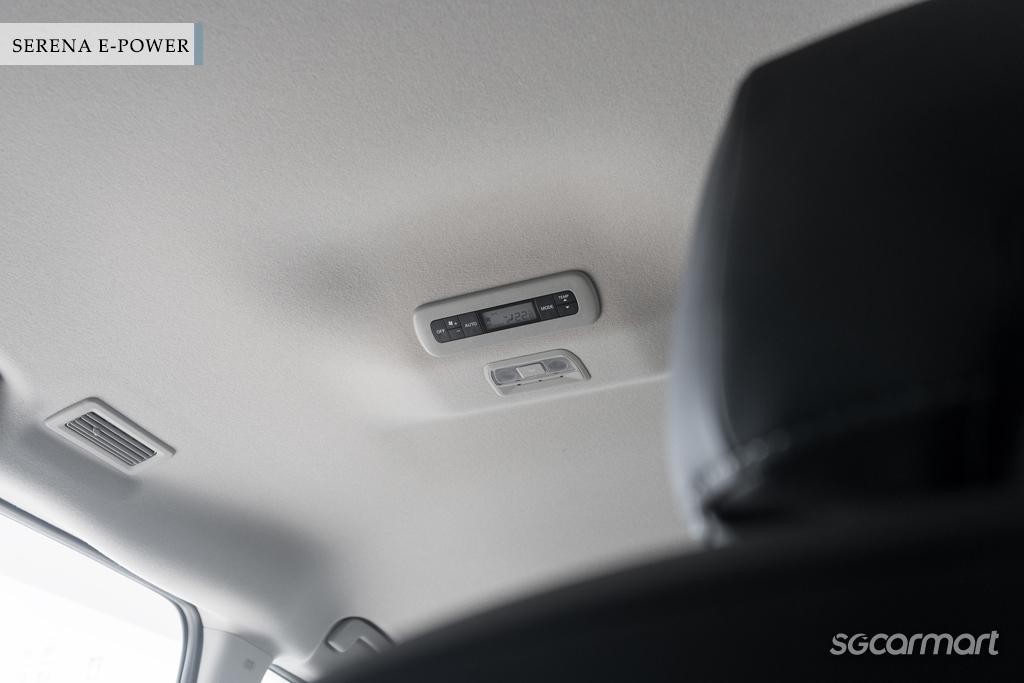
Cooling for all: Both cars are handily equipped with tri-zone air-conditioning
Eschewing dazzling tech displays, the Noah opts instead for long-wearing satisfaction.
Ironically, living with a car across a couple of days to consistently return into the cabin and not find fingerprints dotted everywhere feels surprising. Yet this is the pleasant experience that the Noah presents. Against the black-gloss and touchscreen-heavy landscape in which we live, it protests silently with its widespread, matte-finished physical buttons.
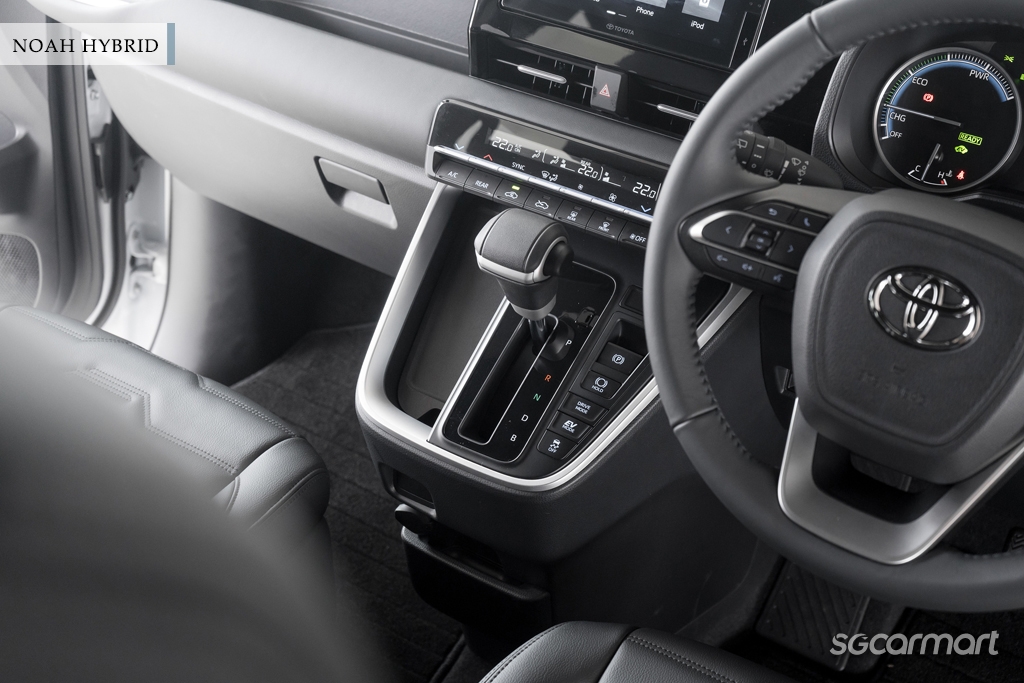
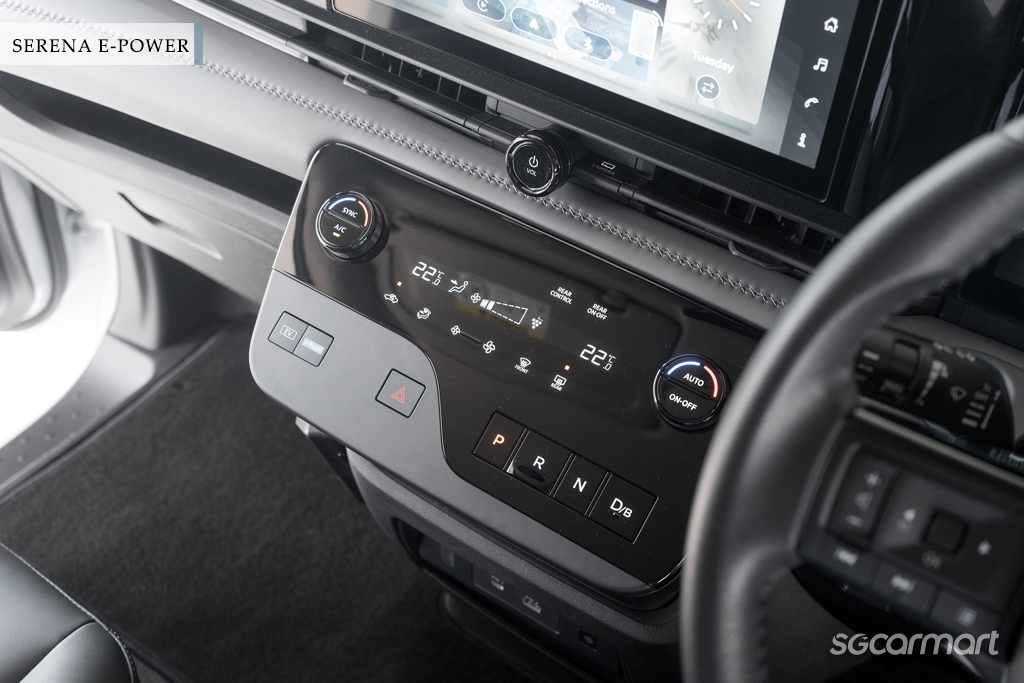
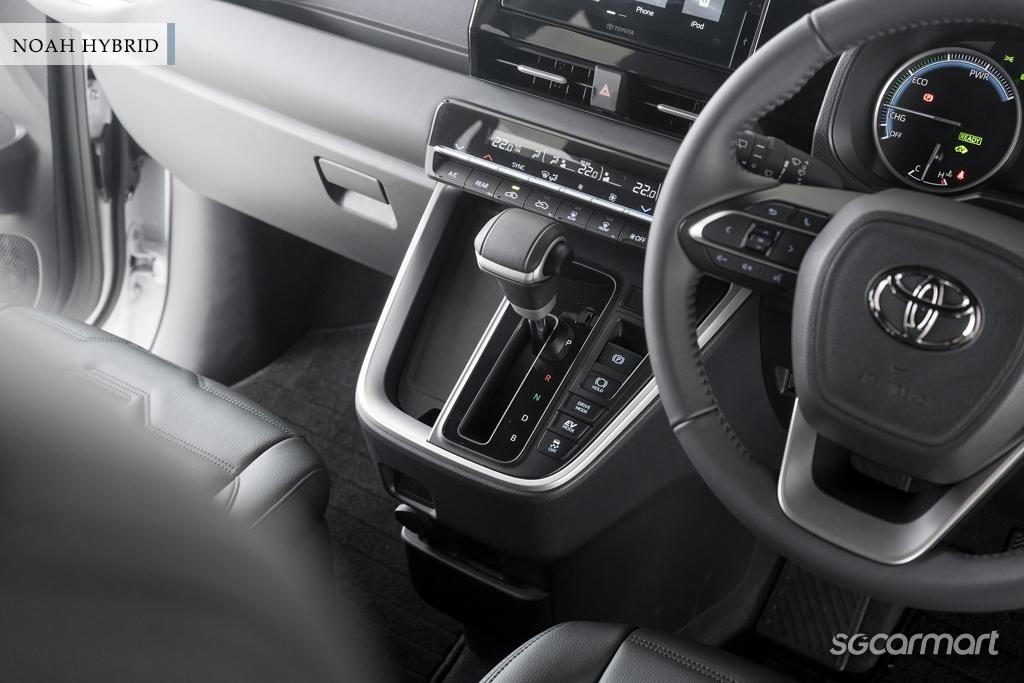
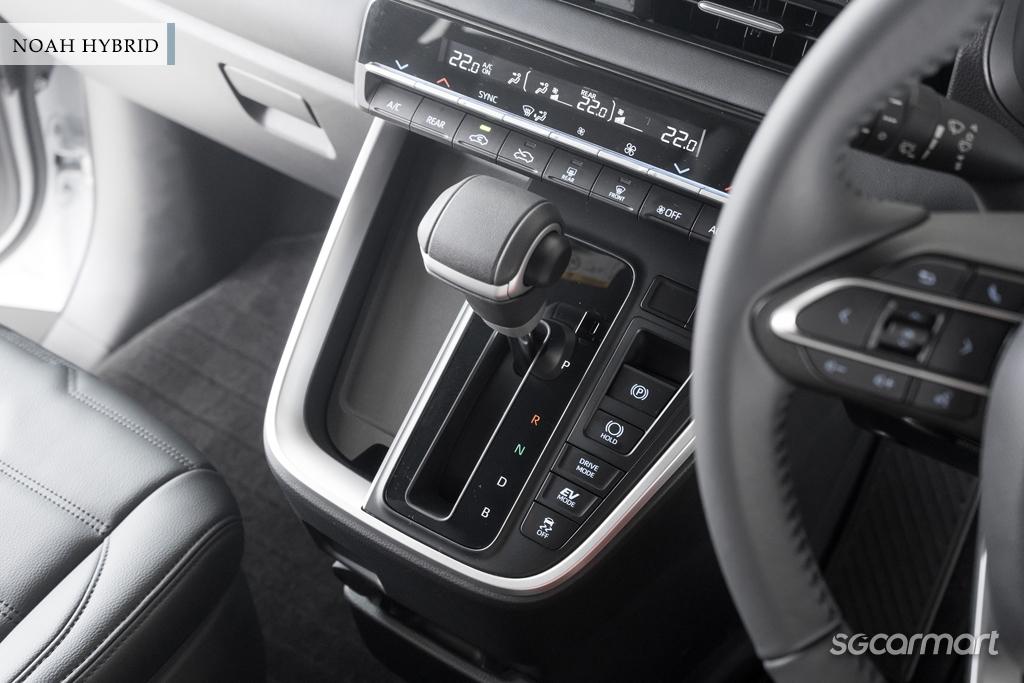
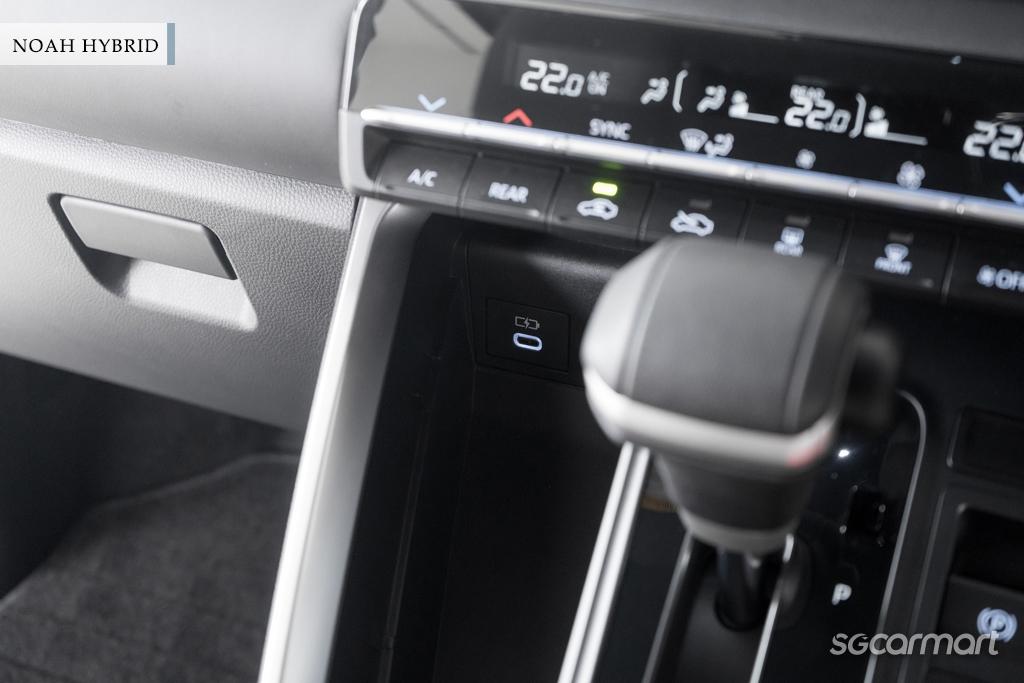
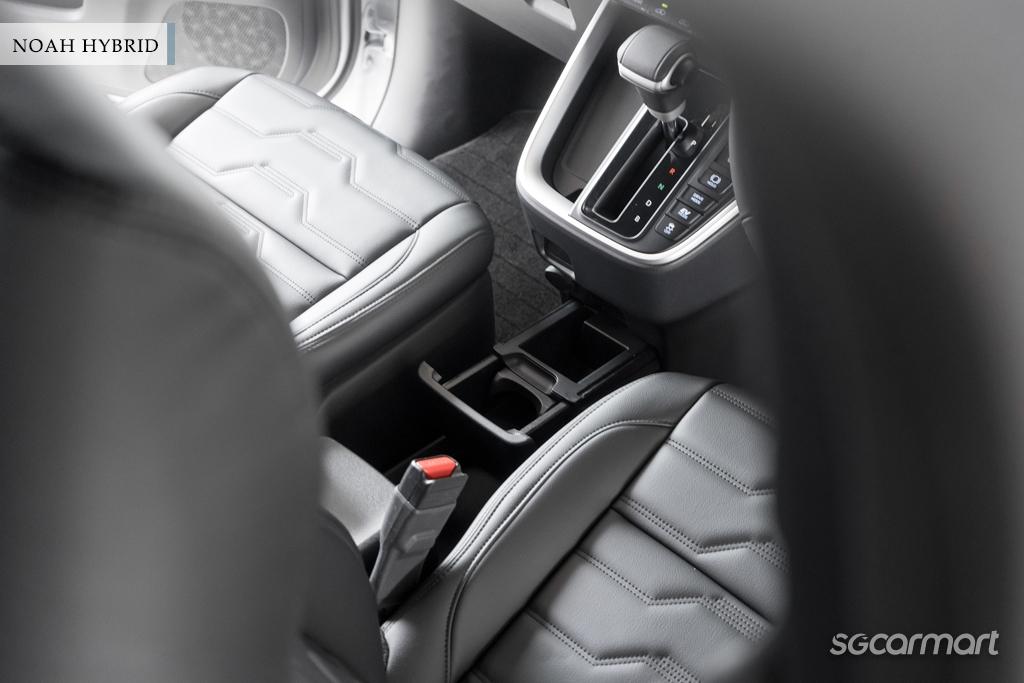
The Noah's cabin might feel a bit more dated, but has the edge in ergonomic comfort thanks to the concentration of all high-use controls within the same area
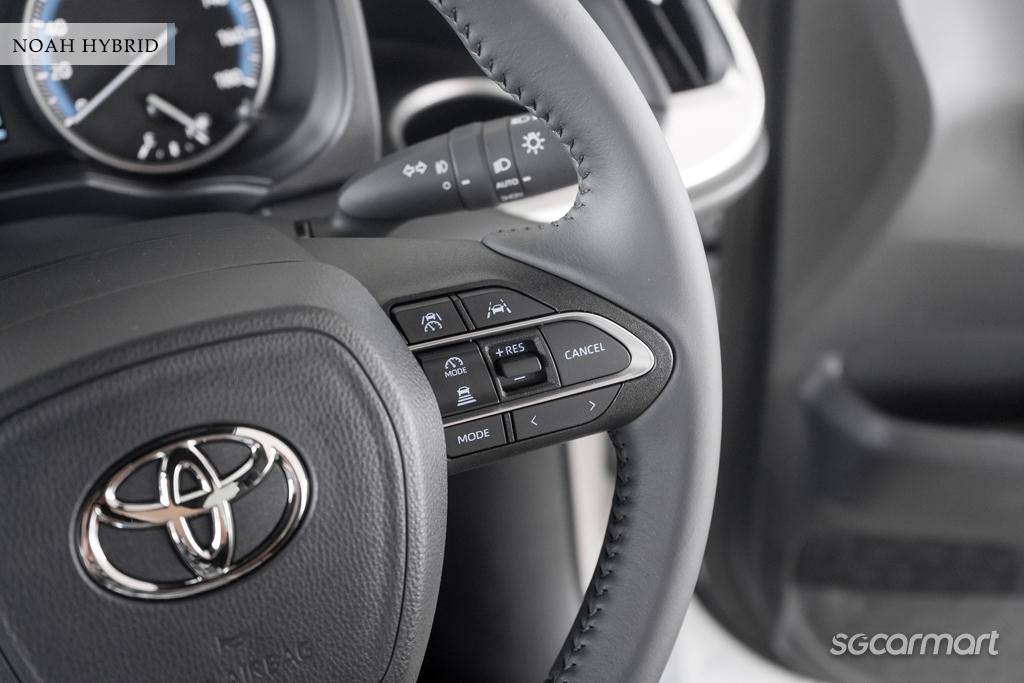
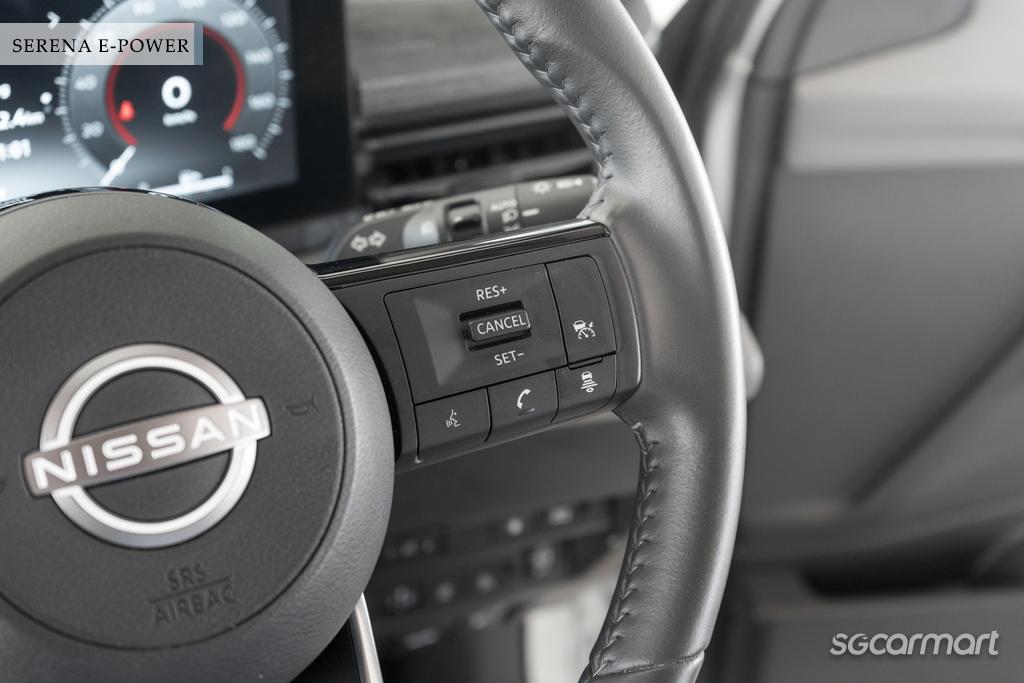
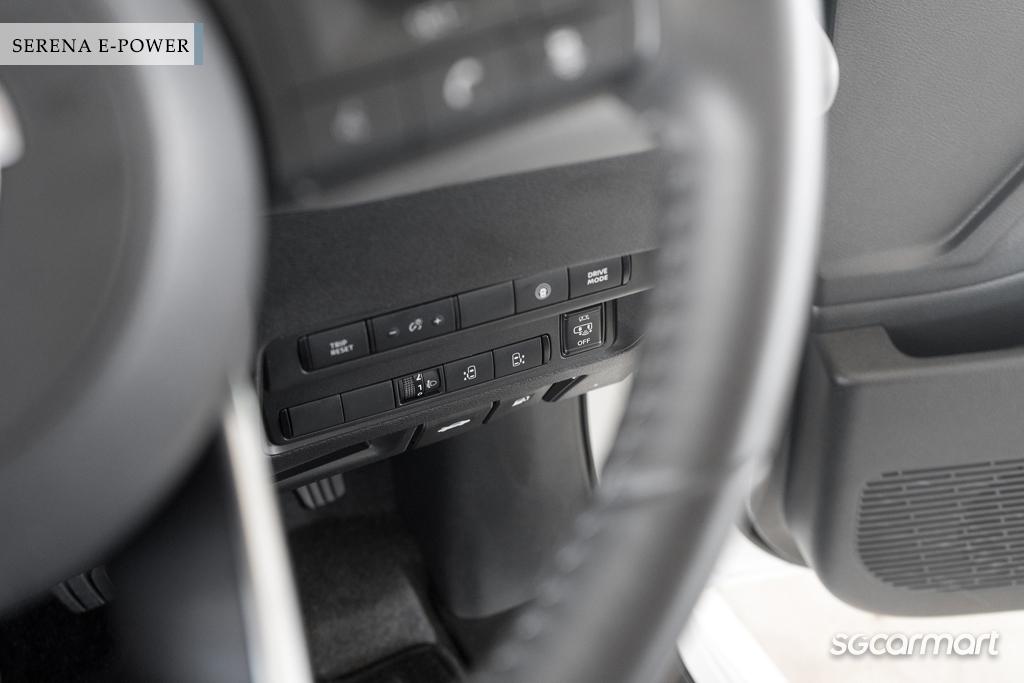
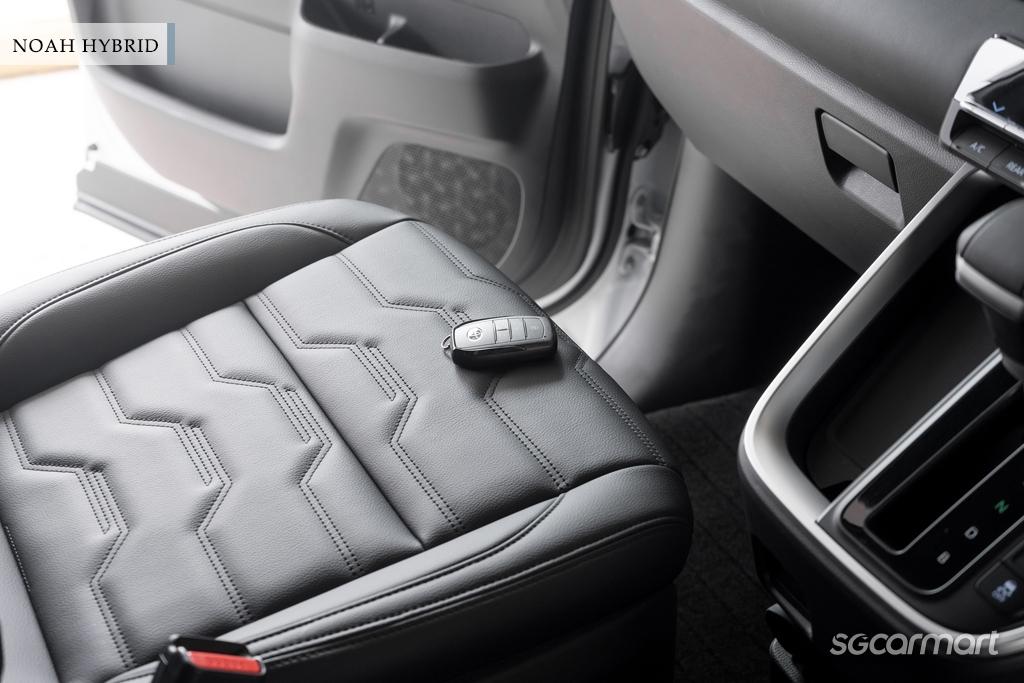
Its interior is also ergonomically excellent, with the majority of high-use controls (the gear lever, the EPB, your Start/Stop button) concentrated within the same easy-to-reach area. The Serena's more scattered spread of buttons is pleasant in isolation - but feels just that bit less intuitive if you've just gotten out of the Noah. Spend a bit more time in the Noah and you'll find that even if its cabin seems austere initially, it might just win you over with how faultlessly screwed-together everything is.
Still, sheer space is ultimately the order of the day in cars like these. And on this front, the Serena's cabin still feels more versatile and better-equipped to handle a family's needs.
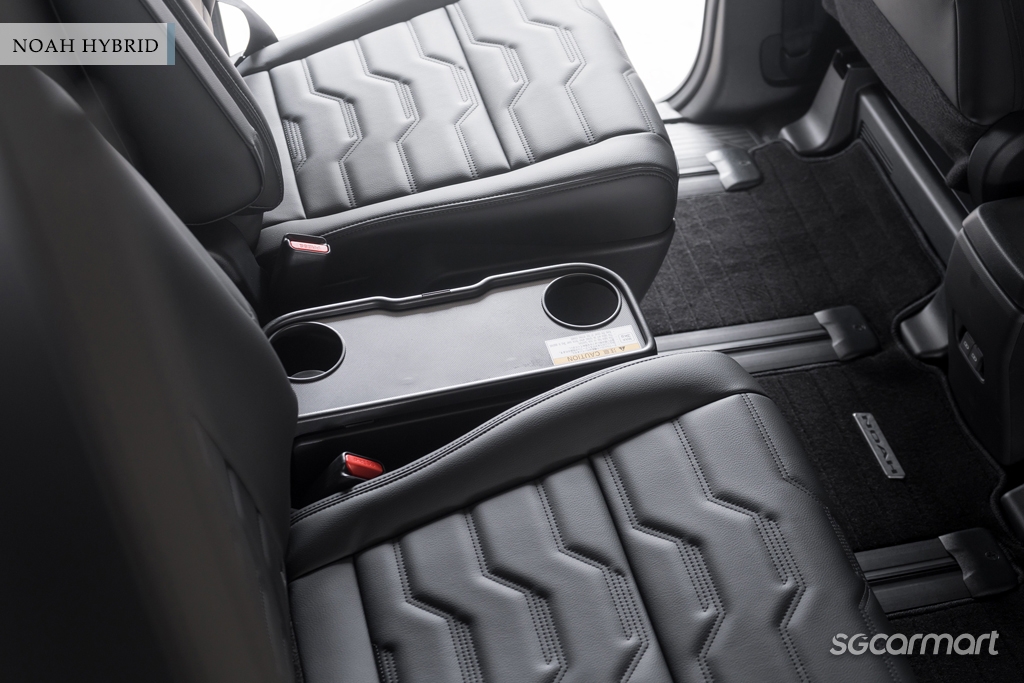
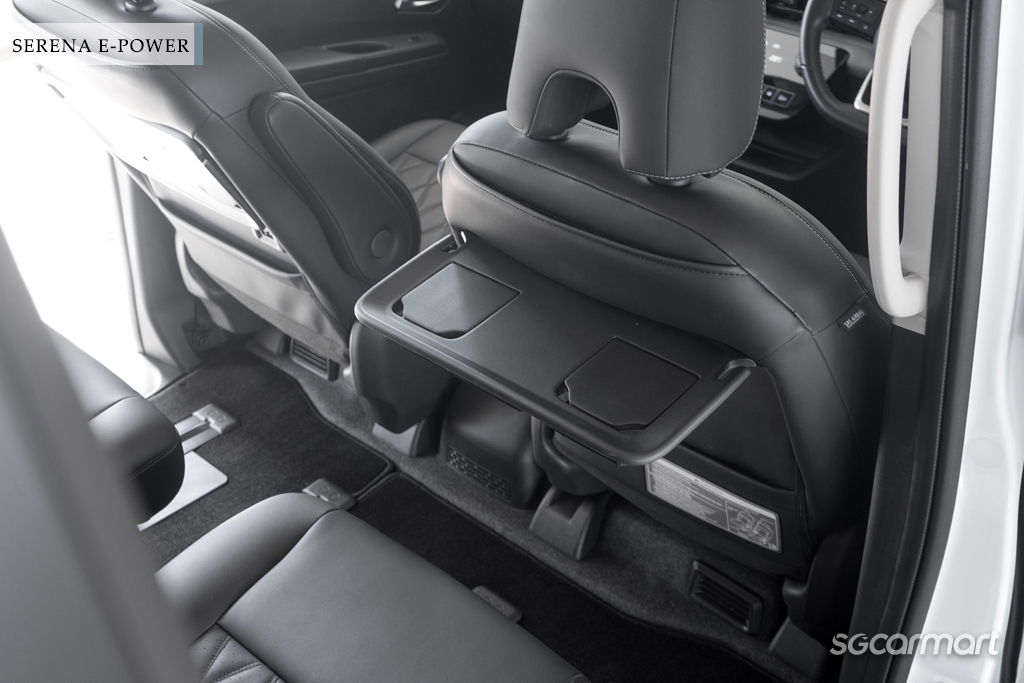
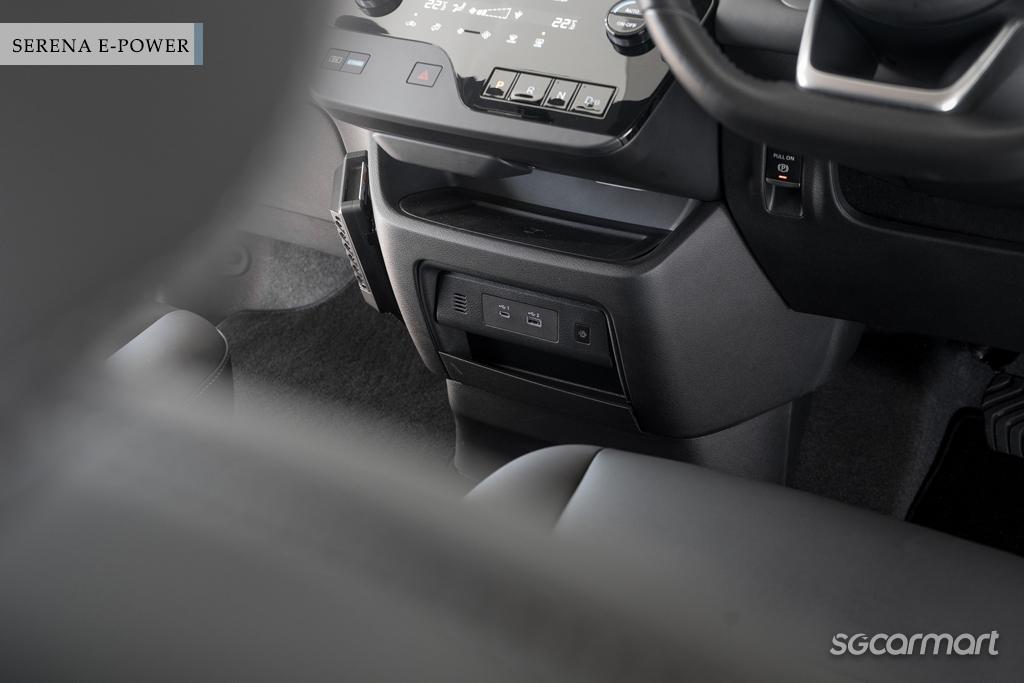
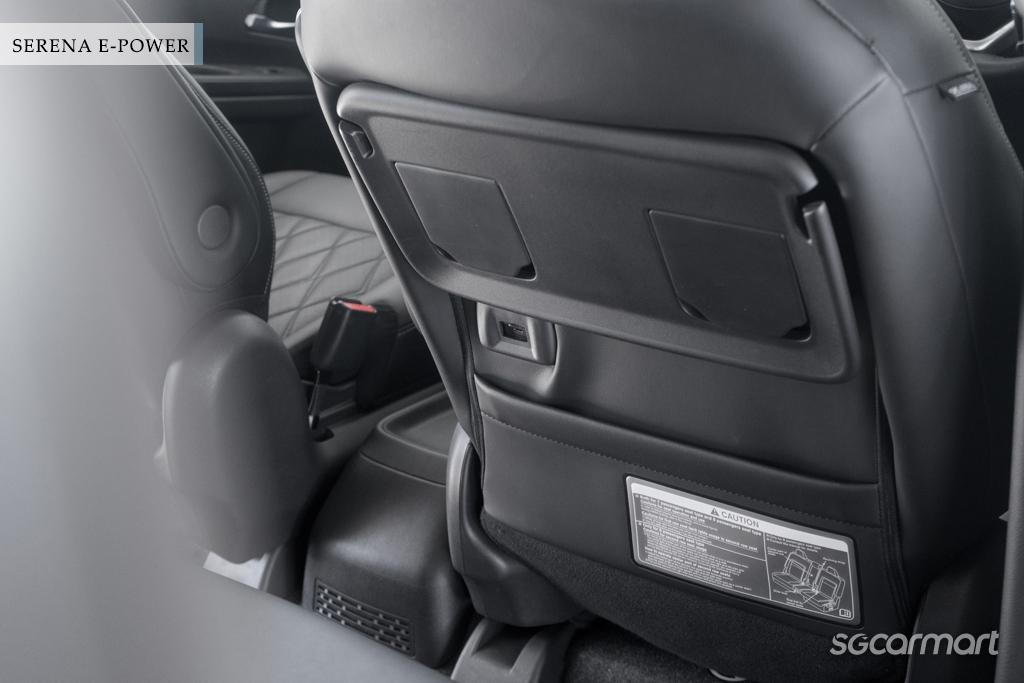
The Serena's cabin feels better equipped with its higher density of tray tables, cupholders and charging ports
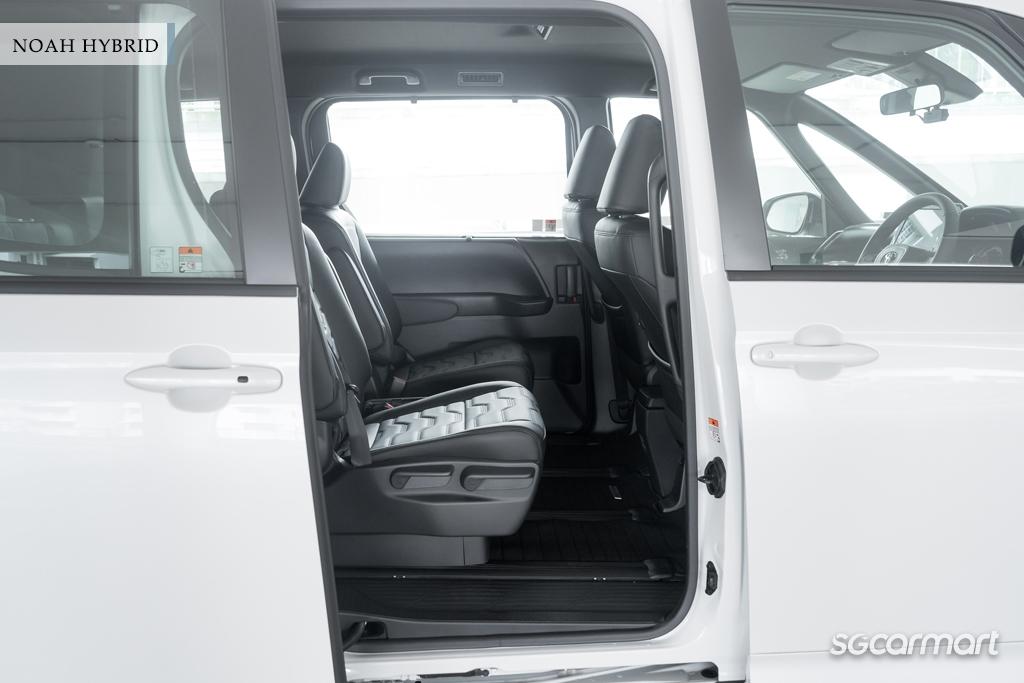
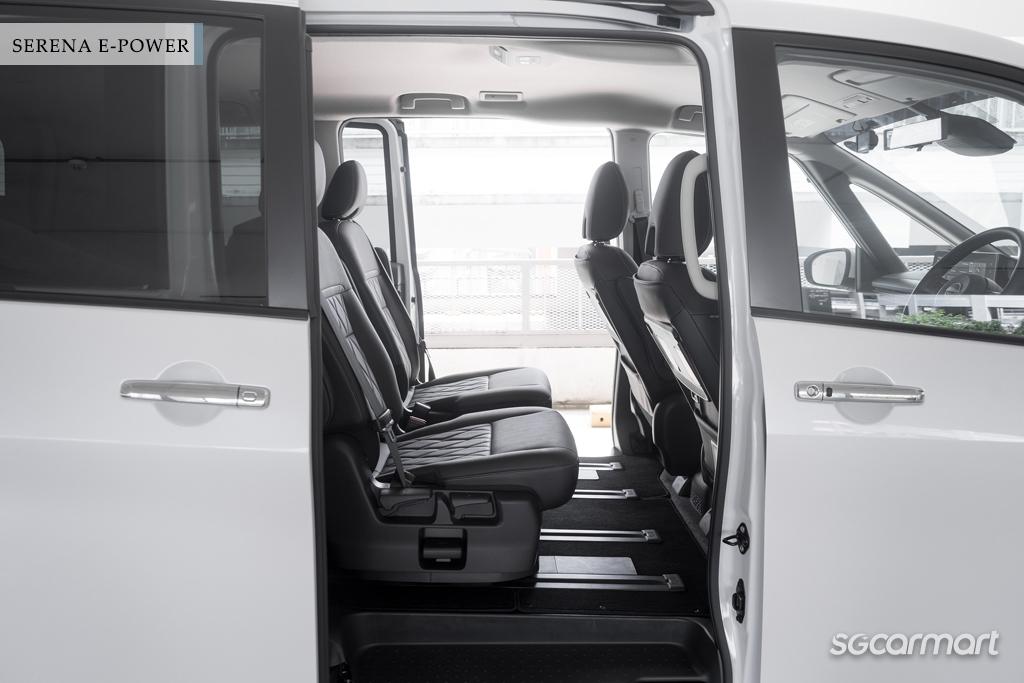
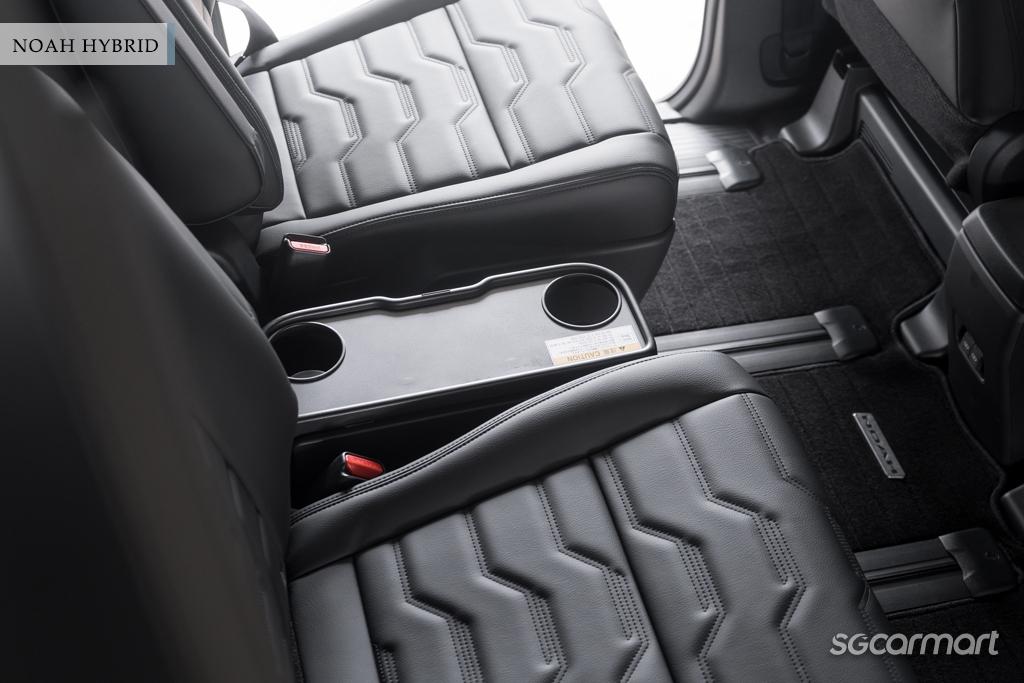
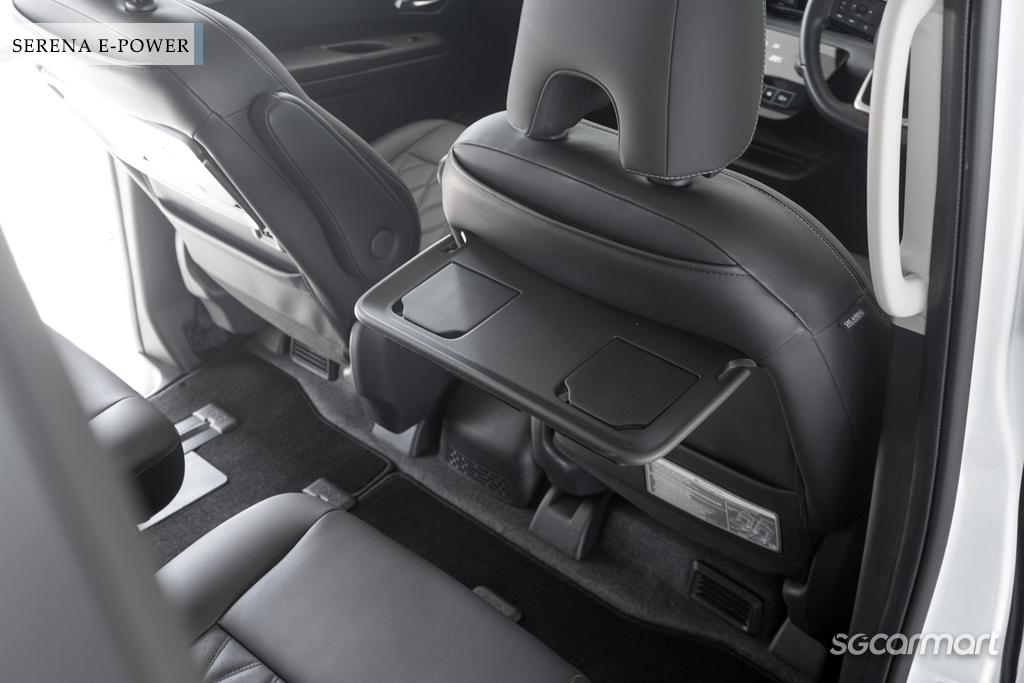
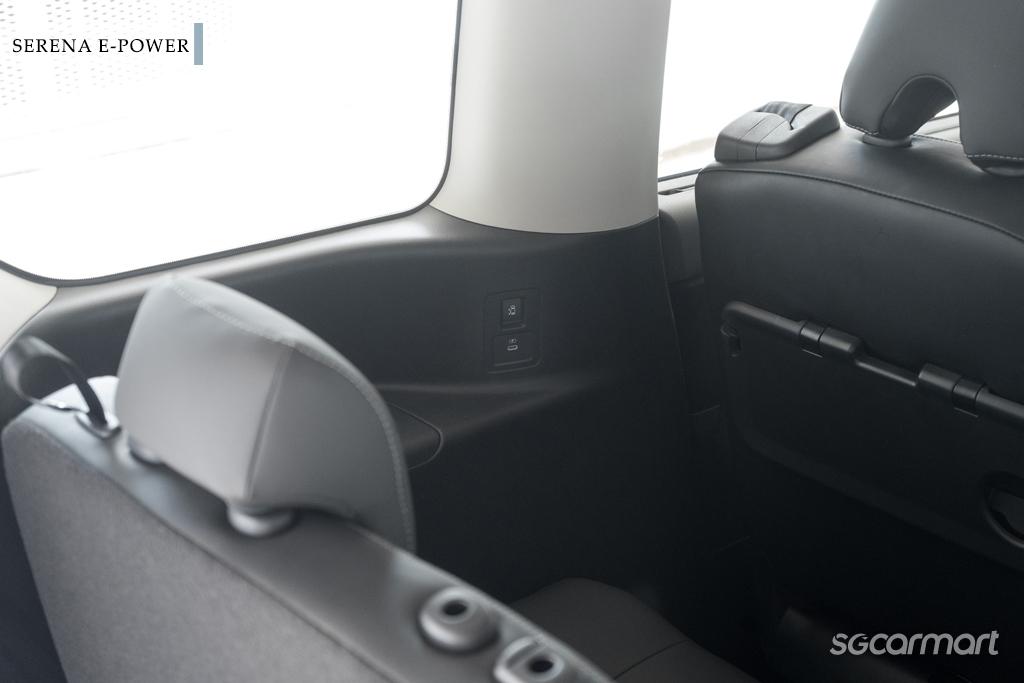
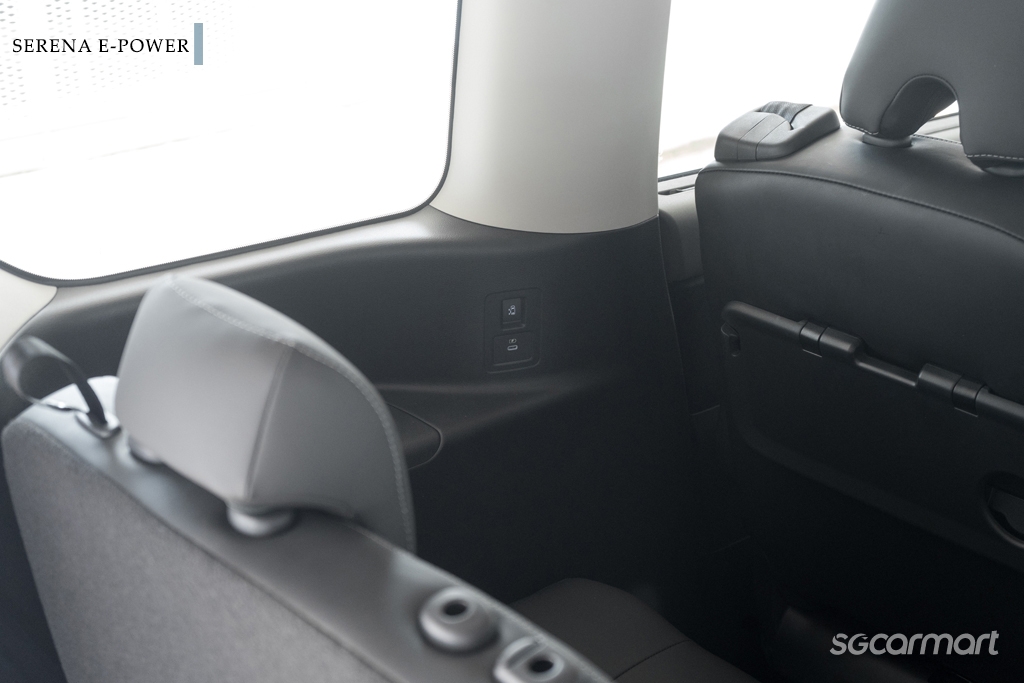
Whereas the Noah only has a sole flip-up tray table between its two captain's chairs, the Serena presents both second and third row passengers with their own tray tables (that's a total of four). Speaking of which, even the last row comes with USB-C charging ports and two cupholders on both sides; the Noah only treats occupants to cupholders here.
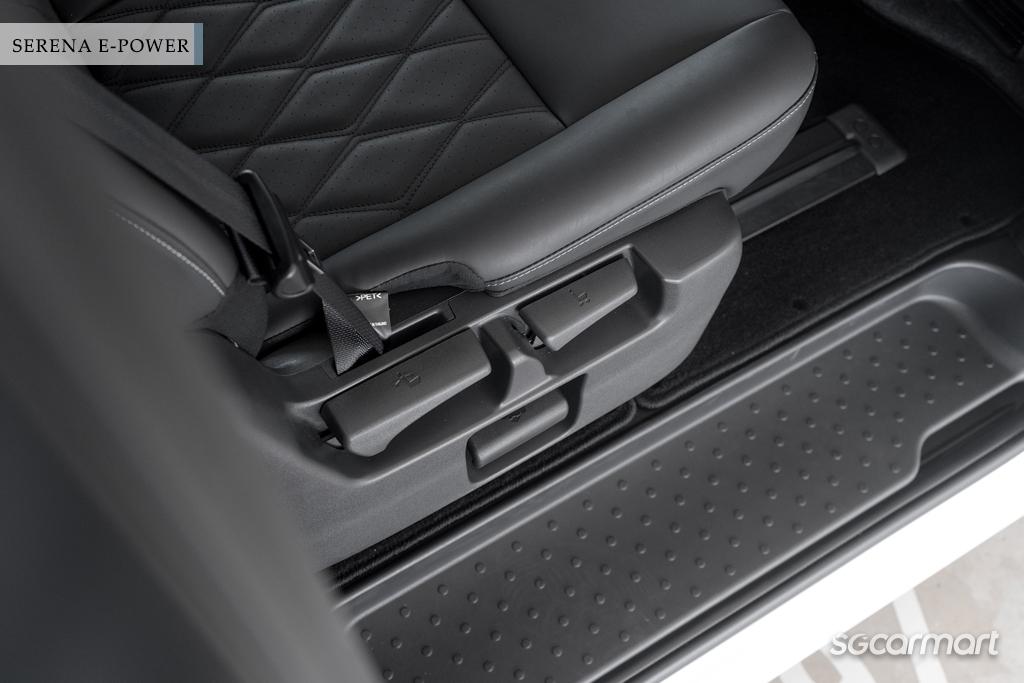
Similarly, the Serena's second row captain chairs boast a wider breadth of movement too. Besides being able to recline and slide forwards/rearwards, they can also slide laterally, opening up a whole array of seating configurations for those in the rear. Those on the Noah only recline, and move fore and aft.
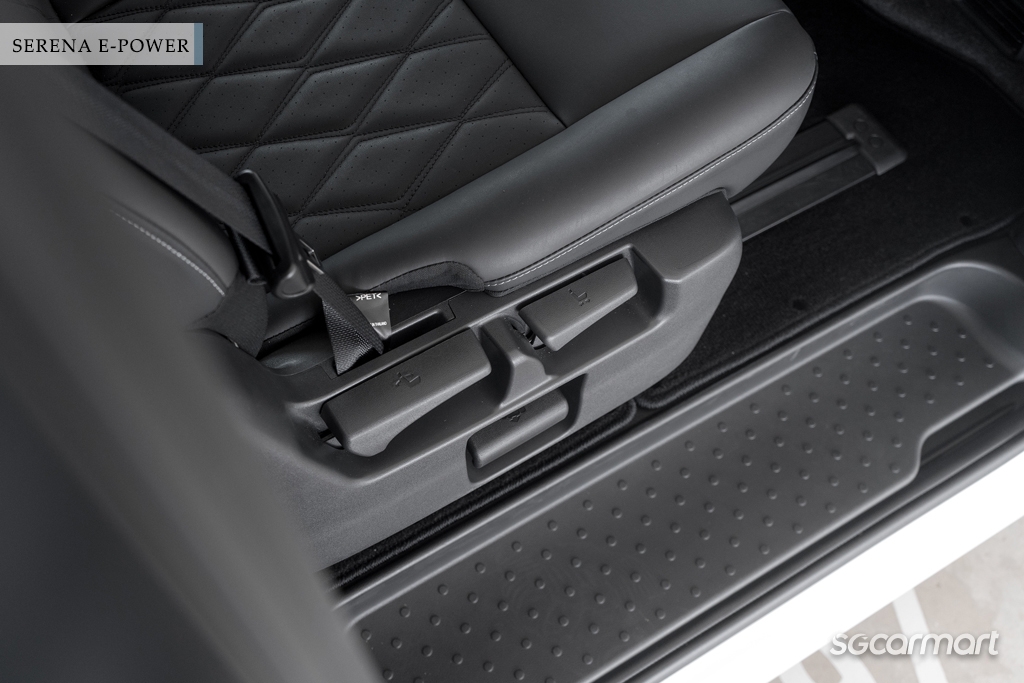
The Serena also gets the slight edge in cabin versatility with second row seats that can slide laterally, on top of reclining and sliding forwards and backwards
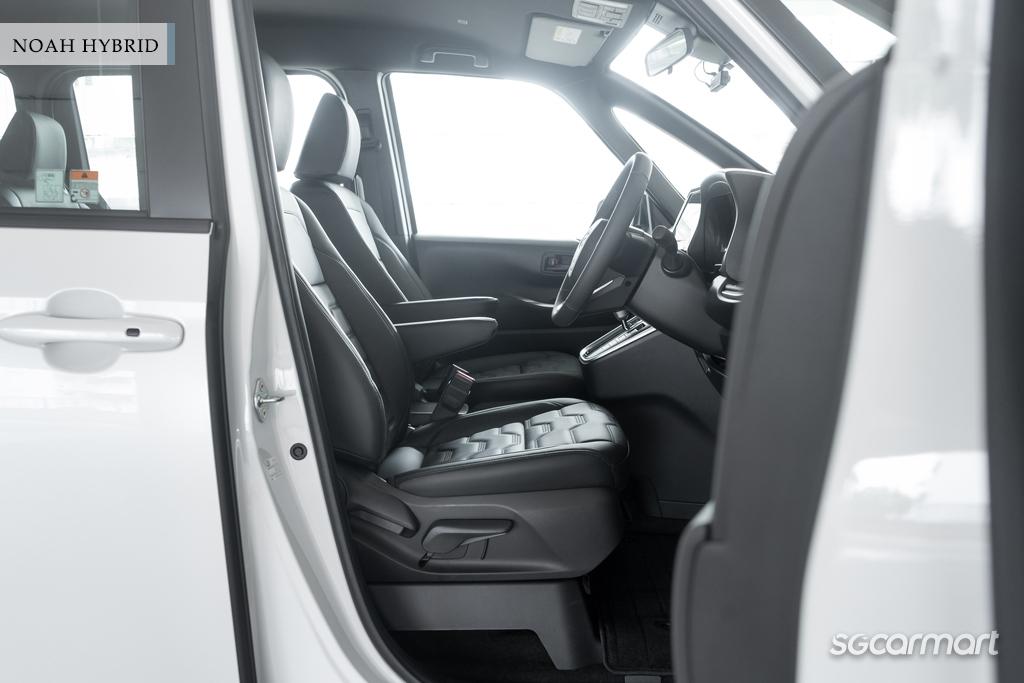
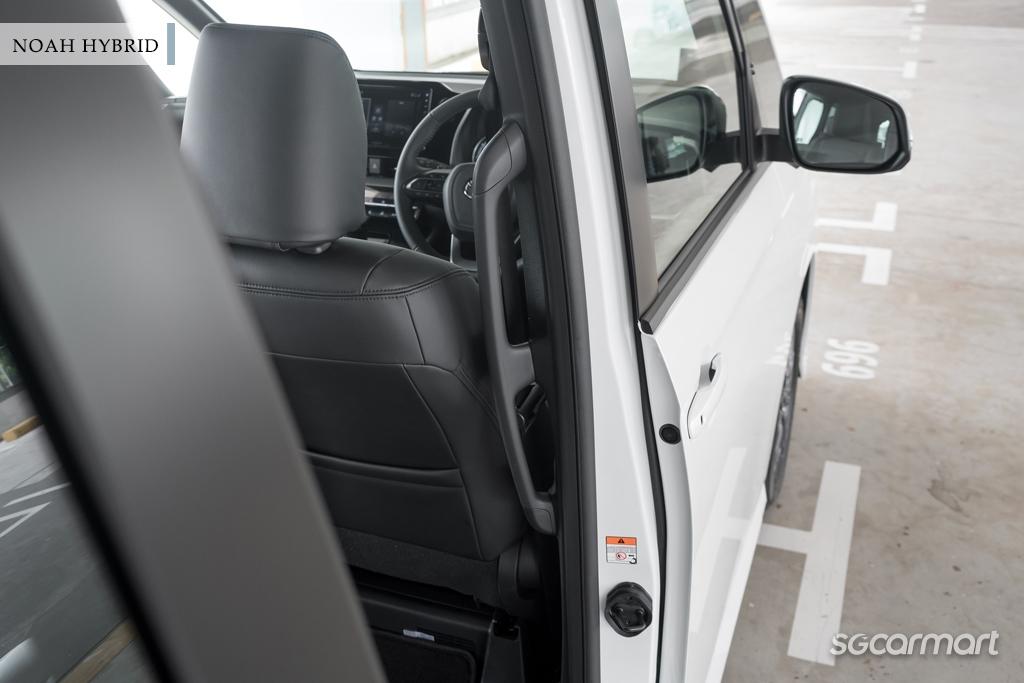
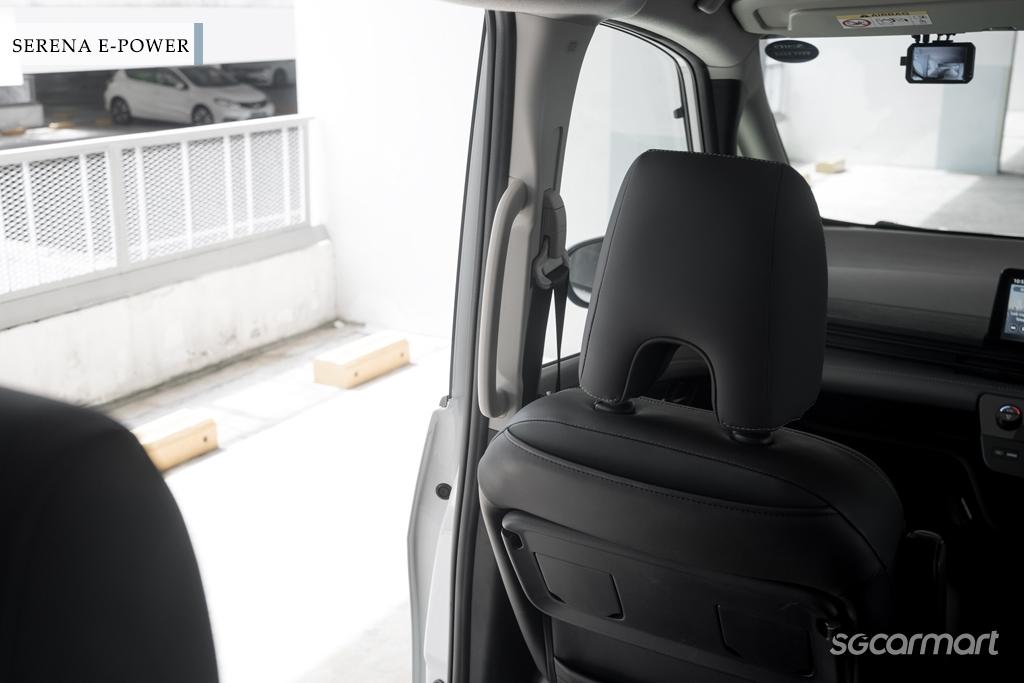
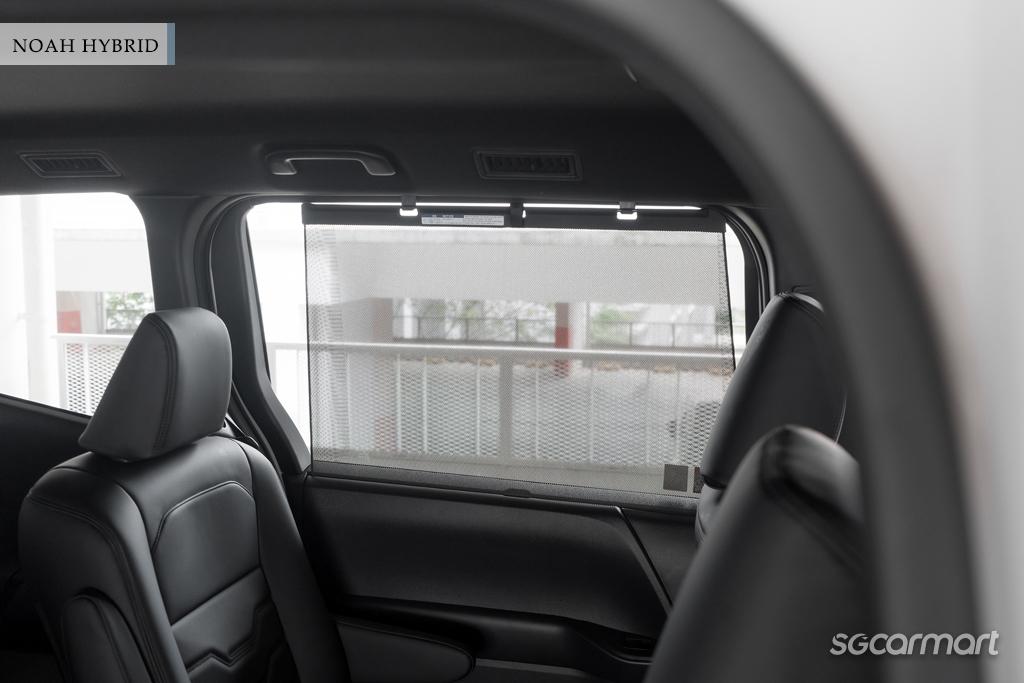
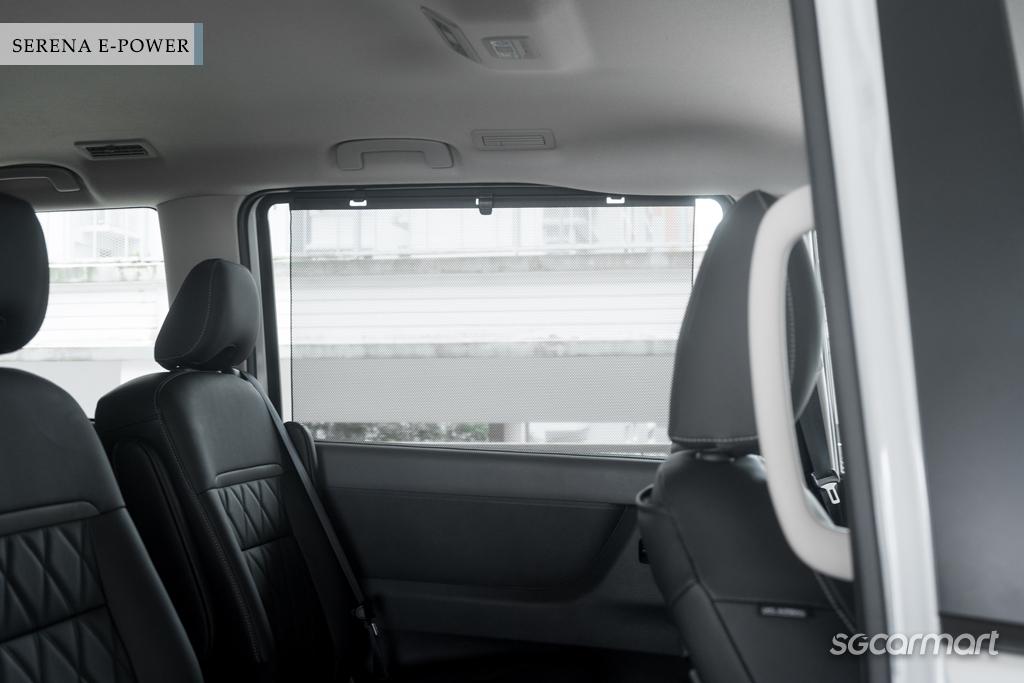
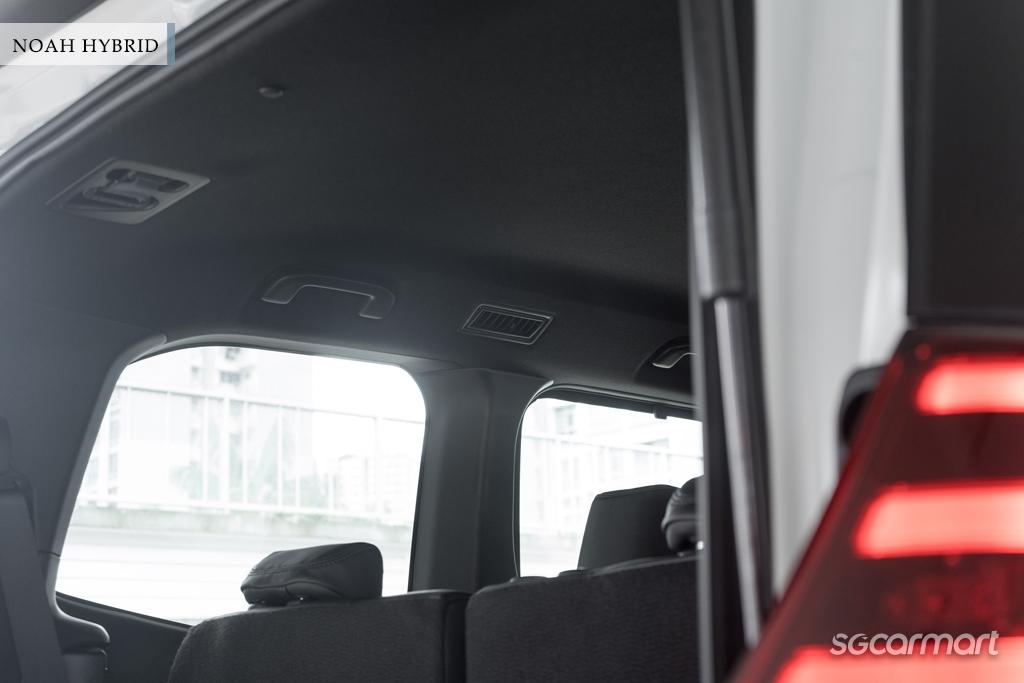
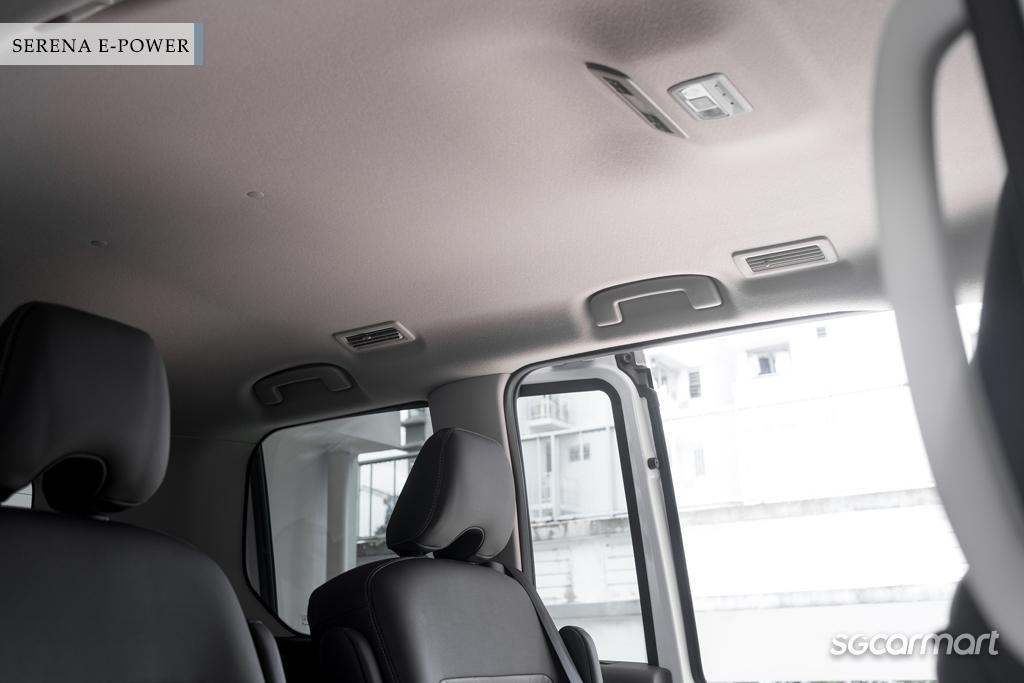
Having said that, the Noah still has the slight edge in passenger comfort. To be clear, both cars provide excellent space for passengers across all three rows with the same 2+2+3 layout (though that last row is best suited for two adult-sized folks). But you'll find just slightly less head room on the Serena row three - a possible consequence of it ostensibly opting for raised theatre-style seating.
In terms of clever packaging idiosyncrasies, the two rivals each possess a party trick of their own.
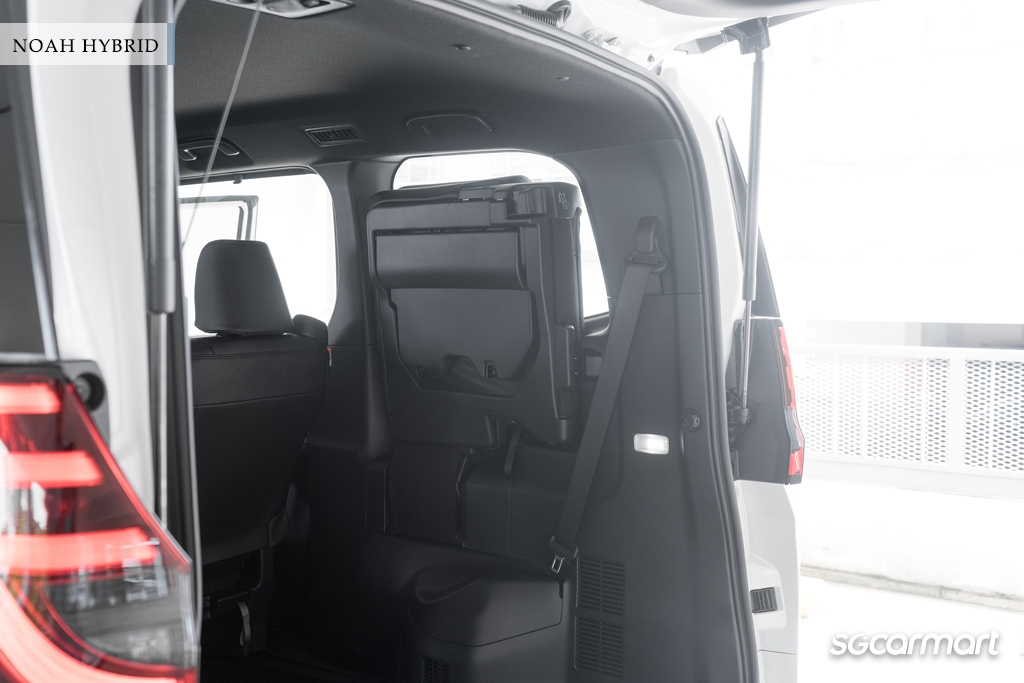
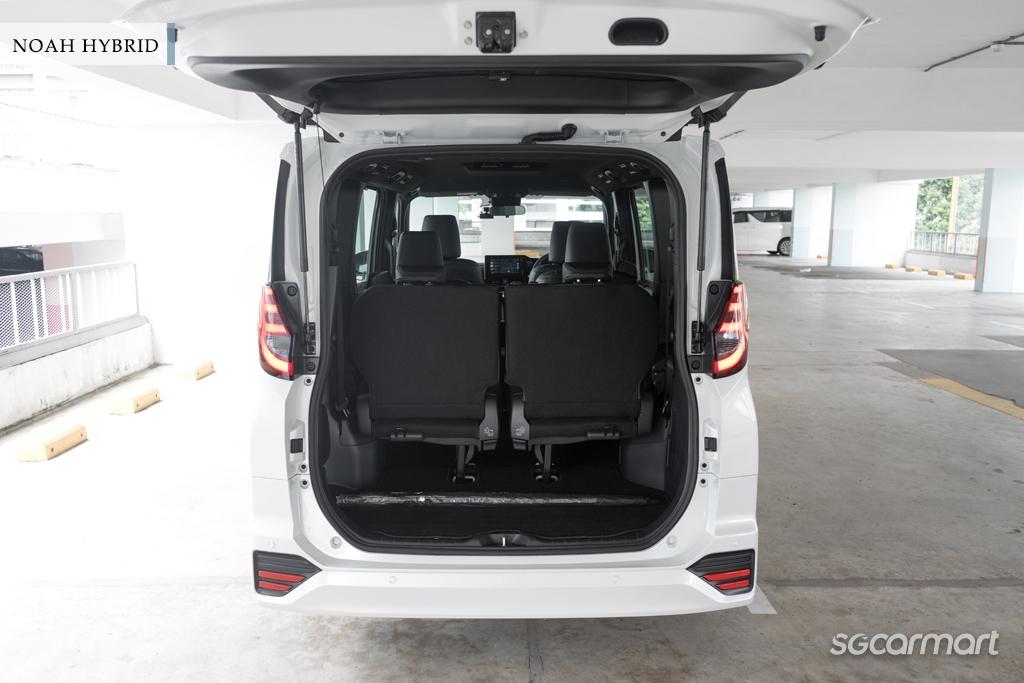
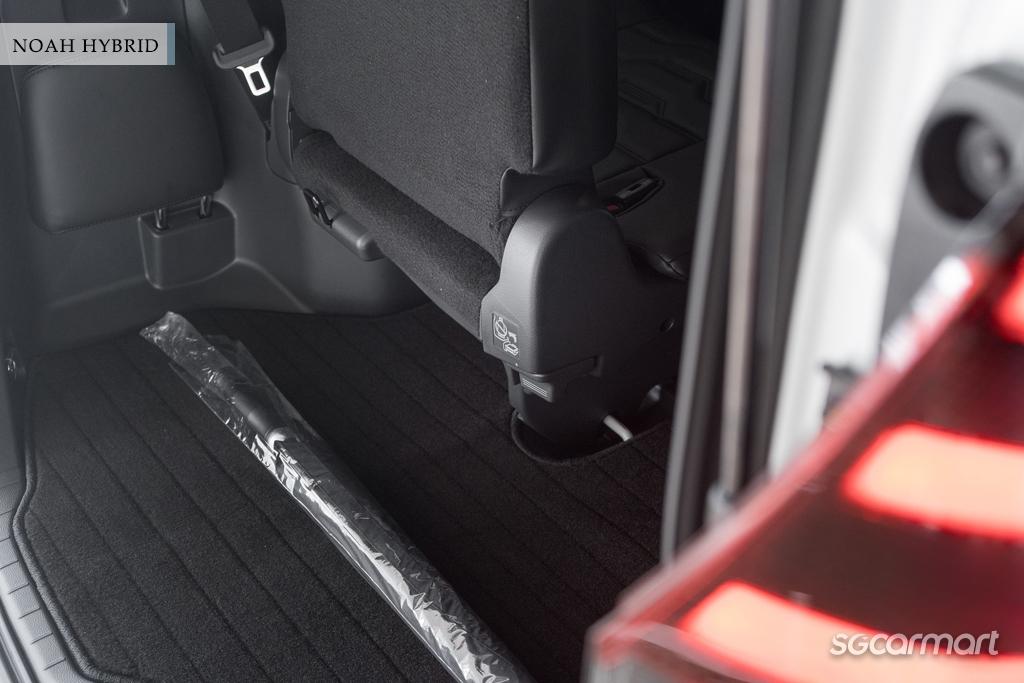
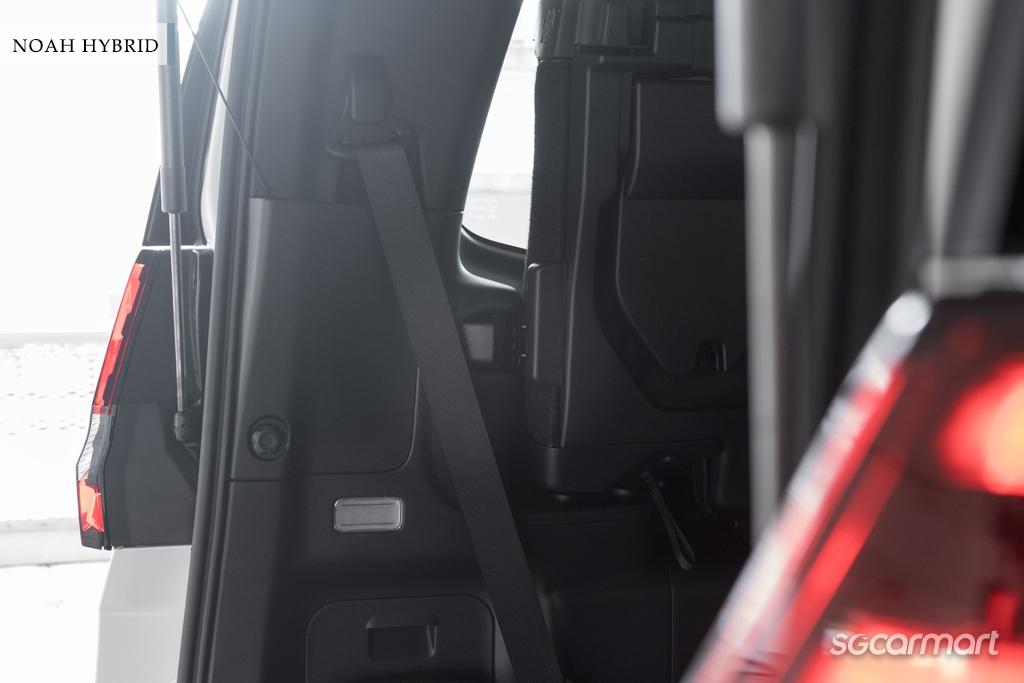
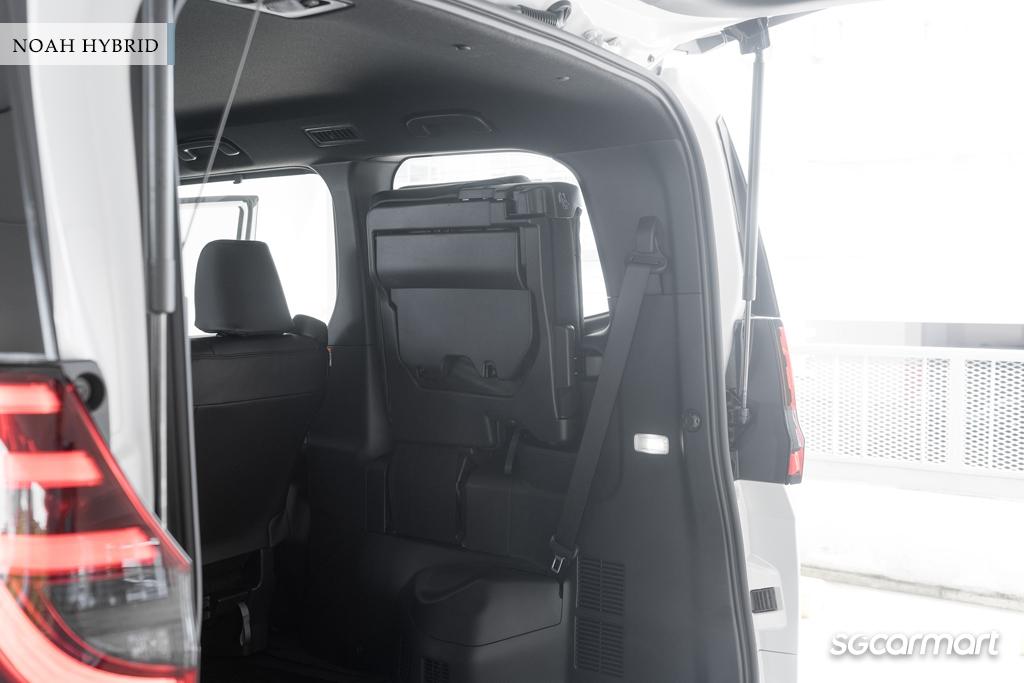
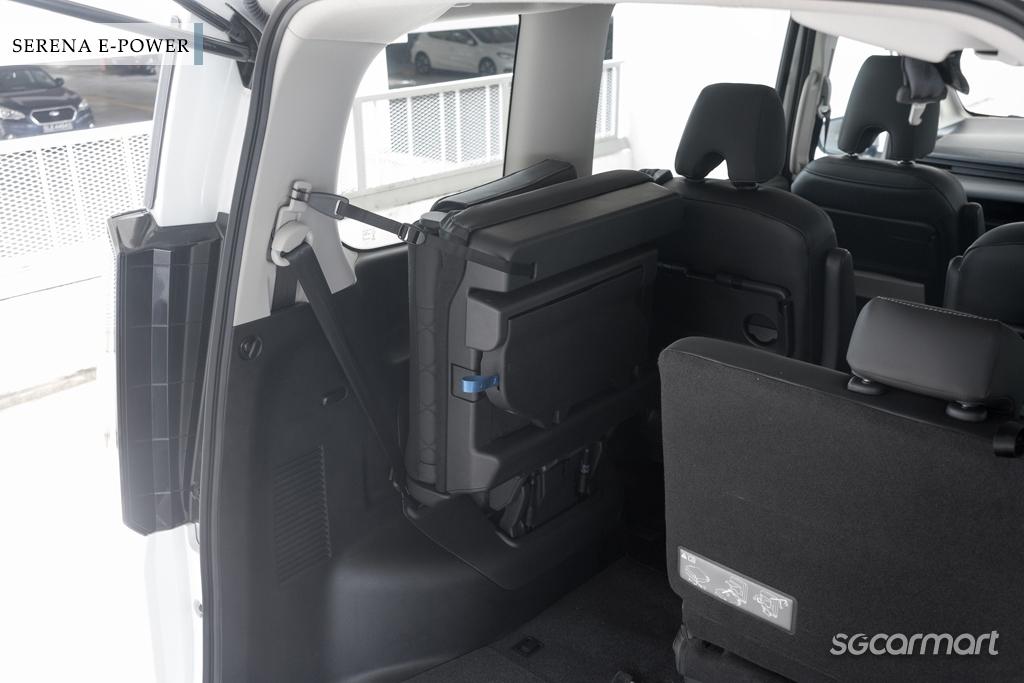
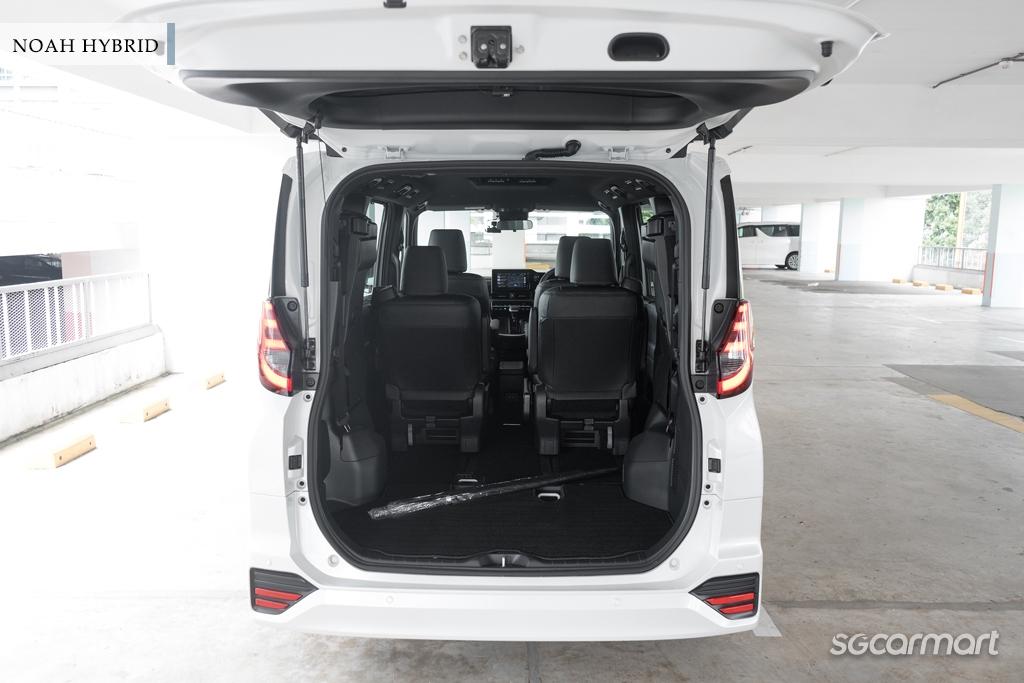
The Noah's last row fold-away mechanism is far superior to the Serena's, effectively requiring only a single motion
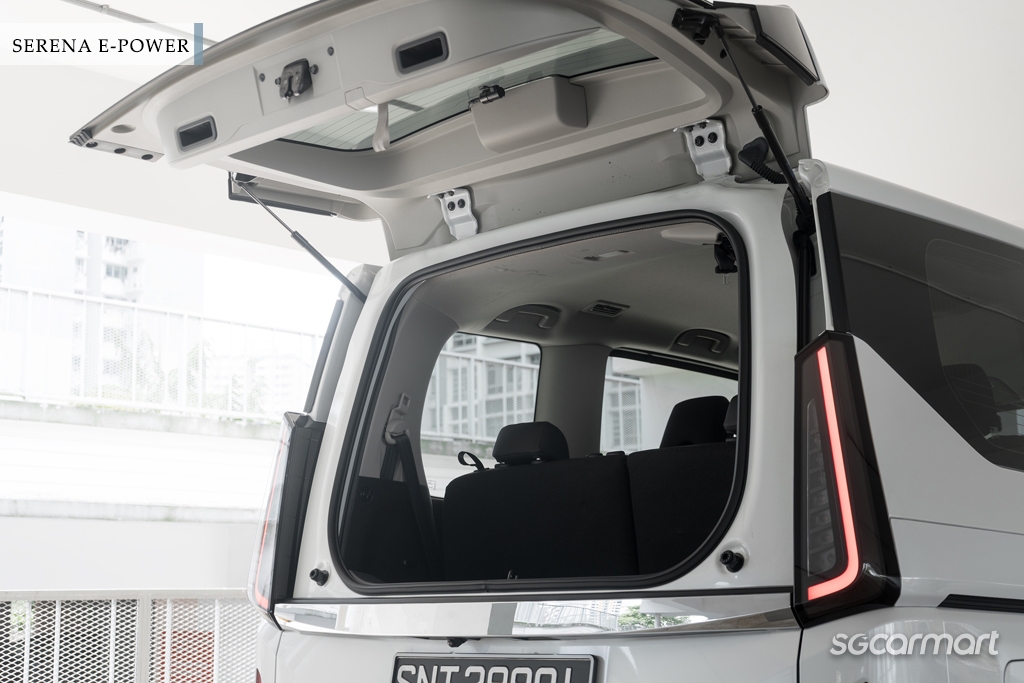
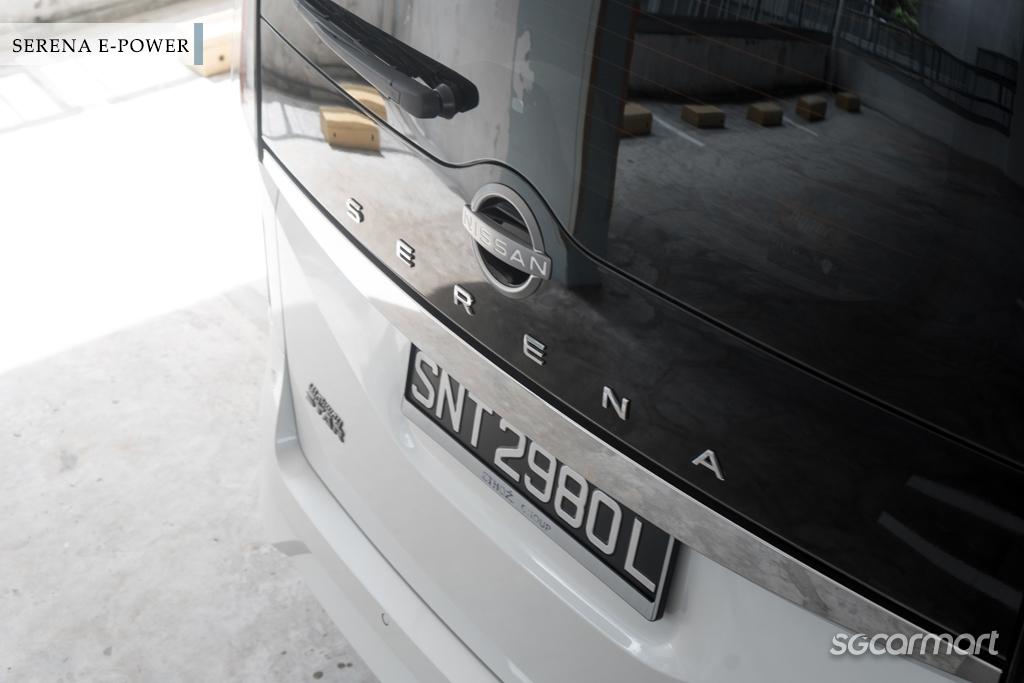
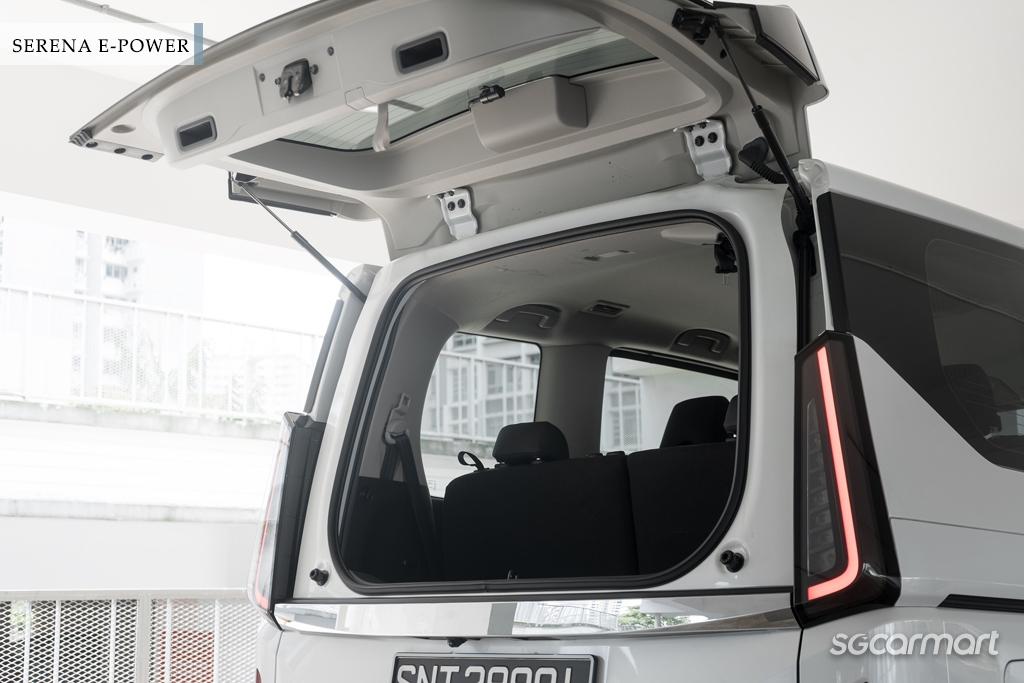
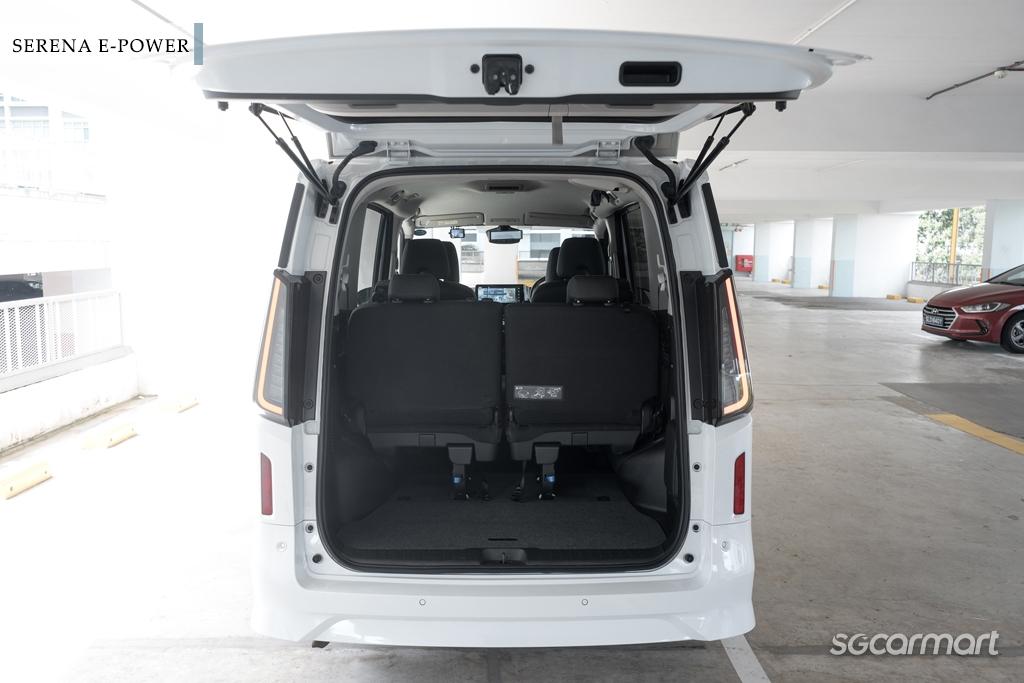
The Serena's own party trick comes in the form of this endlessly useful dual tailgate, which is a godsend in tight parking spaces
The Noah comes with a superbly convenient mechanism that effectively requires only a single motion to fold the last-row seats upwards; everything is then neatly locked up and tucked away. Putting away the Serena's seats is a clumsier affair, since they still come with straps that you'll have to manually fasten and tighten.
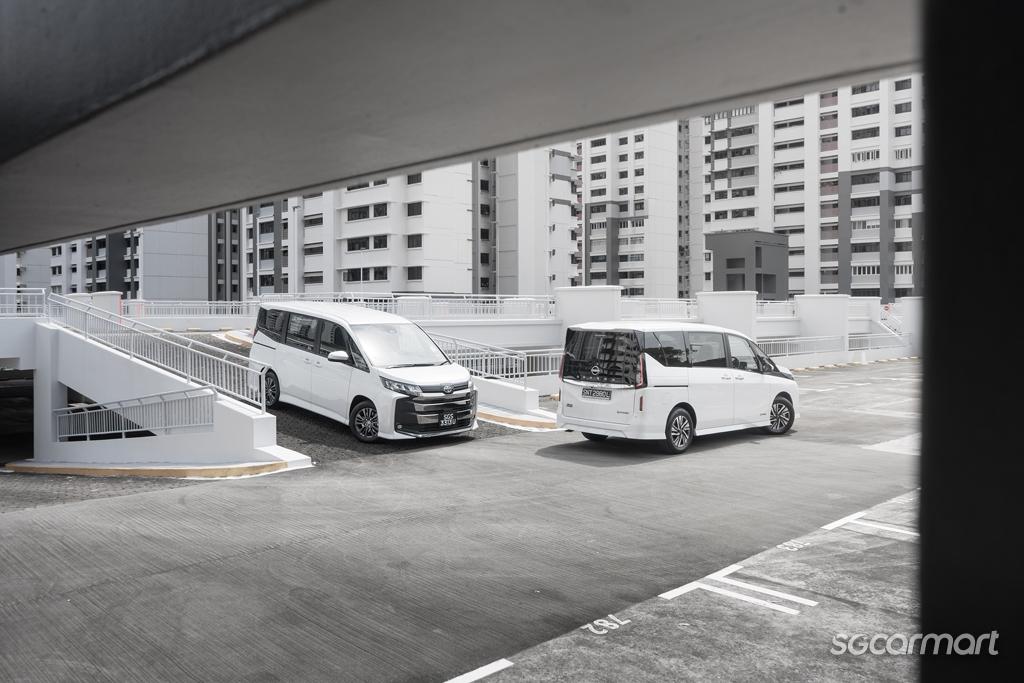
But it's likely that the Serena's secret weapon is more alluring still. Considering that Singaporeans like to park rear-in, a dual tailgate opening here will undeniably be a godsend in shopping malls and multi-storey carparks, easily allowing you to retrieve items from the boot.
Talking about driving dynamics in a minivan shootout may sound silly, but drive both cars back to back as we did, and the Noah shines with its heightened ability to follow your inputs with just that bit more speed and faithfulness than the Serena.
Everything is tuned towards the driver more intentionally - whether it's the way the seating position and steering wheel are set up, the weight of the steering rack itself, or how the perfectly-damped suspension settles quickly after taking on a construction-filled road.
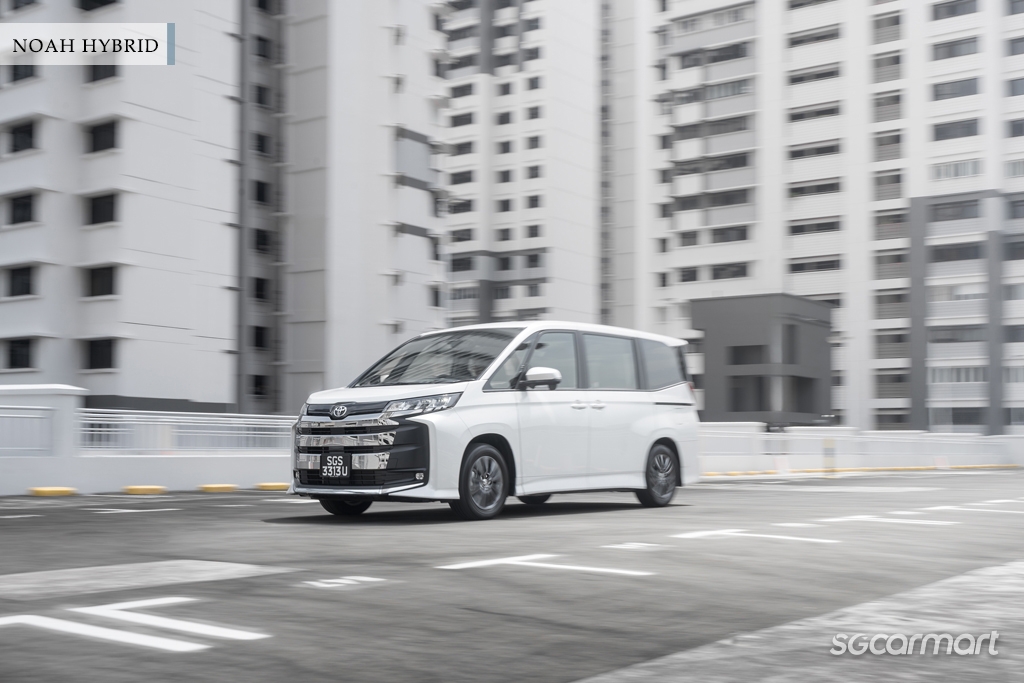
Though down on power, the Noah surprisingly feels like the more eager and driver-oriented machine than the Serena
And while the Noah's half-analogue half-digital cluster is not as eye-catching as the Serena's full-digital item, its angled positioning conveys driving information a bit more quickly. Ditto for its infotainment touchscreen, which is similarly slanted upwards, and sits high on the dashboard. Once more, these little details give the Noah an edge on the ergonomic front, and thus amplify driving comfort too.
Surprisingly, the Noah even feels like the more eager car.
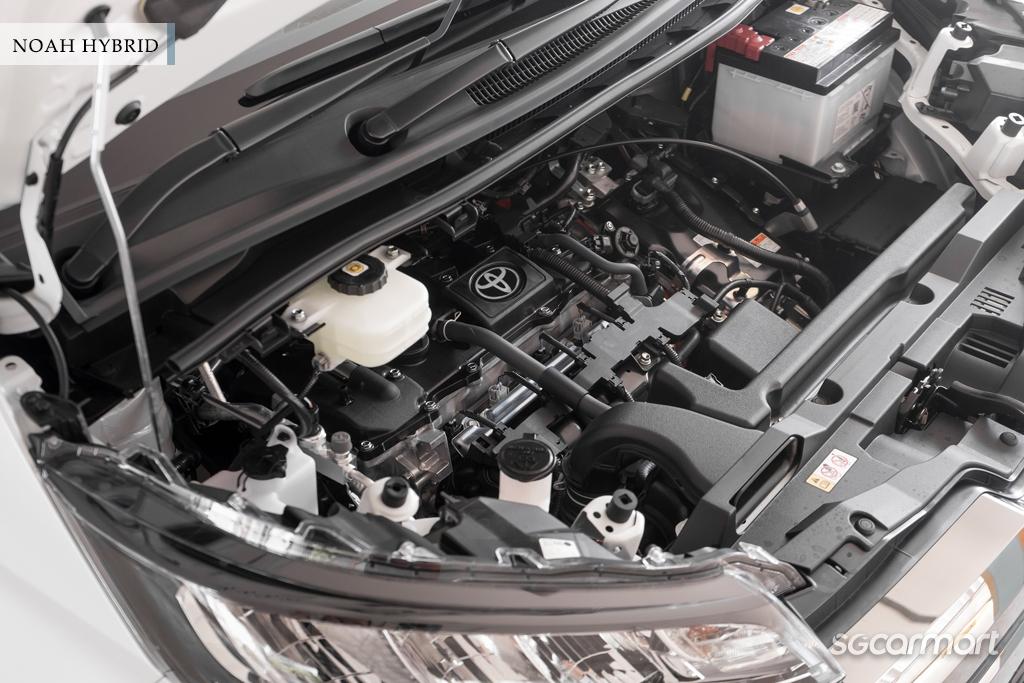
On paper, its 138bhp is outgunned by the Serena's 161bhp, but its powertrain simply feels more responsive. Propulsion off the line is always handled by the onboard electric motor, before the 1.8-litre engine kicks in to take over powering the wheels. It's a shame, however, that you're inevitably confronted with the loud, grating drone that comes when the engine is put under some strain. Otherwise, the driving experience offered up by the Noah is the more involving one.
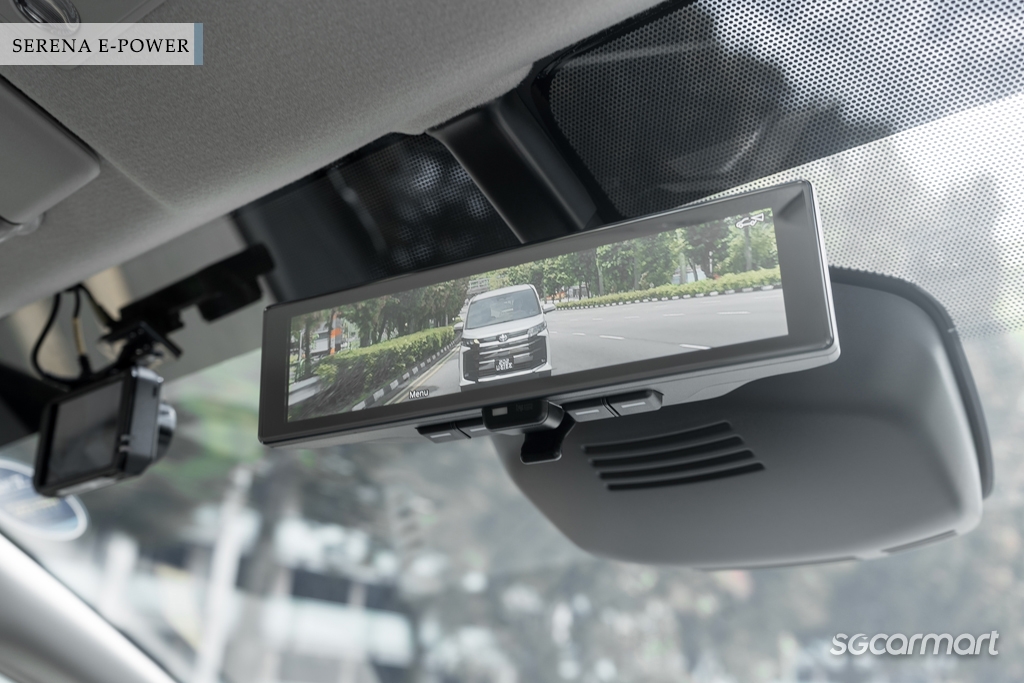
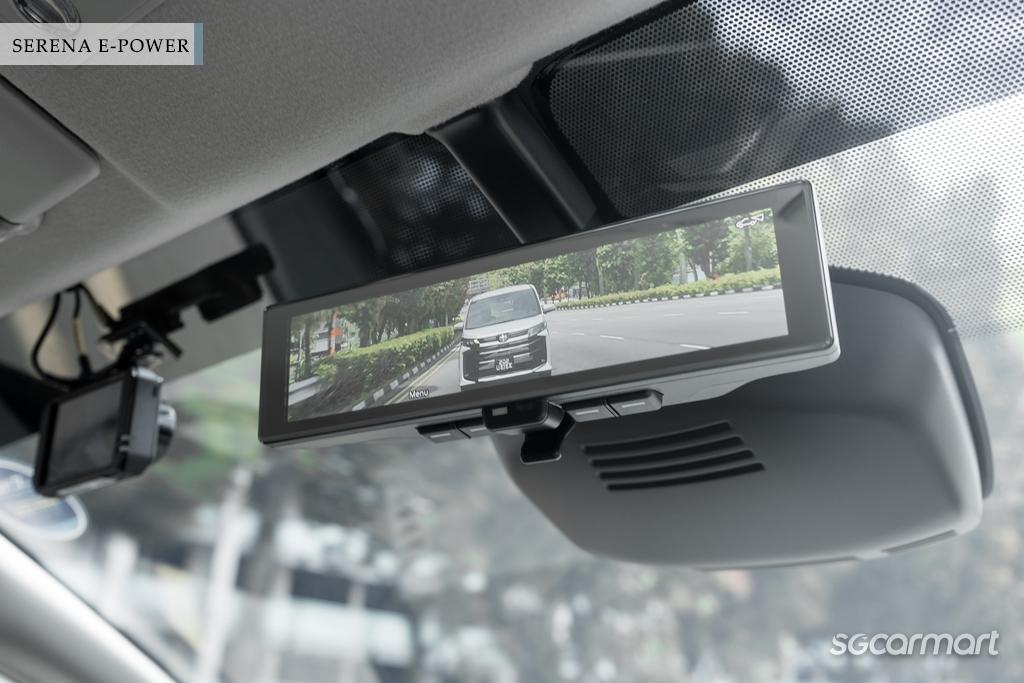
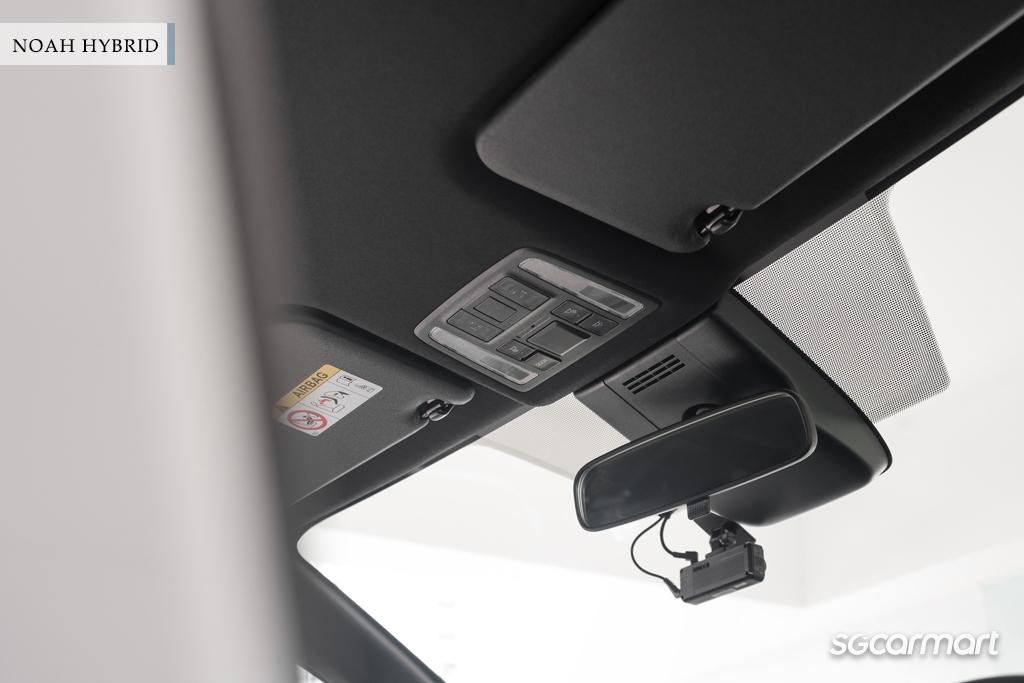
The Serena, however, has the final word in refinement; its feature-list also continue to shine on the road, with the likes of a digital rearview camera
The Serena's overall drive, on the other hand, feels just a bit less well-sorted from behind the wheel.
Its steering feel is more vague, and its softer suspension also isn't as confidence-inspiring despite it sharing the same setup as the Noah (MacPherson struts up front, and a torsion beam at the rear). Steering wheel in hand, you never settle in quite as comfortably as on the Noah.
But the Serena's less involving driving manners are mitigated effectively by one outstanding and crucial quality: Its sophisticated powertrain.
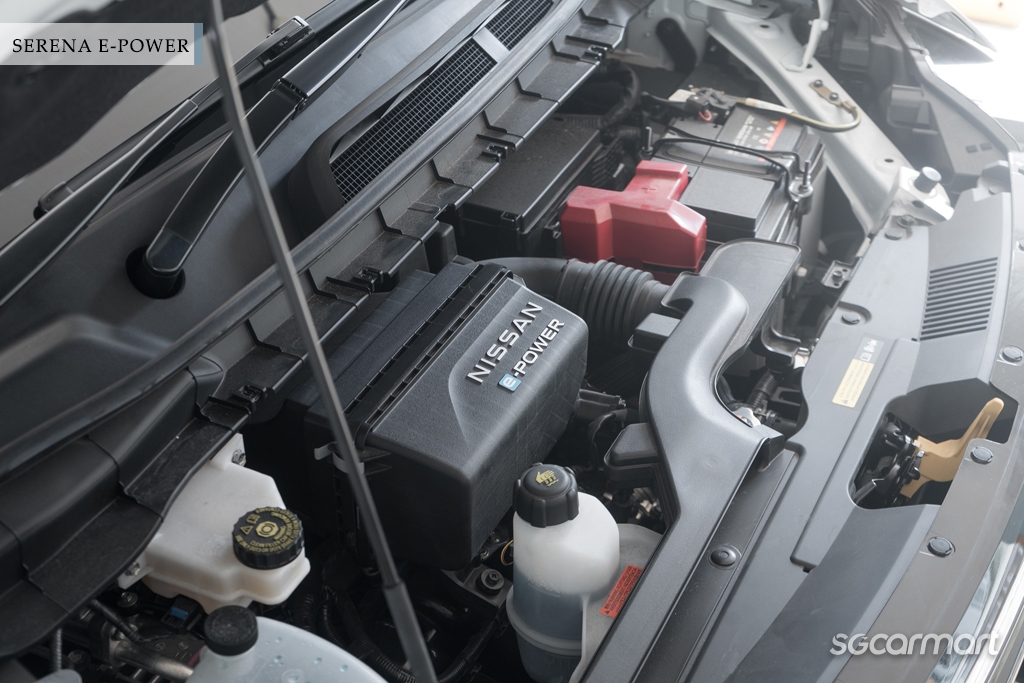
The Serena's sophisticated e-POWER powertrain gives it superb refinement without sacrificing fuel efficiency
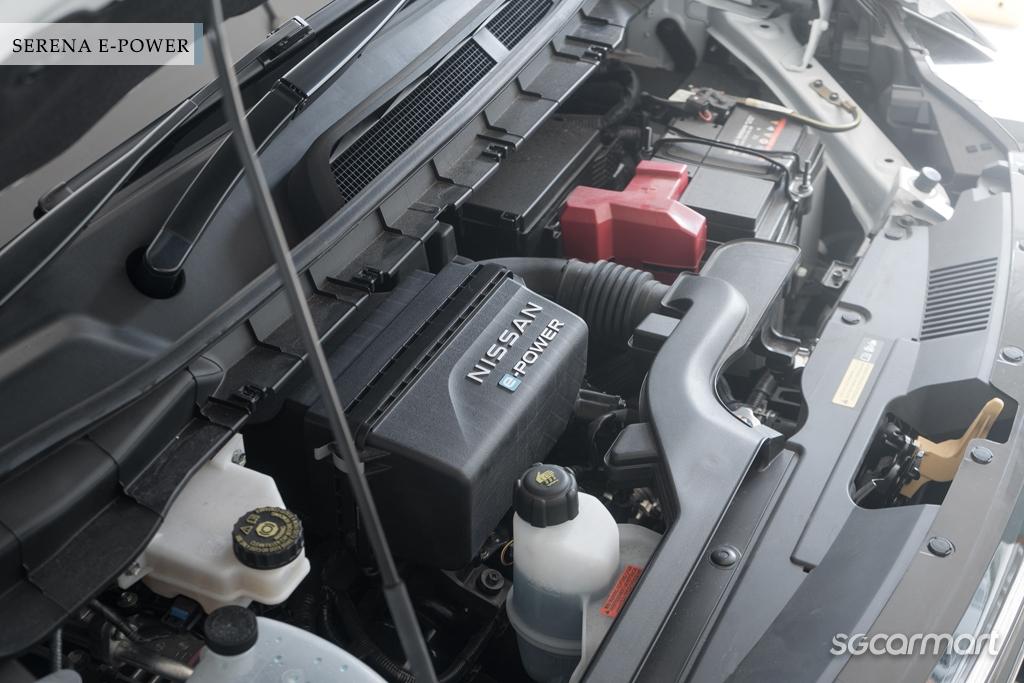
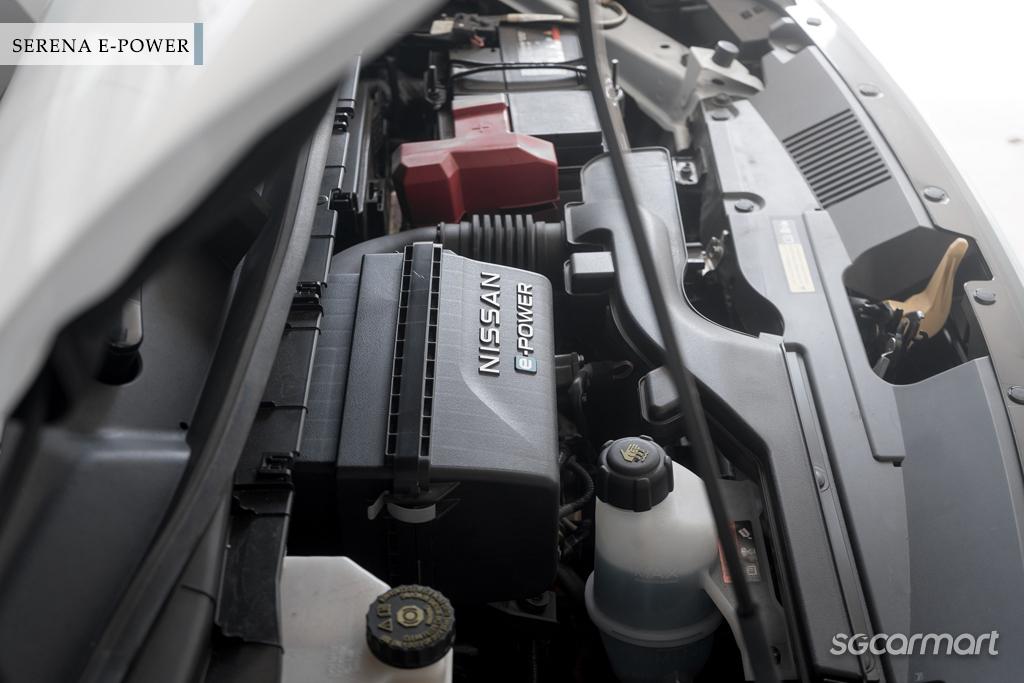
Unlike the Noah, the Serena e-POWER is a series hybrid. Its front wheels are propelled entirely by electric power at all times, while its 1.4-litre engine serves only to generate power for an onboard battery. Don't be fooled by its looks into thinking it's a slow car. Given the 161bhp and 315Nm on tap, this block on wheels can shoot out of traffic if required - except that it prefers to shield you from any sensation of speed.
Based purely on refinement, then, the Serena shines brighter. A clever acoustic system utilised by Nissan on the second-generation e-POWER system underpinning the car means that you're also largely distanced from the sounds of the engine when it's generating power for the onboard battery.
Considering that the intrusion of noise (or the lack thereof) is one of the key determinants of occupant comfort, the Serena puts itself significantly ahead of the Noah in this regard. It's easy for it cruise on Lane 1 at the speed limit without realising how quickly you're going. As a smooth and serene people-mover, the Serena is fantastic.
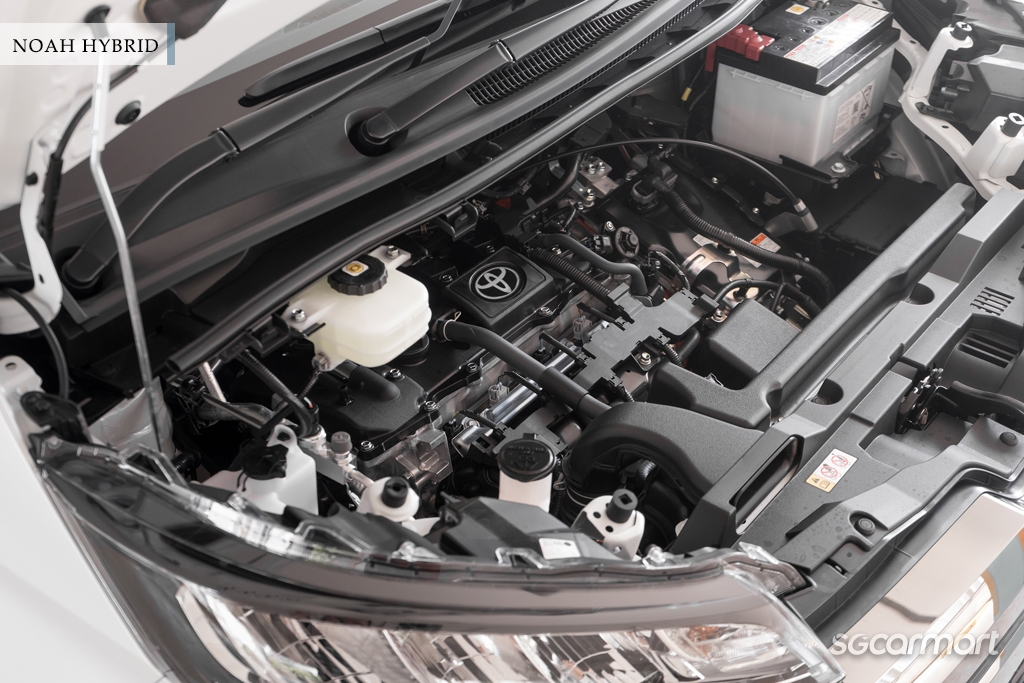
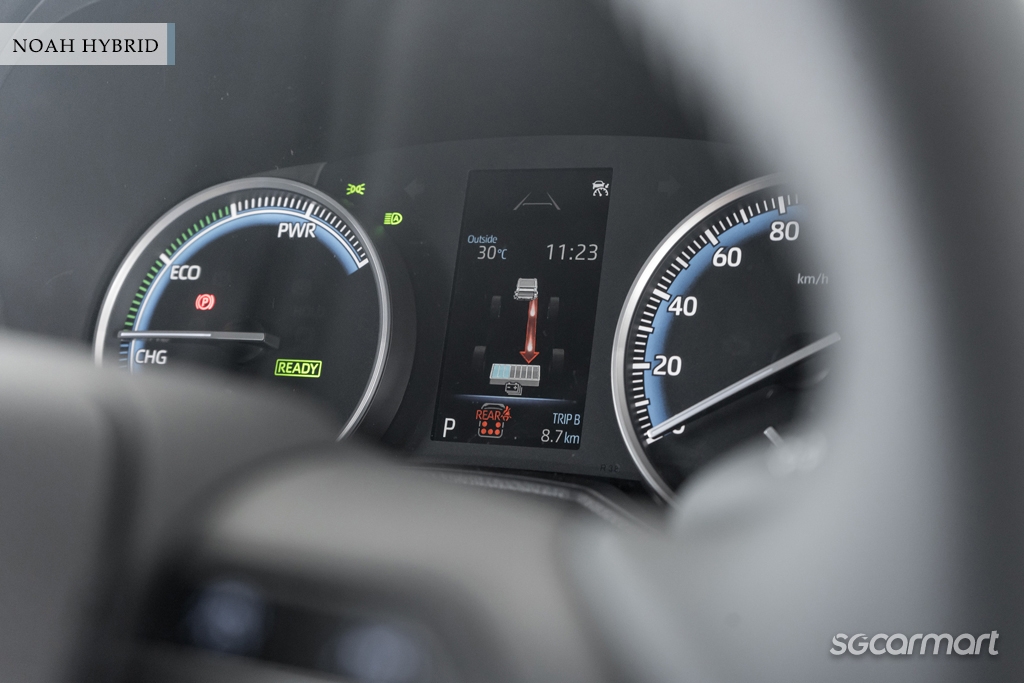
The Noah's series-parallel hybrid powertrain feels coarser, but delivers the extra edge in fuel efficiency
Once more, however, the Noah trades blows with the Serena on the fuel efficiency front.
Our three-day drives with both cars saw the Noah's final figure of over 19km/L outdoing the Serena's 17.5km/L - itself already an objectively stellar number for a seven-seat MPV. Since both cars' fuel tanks are equally matched at 52 litres in capacity, it's probably still the Noah ultimately that you can cover more kilometres in.
Again, however, we're splitting hairs; the results still show just how far the disparate hybrid systems from both Toyota and Nissan have come in delivering fuel efficiency. 17.5km/L is nothing to be ashamed about.
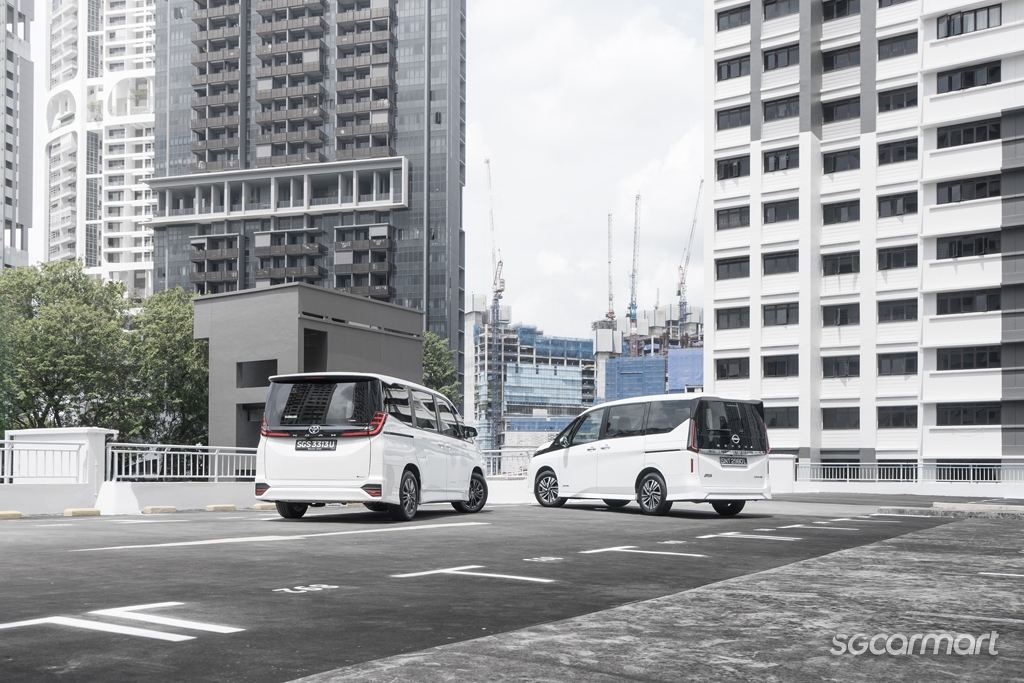
The sheer number of current-generation Serenas and Noahs we see on our roads already speaks to the fact that both cars hold a lot of appeal to larger families today. We're inclined to agree with both camps - you couldn't go wrong with either car. On paper, they're even matched nearly evenly in terms of pricing, with the Noah commanding just a small premium over the Serena.
Locking your decision in then, is likely to come down to a matter of preference.
Those who prioritise thoughtful ergonomics, bulletproof reliability, strong resale values, and of course, the last word in fuel efficiency, are likely to gravitate to Borneo Motor Singapore's Toyota showrooms for the Noah. As they spend a bit of time behind the wheel, they'll even find that it has in itself to engage the driver quite competently too.
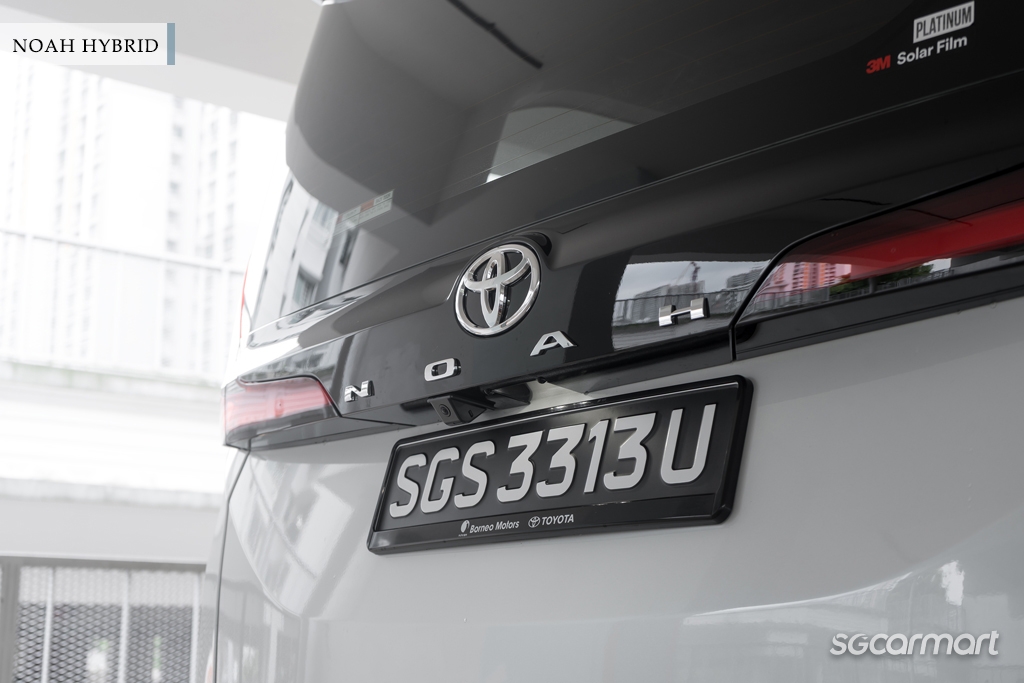
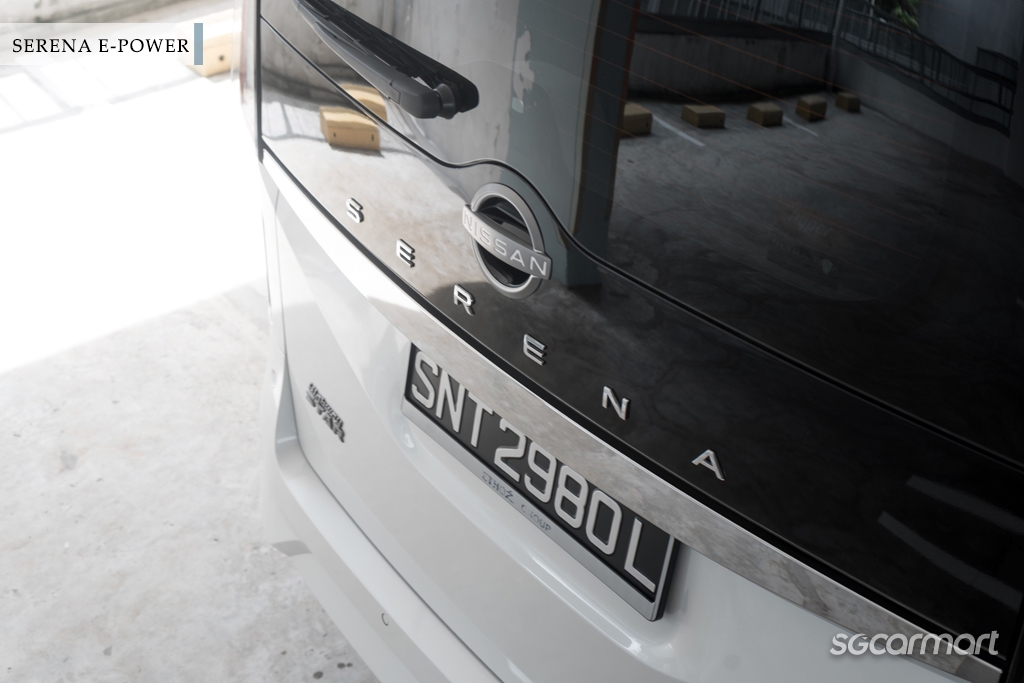
Both the Noah and Serena are impressive people-movers in their own right - but the Serena's contemporary outlook and better equipment list give it extra appeal in our books
But it's ultimately still the Serena that feels like the more modern and compelling MPV in 2025 - with its impressive and well-equipped cabin, its still-commendable fuel efficiency, its endlessly useful dual tailgate, and its sophisticated EV-like drivetrain.
If keeping all three rows of passengers onboard in good spirits is ultimately the remit of a mid-sized MPV, Nissan's feature-packed and refined contender has just that bit more (e-)power over its rival.
Don't forget to check out our latest group tests below too!
The tank-like XC90 takes on the luxurious Q7 in this shootout between premium seven-seater SUVs!
Toyota Noah Hybrid
More imposing styling
Better ergonomics all around
Better manoeuvrability, sharper drive
Boasts slight edge still in fuel efficiency
Nissan Serena e-POWER
More understated presence
More modern and upmarket cabin
Better equipped across all three rows
Superior drivetrain refinement; commendable fuel efficiency
Glistening in the midday sun, million-dollar HDB flats in the background, the two boxes on wheels we've gathered for our group test suddenly call to mind the 'Maxi cabs' that used to sit atop the taxi food chain in Singapore.
We don't get to choose the colours of the cars that we take out, so it feels serendipitous that both loaned to us happen to be in a pure, stark white. In different paintcoats, the memory of those taxis wouldn't have been jolted.
You could argue that in their own right, both the Toyota Noah Hybrid and Nissan Serena e-POWER serve as spiritual successors to those white Mercedes-Benz Vitos.
Both have become massively popular on our roads for their ability to ferry seven relatively comfortably - and thus also become integral parts of the ride-hailing market. And while the chances are that you've had one of these pull up at Changi Airport to take you home after a holiday, they've also become massive hits among private buyers.
Painting differently by the numbers
It's not hard to see why.
Indeed - smaller MPVs like the Toyota Sienta and Honda Freed hold their own charm; seven-seater SUVs have also grown competently roomy over the years. Regardless, no other segment of vehicles can nail the nexus between right-sized footprints, sheer space, and relative affordability quite as perfectly as the mid-sized MPV. Both the Noah Hybrid and Serena e-POWER are full hybrids too (albeit in different rights - more on that later), so there's the added promise of fuel economy here.
The spotlight on the segment, as you may already know, has been renewed lately thanks to the arrival at last of the Noah Hybrid in the showrooms of Toyota's official dealer, Borneo Motors.
The 'official' Noah's chrome-heavy front is reminiscent of the Toyota Vellfire's, and gives it a bit more presence than the Serena with its V-motion front grille
Considering that the model has been sold by parallel importers for more than a year now, the Noah's face is no longer a foreign one on our roads. Still, it's worth pointing out that 'official' units stand apart slightly.
Specced out in one of the higher trim levels made available by Toyota, this Noah rides on tastier, glossy 16-inch aluminium rims, and gets what Borneo Motors calls an aero kit (side skirts, specific front and rear bumpers).
Both cars ride on 16-inch wheels, although the Serena gets slightly higher profile tyres
Taking a leaf out of the styling book of its larger and more luxurious sibling (the sublime Vellfire), most notable are the thick and shiny chrome slats on the Noah's front end. You don't expect a mid-sized MPV to boast such presence, but the Noah does, with its upright nose and bling-y front grille.
Parked next to it, the Serena feels softer, and far more understated. Its new interpretation of Nissan's signature 'V-Motion' aesthetic, consisting now of stacked horizontal elements that neatly blend the head lights in, may be an acquired taste (one that I've grown to savour quite a bit, actually). But it's an undeniably modern take on a modern MPV - far less garish than its predecessor.
The Serena's rear end is a sleeker affair, with its slimmer and cleaner-looking tail lamps
From the front, it doesn't lean as heavily into the blocky aesthetic of the Noah too, with its slanted snout - though come round to the side, and its minivan silhouette is more pronounced with its added height (25mm more than the Noah).
The Serena also gets a standard body kit in Singapore, which gives it side skirts and a tasty rear spoiler (whatever that could do to the performance of a blocky MPV) for extra visual sharpness. Speaking of which, the Serena's rear-end is also a sleeker affair than the Noah's, with its slimmer tail lights.
Finally, we're splitting hairs here, but colours do matter to the private buyer. In this regard, the Serena has the upper hand with its more diverse official colour palette (eight different selections!), which even includes dual-tone options. With the Noah, however, you're limited to just white, silver and black.
The Serena's cabin is undeniably the more modern of the two, with its full-digital layout
Interestingly, that instant wow factor is flipped for both cars on the inside, where the Serena instantly feels like the more modern machine.
Credit is due to its sleek dashboard, which comes with padded surfaces, light stitching, and a snazzy dual 12.3-inch screen setup for your infotainment touchscreen and driver's display. The former even supports Apple CarPlay and Android Auto wirelessly (if you're an Android user, you'll have to pack a cable on the Noah).
The Serena's 12.3-inch infotainment touchscreen doesn't just have the Noah's 9.0-inch one pipped in terms of size, but in resolution and responsiveness too
If you thought that MPVs had to be all function and no form, the Serena continues to prove otherwise up front. While it doesn't pursue a full touch-operated route, it does present a cool-looking touch panel for your air-conditioning controls, which throws nicely-weighted rotary dials for adjusting temperature into the mix.
Across the board, the Noah's dash feels dated in comparison.
Its infotainment touchscreen is a smaller 9.0-inch factory-fitted item, for starters, and is neither as responsive nor as vibrant as the Serena's.
In rather old-school style, its instrument cluster retains analogue dials for the car's power meter and speedo too, flanking a 4.2-inch LCD display. The latter condenses all relevant information very sensibly, and is likewise logical to operate - but the digital-analogue combo remains less impressive than the Serena's full-digital route.
Cooling for all: Both cars are handily equipped with tri-zone air-conditioning
Eschewing dazzling tech displays, the Noah opts instead for long-wearing satisfaction.
Ironically, living with a car across a couple of days to consistently return into the cabin and not find fingerprints dotted everywhere feels surprising. Yet this is the pleasant experience that the Noah presents. Against the black-gloss and touchscreen-heavy landscape in which we live, it protests silently with its widespread, matte-finished physical buttons.
The Noah's cabin might feel a bit more dated, but has the edge in ergonomic comfort thanks to the concentration of all high-use controls within the same area
Its interior is also ergonomically excellent, with the majority of high-use controls (the gear lever, the EPB, your Start/Stop button) concentrated within the same easy-to-reach area. The Serena's more scattered spread of buttons is pleasant in isolation - but feels just that bit less intuitive if you've just gotten out of the Noah. Spend a bit more time in the Noah and you'll find that even if its cabin seems austere initially, it might just win you over with how faultlessly screwed-together everything is.
Still, sheer space is ultimately the order of the day in cars like these. And on this front, the Serena's cabin still feels more versatile and better-equipped to handle a family's needs.
The Serena's cabin feels better equipped with its higher density of tray tables, cupholders and charging ports
Whereas the Noah only has a sole flip-up tray table between its two captain's chairs, the Serena presents both second and third row passengers with their own tray tables (that's a total of four). Speaking of which, even the last row comes with USB-C charging ports and two cupholders on both sides; the Noah only treats occupants to cupholders here.
Similarly, the Serena's second row captain chairs boast a wider breadth of movement too. Besides being able to recline and slide forwards/rearwards, they can also slide laterally, opening up a whole array of seating configurations for those in the rear. Those on the Noah only recline, and move fore and aft.
The Serena also gets the slight edge in cabin versatility with second row seats that can slide laterally, on top of reclining and sliding forwards and backwards
Having said that, the Noah still has the slight edge in passenger comfort. To be clear, both cars provide excellent space for passengers across all three rows with the same 2+2+3 layout (though that last row is best suited for two adult-sized folks). But you'll find just slightly less head room on the Serena row three - a possible consequence of it ostensibly opting for raised theatre-style seating.
In terms of clever packaging idiosyncrasies, the two rivals each possess a party trick of their own.
The Noah's last row fold-away mechanism is far superior to the Serena's, effectively requiring only a single motion
The Serena's own party trick comes in the form of this endlessly useful dual tailgate, which is a godsend in tight parking spaces
The Noah comes with a superbly convenient mechanism that effectively requires only a single motion to fold the last-row seats upwards; everything is then neatly locked up and tucked away. Putting away the Serena's seats is a clumsier affair, since they still come with straps that you'll have to manually fasten and tighten.
But it's likely that the Serena's secret weapon is more alluring still. Considering that Singaporeans like to park rear-in, a dual tailgate opening here will undeniably be a godsend in shopping malls and multi-storey carparks, easily allowing you to retrieve items from the boot.
Talking about driving dynamics in a minivan shootout may sound silly, but drive both cars back to back as we did, and the Noah shines with its heightened ability to follow your inputs with just that bit more speed and faithfulness than the Serena.
Everything is tuned towards the driver more intentionally - whether it's the way the seating position and steering wheel are set up, the weight of the steering rack itself, or how the perfectly-damped suspension settles quickly after taking on a construction-filled road.
Though down on power, the Noah surprisingly feels like the more eager and driver-oriented machine than the Serena
And while the Noah's half-analogue half-digital cluster is not as eye-catching as the Serena's full-digital item, its angled positioning conveys driving information a bit more quickly. Ditto for its infotainment touchscreen, which is similarly slanted upwards, and sits high on the dashboard. Once more, these little details give the Noah an edge on the ergonomic front, and thus amplify driving comfort too.
Surprisingly, the Noah even feels like the more eager car.
On paper, its 138bhp is outgunned by the Serena's 161bhp, but its powertrain simply feels more responsive. Propulsion off the line is always handled by the onboard electric motor, before the 1.8-litre engine kicks in to take over powering the wheels. It's a shame, however, that you're inevitably confronted with the loud, grating drone that comes when the engine is put under some strain. Otherwise, the driving experience offered up by the Noah is the more involving one.
The Serena, however, has the final word in refinement; its feature-list also continue to shine on the road, with the likes of a digital rearview camera
The Serena's overall drive, on the other hand, feels just a bit less well-sorted from behind the wheel.
Its steering feel is more vague, and its softer suspension also isn't as confidence-inspiring despite it sharing the same setup as the Noah (MacPherson struts up front, and a torsion beam at the rear). Steering wheel in hand, you never settle in quite as comfortably as on the Noah.
But the Serena's less involving driving manners are mitigated effectively by one outstanding and crucial quality: Its sophisticated powertrain.
The Serena's sophisticated e-POWER powertrain gives it superb refinement without sacrificing fuel efficiency
Unlike the Noah, the Serena e-POWER is a series hybrid. Its front wheels are propelled entirely by electric power at all times, while its 1.4-litre engine serves only to generate power for an onboard battery. Don't be fooled by its looks into thinking it's a slow car. Given the 161bhp and 315Nm on tap, this block on wheels can shoot out of traffic if required - except that it prefers to shield you from any sensation of speed.
Based purely on refinement, then, the Serena shines brighter. A clever acoustic system utilised by Nissan on the second-generation e-POWER system underpinning the car means that you're also largely distanced from the sounds of the engine when it's generating power for the onboard battery.
Considering that the intrusion of noise (or the lack thereof) is one of the key determinants of occupant comfort, the Serena puts itself significantly ahead of the Noah in this regard. It's easy for it cruise on Lane 1 at the speed limit without realising how quickly you're going. As a smooth and serene people-mover, the Serena is fantastic.
The Noah's series-parallel hybrid powertrain feels coarser, but delivers the extra edge in fuel efficiency
Once more, however, the Noah trades blows with the Serena on the fuel efficiency front.
Our three-day drives with both cars saw the Noah's final figure of over 19km/L outdoing the Serena's 17.5km/L - itself already an objectively stellar number for a seven-seat MPV. Since both cars' fuel tanks are equally matched at 52 litres in capacity, it's probably still the Noah ultimately that you can cover more kilometres in.
Again, however, we're splitting hairs; the results still show just how far the disparate hybrid systems from both Toyota and Nissan have come in delivering fuel efficiency. 17.5km/L is nothing to be ashamed about.
The sheer number of current-generation Serenas and Noahs we see on our roads already speaks to the fact that both cars hold a lot of appeal to larger families today. We're inclined to agree with both camps - you couldn't go wrong with either car. On paper, they're even matched nearly evenly in terms of pricing, with the Noah commanding just a small premium over the Serena.
Locking your decision in then, is likely to come down to a matter of preference.
Those who prioritise thoughtful ergonomics, bulletproof reliability, strong resale values, and of course, the last word in fuel efficiency, are likely to gravitate to Borneo Motor Singapore's Toyota showrooms for the Noah. As they spend a bit of time behind the wheel, they'll even find that it has in itself to engage the driver quite competently too.
Both the Noah and Serena are impressive people-movers in their own right - but the Serena's contemporary outlook and better equipment list give it extra appeal in our books
But it's ultimately still the Serena that feels like the more modern and compelling MPV in 2025 - with its impressive and well-equipped cabin, its still-commendable fuel efficiency, its endlessly useful dual tailgate, and its sophisticated EV-like drivetrain.
If keeping all three rows of passengers onboard in good spirits is ultimately the remit of a mid-sized MPV, Nissan's feature-packed and refined contender has just that bit more (e-)power over its rival.
Don't forget to check out our latest group tests below too!
The tank-like XC90 takes on the luxurious Q7 in this shootout between premium seven-seater SUVs!



Car Information
Nissan Serena e-POWER Hybrid Highway Star Prestige 7-Seater [SingleTone] (A)
$221,800
CAT B|Petrol-Electric|20.4km/L
Horsepower
120kW (161 bhp)
Torque
315 Nm
Acceleration
-
Promotion
Drive home your new CAT B Nissan models with Nissan June Holiday promotions & enjoy free front & rear DVR, solar film and more.
Read moreToyota Noah Hybrid 1.8 Elegance (A)
$232,888
CAT B|Petrol-Electric|22.7km/L
Horsepower
103kW (138 bhp)
Torque
142 Nm
Acceleration
-
Promotion
Stand to win lucky draw prizes worth over $20,000 and more with Toyota today.
Read more
Thank You For Your Subscription.

Tags
Products & Services

For Owners
Quick Links
About Sgcarmart