15 fuel octane articles
 Car Maintenance Advice
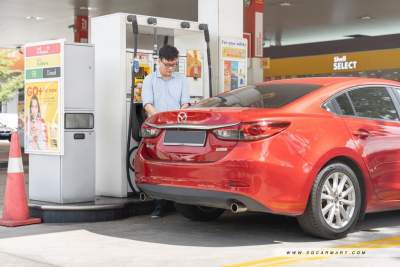
Should you pump higher RON petrol for better performance? Not so fast...
 Other News
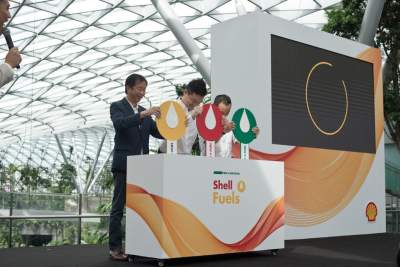
Shell launches its latest fuel formula yet
 Car Ownership Advice
Fuel economy hacks that will benefit newbie and seasoned drivers
 Car Ownership Advice
How to pump petrol in Singapore like a true-blue petrolhead
 Car Technical Advice
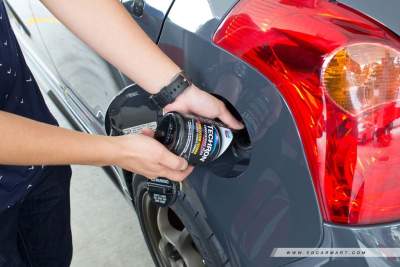
Do fuel injector cleaners and octane boosters work?
 Car Ownership Advice
7 ways to reduce car running costs
 Car Ownership Advice
Latest petrol prices in Singapore - Compare prices across all companies here
 Other News
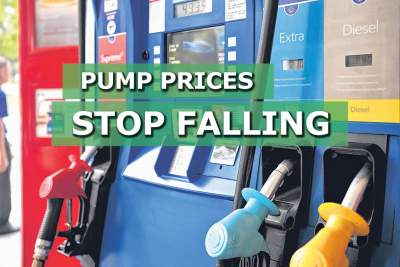
Pump prices for petrol begin to creep upward
 Other News
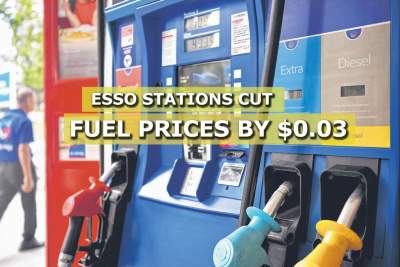
Esso stations in Singapore cut fuel prices by $0.03
 Miscellaneous Advice
Uniquely Singapore driving myths that need to die
 Other News
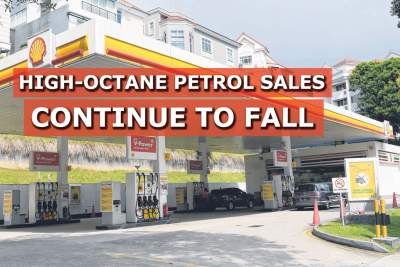
High-octane petrol sales continue to fall
 Other News
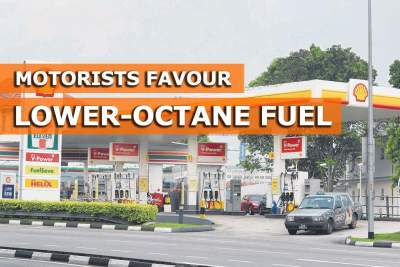
Motorists still choose lower-grade petrol depite fall in pump prices
 Other News
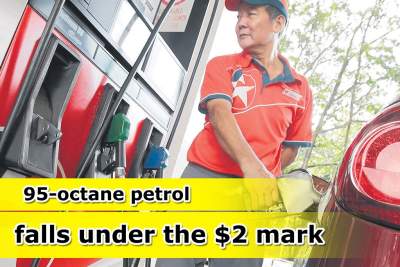
Pump prices falling across the board this week
 Other News
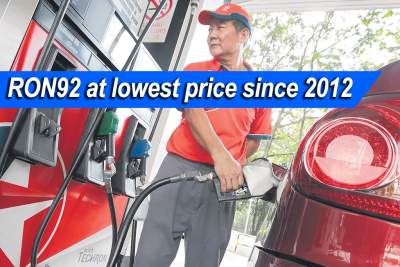
Price for RON92 petrol falls below $2
 Other News
Shell ends 92-octane petrol in Singapore