BMW Group is widening its use of real-world driving data in Europe, allowing selected customer vehicles to contribute image and sensor information that can help refine future driver assistance and partially automated driving systems.
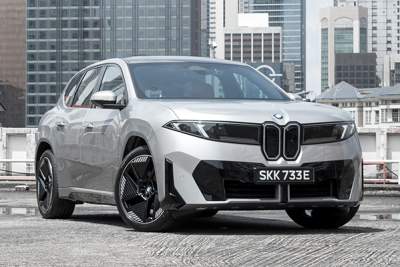
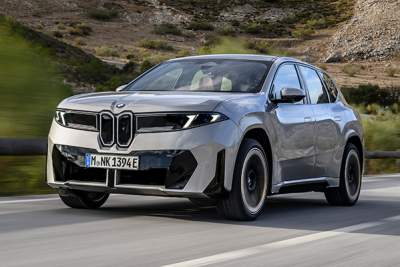
The programme began in April 2026 and applies to the brand's latest vehicle architecture, including the new BMW iX3 as well as future models equipped with the required sensor suite and data-processing hardware. The BMW i3, X5, 7 Series, and subsequent model updates are also set to be included.
What sets the initiative apart is its event-based approach. Rather than continuously recording journeys, BMW will only collect data during specific situations where driver assistance systems play a critical role. Examples include emergency braking interventions, avoided collisions during highway lane changes, heavy manual braking, or sudden evasive manoeuvres.
The data gathered includes footage from exterior cameras, information from environmental sensors, and vehicle dynamics data such as steering angle, speed, and direction of travel. From mid-September, qualifying events may generate video clips lasting up to 120 seconds.
BMW argues that this real-world information can complement simulation testing and development-vehicle programmes, giving engineers a better understanding of how safety systems perform in complex traffic conditions. Insights from these scenarios could then be used to improve future over-the-air software updates.
Privacy remains a key part of the programme. Participation is subject to customer consent and compliance with data protection regulations across European Union member states. According to BMW, vehicle identification numbers are deleted immediately after transmission to the company's IT systems, preventing collected data from being linked to a specific vehicle.
The company also states that its systems do not identify individual road users. Where authorised employees need to review recordings, faces and licence plates are blurred before playback where technically possible.
The move highlights how vehicle manufacturers are increasingly looking to real-world fleet data to accelerate development of advanced safety and automated driving technologies, while balancing growing privacy expectations.