An electric luxury SUV is hardly a novelty in 2026. An electric Range Rover, however, comes with a unique challenge.
For more than five decades, the nameplate has been synonymous with effortless refinement, commanding presence and genuine off-road ability. The task facing the new Range Rover Electric was therefore not simply to add battery power, but to ensure the experience remains unmistakably Range Rover.
That philosophy is evident throughout the vehicle. While the newcomer's twin electric motors produce a combined 520kW and 850Nm of torque, enabling a claimed 0-97km/h sprint of 4.3 seconds, Range Rover's engineers appear far more interested in what electrification brings to comfort and refinement.
The company says this is the quietest Range Rover it has ever built, combining near-silent electric propulsion with active noise cancellation, acoustic glass, and new isolation systems for the electric motors.
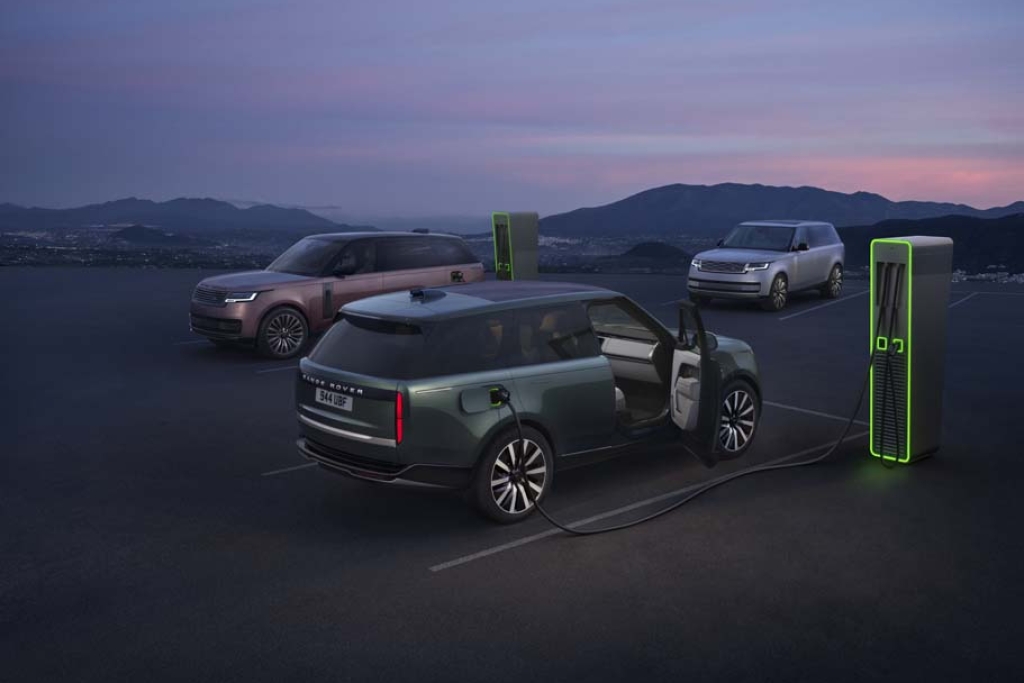
Power comes from a 118.5kWh battery paired with an 800-volt electrical architecture. Range Rover claims up to 600km of WLTP range, while a compatible 350kW DC charger can replenish the battery from 10-80% in around 22 minutes.
Yet perhaps the more revealing technology lies beneath the headline figures. While the battery itself is substantial, Range Rover is placing equal importance on what happens after that energy is stored. Its new ThermAssist heat-management system is designed to harvest waste heat from the powertrain and redirect it where needed, reducing heating-related energy consumption by up to 40% while adding as much as 40km of driving range.
In other words, the company believes efficiency gains do not come purely from fitting a bigger battery, but from using every kilowatt-hour more intelligently.
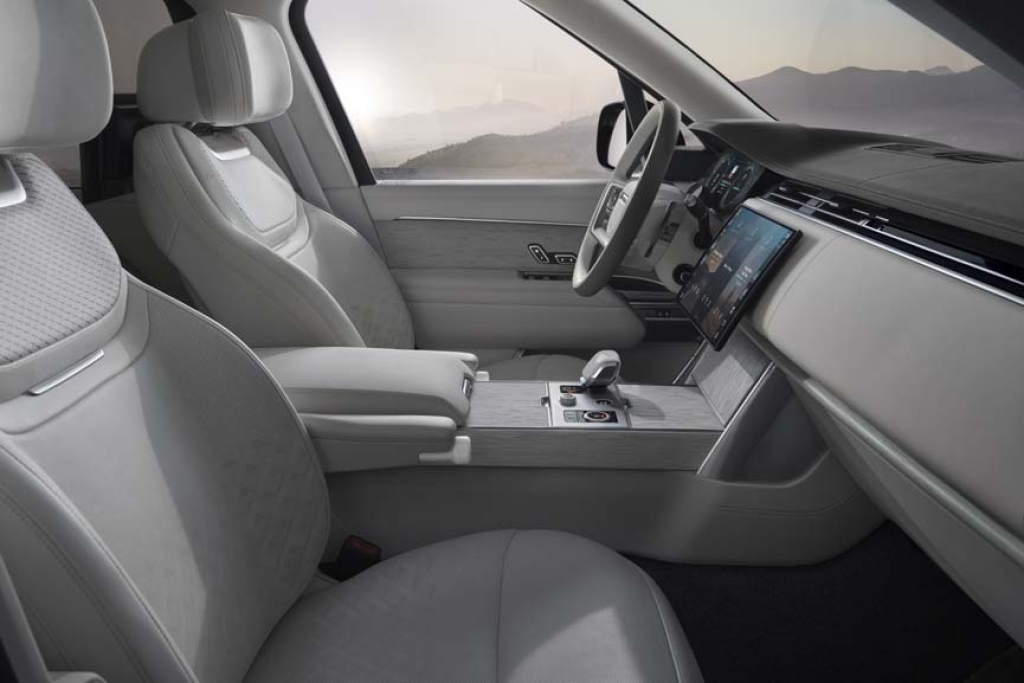
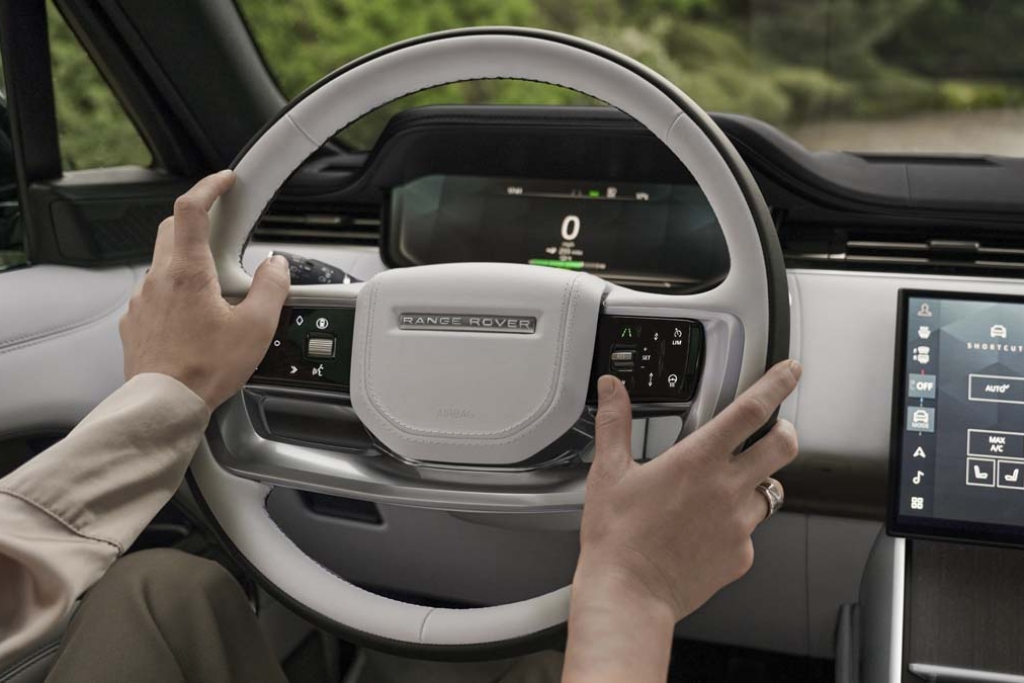
The cabin also hints at how Range Rover sees luxury in the electric age. Beyond the reduction in noise, occupants benefit from air purification technology, carbon dioxide monitoring and the brand's first integrated fragrance diffuser. They are small details, but ones that align with Range Rover's broader objective of making the Electric feel more like a private lounge than simply another high-performance EV.
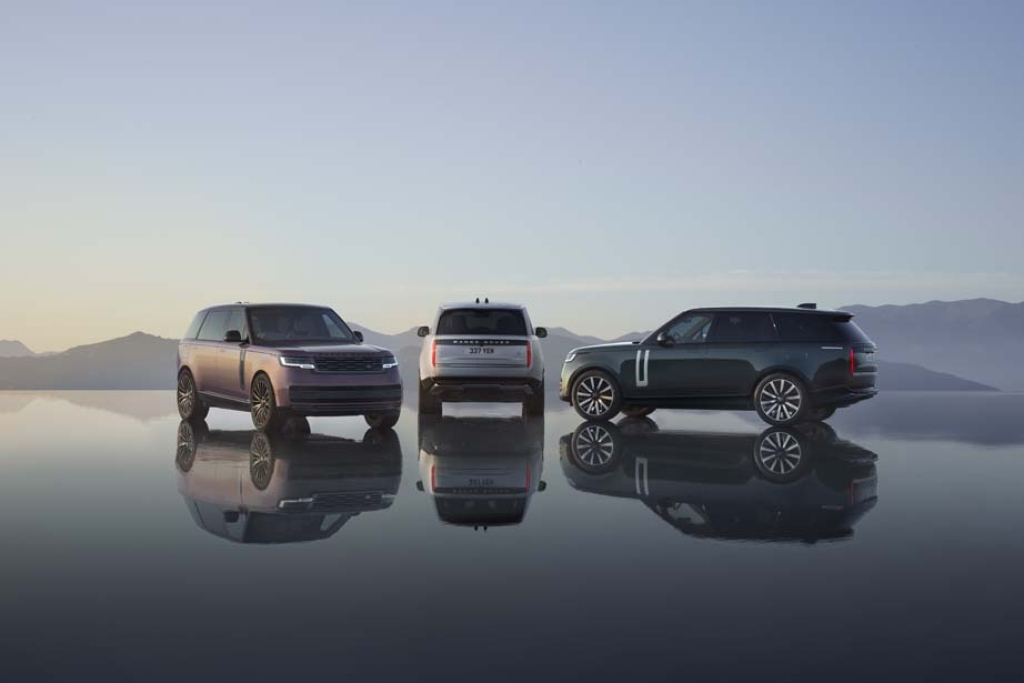
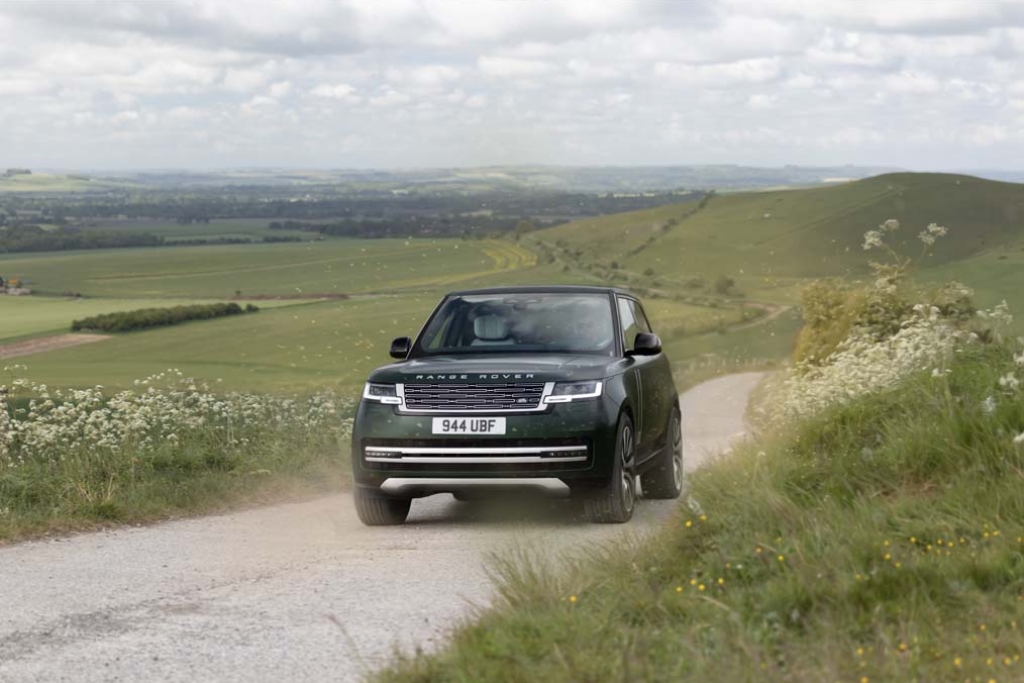
Interestingly, Range Rover has resisted many of the design tropes associated with modern EVs. The exterior remains largely unchanged, gaining only subtle aerodynamic revisions to the grille, wheels and underbody. There is also no front storage compartment, with the company prioritising common packaging across petrol, plug-in hybrid and electric variants while preserving cabin space.
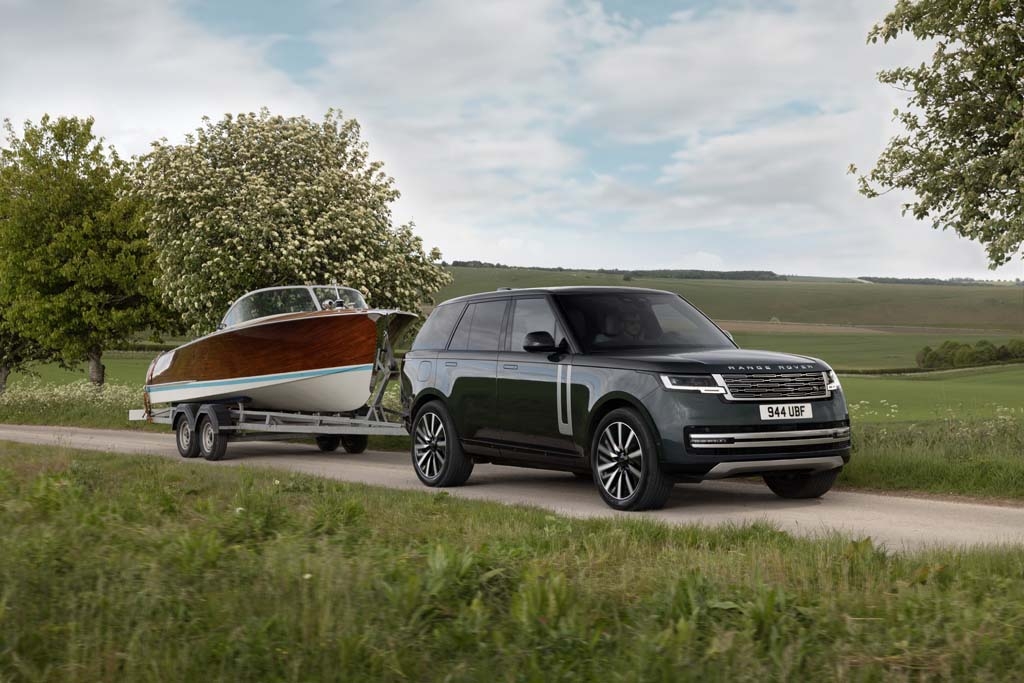
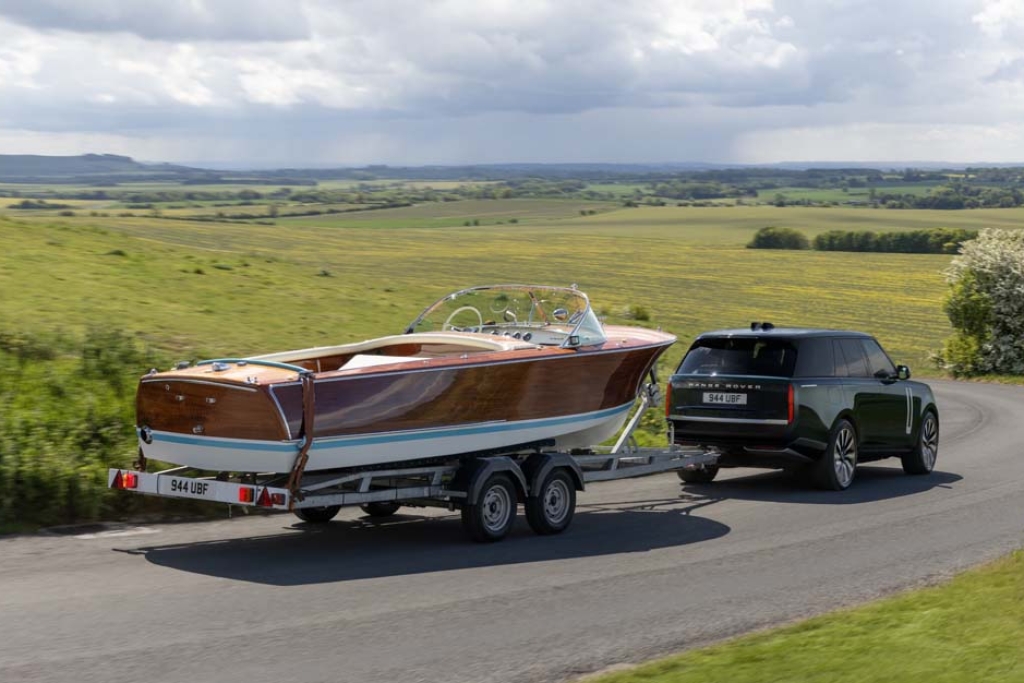
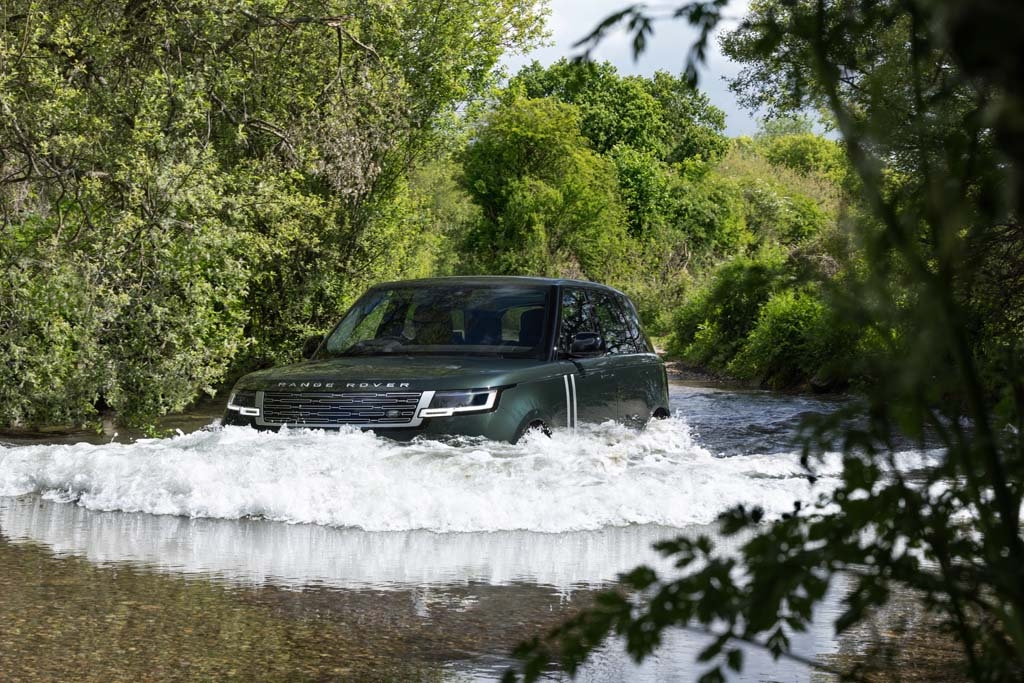
Beyond the headline figures, much of the development effort appears to have focused on maintaining the vehicle's breadth of capability. The Range Rover Electric retains a wading depth of up to 900mm, can tow up to 2.5 tonnes, and introduces new traction-management systems that respond within 50 milliseconds. A single-pedal driving mode also enables controlled progress on slopes of up to 45 degrees.
If the new Range Rover Electric proves anything, it is that Range Rover sees electrification as a means of enhancement rather than reinvention. The focus here is not on creating a radically different luxury SUV, but on refining the qualities that have defined the nameplate for more than five decades. Singapore buyers can expect the model to arrive in the first quarter of 2027.