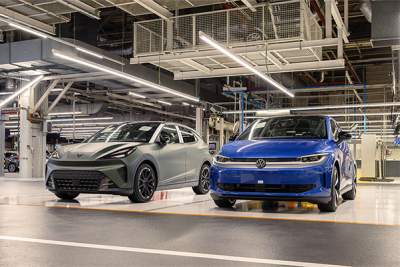
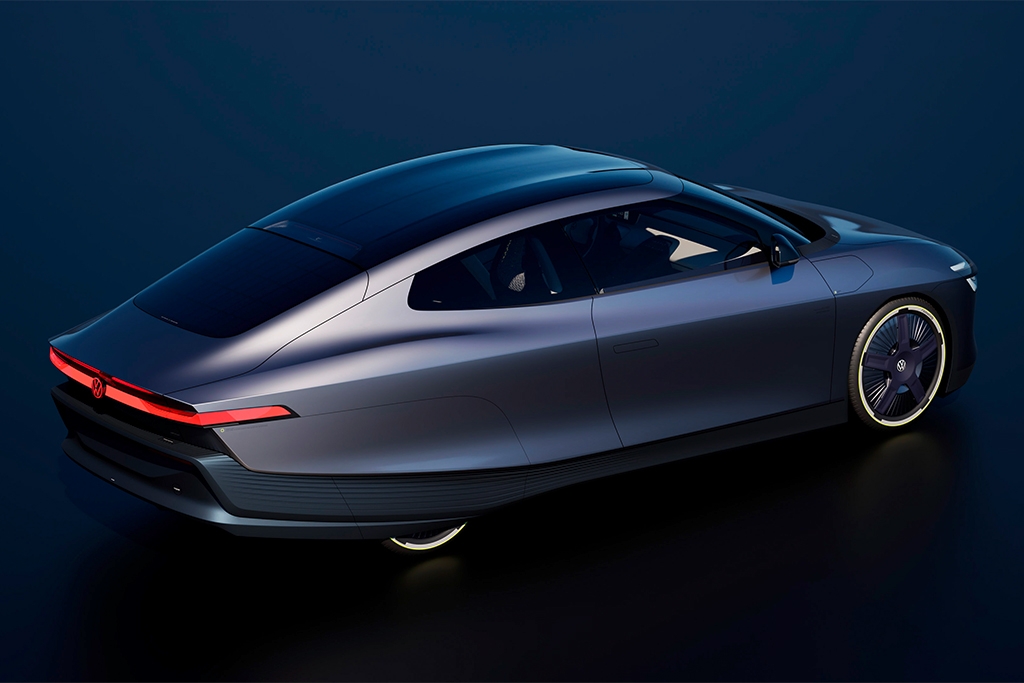
Volkswagen has unveiled the Mission Efficiency, a near-production electric prototype built to prove that serious range gains do not necessarily need exotic hardware.
Developed around the front-wheel-drive MEB+ platform and production technology from the ID. Polo and ID. Cross, it has claimed three records: A 0.158 drag coefficient, energy use of 6.48kWh/100km in an idealised run, and the lowest documented consumption in its class.
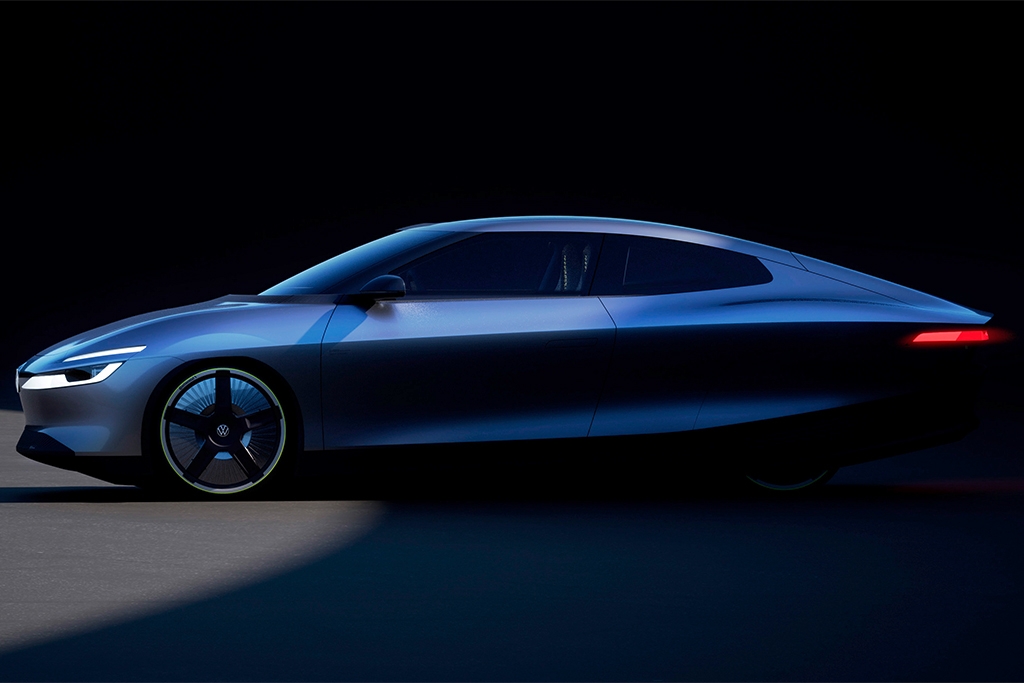
Its headline journey covered 1,278.36km from Wolfsburg to Vienna via Poznan and Olomouc, averaging 67.72km/h and reaching 138km/h. The car consumed 6.89kWh/100km without charging losses, or 7.51kWh/100km with them included. Its 54.9kWh net battery needed just one charging stop, and the prototype arrived with 164km of indicated range remaining.
Most of that thrift comes from the bodywork. The long, low teardrop profile presents a frontal area of 2.08 square metres, while active cooling flaps, frameless windows, flush door handles, a fully covered underbody, and enclosed rear wheels tidy the airflow. Volkswagen also developed patented rim deflectors to calm turbulence around the tyres.
Above 80km/h, the prototype uses more than 30% less energy than a standard ID. Polo; at 140km/h, it requires roughly the same energy as the hatchback does at 100km/h.
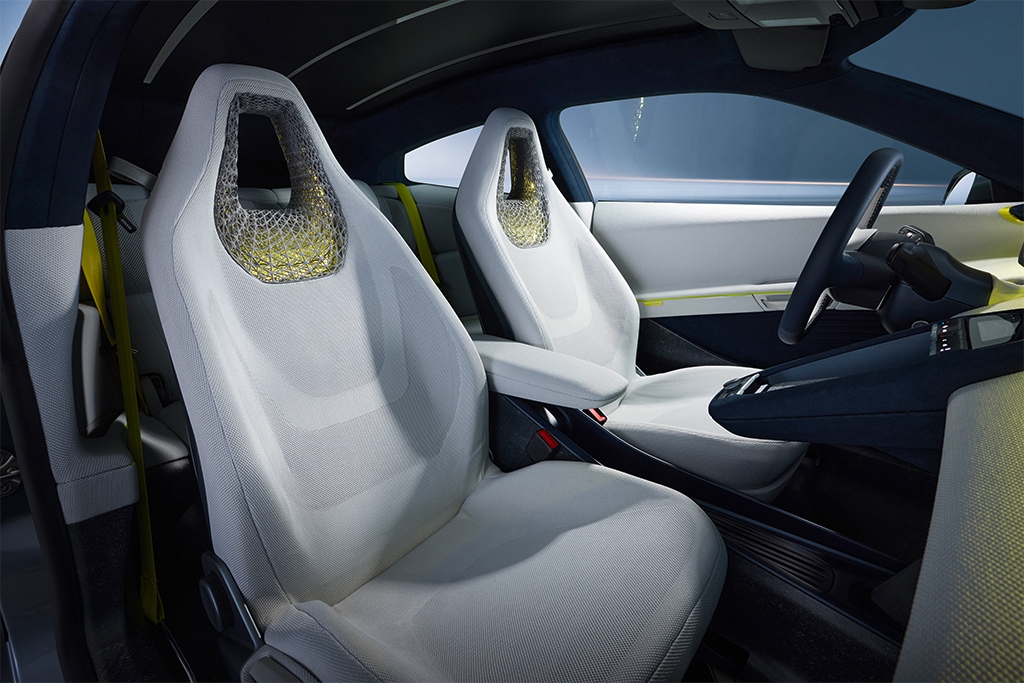
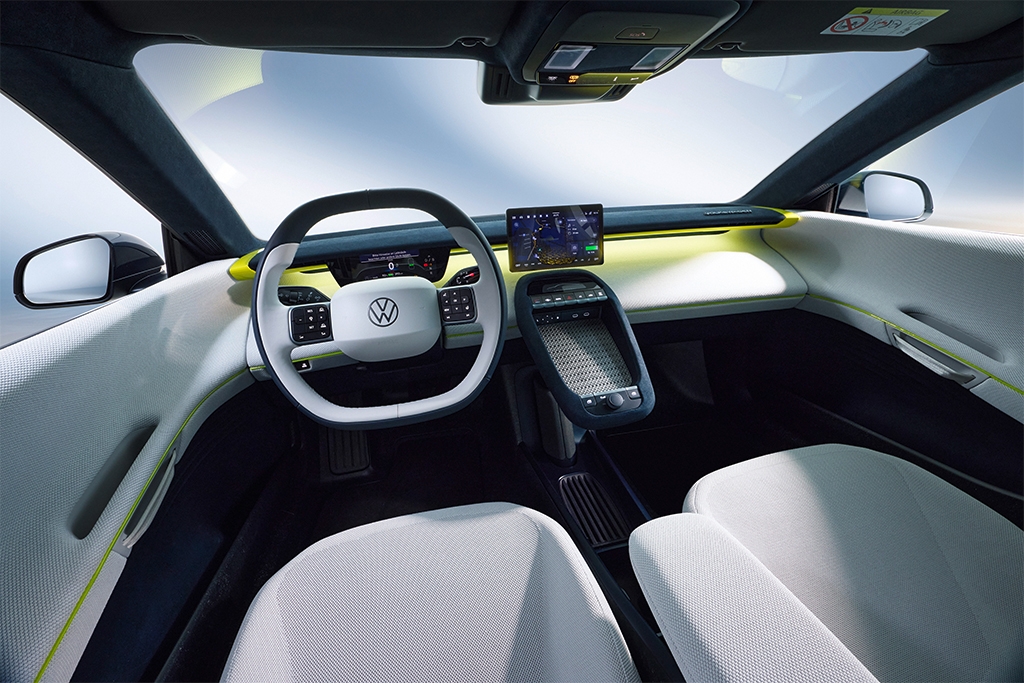
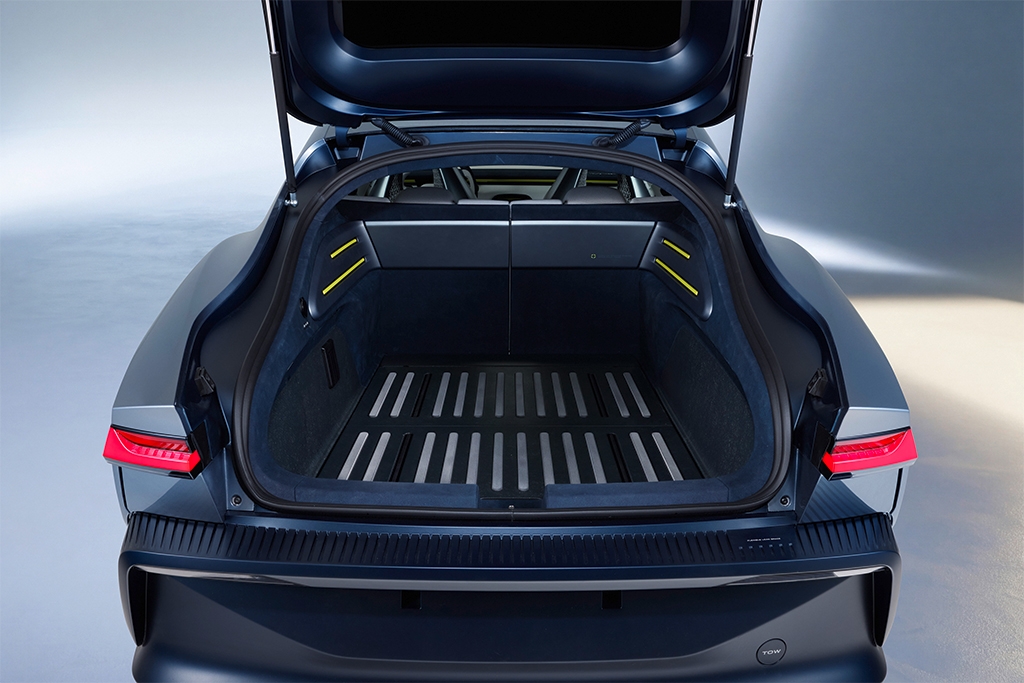
Despite the wind-cheating shape, it is not merely a rolling laboratory. The 4,775mm-long Mission Efficiency has a 2+2 cabin and a useful 481-litre luggage compartment, although the compact rear seats are intended for passengers up to around 1.6m tall. Lightweight trim keeps mass down, a portable Bluetooth speaker replaces a conventional audio system, and occupants can use a smartphone or tablet as the infotainment display.
Underneath, the concept uses the ID. Polo's 99kW electric motor and a 54.9kWh battery, driving the front wheels. A 370W photovoltaic system integrated into the glass roof and boot lid supplies the car's electrical systems and can contribute up to 30km of range per day in favourable conditions.
The result is less a preview of one production model than a rolling demonstration of how aerodynamics, low weight, and familiar components could make Volkswagen's next electric cars go farther on the same amount of energy.