As I was strolling through the rain-soaked grounds of the Hong Kong Central Harbourfront Circuit, I was a little bothered by the eerie silence that filled the air and the general lack of buzz around the area. Compared to the Formula One Singapore Grand Prix race I was so accustomed to, which was a full-on festival of sorts, it seemed like a ghost town, even though I was there a day just before the Formula E race on Sunday.
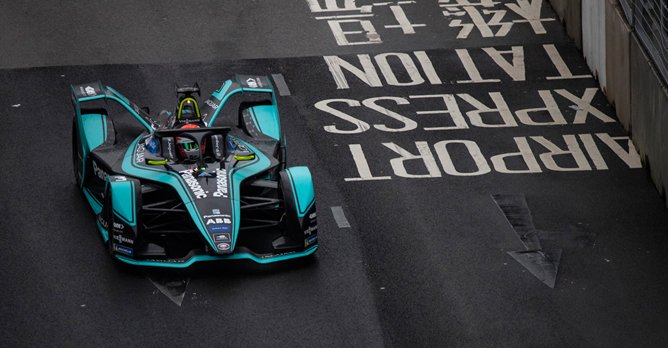

The 10-turn, 1.86km circuit, located in the Central Harbour front area, is a firm favourite on the Formula E calendar
Slightly disappointed, I headed back down the grandstand's slippery steps but decided that I should only make my judgements once I've experienced the electric racing in its entirety.
Race day
To my surprise, as I made my way back on Sunday to our rendezvous point at the circuit, it was a rather different setting from a day before. There were people from all walks of life and all corners of the earth filling the area, and race teams hurriedly preparing the Jaguar I-PACE eTrophy race cars.
The Jaguar I-PACE eTrophy is an FIA-sanctioned, production-based electric one-make series supporting the FIA Formula E championship, which started in late 2018. As I saw the excited faces of the attendees, and heard life from the garages, it then began feeling like a proper race event.
Before Formula E qualifying kicked off at noon that day, we were invited to do a pit lane walk, where we could see all the teams and their garages up close. While the space they're given, the equipment and the manpower involved is a lot lesser than Formula One, it was still an interesting experience nonetheless.
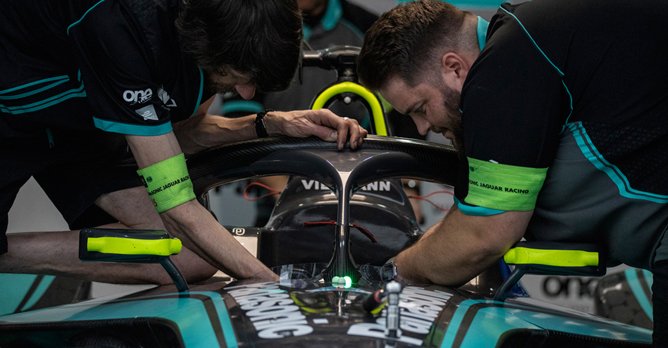
There, I also learnt that the management involved in executing a Formula E race is complicated by the lack of data available. Unlike in Formula One, energy consumption and harvesting numbers are not transmitted via telemetry during sessions, so drivers must relay this information to their engineers.
This forms the crux of the strategy: How much can they push, do they need to save (drivers must cross the finish line with at least 1% of battery life left), when is regeneration likely to cease, are they marginal on temperature?
Speaking to Mitch Evans, one half the driver duo of Panasonic Jaguar Racing, he says, "It's one of the most challenging race series I've done. It's such a high level, and super challenging. Apart from having to drive a good race, to extract the maximum out of the car all the time while ensuring there’s enough juice to last is extremely difficult."
And while I was still largely unfamiliar with Formula E, seeing names like Stoffel Vandoorne, Felipe Massa and my Le Mans favourite Andre Lotterer, brought a sense of familiarity to the occasion. More importantly, if they were willing to make the switch to Formula E, there left little reason for me to not get behind it.
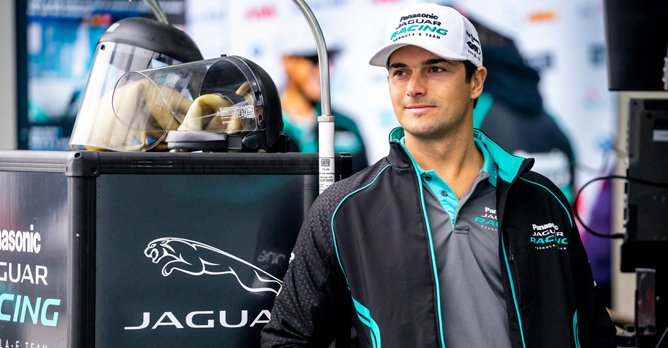
After all, while the type of powertrain is different, the race still relies on the drivers behind the wheel, who are out there with the primary goal of finishing first. Electric or not, there will be clean driving and there will be unsportsmanlike moves and contact, such as the one Sam Bird of Envision Virgin Racing pulled on Andre Lotterer of DS Techeetah just before the finish line in the Formula E race.
At the same time, like any other race, teams spend time, effort and put a lot of hope on the results. You can see it on their faces, you can feel it the room and you can hear the joy and sadness that follows.
A new perspective
Prior to this experience in Hong Kong, I was one of the many naysayers who felt that electric cars are boring, electric race cars are slow and electric racing lacks character (largely because of the lack of sound). But I've now come away with a different perspective on it all. Because the people involved are pioneering the future, it is much harder than conventional racing. There are lot more considerations, such as battery life and reliability, and as with everything that's new, there are teething problems to solve.
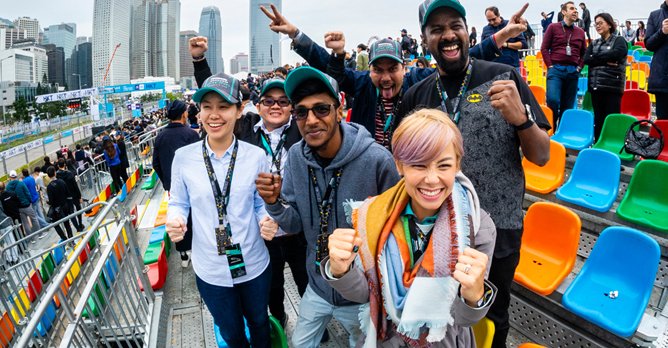
Spectators emote an array of feelings throughout the course of a race event, and to capture these feelings is to truly capture the essence of the sport itself
Now, having met the people behind electric racing, I can say that they do it because they truly believe in the technology, they truly want to improve the automotive industry and most importantly, they truly believe in motorsports and its transfer of technology from race to road.
As Simon Evans, driver of the Team Asia New Zealand eTrophy car, says, "I love all forms of racing. I come from a touring car background, piloting angry V8-powered machines but my passion for cars and racing transcends powertrain boundaries. The automotive future is headed in this direction, like it or not, and instead of fighting it, I'd rather focus my efforts on doing my part and shaping it."
According to Robin Colgan, Managing Director, Jaguar Land Rover, Asia Pacific Region, there are serious plans to bring Formula E to Singapore in the near future. Currently, the races take place in Morocco, Chile, Mexico, Hong Kong, China, Italy, France, Monaco, Germany, Switzerland, and the U.S.A.
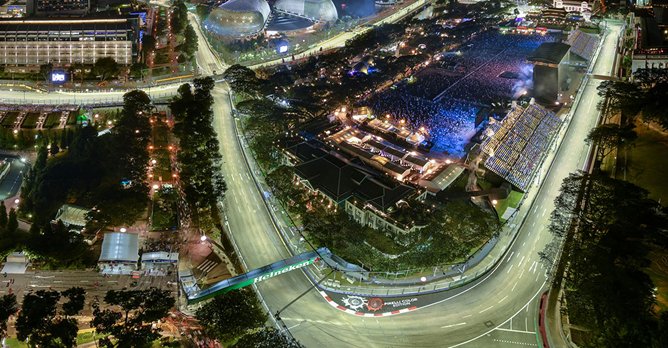
After all, that makes sense as being a small, well‐organised city state, Singapore has long been identified as an ideal place to establish an electric automotive landscape.
British engineering technology firm Dyson also made headlines in October last year for picking Singapore as the location for a multi-billion dollar electric car project. Unfortunately, as of end-2018, only 7.3% of the cars here had electrified powertrains.
Thankfully, companies like SP Group and its island-wide chargers are helping to change this; while there is an increase in the number of electrified models entering our market. So if Formula E does eventually make its way here, I hope it will further encourage and inspire Singaporeans towards adopting electrification. As someone who experienced the series first-hand, I can safely say it sure did for me.