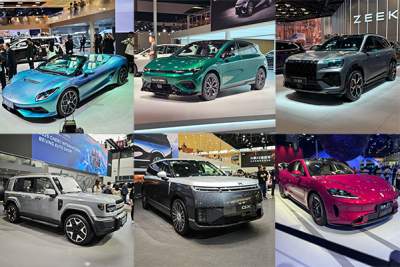
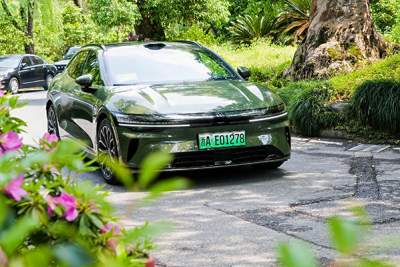
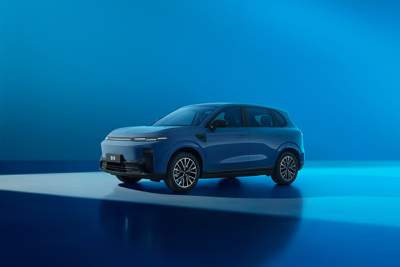
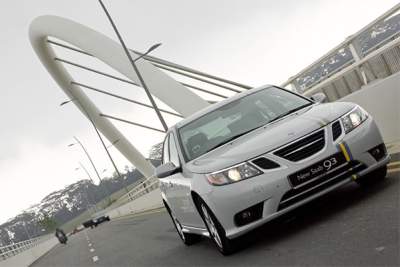
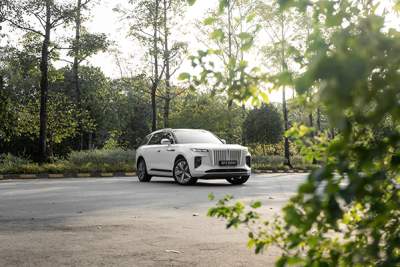
Despite the last two years feeling like a rollercoaster rush towards electric vehicles (EVs), the electric revolution didn't just burst to life overnight.
Beneath the burning surface of the climate crisis, electric drivetrains were always present in the background, brewing and bubbling in anticipation of warmer and more widespread reception. As with anything, it was only a matter of timing and financial sense (for manufacturers) before they became deployable for the masses.
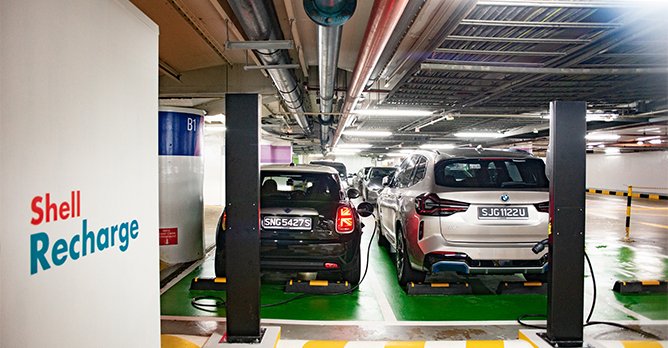
 EVs comprised almost 12% of all new car registrations in Singapore for 2022 But EVs aren't the only machines set to charge up a more sustainable auto industry - well, at least not just the battery-electric vehicle (BEV), as most of them today are currently constituted.
Sustainability is multi-pronged, and even as the lithium-ion battery continues to power the 3,634 EVs registered in Singapore over 2022, other alternatives are also waiting to be scaled up to a level that can justify mass market adoption.
In spite of the distinct benefits and challenges that come with each one explore in this story, you'll notice the same, unavoidable downside weighing all of them down: Money.
1. The next level of battery tech: Solid-state batteries
The 'What?' and 'Why?':
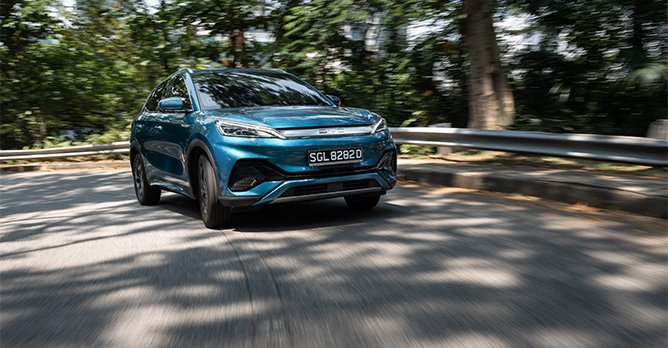 Today's EVs are powered by different variations of lithium-ion batteries - a notable example is BYD's Blade Battery Like our smartwatches, phones and laptops, modern day EVs rely on lithium-ion (Li-Ion) batteries for power.
When they debuted back on handphones (yes, not smartphones) back in the noughties, Li-Ion batteries broke ground with their recharging capabilities, as well as by boasting a far higher energy density than the nickel-based batteries that preceded them. More than 20 years later, however, a newer face promises even better utility: Solid-state batteries (SSBs).
Without going too deep into the mechanics of their differences, every component in a solid-state battery is, well, solid - including the electrolyte (Li-Ion batteries rely on an electrolyte solution).
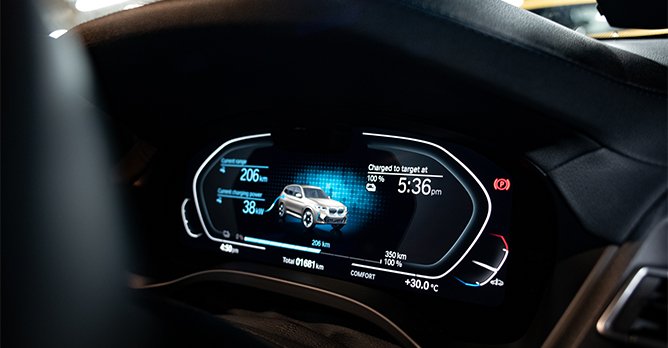 SSBs will feature higher energy densities, faster charging times, and more charge cycles The key advantage of SSBs is that because they are more compact, they are also far more energy-dense than similarly-sized Li-Ion batteries. To the layman, that means the range of your future SSB-powered EV will literally be miles above the EVs of today.
Other benefits of solid-state batteries include the ability to support faster charging, on top of an overall larger volume of charge cycles. Nissan announced just last week that it was aiming to debut its first SSB-powered EV in 2028, offering double the energy density but three times the charging speeds of its currently-utilised batteries.
The 'Why not?':
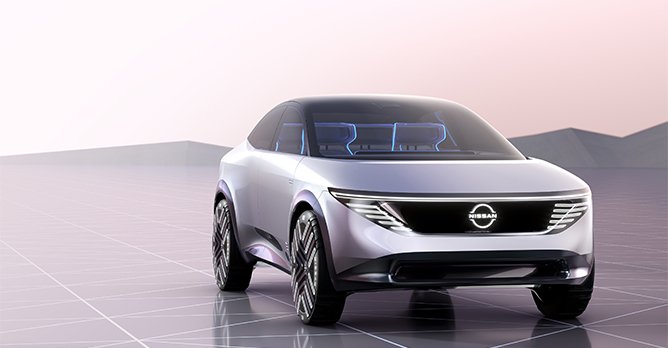
It is suspected that Nissan will debut its SSBs with a recent trio of electric concepts ('Chill Out' pictured) There is technically no "Why not?" for solid-state batteries; they're all but guaranteed to be the next frontier in battery technology at this point.
Nonetheless, while we've arrived at a point where the manufacturing of Li-Ion batteries for machines as large as passenger cars is profitable, the same cannot be said for solid-state ones. At least not yet - carmakers all over the world are pouring resources into the technology, with pledges to reach a certain level of mass market production before decade-end.
2. Refuelling meets electrification: Hydrogen power (or Fuel Cell Electric Vehicles)
Existing reference points: Toyota Mirai, Hyundai Nexo, BMW iX5 Hydrogen
The ‘What?’ and ‘Why?’:
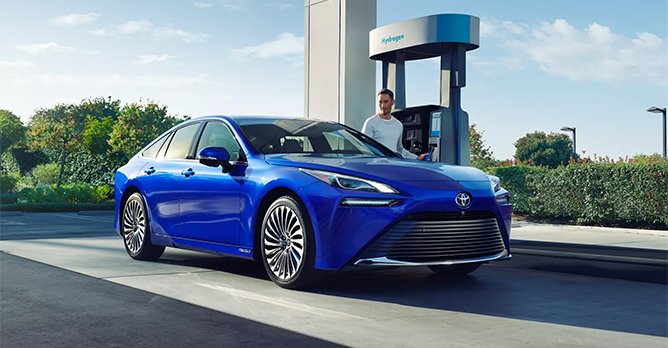 Toyota, with its Mirai, is perhaps best known for being a proponent of hydrogen as a clean alternative Fuel cell electric vehicles (FCEVs) also rely on electric drivetrains, but go about their sourcing of power in a more specialised manner.
Rather than draw electricity from an outlet (as battery-electric vehicles do), FCEVs contain fuel cell stacks and tanks that can be filled with liquid hydrogen, on top of having their own batteries and electric motors.
Thereafter, the fuel cell stacks take care of converting the hydrogen in these tanks into water and electricity by mixing it with oxygen.
Unlike charging your EV, refuelling a hydrogen-powered vehicle is supposed to take up far less time. The 5.6kg tank in the Toyota Mirai, for example, can theoretically be refilled in under 10 minutes to provide the car with around 550km of range under real-world driving conditions.
Hydrogen-powered cars also boast clean tailpipe emissions, emitting only water vapour and warm air.
The "Why not?":
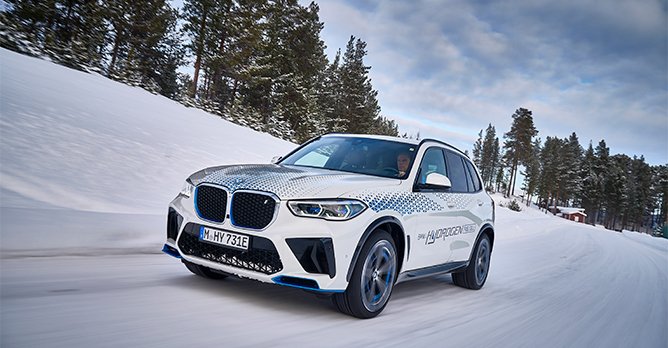 BMW recently commenced production of the BMW iX5 Hydrogen, although its run will be limited The tallest barrier separating hydrogen vehicles from widespread adoption today is inept infrastructure.
Considering that cars powered with such technology haven't taken off quite as quickly as EVs, practicality remains limited for buyers. It's far easier to find a charging point than a hydrogen filling station in most countries today.
Nonetheless, this does come down to the same chicken-and-egg dilemma: Should more hydrogen-powered cars precede refilling stations, or vice versa?
Some reviews you'll read for any of the aforementioned hydrogen vehicles will also report issues with the refuelling procedure itself - from inconsistent fuel supply and frozen nozzles, to a lack of station reliability.
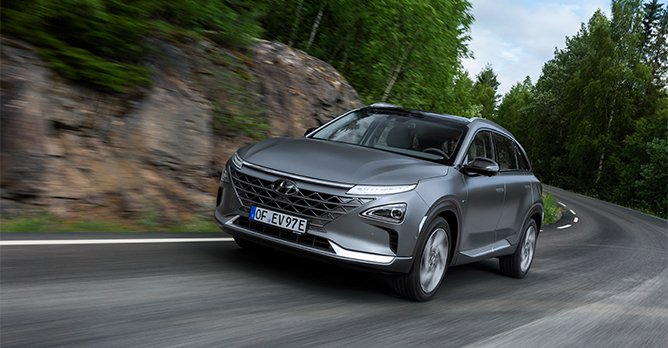 The Nexo, Hyundai's first dedicated FCEV Unlike the rest of the 'alternatives' mentioned in this list, hydrogen power stands apart for the very fact that it's already moved beyond 'prototype'-stage. Cars like the Toyota Mirai, Hyundai Nexo, and most recently, the BMW iX5 Hydrogen, all already exist.
Look at the prices of the Mirai and Nexo, however, and the gulf in adoption becomes clear: Both models command flagship-level price tags.
Additionally, concerns have also been voiced over the eco-credentials of hydrogen power.
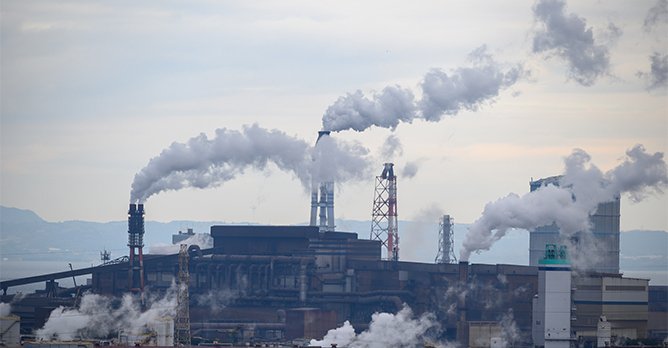 The majority of hydrogen production is still not conducted in a low-emission manner, even today And while hydrogen is by far the most abundant chemical compound in the universe, it is extremely scarce in actual gaseous form, and therefore needs to be produced.
However, the majority of global hydrogen production is still not low-emission today, since it is based in fossil fuels. A variety of colours - grey, blue, and of course, green - are used to describe how hydrogen is produced and denote the varying extents of each method's sustainability.
In fact, one of the ways in which hydrogen is produced is via electrolysis - sending an electric current through water to separate hydrogen from oxygen… for which the electricity could already directly charge up a BEV.
Efforts are nonetheless intensifying to reduce emissions in the process of hydrogen production.
3. Natural range extender: Solar power
Existing reference points: Lightyear 0, Toyota bZ4X, Hyundai Ioniq 5
The ‘What?’ and ‘Why?’:
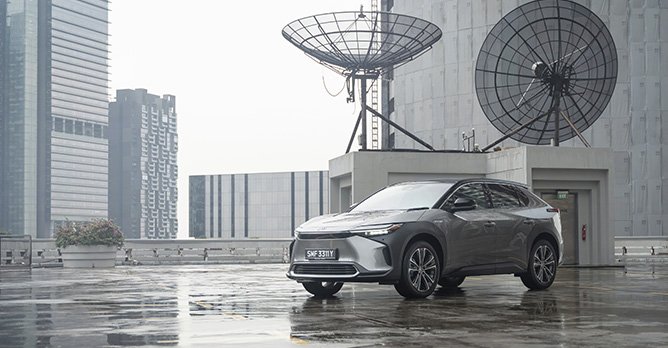 The Toyota bZ4X's solar roof helps to add up to a claimed 1,650km of range annually As an energy source, solar power probably needs no introduction.
It wasn't until the recent rise of BEVs, however, that it was deemed to be coherent with propelling a vehicle. The principle is simple - as you drive (in sunny weather), the sun's rays are supposed to help recharge the batteries in your vehicle, thus adding to its range on the move.
A couple of BEV models from legacy carmakers have already been unveiled in recent times with the option of a solar roof. These include the Hyundai Ioniq 5, and of course, the Toyota bZ4X we recently reviewed, whose range can be extended by up to 1,650km annually if conditions allow with the panels fitted.
But a brand new player is attempting to take things even by fitting full-length solar panels (running from its bonnet to trunk). Named the 'Lightyear 0', the total 5.0m2 surface area of solar panels is claimed by the Dutch firm to generate up to 70km a day - or 25,550km a year - if conditions allow. That's plenty sufficient for the average Singaporean driver.
The "Why not?":
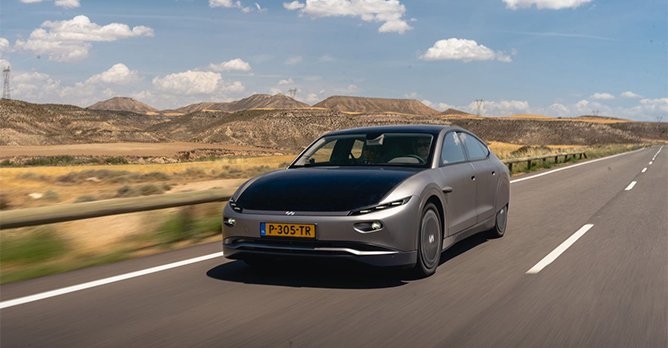 While undeniably groundbreaking, the Lightyear 0 is still very, very expensive The flaws that have hindered the introduction of solar power into the automotive market are the same as those that hinder its use as a power source, period: Weather, and sheer space.
In Singapore, for example, 122,000 solar panels - spanning the area of 45 football fields - are required just to power our five water treatment plants. Likewise, the normal passenger car body simply isn't large enough to accommodate the number of photovoltaic cells required to power the car entirely.
Weather conditions will also play a huge role in determining exactly how much range a car can squeeze out of solar panels integrated into its body. Even blistering Singapore has its wet and gloomy days, as we recently experienced.
And naturally, there is the same issue of cost. That Lightyear 0 we mentioned? It launched with a price tag of around S$363,000.
4. In preservation of the ICE: E-fuels
Current reference point: Porsche
The 'What?' and 'Why?':
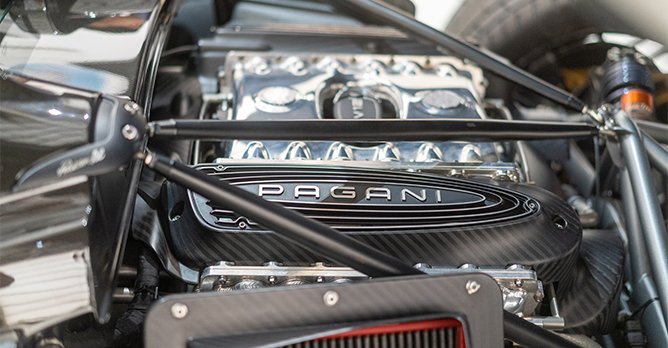 E-fuels are often looked upon as the saviour of the combustion engine To understand the core of e-fuels, you'll first have to understand the concept of carbon neutrality. Here's how Merriam-Webster defines carbon-neutral: 'having or resulting in no net addition or carbon dioxide to the atmosphere'.
For decades, we've procured the fuel for our ICE cars by mining crude oil from beneath the earth's surface. Excess carbon is then emitted into the atmosphere and our oceans as we clock up the miles on the road.
E-fuels, on the other hand, rely on what already exists above the earth's surface.
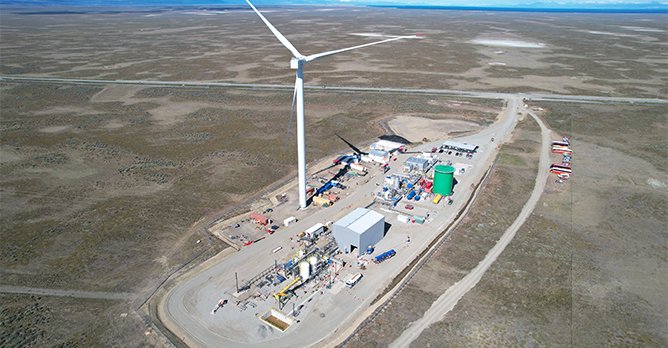 Porsche's new Chile plant is aiming to produce 130,000 litres of e-fuels annually in its pilot phase Also known as synthetic fuels, the energy source still comprises hydrocarbons in base form, but is created by capturing and mixing carbon and hydrogen from both the atmosphere and the water we have.
Additionally, the manufacturing and transportation processes for these fuels are powered by renewable energy too to keep to the goal of carbon-neutrality.
You'll perhaps know Porsche to be the most prominent car manufacturer in this arena currently; the company recently opened its 100% wind-powered Chile plant with the target of producing 130,000 litres of e-fuels per year in its pilot phase.
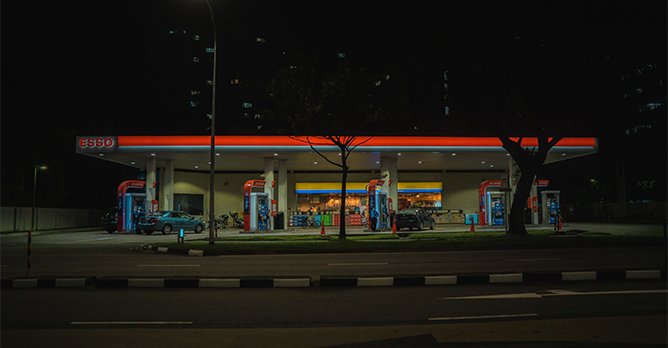
E-fuels, if successfully scaled up, will require the least adjustment from current infrastructure E-fuels have the largest fanbase among all the alternative energy sources for one simple, self-explanatory reason: With them, the combustion engine lives on.
Since e-fuels are still hydrocarbons in base form, they can be used in ICE cars without any mechanical modification to them whatsoever. That also reaps benefits in terms of infrastructure: Pre-existing gas stations can simply be supplied with e-fuels with little to no adjustment.
The 'Why not?':
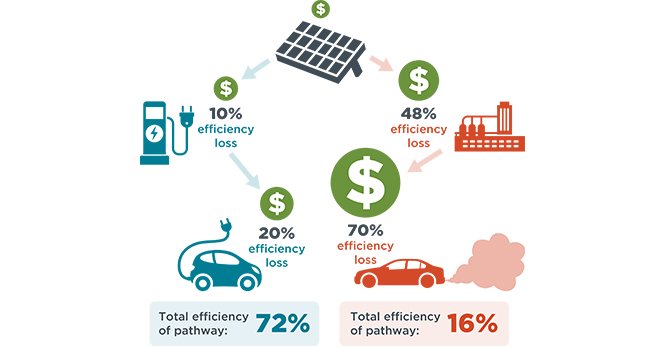 The energy efficiency pathway of cars powered by e-fuels compared to that of a BEV (Source: Bosch) Unfortunately, e-fuels are also often criticised from an energy (in)efficiency standpoint.
The concept of an energy 'pathway' helps explain how much energy is retained from the very initial point at which energy is produced - in the case of e-fuels, from wind or solar energy to power a plant - to the point at which a car is getting propelled.
This particular report from the International Council on Clean Transportation suggests that whereas BEVs have a 72%-efficient energy pathway, this is only 16% efficient for cars powered by e-fuels.
The losses in energy occur during the conversion of renewable energy to liquid fuels, and when getting combusted in internal combustion engines. On the other hand, far less of the initial energy is lost on BEVs during charging and when the motor is powering the wheels.
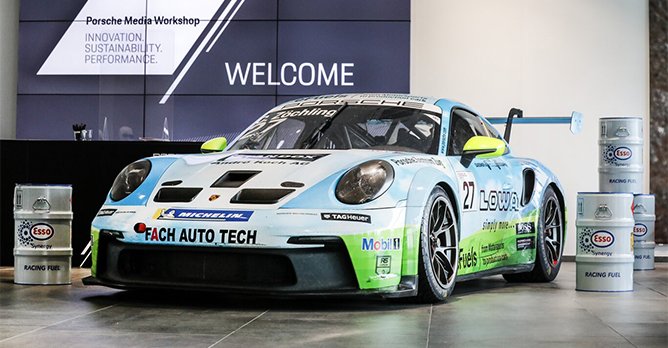
Because of the expense of production, e-fuels are likely to remain in exclusive arenas (like motorsports) for now If you're tired at this point of reading about how every fresh technology is too expensive, bad news awaits still.
Although they may hold out a silver lining for the combustion engine, e-fuels still cost too much to run in most cars on our roads today. As such, they are also still used in exclusivity, and on a smaller scale - such as in motorsports.
The most prominent (likely) example of this is Formula One, which has pledged to go carbon neutral by 2030 without resorting to full electrification.
A concluding note
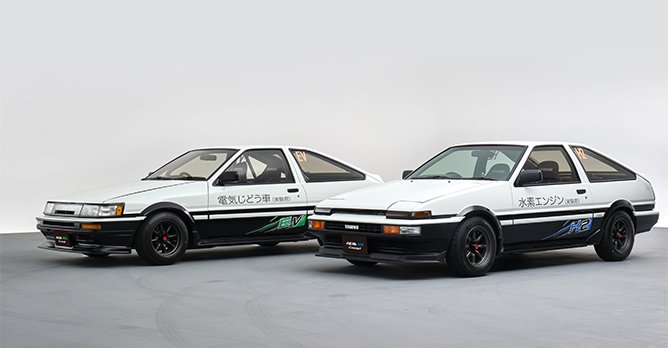 The growth of alternative technologies should only be to our benefit, as they better ensure the preservation of the machines we love It would be more accurate to view these alternatives as tracks running parallel to, rather than against each other.
BEVs will likely continue as a mainstay of our future transport landscape. And even among them, lithium-ion batteries are still being refined (in terms of battery chemistry) to co-exist with SSBs.
Across a multitude of social landscapes around the globe - each of which has its own distinct infrastructural constraints and needs - this is ultimately to the consumer's benefit.
Whether it's the continuation of combustion engines with e-fuels, or faster refuelling timings at hydrogen stations, we'll take what we can get - as long as we still get to live and breathe the machines we love, alongside a more hospitable planet for all.
Here are a few other stories that may interest you!
Which car brands are going fully-electric? Here's everything we know as of Jan 2023
EVs boast zero tailpipe-emissions, but how is the electricity that powers them generated?
Changing currents, and one very out-of-sync Toyota
Just how much can you save driving an EV? We do the science to find out!
Beneath the burning surface of the climate crisis, electric drivetrains were always present in the background, brewing and bubbling in anticipation of warmer and more widespread reception. As with anything, it was only a matter of timing and financial sense (for manufacturers) before they became deployable for the masses.
Sustainability is multi-pronged, and even as the lithium-ion battery continues to power the 3,634 EVs registered in Singapore over 2022, other alternatives are also waiting to be scaled up to a level that can justify mass market adoption.
In spite of the distinct benefits and challenges that come with each one explore in this story, you'll notice the same, unavoidable downside weighing all of them down: Money.
1. The next level of battery tech: Solid-state batteries
The 'What?' and 'Why?':
When they debuted back on handphones (yes, not smartphones) back in the noughties, Li-Ion batteries broke ground with their recharging capabilities, as well as by boasting a far higher energy density than the nickel-based batteries that preceded them. More than 20 years later, however, a newer face promises even better utility: Solid-state batteries (SSBs).
Without going too deep into the mechanics of their differences, every component in a solid-state battery is, well, solid - including the electrolyte (Li-Ion batteries rely on an electrolyte solution).
Other benefits of solid-state batteries include the ability to support faster charging, on top of an overall larger volume of charge cycles. Nissan announced just last week that it was aiming to debut its first SSB-powered EV in 2028, offering double the energy density but three times the charging speeds of its currently-utilised batteries.
The 'Why not?':
It is suspected that Nissan will debut its SSBs with a recent trio of electric concepts ('Chill Out' pictured)
Nonetheless, while we've arrived at a point where the manufacturing of Li-Ion batteries for machines as large as passenger cars is profitable, the same cannot be said for solid-state ones. At least not yet - carmakers all over the world are pouring resources into the technology, with pledges to reach a certain level of mass market production before decade-end.
2. Refuelling meets electrification: Hydrogen power (or Fuel Cell Electric Vehicles)
Existing reference points: Toyota Mirai, Hyundai Nexo, BMW iX5 Hydrogen
The ‘What?’ and ‘Why?’:
Rather than draw electricity from an outlet (as battery-electric vehicles do), FCEVs contain fuel cell stacks and tanks that can be filled with liquid hydrogen, on top of having their own batteries and electric motors.
Thereafter, the fuel cell stacks take care of converting the hydrogen in these tanks into water and electricity by mixing it with oxygen.
Unlike charging your EV, refuelling a hydrogen-powered vehicle is supposed to take up far less time. The 5.6kg tank in the Toyota Mirai, for example, can theoretically be refilled in under 10 minutes to provide the car with around 550km of range under real-world driving conditions.
Hydrogen-powered cars also boast clean tailpipe emissions, emitting only water vapour and warm air.
The "Why not?":
Considering that cars powered with such technology haven't taken off quite as quickly as EVs, practicality remains limited for buyers. It's far easier to find a charging point than a hydrogen filling station in most countries today.
Nonetheless, this does come down to the same chicken-and-egg dilemma: Should more hydrogen-powered cars precede refilling stations, or vice versa?
Some reviews you'll read for any of the aforementioned hydrogen vehicles will also report issues with the refuelling procedure itself - from inconsistent fuel supply and frozen nozzles, to a lack of station reliability.
Look at the prices of the Mirai and Nexo, however, and the gulf in adoption becomes clear: Both models command flagship-level price tags.
Additionally, concerns have also been voiced over the eco-credentials of hydrogen power.
However, the majority of global hydrogen production is still not low-emission today, since it is based in fossil fuels. A variety of colours - grey, blue, and of course, green - are used to describe how hydrogen is produced and denote the varying extents of each method's sustainability.
In fact, one of the ways in which hydrogen is produced is via electrolysis - sending an electric current through water to separate hydrogen from oxygen… for which the electricity could already directly charge up a BEV.
Efforts are nonetheless intensifying to reduce emissions in the process of hydrogen production.
3. Natural range extender: Solar power
Existing reference points: Lightyear 0, Toyota bZ4X, Hyundai Ioniq 5
The ‘What?’ and ‘Why?’:
It wasn't until the recent rise of BEVs, however, that it was deemed to be coherent with propelling a vehicle. The principle is simple - as you drive (in sunny weather), the sun's rays are supposed to help recharge the batteries in your vehicle, thus adding to its range on the move.
A couple of BEV models from legacy carmakers have already been unveiled in recent times with the option of a solar roof. These include the Hyundai Ioniq 5, and of course, the Toyota bZ4X we recently reviewed, whose range can be extended by up to 1,650km annually if conditions allow with the panels fitted.
But a brand new player is attempting to take things even by fitting full-length solar panels (running from its bonnet to trunk). Named the 'Lightyear 0', the total 5.0m2 surface area of solar panels is claimed by the Dutch firm to generate up to 70km a day - or 25,550km a year - if conditions allow. That's plenty sufficient for the average Singaporean driver.
The "Why not?":
In Singapore, for example, 122,000 solar panels - spanning the area of 45 football fields - are required just to power our five water treatment plants. Likewise, the normal passenger car body simply isn't large enough to accommodate the number of photovoltaic cells required to power the car entirely.
Weather conditions will also play a huge role in determining exactly how much range a car can squeeze out of solar panels integrated into its body. Even blistering Singapore has its wet and gloomy days, as we recently experienced.
And naturally, there is the same issue of cost. That Lightyear 0 we mentioned? It launched with a price tag of around S$363,000.
4. In preservation of the ICE: E-fuels
Current reference point: Porsche
The 'What?' and 'Why?':
For decades, we've procured the fuel for our ICE cars by mining crude oil from beneath the earth's surface. Excess carbon is then emitted into the atmosphere and our oceans as we clock up the miles on the road.
E-fuels, on the other hand, rely on what already exists above the earth's surface.
Additionally, the manufacturing and transportation processes for these fuels are powered by renewable energy too to keep to the goal of carbon-neutrality.
You'll perhaps know Porsche to be the most prominent car manufacturer in this arena currently; the company recently opened its 100% wind-powered Chile plant with the target of producing 130,000 litres of e-fuels per year in its pilot phase.
E-fuels, if successfully scaled up, will require the least adjustment from current infrastructure
Since e-fuels are still hydrocarbons in base form, they can be used in ICE cars without any mechanical modification to them whatsoever. That also reaps benefits in terms of infrastructure: Pre-existing gas stations can simply be supplied with e-fuels with little to no adjustment.
The 'Why not?':
The concept of an energy 'pathway' helps explain how much energy is retained from the very initial point at which energy is produced - in the case of e-fuels, from wind or solar energy to power a plant - to the point at which a car is getting propelled.
This particular report from the International Council on Clean Transportation suggests that whereas BEVs have a 72%-efficient energy pathway, this is only 16% efficient for cars powered by e-fuels.
The losses in energy occur during the conversion of renewable energy to liquid fuels, and when getting combusted in internal combustion engines. On the other hand, far less of the initial energy is lost on BEVs during charging and when the motor is powering the wheels.
Because of the expense of production, e-fuels are likely to remain in exclusive arenas (like motorsports) for now
Although they may hold out a silver lining for the combustion engine, e-fuels still cost too much to run in most cars on our roads today. As such, they are also still used in exclusivity, and on a smaller scale - such as in motorsports.
The most prominent (likely) example of this is Formula One, which has pledged to go carbon neutral by 2030 without resorting to full electrification.
A concluding note
BEVs will likely continue as a mainstay of our future transport landscape. And even among them, lithium-ion batteries are still being refined (in terms of battery chemistry) to co-exist with SSBs.
Across a multitude of social landscapes around the globe - each of which has its own distinct infrastructural constraints and needs - this is ultimately to the consumer's benefit.
Whether it's the continuation of combustion engines with e-fuels, or faster refuelling timings at hydrogen stations, we'll take what we can get - as long as we still get to live and breathe the machines we love, alongside a more hospitable planet for all.
Here are a few other stories that may interest you!
Which car brands are going fully-electric? Here's everything we know as of Jan 2023
EVs boast zero tailpipe-emissions, but how is the electricity that powers them generated?
Changing currents, and one very out-of-sync Toyota
Just how much can you save driving an EV? We do the science to find out!