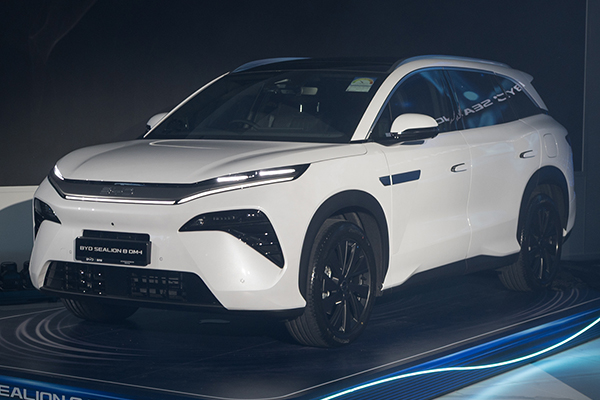
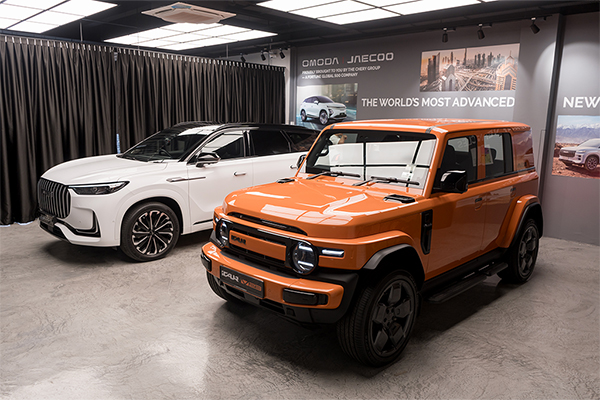
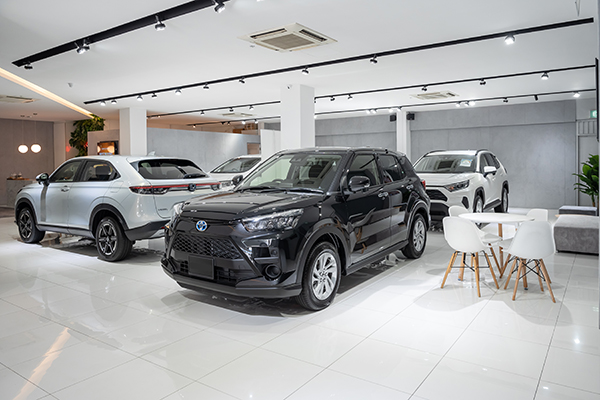
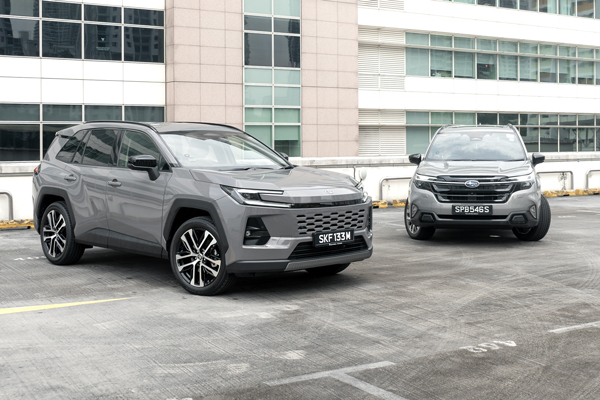
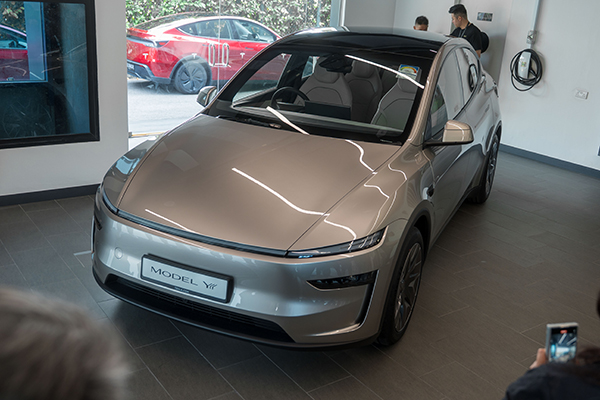
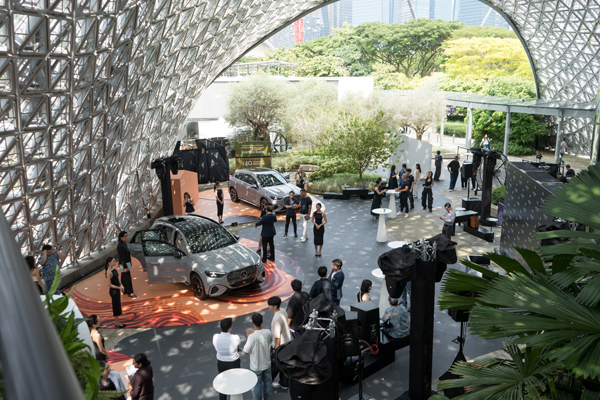
China has evolved and so has her people and technology. From clean air and cleaner cars to cultured individuals and a cultivated way of life, updating our mindsets about China should be underway. Gone are the days where toilets are filthy and the basic etiquette of queueing up is considered a waste of time. China has become, indeed, the next big thing in terms of technology, sustainability, and innovation.
The hunger to improve themselves has far exceeded expectations and the instinct - not just to survive - to supersede and better their global competitors has put the people of China on the map, particularly in the automotive industry.
Investing for an evolution
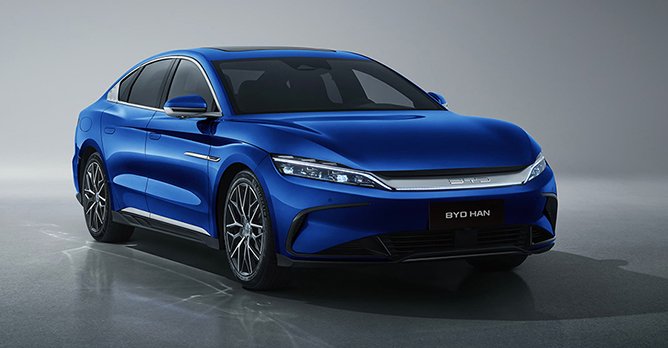
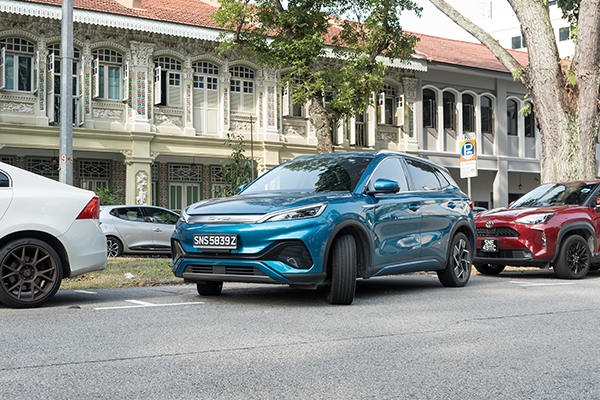
 The BYD Han (above) is an impressive EV In recent years, China-made carmakers have made significant strides in developing electric and hybrid vehicles that are efficient, eco-friendly, and packed with cutting-edge technology. Arguably, this is the result of the Chinese government's focus on promoting electric and hybrid vehicle production, coupled with the country's technological advancements and innovation capabilities.
As such, China has become one of the largest producers and consumers of electric vehicles (EVs) in the world, with carmakers such as BYD and Great Wall Motor (GWM) leading the way in electric vehicle technology and innovation. For instance, BYD has produced the Han EV, which boasts an impressive range of over 520km (WLTP combined) on a single charge, making it one of the most impressive electric vehicles on the market.
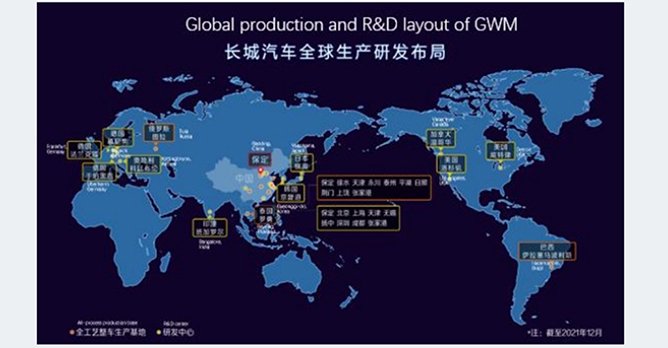 GWM has invested 100 billion Yuan on R&D Naturally, the use of advanced technology such as these engines provides more environmentally-friendly options for consumers, while simultaneously reducing the country's reliance on fossil fuels. To add on, these companies are investing heavily in research and development to improve not just the overall performance of their electric vehicles, but also to accelerate the pace from low carbon to zero carbon.
GWM, for instance, has invested a total of 100 billion Yuan to focus on key technologies such as low power consumption, high computing power chip, as well as modern sensing, information fusion and artificial intelligence. The company has even set up R&D centres and technological innovation centres in many parts of the world, including the United States, Canada, Germany, Austria, Japan, South Korea and India.
Alternative power
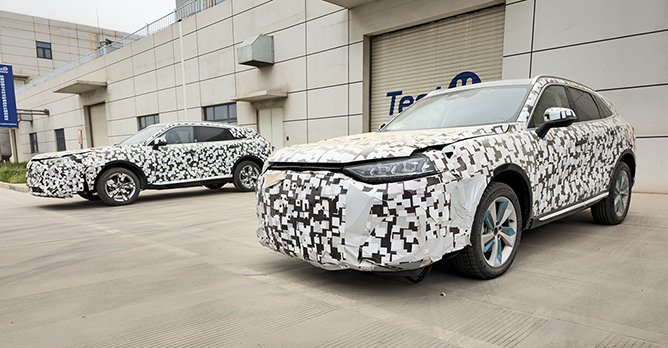 GWM has already started testing the use of hydrogen fuel cell as an alternative energy source Another notable example of China's advancements in being a tech pioneer is its willingness to dabble in other clean energy sources for cars, such as hydrogen. For example, GWM is the first Chinese automobile enterprise member of Hydrogen Council. In fact, the Chinese carmaker will officially launch hydrogen fuel cell models in 2025. These new energy models will be included in the next-generation mainstream models of GWM four brands - Haval, Wey, ORA and GWM Pickup.
But for now, Chinese car manufacturers seem to be accelerating electrification, as what was experienced at the recently concluded Shanghai Motor Show. Brands such as BYD, Xpeng, GWM, as well as HiPhi unveiled mainly electrified vehicles.
The future of driving
 SAIC and Alibaba have collaborated to develop autonomous driving technology In addition to electrified vehicles, China carmakers and tech companies are also leading the way in autonomous driving technology. SAIC Motor, China's largest carmaker, has partnered with major tech company Alibaba, to develop autonomous driving technology.
Geely, another major Chinese carmaker, collaborated with tech giant Baidu to develop Level 4 autonomous driving technology, which means that the car can drive itself without any human intervention in most situations.
Interestingly, BYD - China's largest electric vehicle seller - has a slightly different opinion on autonomous driving. According to the carmaker, fully autonomous driving is impossible and the technology behind such driver assistance systems would be better suited to manufacturing. Moreover, it would be difficult to fault parties who are involved in a traffic accident when a self-driving vehicle is taken into account.
China-made cars the next big bang?
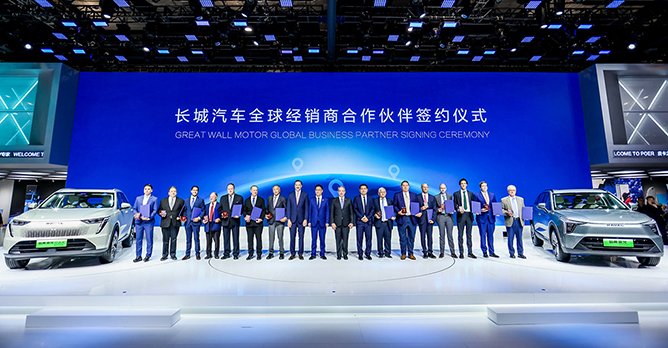 China-made cars may be the future of the automotive industry Of course, there will always be different opinions from different companies and different people on a similar subject, but the one thing that we cannot (and we should not) disagree on is the fact that China-made cars may be the future of the automotive industry.
Yes, while there are certain challenges that Chinese carmakers face in terms of brand recognition and consumer perception from the rest of the world, the Chinese are working hard and investing heavily in developing and producing innovative electrified vehicles. This could give them a significant advantage in the global market as demand for EVs continues to grow.
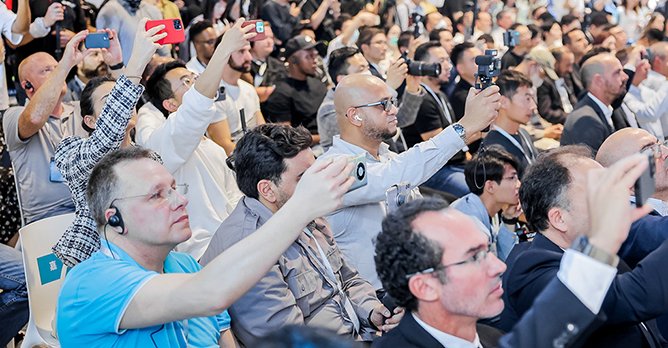 Hundreds of people from all over the world look on as a Chinese car manufacturer presents a new car at the 2023 Shanghai Motor Show Also, the sheer size of the country gives the business in China an edge over the rest of the world. Sales figures of cars aren't just in the thousands, but in the millions. Employment numbers aren't in the hundreds, but in the tens of thousands. And with these tens of thousands of employees in a car company, the road to success becomes less tedious since productivity is bound to ramp up, which could lead to more products launched and higher revenue figures.
More importantly, but no less interestingly, is how these Chinese automakers are expanding their global footprint through strategic partnerships and acquisitions. Geely, for instance, has acquired several well-known car brands, including Volvo, Polestar and Lotus, which has helped to boost its brand recognition and credibility in European markets.
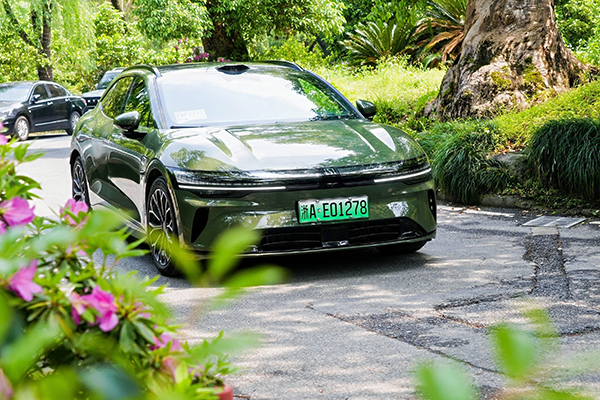
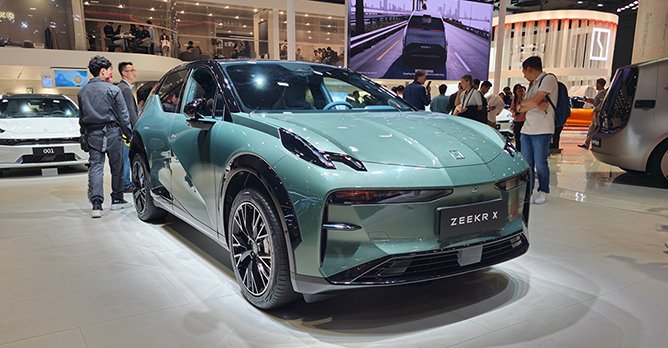 Zeekr is planning to enter the European market A strategic joint venture between SAIC Motor and Volkswagen Group in 1985 also saw the formation of SAIC Volkswagen in China, which has since established production bases in Nanjing, Yizheng, Ningbo, Urumqi and Changsha successively. Even start-up brands such as HiPhi and Zeekr have laid out plans to enter the European market during the recent Shanghai Motor Show.
By partnering with established brands and leveraging their existing supply chains and distribution networks, Chinese automakers could very rapidly expand their global market share and grow as a global economic power. Thus, it's logical to say that the Chinese's influence in the automotive industry is likely to increase and it could become a dominant force in the industry in time to come.
The inevitable future
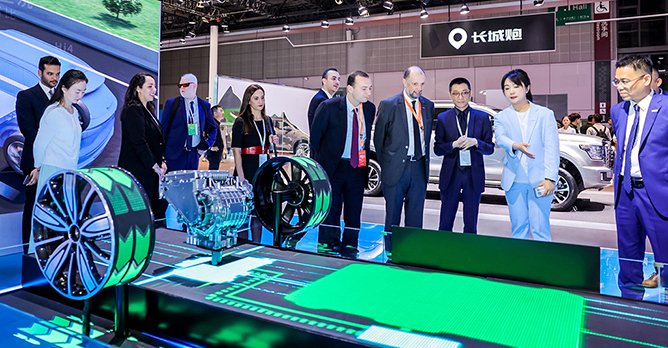 With their advancements in electrified vehicles, Chinese carmakers are poised for the future China-made cars are driving the future of the automotive industry, with their advancements in electrified vehicles as well as autonomous driving technology. This innovative and sustainable approach to the automotive industry could have a significant impact on the global market in the coming years.
As we look to the next decade, the impact of China's car manufacturers on the global automotive industry is set to be profound, and their contributions to the advancement of transportation technology should not be underestimated. Not only will this direction benefit the environment but also provide new jobs and business opportunities in the automotive sector. It is a testament to the country's dedication to environmental protection and to building a sustainable future.
Hence, as more countries shift towards sustainable and environmentally-friendly designs and work processes, China's automotive industry may well lead the way. With the growing demand for environmentally-friendly vehicles, China's automotive industry is well positioned to become a major player in the global market.
The hunger to improve themselves has far exceeded expectations and the instinct - not just to survive - to supersede and better their global competitors has put the people of China on the map, particularly in the automotive industry.
Investing for an evolution
As such, China has become one of the largest producers and consumers of electric vehicles (EVs) in the world, with carmakers such as BYD and Great Wall Motor (GWM) leading the way in electric vehicle technology and innovation. For instance, BYD has produced the Han EV, which boasts an impressive range of over 520km (WLTP combined) on a single charge, making it one of the most impressive electric vehicles on the market.
GWM, for instance, has invested a total of 100 billion Yuan to focus on key technologies such as low power consumption, high computing power chip, as well as modern sensing, information fusion and artificial intelligence. The company has even set up R&D centres and technological innovation centres in many parts of the world, including the United States, Canada, Germany, Austria, Japan, South Korea and India.
Alternative power
But for now, Chinese car manufacturers seem to be accelerating electrification, as what was experienced at the recently concluded Shanghai Motor Show. Brands such as BYD, Xpeng, GWM, as well as HiPhi unveiled mainly electrified vehicles.
The future of driving
Geely, another major Chinese carmaker, collaborated with tech giant Baidu to develop Level 4 autonomous driving technology, which means that the car can drive itself without any human intervention in most situations.
Interestingly, BYD - China's largest electric vehicle seller - has a slightly different opinion on autonomous driving. According to the carmaker, fully autonomous driving is impossible and the technology behind such driver assistance systems would be better suited to manufacturing. Moreover, it would be difficult to fault parties who are involved in a traffic accident when a self-driving vehicle is taken into account.
China-made cars the next big bang?
Yes, while there are certain challenges that Chinese carmakers face in terms of brand recognition and consumer perception from the rest of the world, the Chinese are working hard and investing heavily in developing and producing innovative electrified vehicles. This could give them a significant advantage in the global market as demand for EVs continues to grow.
More importantly, but no less interestingly, is how these Chinese automakers are expanding their global footprint through strategic partnerships and acquisitions. Geely, for instance, has acquired several well-known car brands, including Volvo, Polestar and Lotus, which has helped to boost its brand recognition and credibility in European markets.
By partnering with established brands and leveraging their existing supply chains and distribution networks, Chinese automakers could very rapidly expand their global market share and grow as a global economic power. Thus, it's logical to say that the Chinese's influence in the automotive industry is likely to increase and it could become a dominant force in the industry in time to come.
The inevitable future
As we look to the next decade, the impact of China's car manufacturers on the global automotive industry is set to be profound, and their contributions to the advancement of transportation technology should not be underestimated. Not only will this direction benefit the environment but also provide new jobs and business opportunities in the automotive sector. It is a testament to the country's dedication to environmental protection and to building a sustainable future.
Hence, as more countries shift towards sustainable and environmentally-friendly designs and work processes, China's automotive industry may well lead the way. With the growing demand for environmentally-friendly vehicles, China's automotive industry is well positioned to become a major player in the global market.