Motorised Personal Mobility Devices (PMDs) trebled the risk of severe injury compared with non-motorised devices, a study by a trauma specialist here has shown.

The study, titled The Price Of Personal Mobility: Burden Of Injury And Mortality From Personal Mobility Devices In Singapore - A Nationwide Cohort Study, is the first of its kind here, and included powered bicycles. The study was done between 2015 and 2017, before the latest speed restrictions of 10km/h on footpaths and 25km/h on shared paths were imposed. It collated data on trauma patients aged 12 and above who were attended to at public hospitals.
Dr. Wong, 46, said she decided to conduct the study when she and fellow doctors started noticing PMD-related injuries in recent years.
"This was a new phenomenon," she said. "By the time of the Singapore trauma conference in 2018, it became clear that almost every hospital in Singapore had submitted a paper on the injuries sustained by motorised PMDs, that was when we decided to pool our data and combine our findings into one big study."
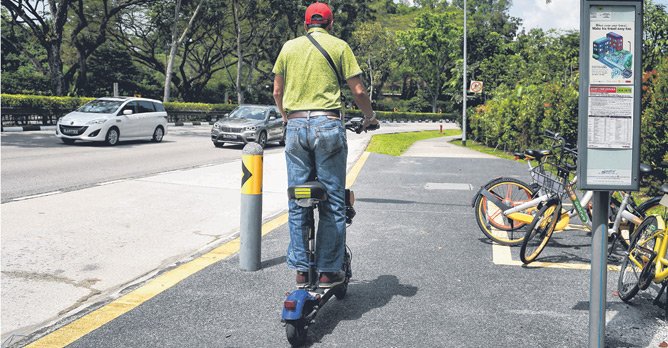
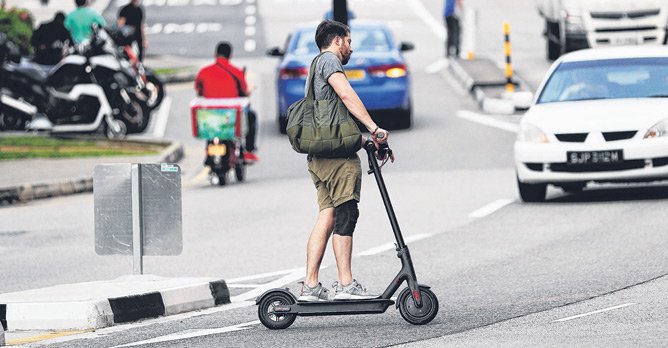
E-scooters were the most common device associated with these cases (64%), followed by motorised bicycles (10%). The most common non-motorised PMDs in the study were kick scooters (8%) and skateboards (7%).
Pedestrians involved in accidents with PMDs were not covered in the study because pedestrian injury or fatality cases would include those involving all types of vehicles, Dr Wong said. She observed that riders aged above 60 on motorised PMDs were more likely to get seriously injured or hospitalised in accidents, likely due to higher fall risk and frailty.
The study found that the majority of motorised PMD users did not use helmets, which Dr. Wong indicated may have contributed to the high percentage of injuries. Higher travelling speeds and environmental factors such as the lack of dedicated lanes may also have been factors.
The study noted that in the European Union, motorised PMDs are barred from motor vehicle roads, and are allowed only on sidewalks at speeds of not more than 6km/h. In February, the speed limit for PMDs on footpaths in Singapore was lowered to 10km/h from 15km/h.
Would the new restriction vastly change the findings? Dr Wong said, "We should hope so... it would definitely be interesting to repeat this study in a few years' time."
She noted that the study was conducted even before the 25km/h speed limit came into force on shared paths such as park connectors and cycling paths.