The Volkswagen Group continues to force the pace of climate protection. In the future, Volkswagen Group Logistics will be using certified fuel from vegetable residues for certain new car shipments via marine routes. The fuel is produced from materials such as used oil from restaurants and the food industry.
The first car freighter was re-fuelled for the first time with this oil in mid-November 2020 and a second ship is due to follow at the beginning of 2021.
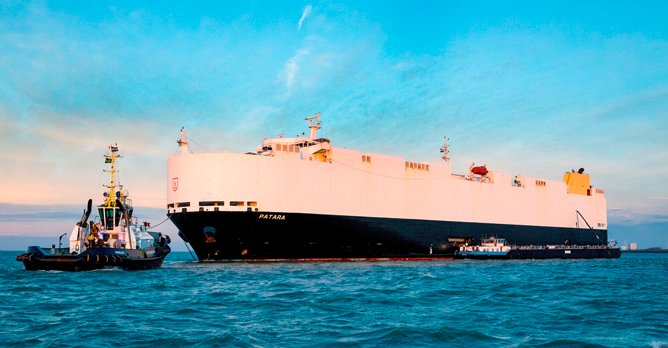

The two ships are each powered by a MAN marine diesel engine with more than 18,740bhp. In future, the two ships are to be refueled at sea with alternative fuel. This way, the CO2 emissions of the two vessels along their route will be reduced by more than 85% - from over 60,000 to about 9,000 tonnes per year. In addition, sulphur oxide emissions will be almost completely avoided.
This change is part of a strategy to make Volkswagen Group Logistics even greener. Another element is the use of liquefied natural gas to power car freighters. Furthermore, all rail shipments in Germany with DB Cargo are being changed over to eco-power. "This way, Volkswagen Group Logistics is helping the Group achieve net carbon neutrality by 2050," says Thomas Zernechel, Head of Volkswagen Group Logistics.