Seat upholstery made from secondary raw materials will be used for the first time in the fourth generation of the Audi A3.
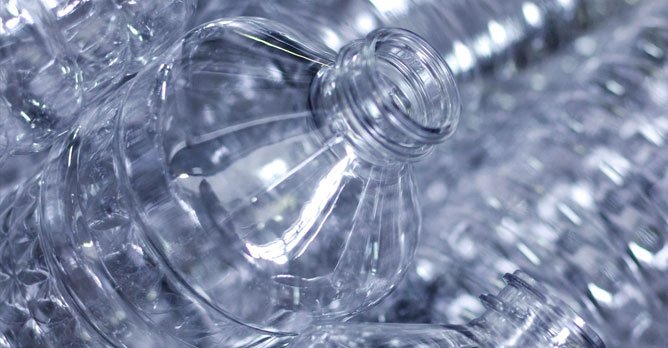

Up to 45 1.5-litre PET bottles are used per seating system. On top of this, an additional 62 PET bottles will be recycled for the carpets in the new Audi A3. Other components in the interior are also increasingly made of secondary raw materials, such as the insulating materials and absorbers, the side panel trims of the luggage compartment, the loading floor and the mats. The percentage of recycled material in the Audi fleet is to rise considerably in the coming years. In the process, the premium brand will continue to offer its customers products with the high level of quality that they are used to.
Three different material designs for the Audi A3 will utilise the new recycled material. One of these is the steel grey material 'Torsion' from the design selection on which yellow contrasting stitching creates a visual highlight. The 'Puls' interior option will also be made from the recycled material. In the S line, it features the black and silver colour combination and is accentuated by Rock Grey contrasting stitching. Black and red contrasting stitching will also be offered in the S line car.