Audi Q3 Sportback 1.5 Advanced Review
01 Apr 2026|12,360 views


What We Like
Sleek exterior
Improved ride quality
Quiet, comfortable and easy-to-drive
What We Dislike
Will take a while to get adjusted to the new user experience
Software bug
There's a new Audi Q3 in town. Well, technically, there are two - the Q3 SUV, and its sleeker sibling, the Q3 Sportback.
This marks the third generation of the Q3, but actually only the second generation of the Q3 Sportback, but regardless, the cars are effectively the same with the exception of a slightly different exterior profile.
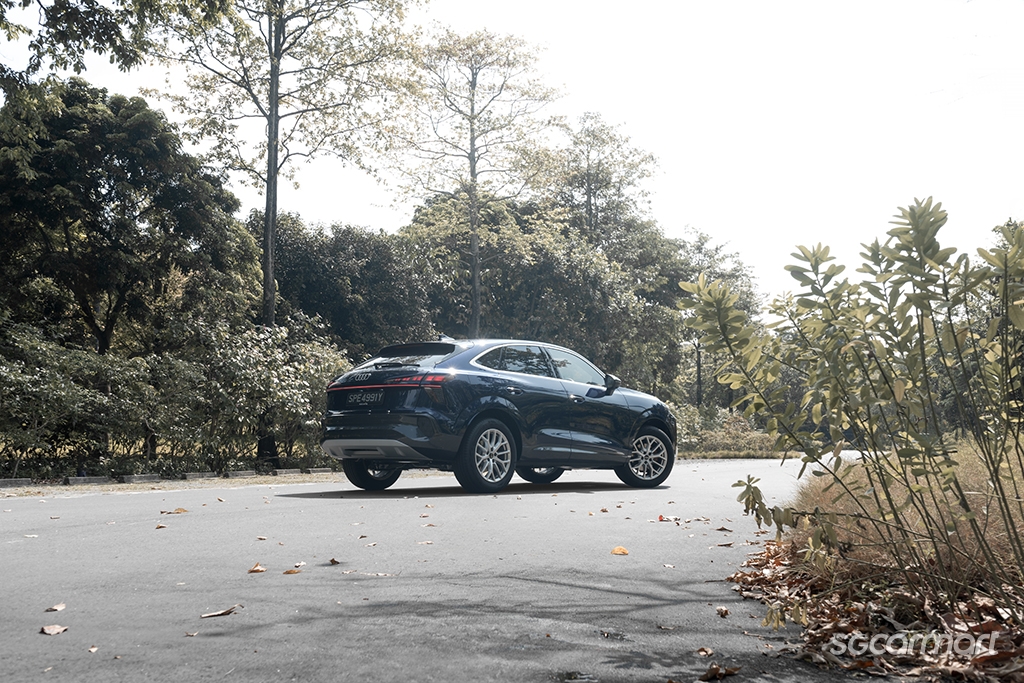
The launch of the new generation Audi Q3 sees both the SUV and Sportback being introduced concurrently
More relevantly, the pair of Q3s must compete in a hotly contested compact crossover segment. With the segment seemingly overflowing with choices, many of them electric ones, can the petrol-powered Q3 make a compelling case for itself?
We spend a weekend with the Q3 Sportback to find out.
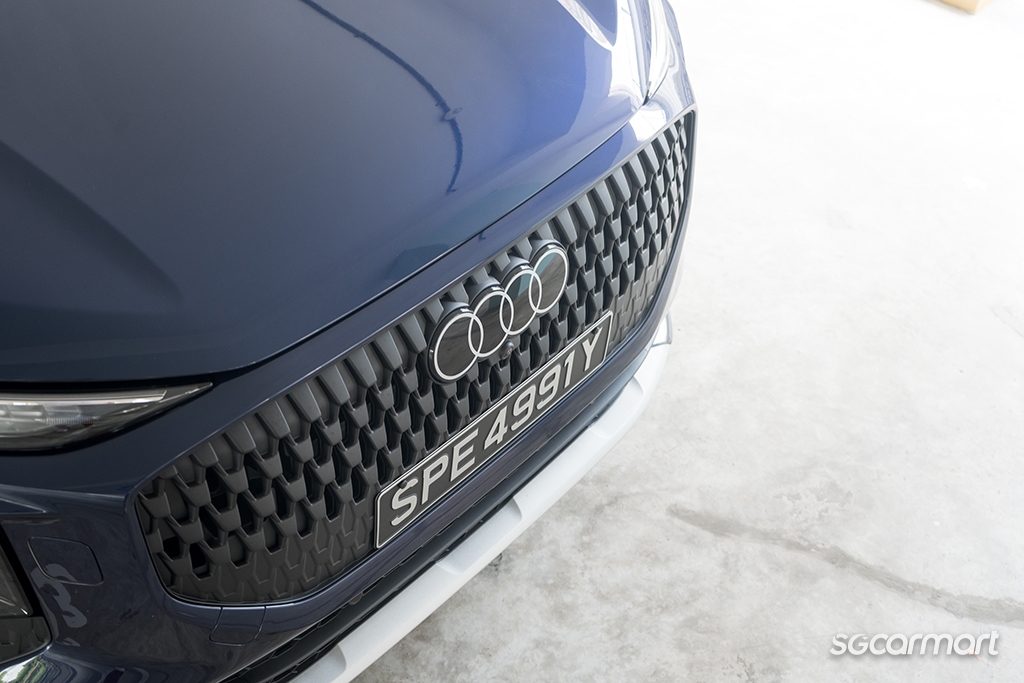
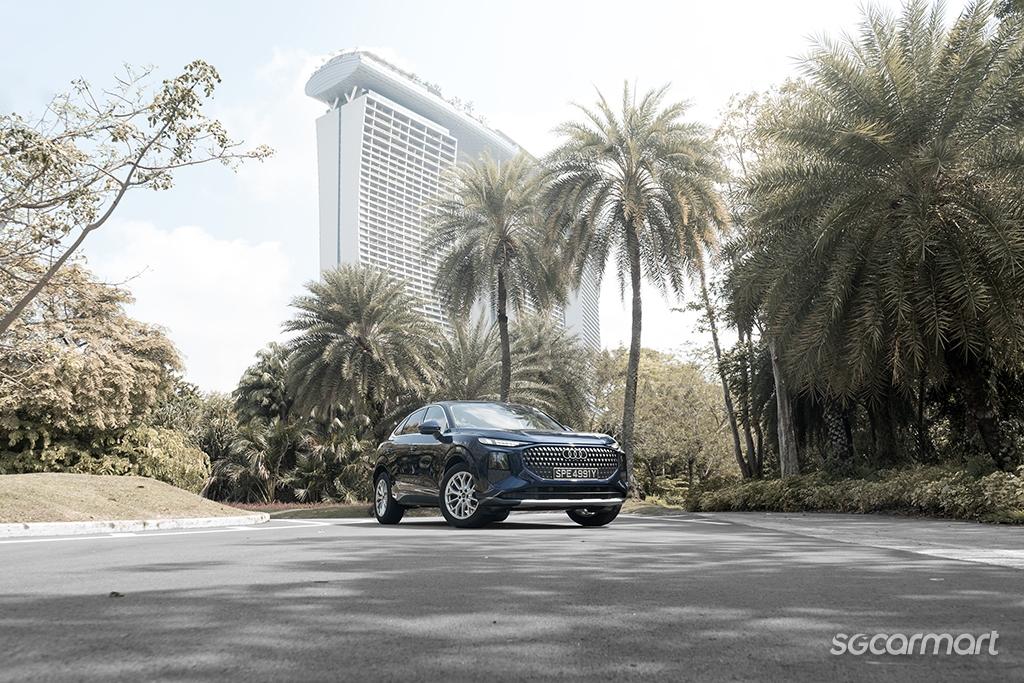
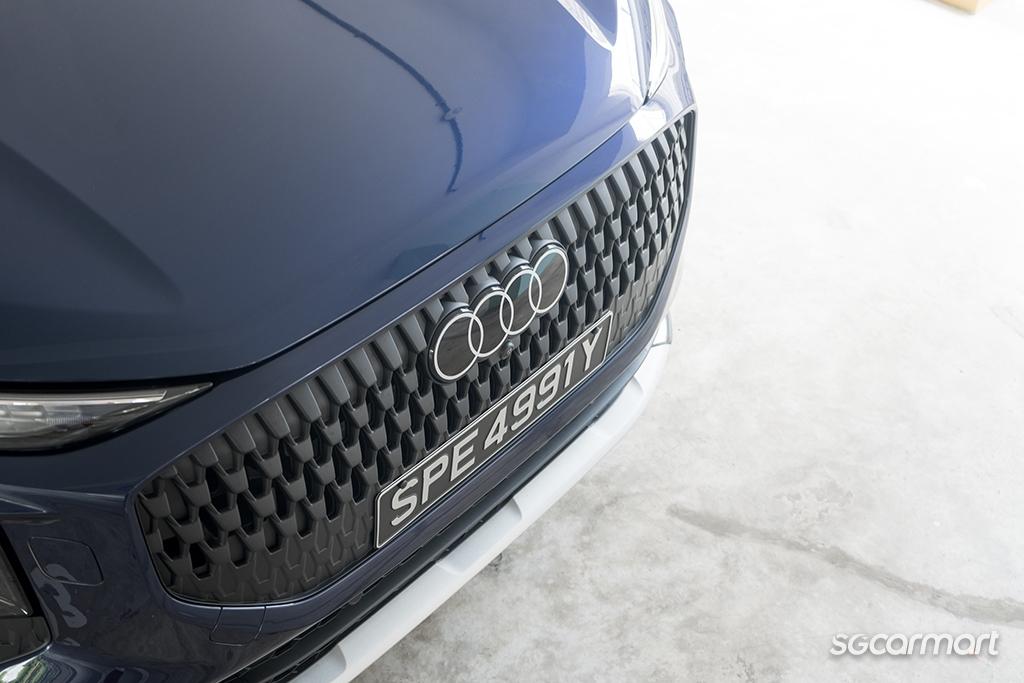
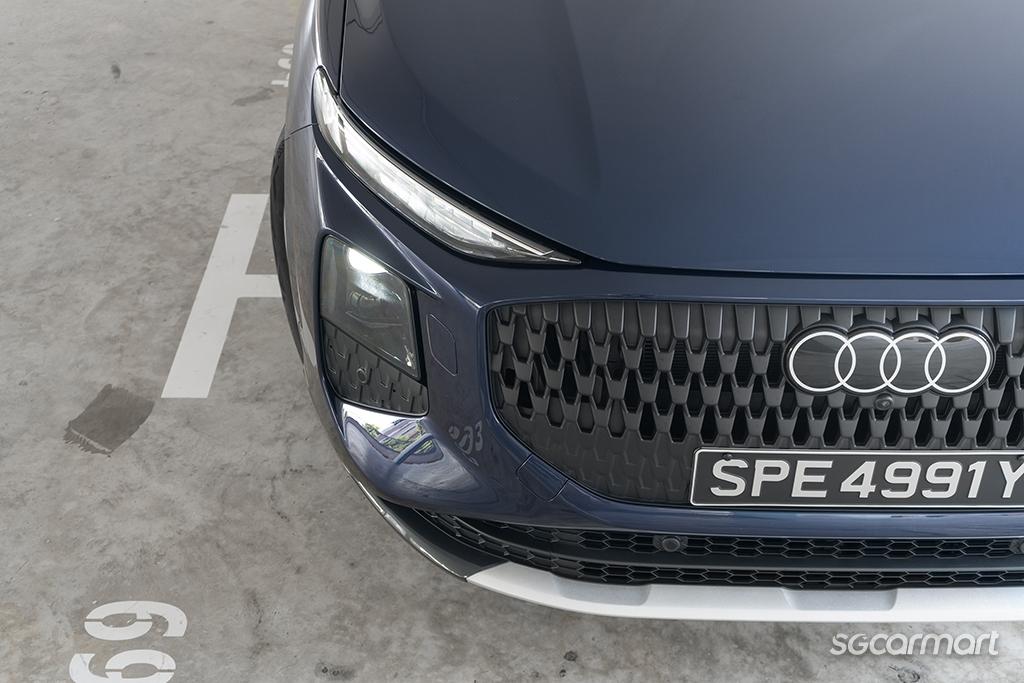
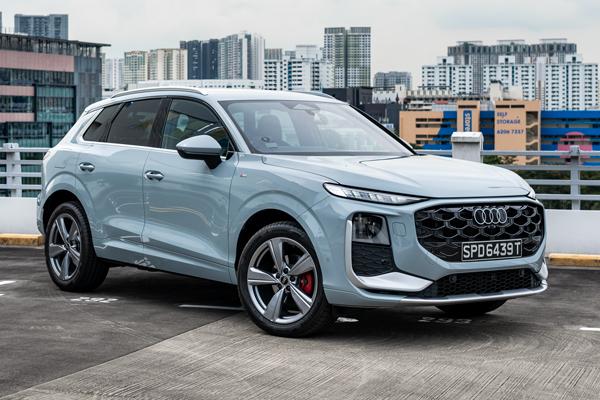
The new-look front grille gives the car a more prominent look
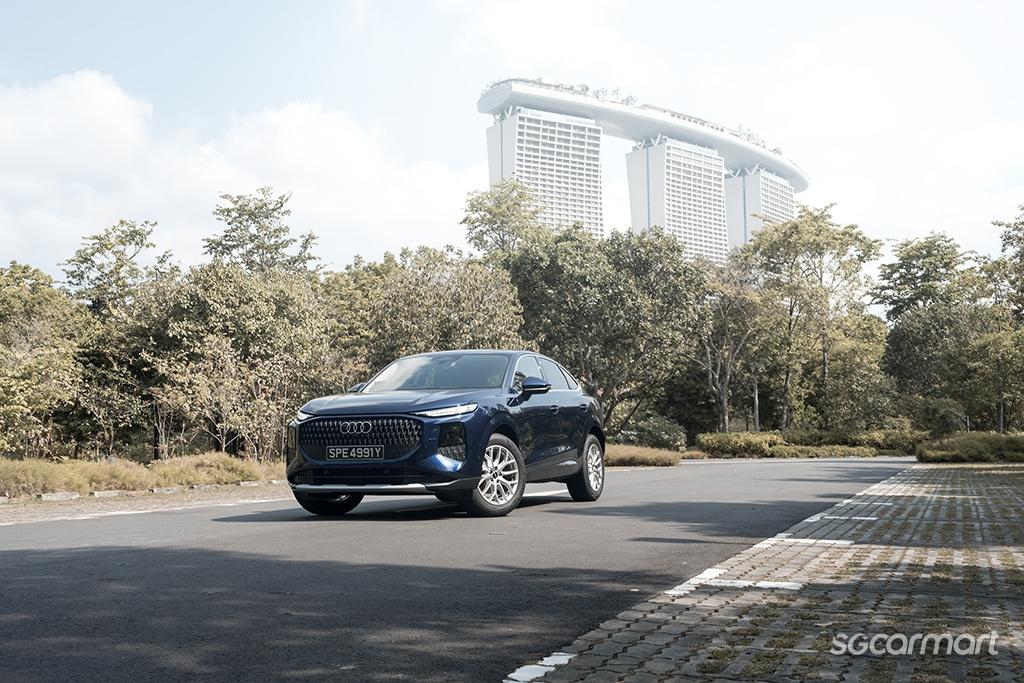
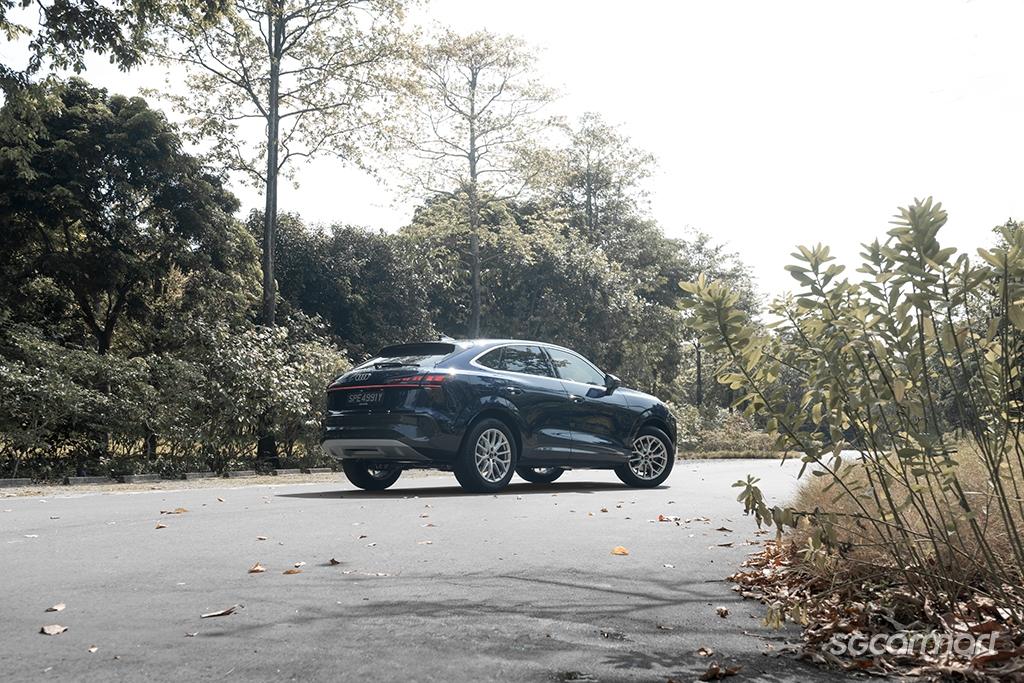
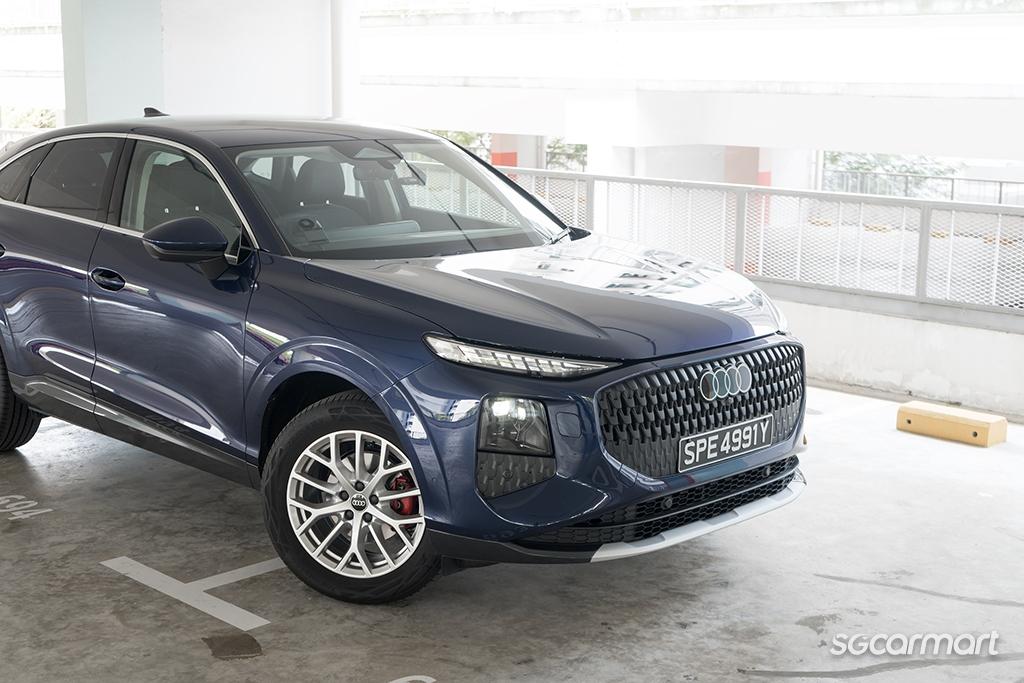
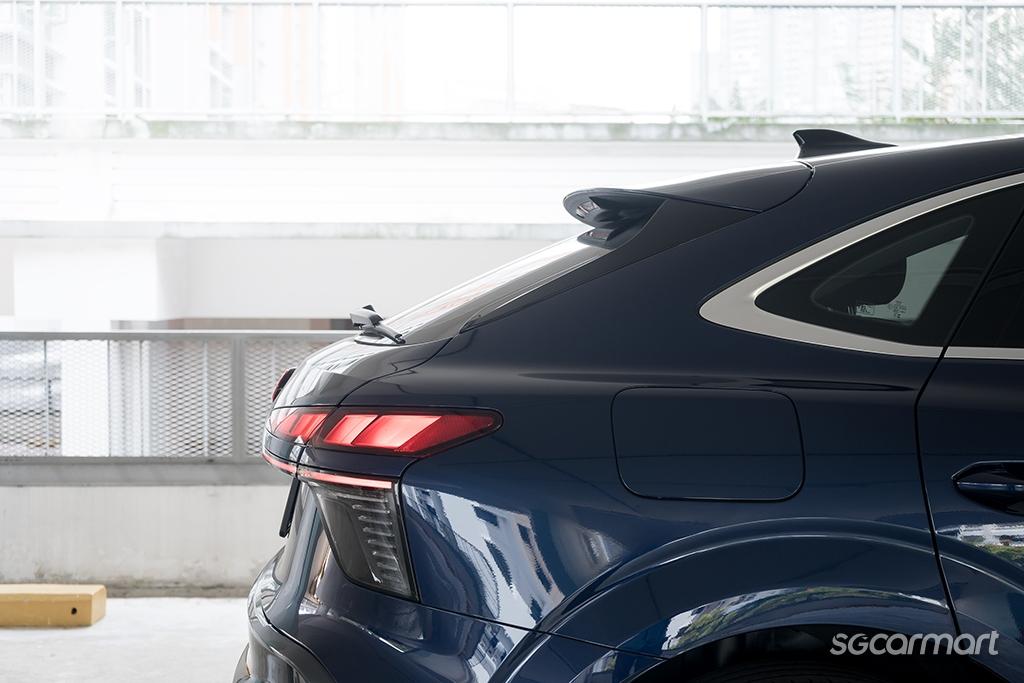
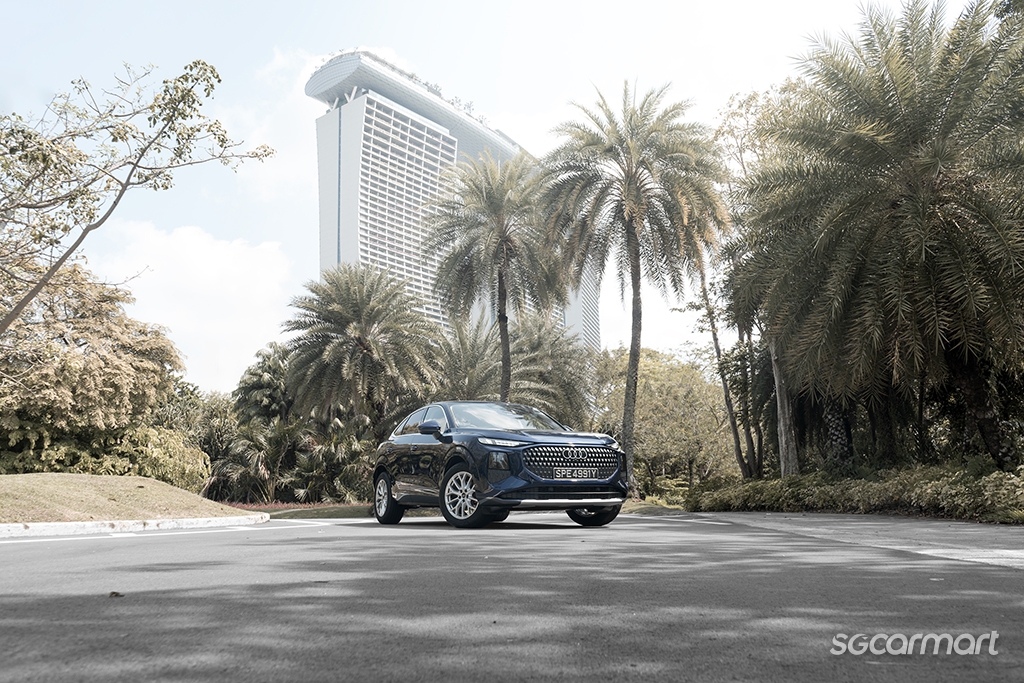
The Q3 Sportback is intended to be a stylish choice, and from the outside it sure fits that bill.
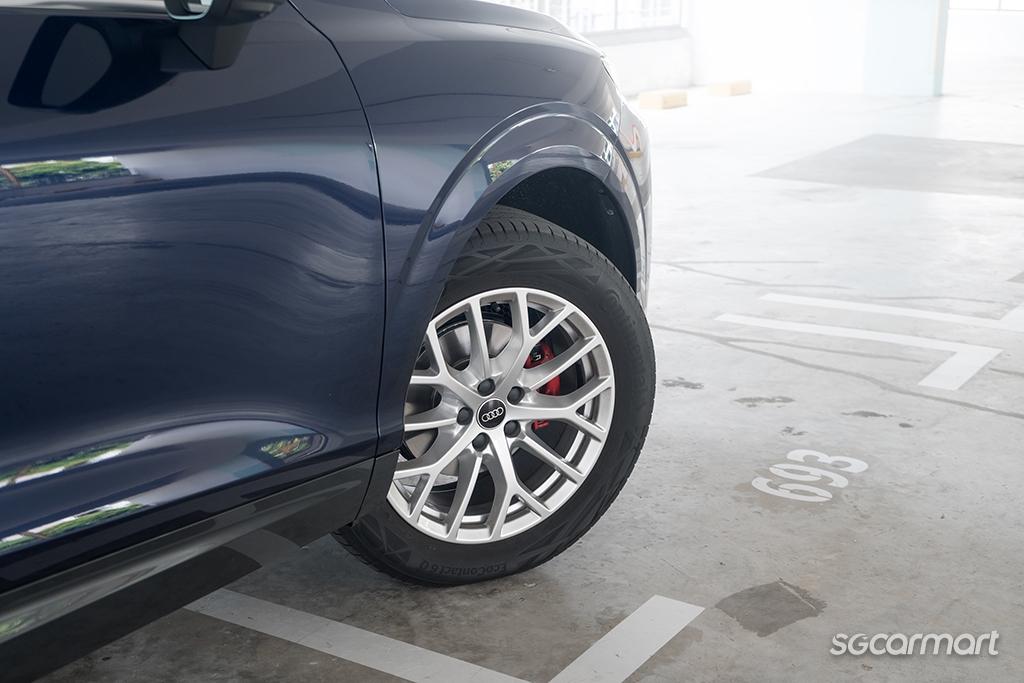
The car is slightly longer (+31mm), wider (+16mm) and lower (-8mm) than before, and the resulting shape of the car is a little sleeker. The Singleframe grille is wider than before, and also now features a pattern with the hexagons now arranged in a vertical manner.
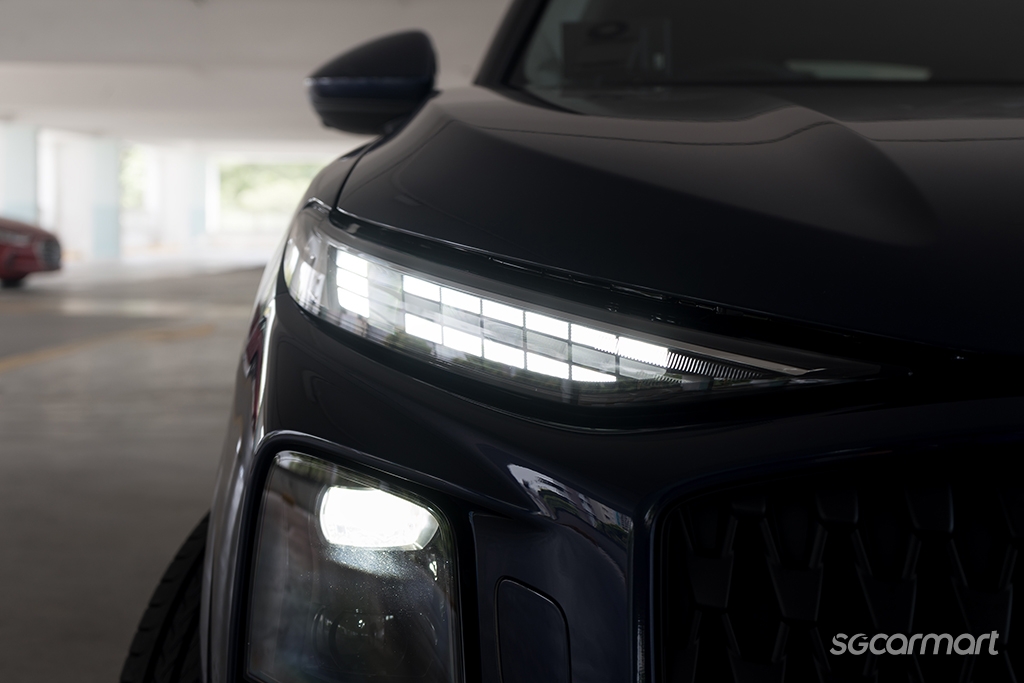
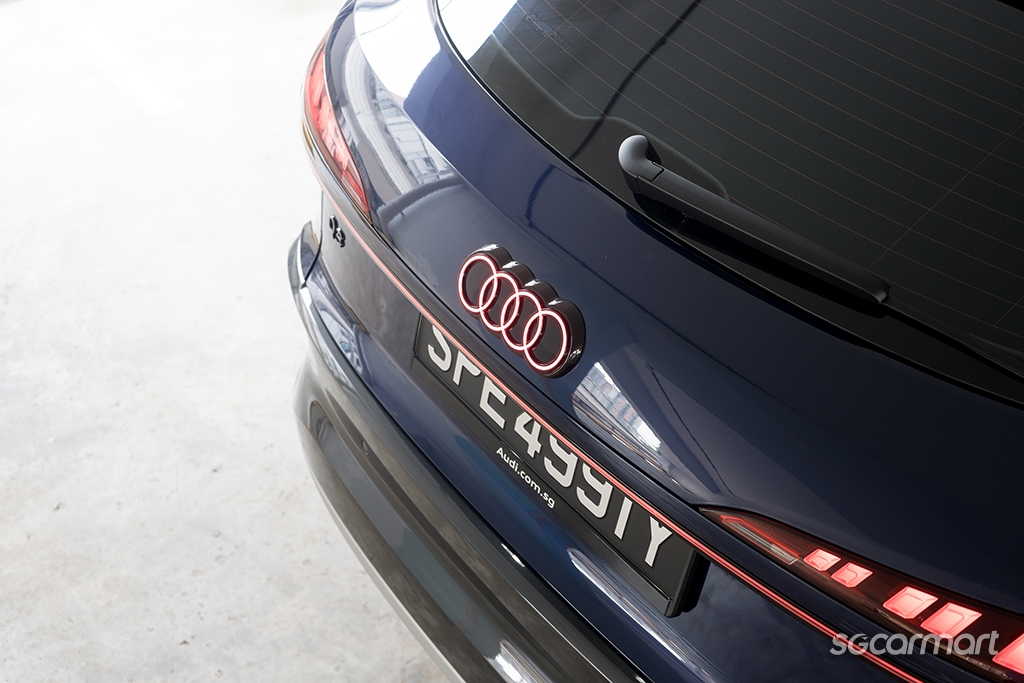
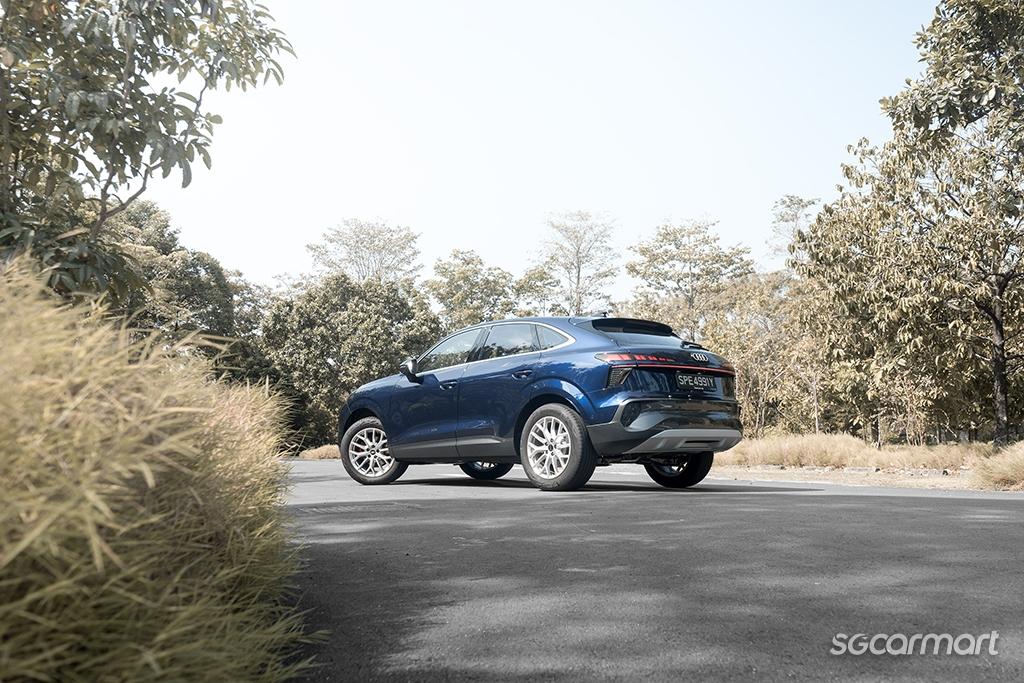
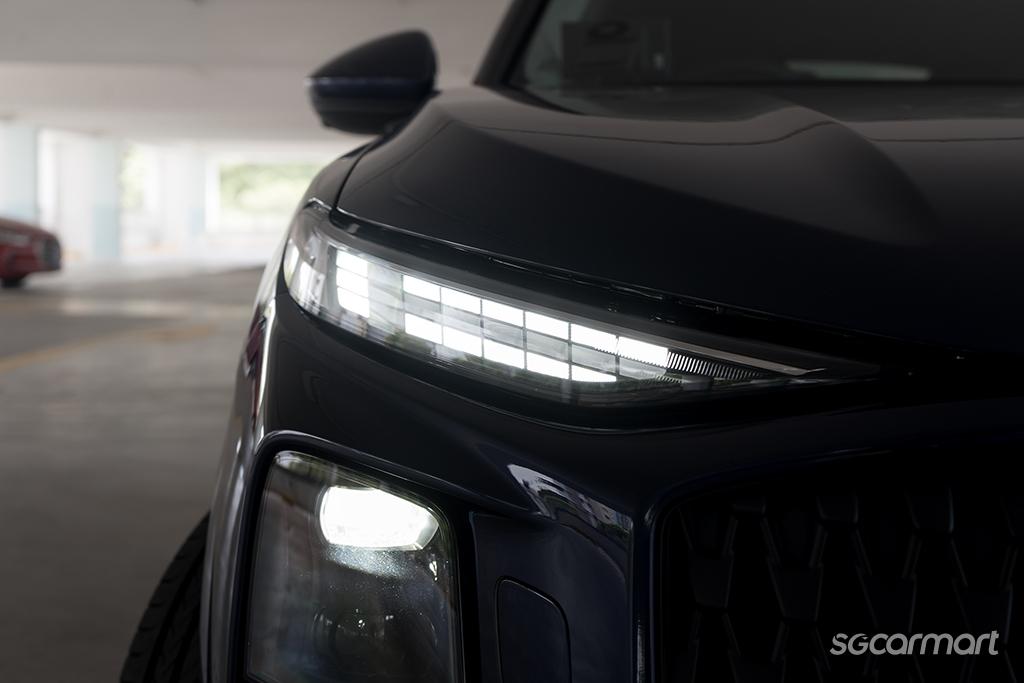
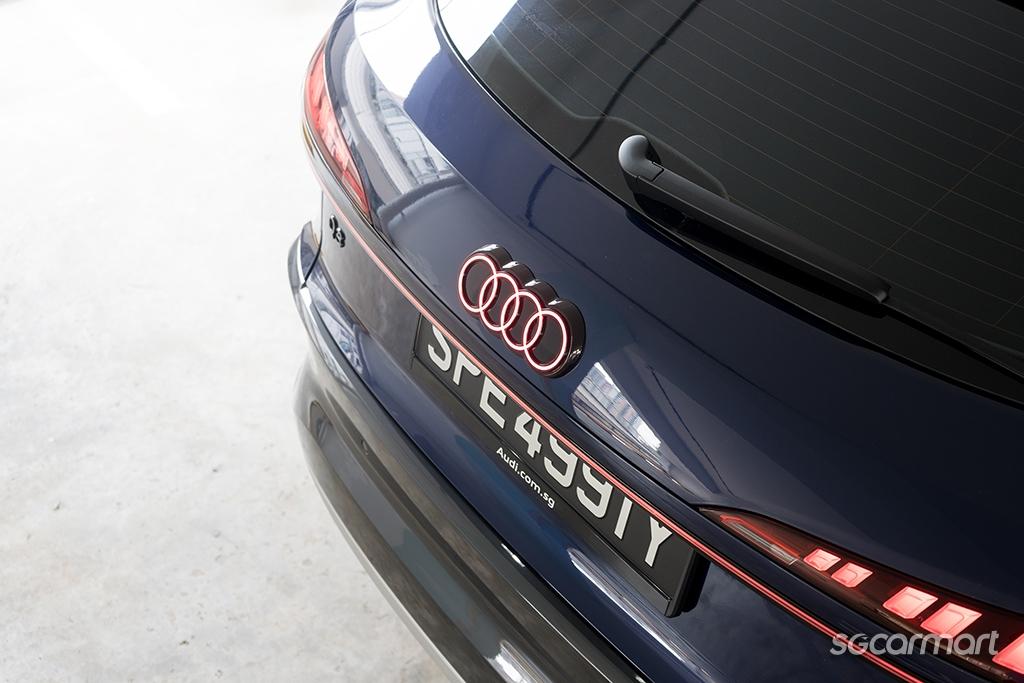
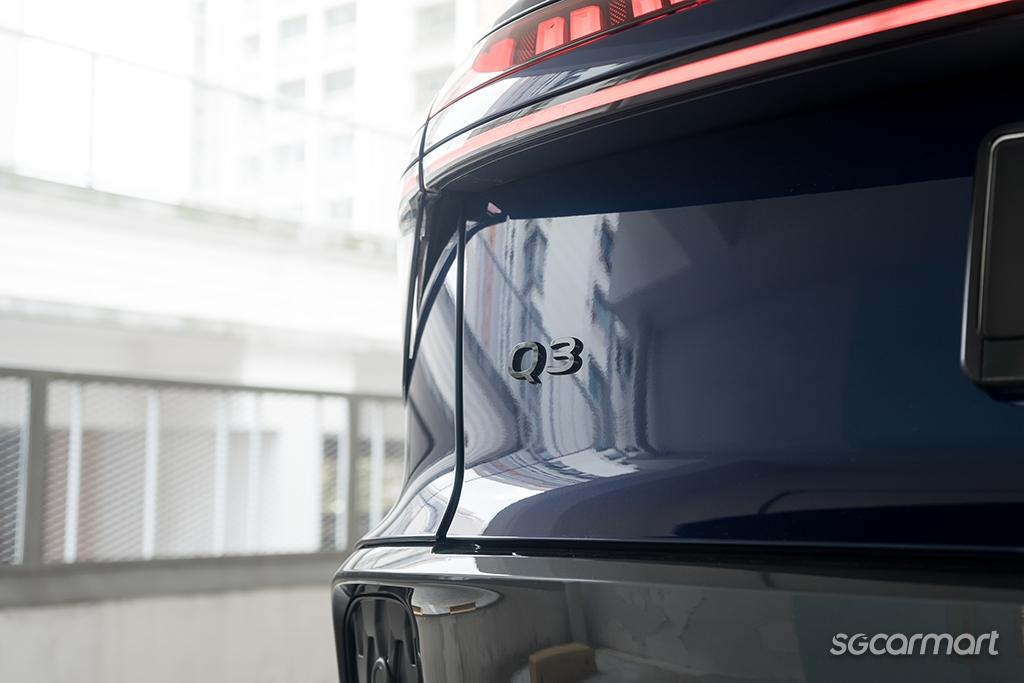
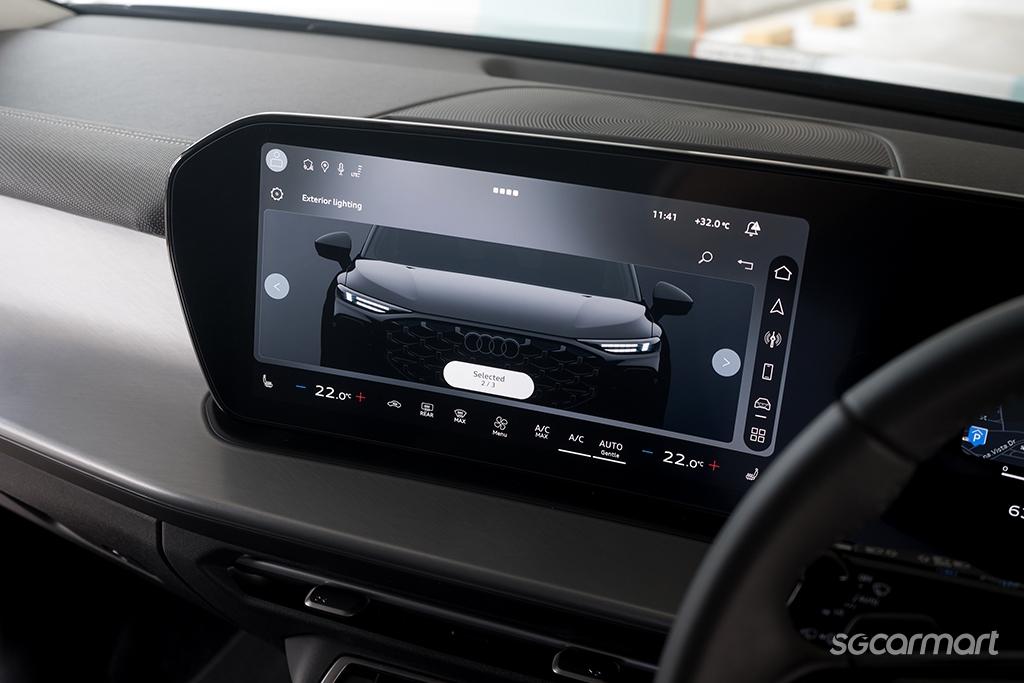
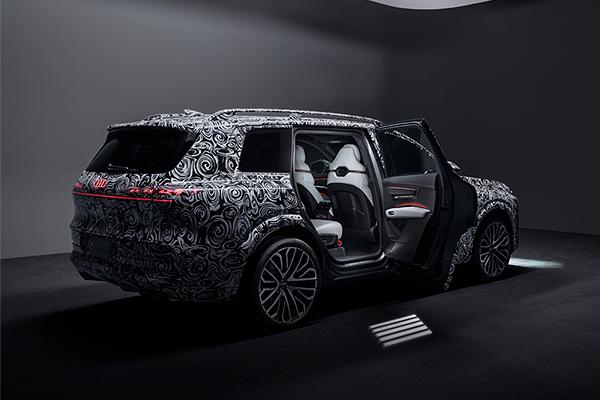
The new lighting package allows for configurable light signatures, and the rear logo is also illuminated
The lighting package has also been revised. Up front, you get Matrix LED head lights as standard, with configurable light signatures. It's the same story at the rear - a redesigned rear light cluster with the four rings illuminated in red.
All things considered, it's a little flashy, but still demonstrates enough restraint that, to my eyes, doesn't come across as overdone.
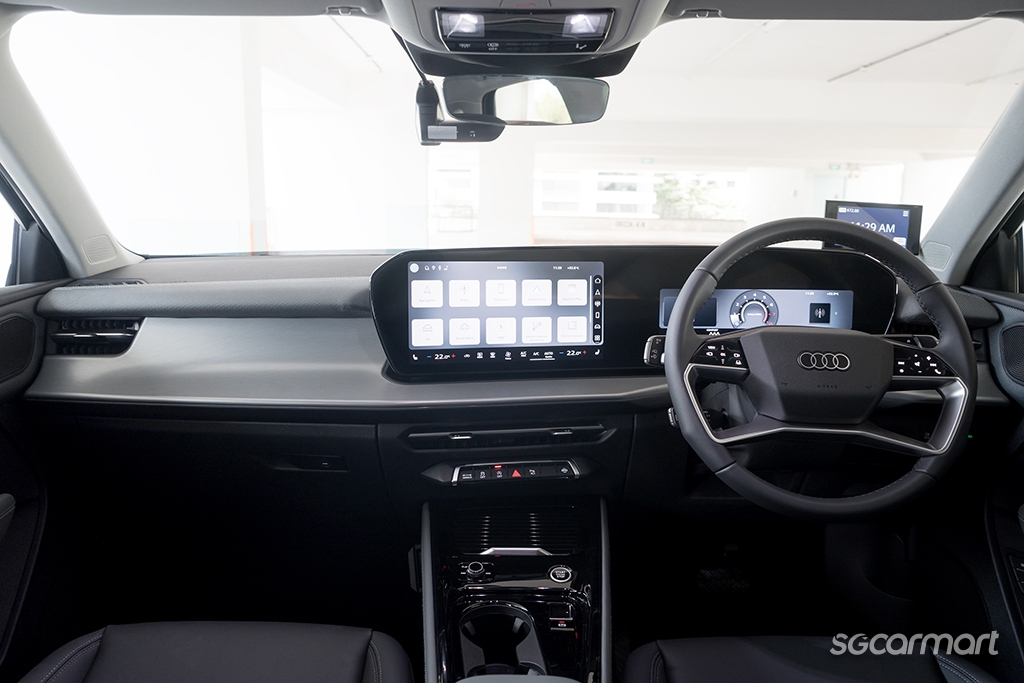
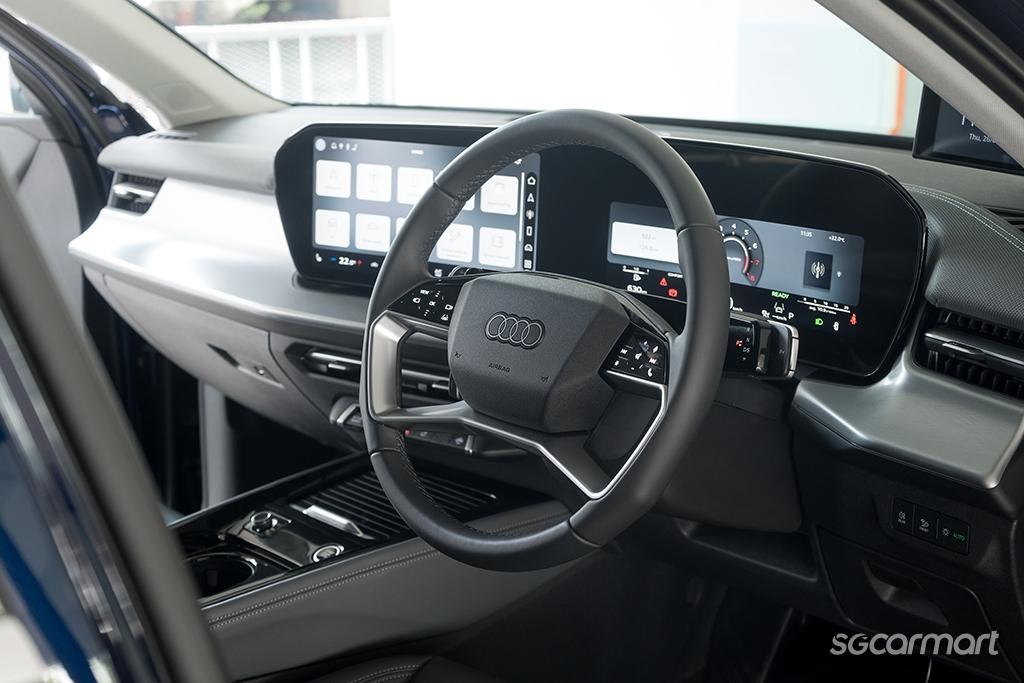
Inside, the car is a rather significant departure from previous Audi models as far as user experience is concerned
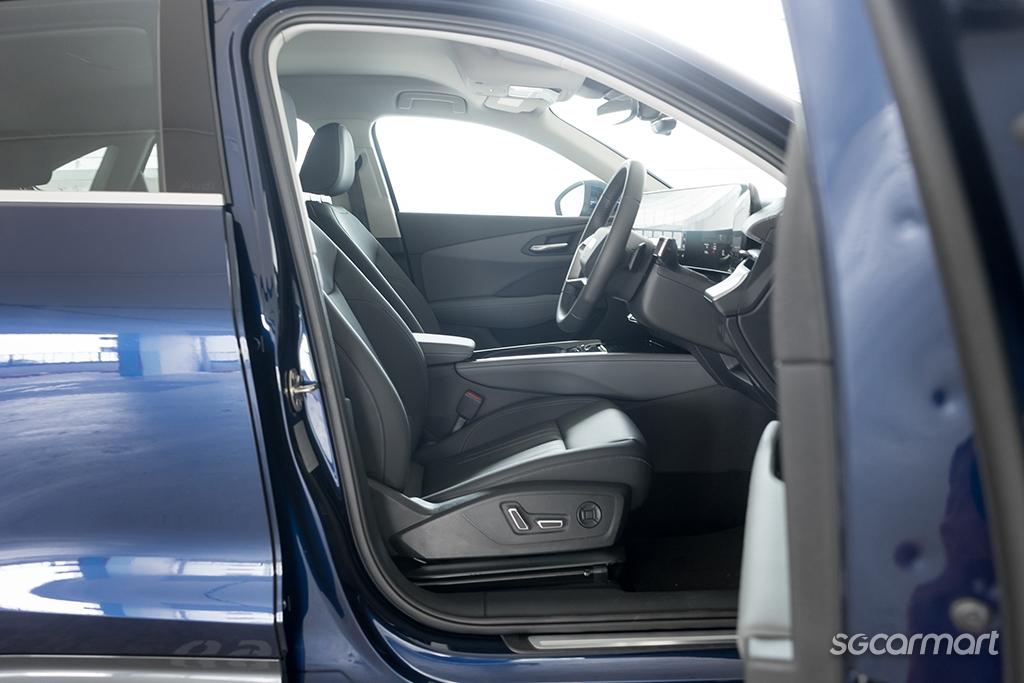
Move into the cabin, and the immediate thing that stands out is that… everything seems different! Look, one thing I do like about Audis is that even with the newer models, the cabin still looks and feels familiar.
This cabin, isn't. There’s a lot that's new.
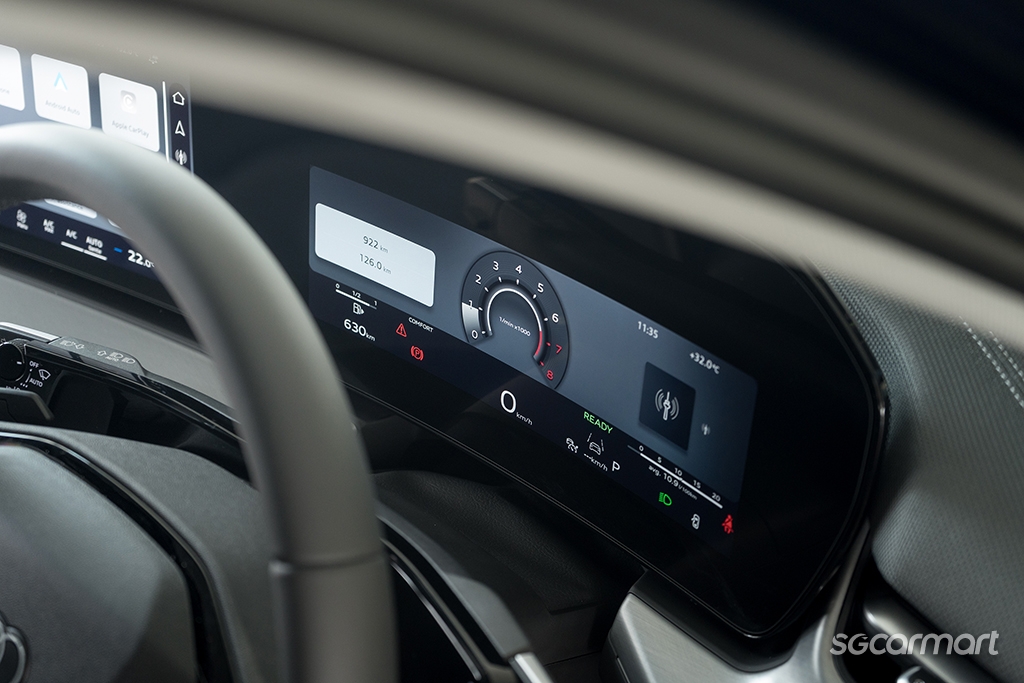
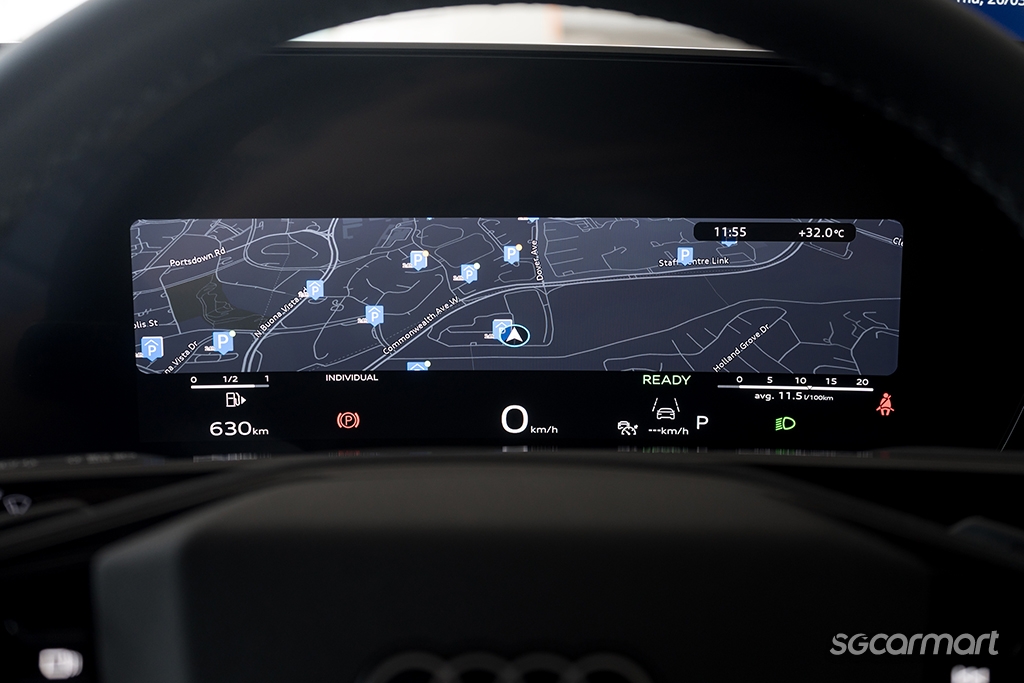
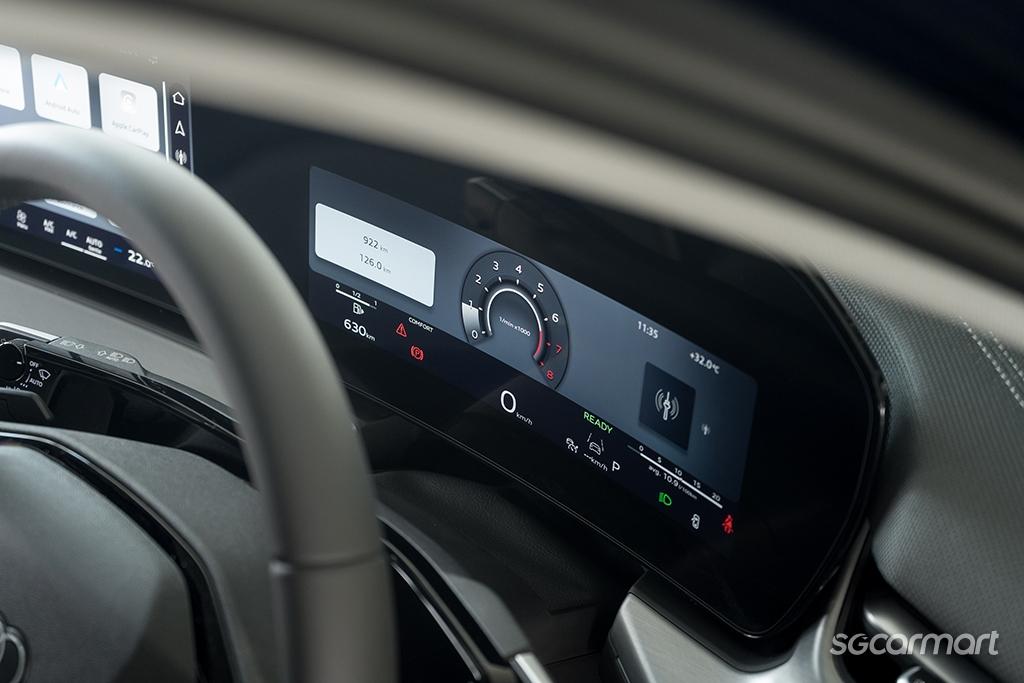
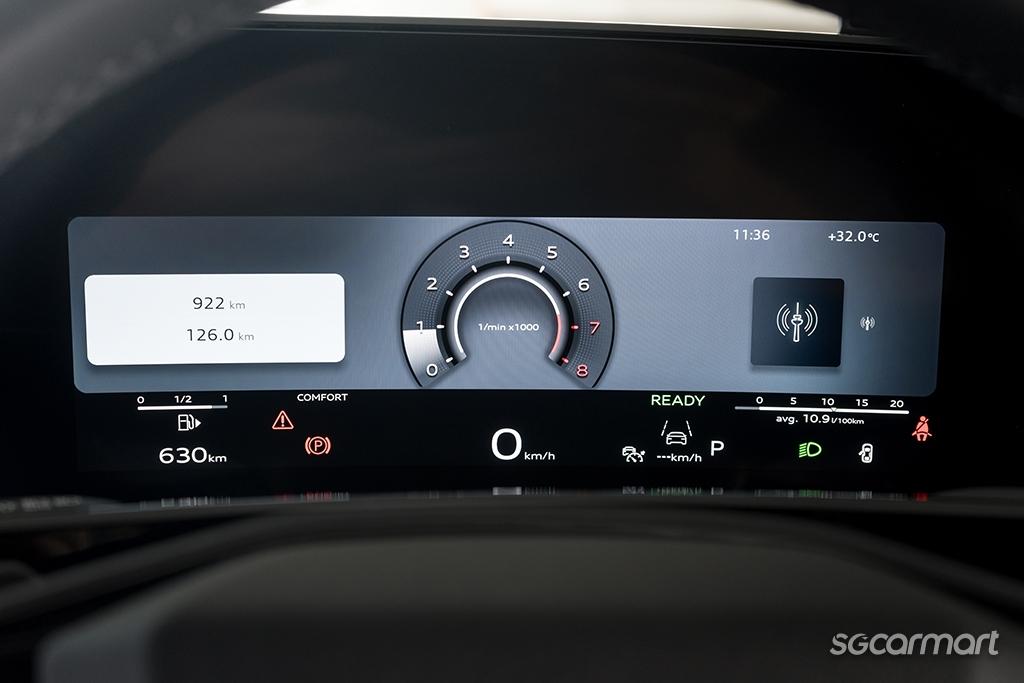
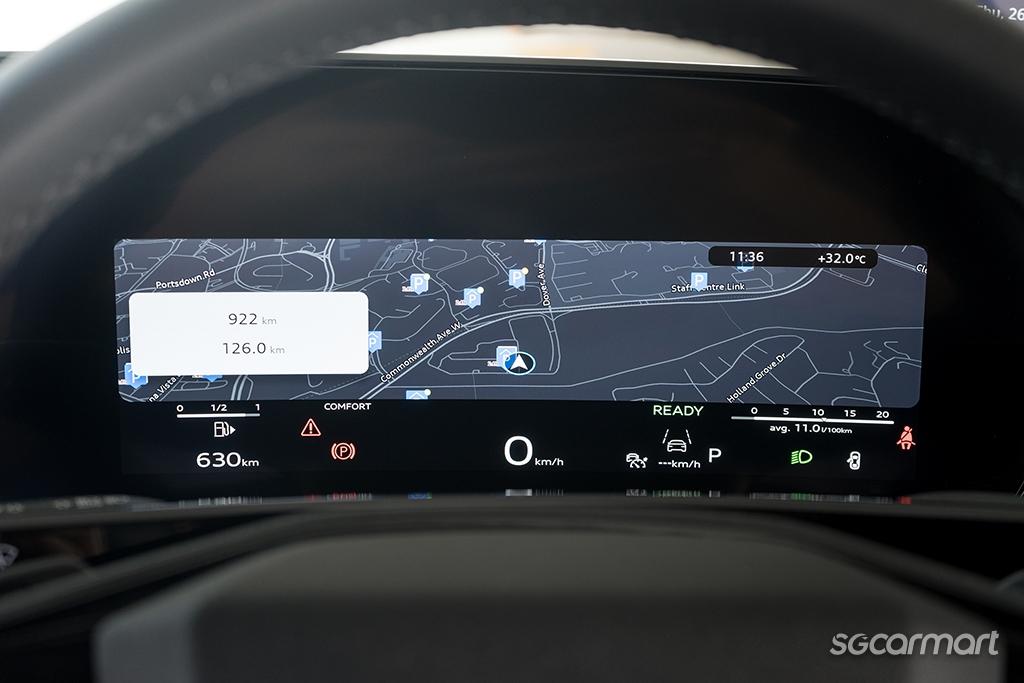
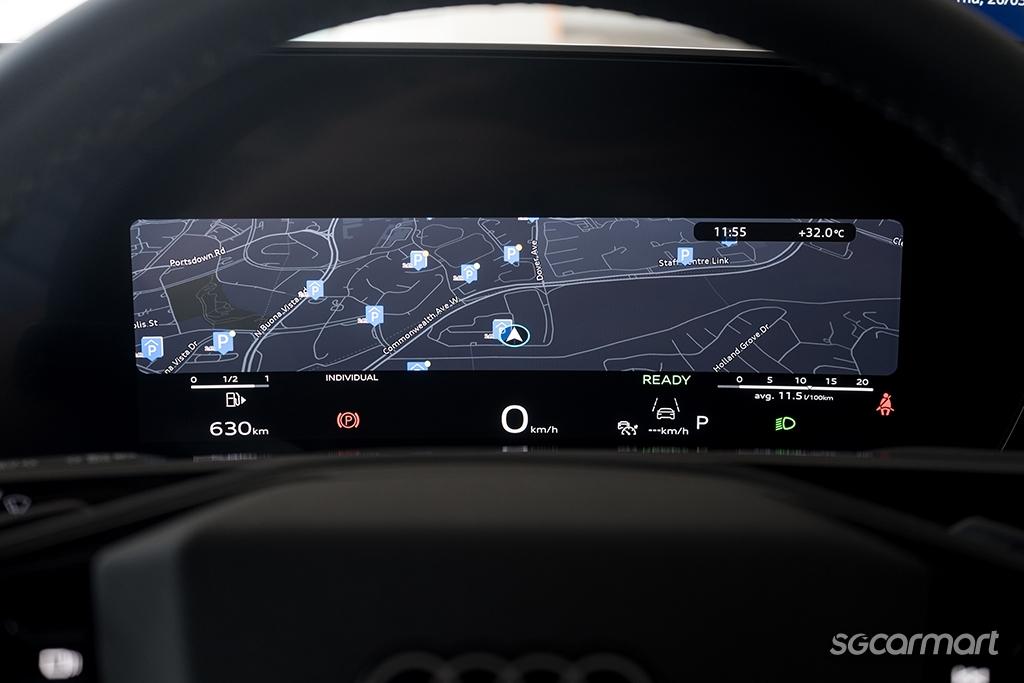
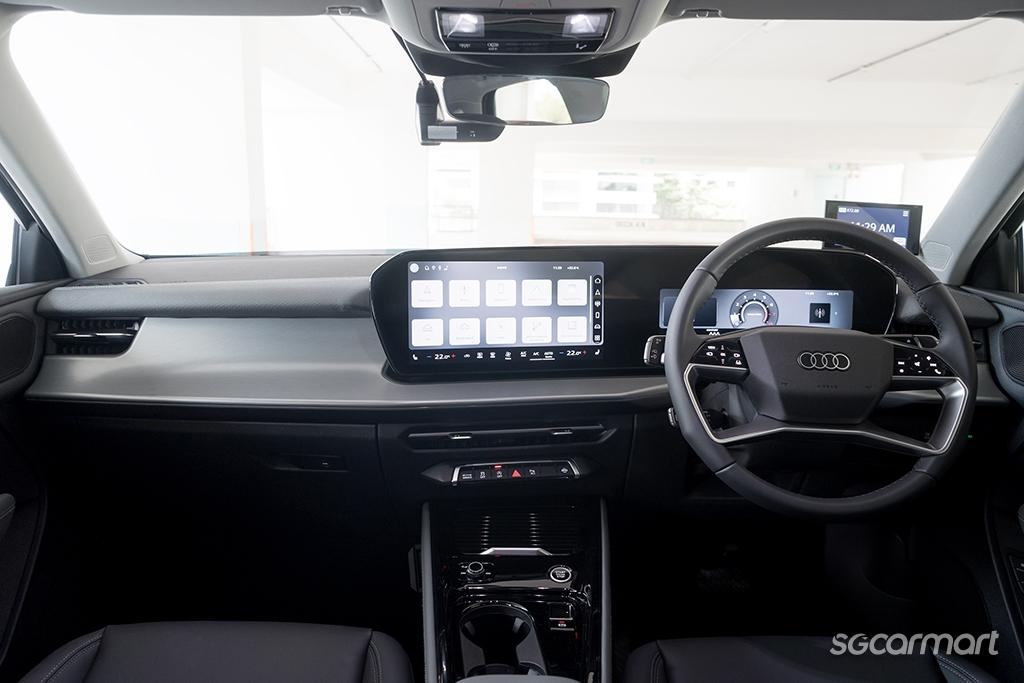
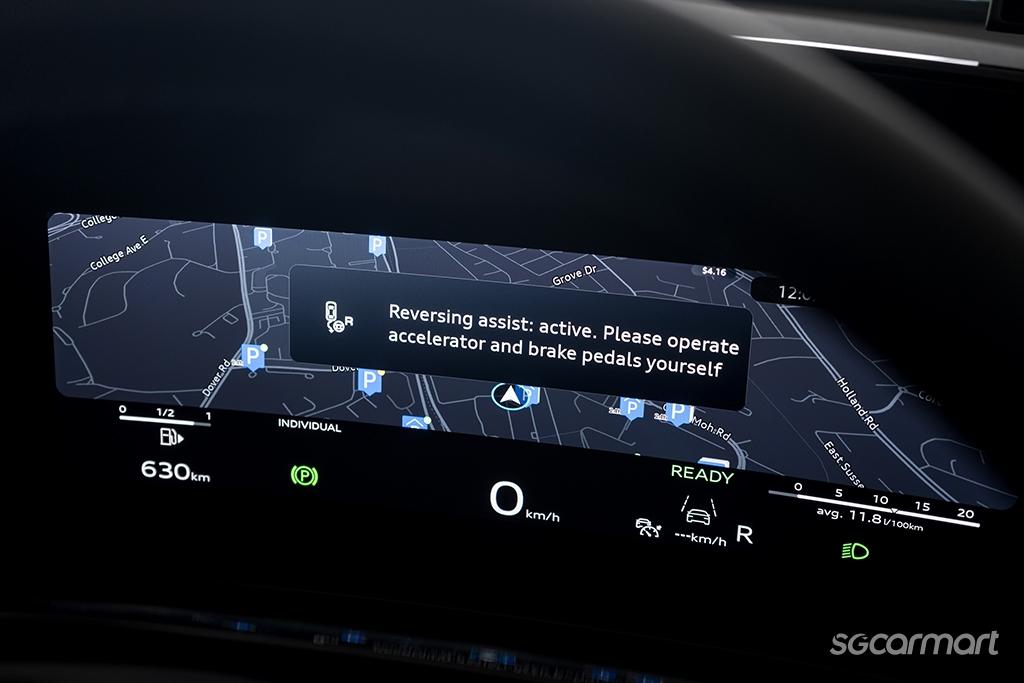
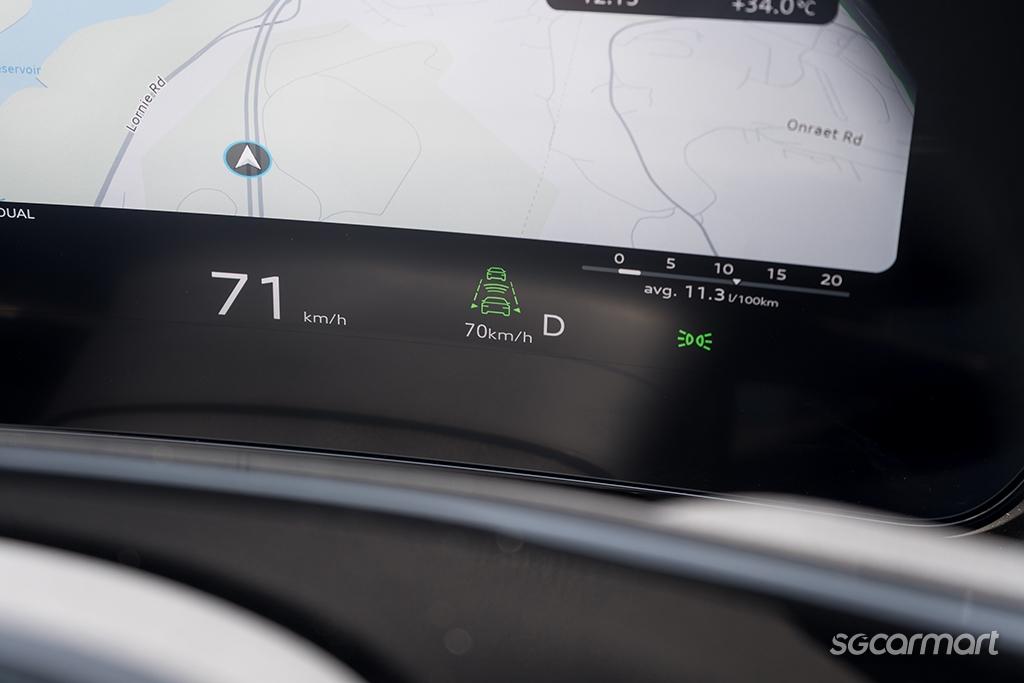
The curved dashboard integrates the 11.9-inch instrument cluster, with three configurable display modes
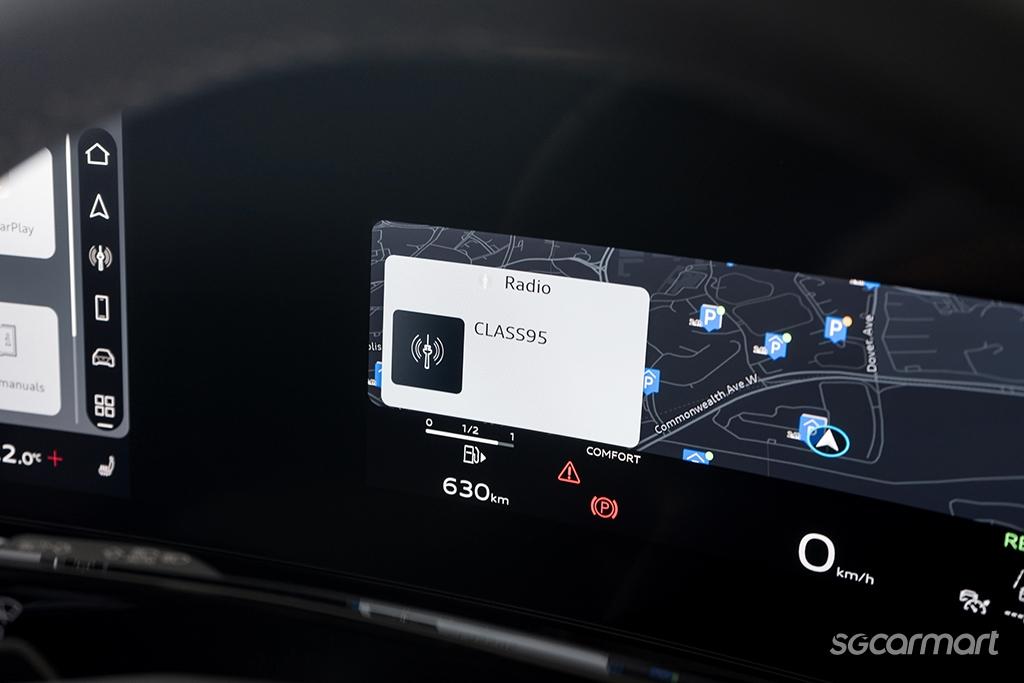
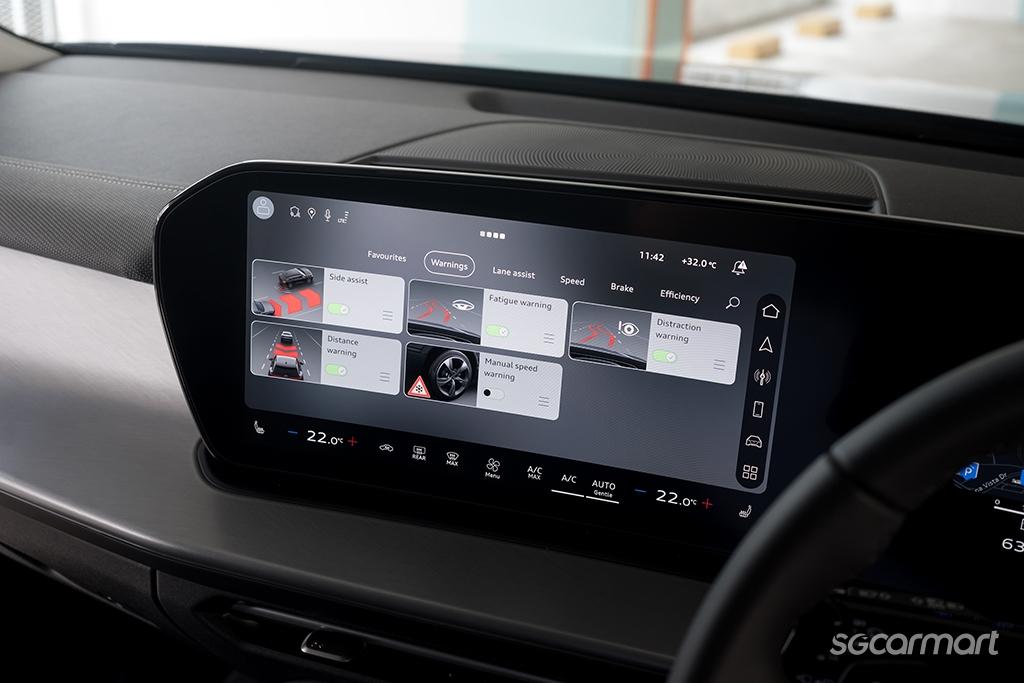
Let's start first with the new dashboard - the Q3 now features what the brand calls its 'Digital Stage', which integrates the 11.9-inch instrument cluster and a 12.8-inch MMI display into a panoramic panel.
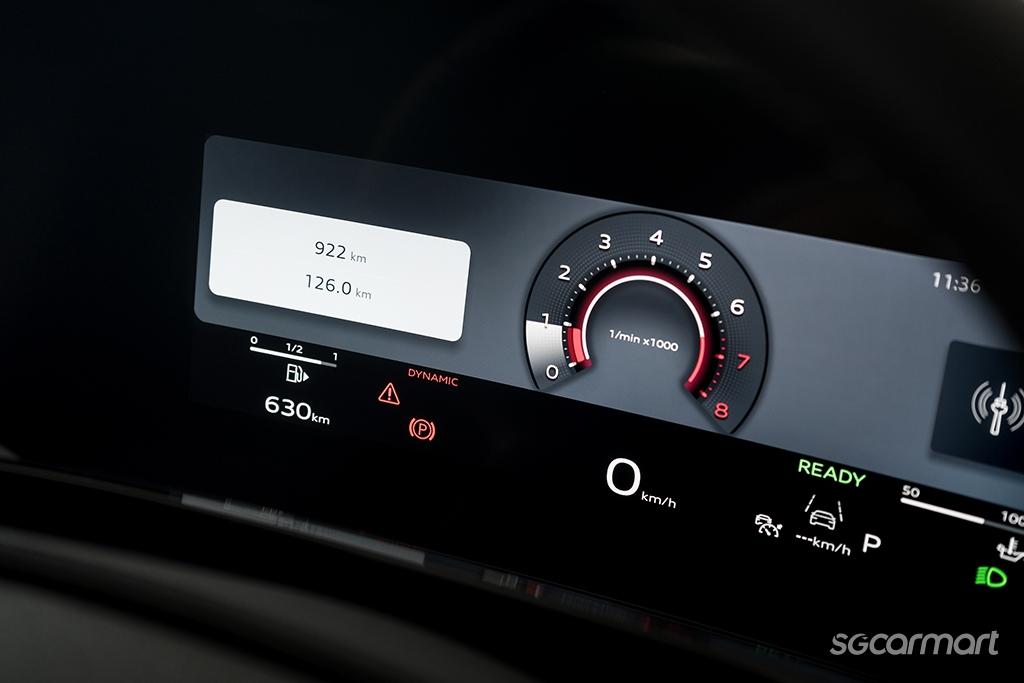
The instrument display is curious, dispensing with Audi's typical two-dial design completely. Instead, you get a configurable area of the display that's wide yet short (here you can toggle between navigation, assistance and a one-dial display), below which sits your fixed information items like speed, fuel level etc. The net effect of this wide and short display area is that the perceived screen looks very small relative to the whole of the black panel.
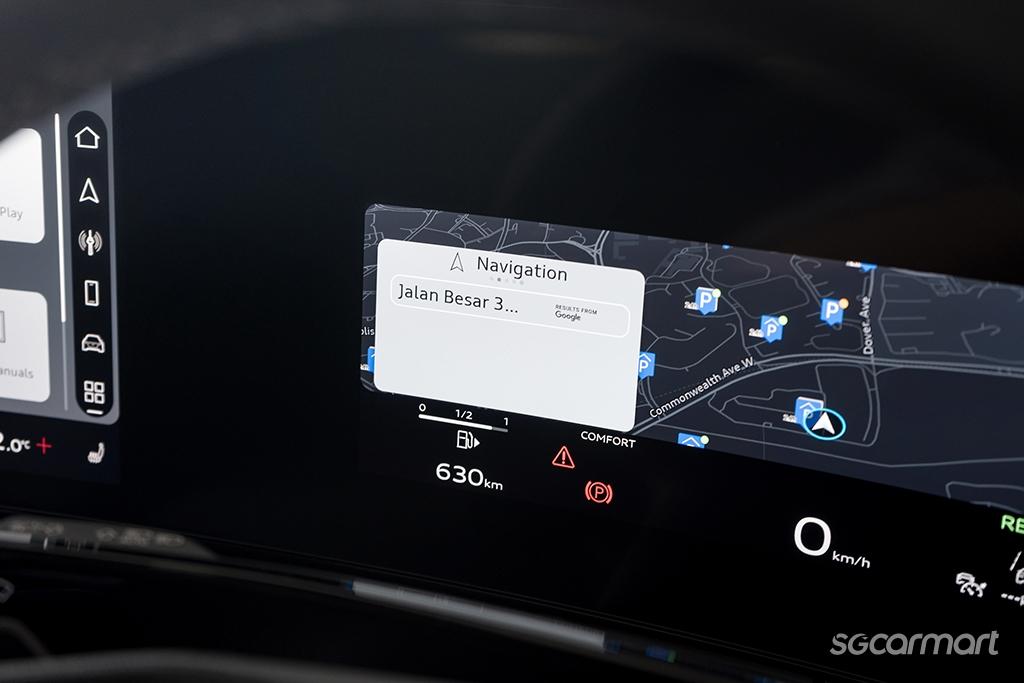
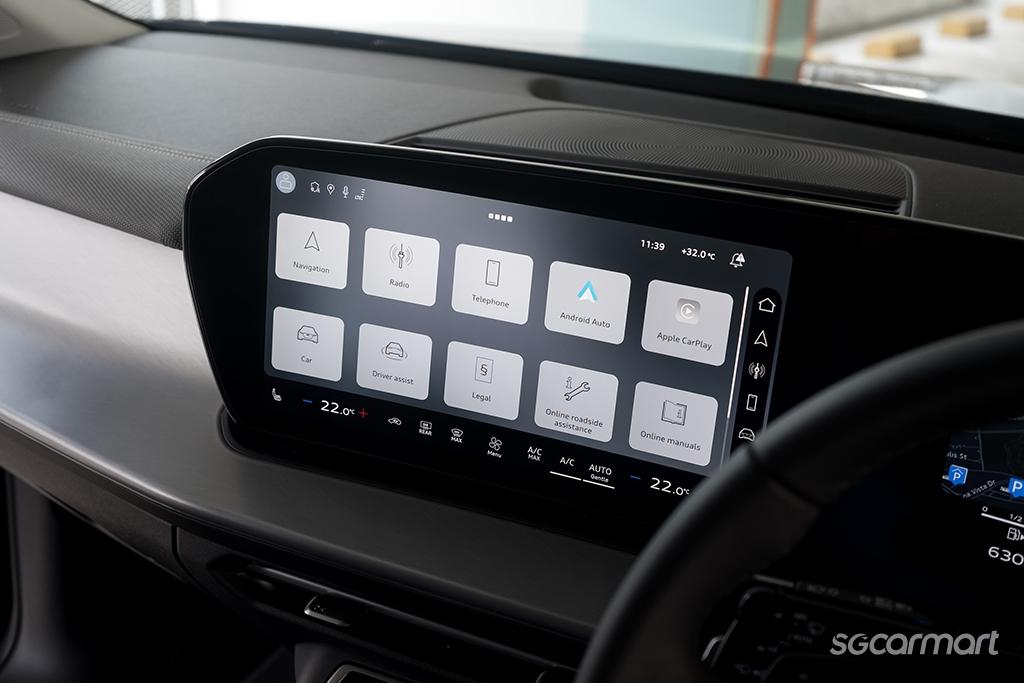
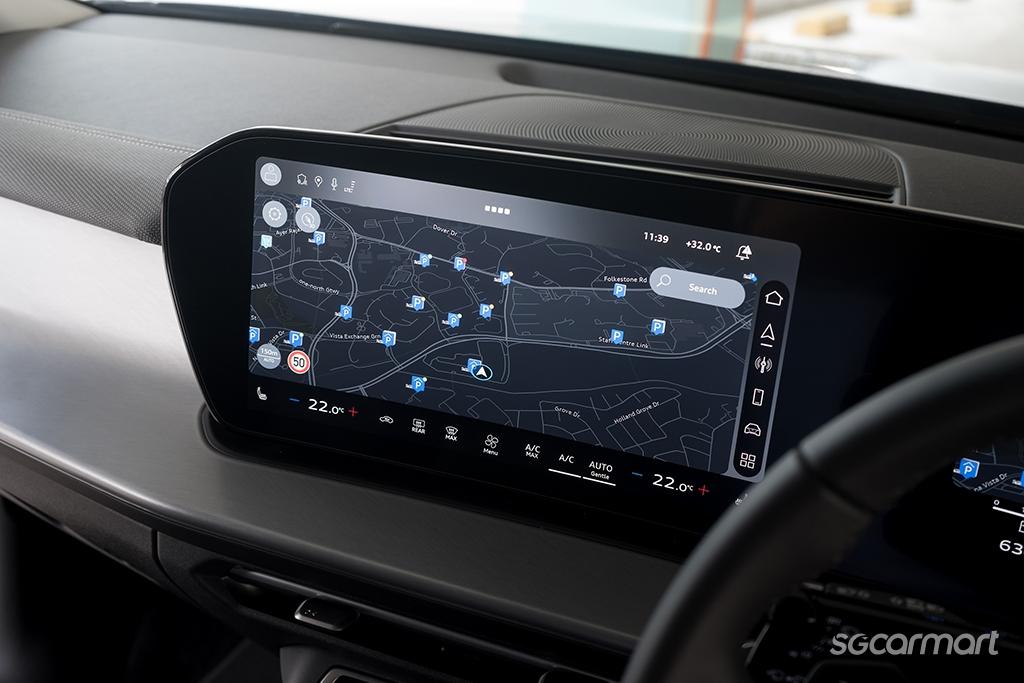
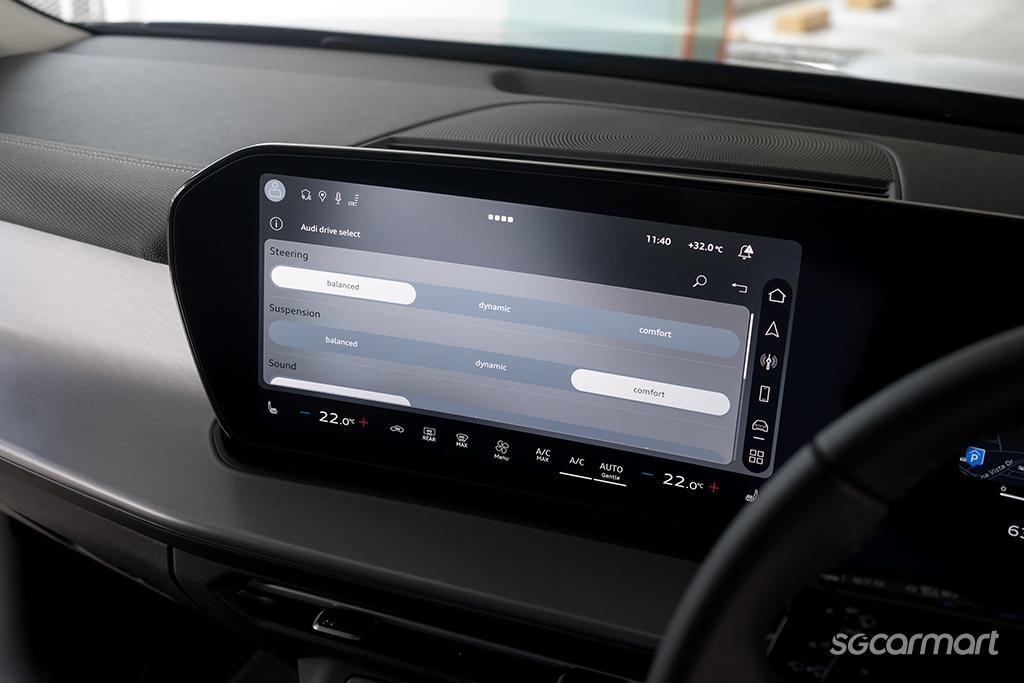
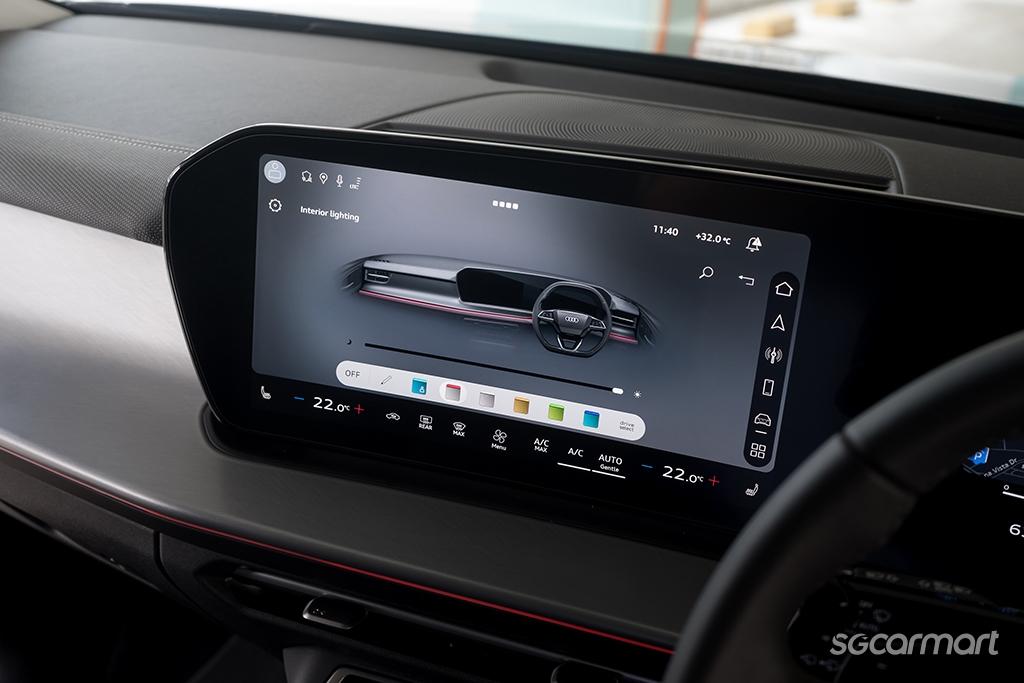
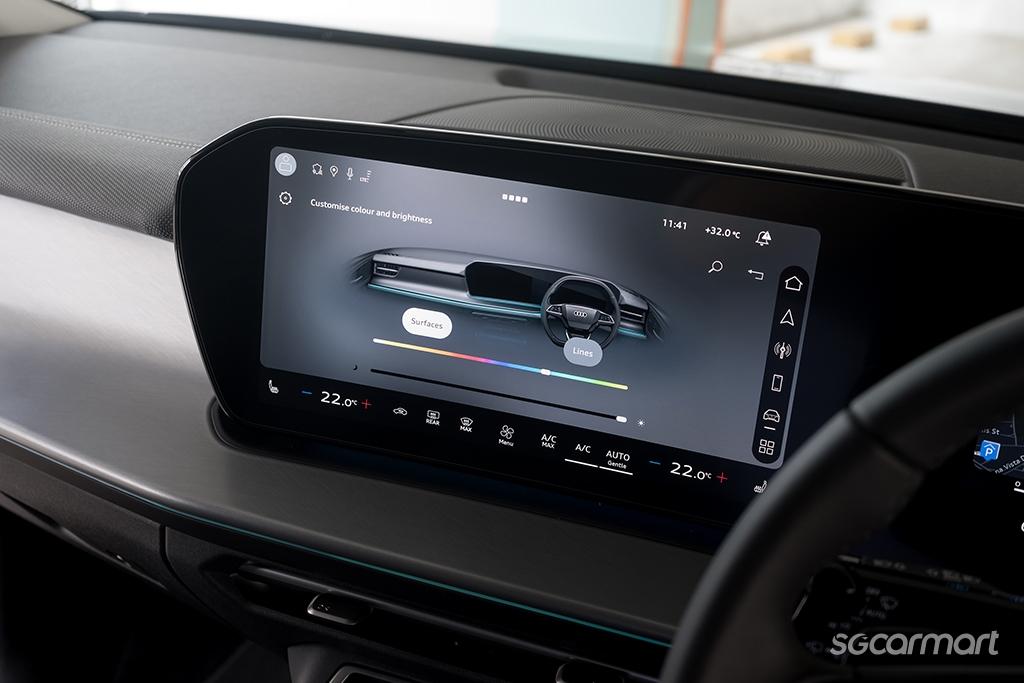
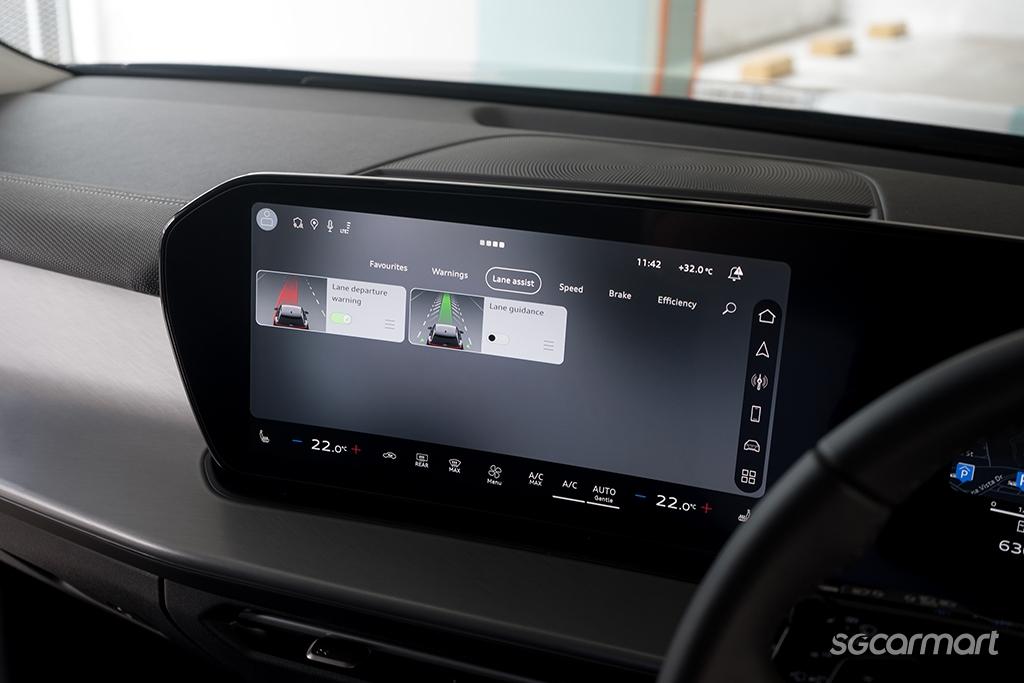
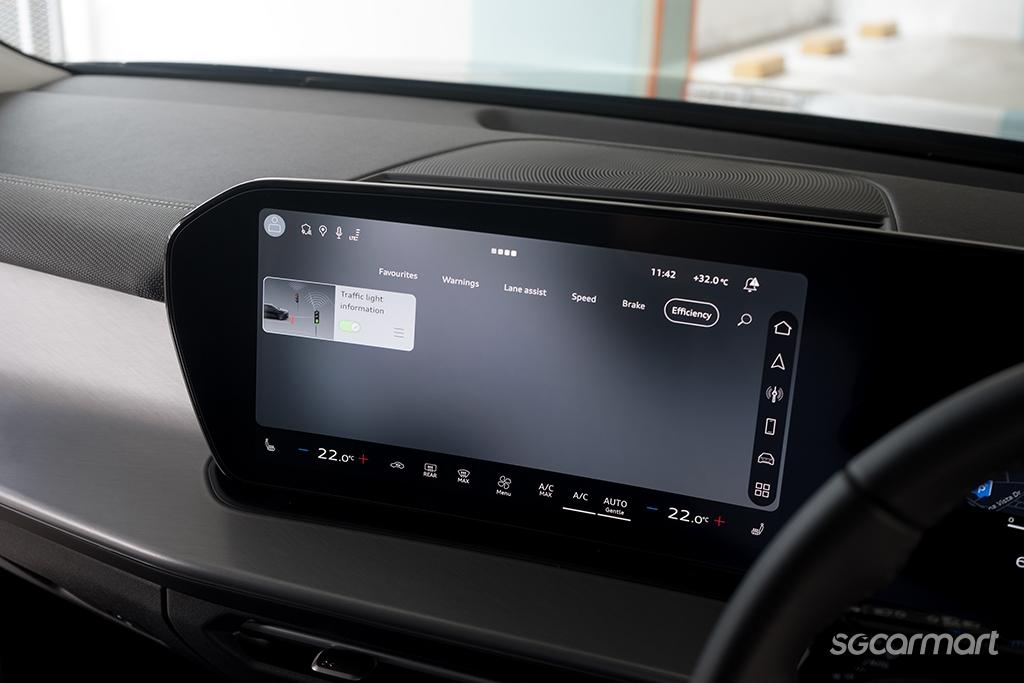
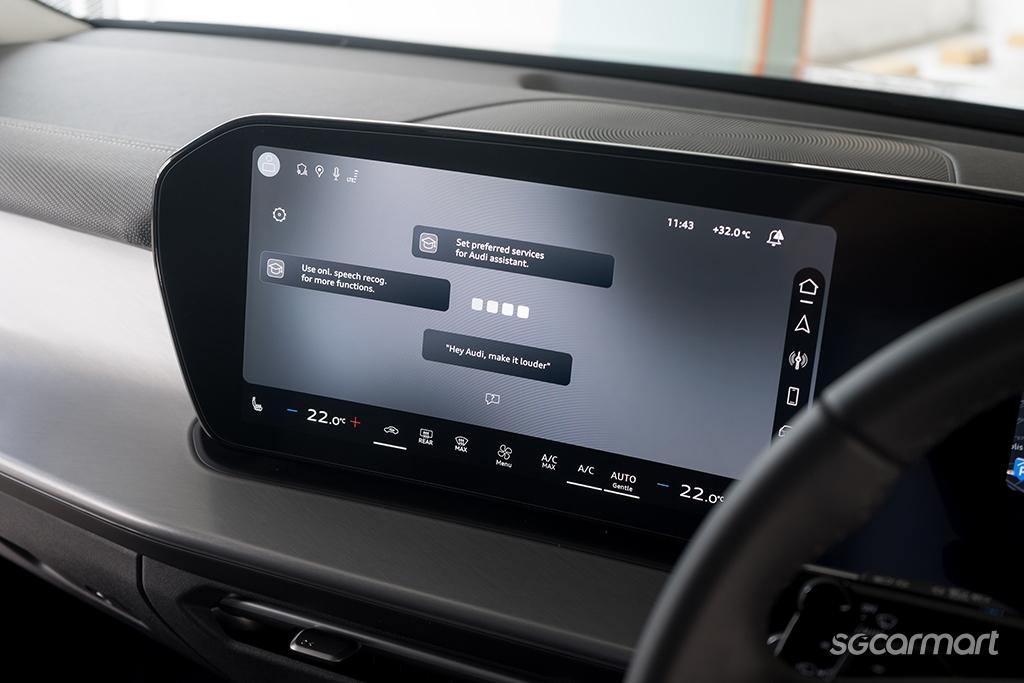
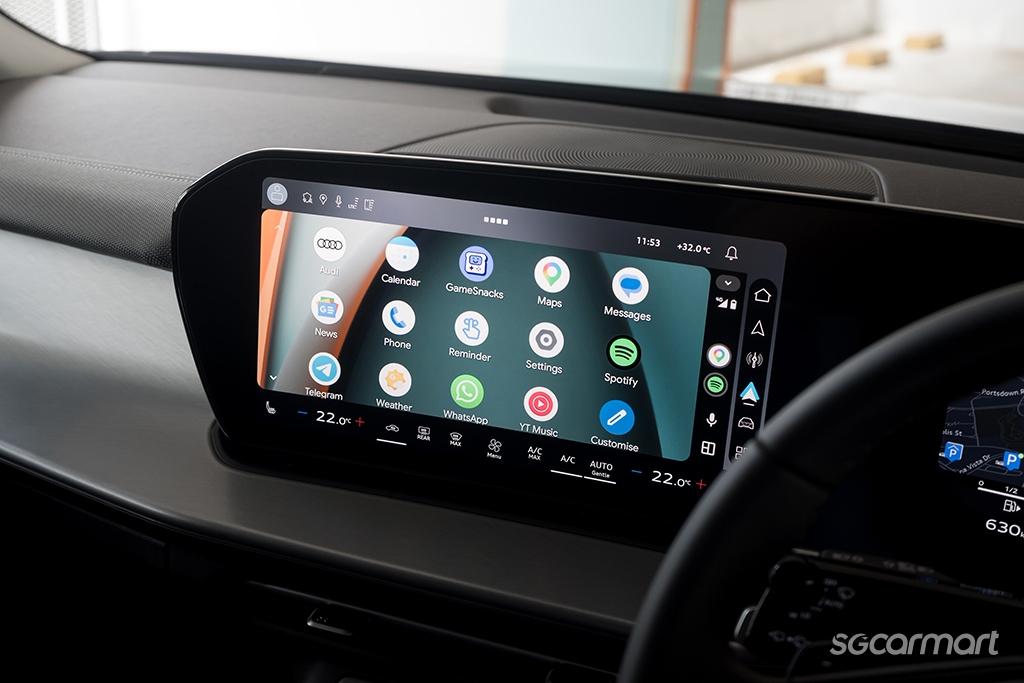
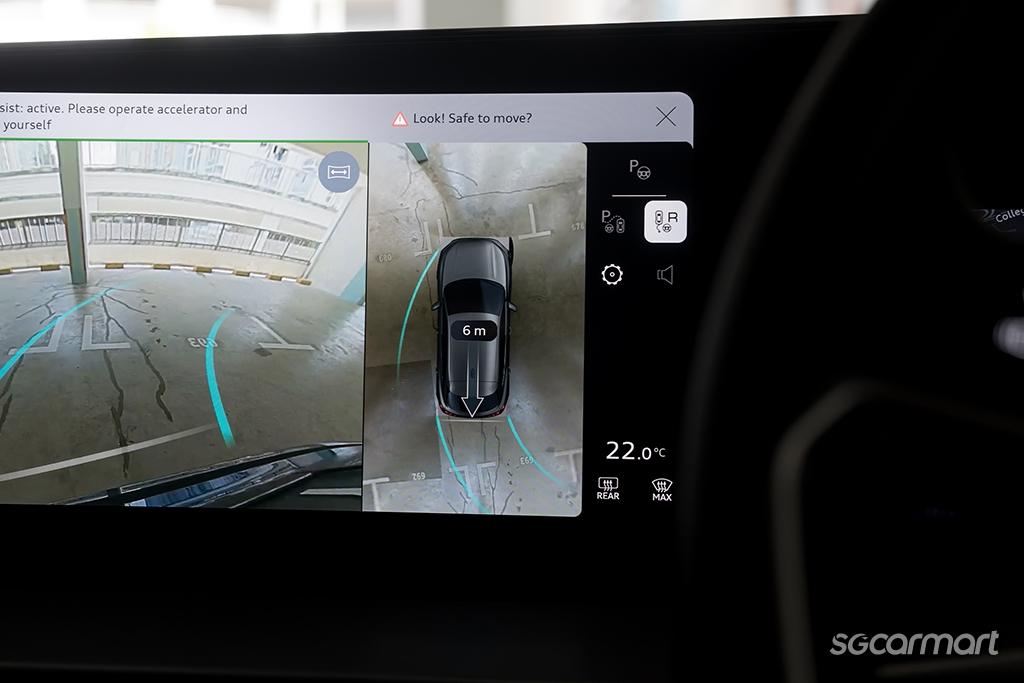
The 12.8-inch MMI display is functionally more familiar, but still represents a notable visual change from before. The colour tones - especially the greys - are much lighter and brighter, and all the 'buttons' now have rounded edges. This gives off smartphone vibes (perhaps unsurprising as the Q3 uses Android Automotive OS as its operating system), and I initially found it a bit jarring. Thankfully, operating the system is still very simple and intuitive.
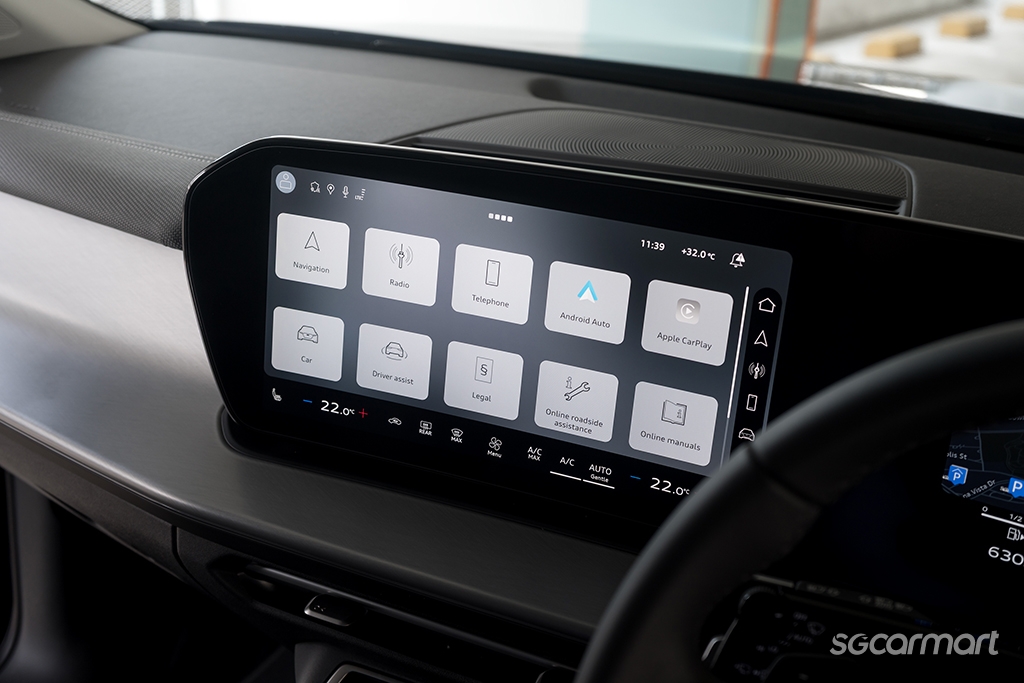
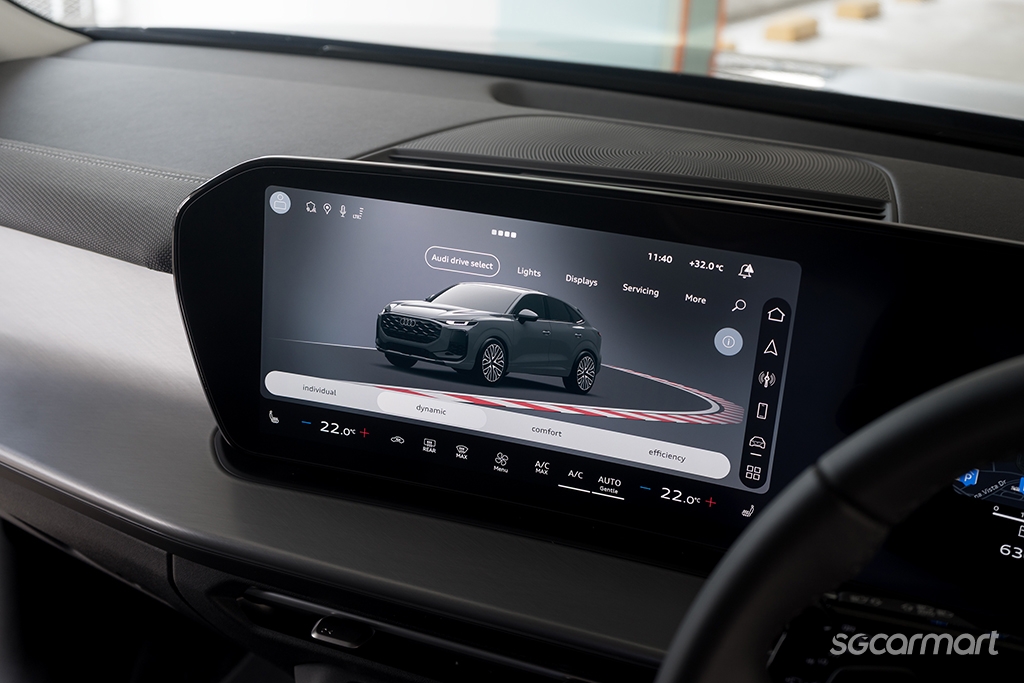
If the infotainment graphics look very smartphone-like (with all the rounded edges), well, that's because they quite literally are - the system runs Android Automotive OS
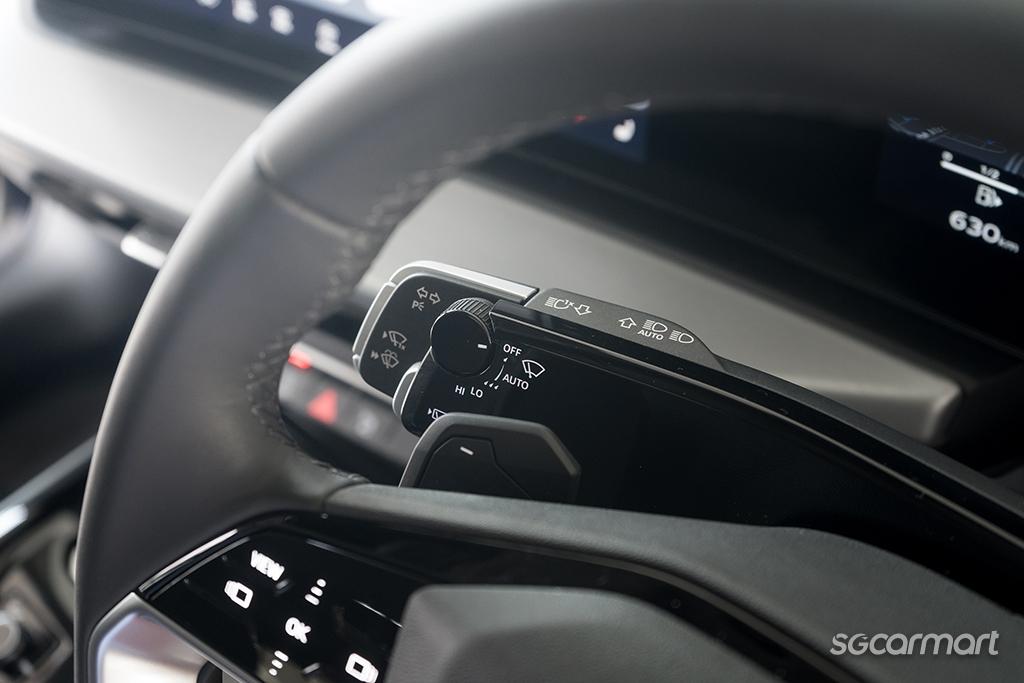
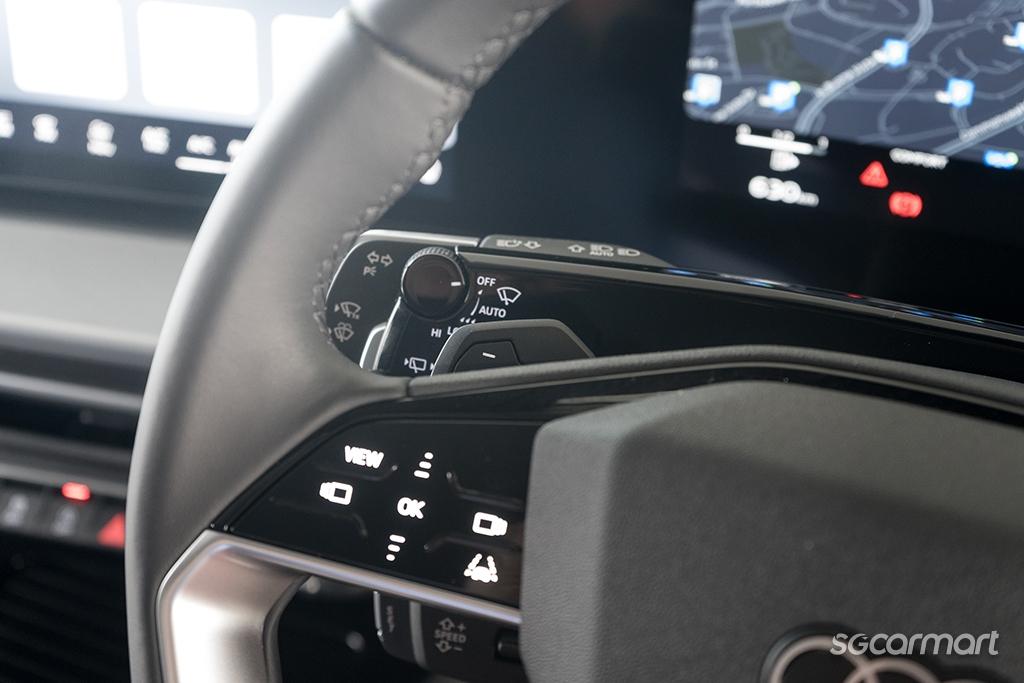
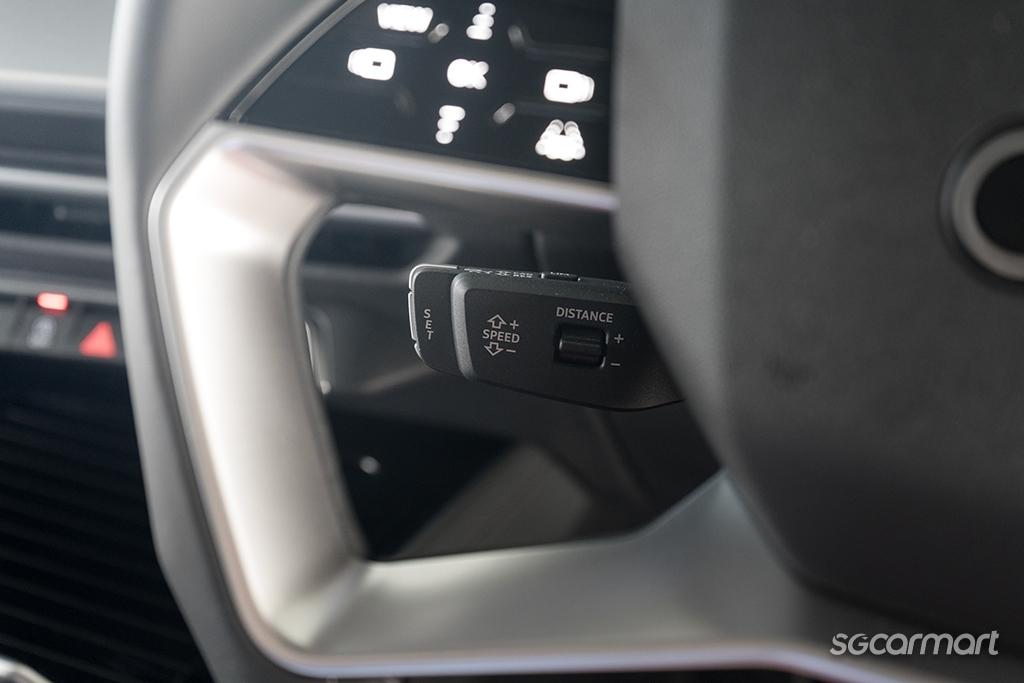
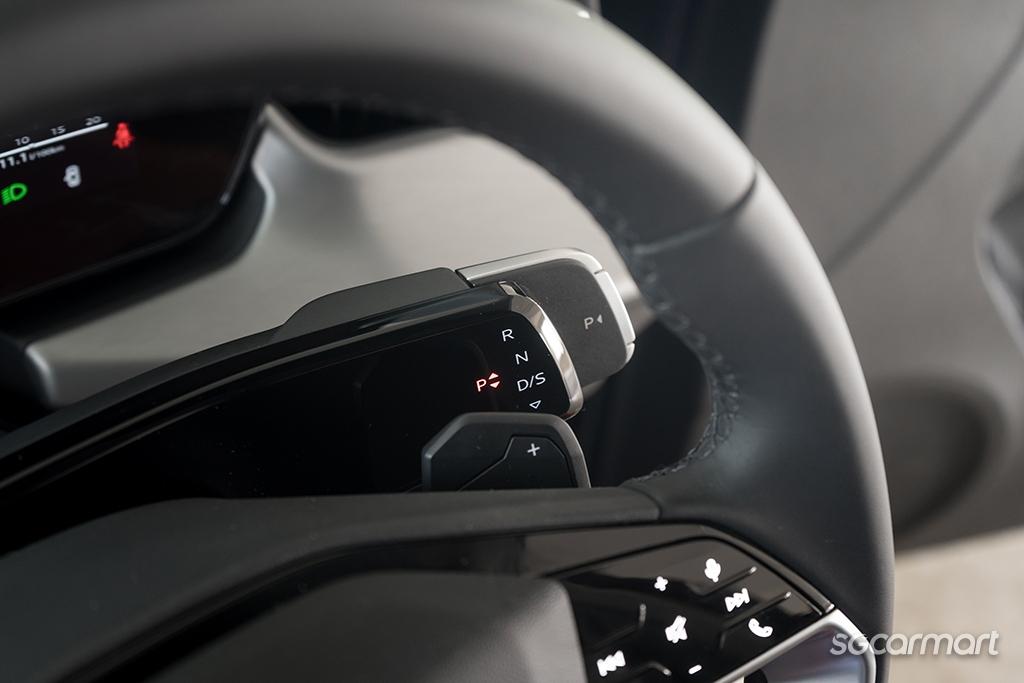
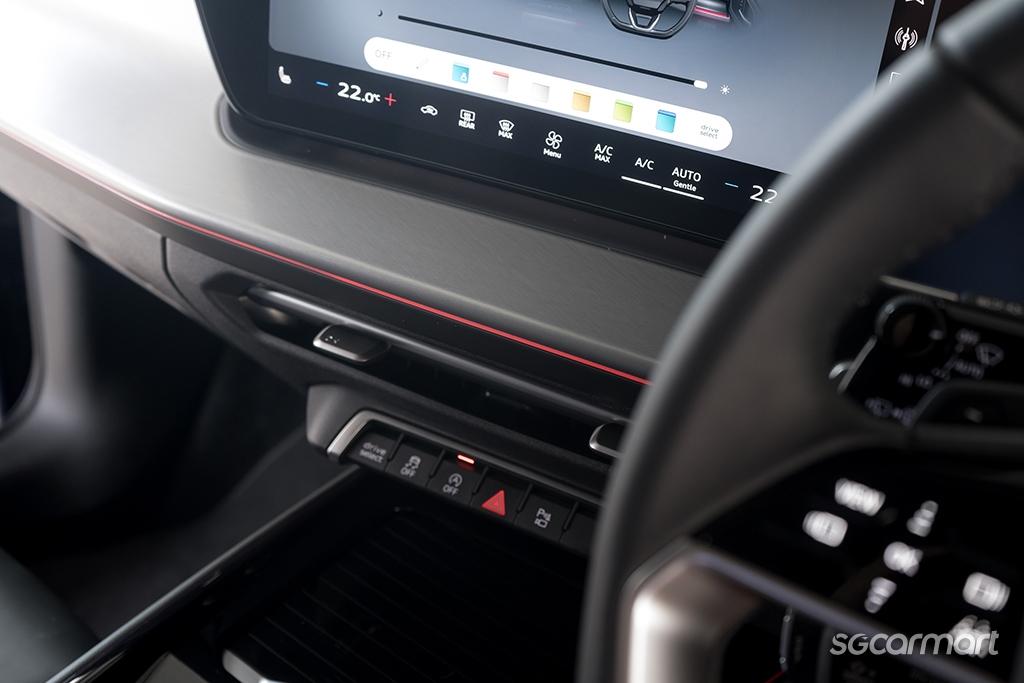
Then, there's the revised control layout behind the steering wheel. Instead of traditional stalks, you get this black panel with controls on either end. The gear selector is on the right side (and operates simply enough), while the indicators, high beam, front and rear wiper controls are all found on the left.
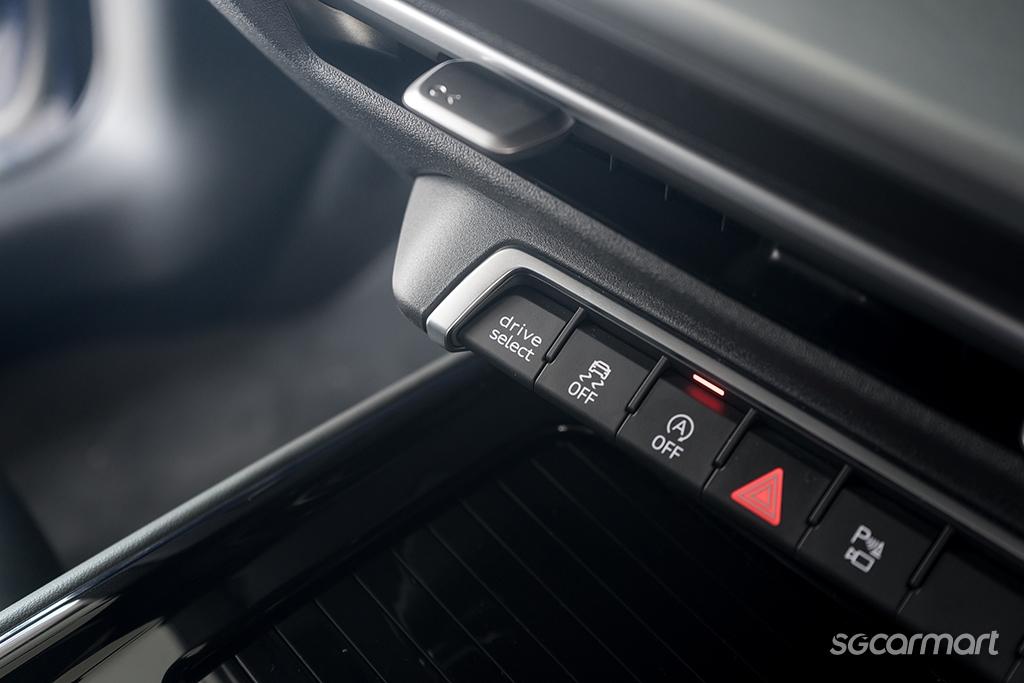
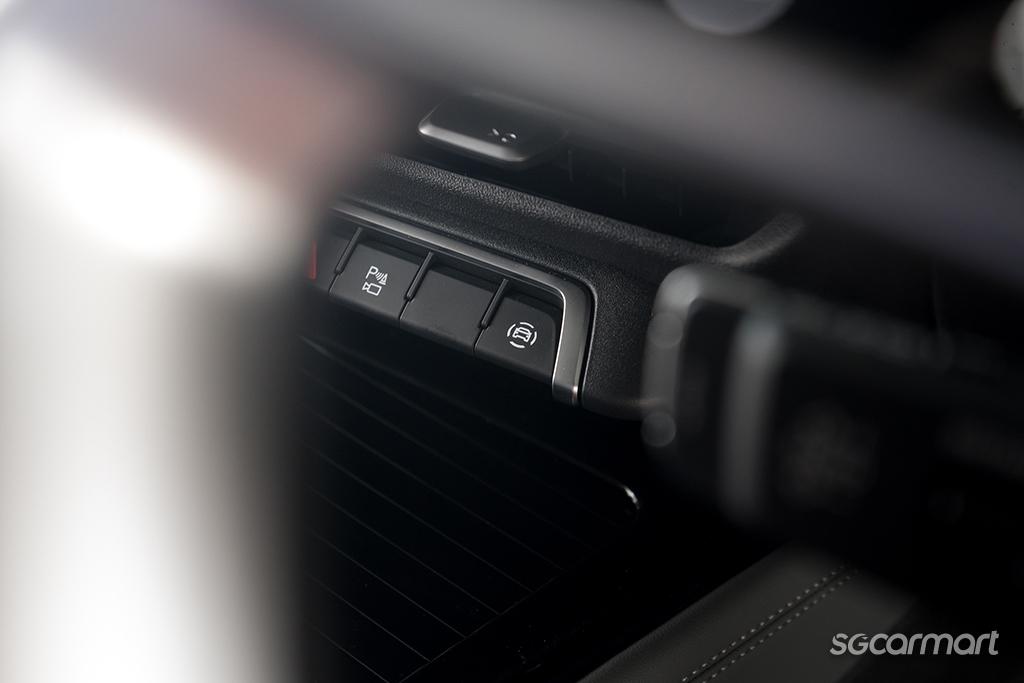
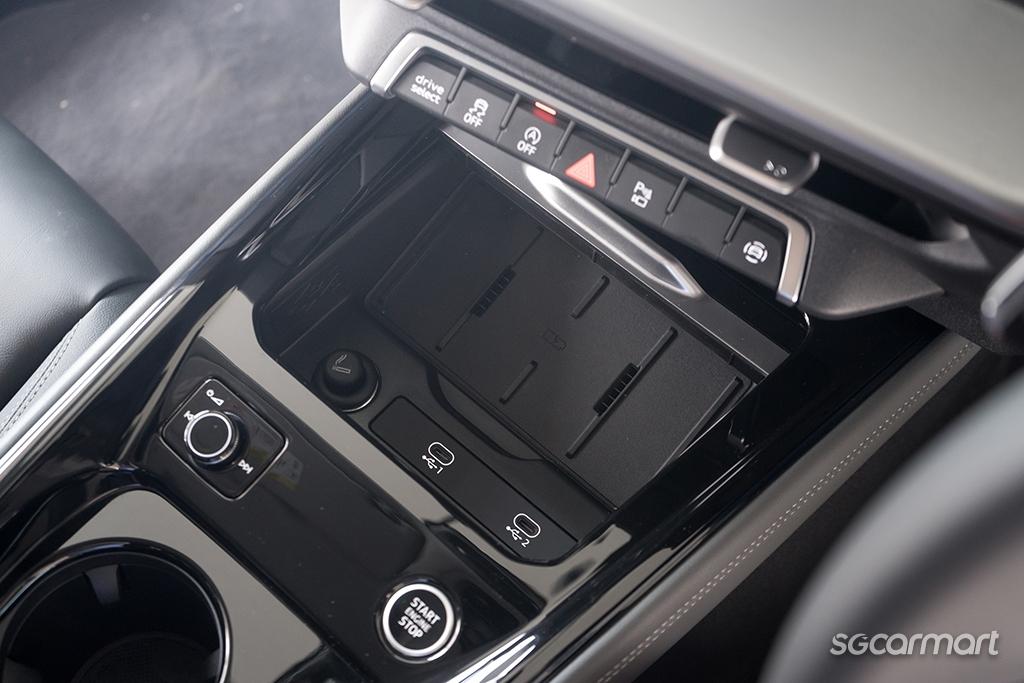
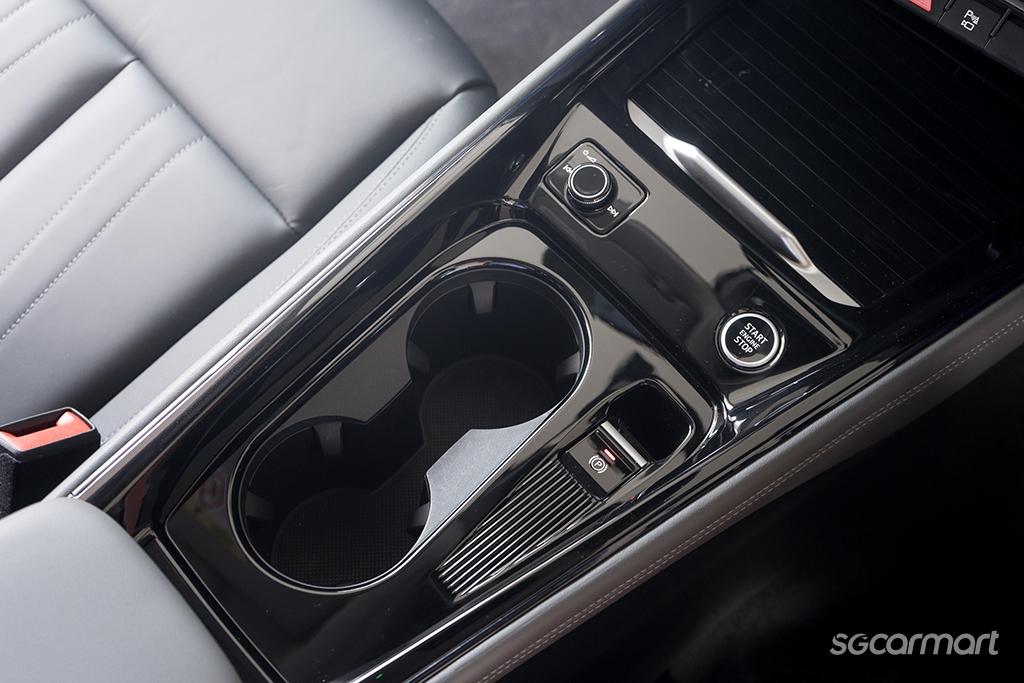
I don't know, I don't really see any added utility of moving the controls. Audi says moving the gear selector has freed up more storage space in the centre console. There's a cooled inductive charger in the space where it was previously just an empty cubby hole, and there are still two cupholders, so not quite sure where exactly that "extra" space necessarily is.
The tactile sensation also feels odd, or at least unfamiliar. For example, the indictors engage with a very distinct and almost overly-mechanical 'thuck'.
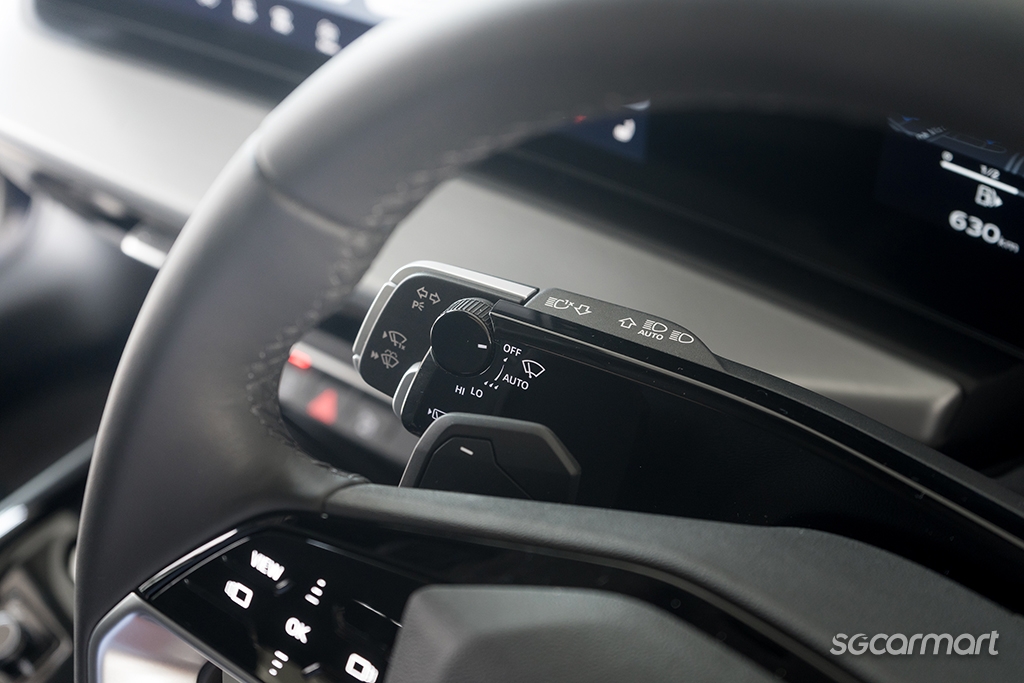
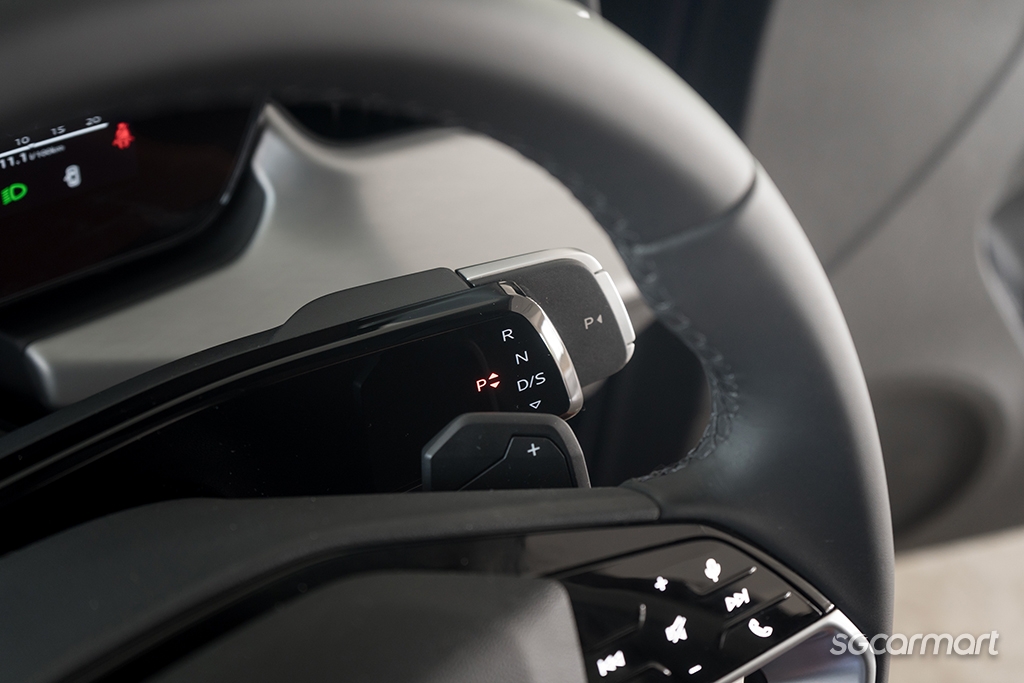
In place of traditional stalks, there's a new control setup behind the steering wheel - gear selector on the right, everything else on the left
It will take some time to get used to it. I found myself instinctively reaching to the centre console to engage drive after getting into the car, only to remember that the gear selector isn't there anymore. So there will be an adjusting period, especially for existing Audi owners.
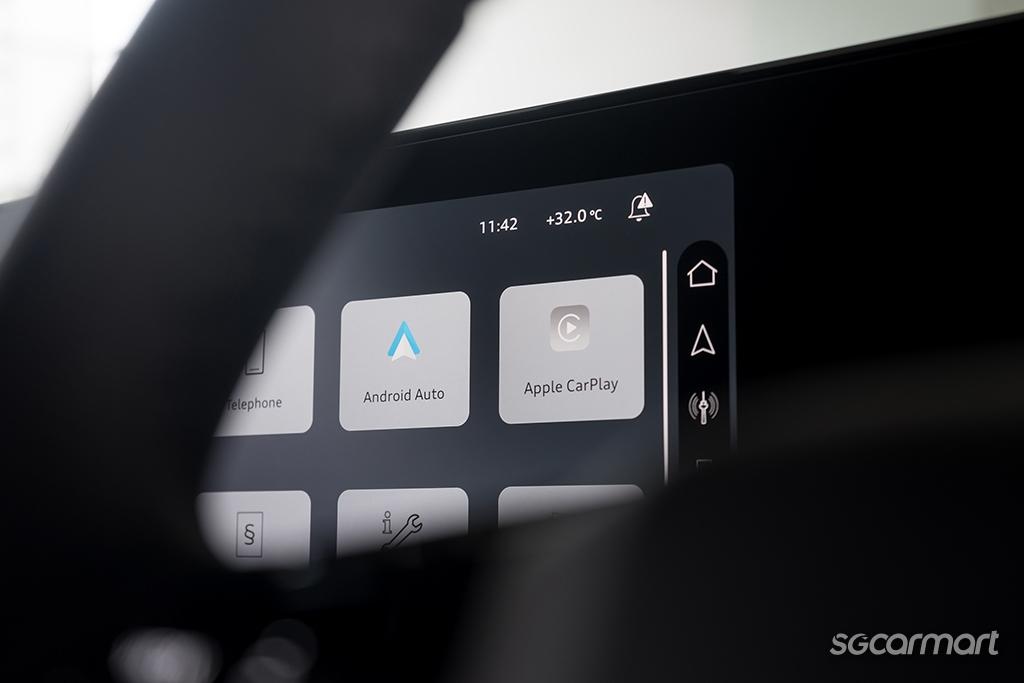
There did appear to be some software issues: My Apple CarPlay would sometimes inexplicably disconnect, then reconnect five to six seconds later with seemingly no explanation.
The Q3 also features a revised material palette, which I actually quite like, especially the cross-hatch fabric trim.
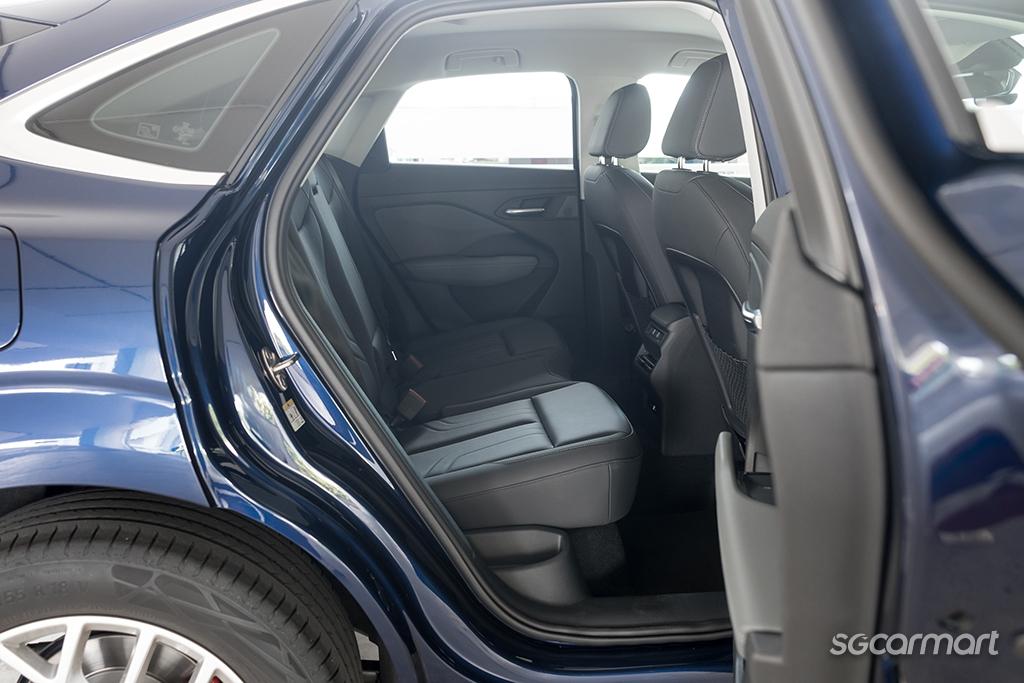
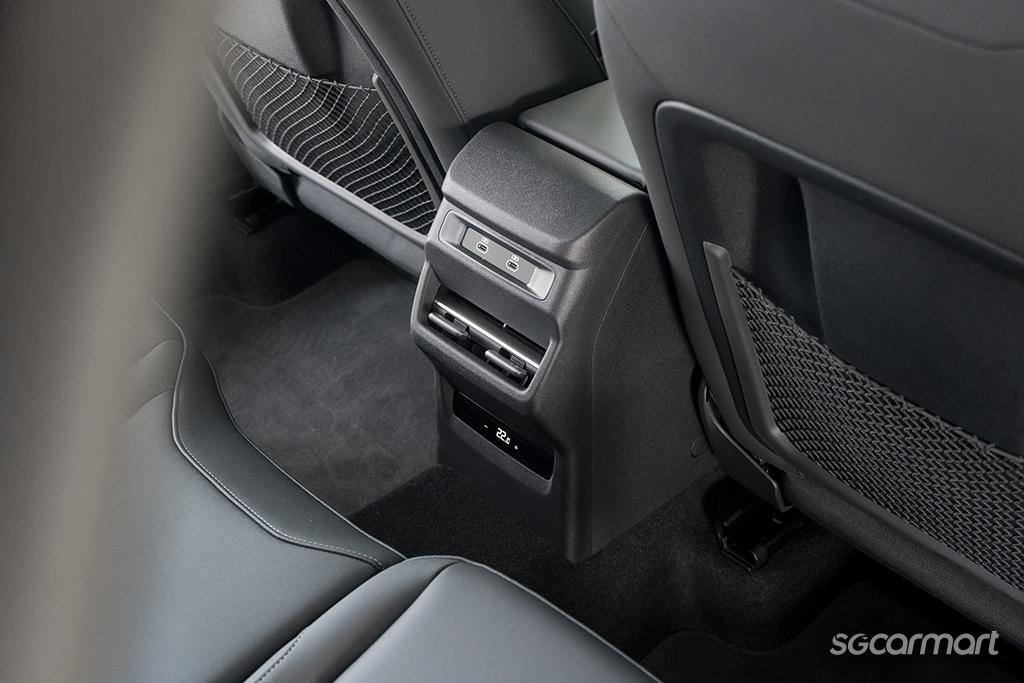
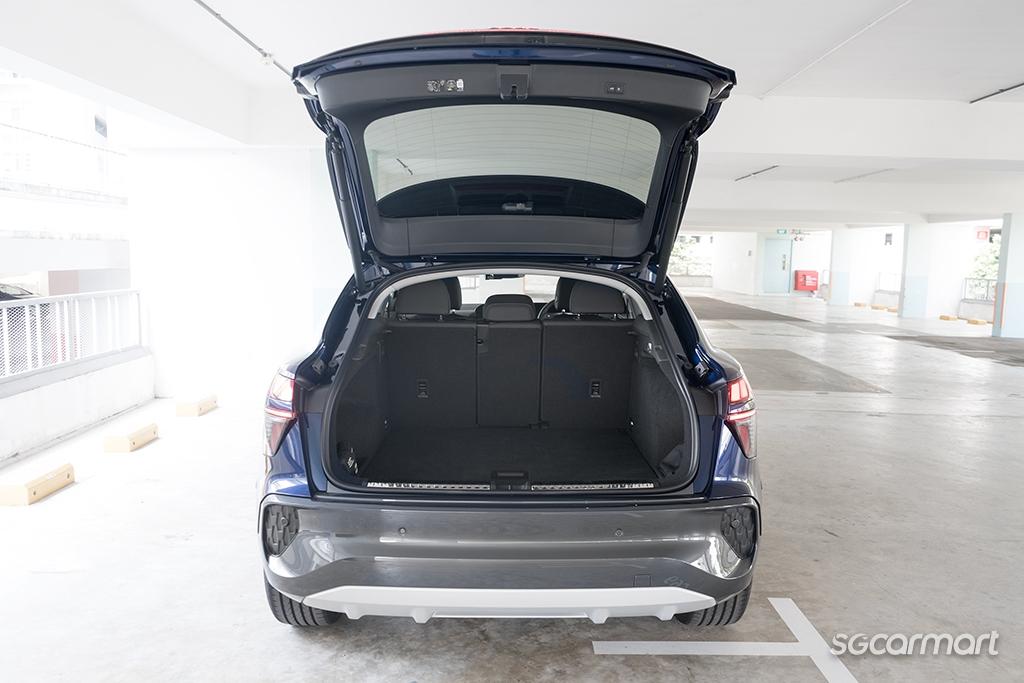
As far as space is concerned, the Q3 Sportback is ultimately a compact crossover with a tapered roof, so rear space is never going to be the best. The middle seat is also quite cramped, owing to both the transmission tunnel protrusion, as well as the design of the centre console that protrudes backwards. Boot space has also shrunk slightly to 488 litres (the rear of the car as a whole has shrunk slightly in size).
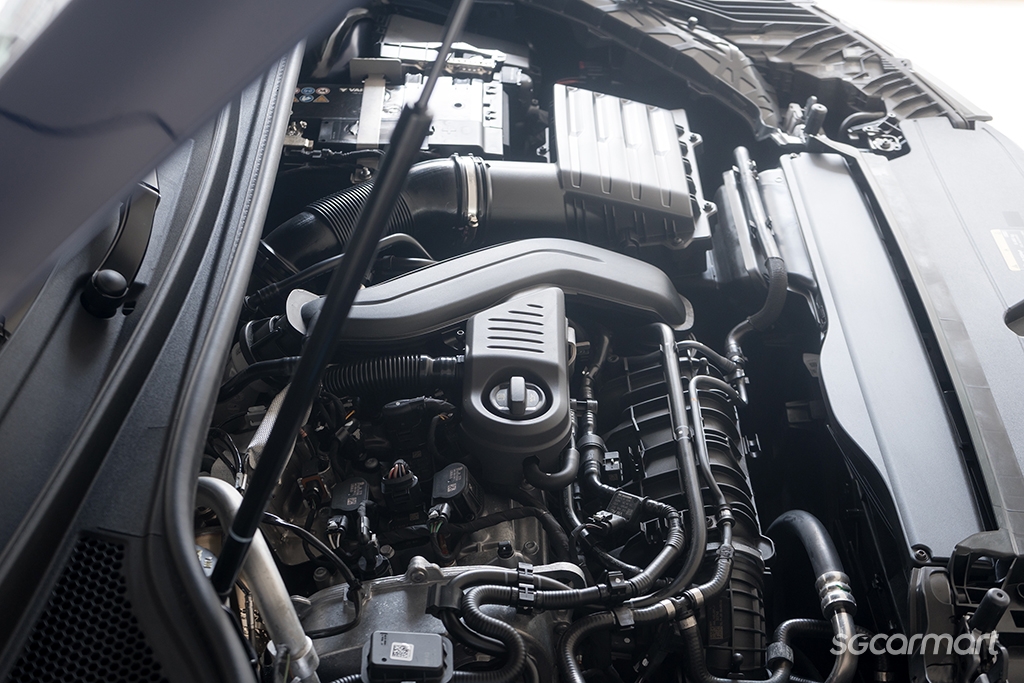
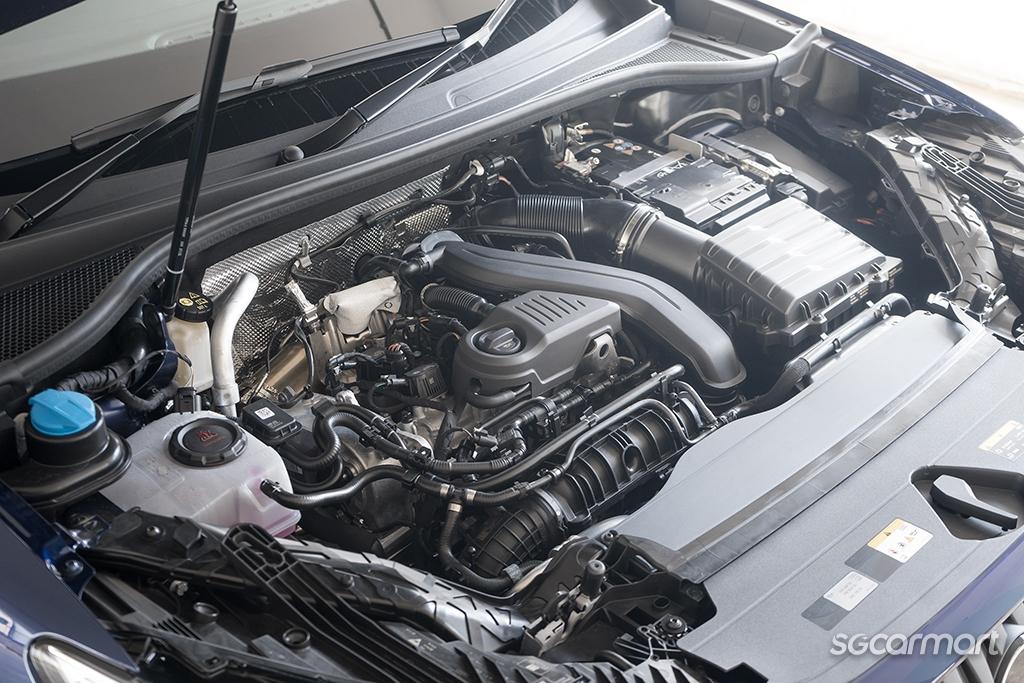
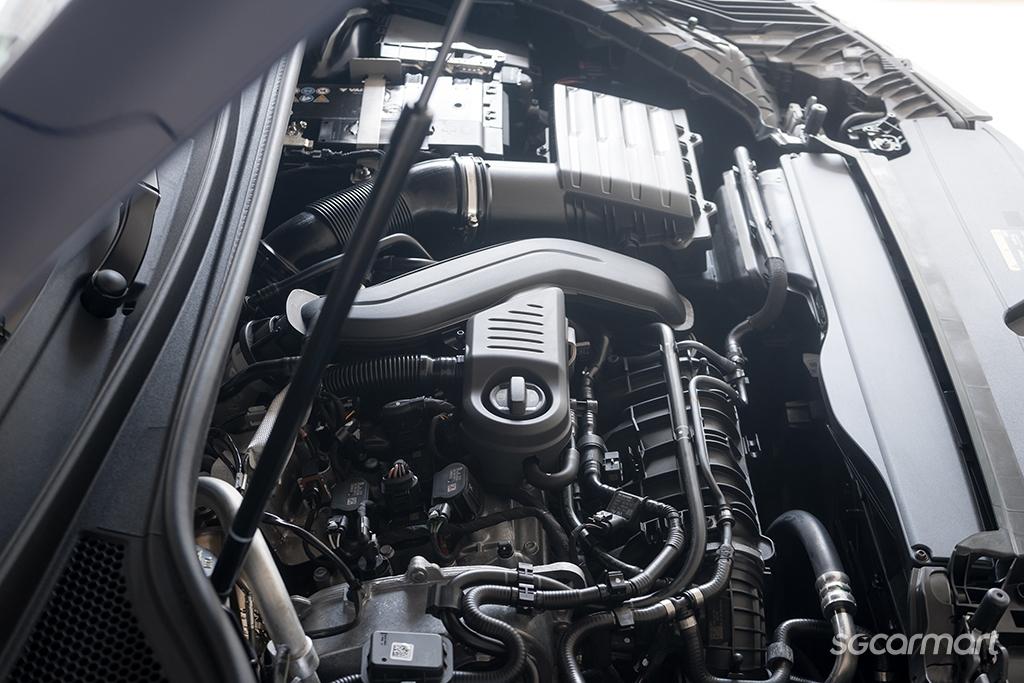
The turbocharged 1.5-litre engine remains unchanged, producing 148bhp and 250Nm of torque
Powering the Q3 is a familiar engine with familiar output figures. The turbocharged 1.5-litre engine is the same as before, making 148bhp and 250Nm of torque.
Those are modest performance numbers delivering smooth and reasonable acceleration. The gearbox can be a little hesitant to downshift, something probably notable only because of the engine's modest output. It's totally fine when cruising along gently at 90km/h, but when you need that extra hit of acceleration, you do need to be a bit patient. Otherwise, there are no real complaints on the refinement front. The car is quiet, comfortable, and very easy to drive, if admittedly not setting any hearts on fire.
A point about the steering: It feels like there's less steering lock than before, with just two full turns lock-to-lock. The sensation is perhaps a wider turning circle, but a comparison of spec sheets indicates that the turning circle remains unchanged at 11.8m. Audi says it's a "refined progressing steering", which the ratio significantly decreasing towards the end of the steering travel. It's… I don't know. A bit strange.
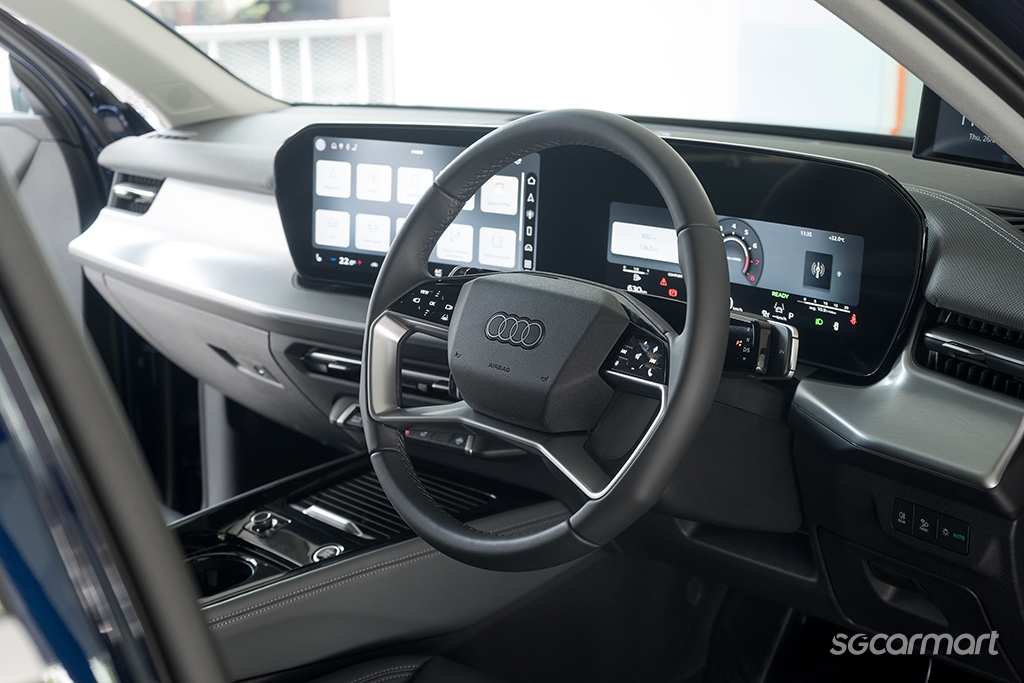
The progressive steering has been revised, with what feels like less steering lock than before
This is a mild-hybrid, and it operates seamlessly. You don't feel the engine cutting in/out. I managed to achieve 13.3km/L, which is reasonable.
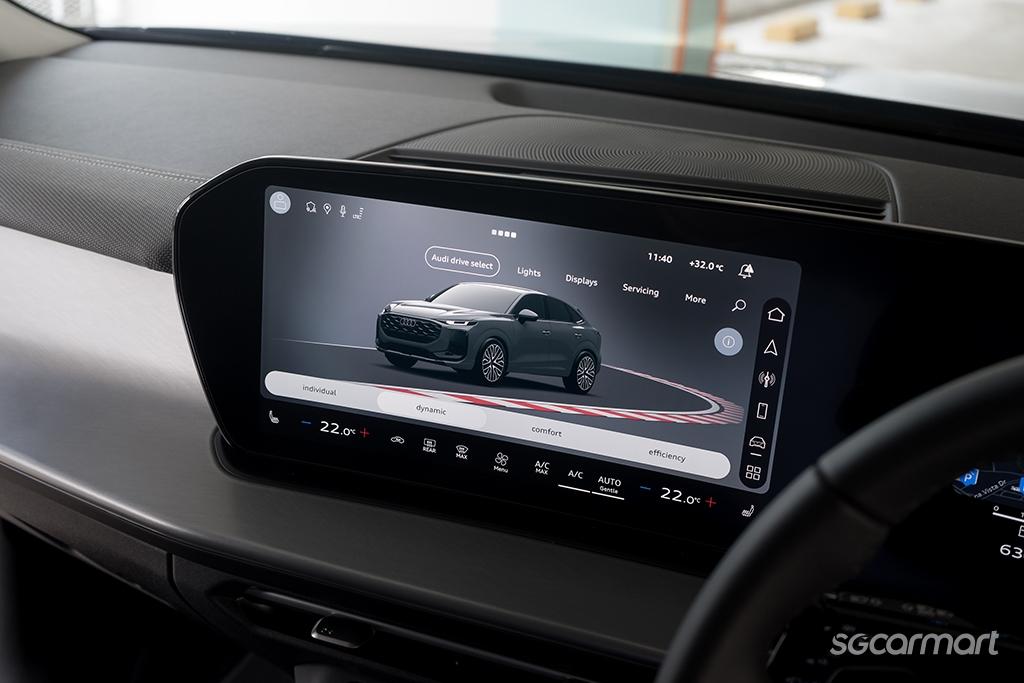
The car actually comes standard with adjustable damping, though I'm not convinced it needs it. The standard suspension setting is ideal - pliant enough to shed off small bumps in the road, while still maintaining good body control. I never needed the sportier setting, which for my tastes was a little bit too firm anyway. That said, the damping is definitely improved from before - the overall ride quality is smoother and more refined.
I'll be honest, when I first got into the new Q3 Sportback, my brain was fumbling slightly. Having driven numerous Audis and having built a kind of muscle memory especially when it comes to cabin operation, everything did initially feel out of place.
Having then spent the weekend with the car, I did find myself eventually adjusting. And once that happens, the result is a familiar-enough experience - comfortable, premium, easy-going.
So should you spend $280,999 on a Q3 Sportback?
Let's first consider the Q3's traditional peers. The BMW X1 starts at $275,000, but it's a car that's almost four-years old now. The Mercedes-Benz GLA, launched in 2023, is asking $289,000. (Both models are offered with Cat A-compliant engines, thus produce a bit less power.) The Volvo XC40, at $315,000, offers more power but costs quite a bit more. In that context, the Q3 is worth considering, though I do wonder if it could be a little bit more affordable to be even more competitive.
While there's admittedly plenty of competition in this space (especially from Oriental makes), the Q3 Sportback remains a functional and practical choice for shoppers looking for a premium compact crossover
Where the Q3 Sportback will find plenty of challenge is the electric market. Yes, a petrol car and an EV are fundamentally different propositions, but these days, it seems like more buyers are increasingly powertrain agnostic, or at the very least much more open to options.
And just like every other European brand, the biggest competition now likely comes from the Oriental brands. A comparably-sized car could potentially be found for 100k less, an arguably with comparable equipment levels (perhaps even better).
The premium you are paying for is built into the brand equity (again, just like with other European brands). Reliability of aftersales service, long-term resale outlook, and of course, the badge on the bonnet (well, below it). And those things still matter. And in that context, the new generation Q3 Sportback (and by extension the Q3 as well) continues to fulfil its purpose.
Here are other premium compact crossover options to consider:
The BMW X1 delivers a distinctive design and an easy-to-drive character
The BMW X1 and Mercedes-Benz GLA go head to head
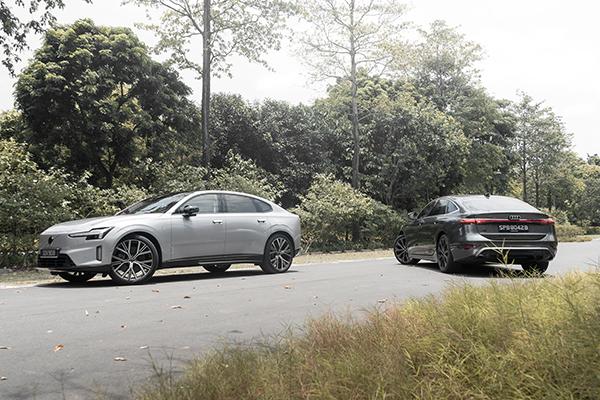
The Volvo XC40's mild hybrid drivetrain works with its isolated cabin to deliver on relaxing drives
What We Like
Sleek exterior
Improved ride quality
Quiet, comfortable and easy-to-drive
What We Dislike
Will take a while to get adjusted to the new user experience
Software bug
There's a new Audi Q3 in town. Well, technically, there are two - the Q3 SUV, and its sleeker sibling, the Q3 Sportback.
This marks the third generation of the Q3, but actually only the second generation of the Q3 Sportback, but regardless, the cars are effectively the same with the exception of a slightly different exterior profile.
The launch of the new generation Audi Q3 sees both the SUV and Sportback being introduced concurrently
More relevantly, the pair of Q3s must compete in a hotly contested compact crossover segment. With the segment seemingly overflowing with choices, many of them electric ones, can the petrol-powered Q3 make a compelling case for itself?
We spend a weekend with the Q3 Sportback to find out.
The new-look front grille gives the car a more prominent look
The Q3 Sportback is intended to be a stylish choice, and from the outside it sure fits that bill.
The car is slightly longer (+31mm), wider (+16mm) and lower (-8mm) than before, and the resulting shape of the car is a little sleeker. The Singleframe grille is wider than before, and also now features a pattern with the hexagons now arranged in a vertical manner.
The new lighting package allows for configurable light signatures, and the rear logo is also illuminated
The lighting package has also been revised. Up front, you get Matrix LED head lights as standard, with configurable light signatures. It's the same story at the rear - a redesigned rear light cluster with the four rings illuminated in red.
All things considered, it's a little flashy, but still demonstrates enough restraint that, to my eyes, doesn't come across as overdone.
Inside, the car is a rather significant departure from previous Audi models as far as user experience is concerned
Move into the cabin, and the immediate thing that stands out is that… everything seems different! Look, one thing I do like about Audis is that even with the newer models, the cabin still looks and feels familiar.
This cabin, isn't. There’s a lot that's new.
The curved dashboard integrates the 11.9-inch instrument cluster, with three configurable display modes
Let's start first with the new dashboard - the Q3 now features what the brand calls its 'Digital Stage', which integrates the 11.9-inch instrument cluster and a 12.8-inch MMI display into a panoramic panel.
The instrument display is curious, dispensing with Audi's typical two-dial design completely. Instead, you get a configurable area of the display that's wide yet short (here you can toggle between navigation, assistance and a one-dial display), below which sits your fixed information items like speed, fuel level etc. The net effect of this wide and short display area is that the perceived screen looks very small relative to the whole of the black panel.
The 12.8-inch MMI display is functionally more familiar, but still represents a notable visual change from before. The colour tones - especially the greys - are much lighter and brighter, and all the 'buttons' now have rounded edges. This gives off smartphone vibes (perhaps unsurprising as the Q3 uses Android Automotive OS as its operating system), and I initially found it a bit jarring. Thankfully, operating the system is still very simple and intuitive.
If the infotainment graphics look very smartphone-like (with all the rounded edges), well, that's because they quite literally are - the system runs Android Automotive OS
Then, there's the revised control layout behind the steering wheel. Instead of traditional stalks, you get this black panel with controls on either end. The gear selector is on the right side (and operates simply enough), while the indicators, high beam, front and rear wiper controls are all found on the left.
I don't know, I don't really see any added utility of moving the controls. Audi says moving the gear selector has freed up more storage space in the centre console. There's a cooled inductive charger in the space where it was previously just an empty cubby hole, and there are still two cupholders, so not quite sure where exactly that "extra" space necessarily is.
The tactile sensation also feels odd, or at least unfamiliar. For example, the indictors engage with a very distinct and almost overly-mechanical 'thuck'.
In place of traditional stalks, there's a new control setup behind the steering wheel - gear selector on the right, everything else on the left
It will take some time to get used to it. I found myself instinctively reaching to the centre console to engage drive after getting into the car, only to remember that the gear selector isn't there anymore. So there will be an adjusting period, especially for existing Audi owners.
There did appear to be some software issues: My Apple CarPlay would sometimes inexplicably disconnect, then reconnect five to six seconds later with seemingly no explanation.
The Q3 also features a revised material palette, which I actually quite like, especially the cross-hatch fabric trim.
As far as space is concerned, the Q3 Sportback is ultimately a compact crossover with a tapered roof, so rear space is never going to be the best. The middle seat is also quite cramped, owing to both the transmission tunnel protrusion, as well as the design of the centre console that protrudes backwards. Boot space has also shrunk slightly to 488 litres (the rear of the car as a whole has shrunk slightly in size).
The turbocharged 1.5-litre engine remains unchanged, producing 148bhp and 250Nm of torque
Powering the Q3 is a familiar engine with familiar output figures. The turbocharged 1.5-litre engine is the same as before, making 148bhp and 250Nm of torque.
Those are modest performance numbers delivering smooth and reasonable acceleration. The gearbox can be a little hesitant to downshift, something probably notable only because of the engine's modest output. It's totally fine when cruising along gently at 90km/h, but when you need that extra hit of acceleration, you do need to be a bit patient. Otherwise, there are no real complaints on the refinement front. The car is quiet, comfortable, and very easy to drive, if admittedly not setting any hearts on fire.
A point about the steering: It feels like there's less steering lock than before, with just two full turns lock-to-lock. The sensation is perhaps a wider turning circle, but a comparison of spec sheets indicates that the turning circle remains unchanged at 11.8m. Audi says it's a "refined progressing steering", which the ratio significantly decreasing towards the end of the steering travel. It's… I don't know. A bit strange.
The progressive steering has been revised, with what feels like less steering lock than before
This is a mild-hybrid, and it operates seamlessly. You don't feel the engine cutting in/out. I managed to achieve 13.3km/L, which is reasonable.
The car actually comes standard with adjustable damping, though I'm not convinced it needs it. The standard suspension setting is ideal - pliant enough to shed off small bumps in the road, while still maintaining good body control. I never needed the sportier setting, which for my tastes was a little bit too firm anyway. That said, the damping is definitely improved from before - the overall ride quality is smoother and more refined.
I'll be honest, when I first got into the new Q3 Sportback, my brain was fumbling slightly. Having driven numerous Audis and having built a kind of muscle memory especially when it comes to cabin operation, everything did initially feel out of place.
Having then spent the weekend with the car, I did find myself eventually adjusting. And once that happens, the result is a familiar-enough experience - comfortable, premium, easy-going.
So should you spend $280,999 on a Q3 Sportback?
Let's first consider the Q3's traditional peers. The BMW X1 starts at $275,000, but it's a car that's almost four-years old now. The Mercedes-Benz GLA, launched in 2023, is asking $289,000. (Both models are offered with Cat A-compliant engines, thus produce a bit less power.) The Volvo XC40, at $315,000, offers more power but costs quite a bit more. In that context, the Q3 is worth considering, though I do wonder if it could be a little bit more affordable to be even more competitive.
While there's admittedly plenty of competition in this space (especially from Oriental makes), the Q3 Sportback remains a functional and practical choice for shoppers looking for a premium compact crossover
Where the Q3 Sportback will find plenty of challenge is the electric market. Yes, a petrol car and an EV are fundamentally different propositions, but these days, it seems like more buyers are increasingly powertrain agnostic, or at the very least much more open to options.
And just like every other European brand, the biggest competition now likely comes from the Oriental brands. A comparably-sized car could potentially be found for 100k less, an arguably with comparable equipment levels (perhaps even better).
The premium you are paying for is built into the brand equity (again, just like with other European brands). Reliability of aftersales service, long-term resale outlook, and of course, the badge on the bonnet (well, below it). And those things still matter. And in that context, the new generation Q3 Sportback (and by extension the Q3 as well) continues to fulfil its purpose.
Here are other premium compact crossover options to consider:
The BMW X1 delivers a distinctive design and an easy-to-drive character
The BMW X1 and Mercedes-Benz GLA go head to head
The Volvo XC40's mild hybrid drivetrain works with its isolated cabin to deliver on relaxing drives



Car Information
Audi Q3 Sportback Mild Hybrid 1.5 Advanced TFSI S tronic (A)
$286,999
CAT B|Petrol-Electric|15.2km/L
Horsepower
110kW (148 bhp)
Torque
250 Nm
Acceleration
9.1sec (0-100km /hr)

Thank You For Your Subscription.



Tags
Products & Services

For Owners
Quick Links
About Sgcarmart