Audi Q3 Edition 1 Review
22 Apr 2026|4,913 views
What We Like
More prominent styling
Well-built interior
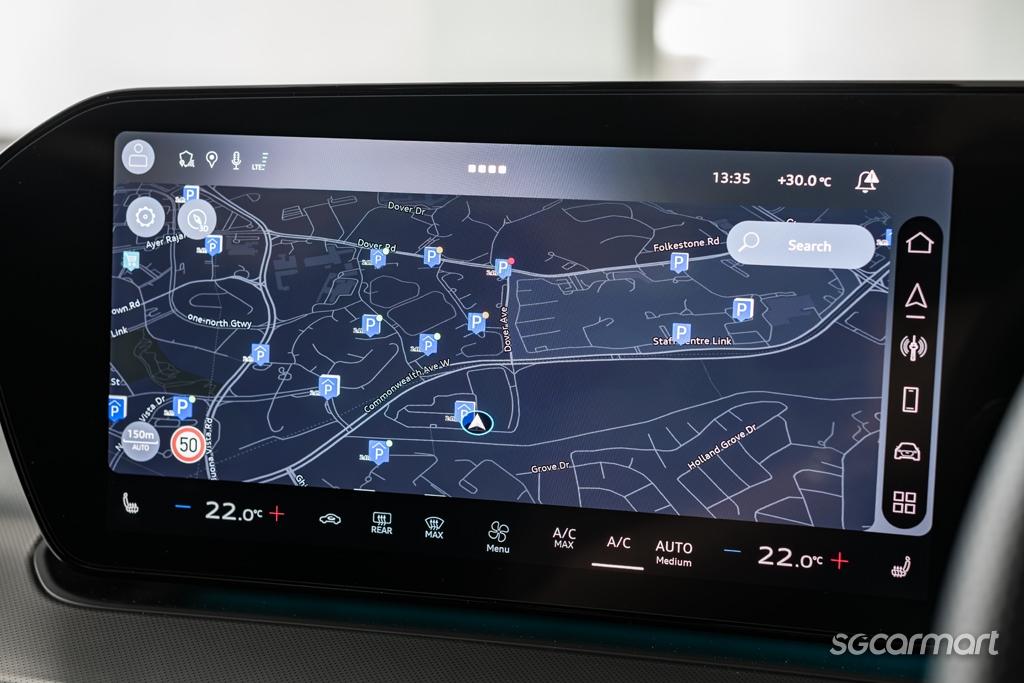
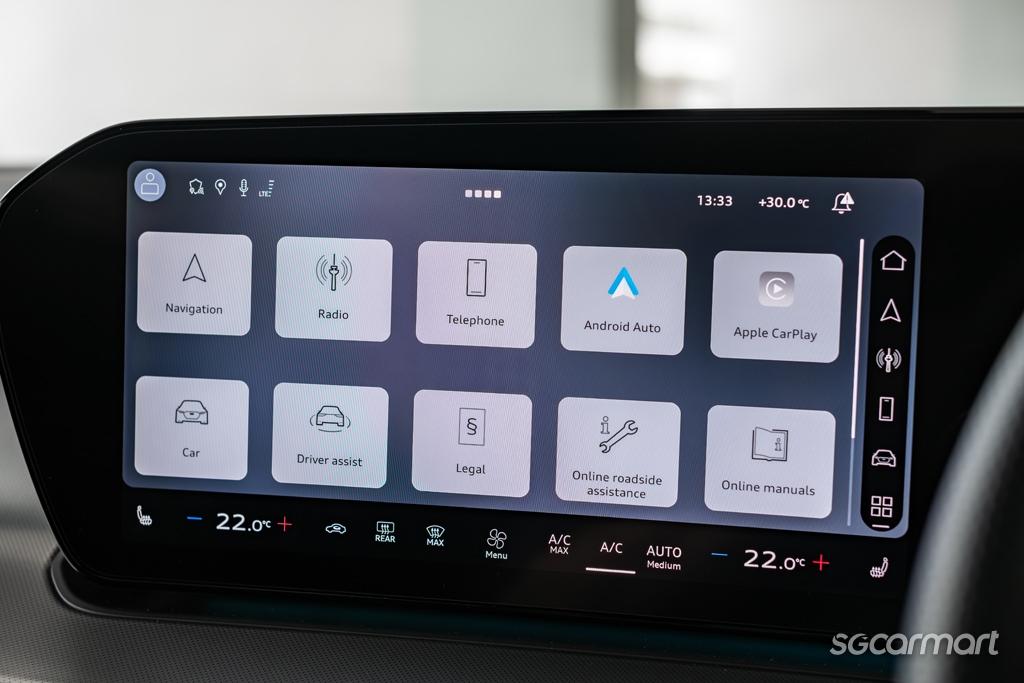
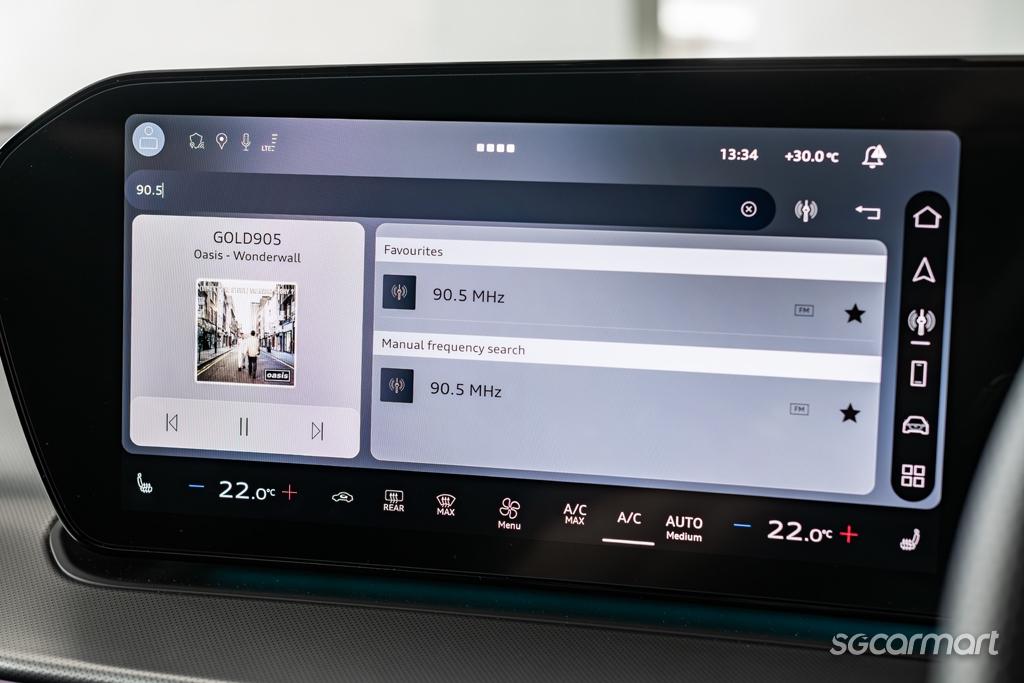
Snappy infotainment
Higher fuel efficiency
Quicker performance
What We Dislike
Woolly ride quality
Air-con tries to outsmart you
'Inconsistent' engine braking
Smaller cargo volume
There is a saying among keen drivers that goes, "If there's anything wrong with a new model, it's because the accountants got involved." This stereotype persists because it's easy to picture a finance division being hell-bent on slashing costs, resulting in a less desirable product with fatter margins.
Did the R&D department want to do more testing? Budget denied. Did the engineers want to use better components? Nope - find cheaper alternatives. The test drivers wanted better performance with slightly higher consumption? No - economise always.
To be clear, the Q3 is not a bad car. But it needs to feel more refined, and more importantly, that plenty of thought was put into putting a smile on the driver's face.
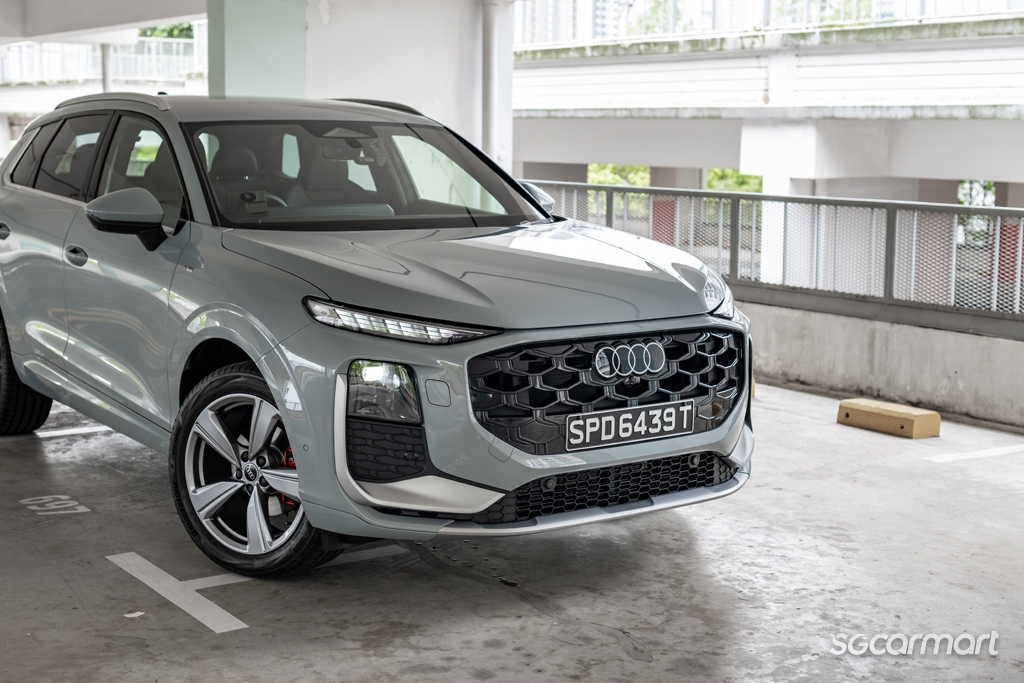
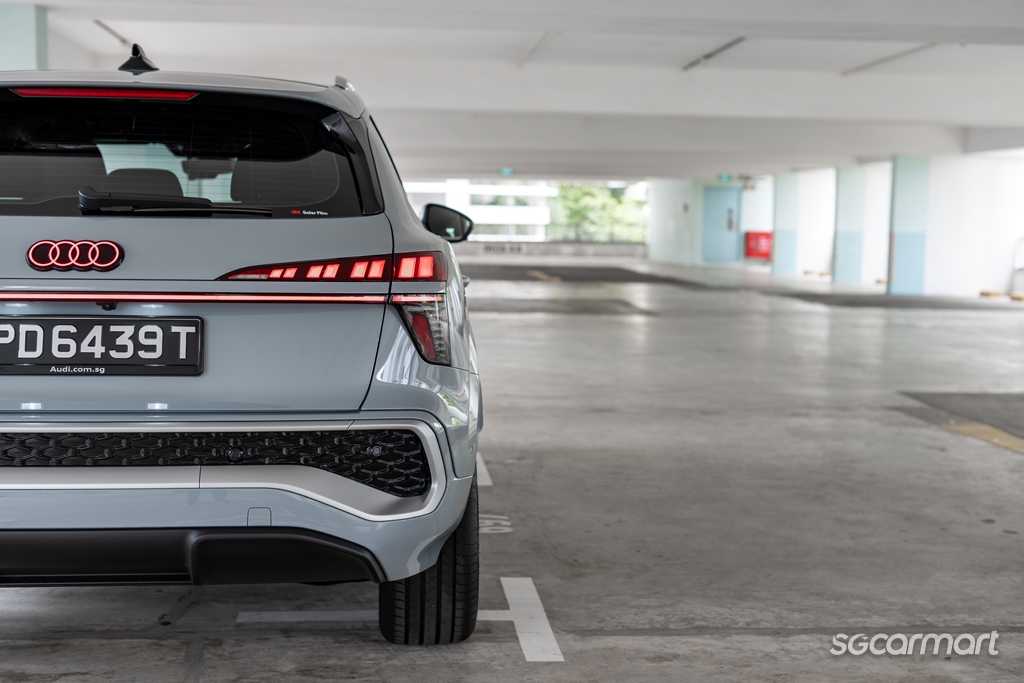
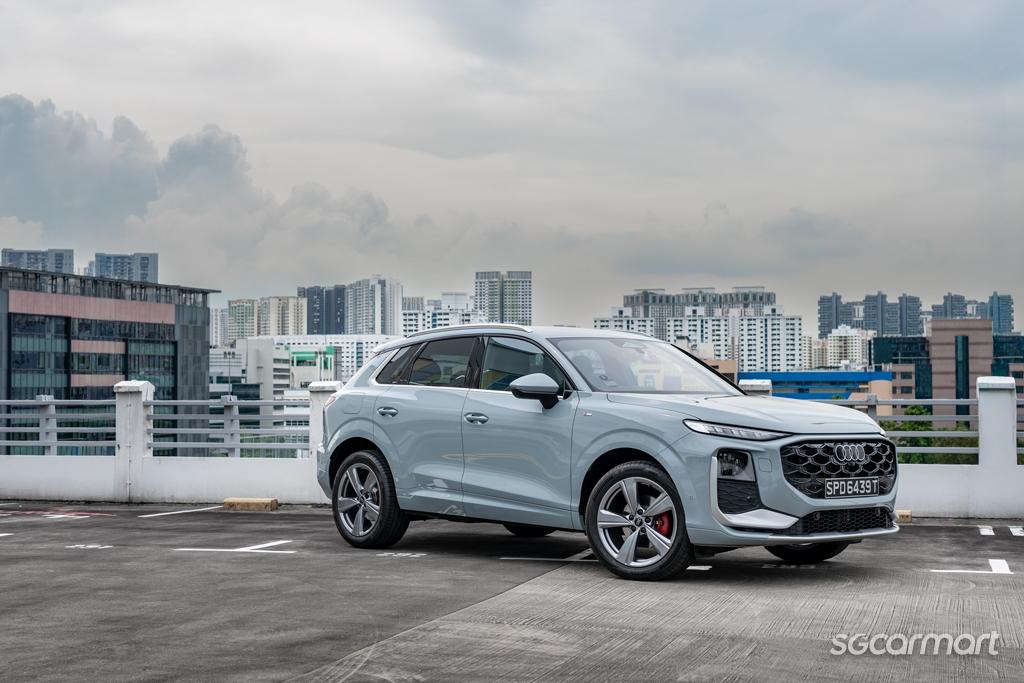
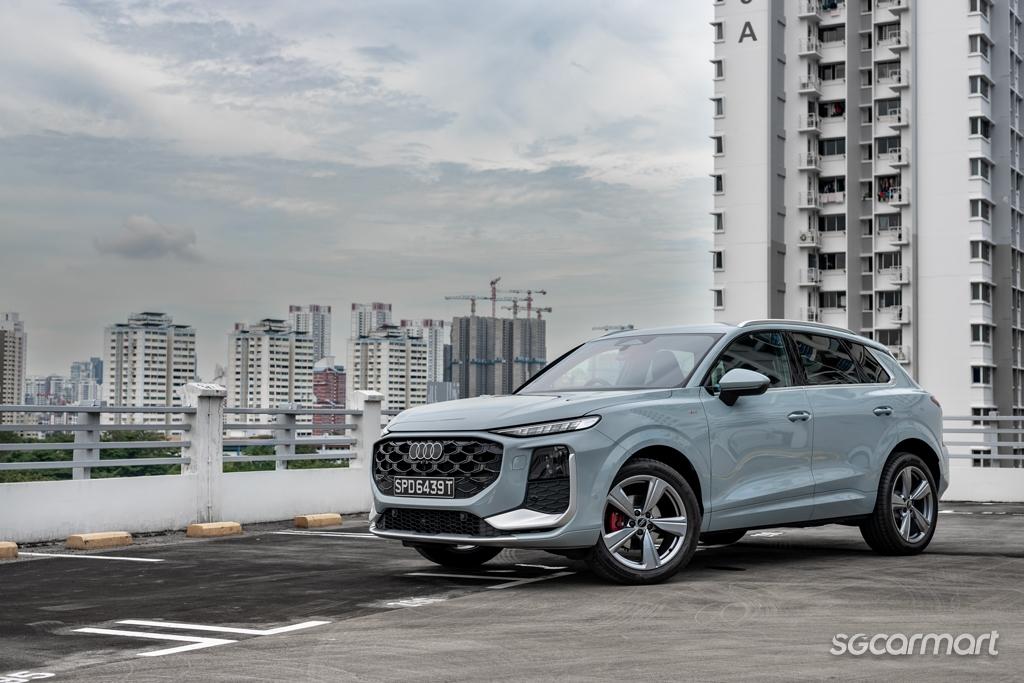
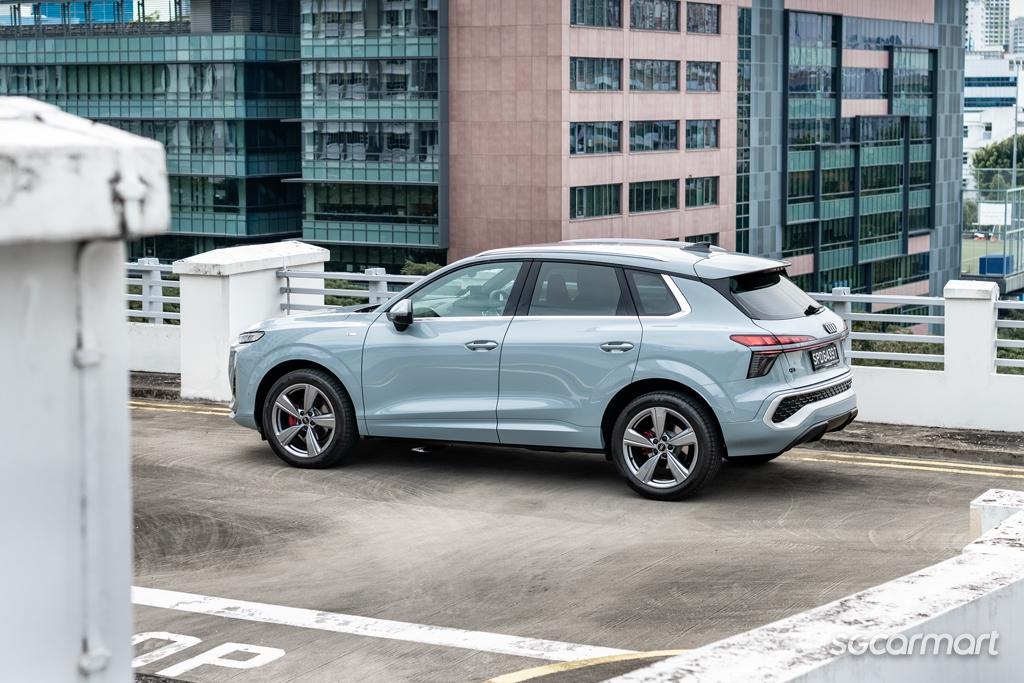
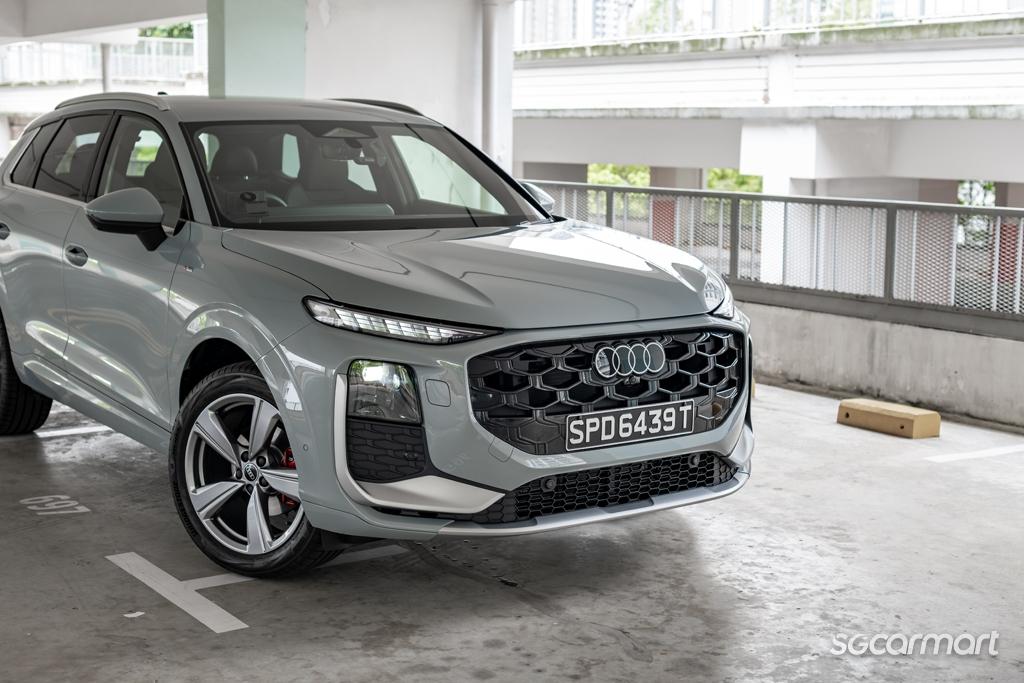
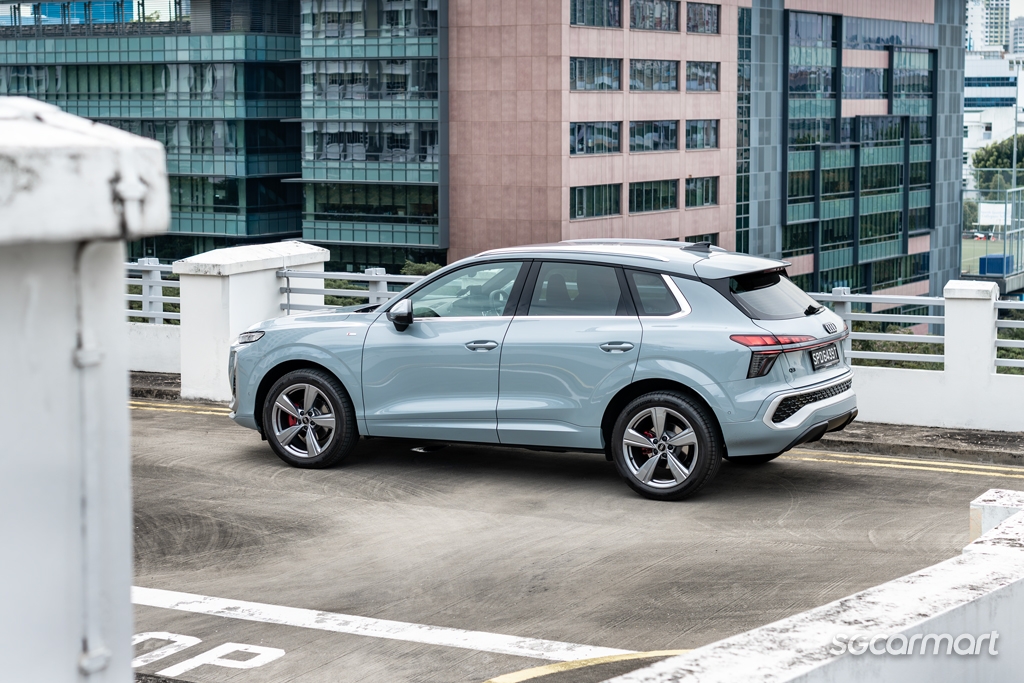
The new Q3 is no shrinking violet and the current styling loudly broadcasts its road presence
Growing braver
The previous Q3 was no wallflower, but compared to the latest model, it seems innocuous. Gone is the restrained styling - everything about the Q3 is bold. Some may even opine that it is brash.
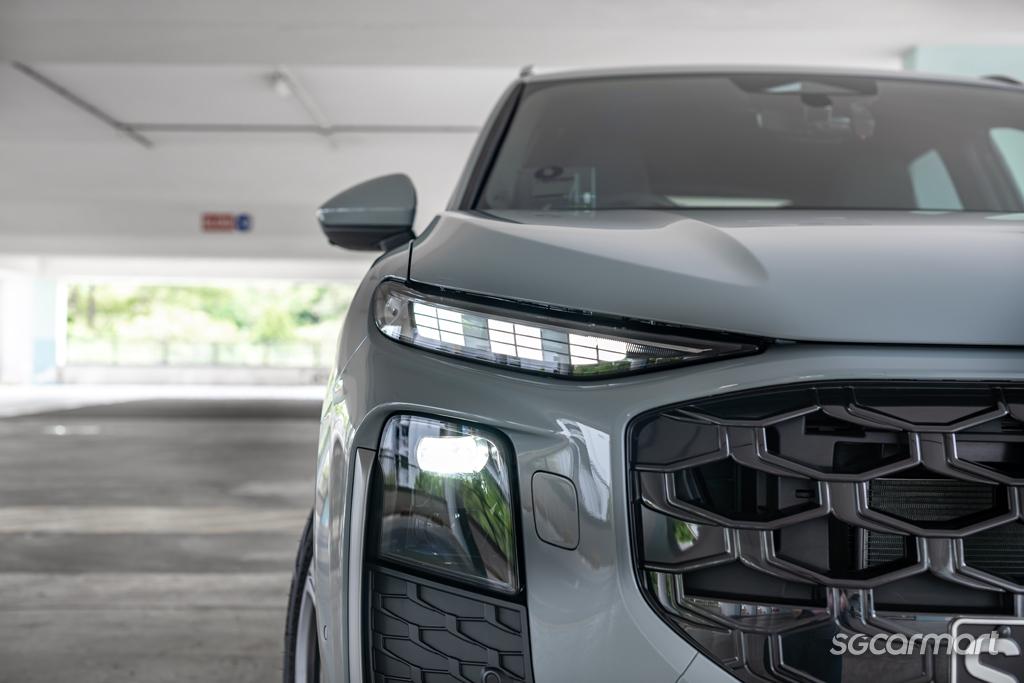
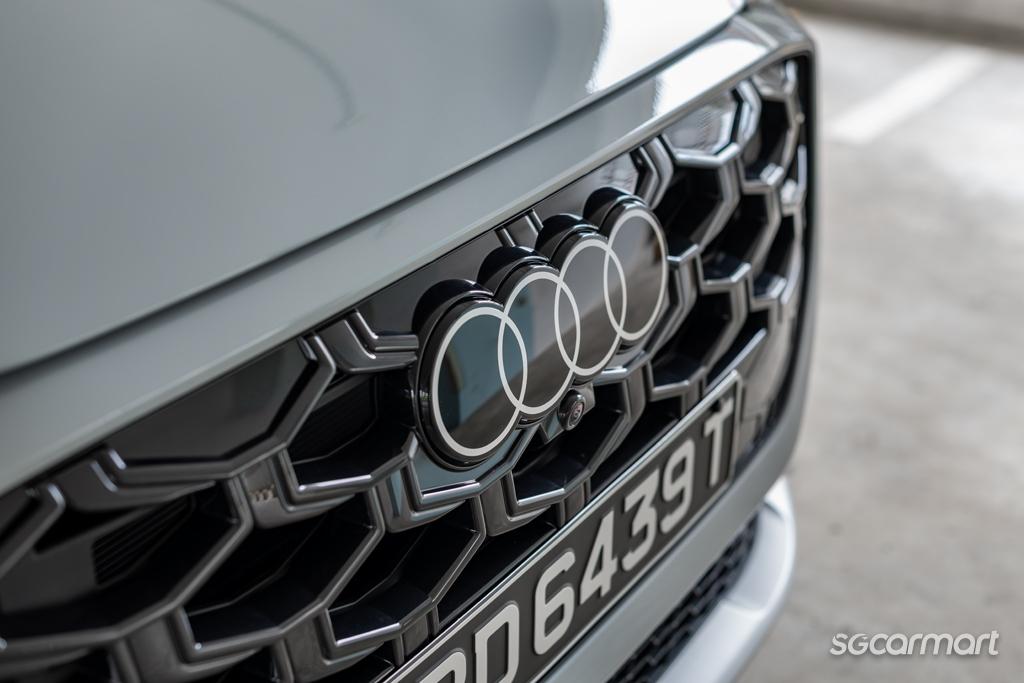
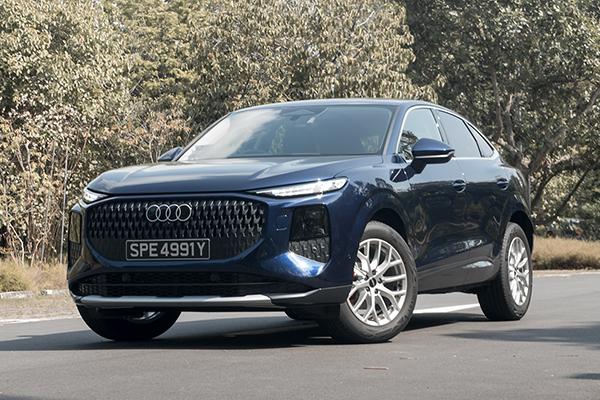
Both the grille and the nose are more pronounced, with sharper angles on the bumpers. The daytime running lights and headlamps are now separated, and the former offers a choice of three light signatures. From afar, the crossover looks a lot angrier than before.
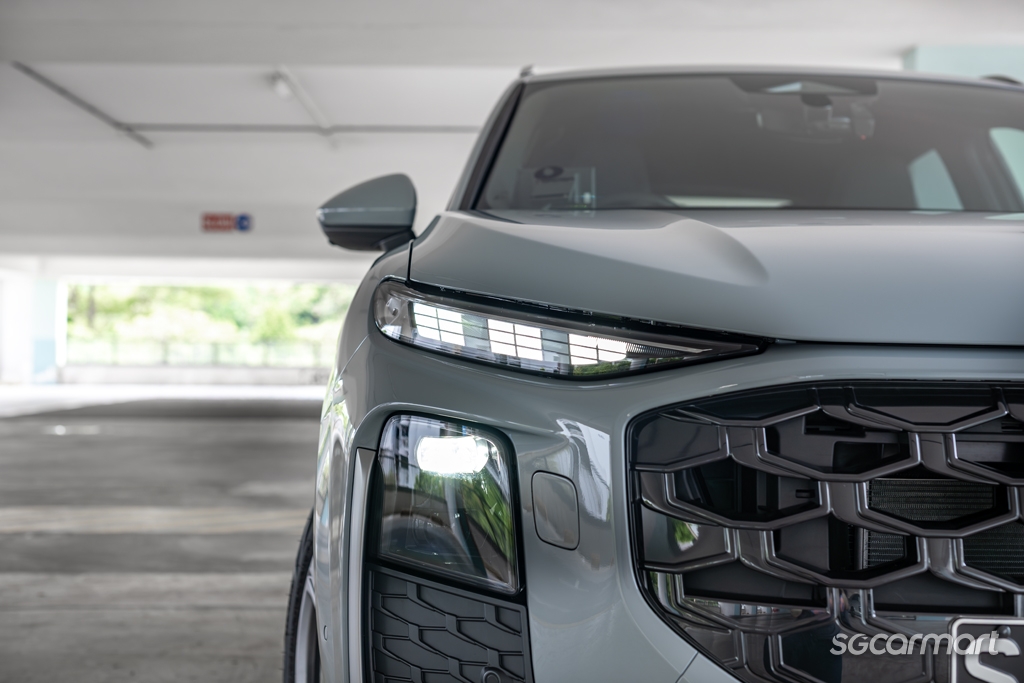
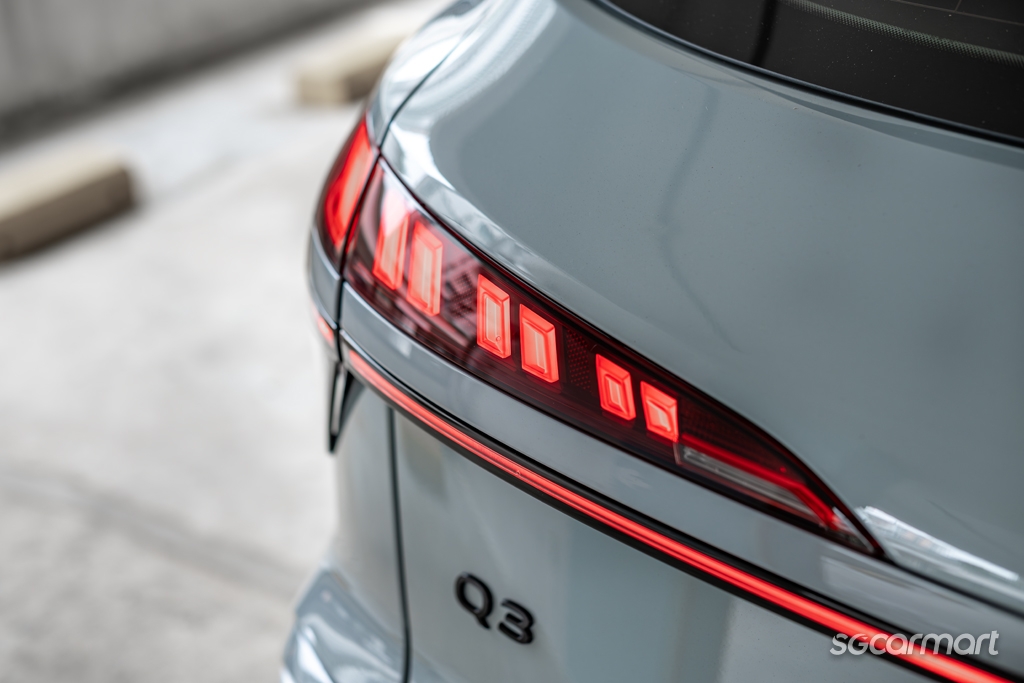
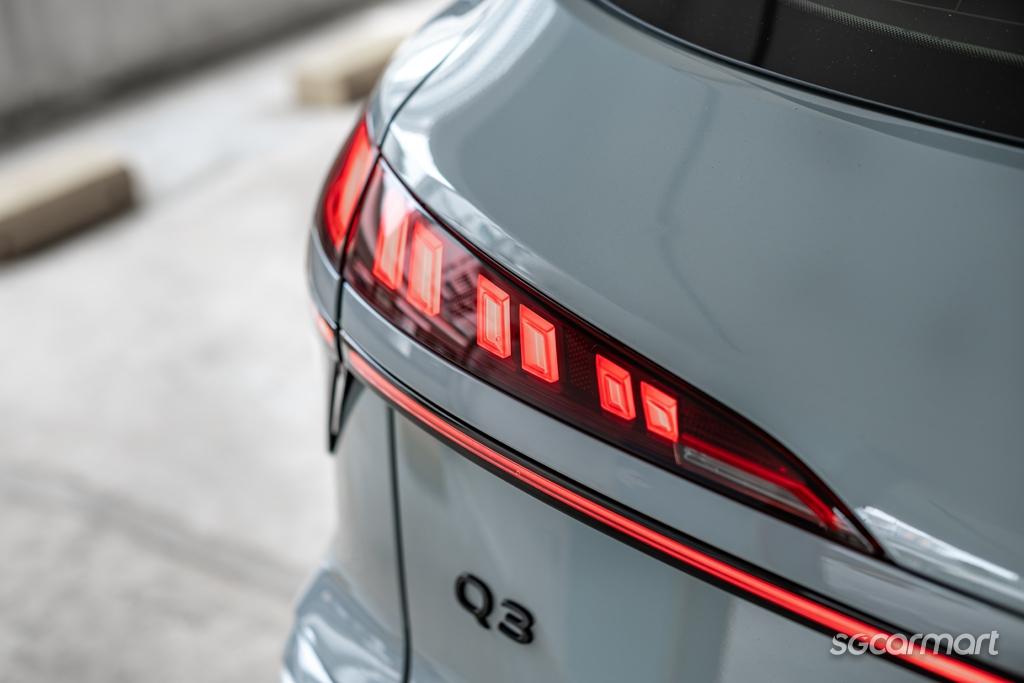
There are three daytime running light signatures to choose from, but no such option for the tail-lamps - at least not yet
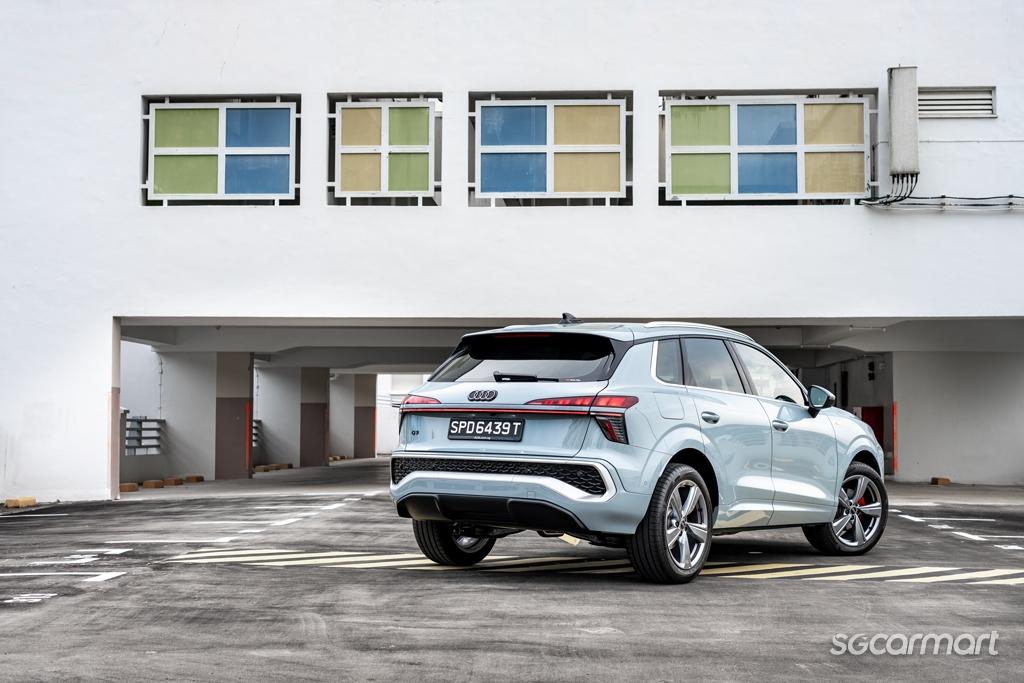
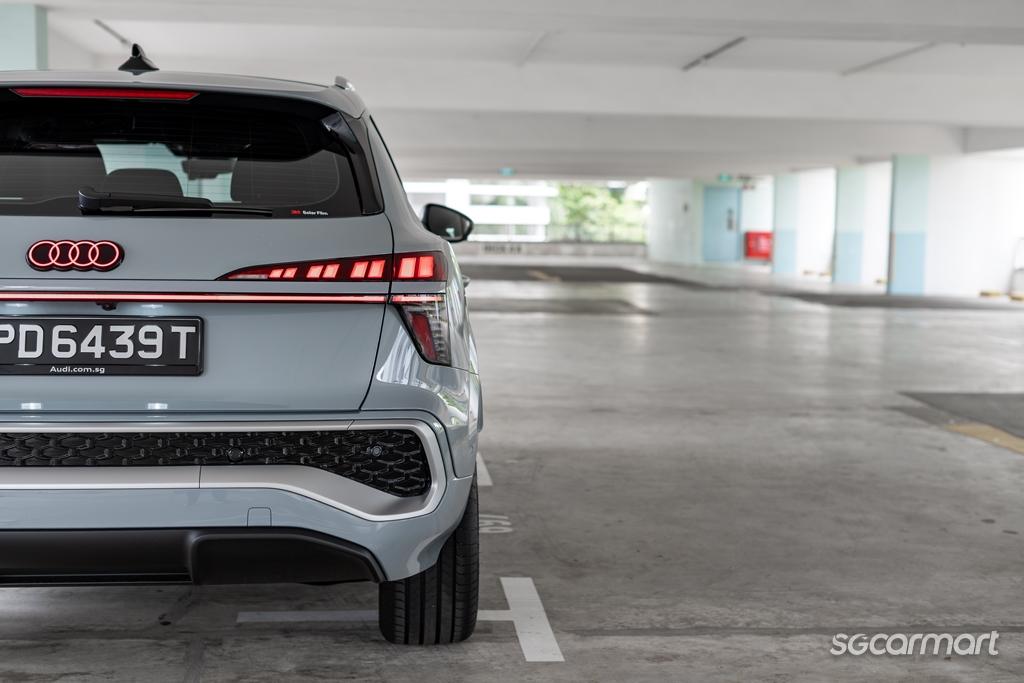
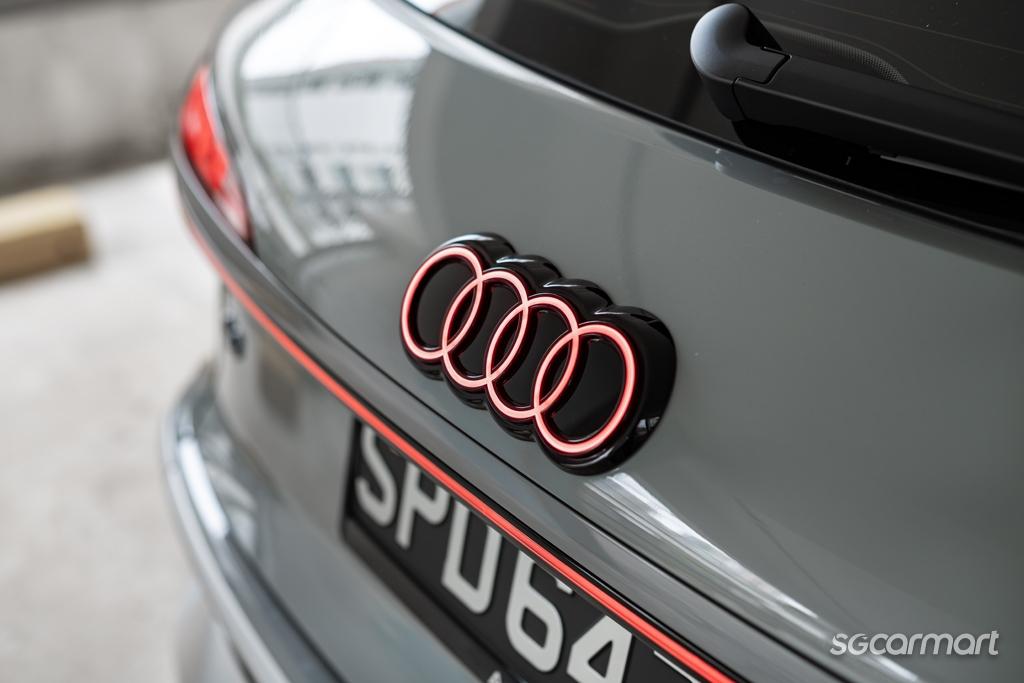
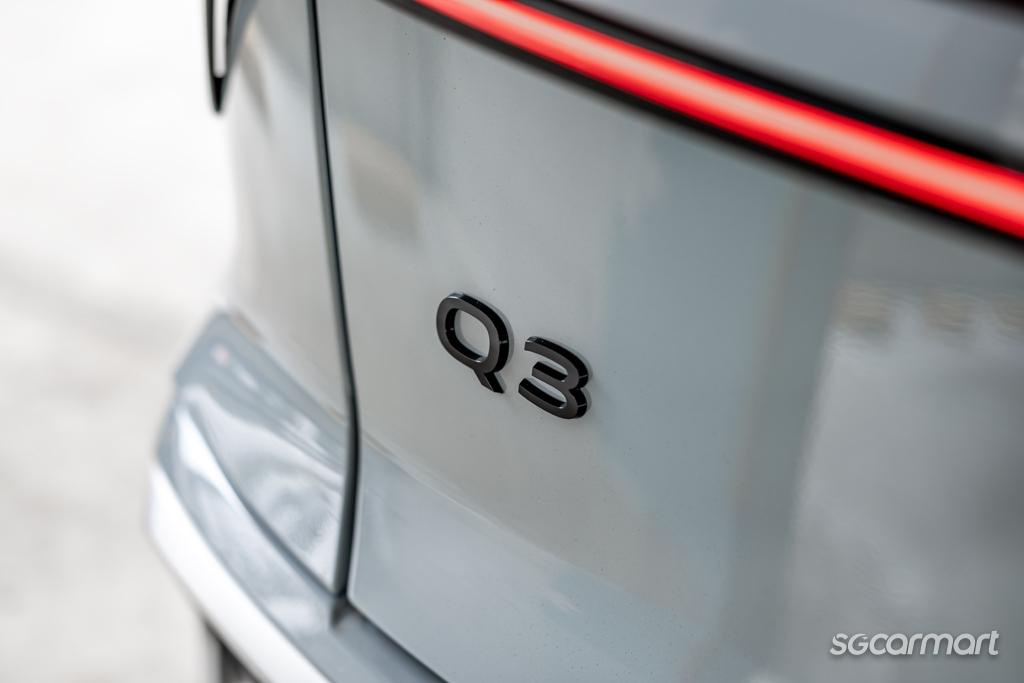
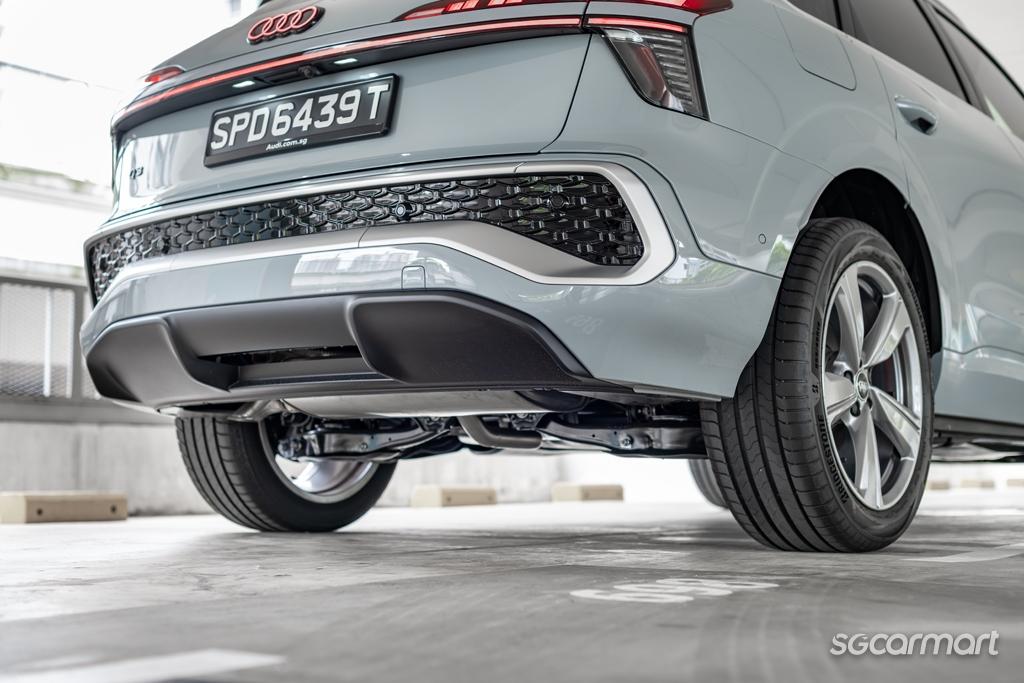
The taillights have grown slimmer, but the rear end looks even more prominent this time around. Apart from the light band stretching across the width, the four rings are also illuminated - in red, no less. And the bumper has trim inspired by the grille.
For a carmaker whose models have espoused the 'handsome but understated' philosophy, this is a radical departure. But change can be good, especially if it draws more drivers to the brand.
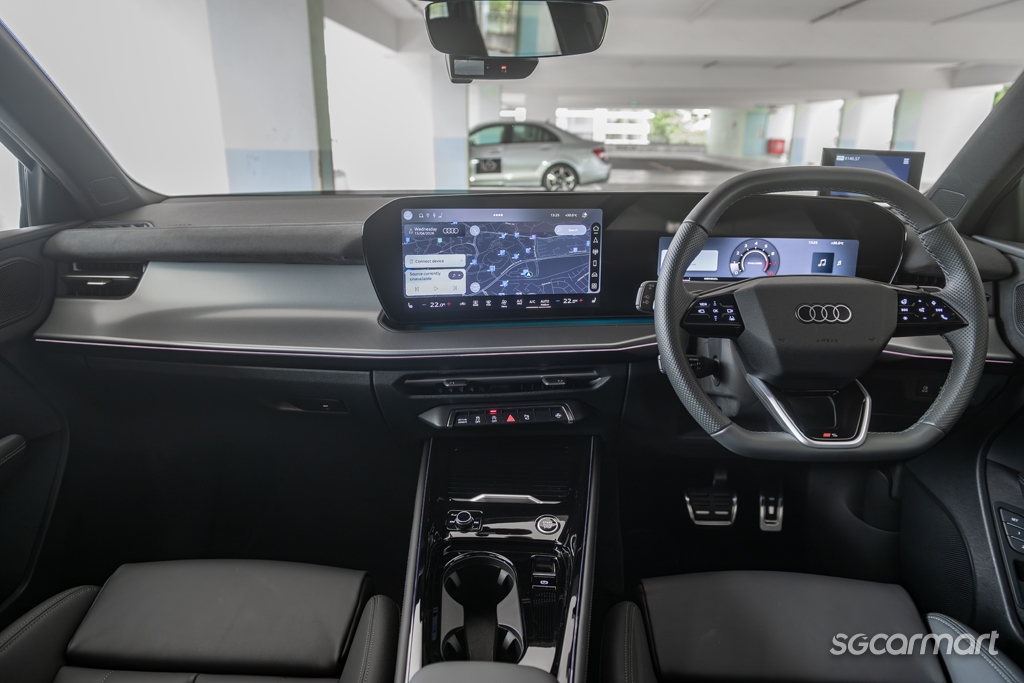
There's nothing wrong with a tidy cockpit, but it needs more physical controls to feel more direct and engaging
Questions abound
The interior, too, has undergone a major alteration, with the cockpit looking much 'quieter'. Like many manufacturers, Audi has digitised many of the physical controls in the cabin.
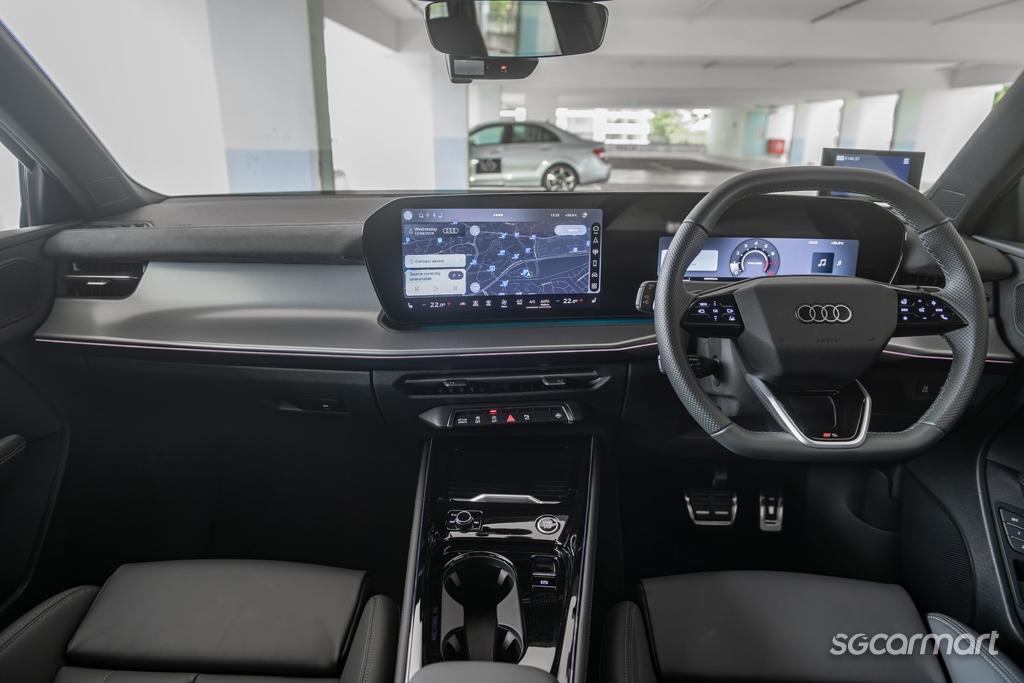
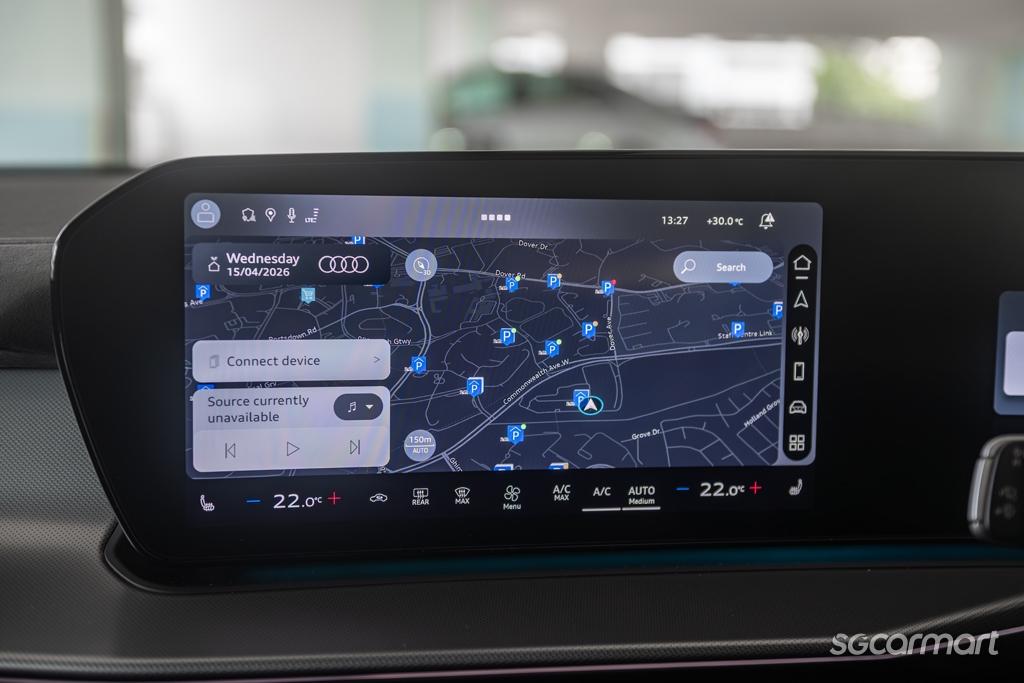
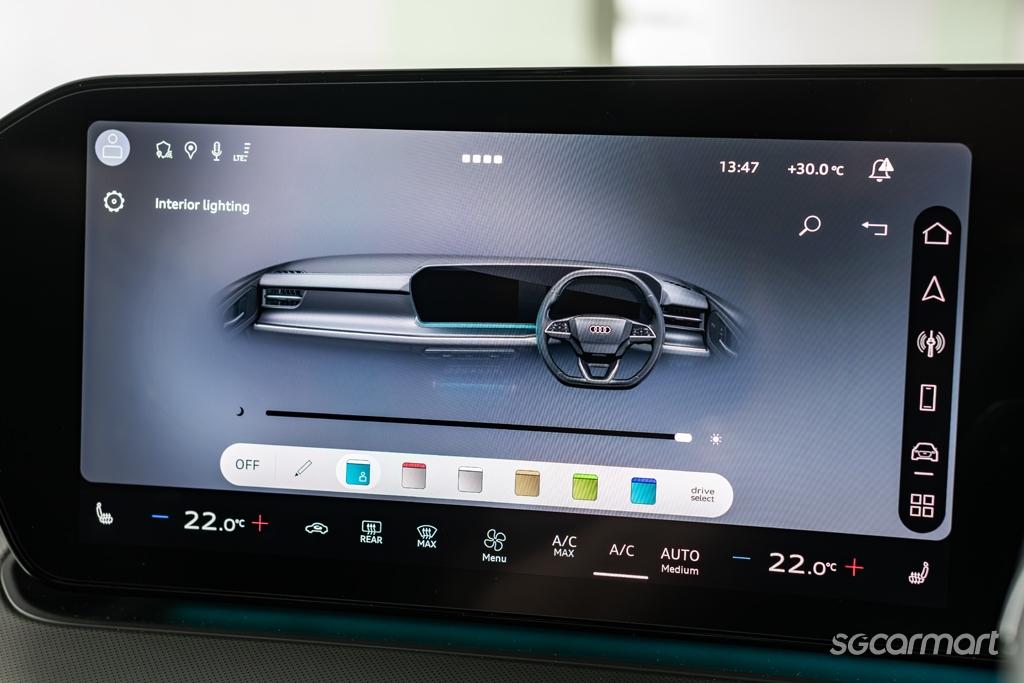
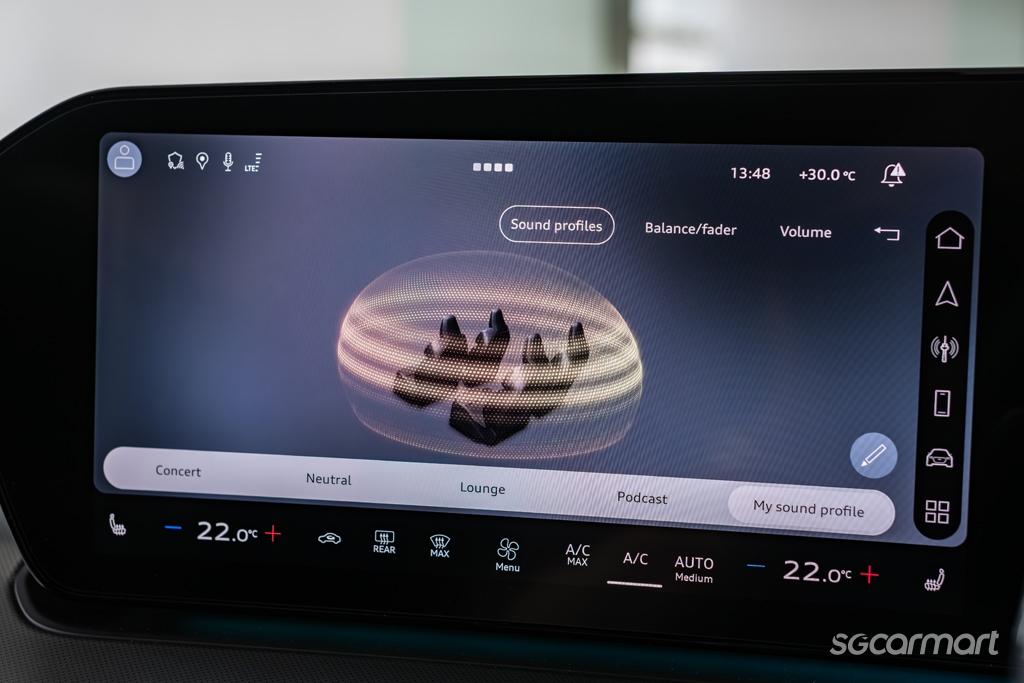
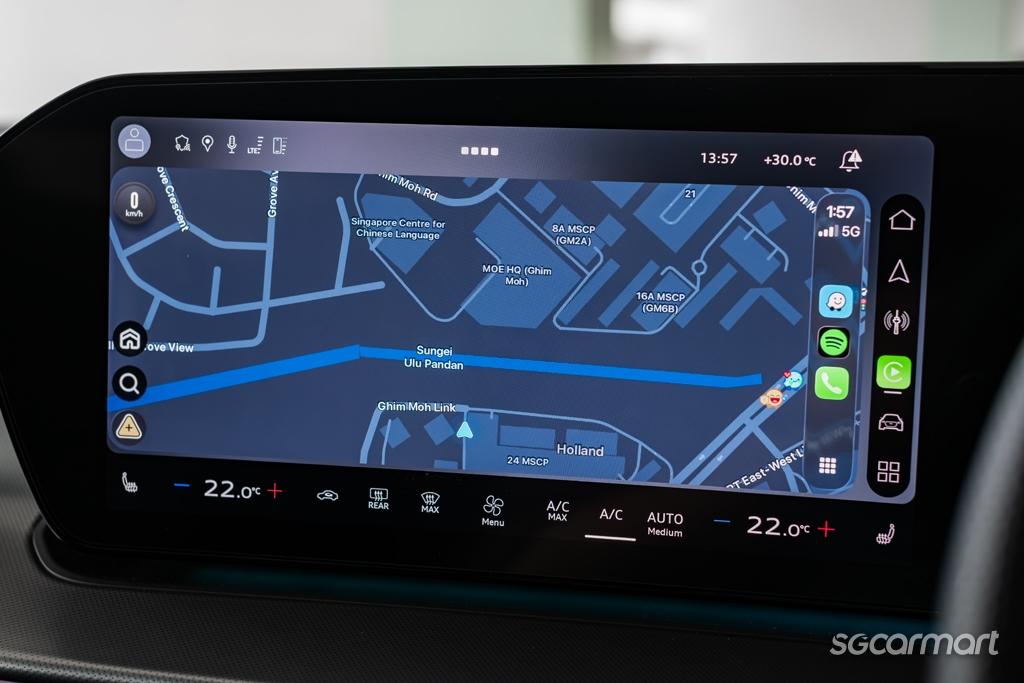
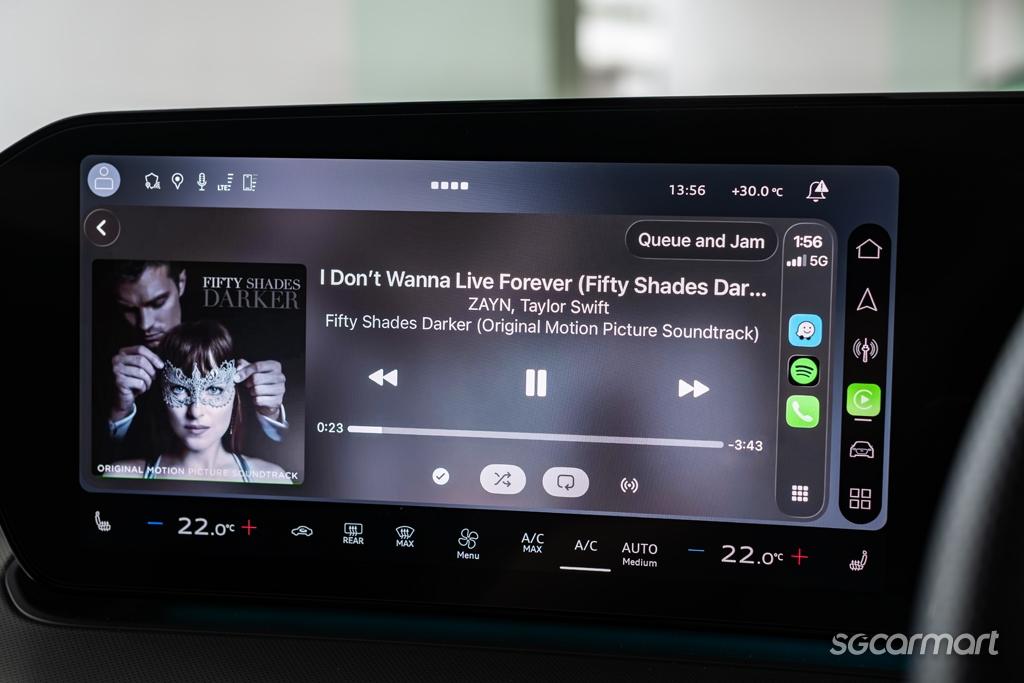
The dashboard features the panoramic display that integrates the 12.8-inch MMI infotainment system and the 11.9-inch instrument panel. Apart from the lovely high-res graphics, everything loads instantly when the car is started.
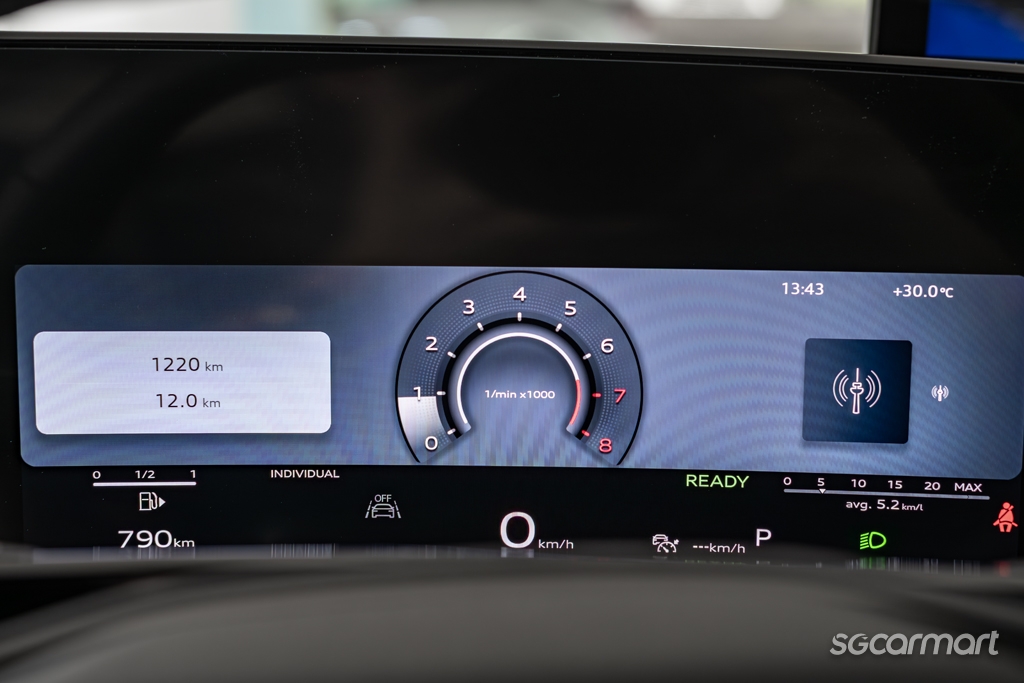
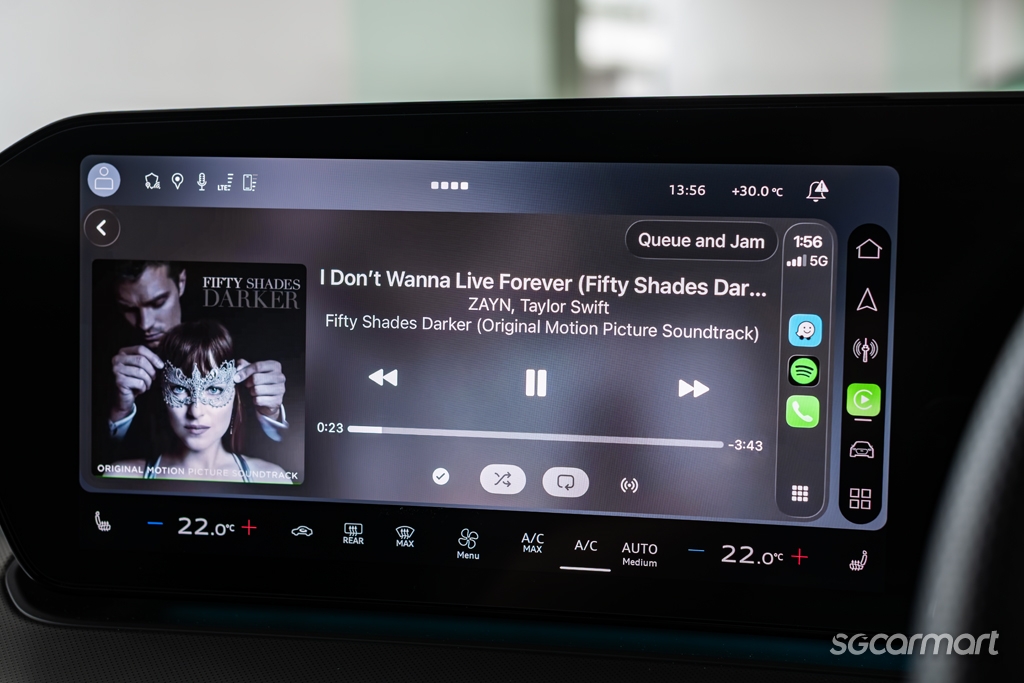
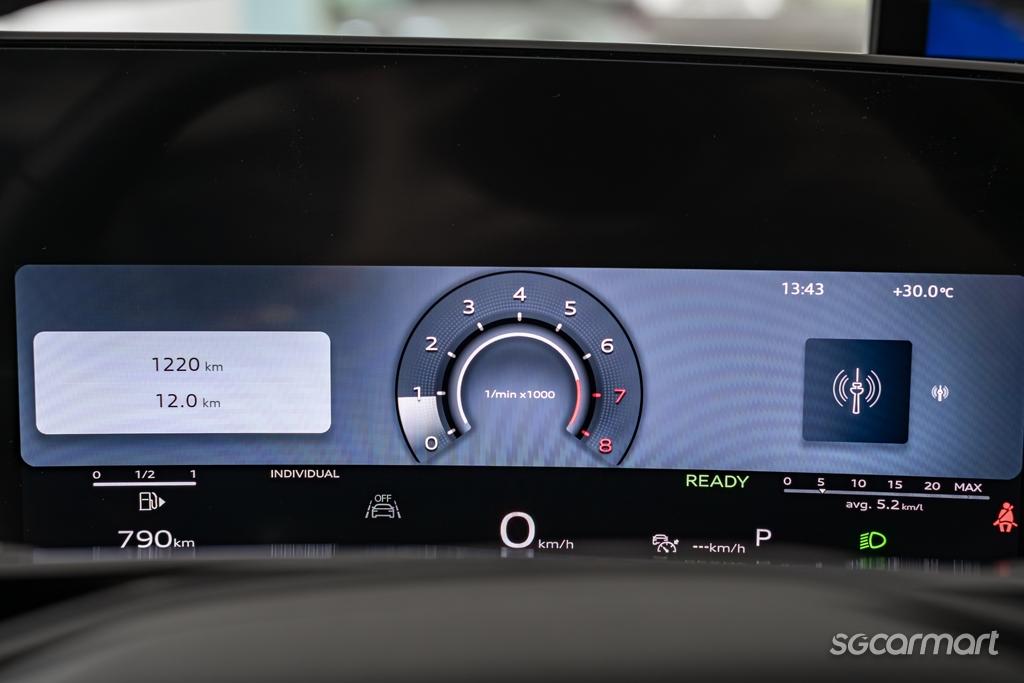
The displays are high-res, but when it comes to the instrument 'cluster', this is as much as you're going to get
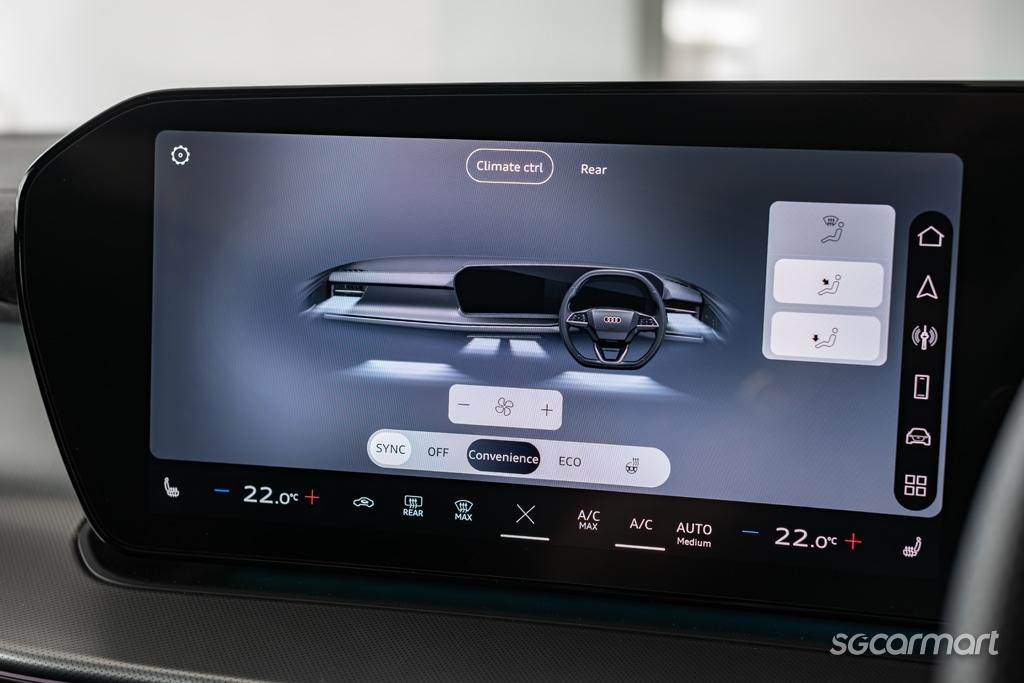
That said, the downsides to digitalisation soon make themselves obvious. Functions like adjusting the fan speed (which annoyingly defaults to '1' after the car is turned off) and temperature feel more cumbersome because there are no longer physical controls.
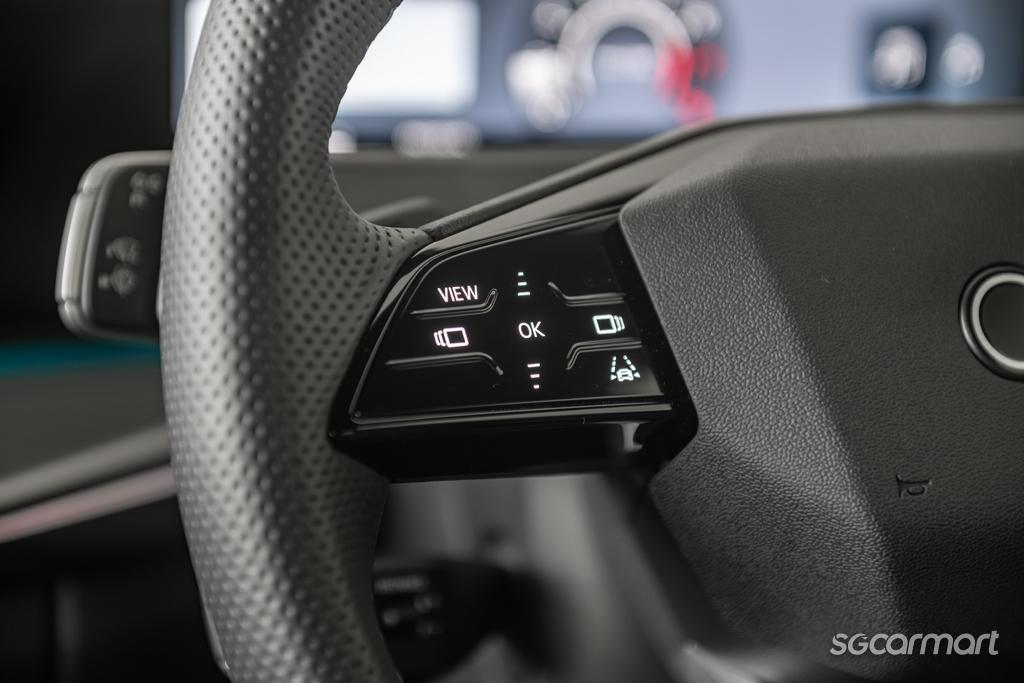
Then there is the instrument cluster, which, considering how wide the panoramic display is, is strangely narrow. And the default layout is a rev counter and a digital speed readout. Press 'View' and the other two options are even more minimalist. Nice graphics are utilised for the infotainment, but not here.
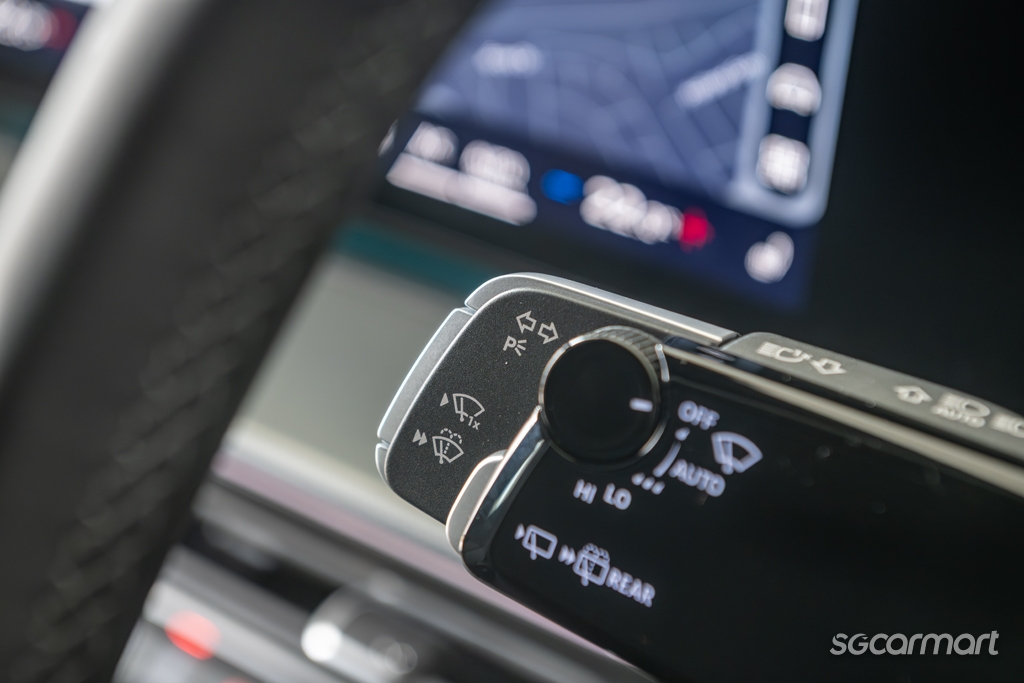
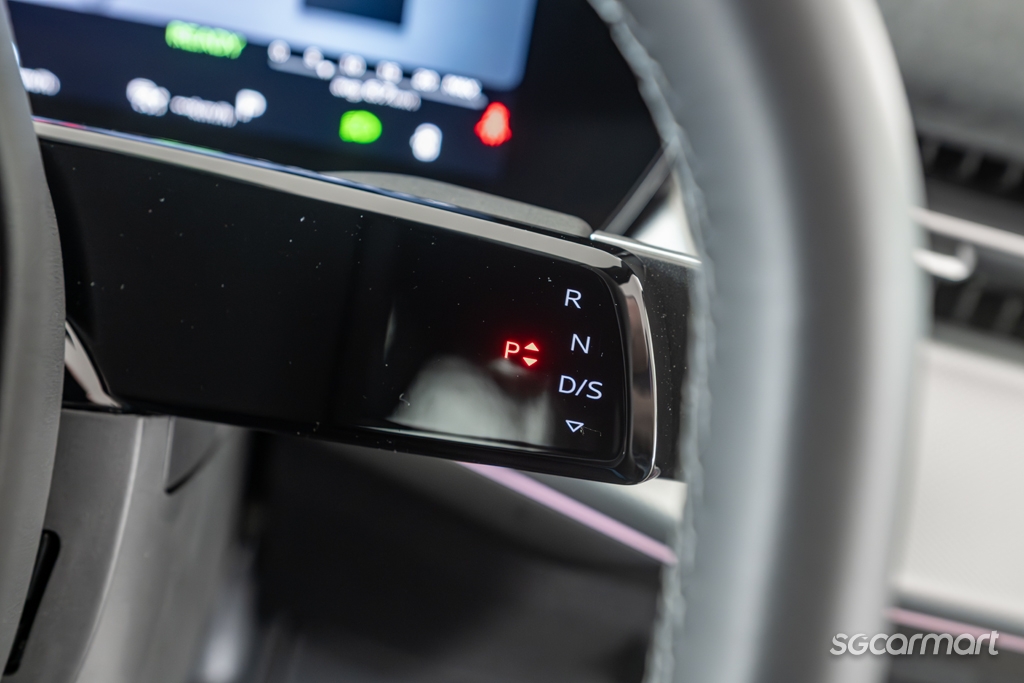
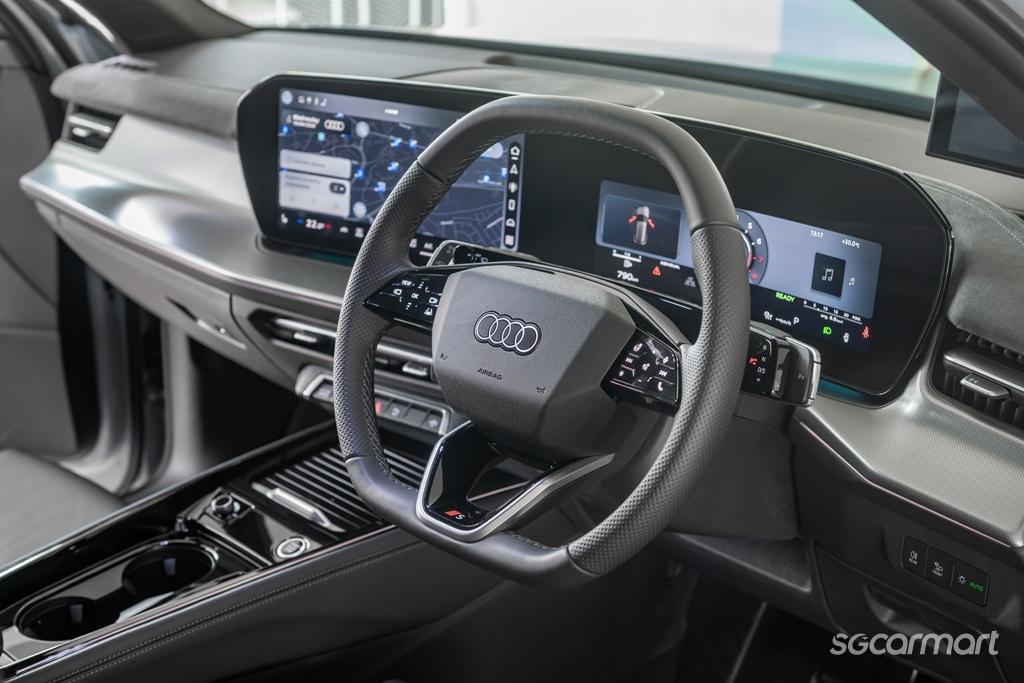
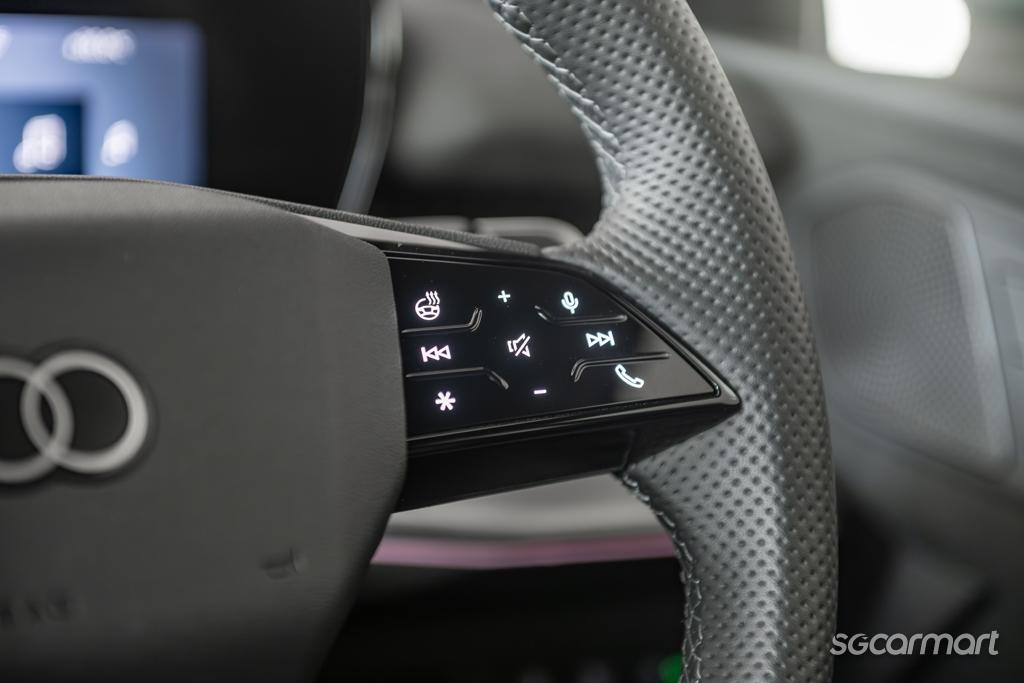
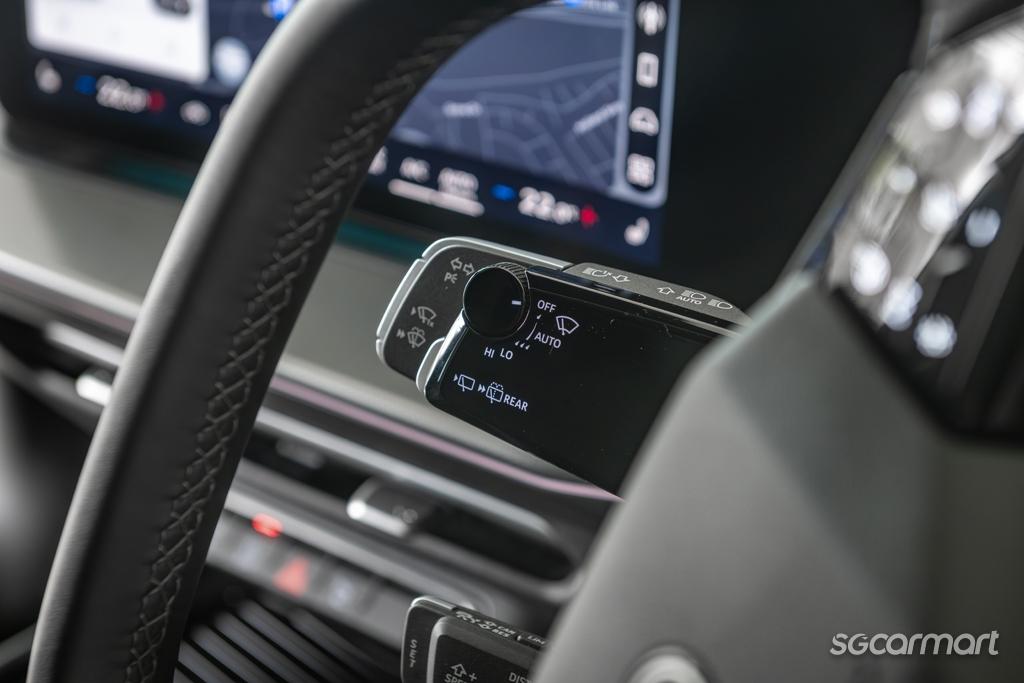
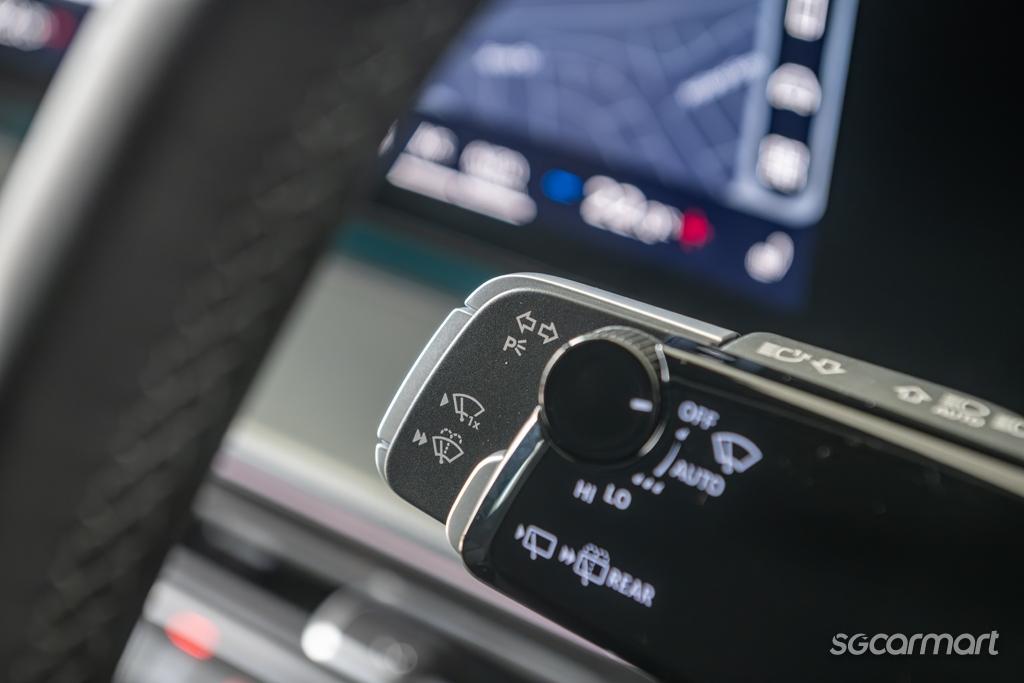
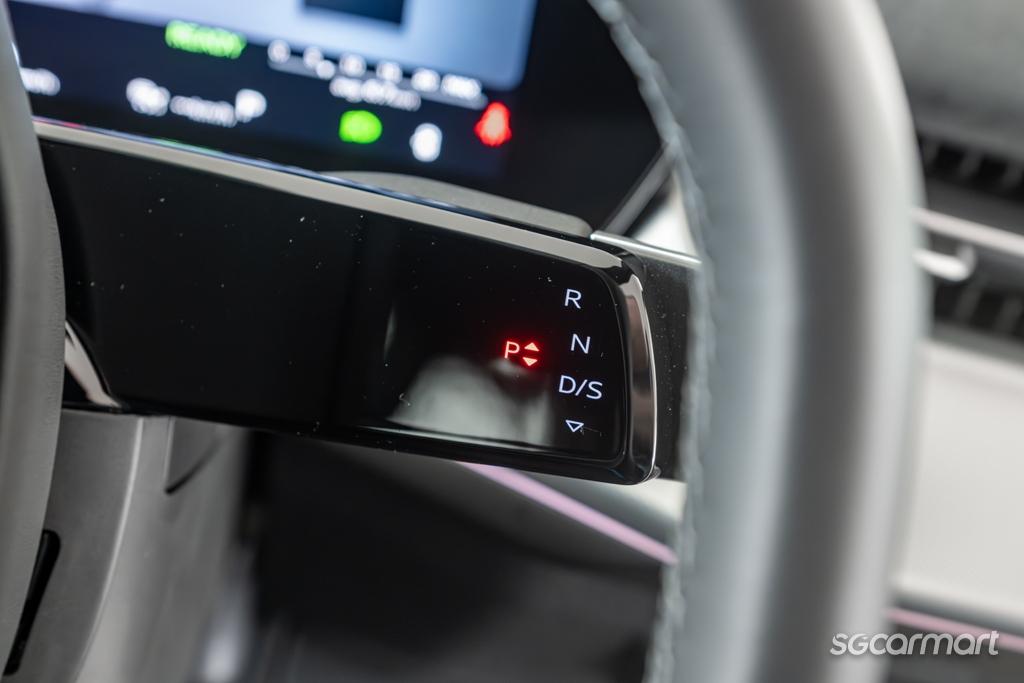
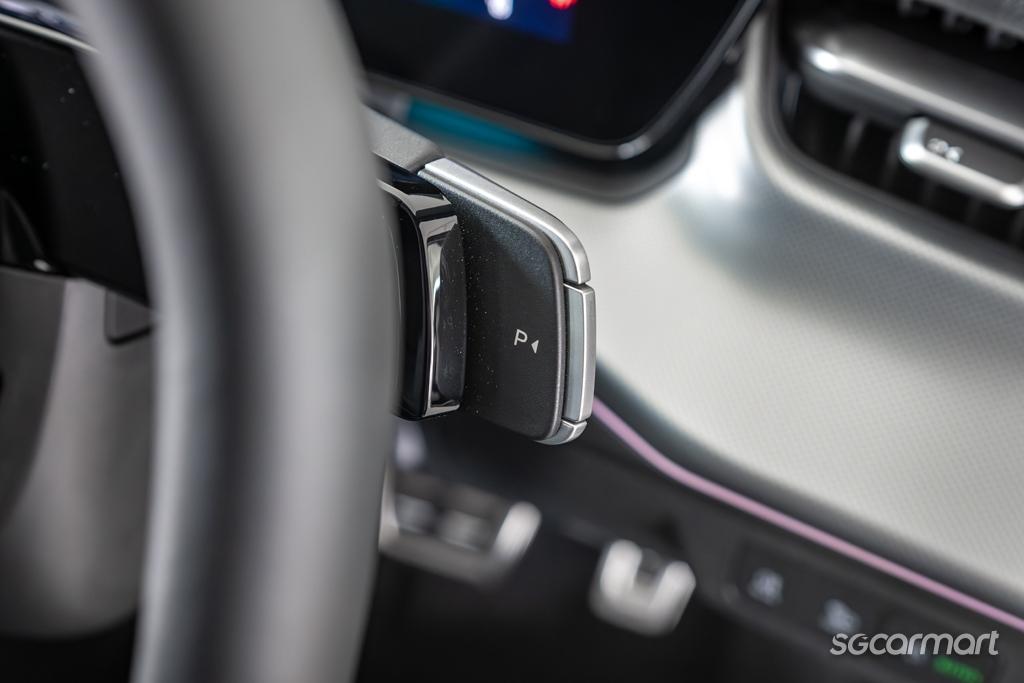
These are not stalks but essentially buttons/toggles, and the tactility leaves much to be desired
At this point, I can look past the plasticky buttons on the steering wheel, but the oversimplified instrument panel just doesn't feel like it belongs in an Audi.
Another polarising feature are the new 'stalks', which are not stalks at all. The indicators and gear selector are actually buttons at the ends of the black plastic components on the steering column that feel toy-like rather than Audi-like. Strangely, the wipers are now controlled by a small knob. I suppose all this will become intuitive over time.
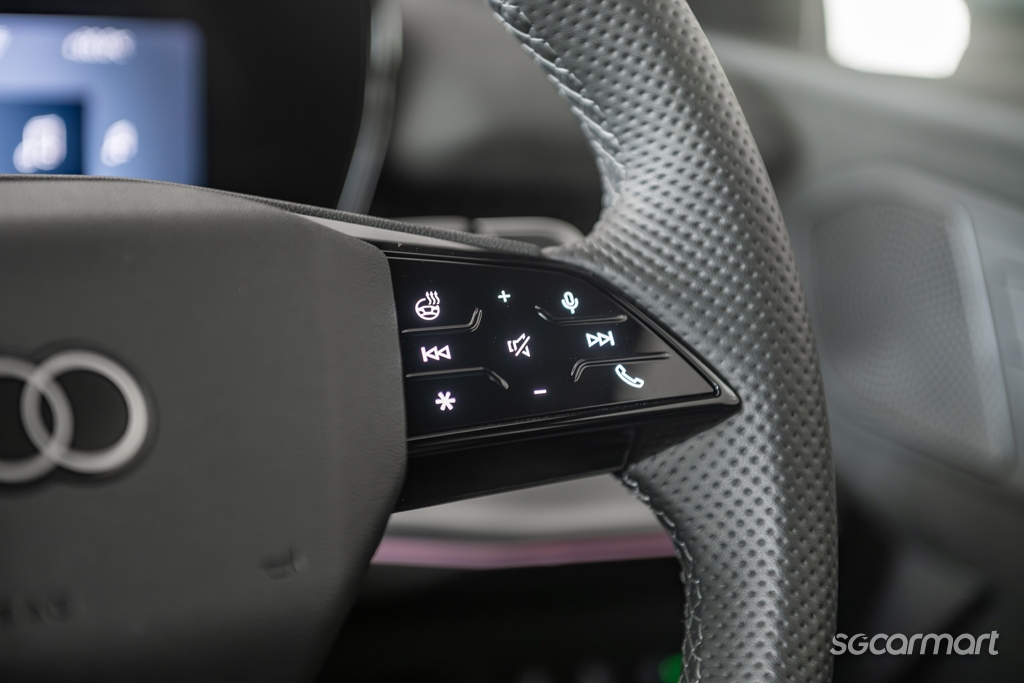
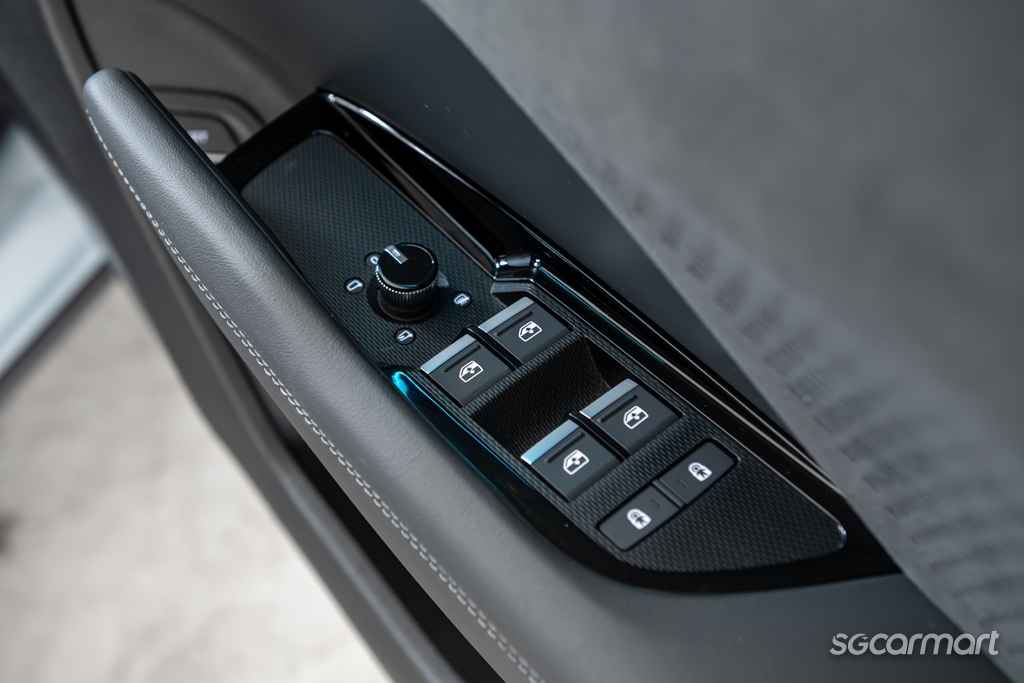
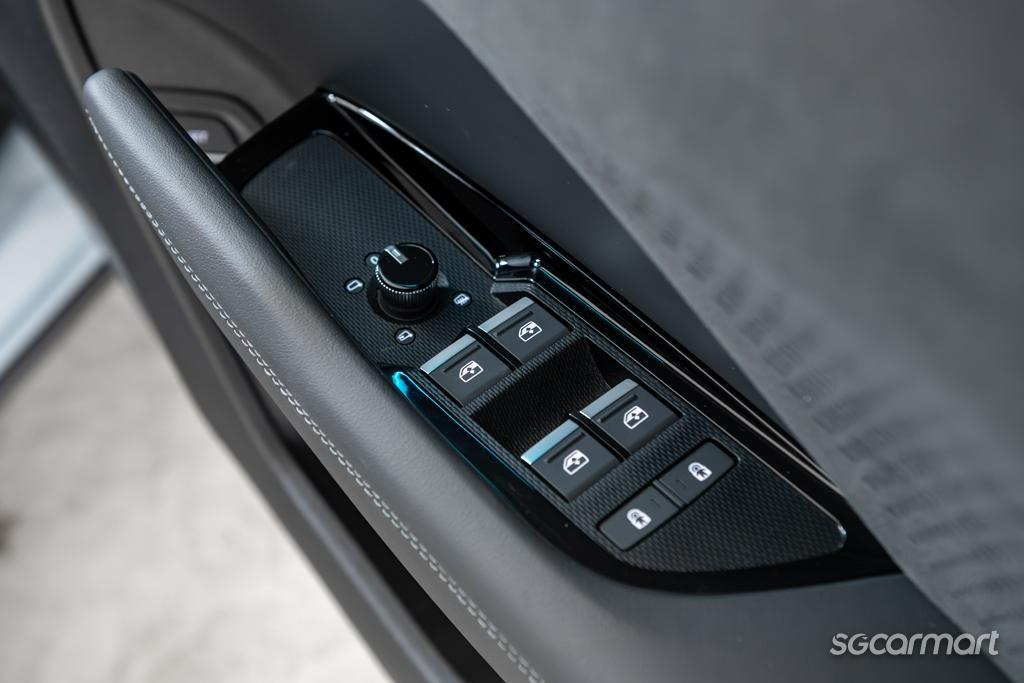
The plasticky buttons on the steering wheel aren't great either, but at least you get a proper physical knob for adjusting the wing mirrors
But then you glance below and find that the cruise control is still on an actual stalk! One wonders: Would it have been so bad to keep the previous control scheme? Is this really what younger drivers want?
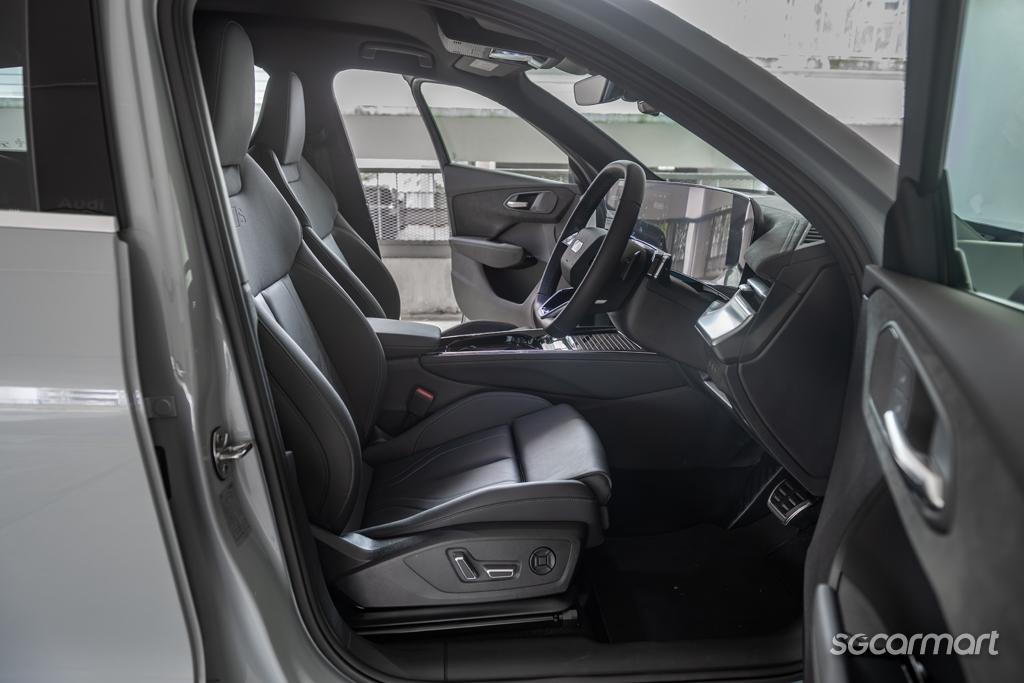
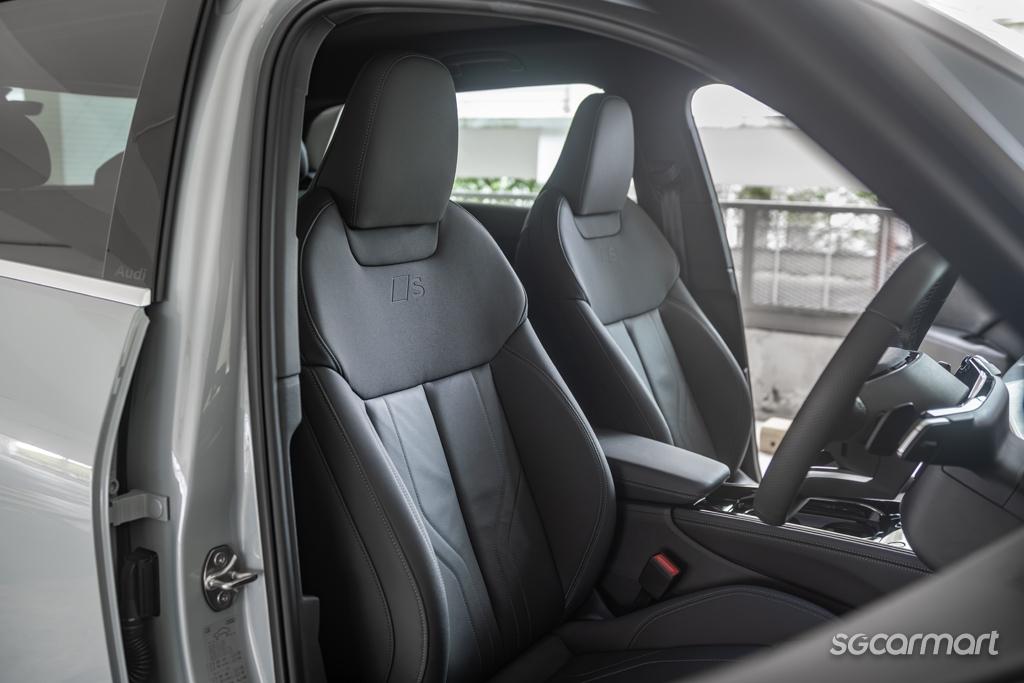
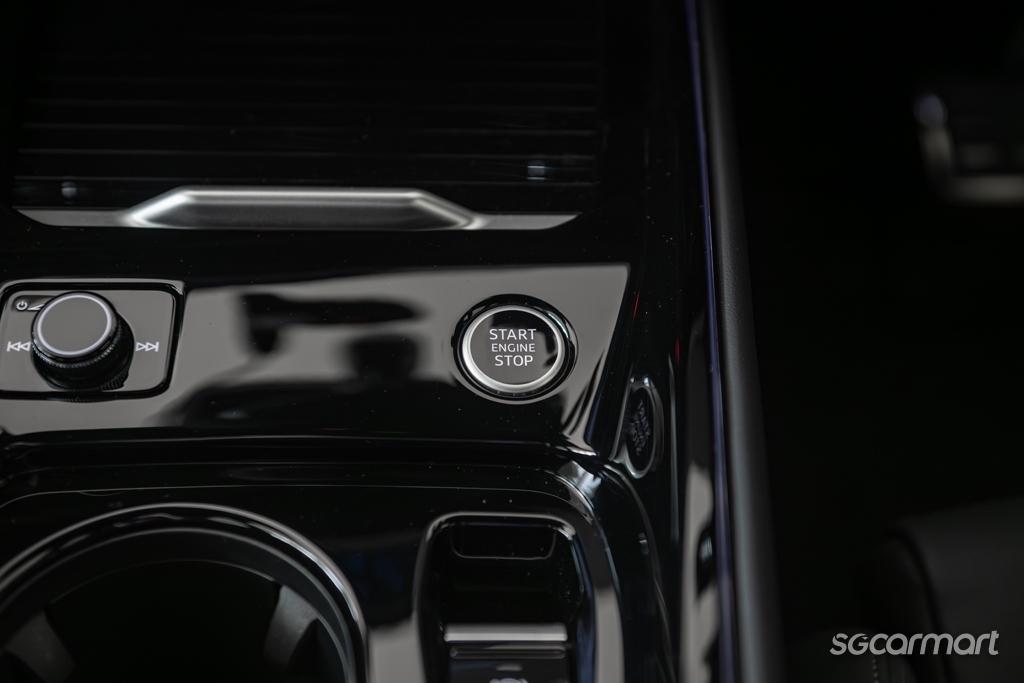
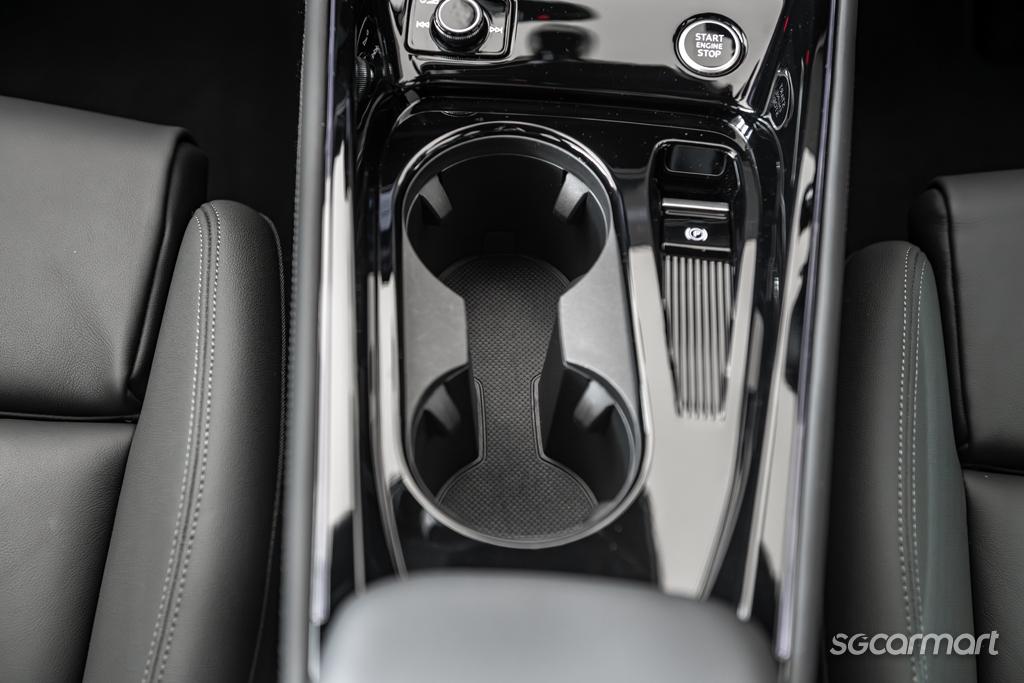
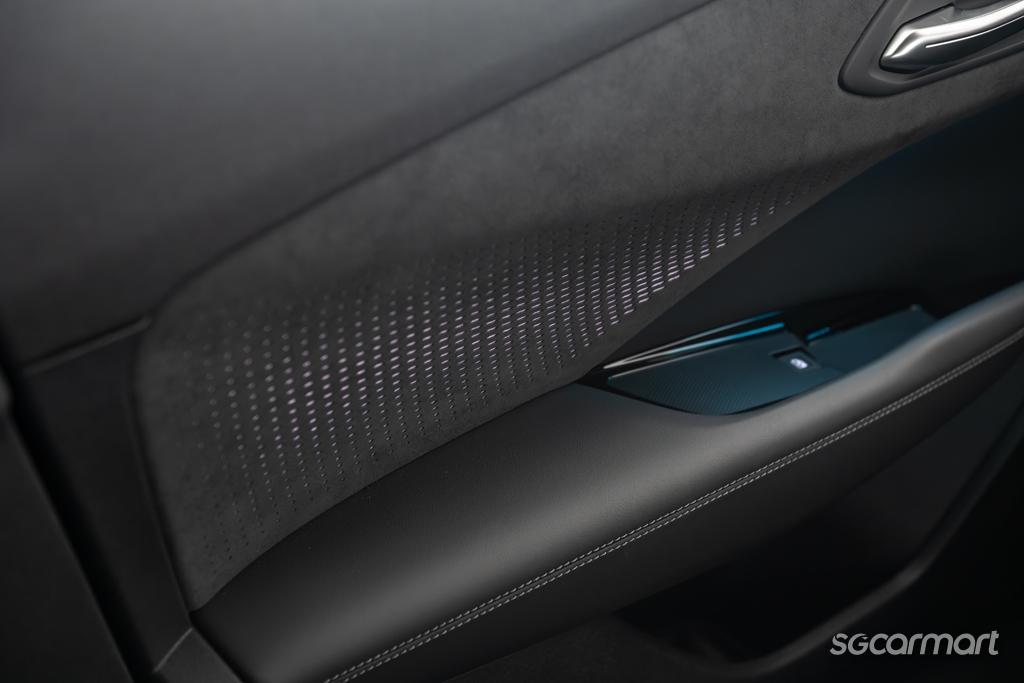
To be fair, the cabin still feels well-made and deserving of the Audi badge. The doors sound and feel solid when shut and there were no creaks or rattles detected.
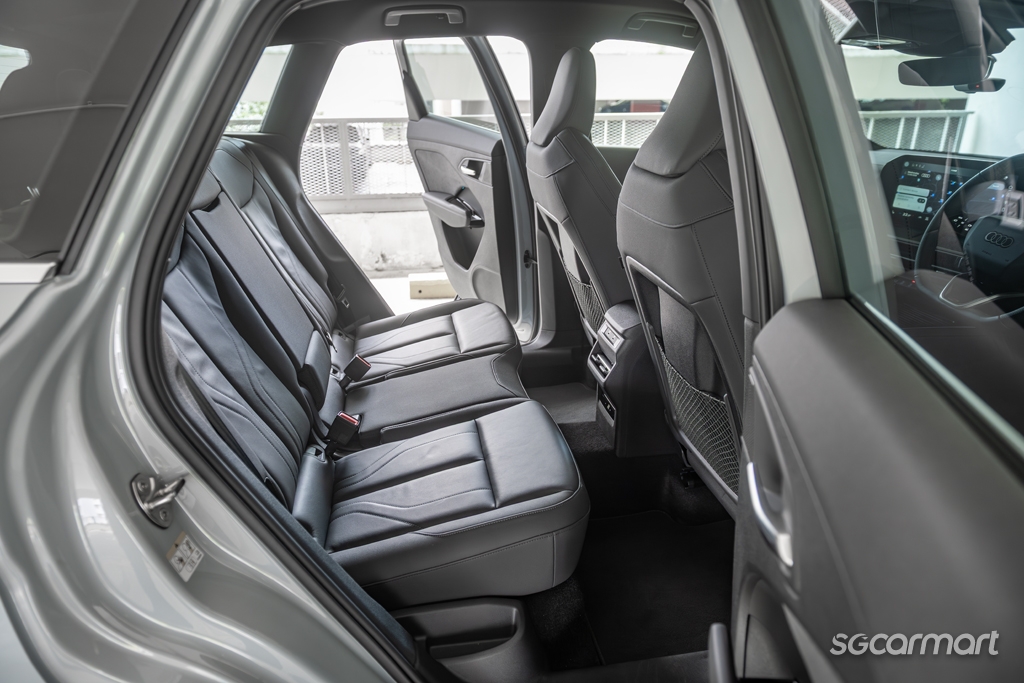
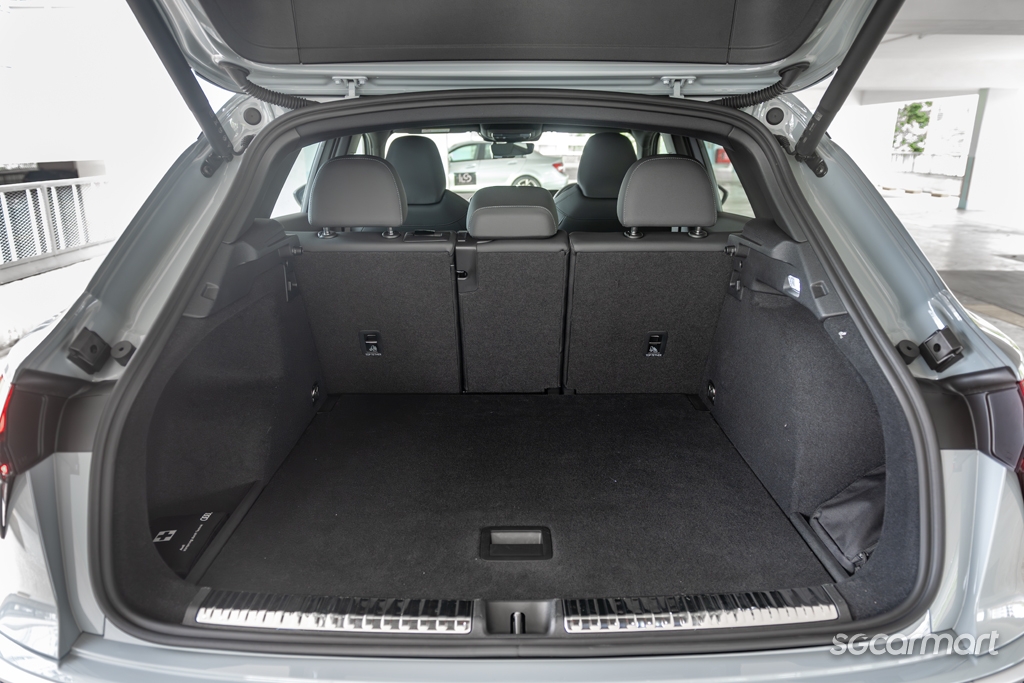
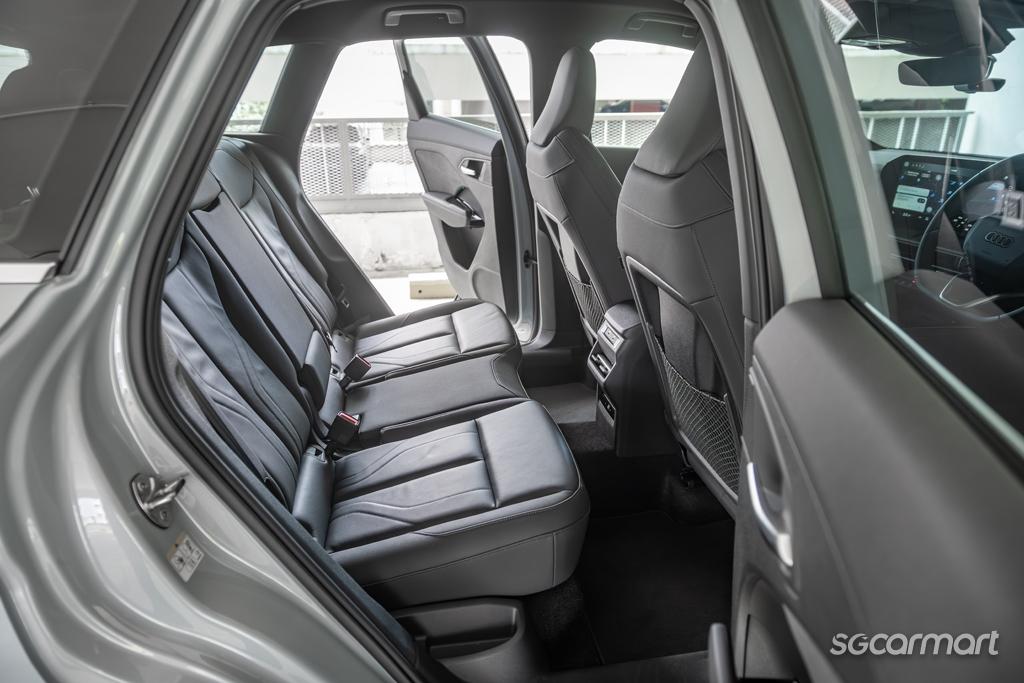
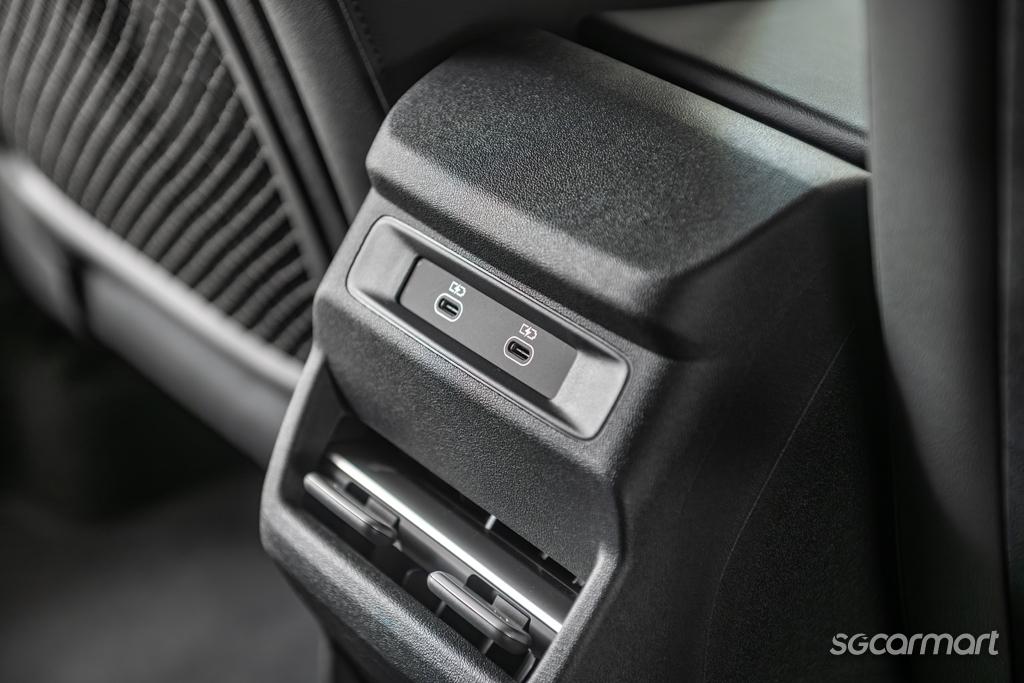
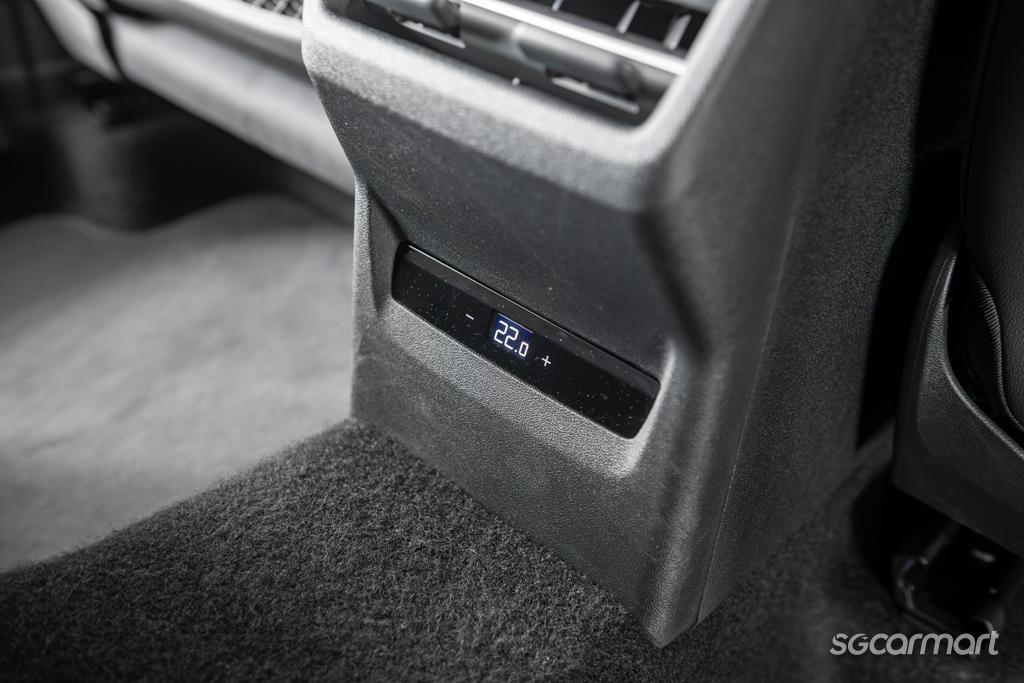
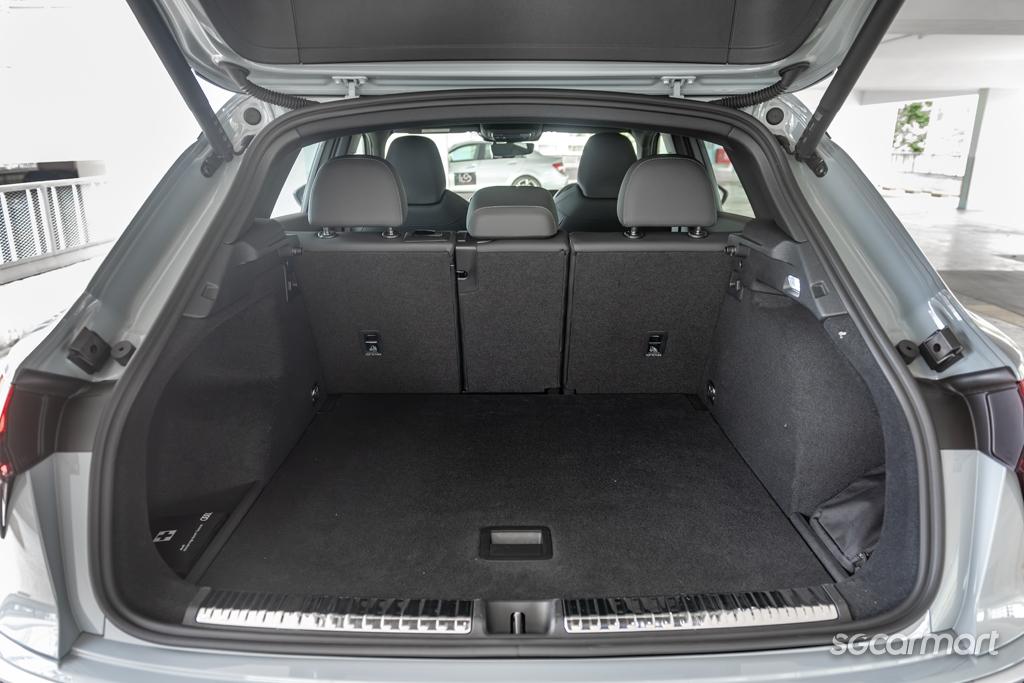
Backseat occupants get their own climate zone and a pair of USB-C ports, but the smaller boot makes the Q3 less versatile this time around
The backseat offers generous headroom and plenty of foot space beneath the front seats. Legroom is good, while the USB-C ports are now more conveniently located atop the air vents and angled towards occupants. However, due to the high floor protrusion, accommodations remain awkward for the middle passenger, who must sit with a foot on either side of the hump.
Most car models offer improved or even better practicality than previous models, but the opposite has happened here. Overall boot capacity with the rear seats folded is 1,386 litres, whereas the previous Q3 offered 1,525 litres.
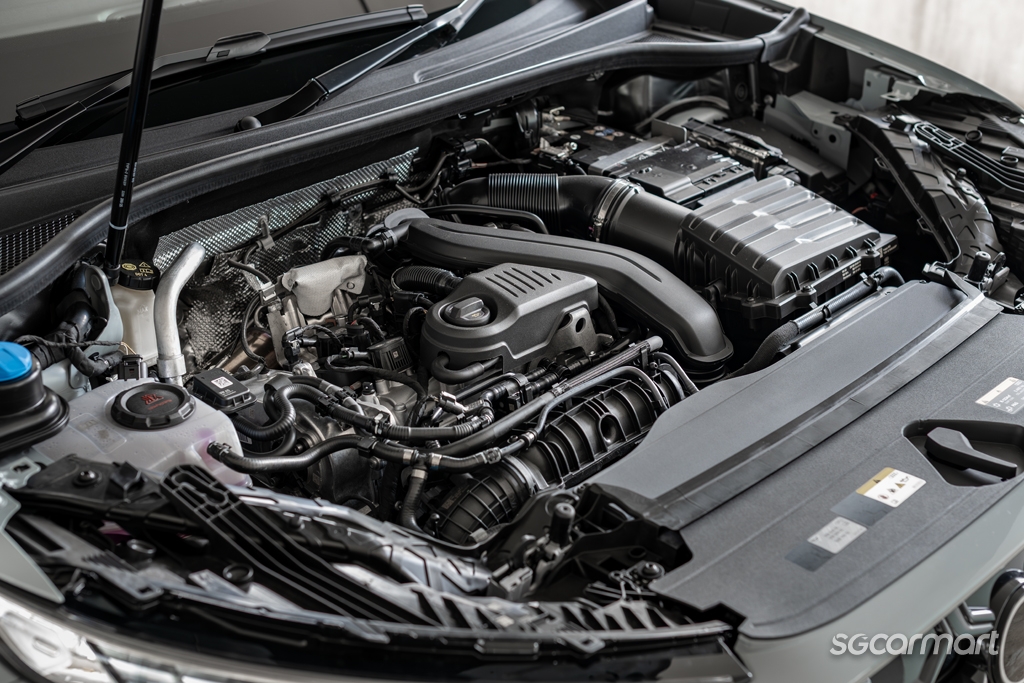
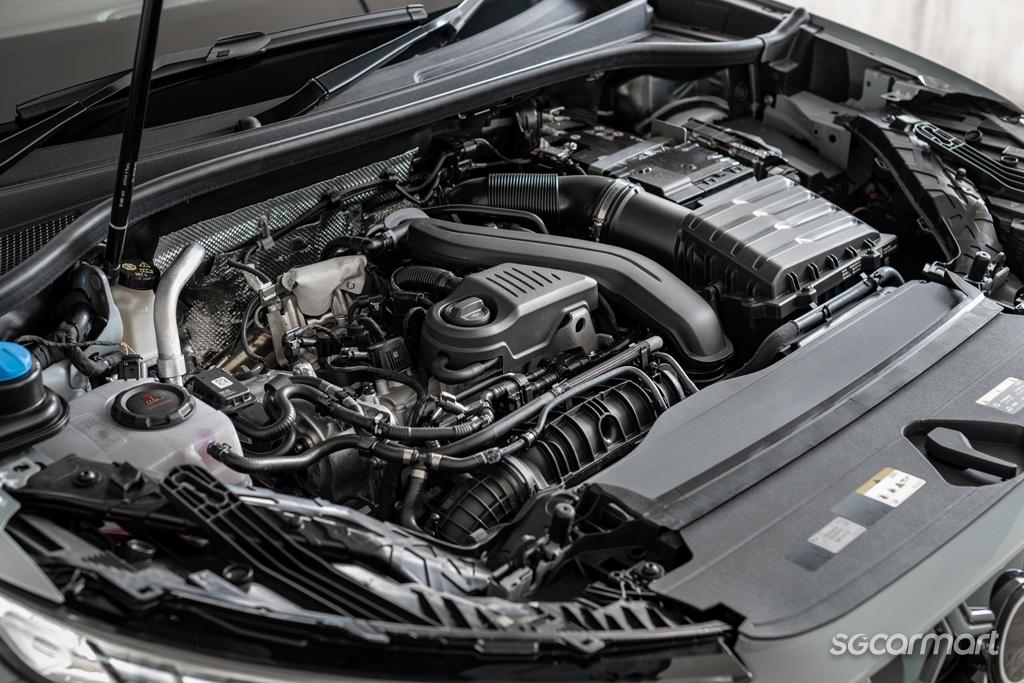
The turbocharged 1.5-litre feels punchy enough, but perhaps due to less sound insulation, it also sounds more workmanlike than before
Gravelly character
Like its predecessor, the latest Q3 is powered by a turbocharged 1.5-litre four-cylinder with a 48-volt mild hybrid system. The outputs remain unchanged, with 148bhp and 250Nm of torque. But the Q3 is peppier this time around, finishing the benchmark century sprint in 9.1 seconds instead of 9.4 seconds.
The powertrain is also claimed to be more efficient than before, with the combined consumption improving from 14.5km/L to 15.2km/L. In congested urban areas, the economy dropped to 12km/L, but on expressway runs, this rose to an impressive 17km/L.
This is fantastic news, but there is a downside. Compared to the previous model, the air-conditioning system keeps varying the fan speed - even after you've manually set it. While acceptable at night when the ambient temperature is cooler, it is maddening during the day, when you're desperately trying to keep the heat at bay. One way to avoid this is to tap 'A/C MAX' - but who wants to drive with the air-con permanently set to maximum?
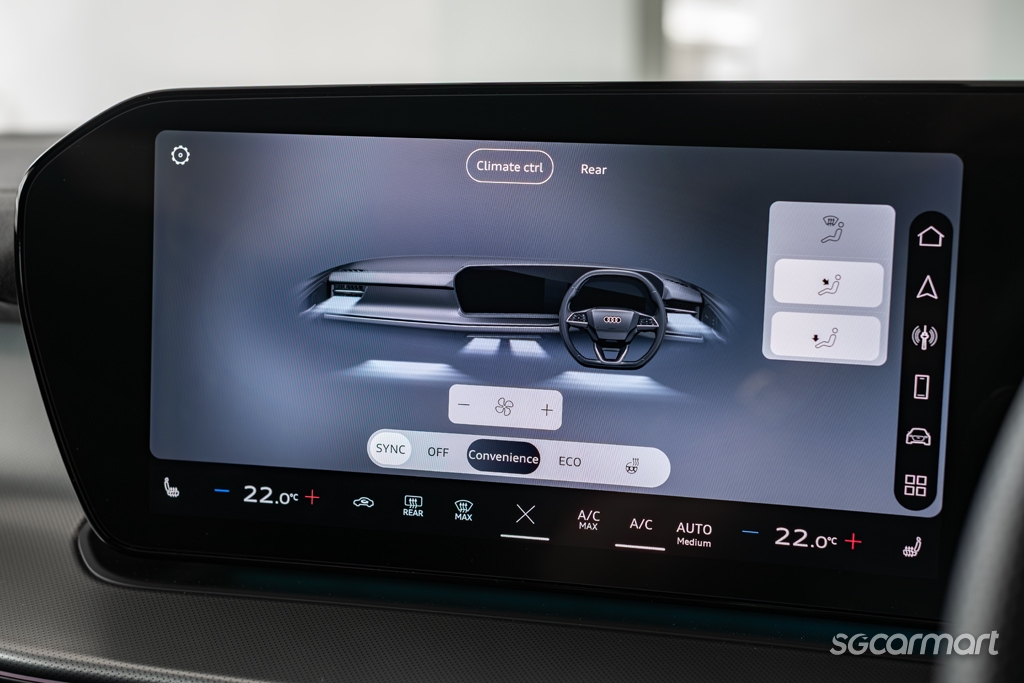
At times, the air-con's fan speed also picks up when you accelerate and slows down when you ease off the pedal
Then there's the Q3's preference to keep 'rolling' and even picking up speed, unless another vehicle in front of the car is detected. When this happens, it feels like there's no engine braking, which means needing to brake more often than you'd expect, such as while traversing estate roads or large carparks.
That said, if you're a keen driver, then the Q3's more agile handling will appeal to you. But if you were expecting a cushy and refined ride, you could be in for a surprise.
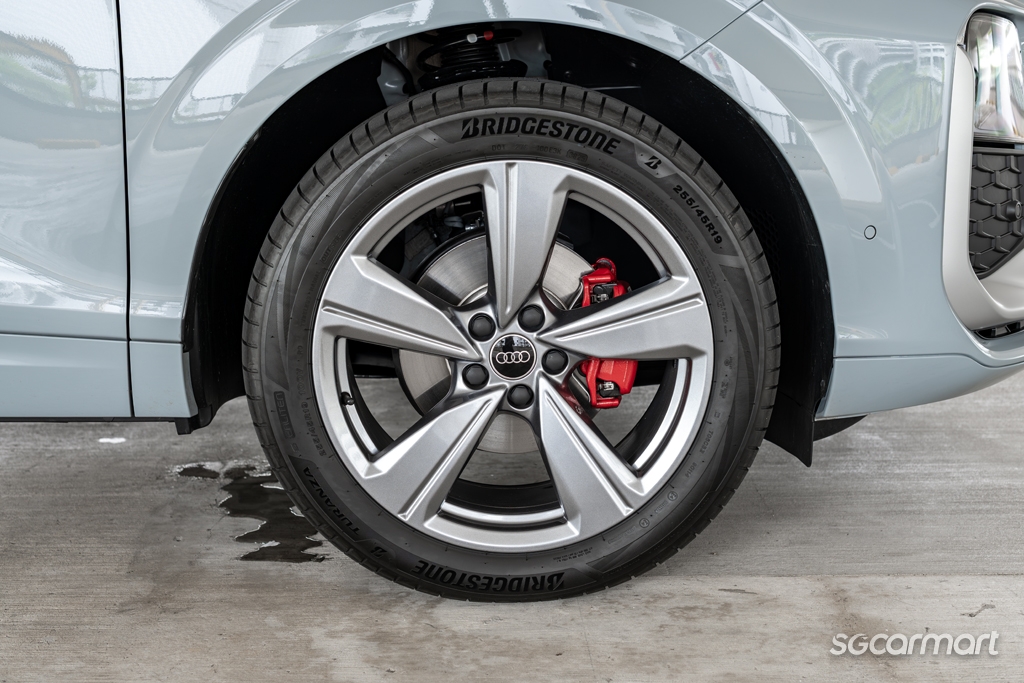
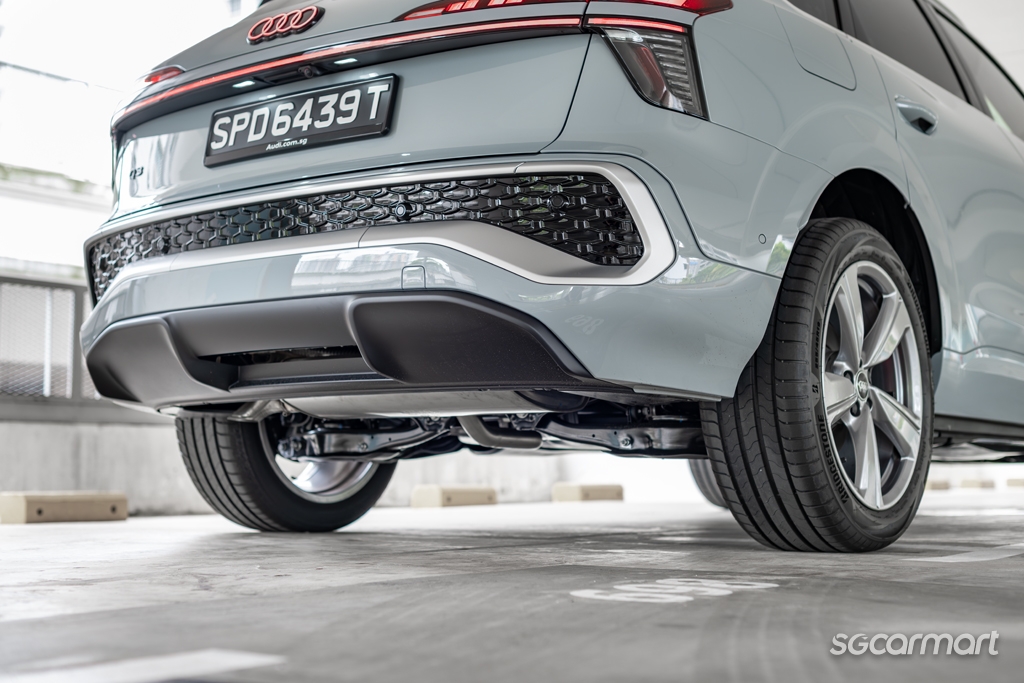
The stiffer-than-expected damping aids handling, but with so many of our streets now pockmarked, a more pliant setup is preferred
The Q3's new two-chamber dampers feature separate control for the compression and rebound stages. They are also designed to quickly and continuously react to both road conditions and driver inputs (acceleration, braking, and steering).
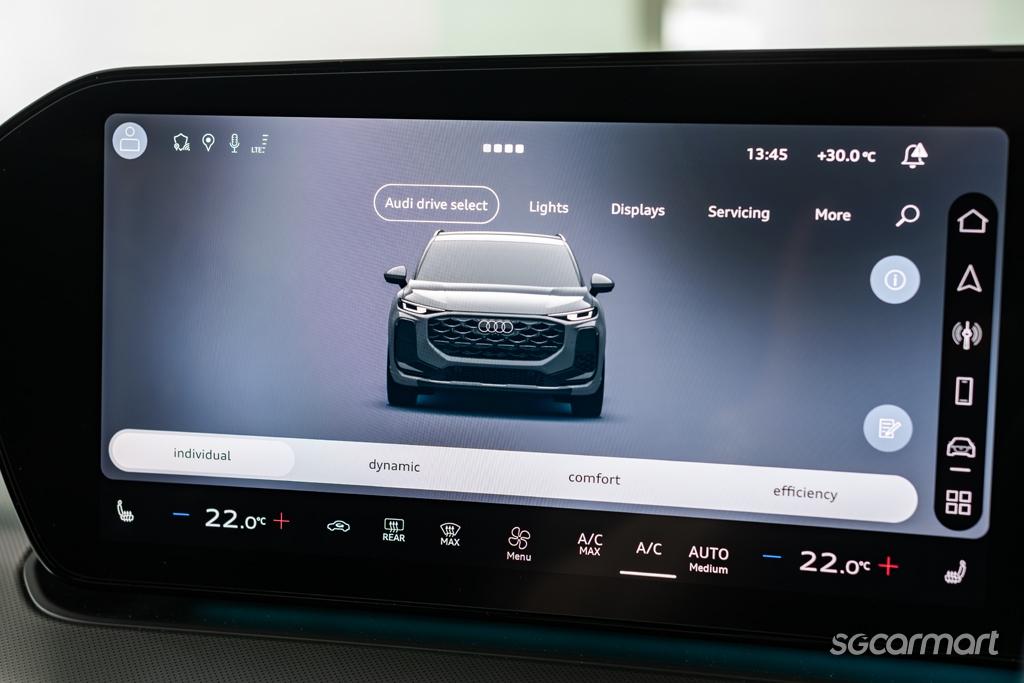
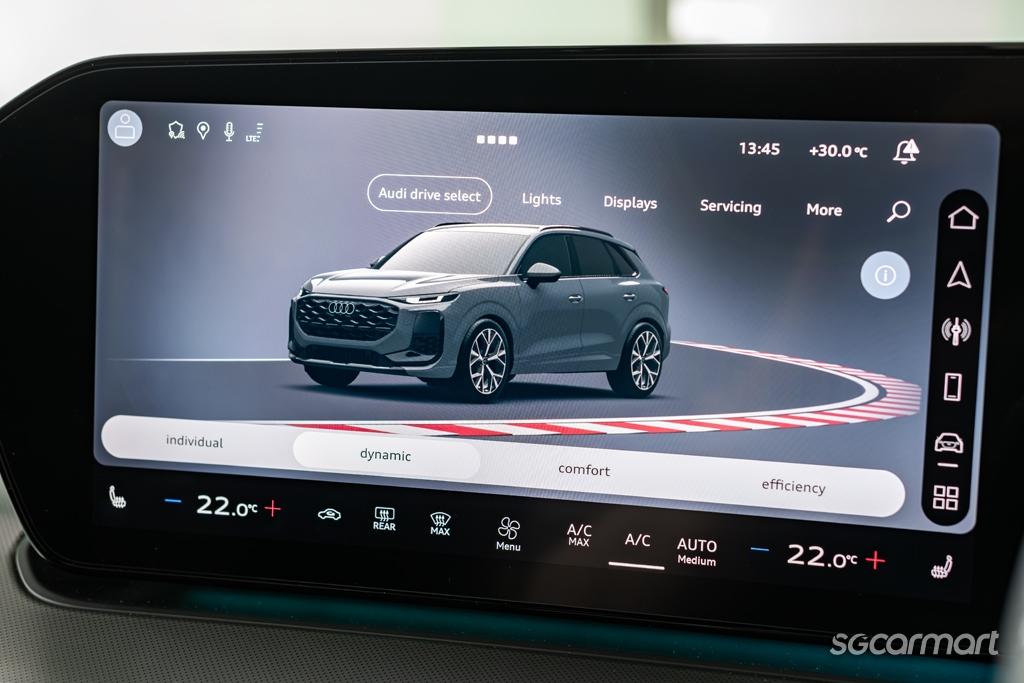
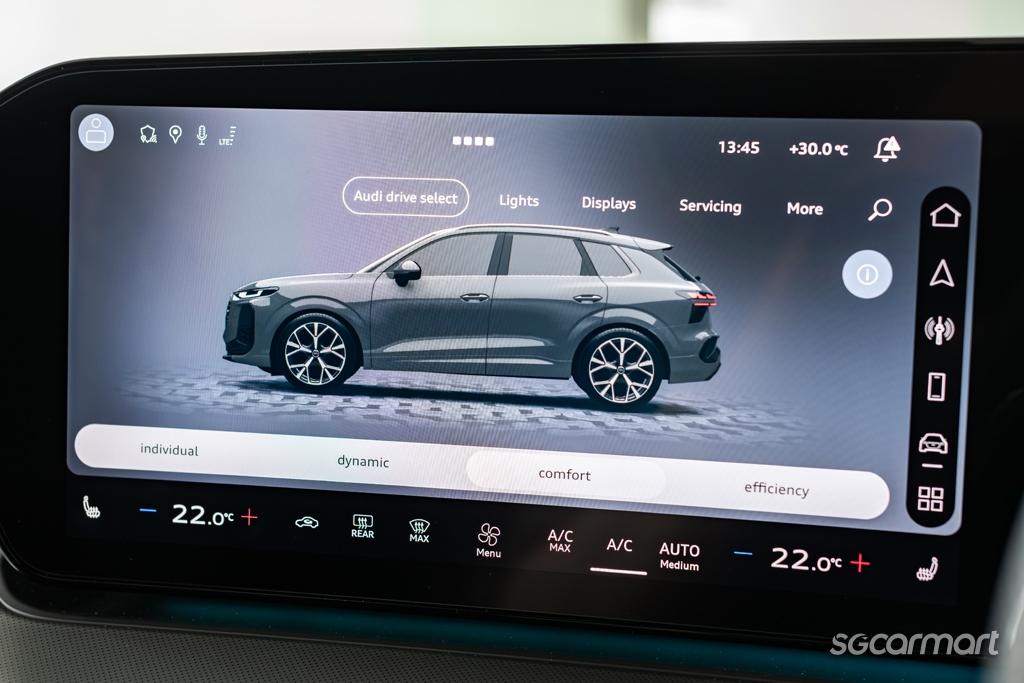
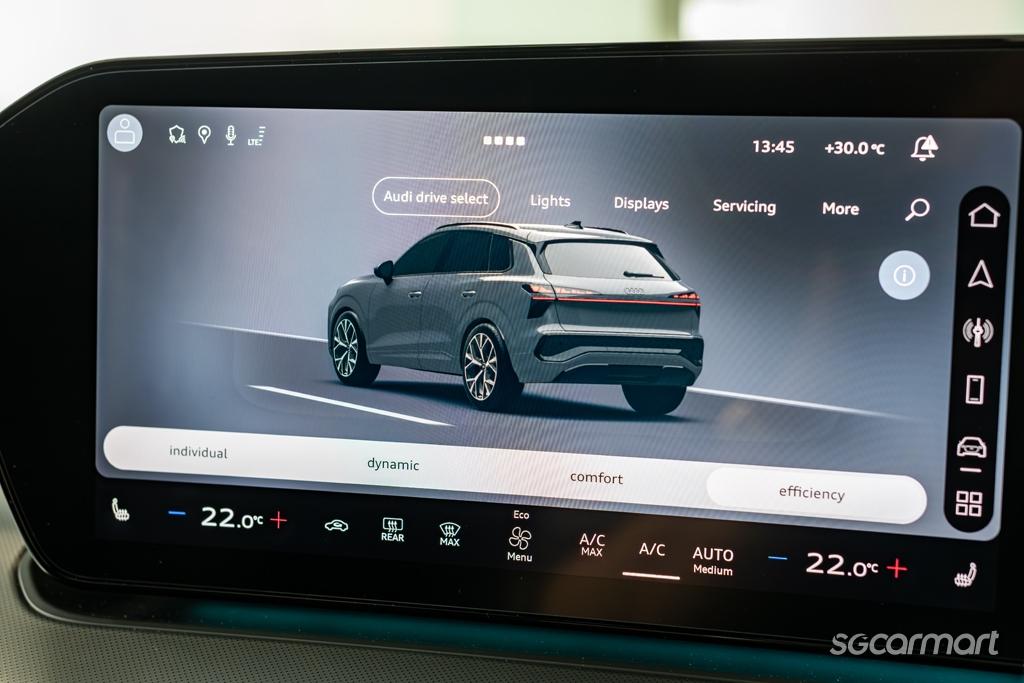
However, the overall feel is firm, rather than pliant, even if 'Comfort' is chosen in the Drive Select menu. On undulating tarmac, the ride is woolly, which would be okay in an RS Q3, but not in a Q3.
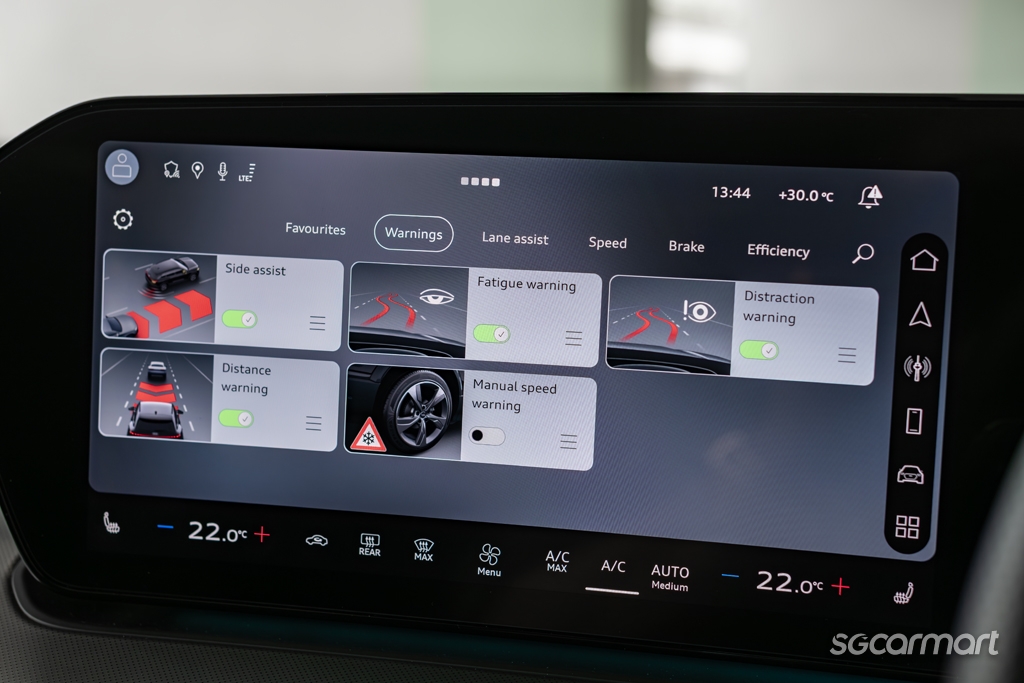
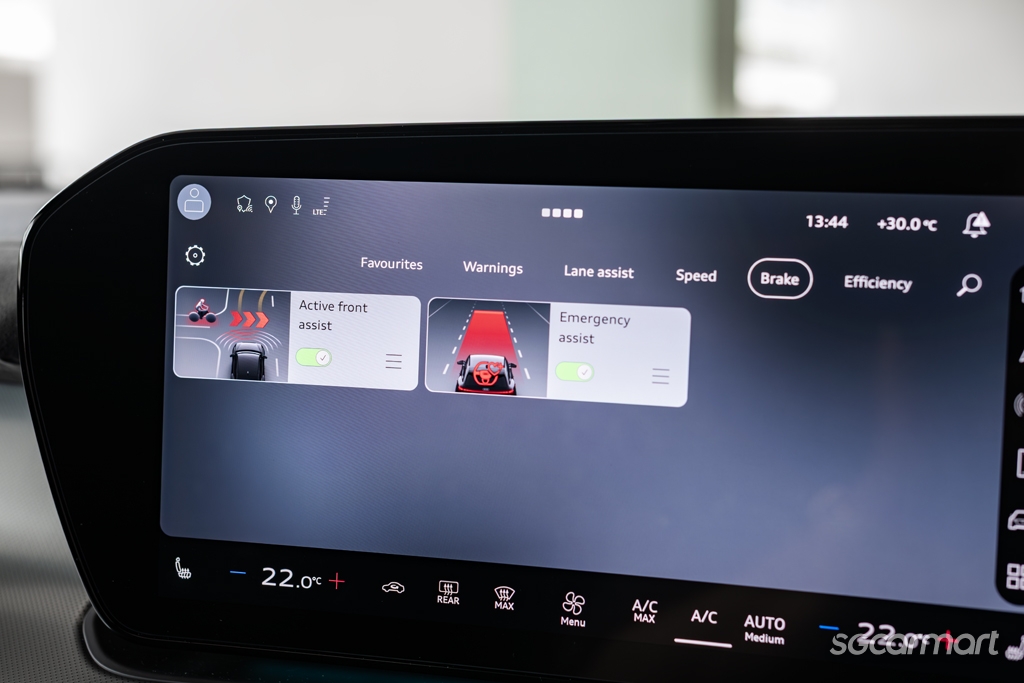
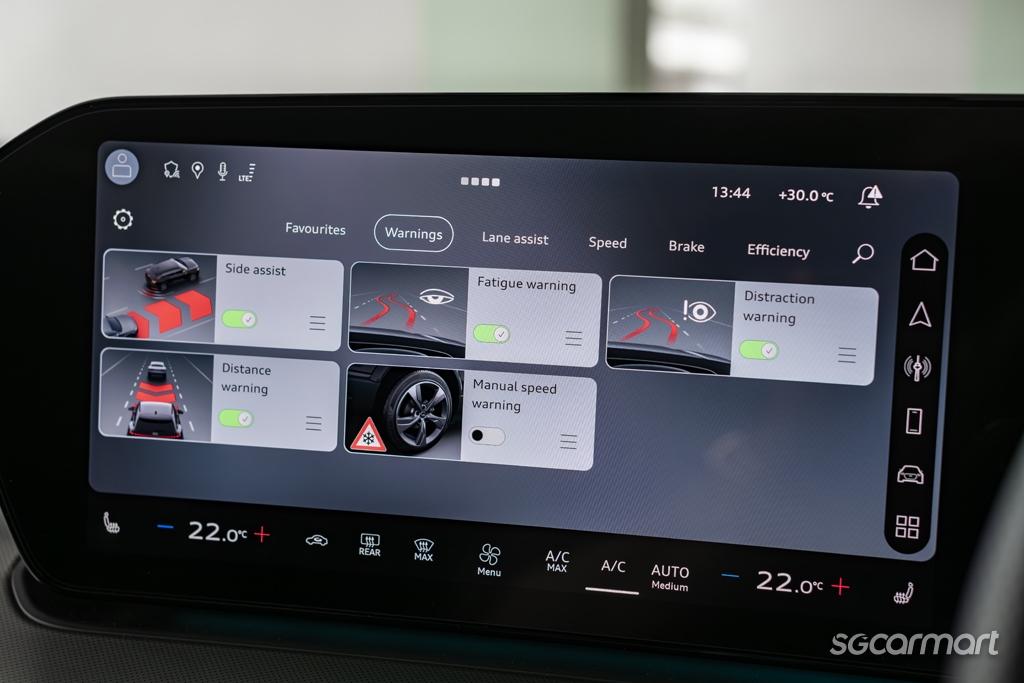
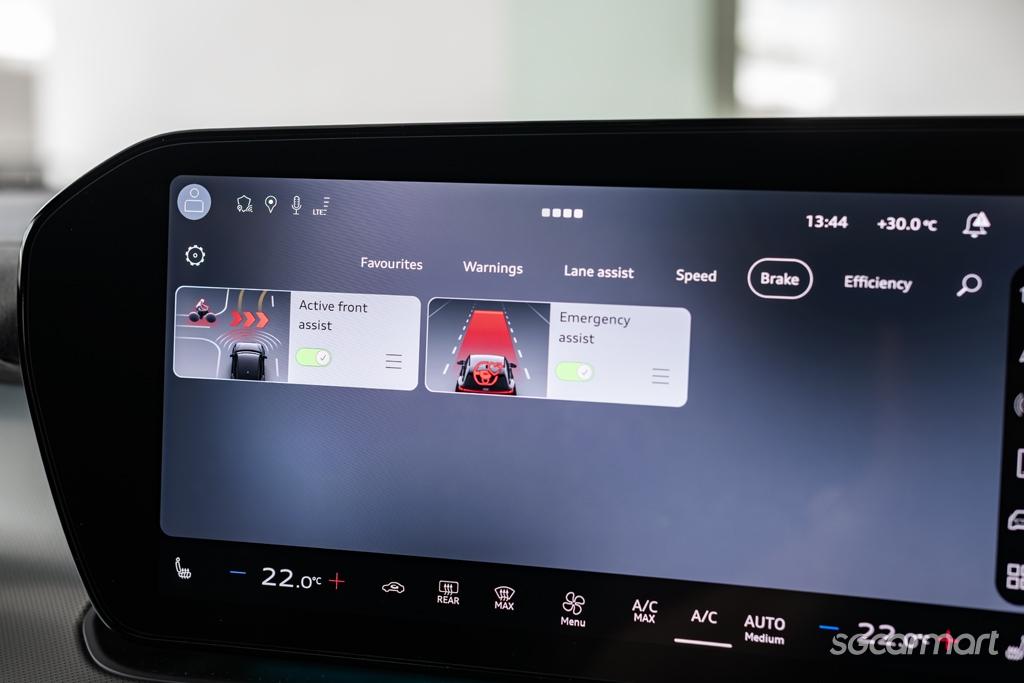
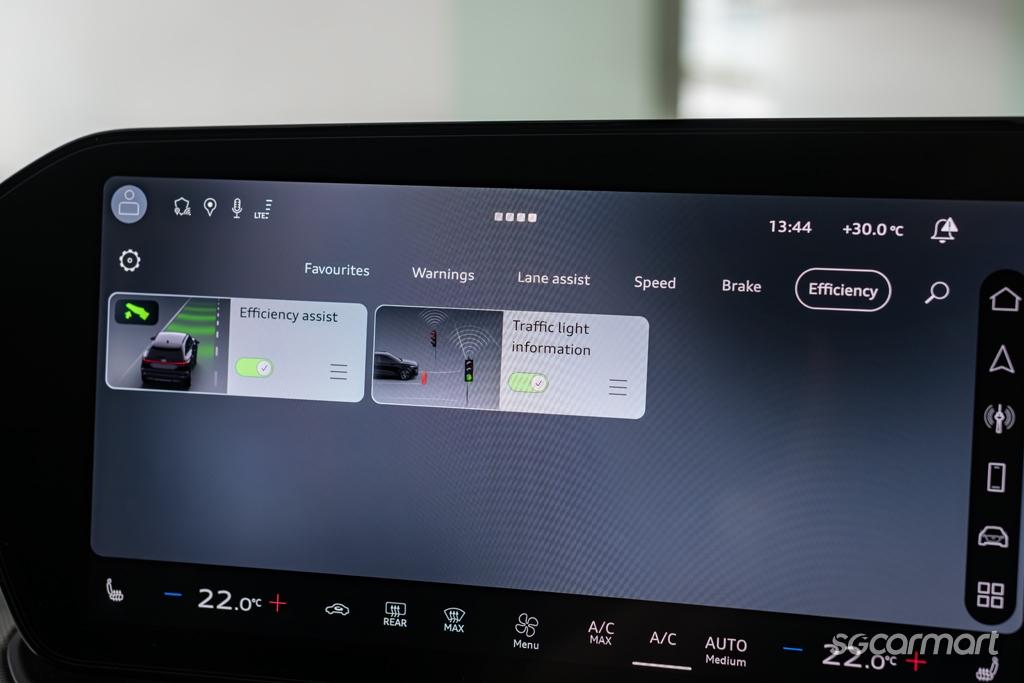
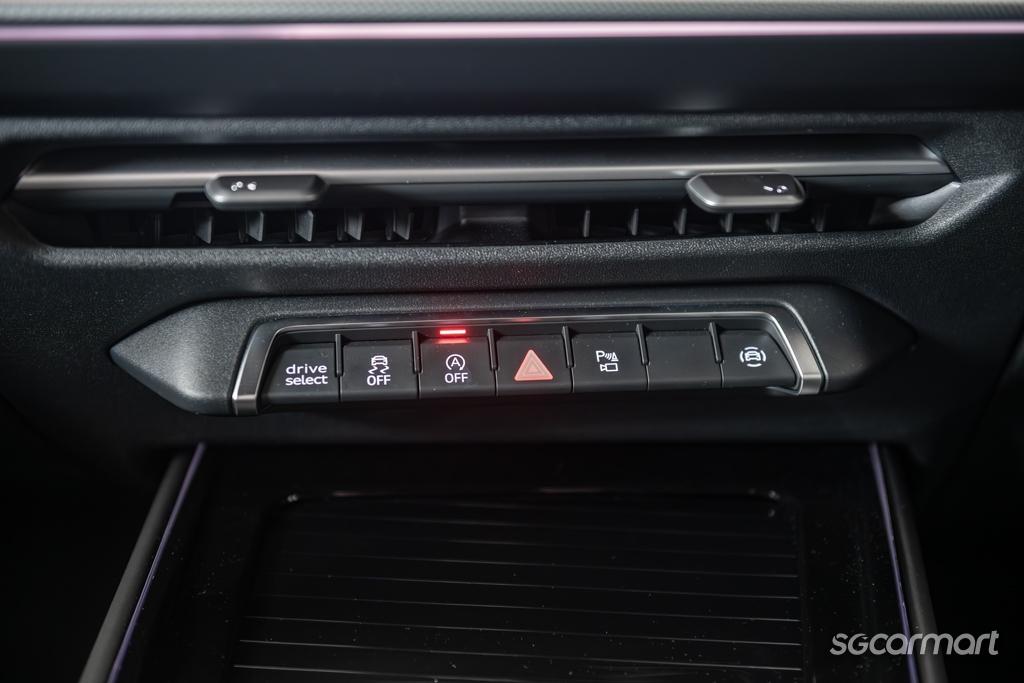
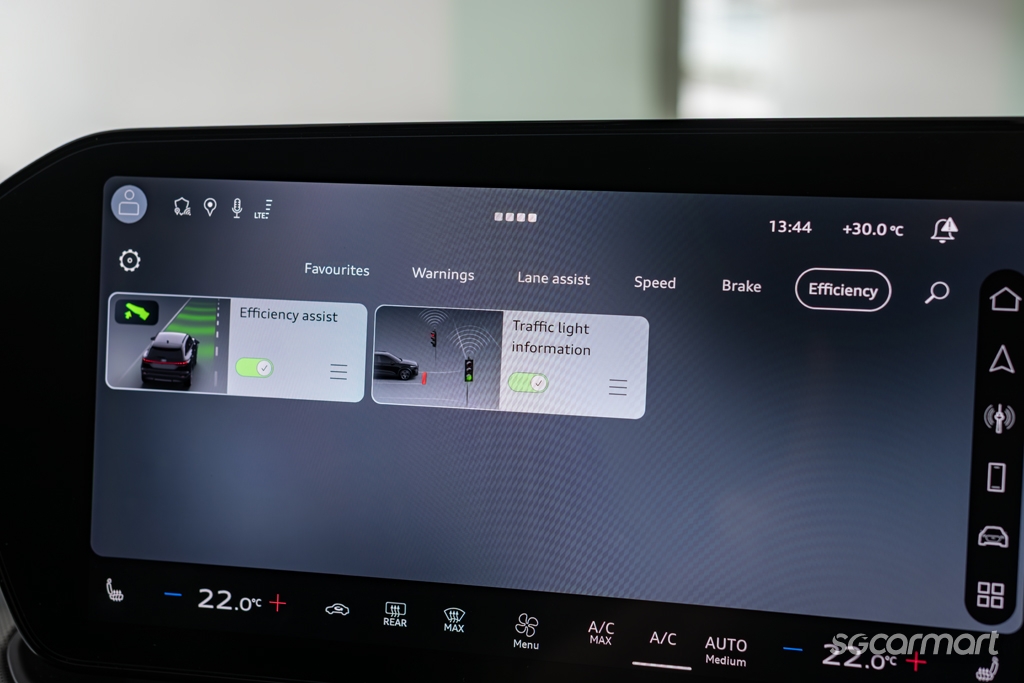
A long list of safety features is standard, and thanks to this presentation, each function is easy to understand, even for first-time owners
Better body control seems to have been the goal here. Go around bends quicker and the car feels more planted, assured and engaging. If the price to be paid is a lumpy ride, so be it.
But here's the thing: Customers who know what they're doing wouldn't buy an SUV because they're seeking a dynamic drive. Most folks who buy a Q3 expect refinement from the four-ringed brand.
A reluctant conclusion
Audi isn't the most popular brand currently, but that doesn't mean it forgot how to build cars. The A5, A6 and A6 e-tron are all wonderful, the Q7 is fantastic despite its age, and the SQ8 Sportback e-tron is still etched in my mind.
The Q3, however, is memorable for the wrong reasons. Its ride is firm, the new control layout isn't to everyone's liking, the air-con autonomously varies the fan speed, and overall boot capacity is lower than before.
It's not a bad car per se, but in this form, it will only attract a certain type of driver. To broaden its appeal, it needs more polish. And, one wonders if more thought could have been put into putting a smile on the driver's face.
These reviews might interest you, too
Though equal in performance, the entry-point Countryman C is more fun than its corporate cousin, the BMW X1
Dressed in a striking shade of orange, the BMW X1 brings colour to the greyest of urban city streets with its distinctive design and easy-to-drive character
What We Like
More prominent styling
Well-built interior
Snappy infotainment
Higher fuel efficiency
Quicker performance
What We Dislike
Woolly ride quality
Air-con tries to outsmart you
'Inconsistent' engine braking
Smaller cargo volume
There is a saying among keen drivers that goes, "If there's anything wrong with a new model, it's because the accountants got involved." This stereotype persists because it's easy to picture a finance division being hell-bent on slashing costs, resulting in a less desirable product with fatter margins.
Did the R&D department want to do more testing? Budget denied. Did the engineers want to use better components? Nope - find cheaper alternatives. The test drivers wanted better performance with slightly higher consumption? No - economise always.
To be clear, the Q3 is not a bad car. But it needs to feel more refined, and more importantly, that plenty of thought was put into putting a smile on the driver's face.
The new Q3 is no shrinking violet and the current styling loudly broadcasts its road presence
Growing braver
The previous Q3 was no wallflower, but compared to the latest model, it seems innocuous. Gone is the restrained styling - everything about the Q3 is bold. Some may even opine that it is brash.
Both the grille and the nose are more pronounced, with sharper angles on the bumpers. The daytime running lights and headlamps are now separated, and the former offers a choice of three light signatures. From afar, the crossover looks a lot angrier than before.
There are three daytime running light signatures to choose from, but no such option for the tail-lamps - at least not yet
The taillights have grown slimmer, but the rear end looks even more prominent this time around. Apart from the light band stretching across the width, the four rings are also illuminated - in red, no less. And the bumper has trim inspired by the grille.
For a carmaker whose models have espoused the 'handsome but understated' philosophy, this is a radical departure. But change can be good, especially if it draws more drivers to the brand.
There's nothing wrong with a tidy cockpit, but it needs more physical controls to feel more direct and engaging
Questions abound
The interior, too, has undergone a major alteration, with the cockpit looking much 'quieter'. Like many manufacturers, Audi has digitised many of the physical controls in the cabin.
The dashboard features the panoramic display that integrates the 12.8-inch MMI infotainment system and the 11.9-inch instrument panel. Apart from the lovely high-res graphics, everything loads instantly when the car is started.
The displays are high-res, but when it comes to the instrument 'cluster', this is as much as you're going to get
That said, the downsides to digitalisation soon make themselves obvious. Functions like adjusting the fan speed (which annoyingly defaults to '1' after the car is turned off) and temperature feel more cumbersome because there are no longer physical controls.
Then there is the instrument cluster, which, considering how wide the panoramic display is, is strangely narrow. And the default layout is a rev counter and a digital speed readout. Press 'View' and the other two options are even more minimalist. Nice graphics are utilised for the infotainment, but not here.
These are not stalks but essentially buttons/toggles, and the tactility leaves much to be desired
At this point, I can look past the plasticky buttons on the steering wheel, but the oversimplified instrument panel just doesn't feel like it belongs in an Audi.
Another polarising feature are the new 'stalks', which are not stalks at all. The indicators and gear selector are actually buttons at the ends of the black plastic components on the steering column that feel toy-like rather than Audi-like. Strangely, the wipers are now controlled by a small knob. I suppose all this will become intuitive over time.
The plasticky buttons on the steering wheel aren't great either, but at least you get a proper physical knob for adjusting the wing mirrors
But then you glance below and find that the cruise control is still on an actual stalk! One wonders: Would it have been so bad to keep the previous control scheme? Is this really what younger drivers want?
To be fair, the cabin still feels well-made and deserving of the Audi badge. The doors sound and feel solid when shut and there were no creaks or rattles detected.
Backseat occupants get their own climate zone and a pair of USB-C ports, but the smaller boot makes the Q3 less versatile this time around
The backseat offers generous headroom and plenty of foot space beneath the front seats. Legroom is good, while the USB-C ports are now more conveniently located atop the air vents and angled towards occupants. However, due to the high floor protrusion, accommodations remain awkward for the middle passenger, who must sit with a foot on either side of the hump.
Most car models offer improved or even better practicality than previous models, but the opposite has happened here. Overall boot capacity with the rear seats folded is 1,386 litres, whereas the previous Q3 offered 1,525 litres.
The turbocharged 1.5-litre feels punchy enough, but perhaps due to less sound insulation, it also sounds more workmanlike than before
Gravelly character
Like its predecessor, the latest Q3 is powered by a turbocharged 1.5-litre four-cylinder with a 48-volt mild hybrid system. The outputs remain unchanged, with 148bhp and 250Nm of torque. But the Q3 is peppier this time around, finishing the benchmark century sprint in 9.1 seconds instead of 9.4 seconds.
The powertrain is also claimed to be more efficient than before, with the combined consumption improving from 14.5km/L to 15.2km/L. In congested urban areas, the economy dropped to 12km/L, but on expressway runs, this rose to an impressive 17km/L.
This is fantastic news, but there is a downside. Compared to the previous model, the air-conditioning system keeps varying the fan speed - even after you've manually set it. While acceptable at night when the ambient temperature is cooler, it is maddening during the day, when you're desperately trying to keep the heat at bay. One way to avoid this is to tap 'A/C MAX' - but who wants to drive with the air-con permanently set to maximum?
At times, the air-con's fan speed also picks up when you accelerate and slows down when you ease off the pedal
Then there's the Q3's preference to keep 'rolling' and even picking up speed, unless another vehicle in front of the car is detected. When this happens, it feels like there's no engine braking, which means needing to brake more often than you'd expect, such as while traversing estate roads or large carparks.
That said, if you're a keen driver, then the Q3's more agile handling will appeal to you. But if you were expecting a cushy and refined ride, you could be in for a surprise.
The stiffer-than-expected damping aids handling, but with so many of our streets now pockmarked, a more pliant setup is preferred
The Q3's new two-chamber dampers feature separate control for the compression and rebound stages. They are also designed to quickly and continuously react to both road conditions and driver inputs (acceleration, braking, and steering).
However, the overall feel is firm, rather than pliant, even if 'Comfort' is chosen in the Drive Select menu. On undulating tarmac, the ride is woolly, which would be okay in an RS Q3, but not in a Q3.
A long list of safety features is standard, and thanks to this presentation, each function is easy to understand, even for first-time owners
Better body control seems to have been the goal here. Go around bends quicker and the car feels more planted, assured and engaging. If the price to be paid is a lumpy ride, so be it.
But here's the thing: Customers who know what they're doing wouldn't buy an SUV because they're seeking a dynamic drive. Most folks who buy a Q3 expect refinement from the four-ringed brand.
A reluctant conclusion
Audi isn't the most popular brand currently, but that doesn't mean it forgot how to build cars. The A5, A6 and A6 e-tron are all wonderful, the Q7 is fantastic despite its age, and the SQ8 Sportback e-tron is still etched in my mind.
The Q3, however, is memorable for the wrong reasons. Its ride is firm, the new control layout isn't to everyone's liking, the air-con autonomously varies the fan speed, and overall boot capacity is lower than before.
It's not a bad car per se, but in this form, it will only attract a certain type of driver. To broaden its appeal, it needs more polish. And, one wonders if more thought could have been put into putting a smile on the driver's face.
These reviews might interest you, too
Though equal in performance, the entry-point Countryman C is more fun than its corporate cousin, the BMW X1
Dressed in a striking shade of orange, the BMW X1 brings colour to the greyest of urban city streets with its distinctive design and easy-to-drive character



Car Information
Audi Q3 Mild Hybrid 1.5 Edition 1 TFSI S tronic (A)
$299,999
CAT B|Petrol-Electric|15.2km/L
Horsepower
110kW (148 bhp)
Torque
250 Nm
Acceleration
9.1sec (0-100km /hr)
Promotion
Q3 SUV now from $249,999!
Read more
Thank You For Your Subscription.



Tags
Products & Services

For Owners
Quick Links
About Sgcarmart