14 ves rebate articles
 Features
Every car in Singapore that currently has a $0 ARF
 Features
PARF rebates cut by 45%: Six quick takeaways and thoughts
 Features
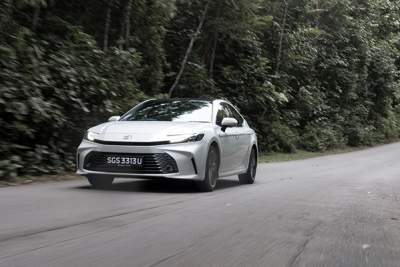
EEAI extension and VES adjustment: Analysing the impact
 LTA News
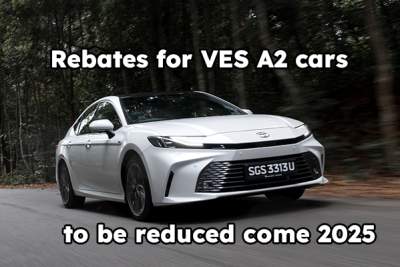
Rebate for VES A2 cars to be lowered come 2025
 Volkswagen News
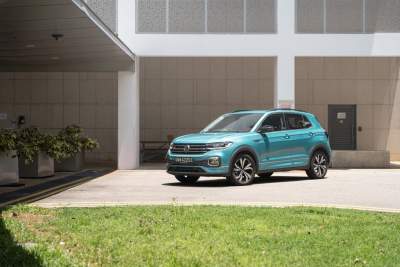
Volkswagen T-Cross now reclassified as VES Band A2
 LTA News
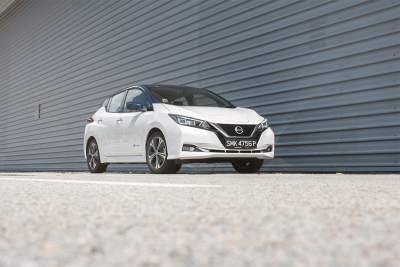
Enhanced VES scheme extended till end-2025, pollutant thresholds tightened from 2024
 Features
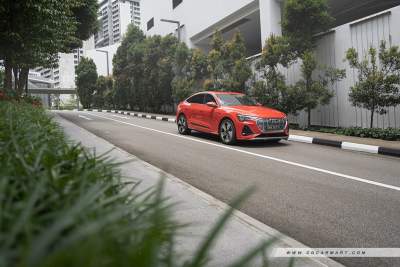
Singapore needs a bolder approach to EVs that goes beyond simply offering tax incentives to match ICE cars
 Features
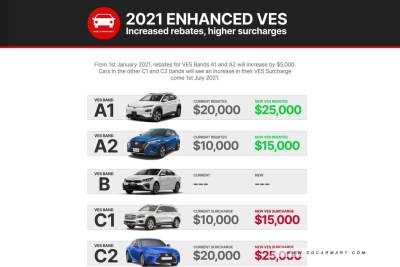
Look out for increased VES subsidies from next year
 LTA News
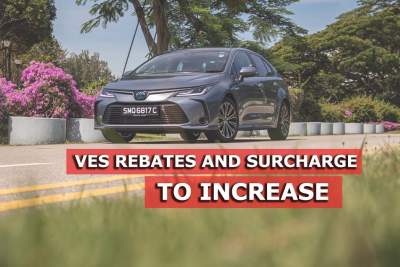
Increased rebates and surcharges under VES from 2021
 Features
Here's why the BYD T3 electric van is a brilliant proposition for your company
 Car Buying Advice
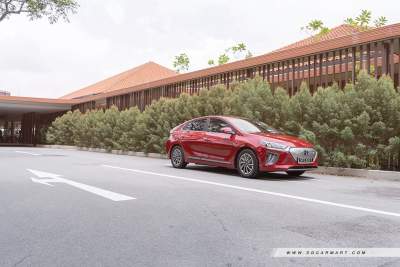
Electric car rebates - Tax incentives to boost ownership
 Other News
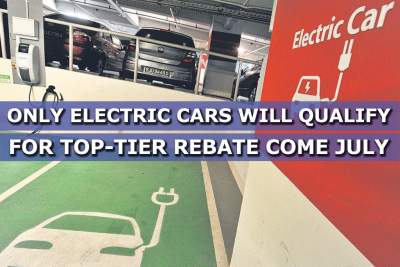
Only electric cars will qualify for $20,000 tax rebate from July
 LTA News
Dollars and sense of the new Vehicular Emissions Scheme
 LTA News
Far fewer cars will qualify for rebates in new emissions scheme