PARF rebates cut by 45%: Six quick takeaways and thoughts
14 Feb 2026|29,345 views
Are the golden days of dreaming about owning a car in Singapore truly behind us?
The enduring pressure of six-figure COE premiums notwithstanding, this week's industry-changing announcement - revealed as part of Singapore's 2026 Budget - now threatens to make financing a car more arduous still.
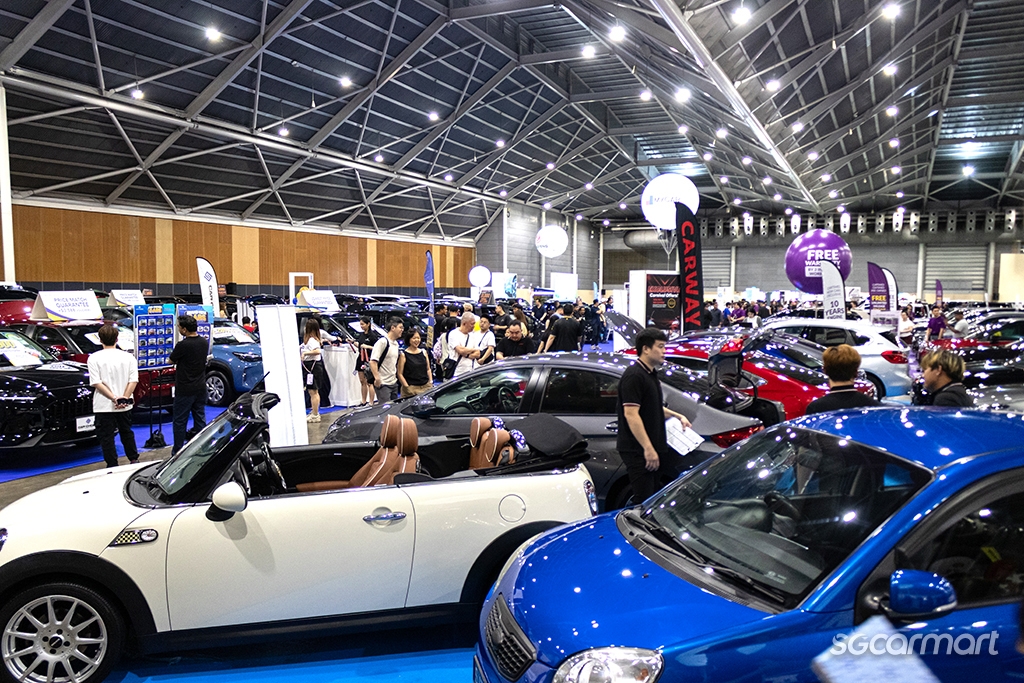
Moving forward, Preferential Additional Registration Fee (PARF) rebates are set to be slashed by 45 percentage points across all age groups for PARF-eligible cars. Rebates will also be capped at just $30,000 now, from $60,000 previously.
According to the authorities, the move comes as EVs, which are less pollutive (they don't have tailpipe emissions regardless of age), continue to gain traction in Singapore, thus reducing the need to incentivise owners to de-register their cars early.
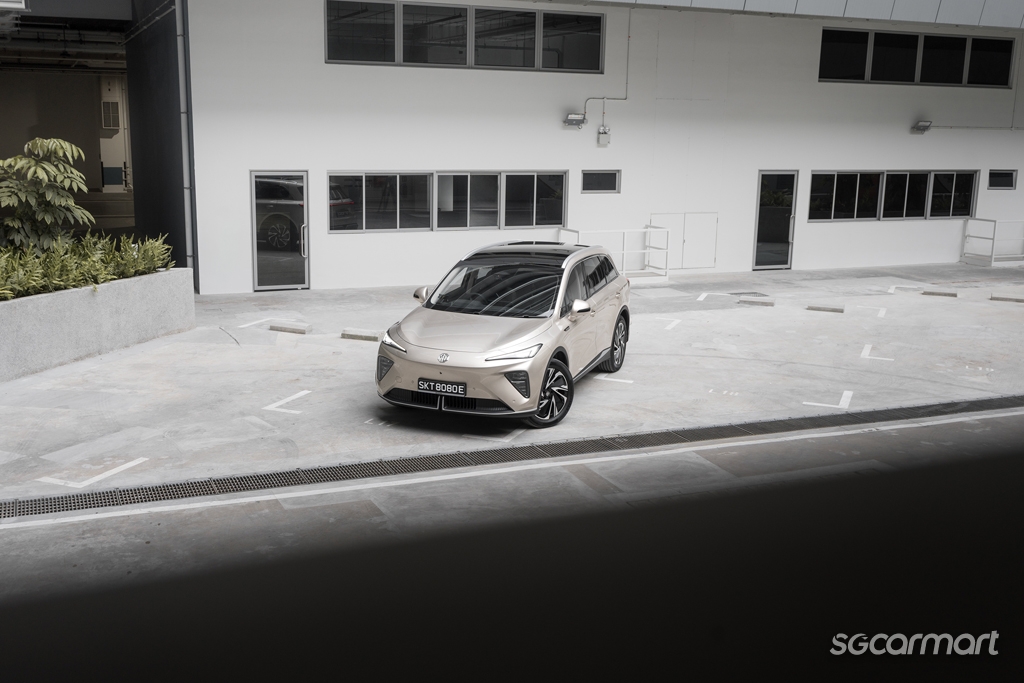
The move apparently comes as EVs continue to gain ground in Singapore, thus reducing the need for the authorities to incentivise owners to de-register their cars early
While it isn't unprecedented for the annual Budget speech to bring with it bombshell changes to the local car market, previous amendments have largely targeted the ultra-luxury end of the market. Yesterday's revelation, however, feels like the most far-reaching one in a while; it's set to impact a far wider range of models.
A quick note before we proceed: In case you already own a car still in its first COE cycle, fret not.
The revised PARF rebate structure will only affect new vehicles registered after the Budget announcement. This is already in effect for taxis, but will only apply for cars that are registered from the 2nd COE bidding round in February.
1. Higher cost of car ownership - but heavier penalty for ICE models than EVs
Again, if you've been on the hunt for a new car for a while, there's good reason to be reeling with some shock from yesterday's announcement.
While the revised PARF rebate structure does not alter the prices of cars up front, they do significantly change how much they depreciate year-on-year. With the exception of cars that incur an ARF of $0 (this eventually equates to a $0 PARF rebate too), virtually every model on the market today will be affected.
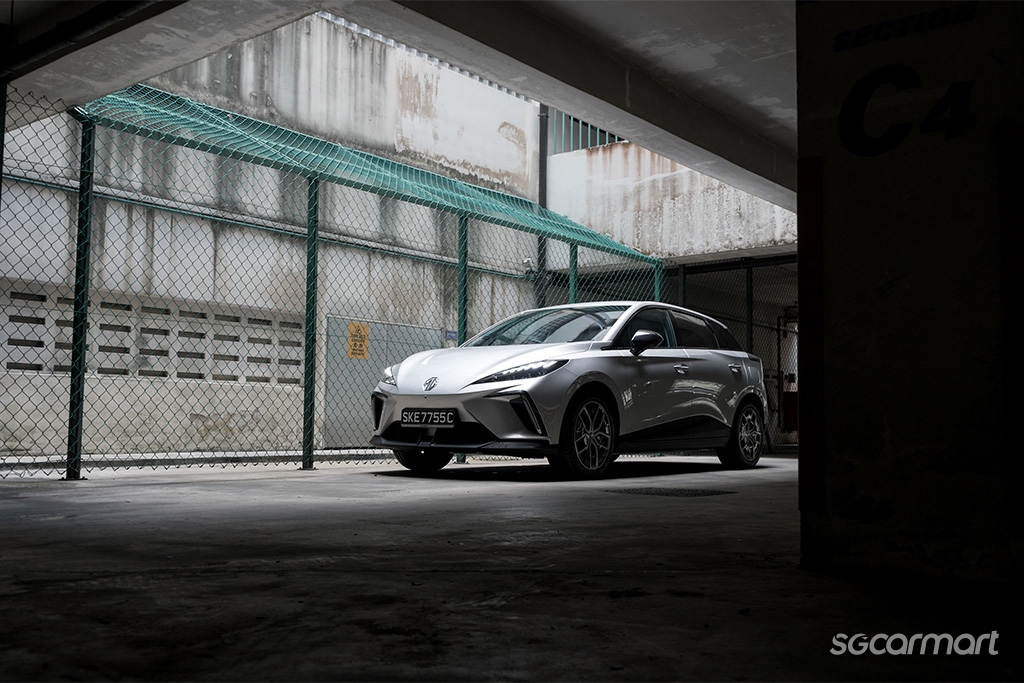
But here's an important distinction to note immediately: The changes are set to impact ICE cars more gravely than they will EVs. That's because many EVs already enjoy upfront rebates on their ARFs.
For starters, the EV Early Adoption Incentive (EEAI) currently already shaves off a guaranteed $7,500. Furthermore, a large number of electric models also qualify for the most favourable A1 banding under the Vehicular Emissions Scheme (VES), which is good for another $22,500 in rebates.
Amounting to a not-inconsequential maximum of $30,000, this potent combination explains how a large electric SUV like the Leapmotor C10 can incur an ARF of just $1,620, despite having a substantial open market value (OMV) of $28,300. In fact, some models with even lower OMVs, such as the MGS5 EV and Dongfeng Box, already do not incur any ARF.
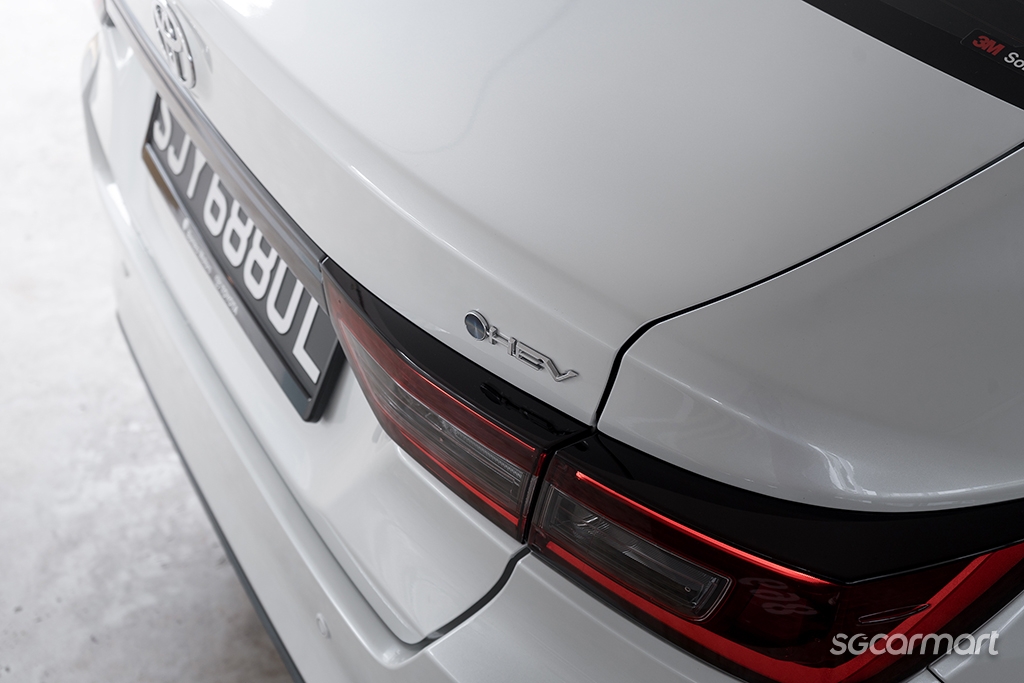
Conversely, however, most new ICE cars on sale in 2026 - including full hybrids - do not enjoy rebates in any form.
Interestingly, under the previous scheme with its 50% PARF rebate floor, this 'disadvantage' actually worked in favour of such models, since they translated to lower depreciation figures against the large number of EVs on the market.
With the 45 percentage point cut in rebates now, however, that upper hand is no longer valid. In other words, there's even less of a question that owning an EV will be cheaper, whether it's up front or over the longer run.
2. Luxury cars continue to suffer more than mass-market ones
That brings us to the next key takeaway: Cars with higher OMVs are still set to take the worst of hits.
Of course, all of this comes back to how the ARF is calculated in Singapore.
As the ARF structure is a tiered one, the impact of the new regulations will also be tiered accordingly.
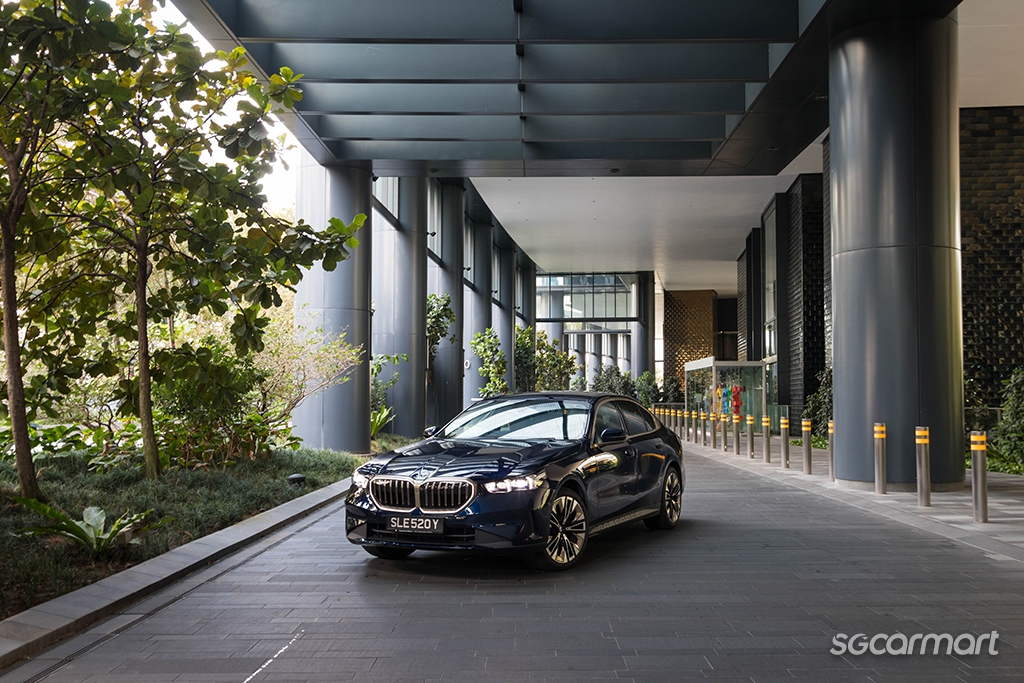
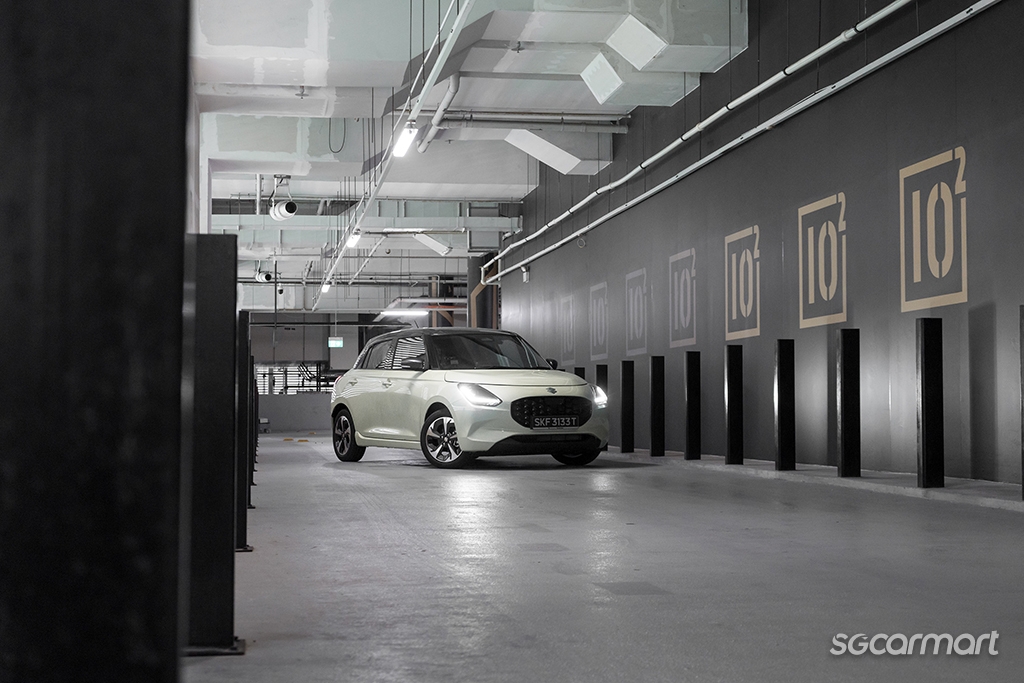
Even an entry-level model like the chirpy Suzuki Swift will see its annual depreciation rise by 4%, but the rise will be more pronounced still for a luxury sedan like the BMW 5 Series: A substantial 11%
In essence, the more expensive a car model, the more there is to lose too. This builds on successive revisions to the ARF tiers in recent years in 2022 and then 2023, which brought about a spike in the ARFs of cars with higher OMVs.
We've done the math for a couple of popular ICE models. With an entry-level hatchback like the Suzuki Swift, expect a 4% increase in annual depreciation; a luxury car like the BMW 520i, on the other hand, will see its annual depreciation rise by a heftier 11%.
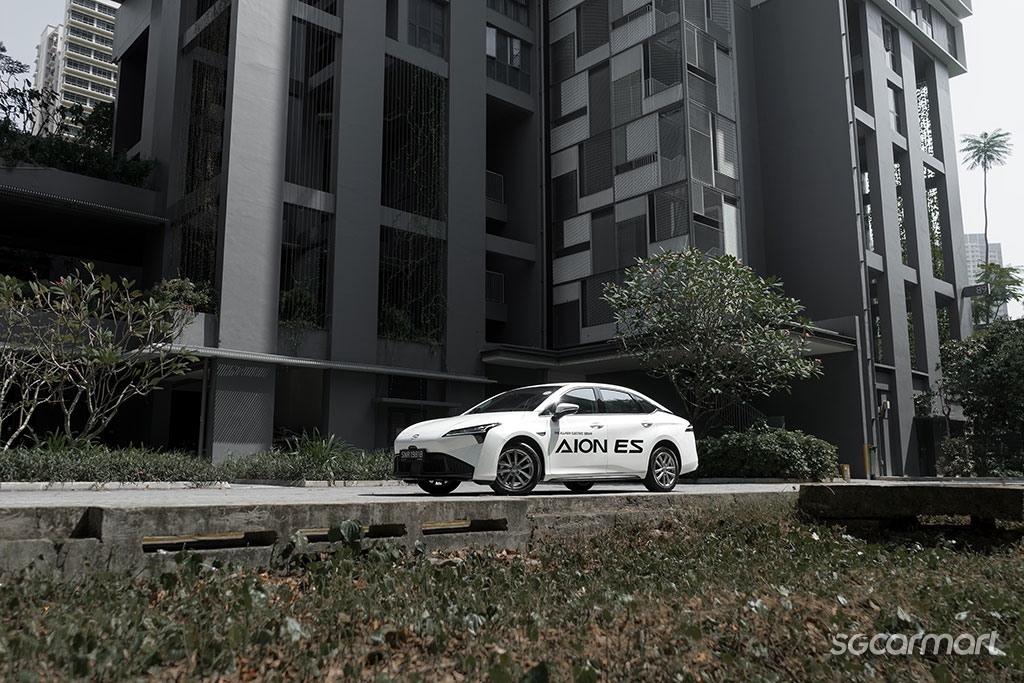
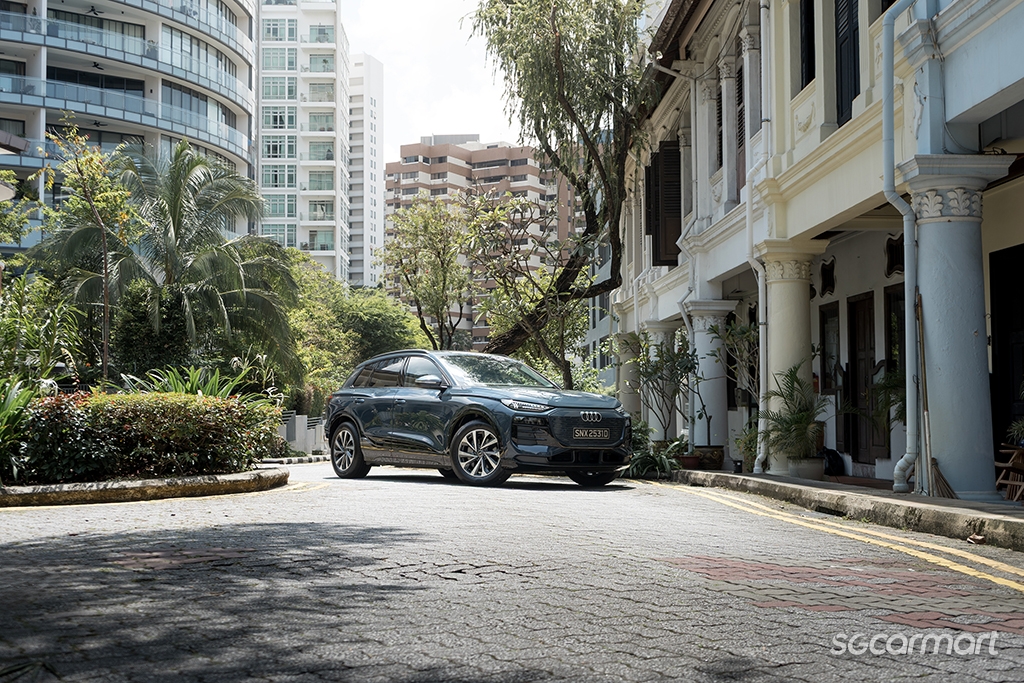
While a mass market EV like the Dongfeng Box will be left virtually unscathed by the changes (for now), premium models like the Audi Q6 e-tron will be significantly affected by the changes too
3. Likewise, not all EVs are created equally - and even EVs won't be protected forever
Which leads into the next catch. While the authorities have labelled the latest move as a response to the uptake of EVs in Singapore, only mass-market EVs are truthfully set to benefit from these changes - and only for now too.
An entry-level Audi Q6 e-tron, for instance, still incurs an ARF of over $56,000 after both the EEAI and VES rebates have been applied up front.
Previously, that could have translated to a PARF rebate of $28,000 at the end of its first COE cycle. Under the new rules, that sum will now drop to just over $5,600. In other words, luxury EVs are set to weather quite a beating too.
There's also the fact that the EEAI is set to be discontinued when 2026 comes to a close. With that $7,500 golden carrot no longer dangling in front of buyers, even mass-market EVs might become more expensive over the longer term. Furthermore, who's to say what will happen to the VES rebates? For now, they’ve only been confirmed to continue through to the end of 2027.
Effectively, then, EVs may be positioned as the beneficiaries for now, but this is neither uniformly true for all models, nor likely to hold true too over the longer term.
4. A potential boom in the used car market?
As annual depreciation figures for new cars rise nearly uniformly, could we be looking at a resurgence again in the used car market?
Considering that the purchasing decisions of an average Singaporean driver are still bound by how much they are willing and able to fork out monthly, used cars have already stood out as the more alluring proposition, given the current COE climate.
Now that a large majority of new cars are set to depreciate even more steeply than before, Singaporeans who are genuinely desperate for a set of wheels could ultimately be driven to the used car market.
A boom here could take two forms.
Firstly, the increase in demand could lead used car dealers to raise prices in tandem - again translating to a higher cost of ownership even for those shopping in the pre-owned market.
Secondly, it's likely that we could see more owners or dealers choosing to renew their COEs, rather than scrap their cars at the end of their COE cycles. The latter would ironically work against the authorities' vision of less pollutive cars, since pre-existing ICE models will see their lifespans lengthened.
That's not even factoring in vehicle population data from the LTA, which shows that Singapore's car population has aged over the last decade. While cars aged 10 years and above accounted for just 3.4% of all cars in Singapore in 2015, they have steadily risen in proportion over the past decade, and made up 15.8% of the total population in 2025.
5. What does all this mean for car loans?
Considering that the per-month cost of car ownership is set to rise, could we be looking at changes to how car loans are shaped too?
An industry insider Sgcarmart spoke to shared that even if regulations for car loans (dictated by the Monetary Authority of Singapore) do not change, there is still a chance that the approved loan sums could be affected moving forward.
In simple terms, because a new car will now have a "lower value" on paper with its reduced PARF rebate, financial institutions will potentially perceive themselves as having to take on additional risks when issuing loans out.
The result, as you've probably guessed, points in the same direction: Even higher barriers to entry for private car ownership in Singapore.
6. All part of a larger nation-wide push to address wealth inequality?
Understandably, the revised rebates will be tough to swallow for many Singaporean car lovers - us included, naturally.
Nonetheless, taking a step back to consider the message being sent by the authorities (especially since Budget 2022) actually paints a fairly coherent picture: One in which cars are being positioned more unambiguously as luxury goods.
For years, the Ministry of Transport has not changed its stance of prioritising the expansion of Singapore's public transport network over private car ownership. Even amidst heated debates about private-hire vehicles and sky-high COE premiums, this has persisted still.
In tandem, while the Budget revealed some staggering figures in terms of tax collections from vehicle quota premiums last year (a whopping $8.7 billion, if you're curious), it also noted that the Ministry of Transport had increased its expenditure last year "due to rail network expansion and higher road maintenance costs". Notably, efforts to address rail reliability have intensified over the past year especially.
This move has the unambiguous effect of increasing tax revenue - the ARF is, after all, a direct tax mechanism, and even the LTA has been blunt that the "additional revenue from tightening PARF rebates will go towards government funding to benefit the wider public, including providing everyone with high quality and affordable public transport".
Taken as a whole, the relentless regulatory changes could thus also be interpreted as part and parcel of the nation's larger efforts to manage wealth inequality.
Particularly evident in the post-COVID years, the increasingly financially-demanding nature of car ownership comes amidst a backdrop of growing discussions about wealth inequality in Singapore - which has become more pronounced despite falling income inequality rates.
The message seems loud and clear: A car - no matter its price - is resolutely a luxury good in Singapore, and will be treated by the authorities as such.
Here are some other articles to check out!
EEAI extension and VES adjustment: Analysing the impact
Are the golden days of dreaming about owning a car in Singapore truly behind us?
The enduring pressure of six-figure COE premiums notwithstanding, this week's industry-changing announcement - revealed as part of Singapore's 2026 Budget - now threatens to make financing a car more arduous still.
Moving forward, Preferential Additional Registration Fee (PARF) rebates are set to be slashed by 45 percentage points across all age groups for PARF-eligible cars. Rebates will also be capped at just $30,000 now, from $60,000 previously.
According to the authorities, the move comes as EVs, which are less pollutive (they don't have tailpipe emissions regardless of age), continue to gain traction in Singapore, thus reducing the need to incentivise owners to de-register their cars early.
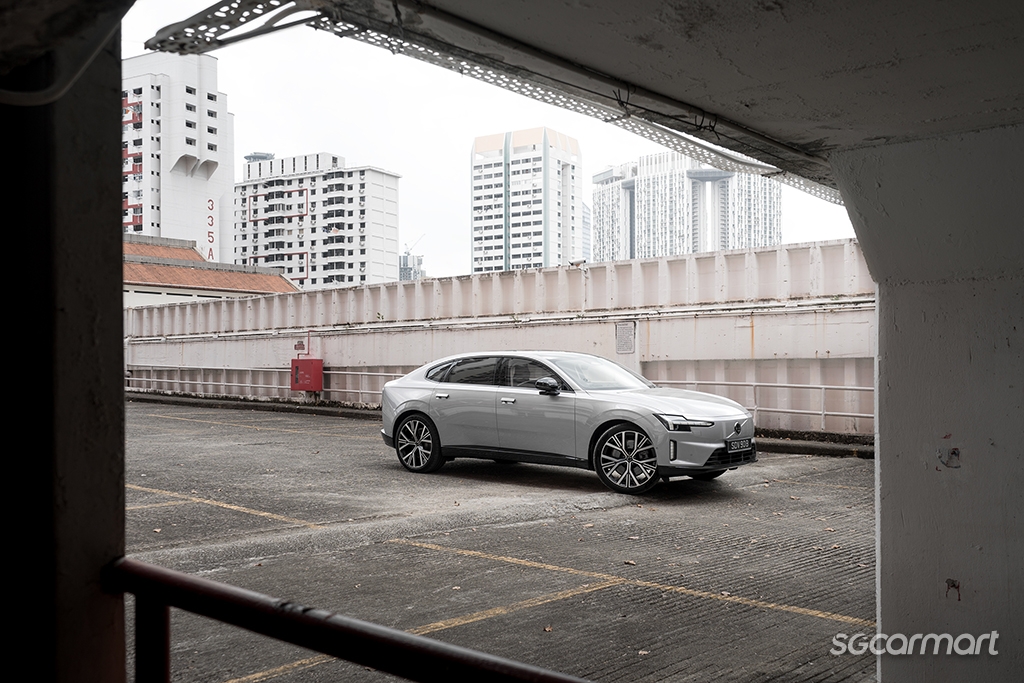
The move apparently comes as EVs continue to gain ground in Singapore, thus reducing the need for the authorities to incentivise owners to de-register their cars early
While it isn't unprecedented for the annual Budget speech to bring with it bombshell changes to the local car market, previous amendments have largely targeted the ultra-luxury end of the market. Yesterday's revelation, however, feels like the most far-reaching one in a while; it's set to impact a far wider range of models.
A quick note before we proceed: In case you already own a car still in its first COE cycle, fret not.
The revised PARF rebate structure will only affect new vehicles registered after the Budget announcement. This is already in effect for taxis, but will only apply for cars that are registered from the 2nd COE bidding round in February.
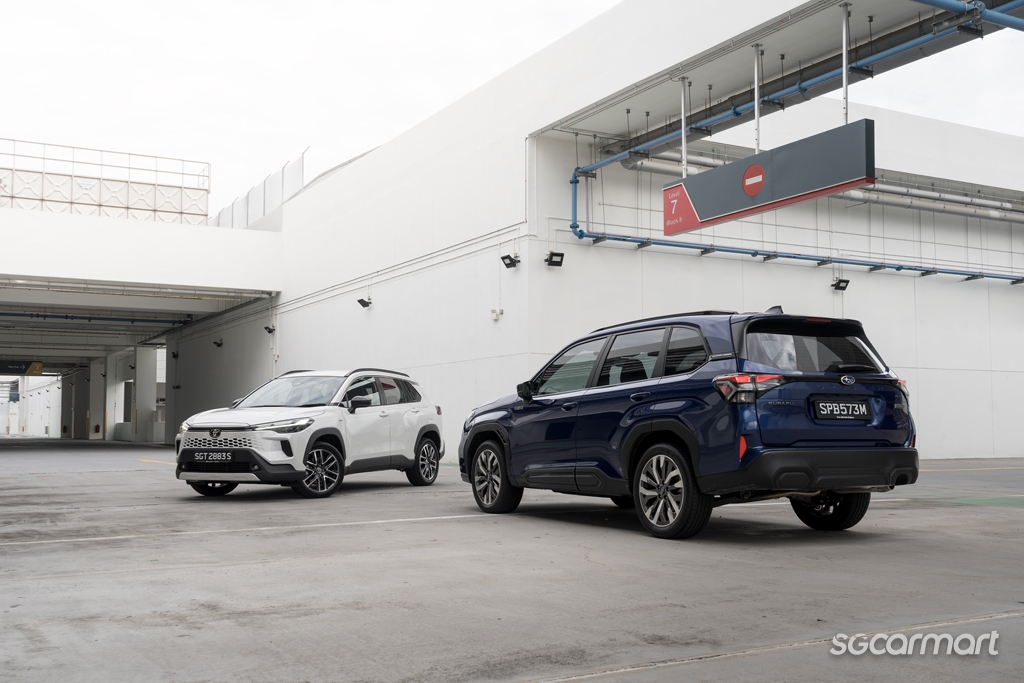
1. Higher cost of car ownership - but heavier penalty for ICE models than EVs
Again, if you've been on the hunt for a new car for a while, there's good reason to be reeling with some shock from yesterday's announcement.
While the revised PARF rebate structure does not alter the prices of cars up front, they do significantly change how much they depreciate year-on-year. With the exception of cars that incur an ARF of $0 (this eventually equates to a $0 PARF rebate too), virtually every model on the market today will be affected.
But here's an important distinction to note immediately: The changes are set to impact ICE cars more gravely than they will EVs. That's because many EVs already enjoy upfront rebates on their ARFs.
For starters, the EV Early Adoption Incentive (EEAI) currently already shaves off a guaranteed $7,500. Furthermore, a large number of electric models also qualify for the most favourable A1 banding under the Vehicular Emissions Scheme (VES), which is good for another $22,500 in rebates.
Amounting to a not-inconsequential maximum of $30,000, this potent combination explains how a large electric SUV like the Leapmotor C10 can incur an ARF of just $1,620, despite having a substantial open market value (OMV) of $28,300. In fact, some models with even lower OMVs, such as the MGS5 EV and Dongfeng Box, already do not incur any ARF.
Conversely, however, most new ICE cars on sale in 2026 - including full hybrids - do not enjoy rebates in any form.
Interestingly, under the previous scheme with its 50% PARF rebate floor, this 'disadvantage' actually worked in favour of such models, since they translated to lower depreciation figures against the large number of EVs on the market.
With the 45 percentage point cut in rebates now, however, that upper hand is no longer valid. In other words, there's even less of a question that owning an EV will be cheaper, whether it's up front or over the longer run.
2. Luxury cars continue to suffer more than mass-market ones
That brings us to the next key takeaway: Cars with higher OMVs are still set to take the worst of hits.
Of course, all of this comes back to how the ARF is calculated in Singapore.
As the ARF structure is a tiered one, the impact of the new regulations will also be tiered accordingly.
Even an entry-level model like the chirpy Suzuki Swift will see its annual depreciation rise by 4%, but the rise will be more pronounced still for a luxury sedan like the BMW 5 Series: A substantial 11%
In essence, the more expensive a car model, the more there is to lose too. This builds on successive revisions to the ARF tiers in recent years in 2022 and then 2023, which brought about a spike in the ARFs of cars with higher OMVs.
We've done the math for a couple of popular ICE models. With an entry-level hatchback like the Suzuki Swift, expect a 4% increase in annual depreciation; a luxury car like the BMW 520i, on the other hand, will see its annual depreciation rise by a heftier 11%.
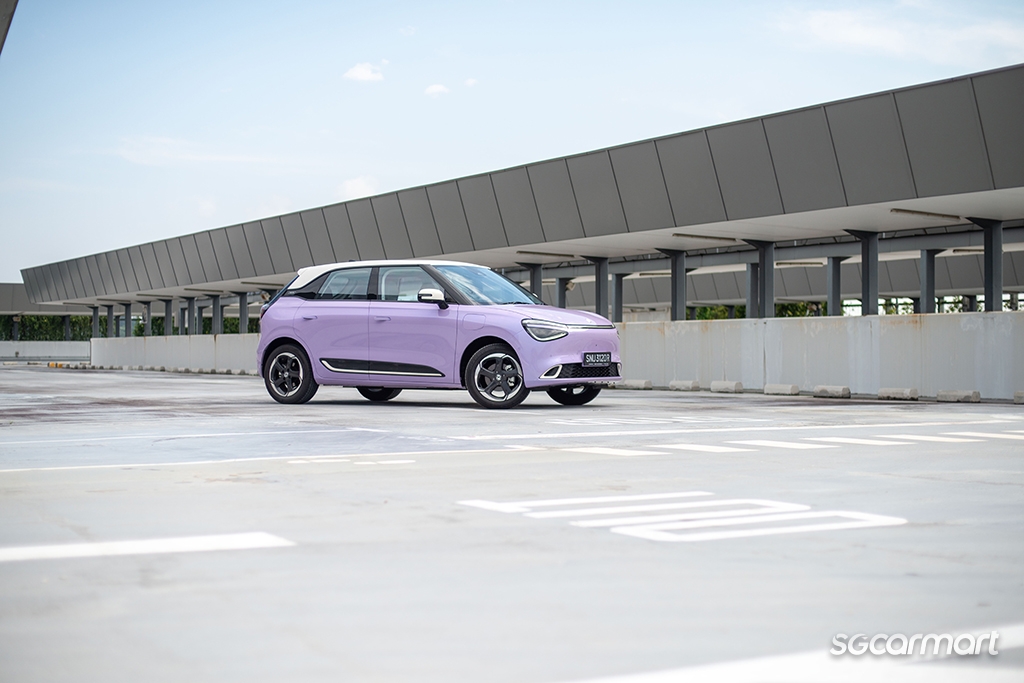
While a mass market EV like the Dongfeng Box will be left virtually unscathed by the changes (for now), premium models like the Audi Q6 e-tron will be significantly affected by the changes too
3. Likewise, not all EVs are created equally - and even EVs won't be protected forever
Which leads into the next catch. While the authorities have labelled the latest move as a response to the uptake of EVs in Singapore, only mass-market EVs are truthfully set to benefit from these changes - and only for now too.
An entry-level Audi Q6 e-tron, for instance, still incurs an ARF of over $56,000 after both the EEAI and VES rebates have been applied up front.
Previously, that could have translated to a PARF rebate of $28,000 at the end of its first COE cycle. Under the new rules, that sum will now drop to just over $5,600. In other words, luxury EVs are set to weather quite a beating too.
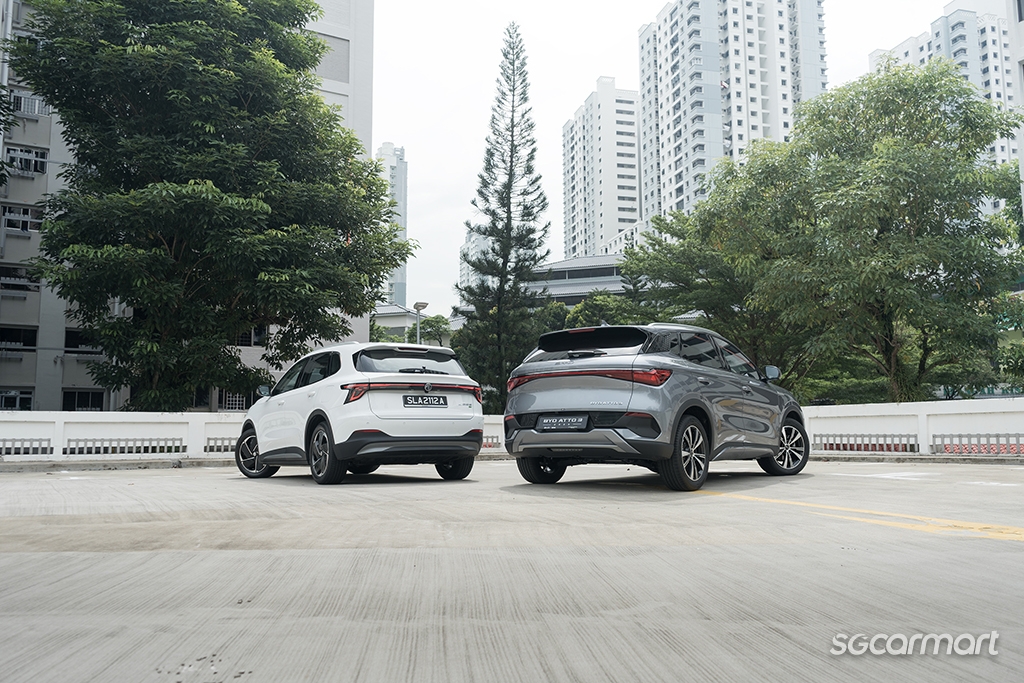
There's also the fact that the EEAI is set to be discontinued when 2026 comes to a close. With that $7,500 golden carrot no longer dangling in front of buyers, even mass-market EVs might become more expensive over the longer term. Furthermore, who's to say what will happen to the VES rebates? For now, they’ve only been confirmed to continue through to the end of 2027.
Effectively, then, EVs may be positioned as the beneficiaries for now, but this is neither uniformly true for all models, nor likely to hold true too over the longer term.
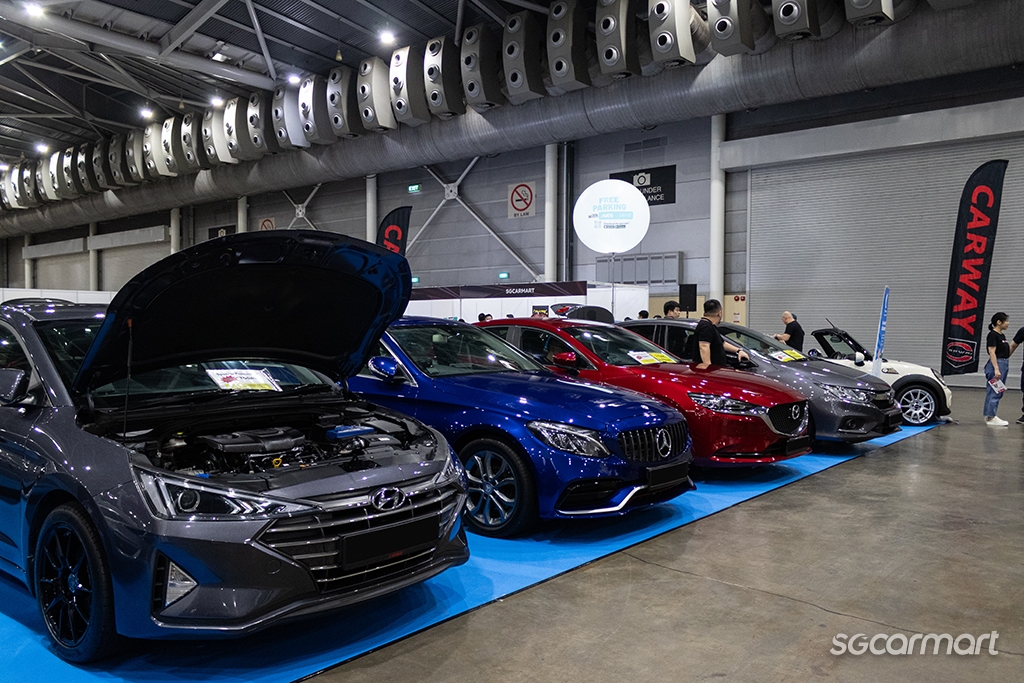
4. A potential boom in the used car market?
As annual depreciation figures for new cars rise nearly uniformly, could we be looking at a resurgence again in the used car market?
Considering that the purchasing decisions of an average Singaporean driver are still bound by how much they are willing and able to fork out monthly, used cars have already stood out as the more alluring proposition, given the current COE climate.
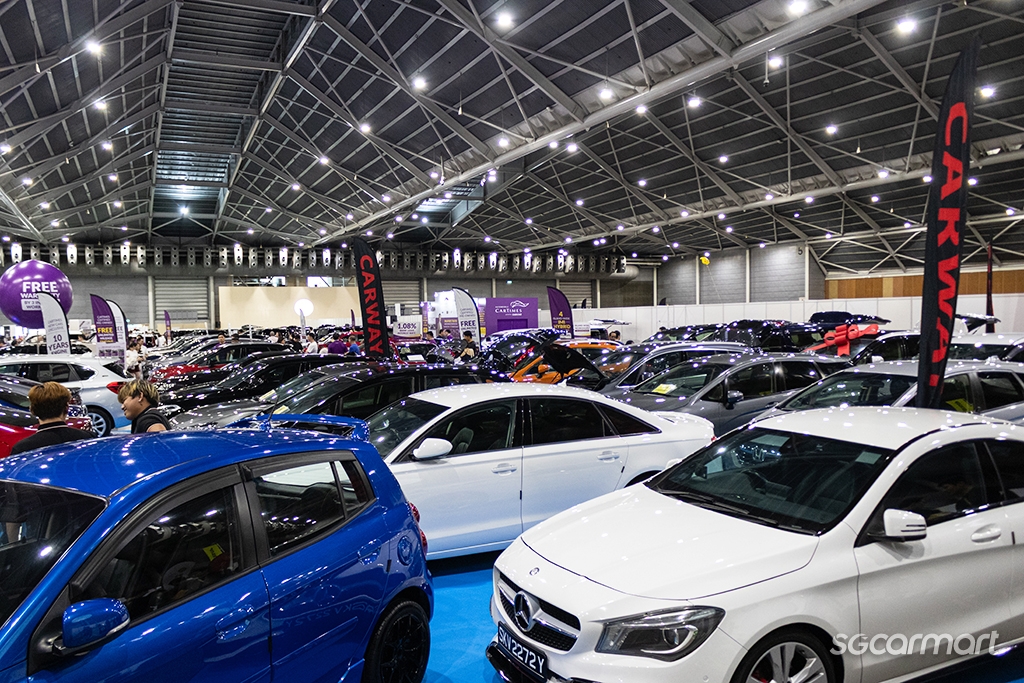
Now that a large majority of new cars are set to depreciate even more steeply than before, Singaporeans who are genuinely desperate for a set of wheels could ultimately be driven to the used car market.
A boom here could take two forms.
Firstly, the increase in demand could lead used car dealers to raise prices in tandem - again translating to a higher cost of ownership even for those shopping in the pre-owned market.
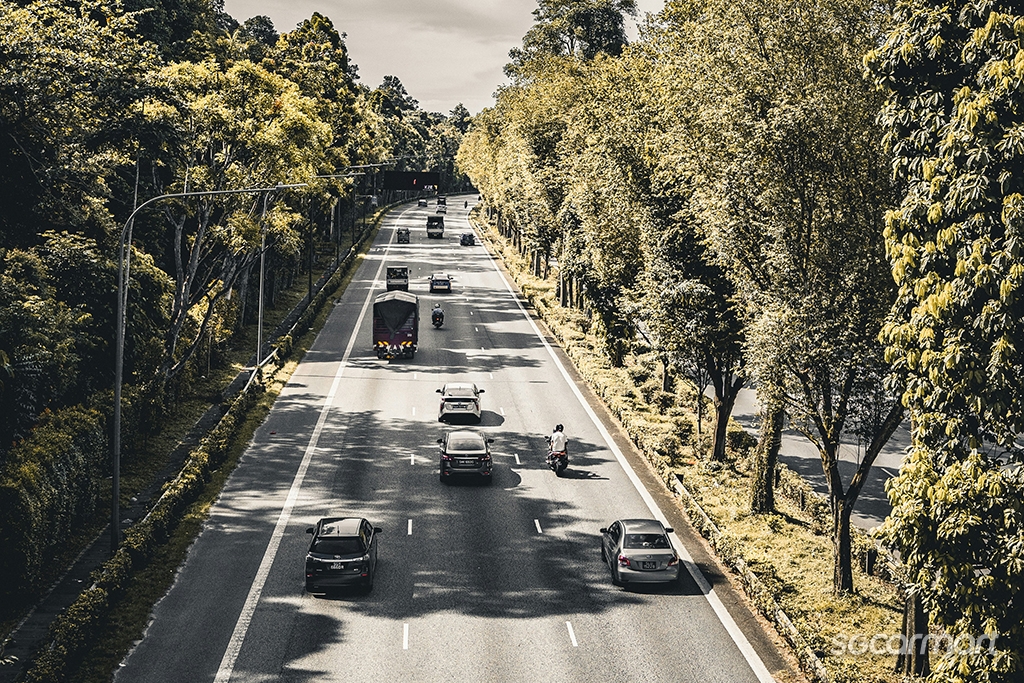
Secondly, it's likely that we could see more owners or dealers choosing to renew their COEs, rather than scrap their cars at the end of their COE cycles. The latter would ironically work against the authorities' vision of less pollutive cars, since pre-existing ICE models will see their lifespans lengthened.
That's not even factoring in vehicle population data from the LTA, which shows that Singapore's car population has aged over the last decade. While cars aged 10 years and above accounted for just 3.4% of all cars in Singapore in 2015, they have steadily risen in proportion over the past decade, and made up 15.8% of the total population in 2025.
5. What does all this mean for car loans?
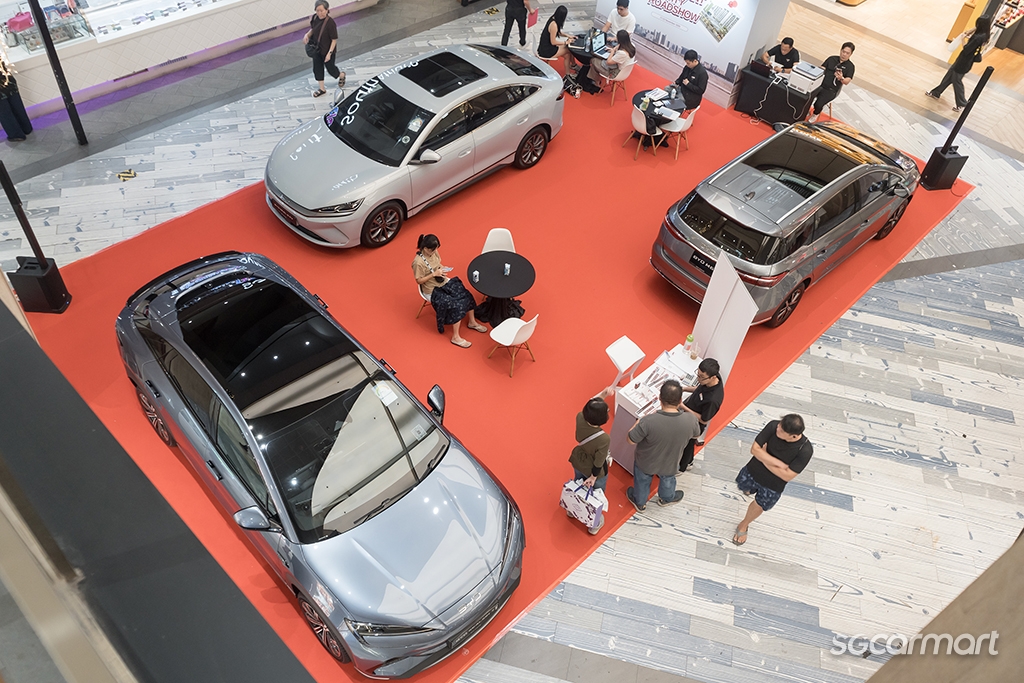
Considering that the per-month cost of car ownership is set to rise, could we be looking at changes to how car loans are shaped too?
An industry insider Sgcarmart spoke to shared that even if regulations for car loans (dictated by the Monetary Authority of Singapore) do not change, there is still a chance that the approved loan sums could be affected moving forward.
In simple terms, because a new car will now have a "lower value" on paper with its reduced PARF rebate, financial institutions will potentially perceive themselves as having to take on additional risks when issuing loans out.
The result, as you've probably guessed, points in the same direction: Even higher barriers to entry for private car ownership in Singapore.
6. All part of a larger nation-wide push to address wealth inequality?
Understandably, the revised rebates will be tough to swallow for many Singaporean car lovers - us included, naturally.
Nonetheless, taking a step back to consider the message being sent by the authorities (especially since Budget 2022) actually paints a fairly coherent picture: One in which cars are being positioned more unambiguously as luxury goods.
For years, the Ministry of Transport has not changed its stance of prioritising the expansion of Singapore's public transport network over private car ownership. Even amidst heated debates about private-hire vehicles and sky-high COE premiums, this has persisted still.
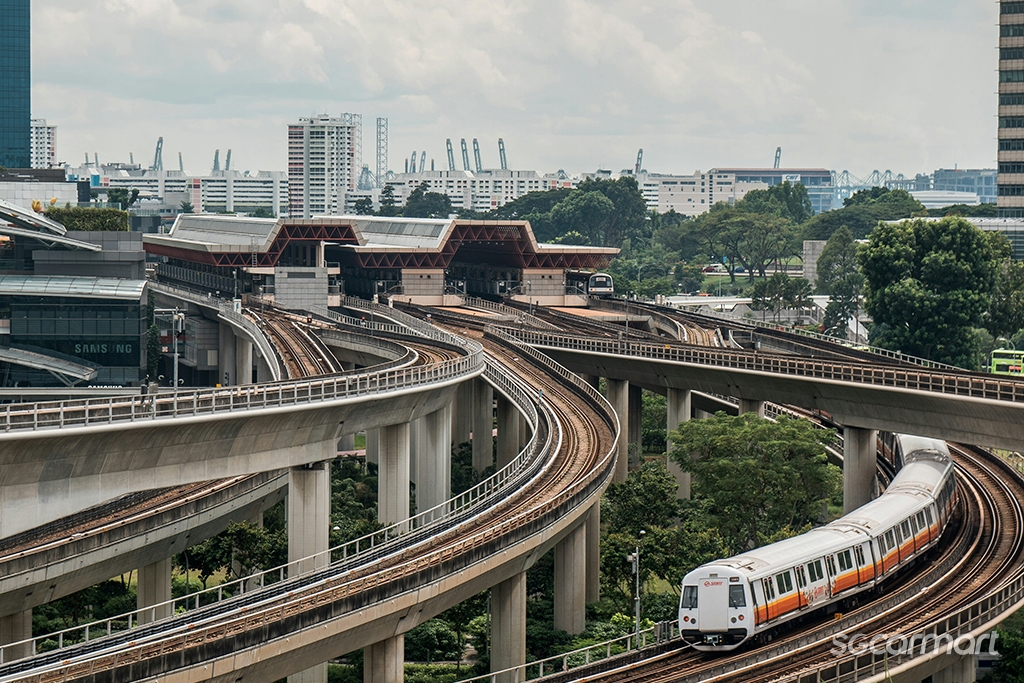
In tandem, while the Budget revealed some staggering figures in terms of tax collections from vehicle quota premiums last year (a whopping $8.7 billion, if you're curious), it also noted that the Ministry of Transport had increased its expenditure last year "due to rail network expansion and higher road maintenance costs". Notably, efforts to address rail reliability have intensified over the past year especially.
This move has the unambiguous effect of increasing tax revenue - the ARF is, after all, a direct tax mechanism, and even the LTA has been blunt that the "additional revenue from tightening PARF rebates will go towards government funding to benefit the wider public, including providing everyone with high quality and affordable public transport".
Taken as a whole, the relentless regulatory changes could thus also be interpreted as part and parcel of the nation's larger efforts to manage wealth inequality.
Particularly evident in the post-COVID years, the increasingly financially-demanding nature of car ownership comes amidst a backdrop of growing discussions about wealth inequality in Singapore - which has become more pronounced despite falling income inequality rates.
The message seems loud and clear: A car - no matter its price - is resolutely a luxury good in Singapore, and will be treated by the authorities as such.
Here are some other articles to check out!
EEAI extension and VES adjustment: Analysing the impact

Thank You For Your Subscription.