Honda Homecoming?
25 May 2011|10,936 views


Article Courtesy of  |
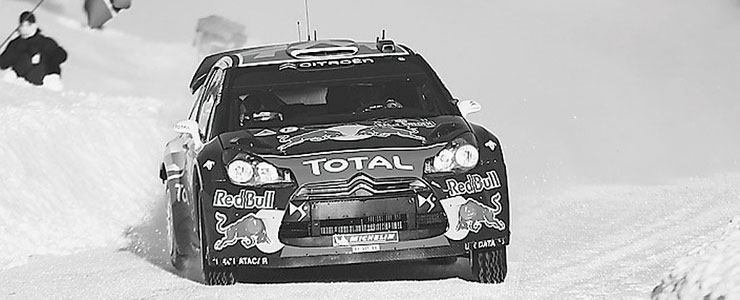 |
In recent years, Japanese-sponsored F1 teams had consecutively withdrawn from the competition. Honda left in 2008, Toyota in 2009, and Bridgestone in 2010—leaving Pirelli Tyres as the only major Italian presence in the circuit. F1 driver Kamui Kobayashi attributes this state of affairs to the reluctance of Japanese companies to invest in the internationally-acclaimed F1. (Meanwhile, Akebono Brake Industry Company still provides technical support to the McLaren team, while TAKATA still provides the seatbelts for BMW Sauber's vehicles).
Despite this bleak picture, there are rumours that Honda is in the midst of planning its F1 return, sparking excitement among enthusiasts.
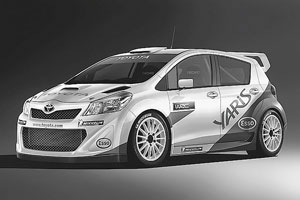 |
The increasing development of next generation hybrids and electric vehicles (EVs) underscore current eco-friendly automotive trends. Even F1 has to adapt, with the integration of technologies such as the Kinetic Energy Replacement Systems (KERS) which will help improve fuel consumption by 35 per cent.
The FIA's World Motor Sport Council's (WMSC) new regulation states that F1's 2.4-litre V8 engines are to be replaced with turbocharged 1.6-litre four-cylinder direct injection engines by 2013, and FIA ruled that rally cars' maximum engine speed will be lowered from 18,000rpm to 12,000rpm, and maximum power will be capped at 750bhp.
But let us not get ahead of ourselves. It began in 2009, when FIA's former President, Max Mosley, proposed the standardisation of engine specifications. Predictably, he was met with strong resistance from engine manufacturers. After much heated debate, a supercharged low ventilation engine was eventually suggested, and approved by FIA's current president, Jean Todt.
In May 2010, FIA held a conference to determine the exact specifications of the proposed engine. In attendance were Volkswagen, Honda, Ferrari, Mercedes-Benz, Renault, and F1's engine supplier, Cosworth. When former Renault mechanic Tetsuo Tsugawa revealed that Volkswagen could be supplying the new 1.6-litre four-cylinder direct injection engines, questions about Honda's presence arose. The automaker claimed that it was serving an advisory role, but Toyota and BMW—who also withdrew from F1—were absent. This obviously signalled some vested interest on Honda's part.
Ultimately, it was Renault's F1 Managing Director, Jean-Francois Caubet, who set the Honda return rumours in full swing when he said that the Honda team was the most likely to re-enter the European-dominated F1. He added that he was stunned by the amount of interest there was in Honda's rumoured 1.6-litre four-cylinder direct injection engine.
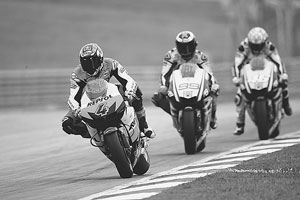 |
Though cost restrictions will slightly limit the development of 2013's 1.6-litre direct injection engine, greater technological freedom will mark automakers' return to the drawing board. Only Ferrari has not seen the appeal of the supercharged low ventilation engine. Despite the F1's new four-cyclinder regulation, the Italian automaker's engines-of-choice are V8 and V12 variants.
In December 2008, Honda's former President, Takeo Fukui, emotionally announced that after Honda's third F1 season, the team would be making a "complete withdrawal" from the circuit. Honda's current President, Takanobu Ito, explained that the 2008 withdrawal resulted from financial concerns, as well as F1's technological development limitations. Since Honda was already researching other innovations at the time, perhaps it would have stayed in the race if it had been permitted to experiment with electric fuel cell technologies. Despite Honda's burgeoning performance, President Ito said that the automaker has yet to consider making an F1 comeback.
Additionally, an anonymous source from Honda disclosed that the automaker could be using the F1 circuit as a test environment for its commercial engines. Aside from developing a 1.6-litre direct injection engine, Honda is currently researching a V4 that can easily be paired with a turbo-supercharged electric motor.
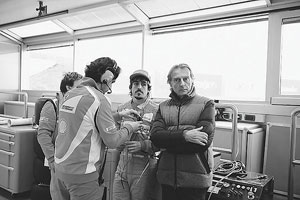 |
A key figure in the development of Honda's 1.6-litre direct injection engine is Osamu Goto, who served as the Project Director for Honda's F1 team from 1988 - 1990. (This period marked the automaker's second F1 season, and is fondly remembered as the "golden age" of the McLaren-Honda partnership.) After leaving Honda in 1990, Goto worked for McLaren, Ferrari, and Sauber before finally transferring to Sauber Petronas Engineering (SPE). His ultimate aim was to develop the 900cc, three-cylinder engine that would enter the Moto Grand Prix—however, his plans were blocked by the lack of funding.
When BMW acquired Sauber in 2005, Goto established Geo Technology, which developed the 600cc straight-four engine equipped in Honda's Moto2 Grand Prix contender. Also, the company reputedly holds the patents to the pneumatic valves of Honda's V4 engine. Armed with such advanced technology, Honda and Geo Technology's partnership will surely continue to make waves in the automotive world.
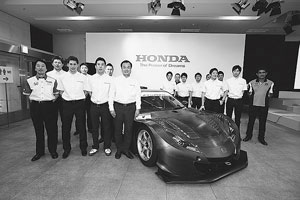 |
The suspension of Honda's V10FR sports car - which succeeded the renowned NSX - immediately followed the automaker's F1 withdrawal. Fans were sorely disappointed, and Honda's solid motorsports reputation took a severe beating. In fact, in Honda's booth at the Tokyo Auto Salon, many enthusiasts revealed their hope for Honda's return on the large message board that was on display.
Honda's F1 comeback aside, President Ito expressed his excitement about the automaker's participation in the Japan Super GT and motorcycle sports circuit, as well as in independent racing circuits. This shows that despite Honda's steady focus on eco-friendly automotive technologies like hybrids, it still dreams of retailing a new sports model, perhaps to eventually re-enter F1.
Until then, all we can do is wait with bated breath.
 |
| Article Courtesy of |
|
In recent years, Japanese-sponsored F1 teams had consecutively withdrawn from the competition. Honda left in 2008, Toyota in 2009, and Bridgestone in 2010—leaving Pirelli Tyres as the only major Italian presence in the circuit. F1 driver Kamui Kobayashi attributes this state of affairs to the reluctance of Japanese companies to invest in the internationally-acclaimed F1. (Meanwhile, Akebono Brake Industry Company still provides technical support to the McLaren team, while TAKATA still provides the seatbelts for BMW Sauber's vehicles).
Despite this bleak picture, there are rumours that Honda is in the midst of planning its F1 return, sparking excitement among enthusiasts.
|
The increasing development of next generation hybrids and electric vehicles (EVs) underscore current eco-friendly automotive trends. Even F1 has to adapt, with the integration of technologies such as the Kinetic Energy Replacement Systems (KERS) which will help improve fuel consumption by 35 per cent.
The FIA's World Motor Sport Council's (WMSC) new regulation states that F1's 2.4-litre V8 engines are to be replaced with turbocharged 1.6-litre four-cylinder direct injection engines by 2013, and FIA ruled that rally cars' maximum engine speed will be lowered from 18,000rpm to 12,000rpm, and maximum power will be capped at 750bhp.
But let us not get ahead of ourselves. It began in 2009, when FIA's former President, Max Mosley, proposed the standardisation of engine specifications. Predictably, he was met with strong resistance from engine manufacturers. After much heated debate, a supercharged low ventilation engine was eventually suggested, and approved by FIA's current president, Jean Todt.
In May 2010, FIA held a conference to determine the exact specifications of the proposed engine. In attendance were Volkswagen, Honda, Ferrari, Mercedes-Benz, Renault, and F1's engine supplier, Cosworth. When former Renault mechanic Tetsuo Tsugawa revealed that Volkswagen could be supplying the new 1.6-litre four-cylinder direct injection engines, questions about Honda's presence arose. The automaker claimed that it was serving an advisory role, but Toyota and BMW—who also withdrew from F1—were absent. This obviously signalled some vested interest on Honda's part.
Ultimately, it was Renault's F1 Managing Director, Jean-Francois Caubet, who set the Honda return rumours in full swing when he said that the Honda team was the most likely to re-enter the European-dominated F1. He added that he was stunned by the amount of interest there was in Honda's rumoured 1.6-litre four-cylinder direct injection engine.
|
Though cost restrictions will slightly limit the development of 2013's 1.6-litre direct injection engine, greater technological freedom will mark automakers' return to the drawing board. Only Ferrari has not seen the appeal of the supercharged low ventilation engine. Despite the F1's new four-cyclinder regulation, the Italian automaker's engines-of-choice are V8 and V12 variants.
In December 2008, Honda's former President, Takeo Fukui, emotionally announced that after Honda's third F1 season, the team would be making a "complete withdrawal" from the circuit. Honda's current President, Takanobu Ito, explained that the 2008 withdrawal resulted from financial concerns, as well as F1's technological development limitations. Since Honda was already researching other innovations at the time, perhaps it would have stayed in the race if it had been permitted to experiment with electric fuel cell technologies. Despite Honda's burgeoning performance, President Ito said that the automaker has yet to consider making an F1 comeback.
Additionally, an anonymous source from Honda disclosed that the automaker could be using the F1 circuit as a test environment for its commercial engines. Aside from developing a 1.6-litre direct injection engine, Honda is currently researching a V4 that can easily be paired with a turbo-supercharged electric motor.
|
A key figure in the development of Honda's 1.6-litre direct injection engine is Osamu Goto, who served as the Project Director for Honda's F1 team from 1988 - 1990. (This period marked the automaker's second F1 season, and is fondly remembered as the "golden age" of the McLaren-Honda partnership.) After leaving Honda in 1990, Goto worked for McLaren, Ferrari, and Sauber before finally transferring to Sauber Petronas Engineering (SPE). His ultimate aim was to develop the 900cc, three-cylinder engine that would enter the Moto Grand Prix—however, his plans were blocked by the lack of funding.
When BMW acquired Sauber in 2005, Goto established Geo Technology, which developed the 600cc straight-four engine equipped in Honda's Moto2 Grand Prix contender. Also, the company reputedly holds the patents to the pneumatic valves of Honda's V4 engine. Armed with such advanced technology, Honda and Geo Technology's partnership will surely continue to make waves in the automotive world.
|
The suspension of Honda's V10FR sports car - which succeeded the renowned NSX - immediately followed the automaker's F1 withdrawal. Fans were sorely disappointed, and Honda's solid motorsports reputation took a severe beating. In fact, in Honda's booth at the Tokyo Auto Salon, many enthusiasts revealed their hope for Honda's return on the large message board that was on display.
Honda's F1 comeback aside, President Ito expressed his excitement about the automaker's participation in the Japan Super GT and motorcycle sports circuit, as well as in independent racing circuits. This shows that despite Honda's steady focus on eco-friendly automotive technologies like hybrids, it still dreams of retailing a new sports model, perhaps to eventually re-enter F1.
Until then, all we can do is wait with bated breath.
|


Thank You For Your Subscription.





Tags
Products & Services

For Owners
Quick Links
About Sgcarmart