Diesel cars - How feasible are they
30 Dec 2008|31,278 views


With ridiculously high taxes, a narrow torque range and a horrible mechanical clatter, driving a diesel is no laughing matter. Or is it?
The number one question in the minds of those considering diesels is one of economy - whether it will be cheaper at the end of the day and whether the total savings can outweigh the ridiculous taxes.
The answer is™ it really depends.
 |
All around the world, the demand for diesels are growing steadily and there are some very good reasons for that. They achieve better mileage figures than petrol engines, produce more torque at lower revs (thus reducing the need to rev harder and burn more fuel), and the newer generation release emissions which some say are even cleaner than from a petrol engine's.
But to some, like us motoring journalists, diesel is still the fuel of the devil. They smell funny, are usually lazy (can't rev much), and have a pointlessly strong torque band squeezed into a strange rev range. Admittedly, though, some of them do produce extraordinarily impressive fuel consumption figures.
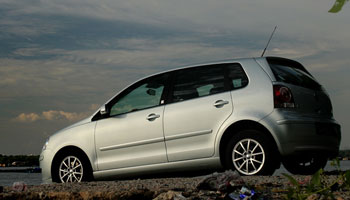
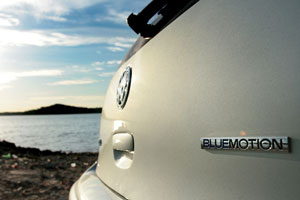
The Polo BlueMotion, one of the more sensible options for those who wish to save costs by driving a diesel, has a rating of just 3.9 litres per 100 kilometres. That's almost 26 km travelled for every litre of diesel! And Smart's new toy, which runs on a mix of Jatropha diesel, drinks just 3.3 litres for every 100 km.
 |
There are many advantages in the area of fuel economy when you start driving small diesels like those, but first, the duties are already a setback.
Darned Duties!
A diesel's Special Tax is charged on top of the normal road tax. On a 1,422 cc engine like the one found in the Polo BlueMotion, it will cost up to S$0.625 per cc, resulting in an S$888 receipt (for six months), on top of the regular road tax which already costs S$373. That sums it up to S$1261 and that's just for half a year.
The National Environment Agency (NEA) are refusing to budge on the levy, because according to them, even Euro IV-standard diesel cars emit more soot and nitrogen oxide pollutants than their petrol equivalents.
Now to put things into perspective, the total road tax for a Polo BlueMotion for a year would be S$2,522. Tally up the same levies required for a 3.0-litre petrol engine and the total bill is about S$2,591.
How fair is that, then, for anyone sincerely concerned about the environment and reducing the use of fuel?
 |
The difference is a good five dollars or so for every hundred kilometres covered. On top of that, diesel engines are usually built hardily, which, while it gives an idea about reliability, which may not always be the result in the real world.
You could argue that the total tax costs would still be prohibitive to any wallet-saving measures, but if you're one of those who spend a lot of time on the road, it does make sense.
Petrol-driven cars are still plenty more fun than a diesel could offer, but even we have to admit to the fact is that the "fuel of the devil" is still much more economical. In the end, the one who saves most money will be laughing and having all the fun, while the petrol-intoxicated infidel will be left sore, desperately light-footed on the throttle and trying his best to save every drop of fuel and reduce every rev possible.
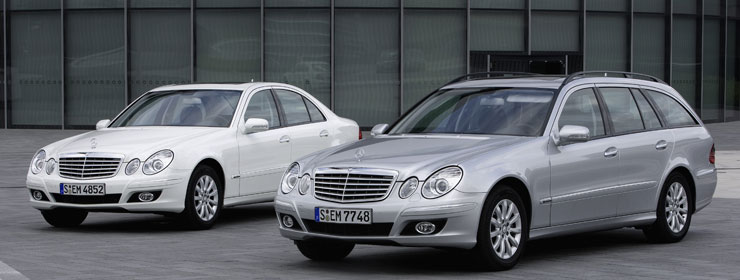 |
Germany's biggest, like Volkswagen, Audi, Mercedes-Benz and BMW all have some very efficient diesel models, but it all boils down to whether consumers here think it will save them money. So if you do happen to travel a significant amount each year, it may be advisable to go for a diesel instead. Don't forget to work out your sums properly first, though!
Detailing the diesel difference
Inside the deep spaces of most petrol engines, a mixture of petrol and air is fed into the combustion chamber. A piston then comes up and compresses the fluid till it hits an extremely high pressure, and a spark initiates a beautiful tiny explosion, which pushes the piston back down and turns the crankshaft in the process.
All of that happens repeatedly, and at high speed, and the result is power to the wheels and a happy driver.
Diesels, however, work on a very different principal - that of maximising efficiency. In this sort of engines, air is compressed to a very high temperature, then fuel is injected and the entire combination combusts to produce lots of useful power.
While petrol engines normally work with a compression ratio in the range of 8:1 to 12:1, diesels have a range of 14:1 to as high as 25:1.
Diesels are heavier than petrol and also contain a higher energy density. However, its combustion process releases high amounts of nitrogen compounds and soot. Those contribute to acid rain, health problems and smog. However, much improvement has been made to diesel technology and since then, it has become recognised as one of the cleaner fuels to be used in modern day cars.
With ridiculously high taxes, a narrow torque range and a horrible mechanical clatter, driving a diesel is no laughing matter. Or is it?
The number one question in the minds of those considering diesels is one of economy - whether it will be cheaper at the end of the day and whether the total savings can outweigh the ridiculous taxes.
The answer is™ it really depends.
|
All around the world, the demand for diesels are growing steadily and there are some very good reasons for that. They achieve better mileage figures than petrol engines, produce more torque at lower revs (thus reducing the need to rev harder and burn more fuel), and the newer generation release emissions which some say are even cleaner than from a petrol engine's.
But to some, like us motoring journalists, diesel is still the fuel of the devil. They smell funny, are usually lazy (can't rev much), and have a pointlessly strong torque band squeezed into a strange rev range. Admittedly, though, some of them do produce extraordinarily impressive fuel consumption figures.
The Polo BlueMotion, one of the more sensible options for those who wish to save costs by driving a diesel, has a rating of just 3.9 litres per 100 kilometres. That's almost 26 km travelled for every litre of diesel! And Smart's new toy, which runs on a mix of Jatropha diesel, drinks just 3.3 litres for every 100 km.
|
There are many advantages in the area of fuel economy when you start driving small diesels like those, but first, the duties are already a setback.
Darned Duties!
A diesel's Special Tax is charged on top of the normal road tax. On a 1,422 cc engine like the one found in the Polo BlueMotion, it will cost up to S$0.625 per cc, resulting in an S$888 receipt (for six months), on top of the regular road tax which already costs S$373. That sums it up to S$1261 and that's just for half a year.
The National Environment Agency (NEA) are refusing to budge on the levy, because according to them, even Euro IV-standard diesel cars emit more soot and nitrogen oxide pollutants than their petrol equivalents.
Now to put things into perspective, the total road tax for a Polo BlueMotion for a year would be S$2,522. Tally up the same levies required for a 3.0-litre petrol engine and the total bill is about S$2,591.
How fair is that, then, for anyone sincerely concerned about the environment and reducing the use of fuel?
|
The difference is a good five dollars or so for every hundred kilometres covered. On top of that, diesel engines are usually built hardily, which, while it gives an idea about reliability, which may not always be the result in the real world.
You could argue that the total tax costs would still be prohibitive to any wallet-saving measures, but if you're one of those who spend a lot of time on the road, it does make sense.
Petrol-driven cars are still plenty more fun than a diesel could offer, but even we have to admit to the fact is that the "fuel of the devil" is still much more economical. In the end, the one who saves most money will be laughing and having all the fun, while the petrol-intoxicated infidel will be left sore, desperately light-footed on the throttle and trying his best to save every drop of fuel and reduce every rev possible.
|
Germany's biggest, like Volkswagen, Audi, Mercedes-Benz and BMW all have some very efficient diesel models, but it all boils down to whether consumers here think it will save them money. So if you do happen to travel a significant amount each year, it may be advisable to go for a diesel instead. Don't forget to work out your sums properly first, though!
Detailing the diesel difference
Inside the deep spaces of most petrol engines, a mixture of petrol and air is fed into the combustion chamber. A piston then comes up and compresses the fluid till it hits an extremely high pressure, and a spark initiates a beautiful tiny explosion, which pushes the piston back down and turns the crankshaft in the process.
All of that happens repeatedly, and at high speed, and the result is power to the wheels and a happy driver.
Diesels, however, work on a very different principal - that of maximising efficiency. In this sort of engines, air is compressed to a very high temperature, then fuel is injected and the entire combination combusts to produce lots of useful power.
While petrol engines normally work with a compression ratio in the range of 8:1 to 12:1, diesels have a range of 14:1 to as high as 25:1.
Diesels are heavier than petrol and also contain a higher energy density. However, its combustion process releases high amounts of nitrogen compounds and soot. Those contribute to acid rain, health problems and smog. However, much improvement has been made to diesel technology and since then, it has become recognised as one of the cleaner fuels to be used in modern day cars.

Photos by Amery Reuben & Daimler


All Advice Categories
Related Motor Directory Categories


Tags
Products & Services

For Owners
Quick Links
About Sgcarmart