BYD Seal 6 Premium Review
19 Dec 2025|19,041 views










What We Like
Quiet cabin
Generously equipped
Rear-wheel drive dynamics
More efficient than advertised
Supple ride
What We Dislike
No blind spot monitor
No memory function for front seats
Seats need more thigh support
Just a decade ago, the idea of a bread-and-butter car was a compact family saloon that was practical, reliable, and economical. It didn't need to look cool or handle well, for its remit was no-frills motoring. Cars like the iconic Toyota Corolla Altis perfected this formula and buyers loved it.
With the rise of electrification and COE premiums, however, the idea of a bread-and-butter car has changed. Since buyers must pay a lot more, these models cannot be 'basic' transportation. Refinement and amenities must replace cheap-and-cheerful. And BYD thinks it has the right product with the Seal 6.
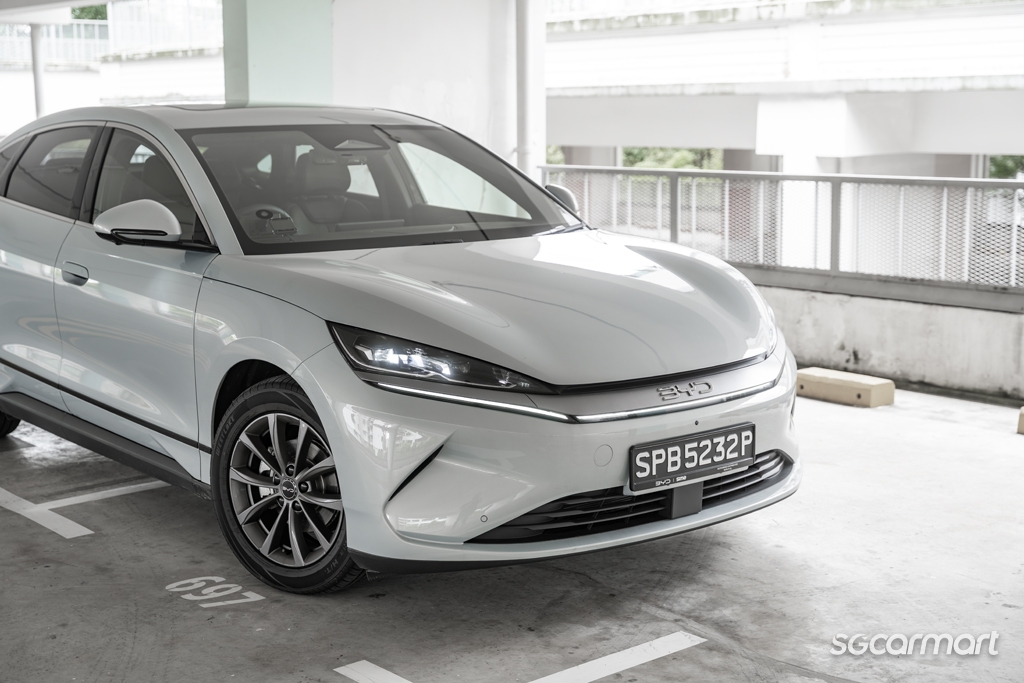
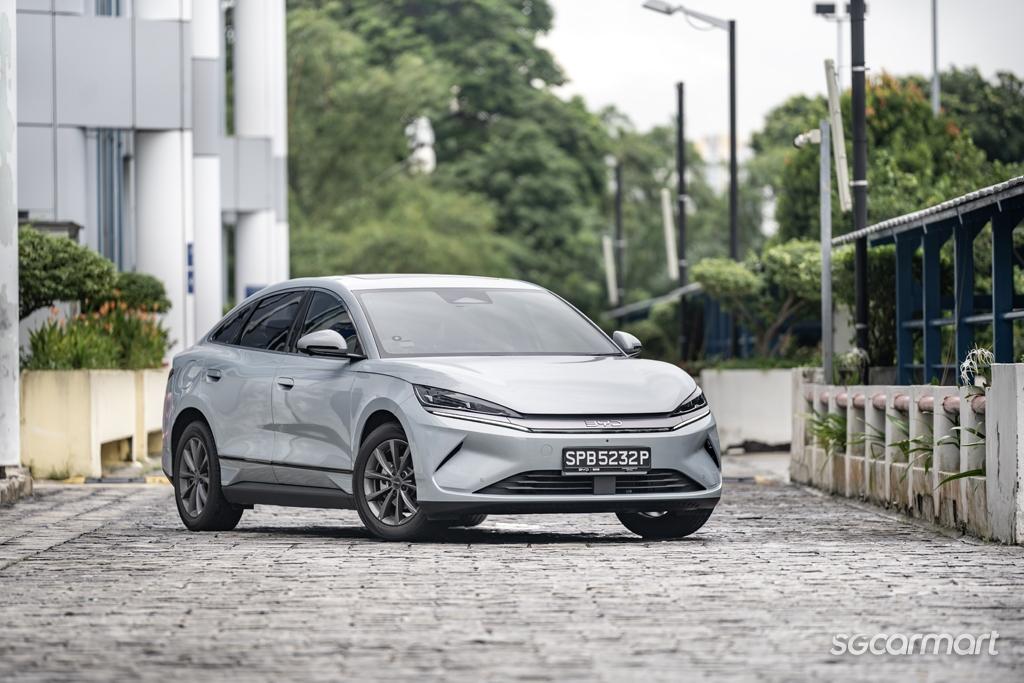
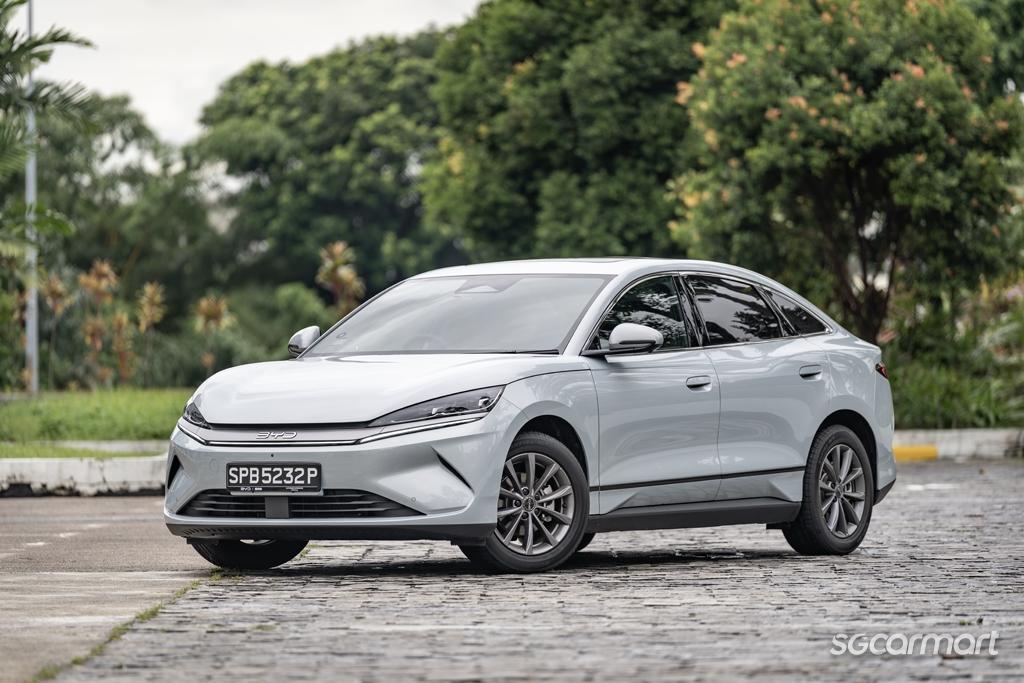
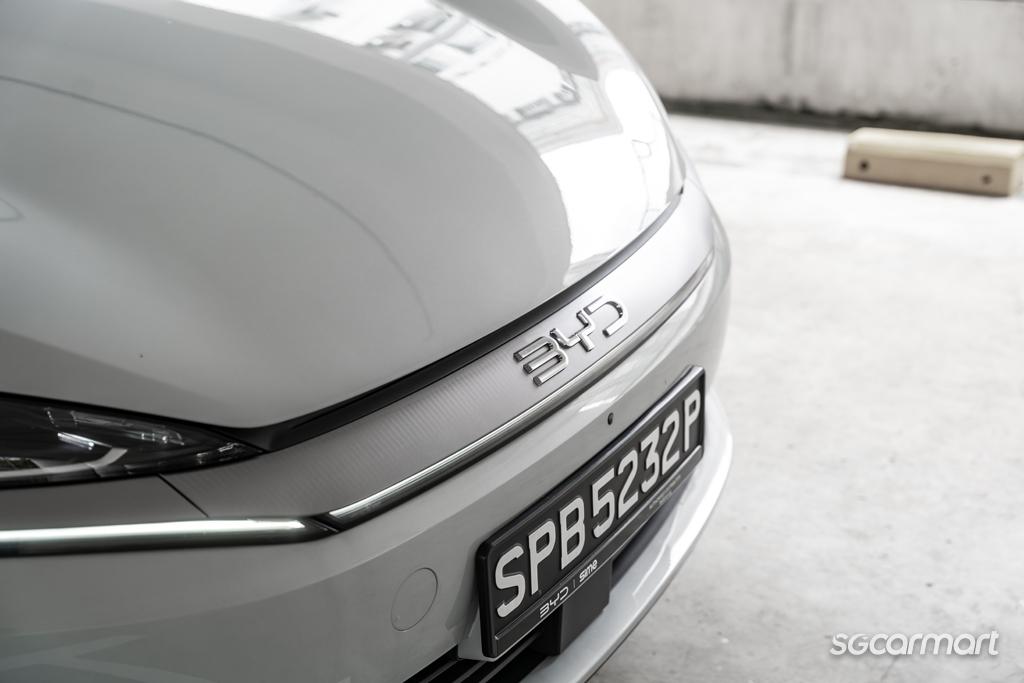
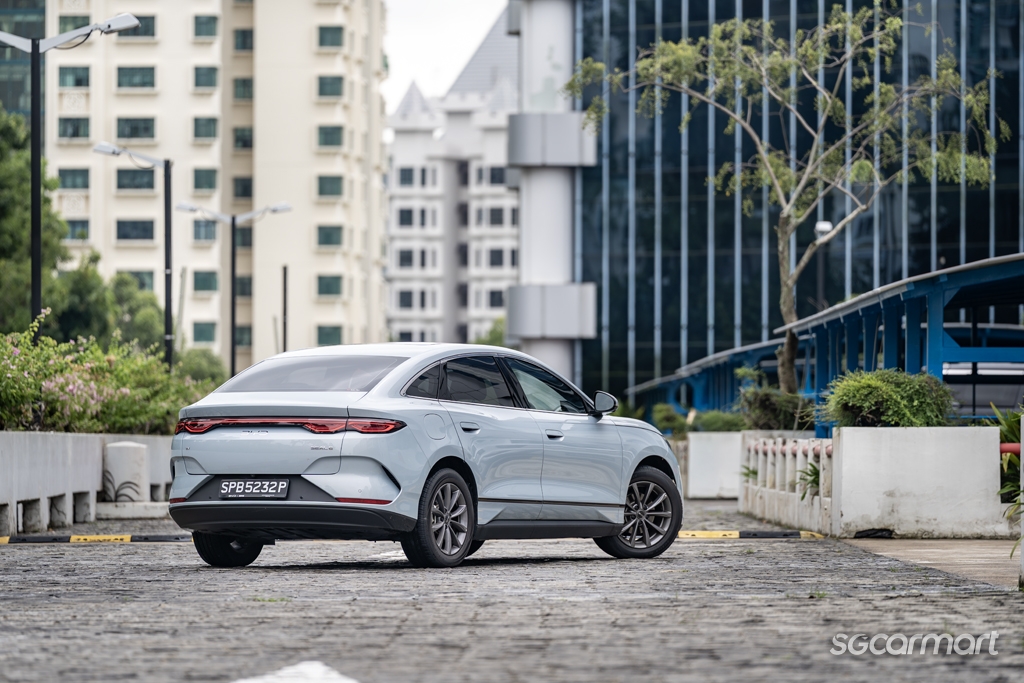
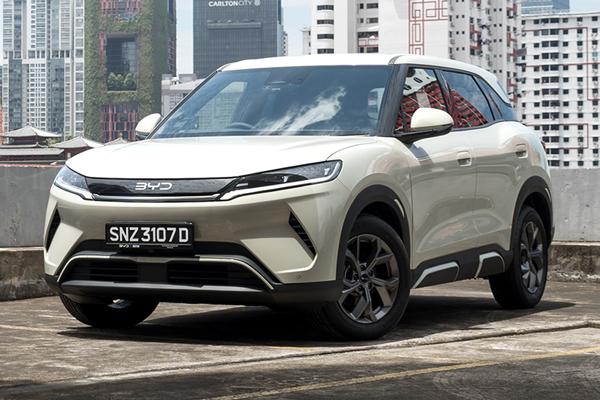
The styling is clean and restrained rather than bold and polarising
A clearer picture
You're not alone in wondering what the Seal 6 is, especially when there's a Seal in BYD's Singapore lineup. It would have been clearer if BYD had another name for this model, because the '6' in its name can make people assume it's a larger sedan, when it is in fact, smaller.
To be precise, the Seal 6 is 80mm shorter (4,720mm vs 4,800mm) than the Seal. Its wheelbase measures in at 2,820mm, while the Seal's is 2,920mm long, making it a midsize rather than a compact sedan.
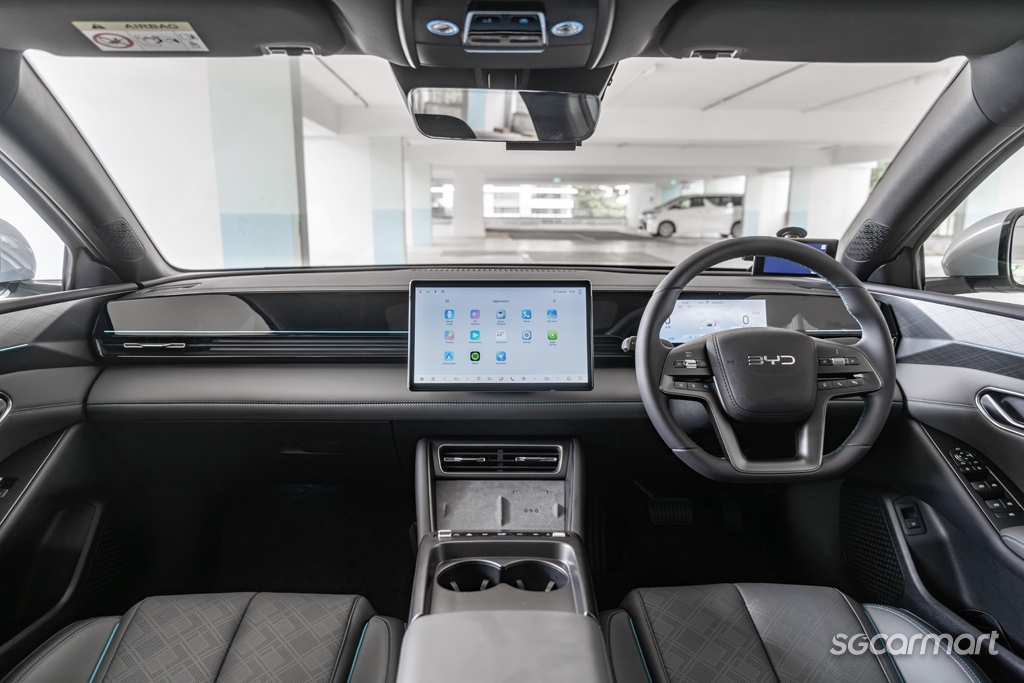
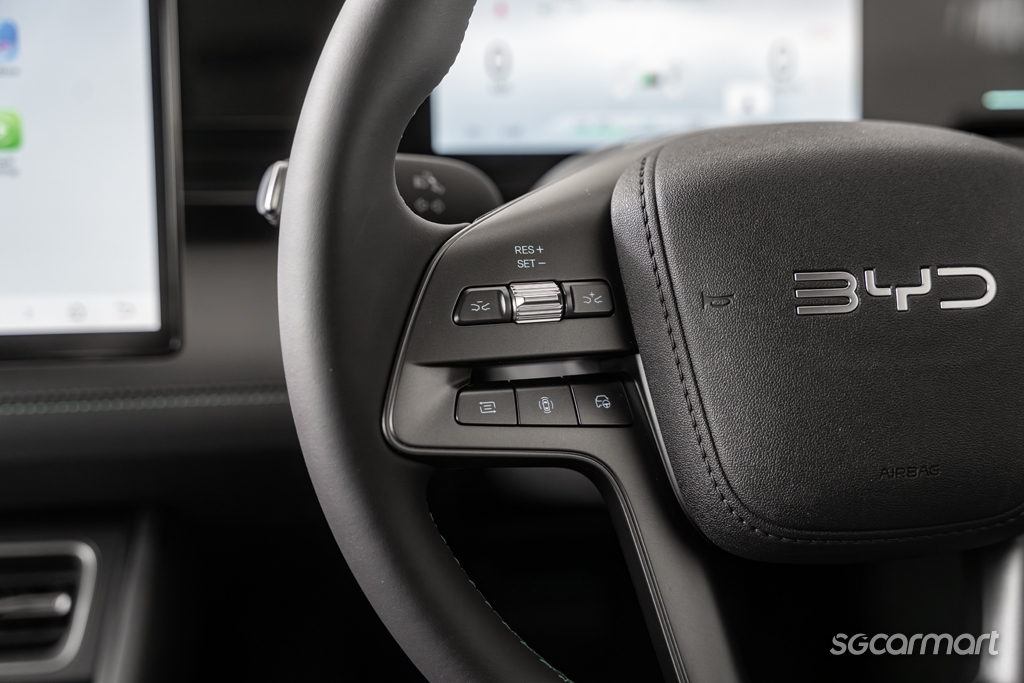
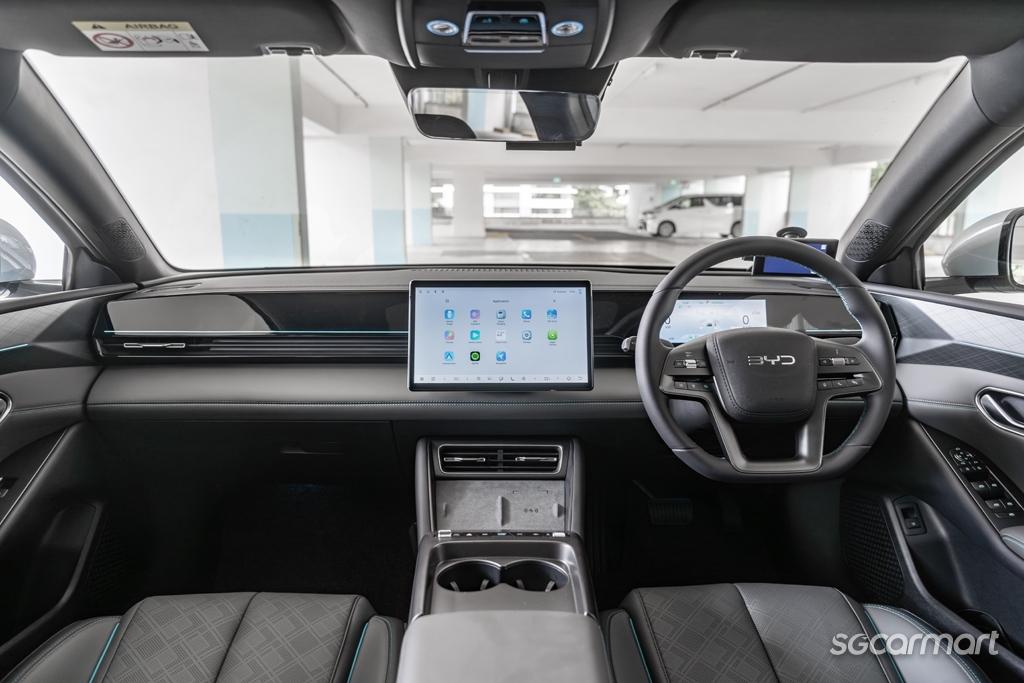
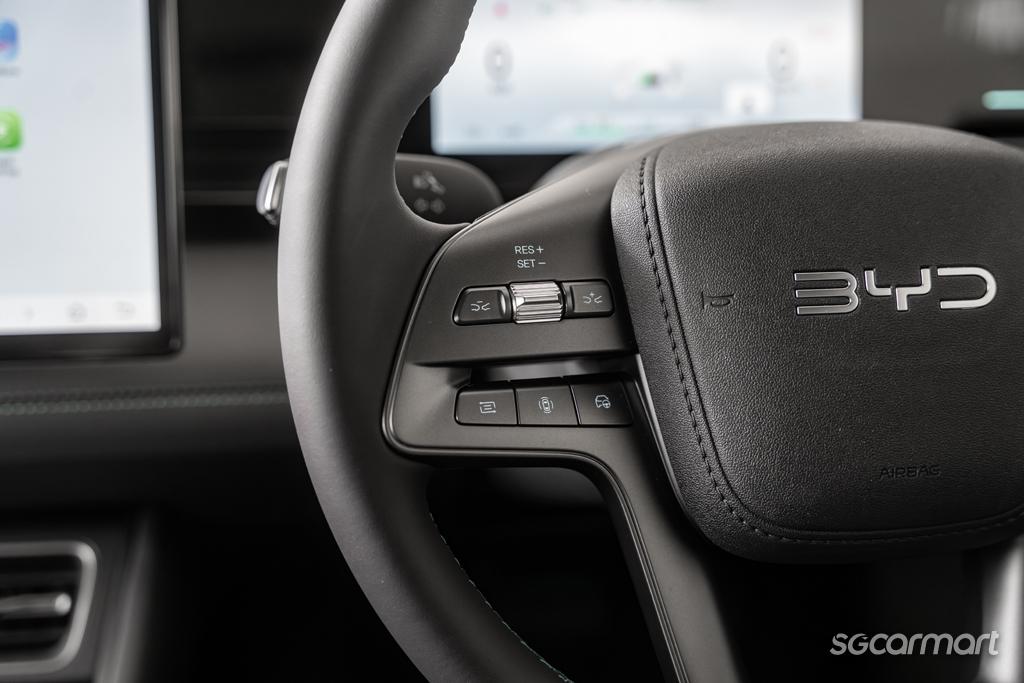
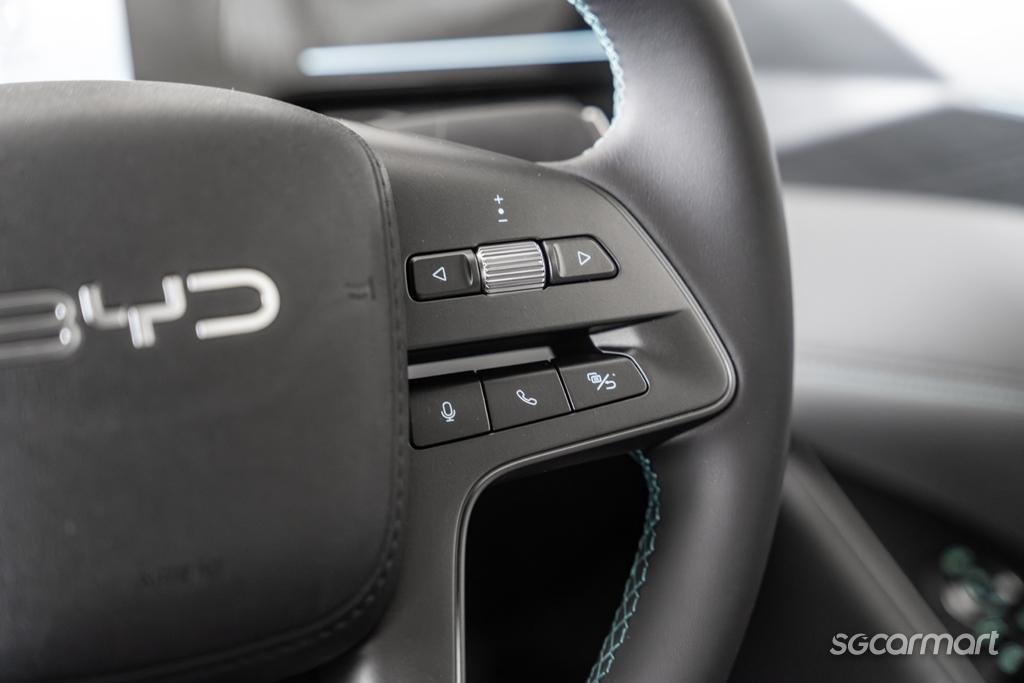
The cockpit is minimalist yet user-friendly, with physical controls for convenience
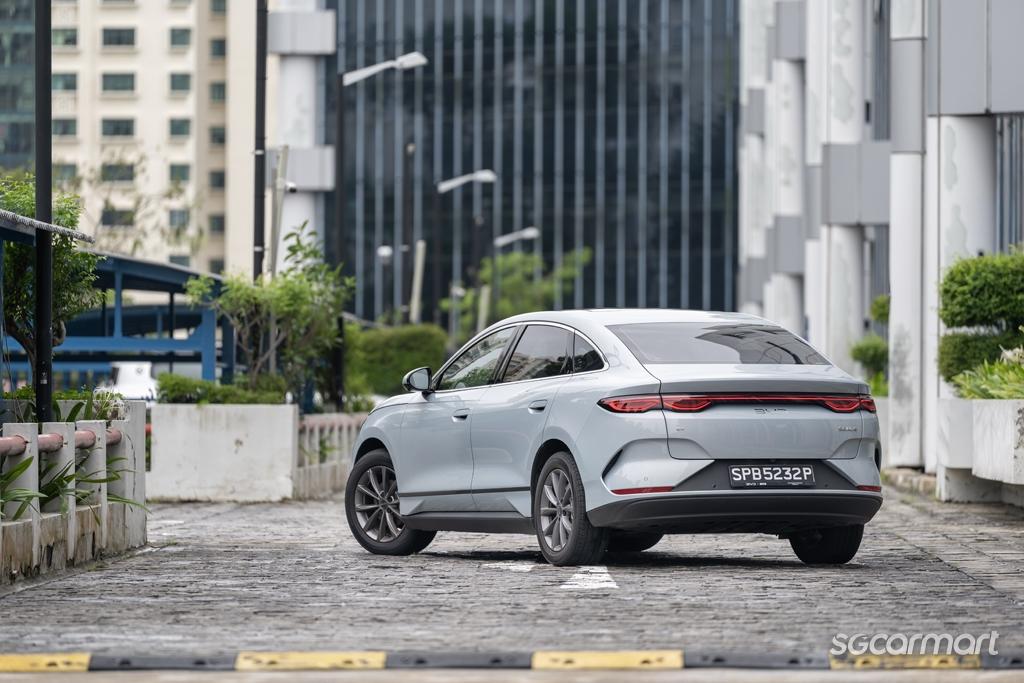
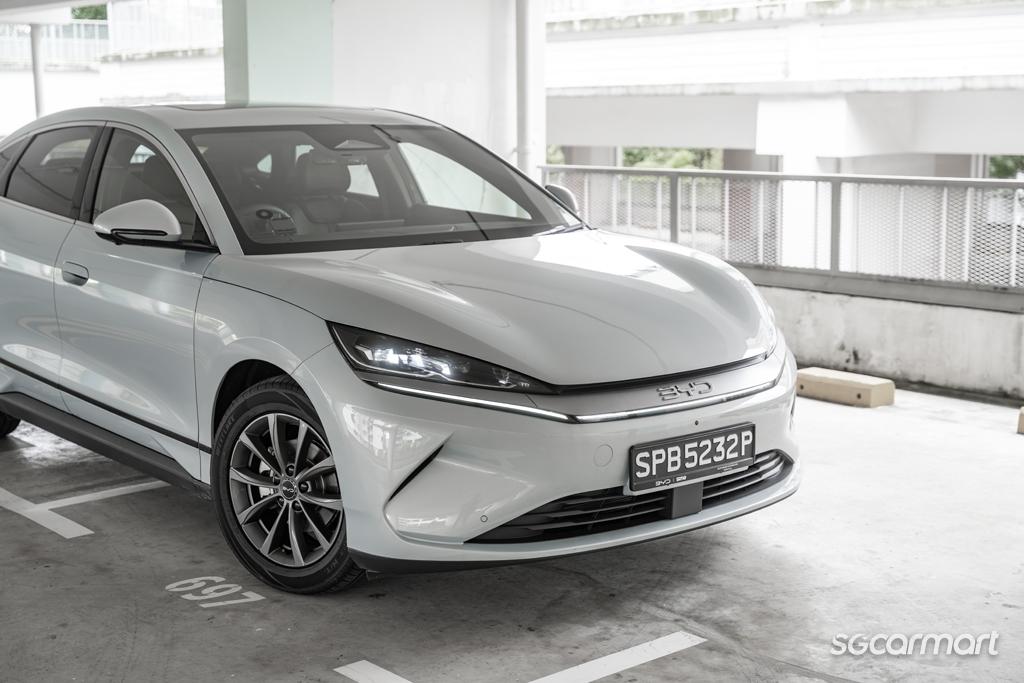
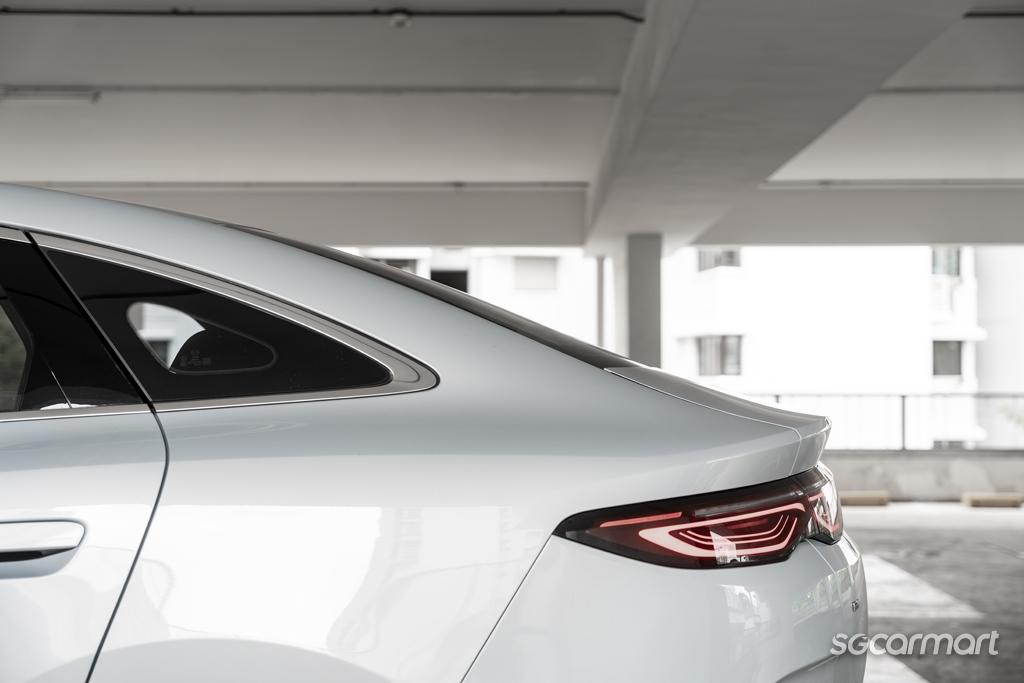
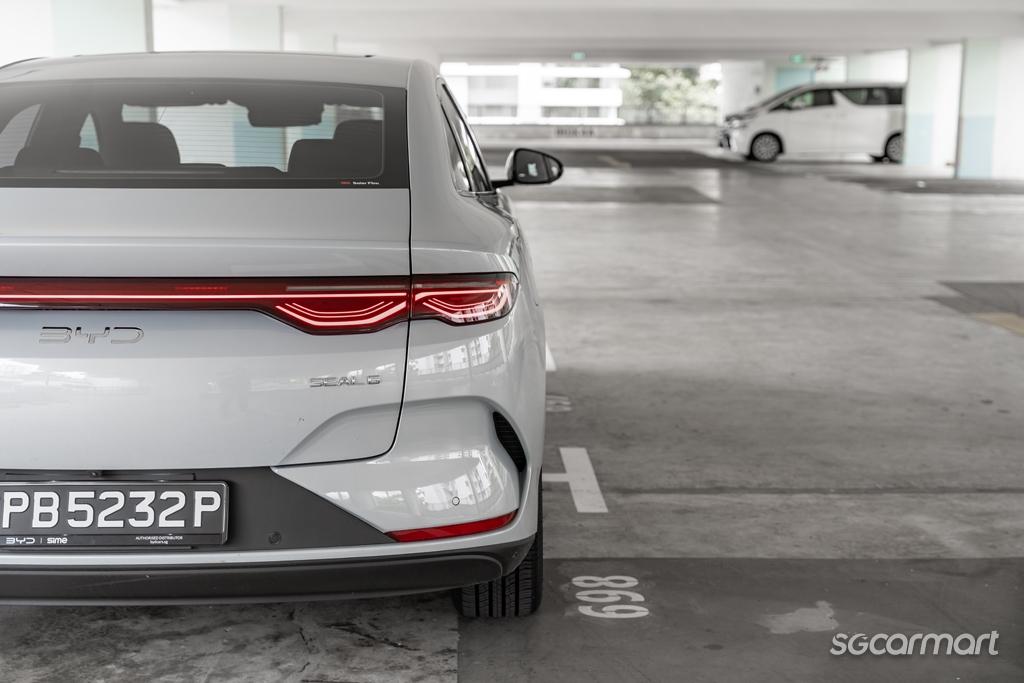
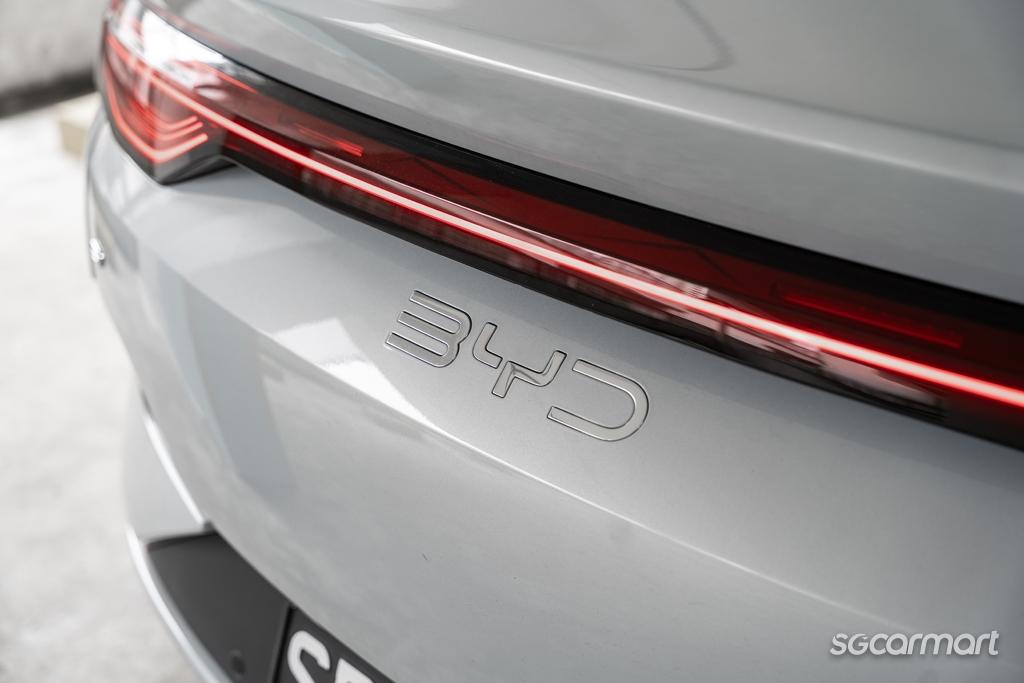
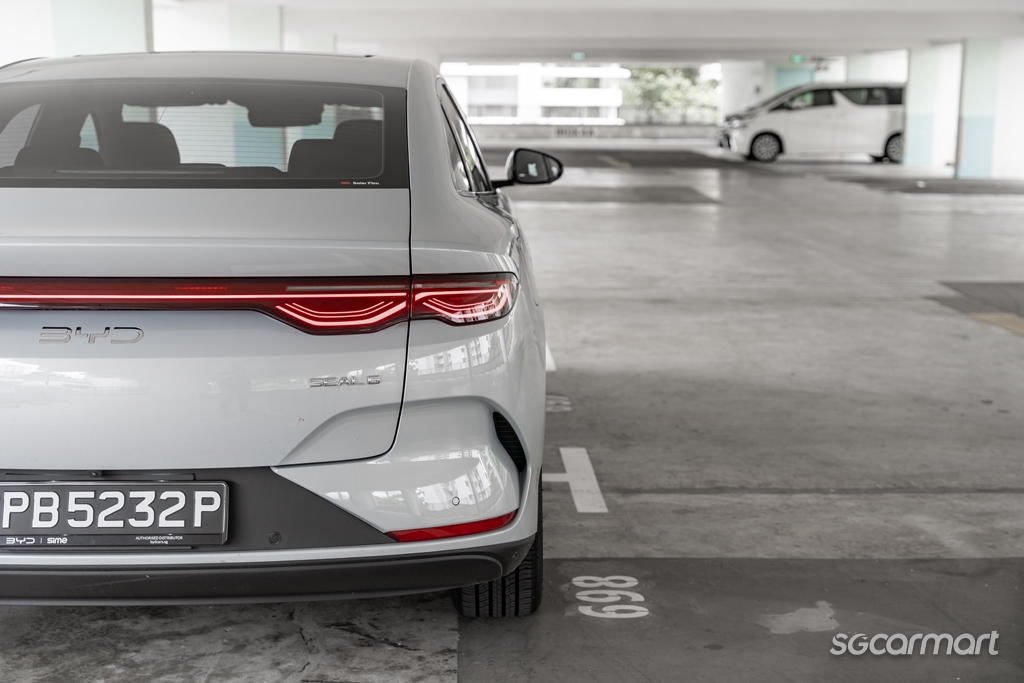
It looks decent, too. With its flat nose and slim head lights, 'sleek' is an apt description for it. Designers kept the rear neat, with just the snazzy looking tail-lamps giving the car some pizzazz. Reassuringly, the door handles are the traditional kind seen in 1990s cars, rather than the retractable electric type popular today.
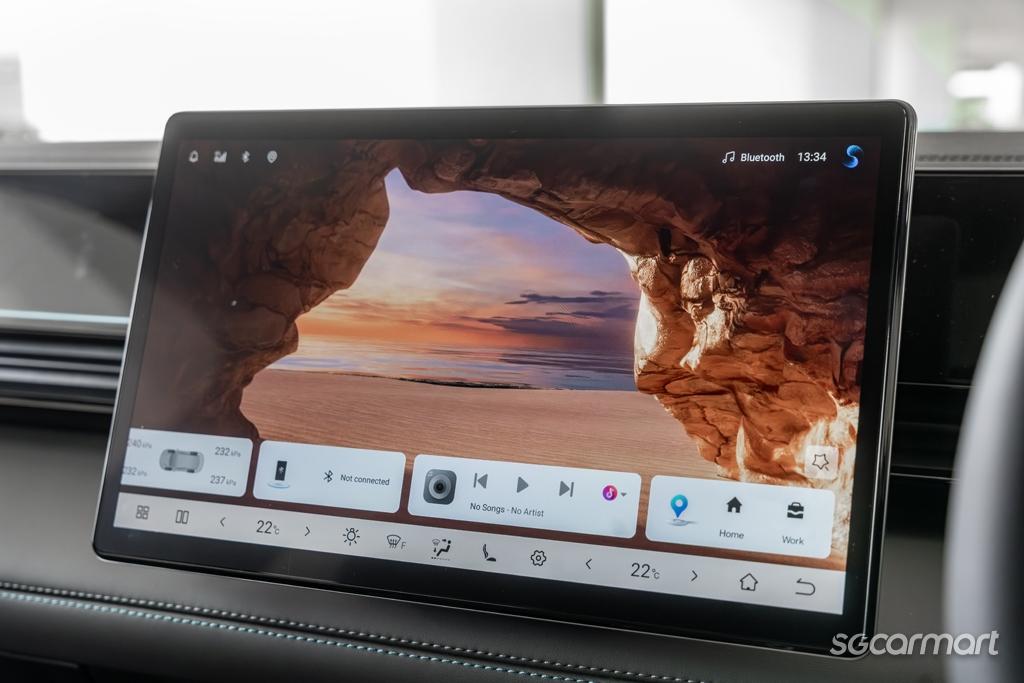
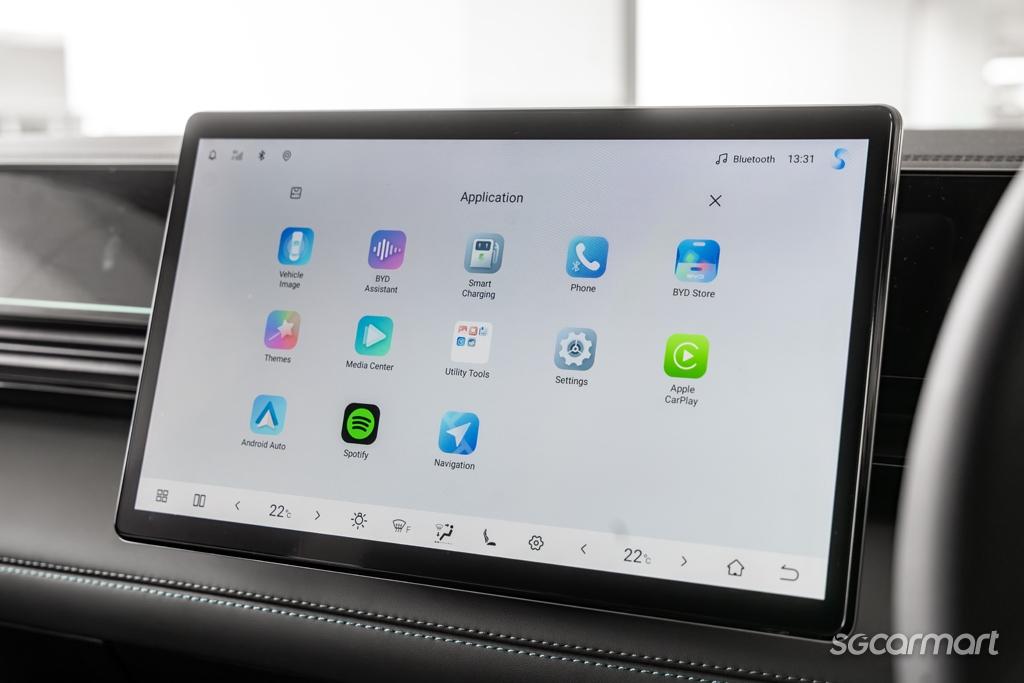
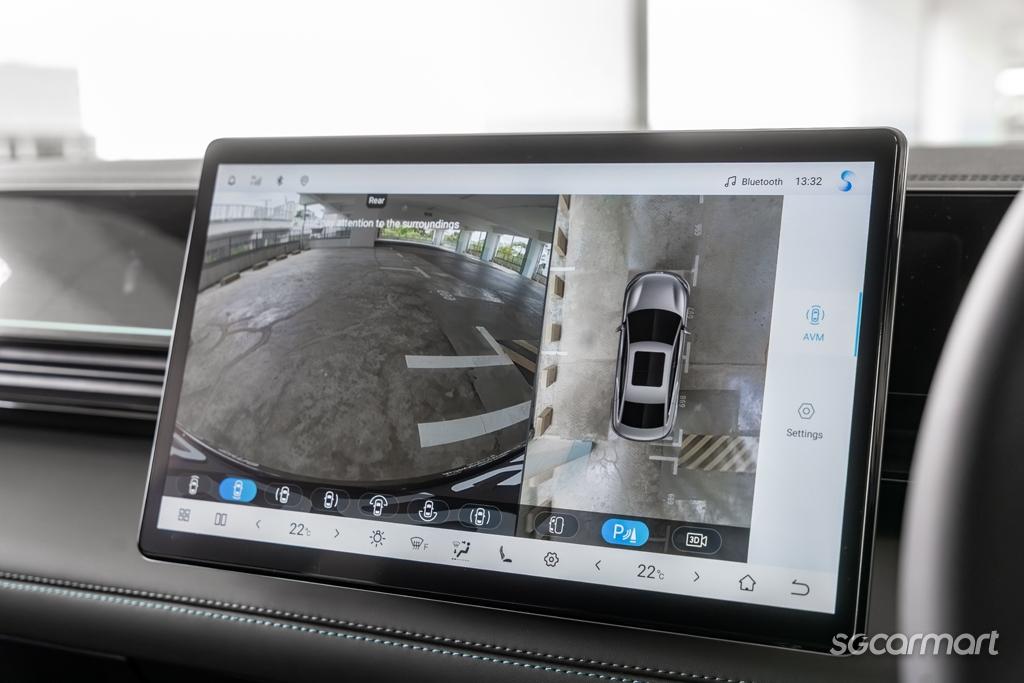
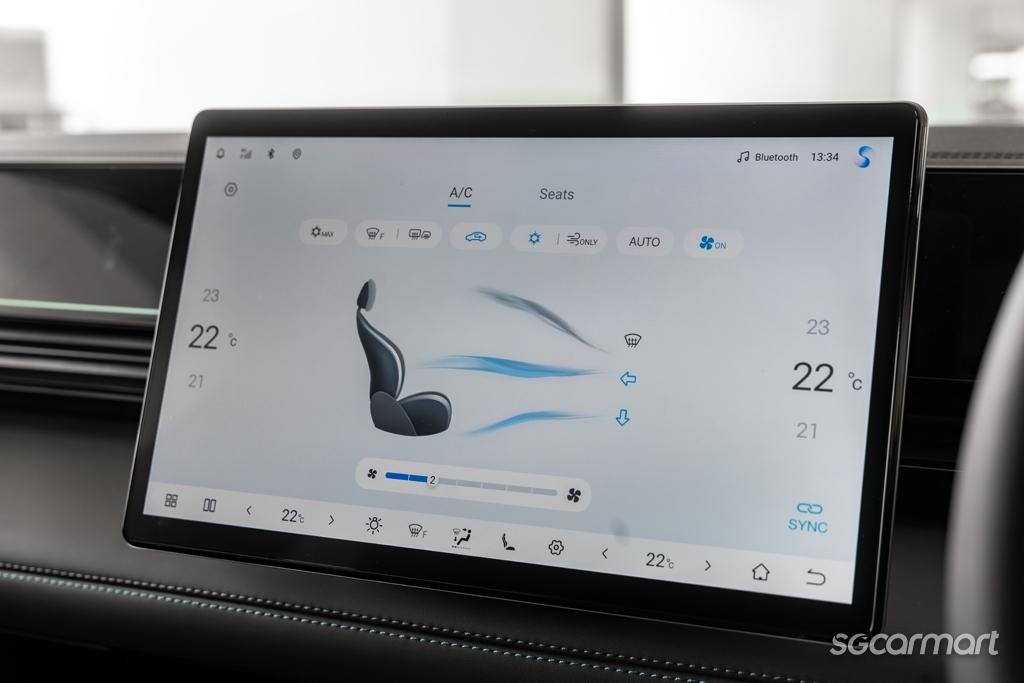
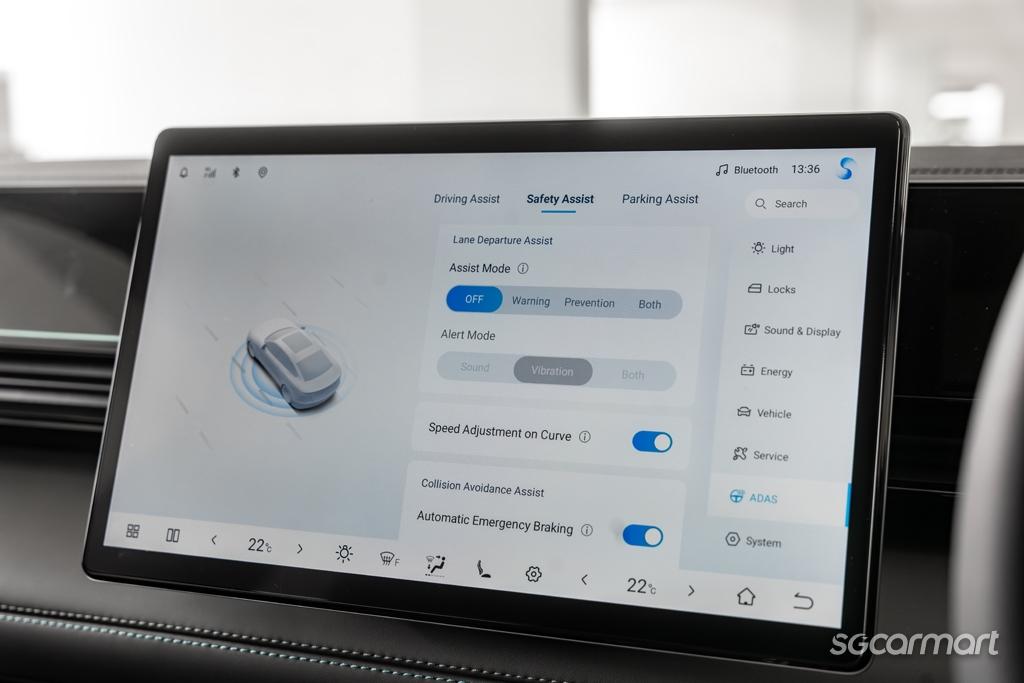
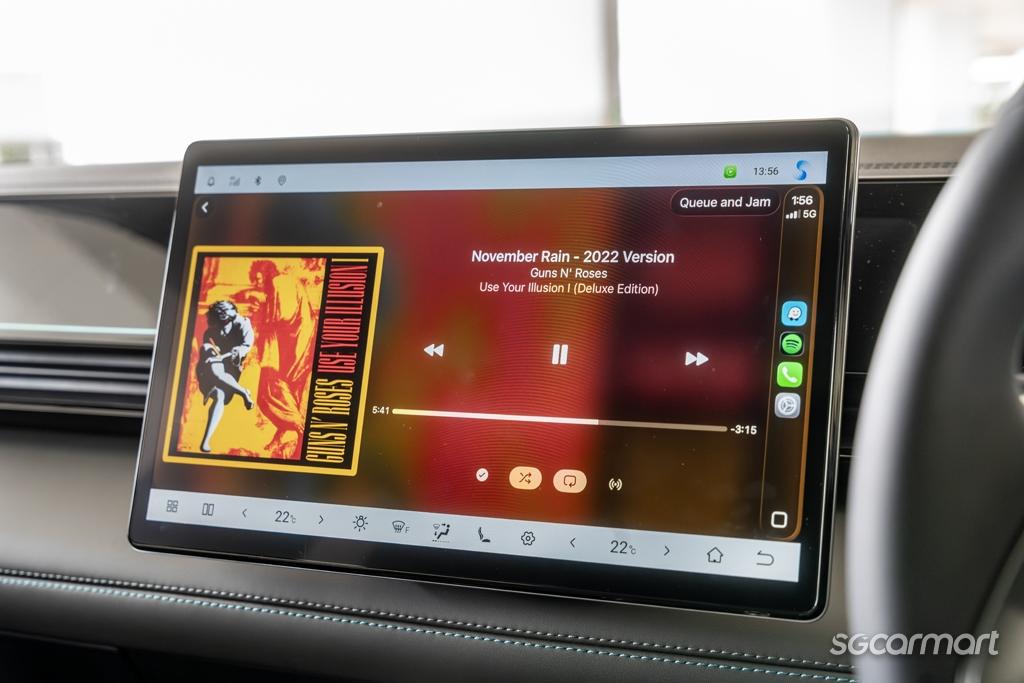
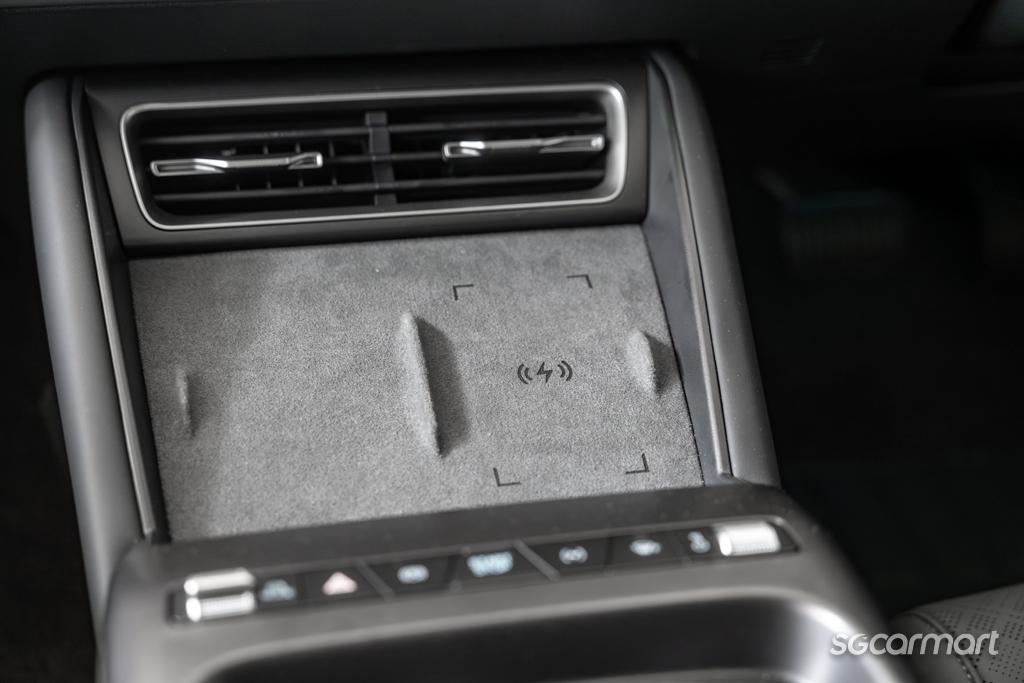
You'd expect an EV to have a minimalist interior, and the Seal 6 does - to a certain extent. Facing the driver is an 8.8-inch instrument panel, and a 12.8-inch HD touchscreen, where most of the functions can be accessed. BYD made the right call, though, in retaining physical buttons and rollers, for these enhance tactility and more importantly, user-friendliness.
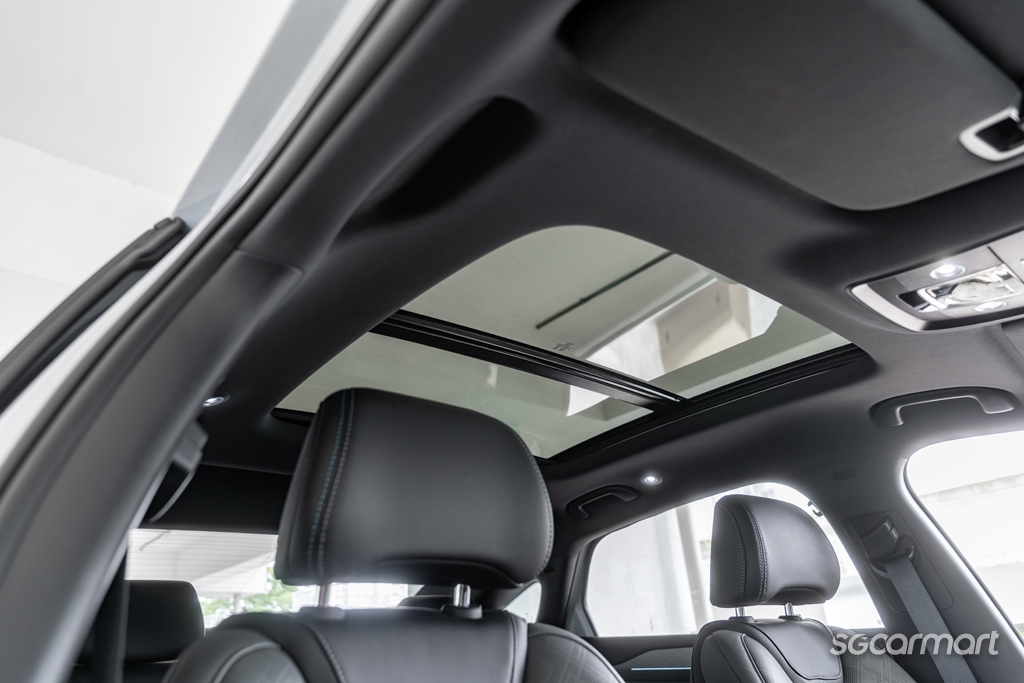
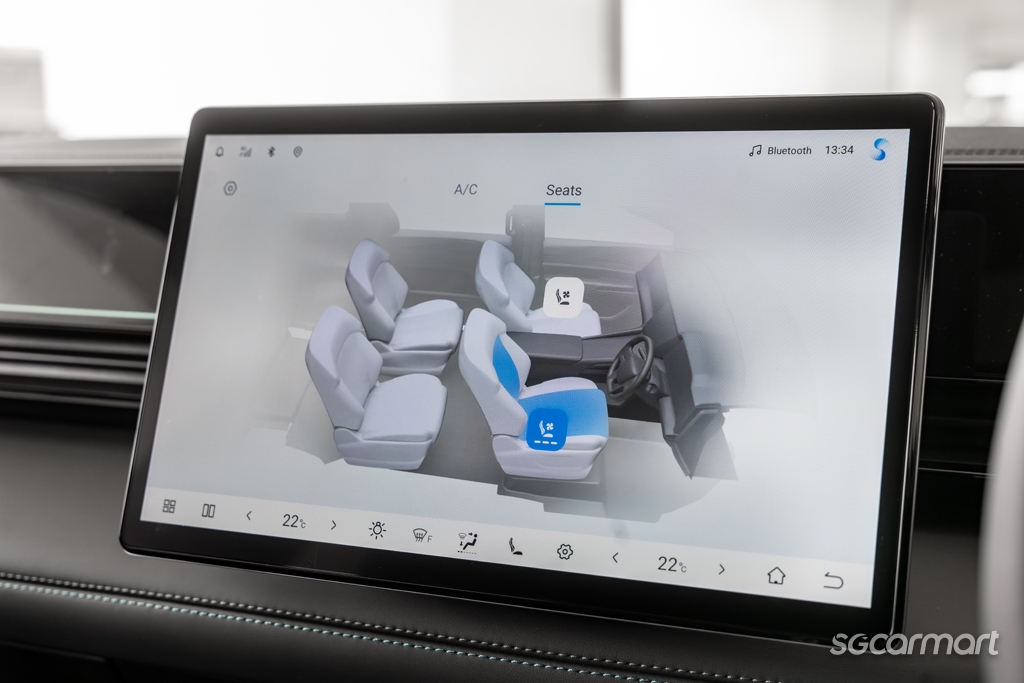
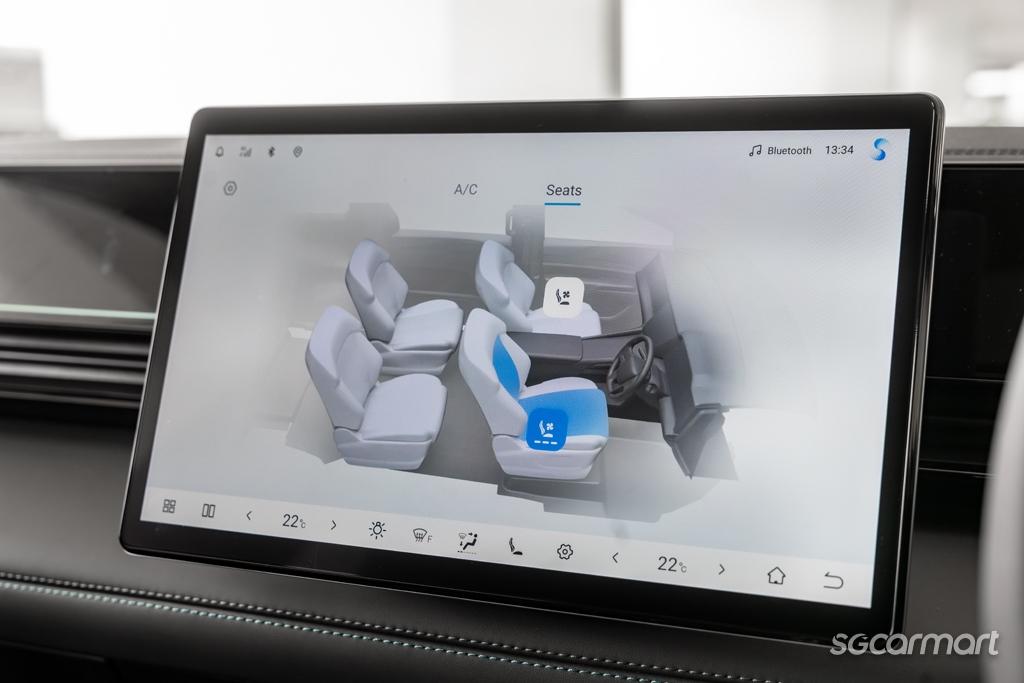
The panoramic roof can be opened, and there are ventilated seats for cooler bottoms on hot days
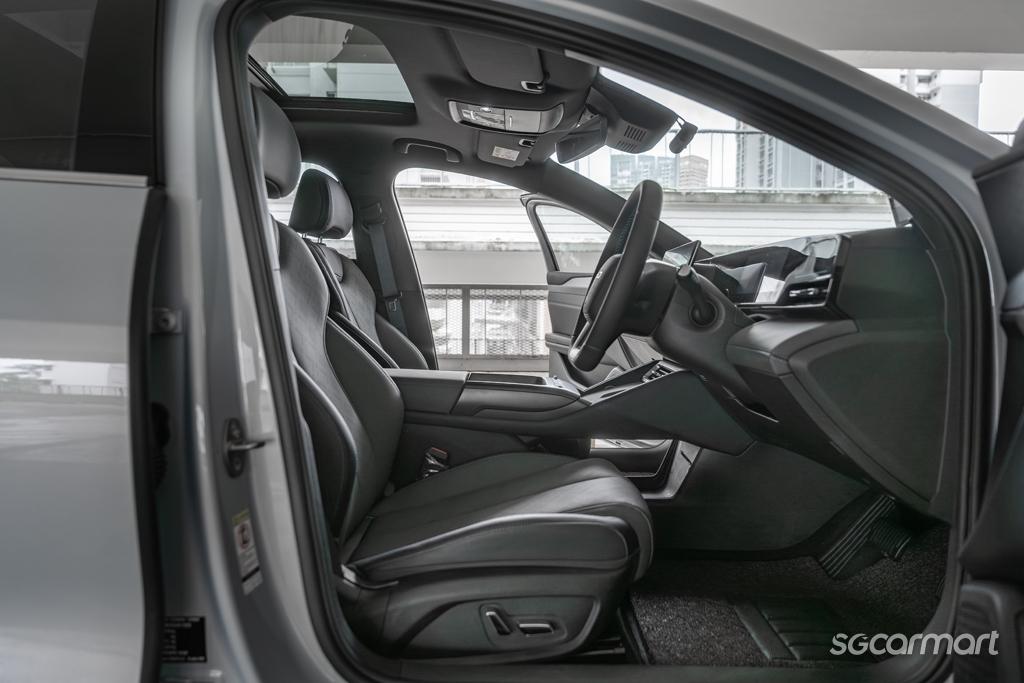
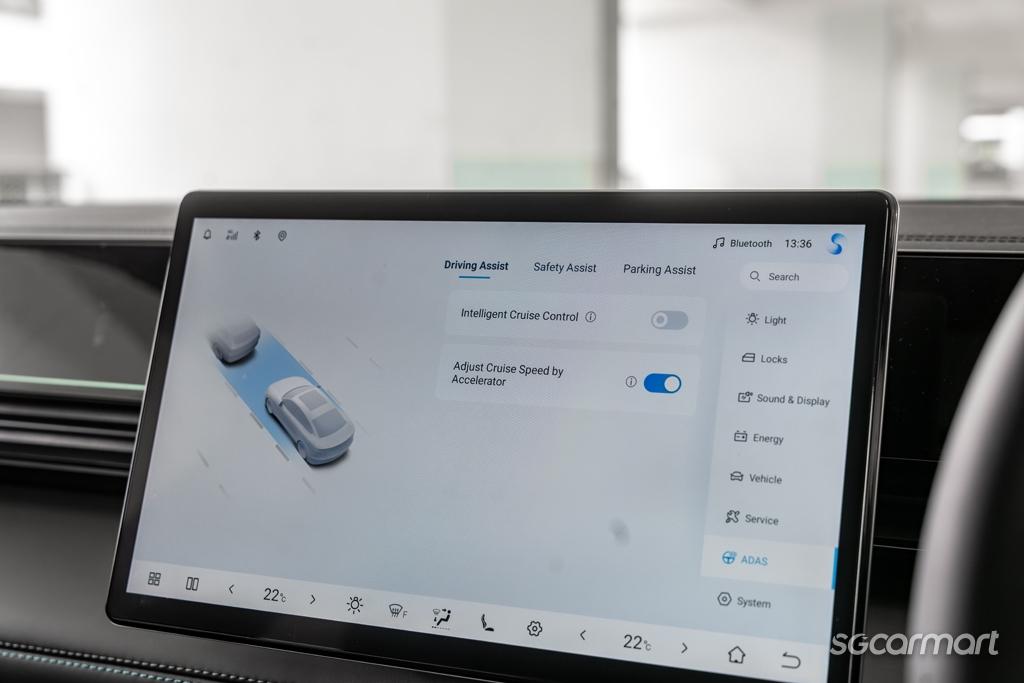
Despite the sombre appearance, the interior isn't basic. The standard kit includes a panoramic roof that slides open, ventilated front seats, and multi-hued ambient lighting. The list of safety features is extensive, too, with Automatic Emergency Braking (AEB), Lane Departure Warning (LDW), and Adaptive Cruise Control with a Stop & Go function as well.
At this point, my only bugbears are the lack of memory functions for the front electric seats, the need for more thigh support, and the puzzling fact that there's no blind spot monitor.
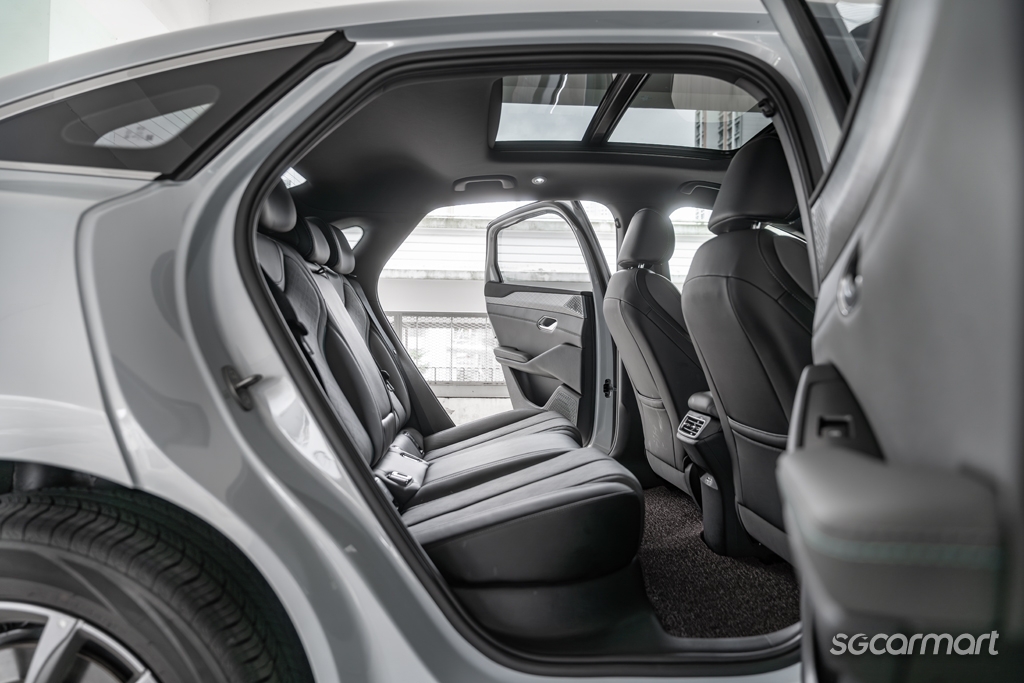
Overall practicality is good, but the backseat needs more foot space
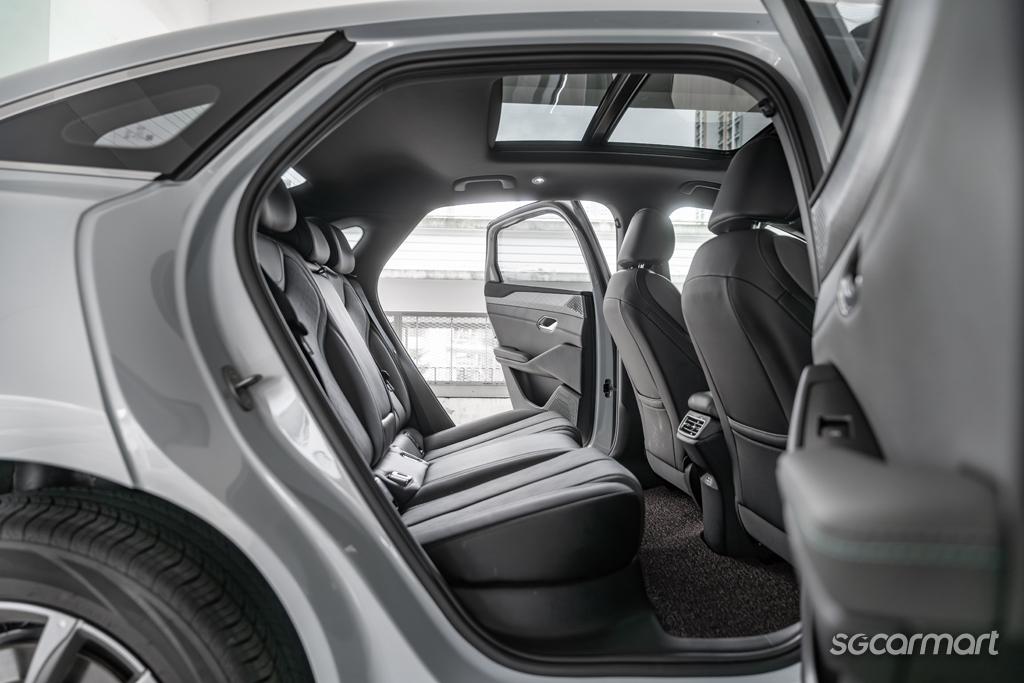
With the relatively long wheelbase, there's lots of legroom in the rear. Headroom is also generous thanks to the 'indentations' on the ceiling, so passengers over 1.75m tall won't feel claustrophobic. The real issue here, though, is that there's no foot space beneath the front seats, so occupants with large feet will feel uncomfortable.
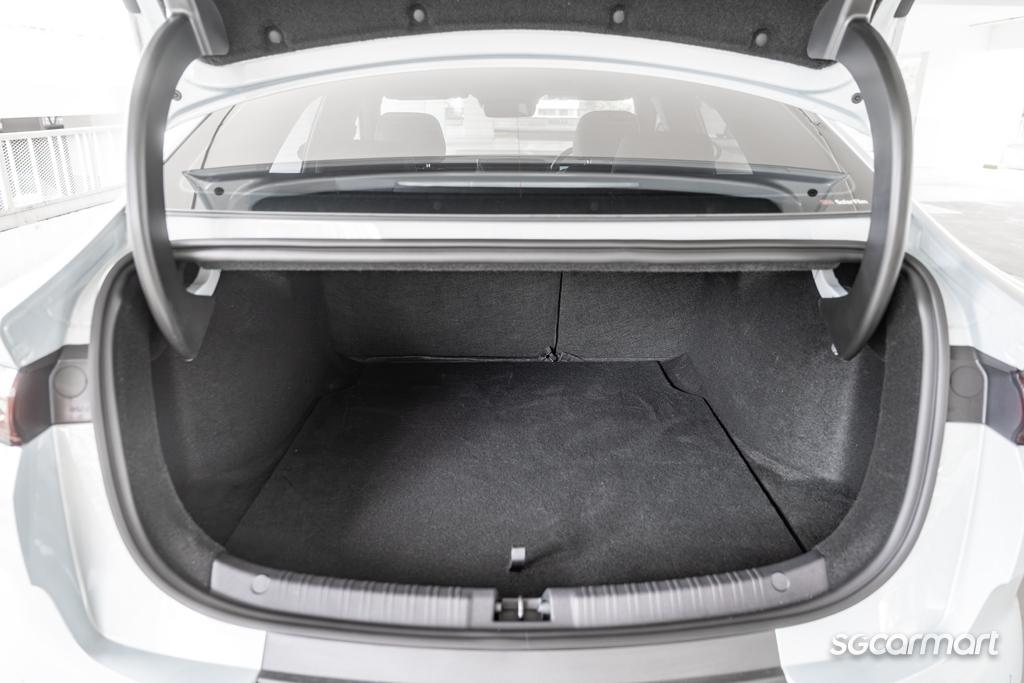
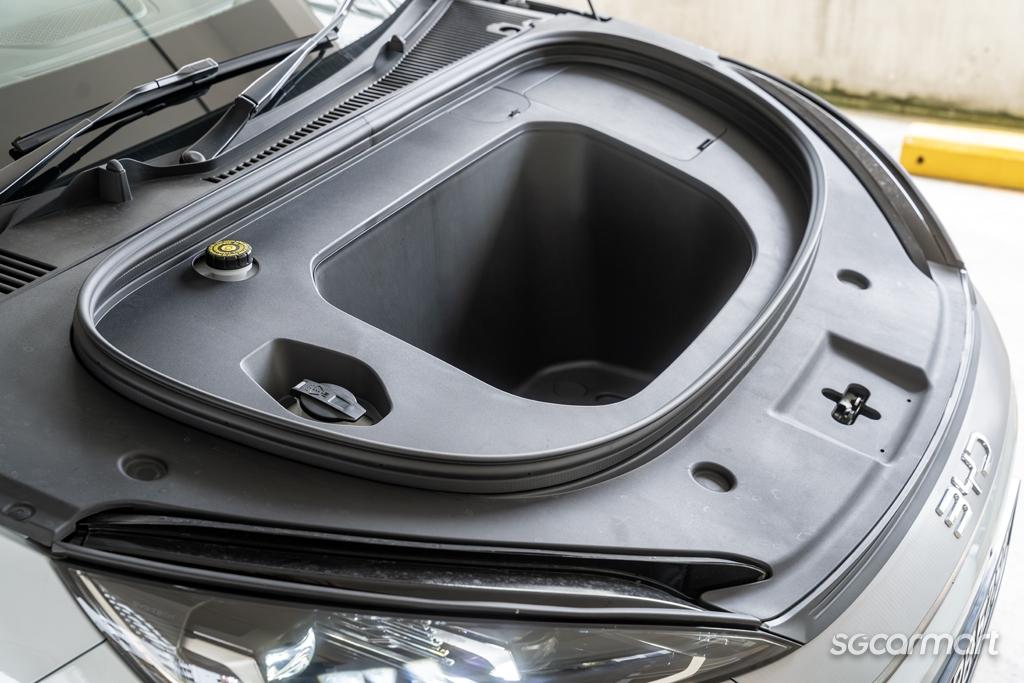
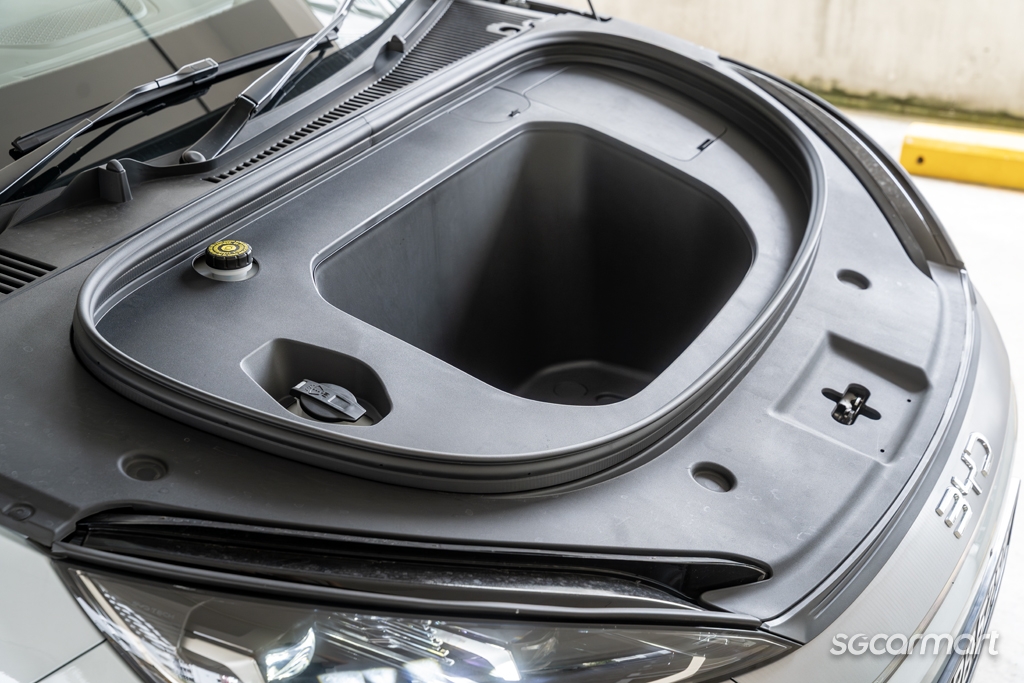
For luggage, there's a 460-litre boot and commendably, a 65-litre frunk. The latter comes in handy when you must reverse park close to a wall, allowing you to easily stow and retrieve smaller items as needed.
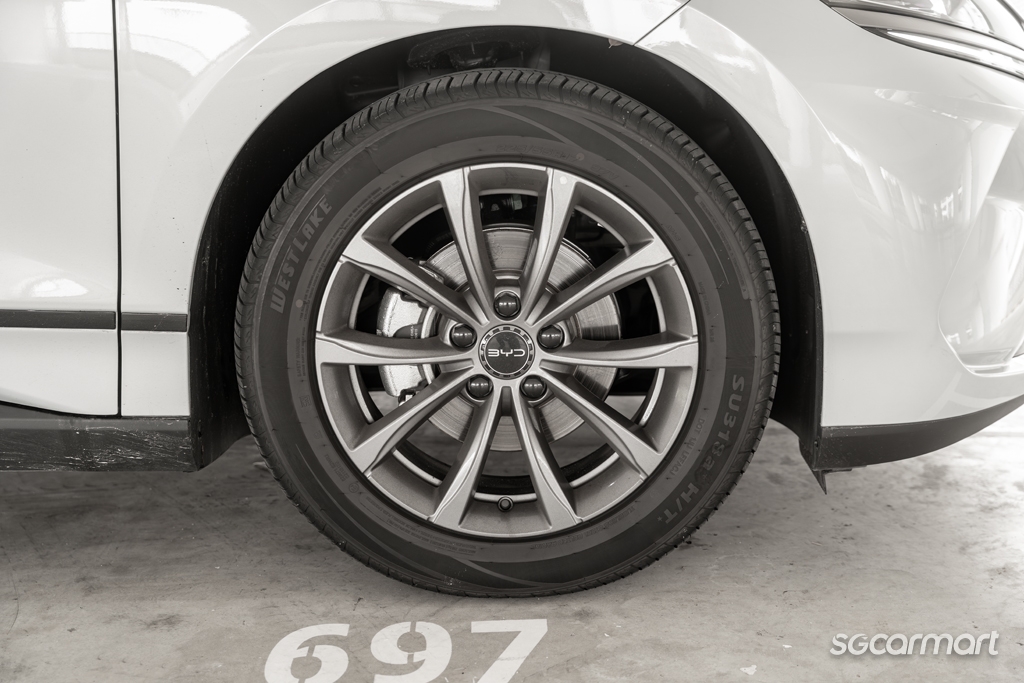
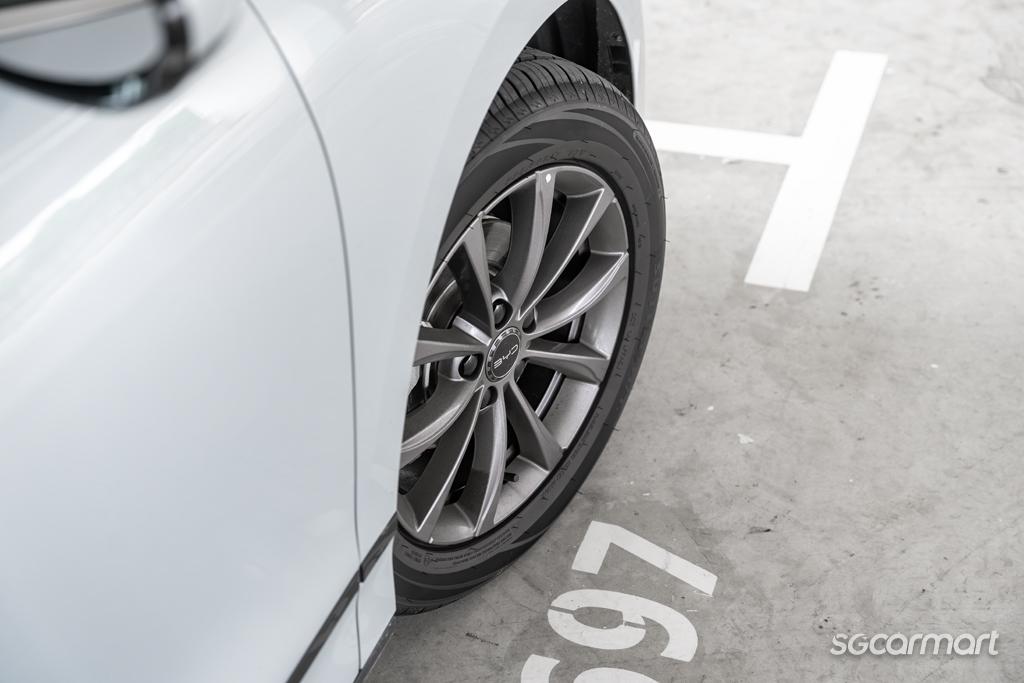
The ride quality is aided by using smaller 17-inch, 225/55 series tyres with taller sidewalls
Progressive dynamics
While the Seal 6 won't rewrite the book on driving fun, it does offer decent performance. The rear-mounted motor puts out 95kW (127bhp) and 220Nm of torque. Fed by a 56.64kWh Blade Battery, BYD claims a maximum range of 425km, with an average consumption of 6.6km/kWh.
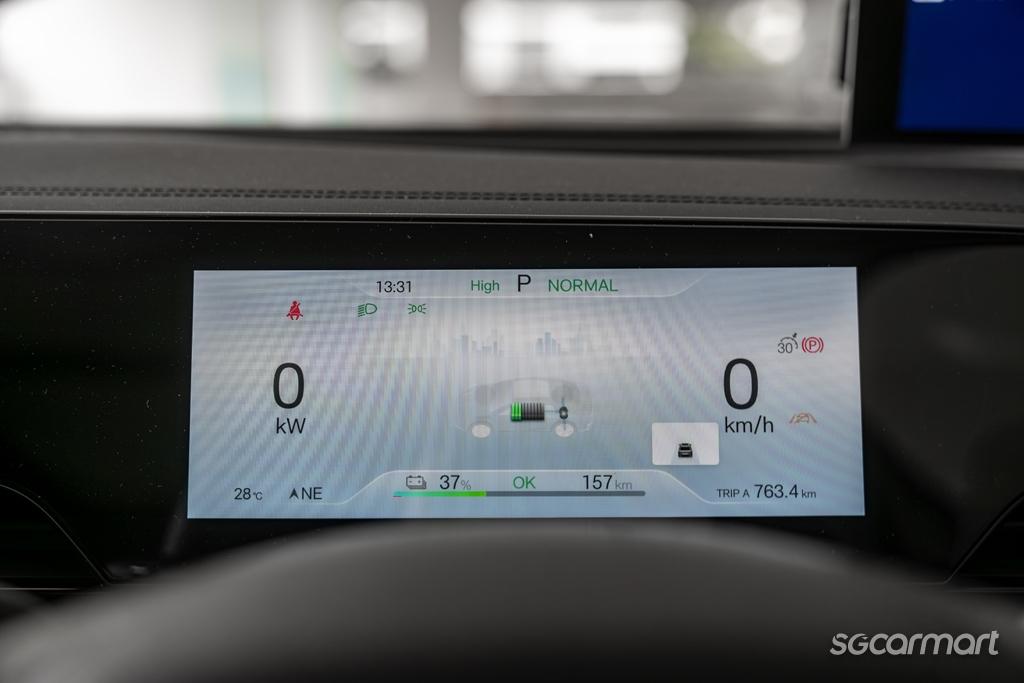
BYD's electric powertrains tend to be more efficient than claimed, so not surprisingly, I averaged 8.2km/kWh. Unless you drive with the intention of draining the battery as quickly as possible, the total range is likely to be greater than advertised.
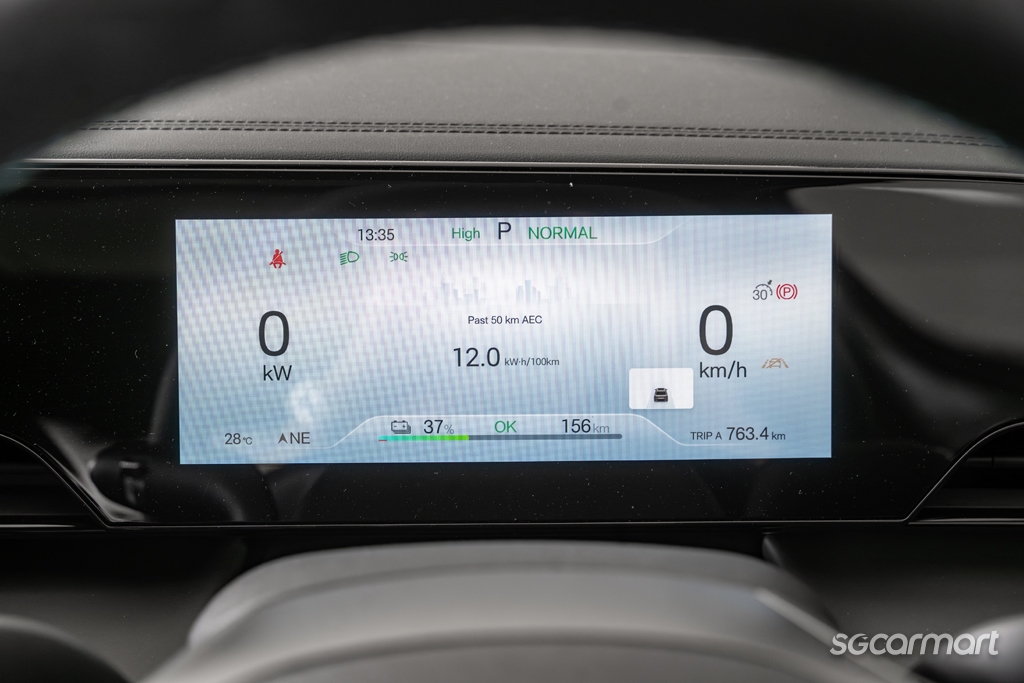
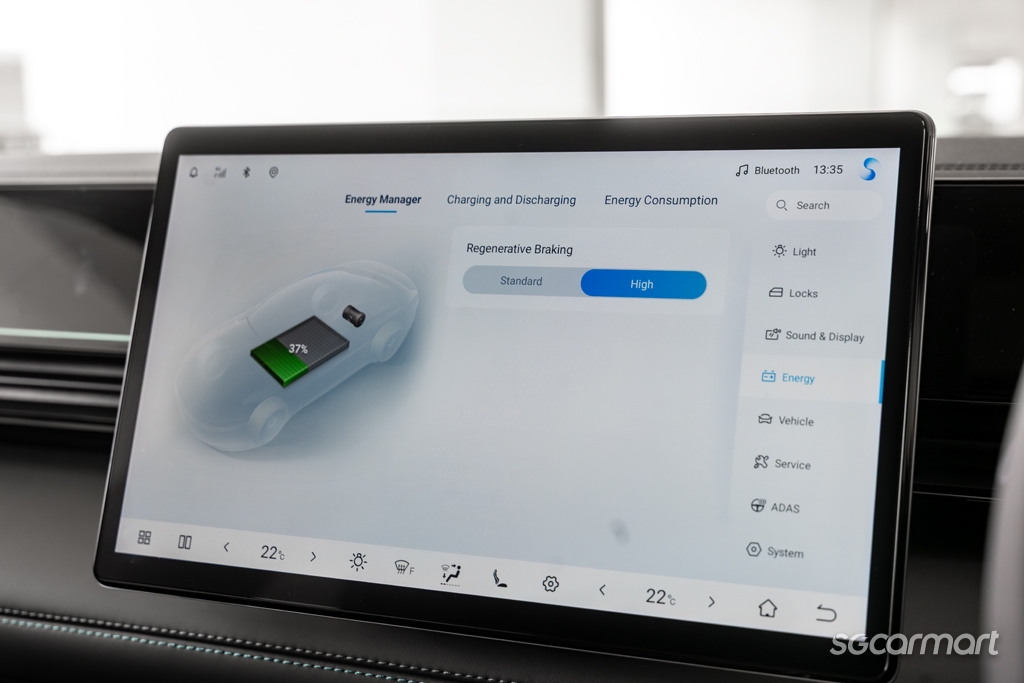
The powertrain is efficient to begin with - perhaps that's why the regenerative braking remains weak even in the 'High' setting
While the motor's delivery is silent and smooth, progress is calm rather than exciting, with the century sprint taking 10.9 seconds. Selecting the 'Sport' setting makes the Seal 6 feel slightly more responsive but doesn't hasten the proceedings. Off-the-line, there's a palpable delay even if you pin the accelerator pedal to the floor.
That said, the Seal 6 pleases the driver with its well-tuned suspension, consisting of MacPherson struts in front and a multi-link setup at the rear. Rather than feeling mushy, the ride is properly damped, ironing out bumps without feeling floaty. The steering is accurate, too. Combined with the rear-wheel drive layout, handling is easy and predictable.
A convincing contender
At $166,888, BYD is targeting buyers who previously considered cars like the Hyundai Avante Hybrid (from $202,999) and Toyota Corolla Altis (from $182,888). Although all three have different powertrains, shoppers in this segment seek a car that's practical, reliable, and economical to run.
In this company, the Seal 6's performance may not eclipse its rivals', but it offers a roomier and quieter cabin, a smoother ride, and rear-wheel drive dynamics. Plus, thanks to generous subsidies, it is a lot less expensive, too. Instead of being a bread-and-butter sedan, it's more akin to a kaya toast breakfast set.
These stories may also interest you
The updated Skoda Octavia has been given several improvements, but the key one for buyers is that it's still a Cat A COE model
Pretty to look at, packed with equipment and refined to drive, the new Mazda3 is a high-quality compact family sedan that will easily delight
What We Like
Quiet cabin
Generously equipped
Rear-wheel drive dynamics
More efficient than advertised
Supple ride
What We Dislike
No blind spot monitor
No memory function for front seats
Seats need more thigh support
Just a decade ago, the idea of a bread-and-butter car was a compact family saloon that was practical, reliable, and economical. It didn't need to look cool or handle well, for its remit was no-frills motoring. Cars like the iconic Toyota Corolla Altis perfected this formula and buyers loved it.
With the rise of electrification and COE premiums, however, the idea of a bread-and-butter car has changed. Since buyers must pay a lot more, these models cannot be 'basic' transportation. Refinement and amenities must replace cheap-and-cheerful. And BYD thinks it has the right product with the Seal 6.
The styling is clean and restrained rather than bold and polarising
A clearer picture
You're not alone in wondering what the Seal 6 is, especially when there's a Seal in BYD's Singapore lineup. It would have been clearer if BYD had another name for this model, because the '6' in its name can make people assume it's a larger sedan, when it is in fact, smaller.
To be precise, the Seal 6 is 80mm shorter (4,720mm vs 4,800mm) than the Seal. Its wheelbase measures in at 2,820mm, while the Seal's is 2,920mm long, making it a midsize rather than a compact sedan.
The cockpit is minimalist yet user-friendly, with physical controls for convenience
It looks decent, too. With its flat nose and slim head lights, 'sleek' is an apt description for it. Designers kept the rear neat, with just the snazzy looking tail-lamps giving the car some pizzazz. Reassuringly, the door handles are the traditional kind seen in 1990s cars, rather than the retractable electric type popular today.
You'd expect an EV to have a minimalist interior, and the Seal 6 does - to a certain extent. Facing the driver is an 8.8-inch instrument panel, and a 12.8-inch HD touchscreen, where most of the functions can be accessed. BYD made the right call, though, in retaining physical buttons and rollers, for these enhance tactility and more importantly, user-friendliness.
The panoramic roof can be opened, and there are ventilated seats for cooler bottoms on hot days
Despite the sombre appearance, the interior isn't basic. The standard kit includes a panoramic roof that slides open, ventilated front seats, and multi-hued ambient lighting. The list of safety features is extensive, too, with Automatic Emergency Braking (AEB), Lane Departure Warning (LDW), and Adaptive Cruise Control with a Stop & Go function as well.
At this point, my only bugbears are the lack of memory functions for the front electric seats, the need for more thigh support, and the puzzling fact that there's no blind spot monitor.
Overall practicality is good, but the backseat needs more foot space
With the relatively long wheelbase, there's lots of legroom in the rear. Headroom is also generous thanks to the 'indentations' on the ceiling, so passengers over 1.75m tall won't feel claustrophobic. The real issue here, though, is that there's no foot space beneath the front seats, so occupants with large feet will feel uncomfortable.
For luggage, there's a 460-litre boot and commendably, a 65-litre frunk. The latter comes in handy when you must reverse park close to a wall, allowing you to easily stow and retrieve smaller items as needed.
The ride quality is aided by using smaller 17-inch, 225/55 series tyres with taller sidewalls
Progressive dynamics
While the Seal 6 won't rewrite the book on driving fun, it does offer decent performance. The rear-mounted motor puts out 95kW (127bhp) and 220Nm of torque. Fed by a 56.64kWh Blade Battery, BYD claims a maximum range of 425km, with an average consumption of 6.6km/kWh.
BYD's electric powertrains tend to be more efficient than claimed, so not surprisingly, I averaged 8.2km/kWh. Unless you drive with the intention of draining the battery as quickly as possible, the total range is likely to be greater than advertised.
The powertrain is efficient to begin with - perhaps that's why the regenerative braking remains weak even in the 'High' setting
While the motor's delivery is silent and smooth, progress is calm rather than exciting, with the century sprint taking 10.9 seconds. Selecting the 'Sport' setting makes the Seal 6 feel slightly more responsive but doesn't hasten the proceedings. Off-the-line, there's a palpable delay even if you pin the accelerator pedal to the floor.
That said, the Seal 6 pleases the driver with its well-tuned suspension, consisting of MacPherson struts in front and a multi-link setup at the rear. Rather than feeling mushy, the ride is properly damped, ironing out bumps without feeling floaty. The steering is accurate, too. Combined with the rear-wheel drive layout, handling is easy and predictable.
A convincing contender
At $166,888, BYD is targeting buyers who previously considered cars like the Hyundai Avante Hybrid (from $202,999) and Toyota Corolla Altis (from $182,888). Although all three have different powertrains, shoppers in this segment seek a car that's practical, reliable, and economical to run.
In this company, the Seal 6's performance may not eclipse its rivals', but it offers a roomier and quieter cabin, a smoother ride, and rear-wheel drive dynamics. Plus, thanks to generous subsidies, it is a lot less expensive, too. Instead of being a bread-and-butter sedan, it's more akin to a kaya toast breakfast set.
These stories may also interest you
The updated Skoda Octavia has been given several improvements, but the key one for buyers is that it's still a Cat A COE model
Pretty to look at, packed with equipment and refined to drive, the new Mazda3 is a high-quality compact family sedan that will easily delight



Car Information
BYD Seal 6 Electric Premium 56.64 kWh (A)
$177,888
CAT A|Electric|6.6km/kWh
Horsepower
95kW (127 bhp)
Torque
220 Nm
Acceleration
10.9sec (0-100km /hr)
Promotion
Enjoy ownership benefits of $5,000 worth of savings and many more with BYD today.
Read more
Thank You For Your Subscription.




Tags
Products & Services

For Owners
Quick Links
About Sgcarmart