Home  Car Articles Advice Advice Listings Car Ownership Advice
Road markings and parking restrictions in Singapore
01 Apr 2013|284,098 views

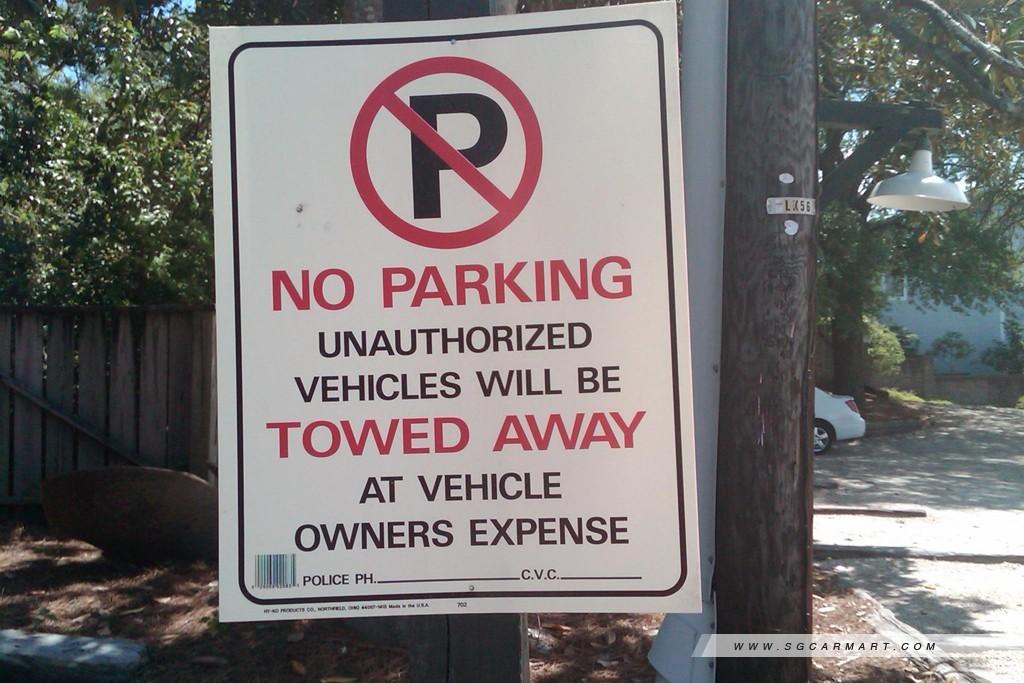
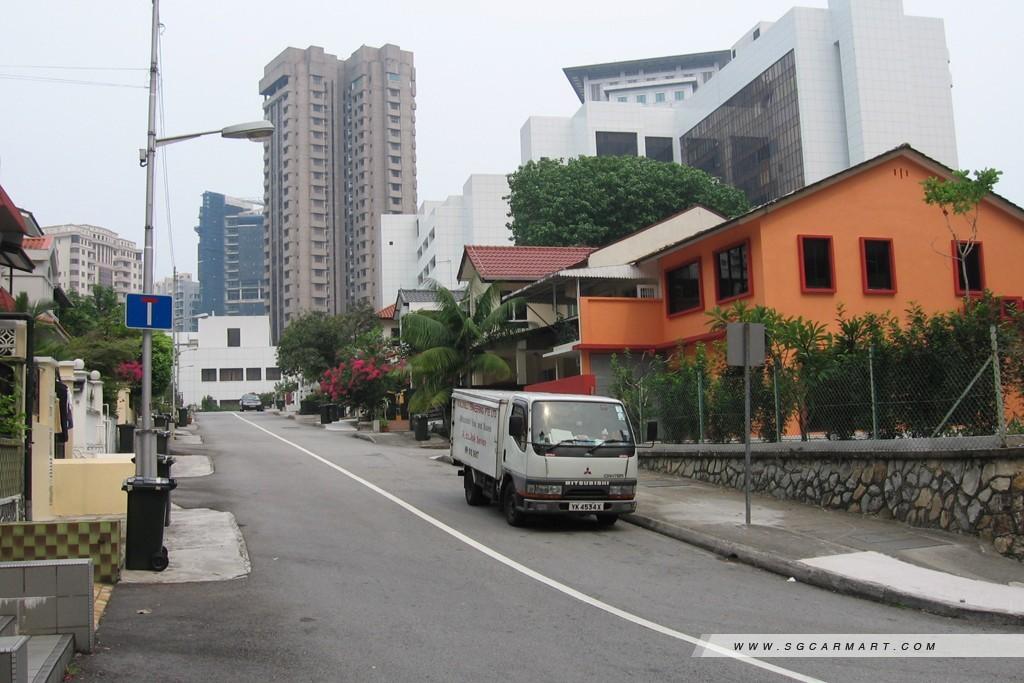
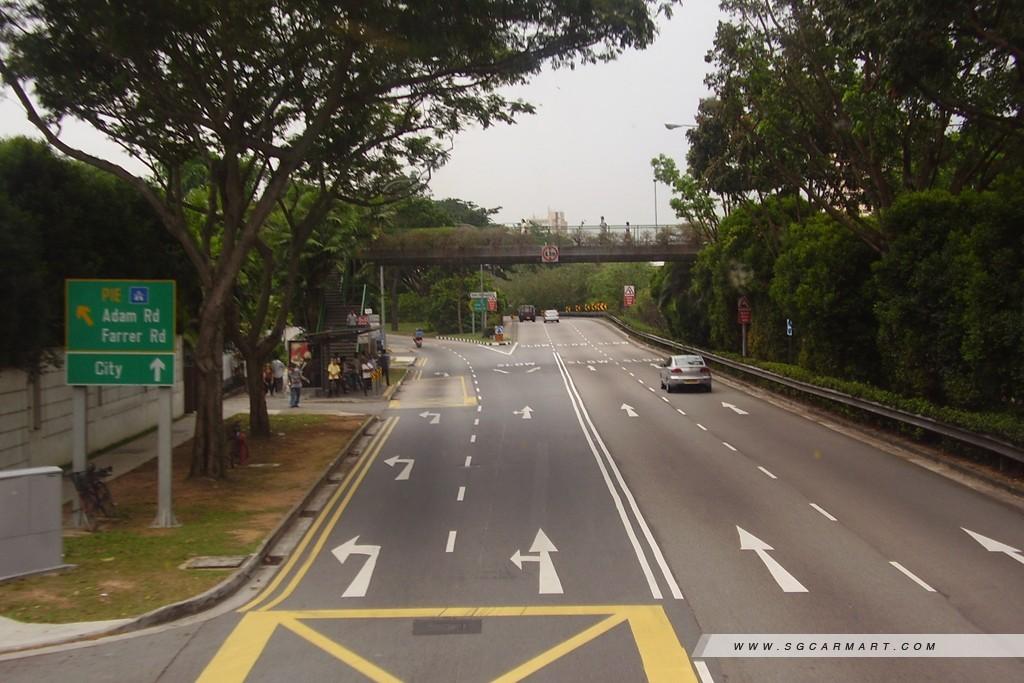
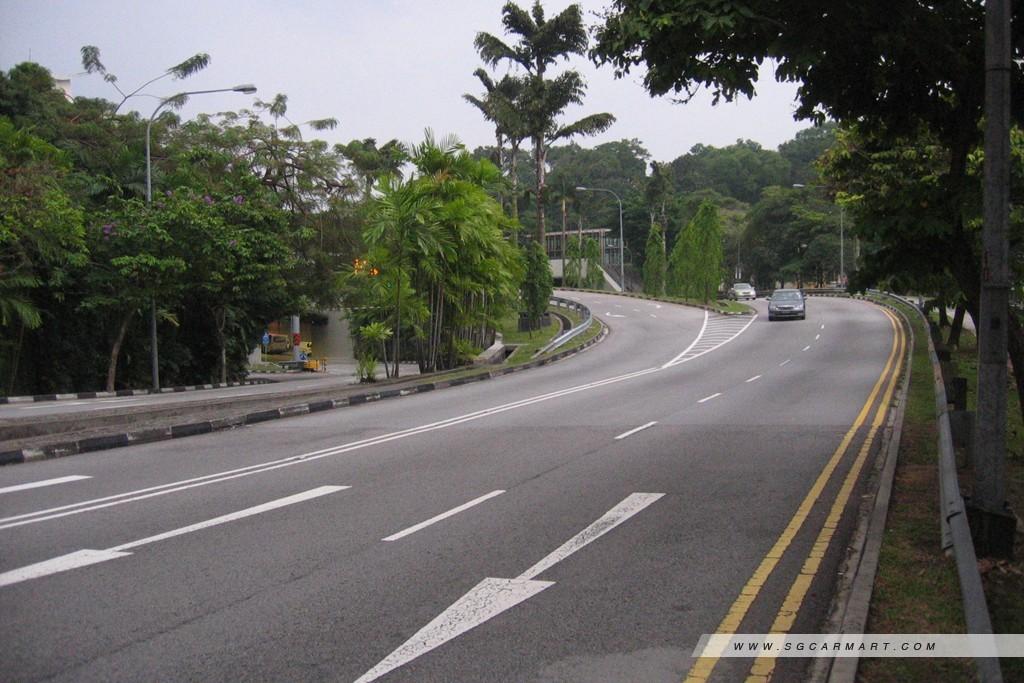
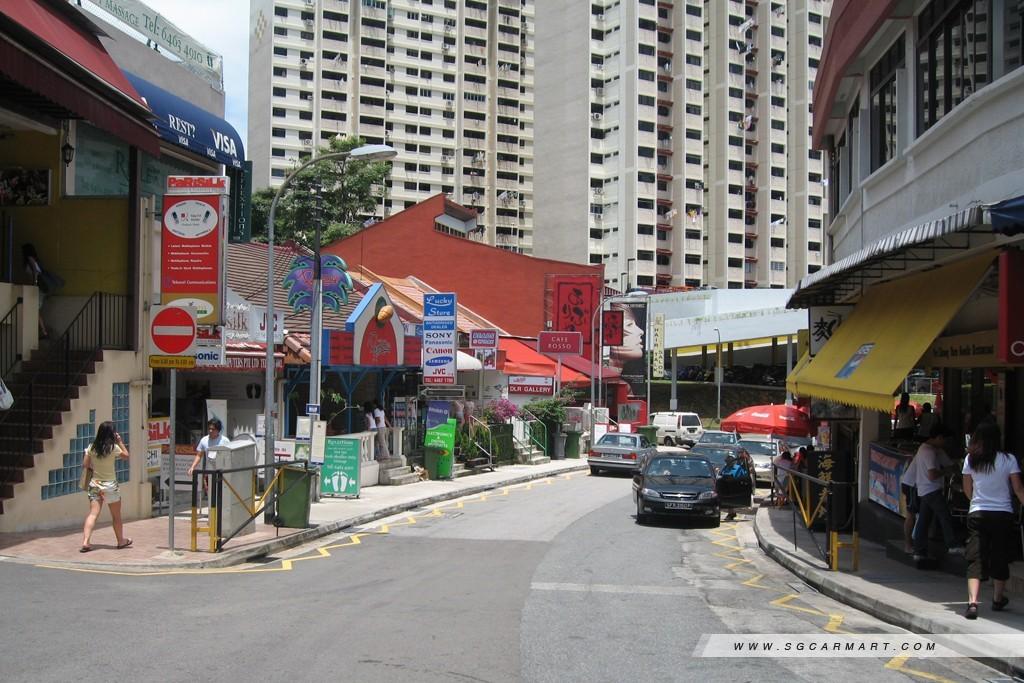
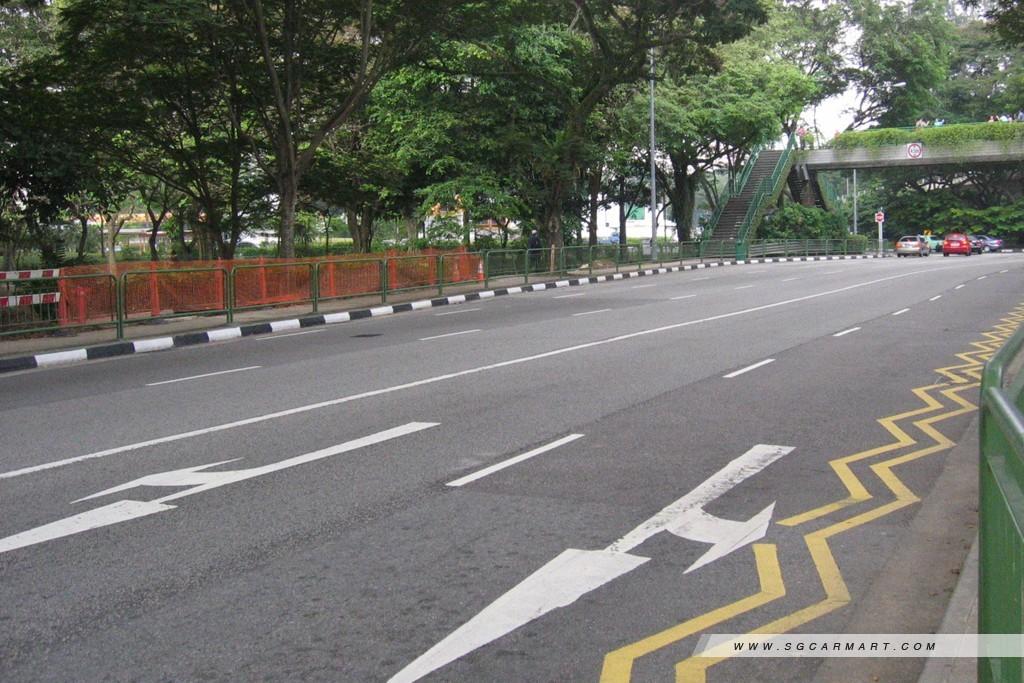
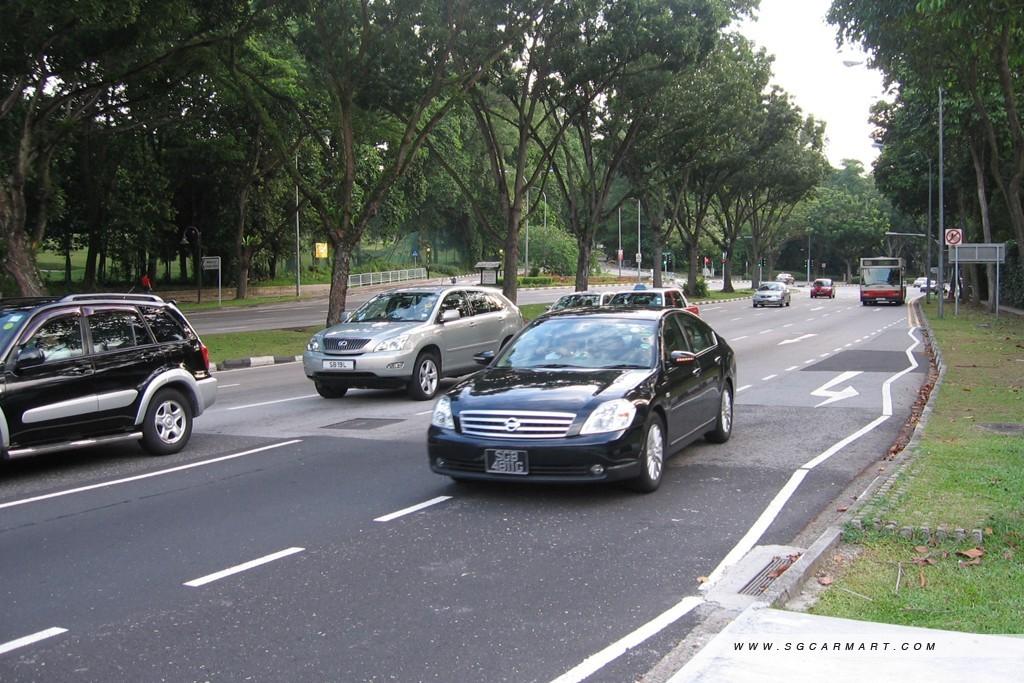
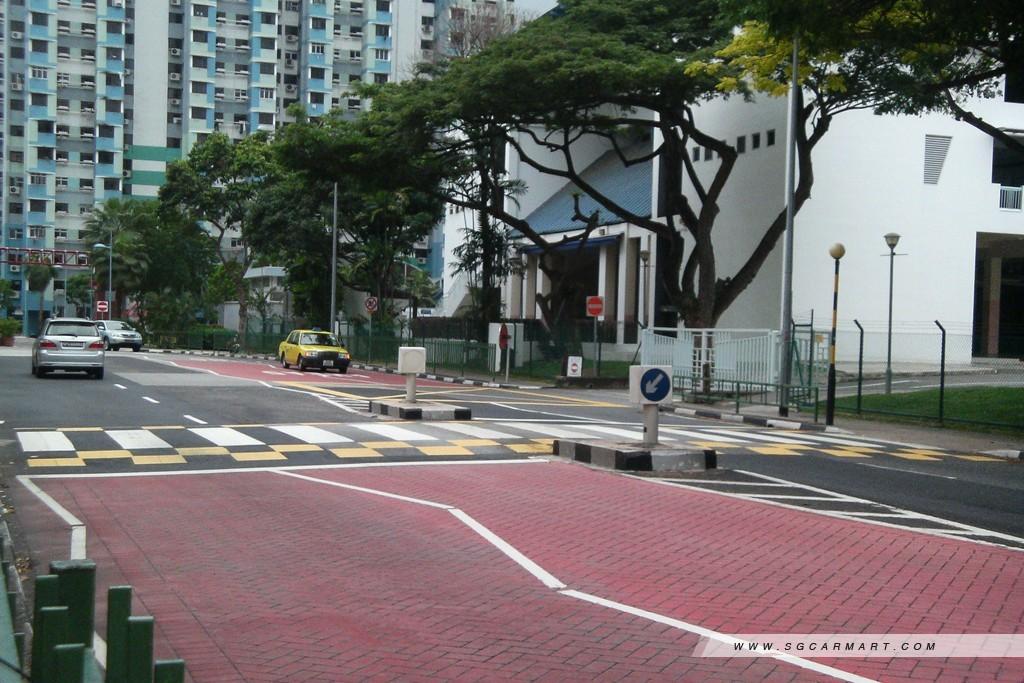



Don't know what's the difference between a single white line and a yellow zigzag line? Not sure if you're allowed to park along a given stretch of road?
Here's a handy guide to the various road markings and parking restrictions used on Singapore's roads. Bookmark this page and you'll never need to second guess!
New road markings you might not have heard about
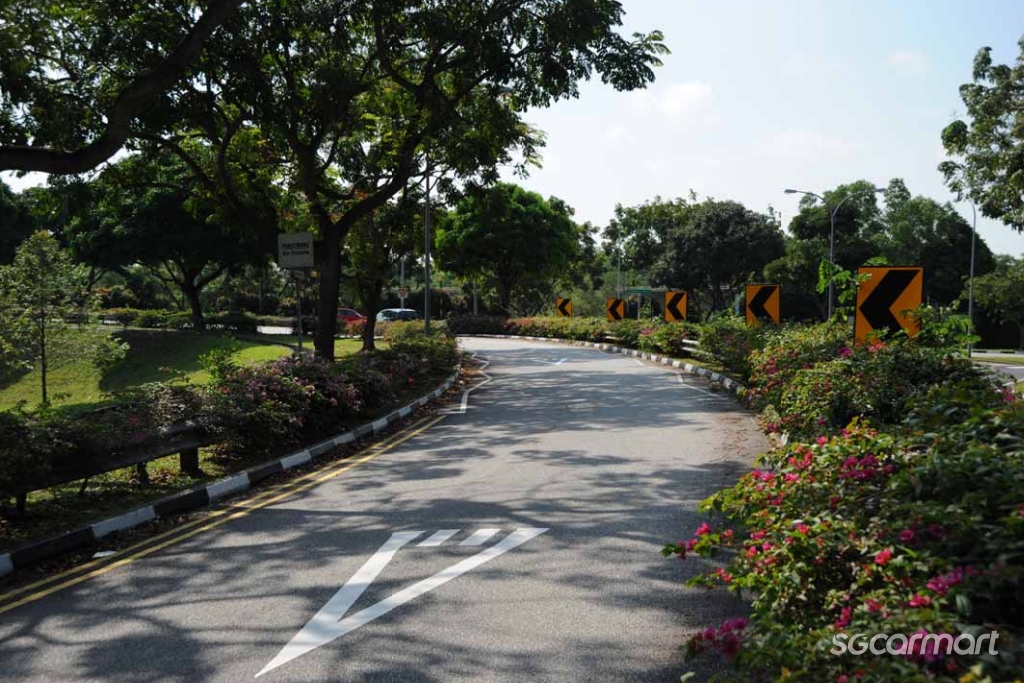
Pedestrian crossing ahead
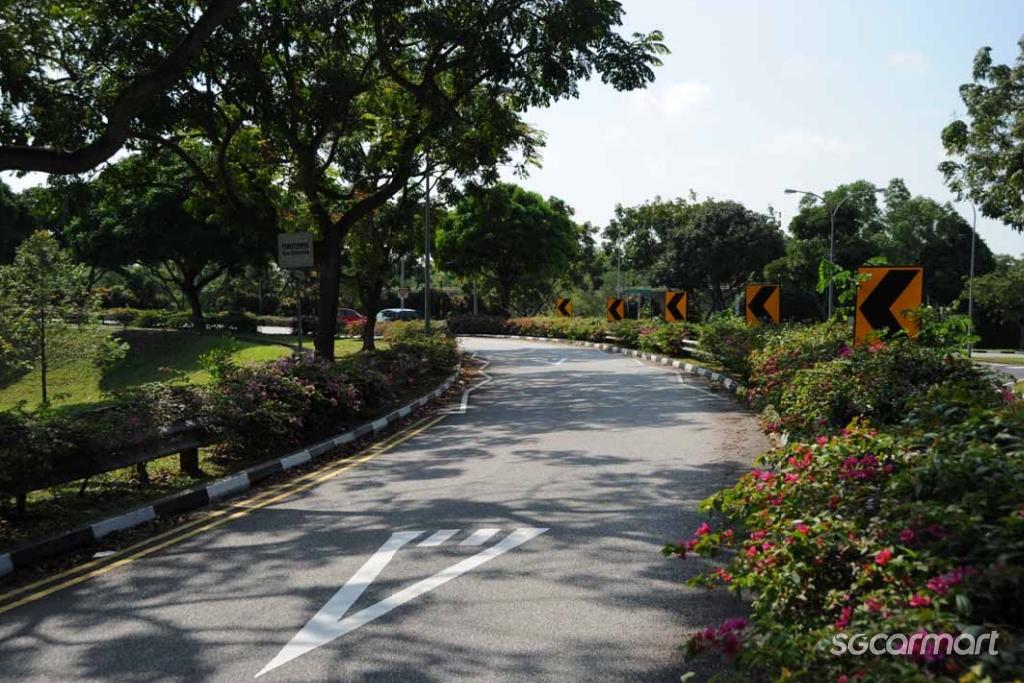
These markings warn motorists of a pedestrian zebra crossing ahead. Comprising of an inverted white triangular marking, these are placed before selected zebra crossings where motorists have been observed to not give way to pedestrians.
The new marking complements other advance warnings provided by existing safety features such as flashing beacons with black/yellow poles and white zigzag lines by the side of the road.
Motorists should slow down and prepare to give way to pedestrians when these markings are on the road.

Mandatory give-way to buses
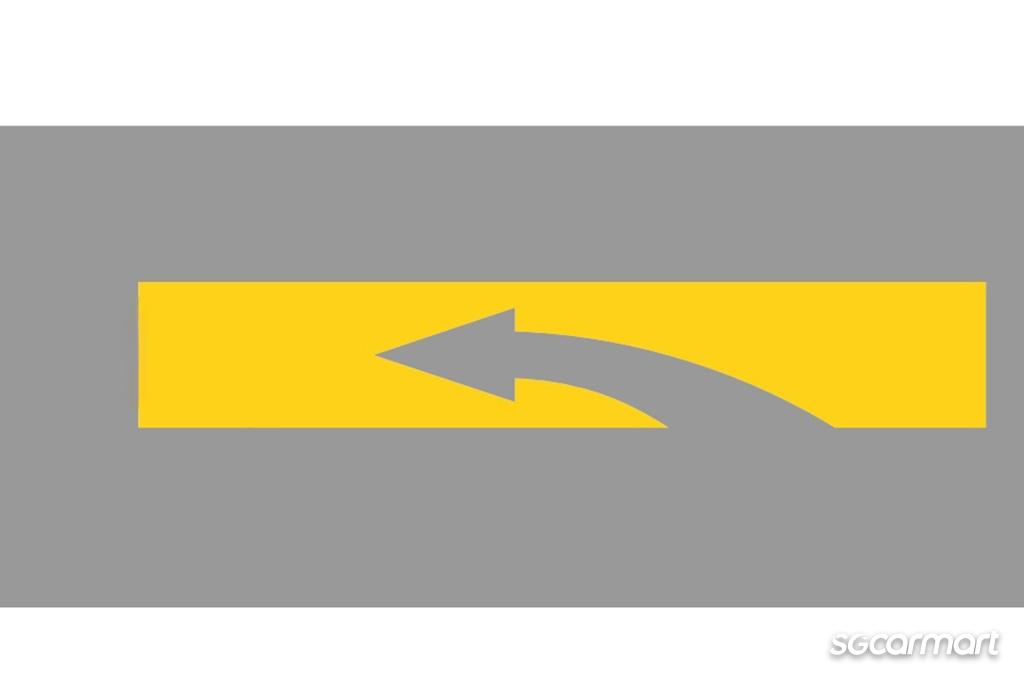
First implemented in 2008, the Mandatory Give Way to Buses scheme has seen more bus stops in Singapore being accompanied with solid yellow boxes on the roads they affront.
The section in yellow indicates a mandatory give-way to buses area, and drivers are required to slow down and watch out for buses pulling out of the bus bay. Stop before the give way line and give way to buses exiting the bus bay at the location.
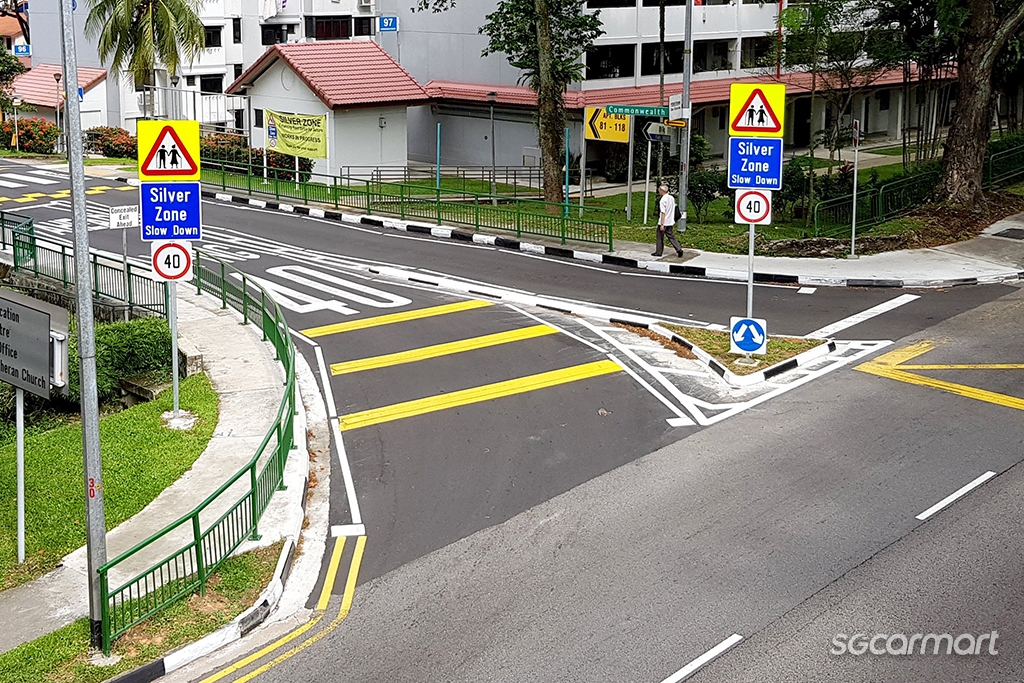
Silver zone
Implemented in areas where the LTA has observed a high proportion of senior residents and relatively higher accident rates involving seniors, these zones can be identified by their silver zone signs, the presence of yellow rumble strips, and 40km/h speed limit road markings.
These zones also typically make use of S-shaped and narrow roads designed to slow vehicular traffic. Roundabouts are also utilised in these zones to remove traffic conflict points and improve traffic flow.
Slow down and look out for pedestrians when driving through these silver zones.
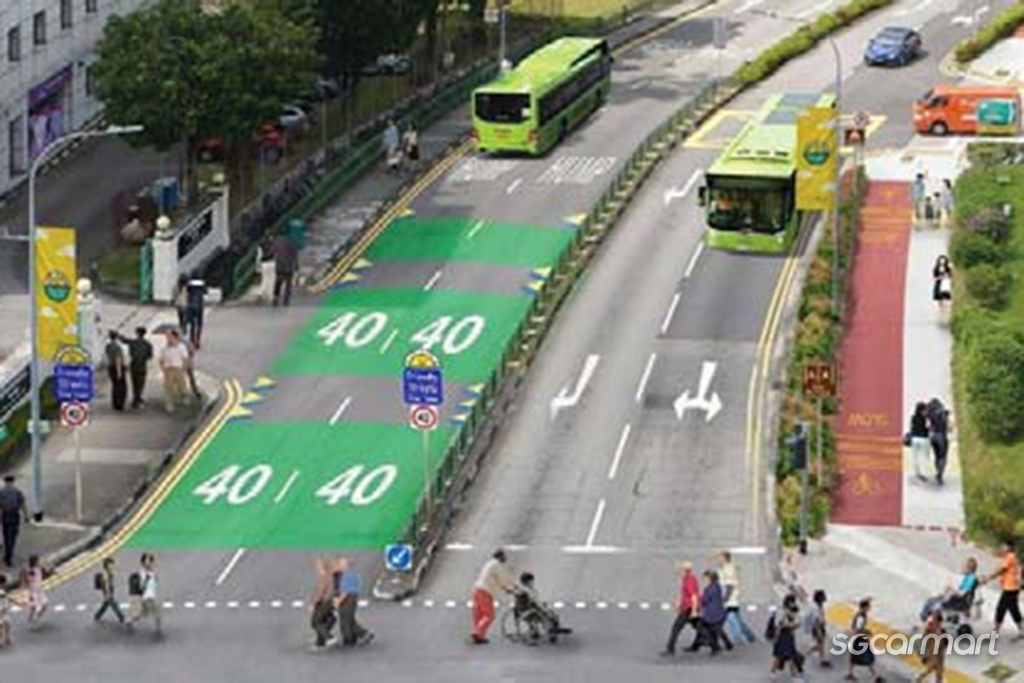
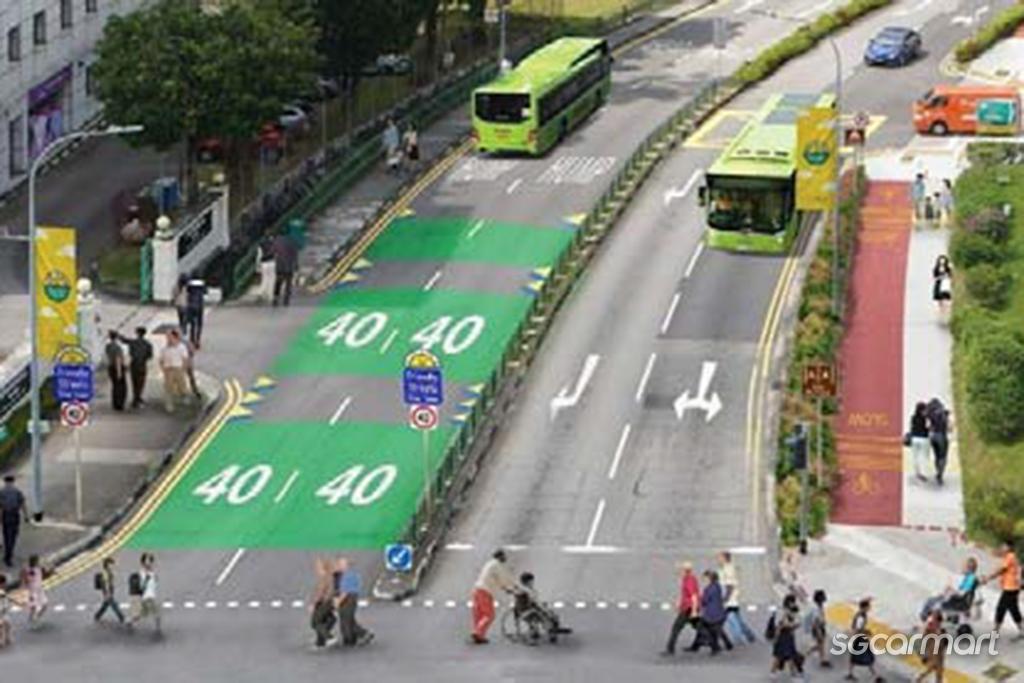
Friendly Streets
Designed to make daily walking journeys to key amenities in neighbourhoods safer, more convenient and comfortable, the friendly streets are characterised by roads with reduced speed limits, more barrier-free pedestrian crossings with pedestrian priority, road markings and treatments to calm vehicular traffic and encourage gracious road behaviour, and wider and more accessible footpaths where possible.
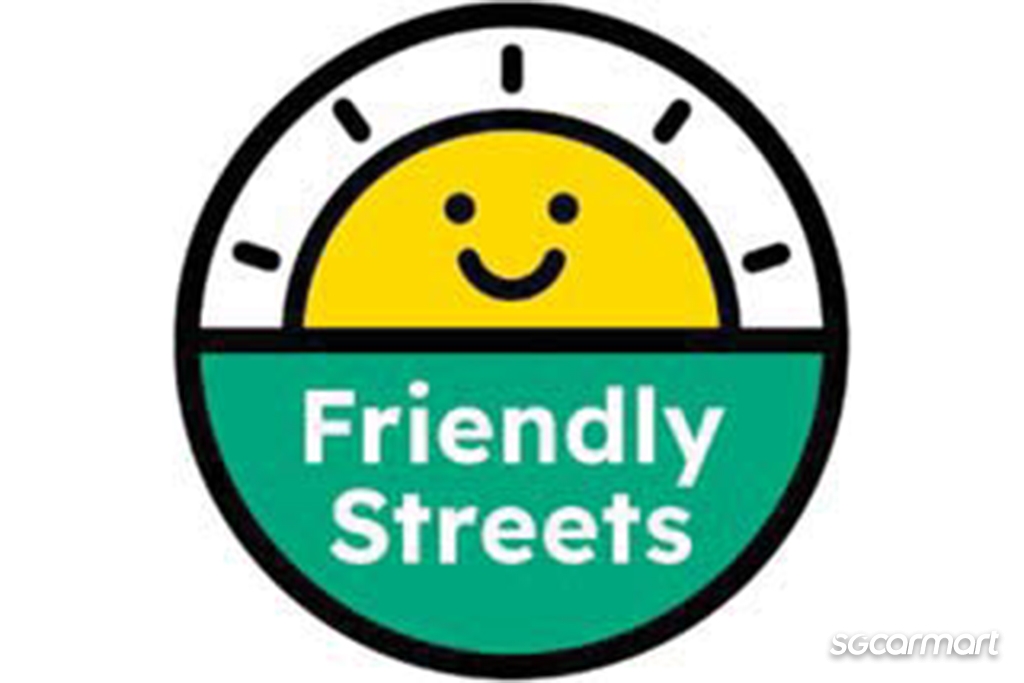
Friendly streets can be identified by the logo above as well as their green road surface markings and drivers utilising these streets are to abide by the speed limit when driving through these streets.
Illegal Parking
The Road Traffic Act defines the action 'Park' as to bring a motor vehicle or a trailer to the stationary position (to a complete stop) for any purpose other than the immediate pick-up or drop-off of people, goods or luggage.
Everyday motorists witness an increasing number of drivers who carelessly park their vehicles wherever they desire, neglecting the traffic rules that, at times, causes disruption to the traffic flow.
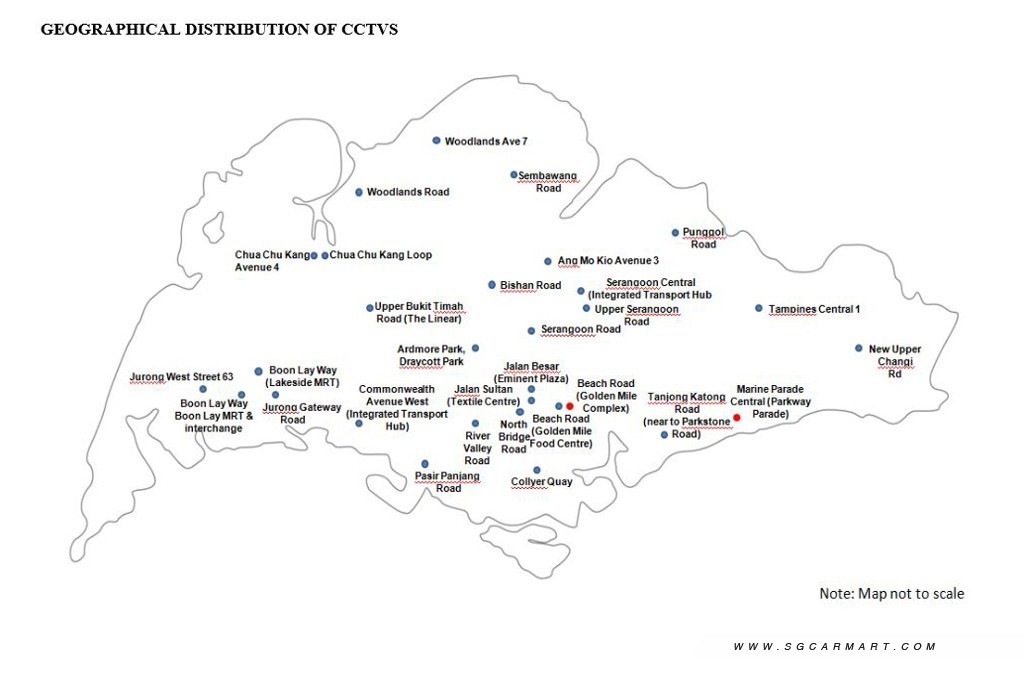
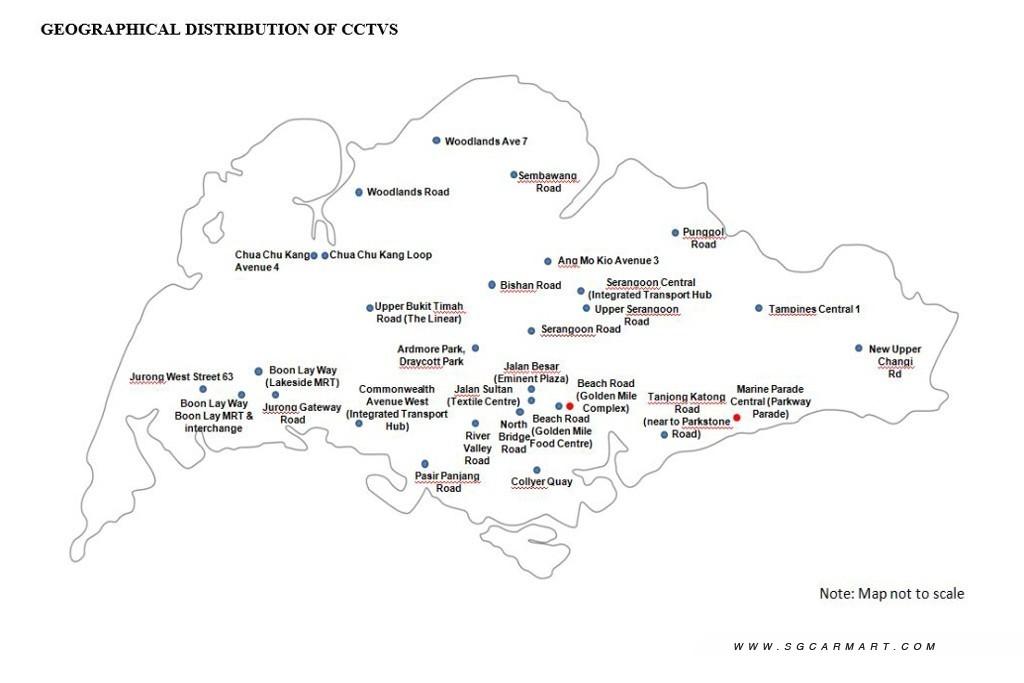
To curb illegal parking, the number of CCTV's in operation will be expanded to cover a wider network of locations in Singapore
LTA is increasing their efforts to curb illegal parking at 30 locations islandwide by utilising technology like CCTV cameras to reduce the number of illegal parking offenders.
The 30 locations are selected based on a number of considerations including:
2) The illegal parking situation hinders the smooth flow of public buses, or
3) The illegal parking activities raises safety concerns for pedestrians and road users and leads to prolonged traffic congestion.
Our roads are adorned with straight and broken lines in white or yellow that clearly show the restrictions of parking at the sides of the road but most in recent times seem to have ignored them.
To save yourself $300 as well as demerit points, here is a 'refresher' to remind you on the restrictions involved with the markings on roadsides and places that can be considered illegal parking.
Road Markings
1) Single or Double continuous white lines in the centre of a bi-directional road - No parking at all times on either sides of the road.
2) Single continuous yellow line along the side of the road - No parking between 7:00am to 7:00pm on this side of the road except on Sundays and Public Holidays.
3) Double continuous yellow lines along the side of the road or single zig-zag yellow line along the side of the road - No parking at all times on this side of the road.
4) Double zig-zag yellow lines along the side of the road or single white zig-zag line - No parking or stopping at all times on this side of the road.
Location based restrictions
1) No parking or stopping abreast to another vehicle at all times.
2) No parking at all times within a pedestrian crossing.
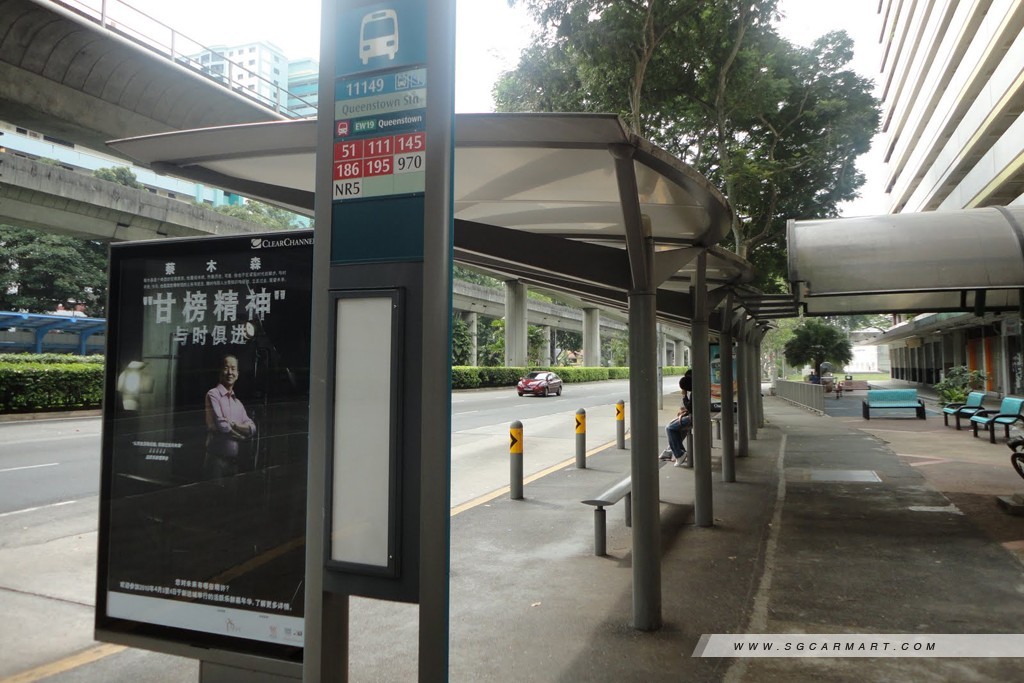
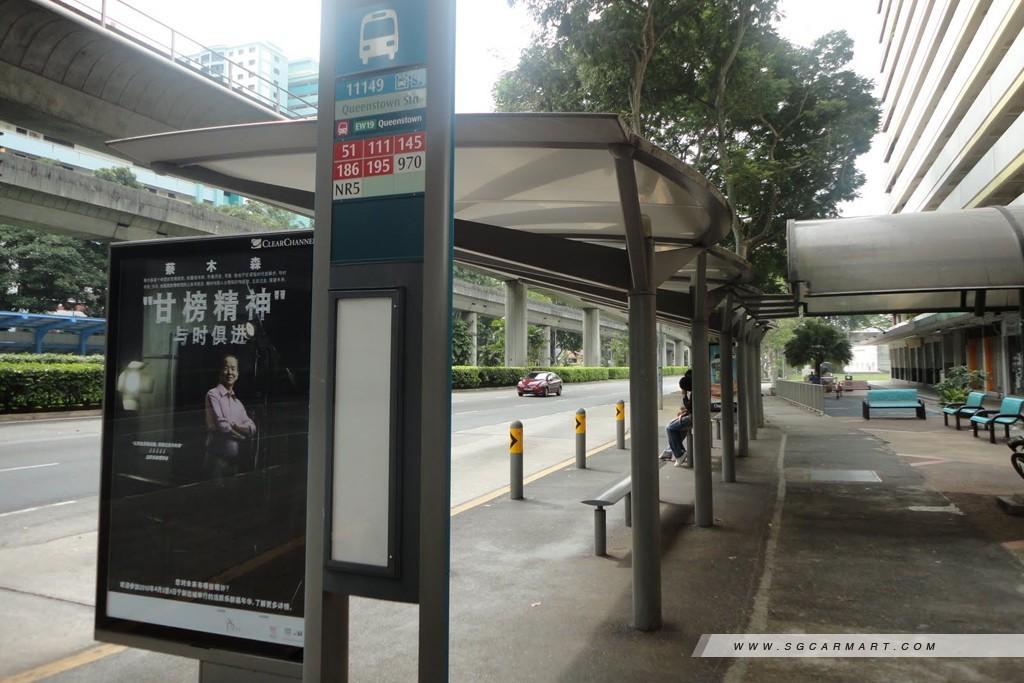
Parking within nine metres from a bus stop is considered illegal parking and a chargeable offense
Road Signs
1) No parking at all times along the side of the road where a 'No Waiting' sign is on display.

2) No parking or stopping at all times along the side of the road where a 'No Stopping' sign is on display.

Parking Penalties
Illegal parking offences carry a fine of up to $300 depending on the vehicle category and demerit points are imposed for the following offences:
Violations that carry three Demerit Points
1) Parking within a demerit points no parking zone
(single yellow zig-zag line).
2) Stopping within a demerit points no stopping zone
(double yellow zig-zag lines).
3) Parking abreast of another vehicle.
4) Parking within a pedestrian crossing.
5) Stopping at a zebra-crossing.
(single white zig-zag line)
Violations that carry four Demerit Points
1) Stopping or remaining at rest on the shoulder of an expressway.
2) Stopping or remaining at rest on the carriageway of an expressway.
Notice of Parking Offence (NOPO)
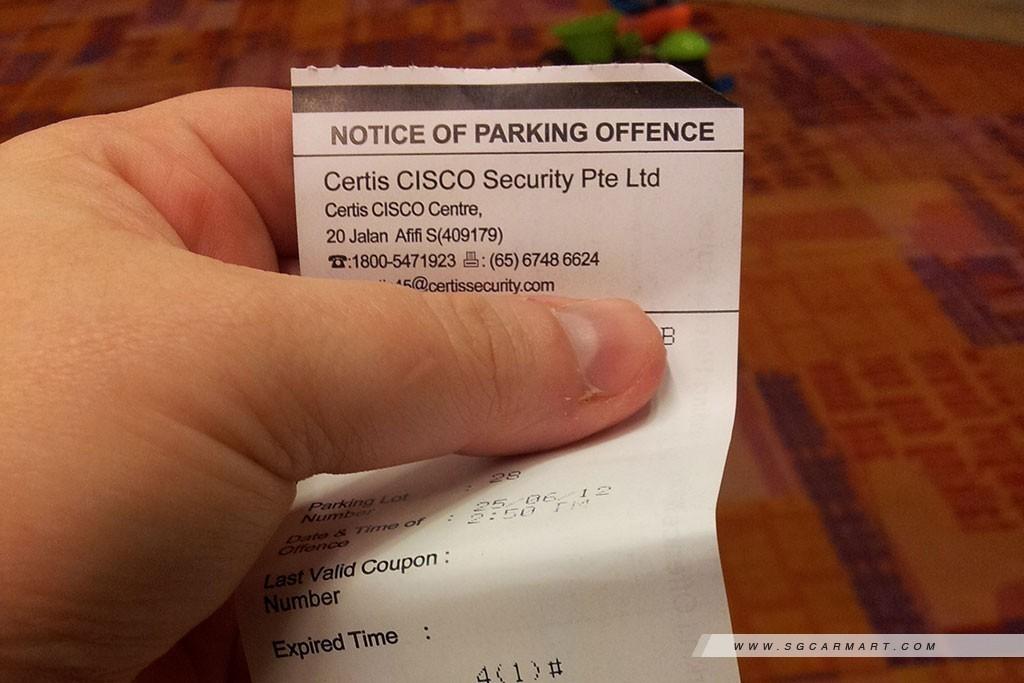
A Notice of Parking Offence (NOPO) or more commonly known as a 'summon' is issued by a traffic warden to vehicles that are found obstructing traffic or are illegally parked along restricted parking areas on public roads.
Traffic wardens issue the NOPO directly to drivers on the spot - if driver is present - or the NOPO is placed under the windscreen wipers of the vehicle.
If a parking violation is imposed through enforcement cameras or lodged through public complaints, the NOPO will be issued to the address of the owner the vehicle is registered to via mail.
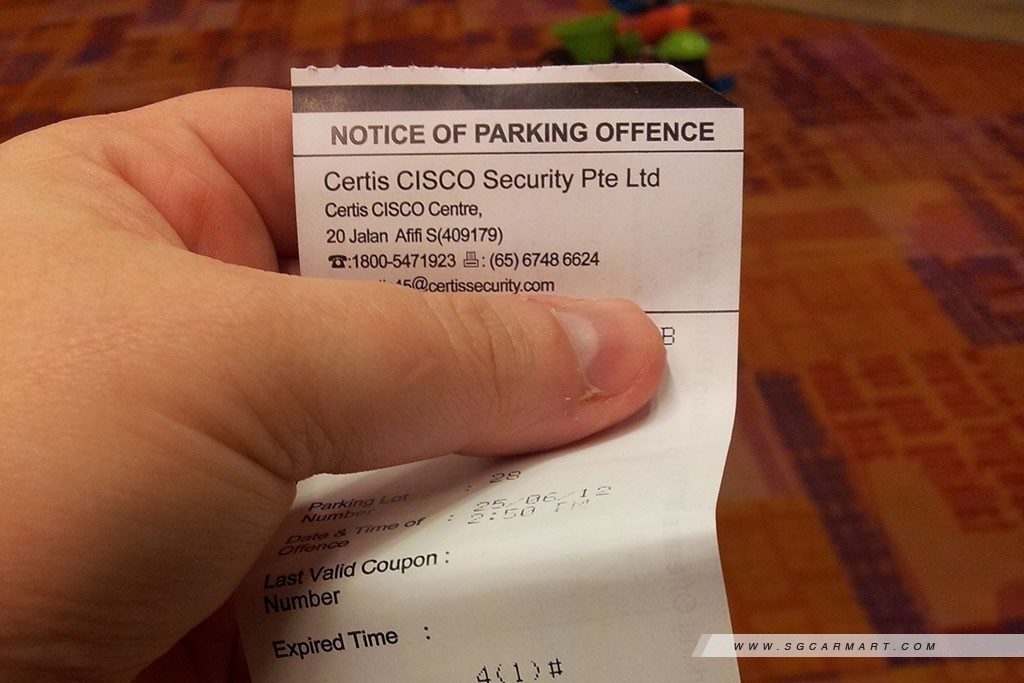
Most drivers here must be familiar with the sight of this stub of paper sticking under the windscreen wipers of their cars
*This article was updated on 2 January 2026
Don't know what's the difference between a single white line and a yellow zigzag line? Not sure if you're allowed to park along a given stretch of road?
Here's a handy guide to the various road markings and parking restrictions used on Singapore's roads. Bookmark this page and you'll never need to second guess!
New road markings you might not have heard about
Pedestrian crossing ahead
These markings warn motorists of a pedestrian zebra crossing ahead. Comprising of an inverted white triangular marking, these are placed before selected zebra crossings where motorists have been observed to not give way to pedestrians.
The new marking complements other advance warnings provided by existing safety features such as flashing beacons with black/yellow poles and white zigzag lines by the side of the road.
Motorists should slow down and prepare to give way to pedestrians when these markings are on the road.
Mandatory give-way to buses
First implemented in 2008, the Mandatory Give Way to Buses scheme has seen more bus stops in Singapore being accompanied with solid yellow boxes on the roads they affront.
The section in yellow indicates a mandatory give-way to buses area, and drivers are required to slow down and watch out for buses pulling out of the bus bay. Stop before the give way line and give way to buses exiting the bus bay at the location.
Silver zone
Implemented in areas where the LTA has observed a high proportion of senior residents and relatively higher accident rates involving seniors, these zones can be identified by their silver zone signs, the presence of yellow rumble strips, and 40km/h speed limit road markings.
These zones also typically make use of S-shaped and narrow roads designed to slow vehicular traffic. Roundabouts are also utilised in these zones to remove traffic conflict points and improve traffic flow.
Slow down and look out for pedestrians when driving through these silver zones.
Friendly Streets
Designed to make daily walking journeys to key amenities in neighbourhoods safer, more convenient and comfortable, the friendly streets are characterised by roads with reduced speed limits, more barrier-free pedestrian crossings with pedestrian priority, road markings and treatments to calm vehicular traffic and encourage gracious road behaviour, and wider and more accessible footpaths where possible.
Friendly streets can be identified by the logo above as well as their green road surface markings and drivers utilising these streets are to abide by the speed limit when driving through these streets.
Illegal Parking
The Road Traffic Act defines the action 'Park' as to bring a motor vehicle or a trailer to the stationary position (to a complete stop) for any purpose other than the immediate pick-up or drop-off of people, goods or luggage.
Everyday motorists witness an increasing number of drivers who carelessly park their vehicles wherever they desire, neglecting the traffic rules that, at times, causes disruption to the traffic flow.
To curb illegal parking, the number of CCTV's in operation will be expanded to cover a wider network of locations in Singapore
LTA is increasing their efforts to curb illegal parking at 30 locations islandwide by utilising technology like CCTV cameras to reduce the number of illegal parking offenders.
The 30 locations are selected based on a number of considerations including:
2) The illegal parking situation hinders the smooth flow of public buses, or
3) The illegal parking activities raises safety concerns for pedestrians and road users and leads to prolonged traffic congestion.
Our roads are adorned with straight and broken lines in white or yellow that clearly show the restrictions of parking at the sides of the road but most in recent times seem to have ignored them.
To save yourself $300 as well as demerit points, here is a 'refresher' to remind you on the restrictions involved with the markings on roadsides and places that can be considered illegal parking.
Road Markings
1) Single or Double continuous white lines in the centre of a bi-directional road - No parking at all times on either sides of the road.
2) Single continuous yellow line along the side of the road - No parking between 7:00am to 7:00pm on this side of the road except on Sundays and Public Holidays.
3) Double continuous yellow lines along the side of the road or single zig-zag yellow line along the side of the road - No parking at all times on this side of the road.
4) Double zig-zag yellow lines along the side of the road or single white zig-zag line - No parking or stopping at all times on this side of the road.
Location based restrictions
1) No parking or stopping abreast to another vehicle at all times.
2) No parking at all times within a pedestrian crossing.
Parking within nine metres from a bus stop is considered illegal parking and a chargeable offense
Road Signs
1) No parking at all times along the side of the road where a 'No Waiting' sign is on display.
2) No parking or stopping at all times along the side of the road where a 'No Stopping' sign is on display.
Parking Penalties
Illegal parking offences carry a fine of up to $300 depending on the vehicle category and demerit points are imposed for the following offences:
Violations that carry three Demerit Points
1) Parking within a demerit points no parking zone
(single yellow zig-zag line).
2) Stopping within a demerit points no stopping zone
(double yellow zig-zag lines).
3) Parking abreast of another vehicle.
4) Parking within a pedestrian crossing.
5) Stopping at a zebra-crossing.
(single white zig-zag line)
Violations that carry four Demerit Points
1) Stopping or remaining at rest on the shoulder of an expressway.
2) Stopping or remaining at rest on the carriageway of an expressway.
Notice of Parking Offence (NOPO)
A Notice of Parking Offence (NOPO) or more commonly known as a 'summon' is issued by a traffic warden to vehicles that are found obstructing traffic or are illegally parked along restricted parking areas on public roads.
Traffic wardens issue the NOPO directly to drivers on the spot - if driver is present - or the NOPO is placed under the windscreen wipers of the vehicle.
If a parking violation is imposed through enforcement cameras or lodged through public complaints, the NOPO will be issued to the address of the owner the vehicle is registered to via mail.
Most drivers here must be familiar with the sight of this stub of paper sticking under the windscreen wipers of their cars
*This article was updated on 2 January 2026



All Advice Categories
Related Motor Directory Categories










Tags
Products & Services

For Owners
Quick Links
About Sgcarmart