Porsche 911 Turbo S First Drive Review
25 May 2026|3,180 views
Facelift (What's New)
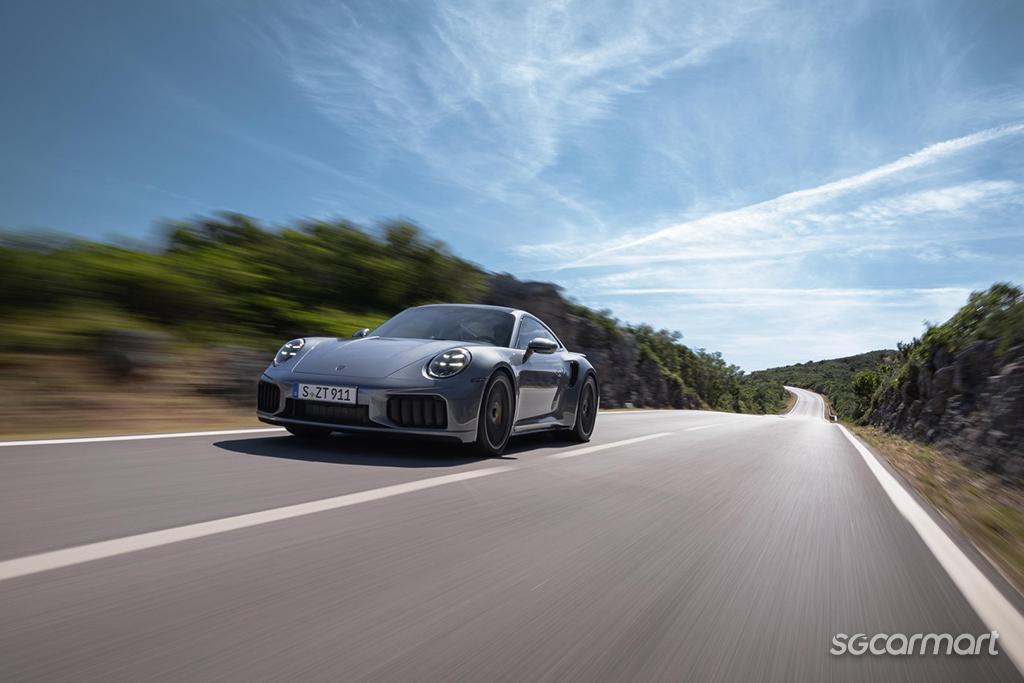
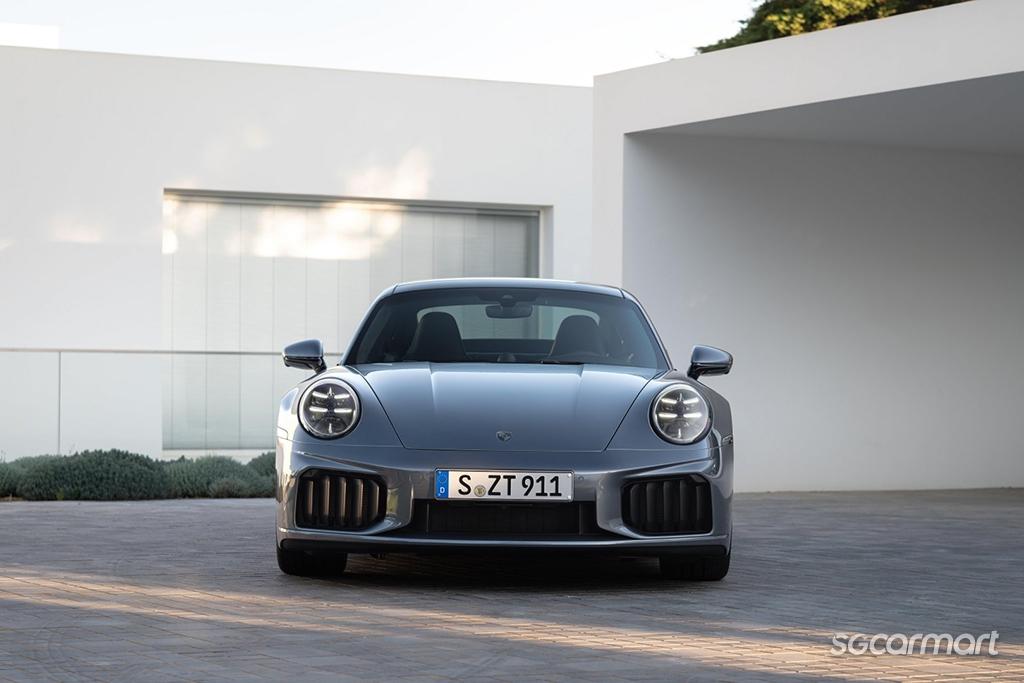
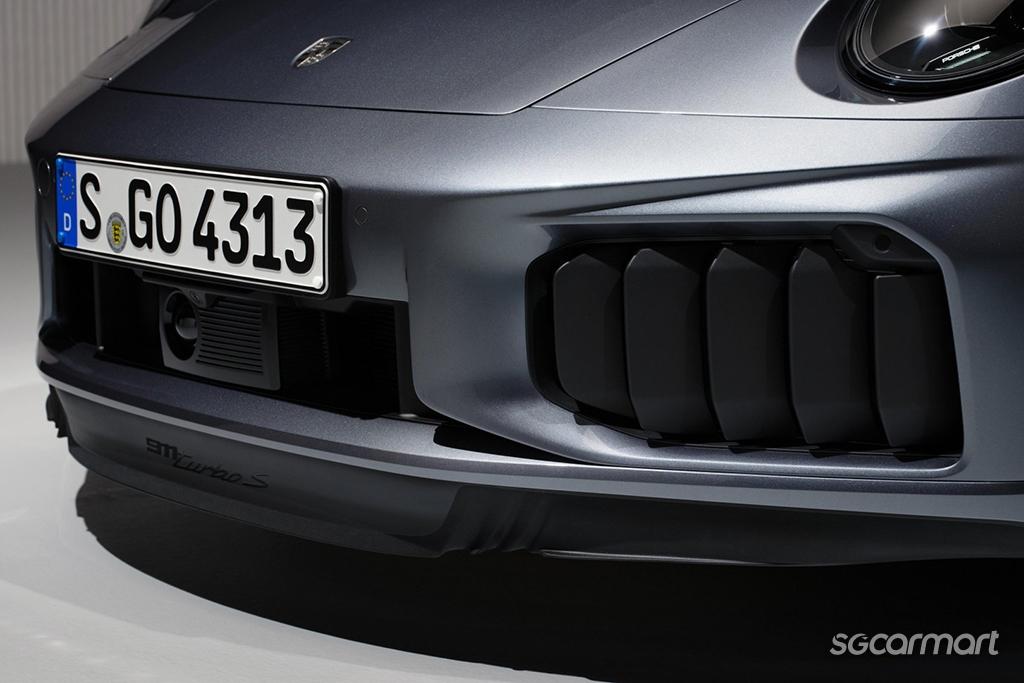
New headlamps with integrated indicators
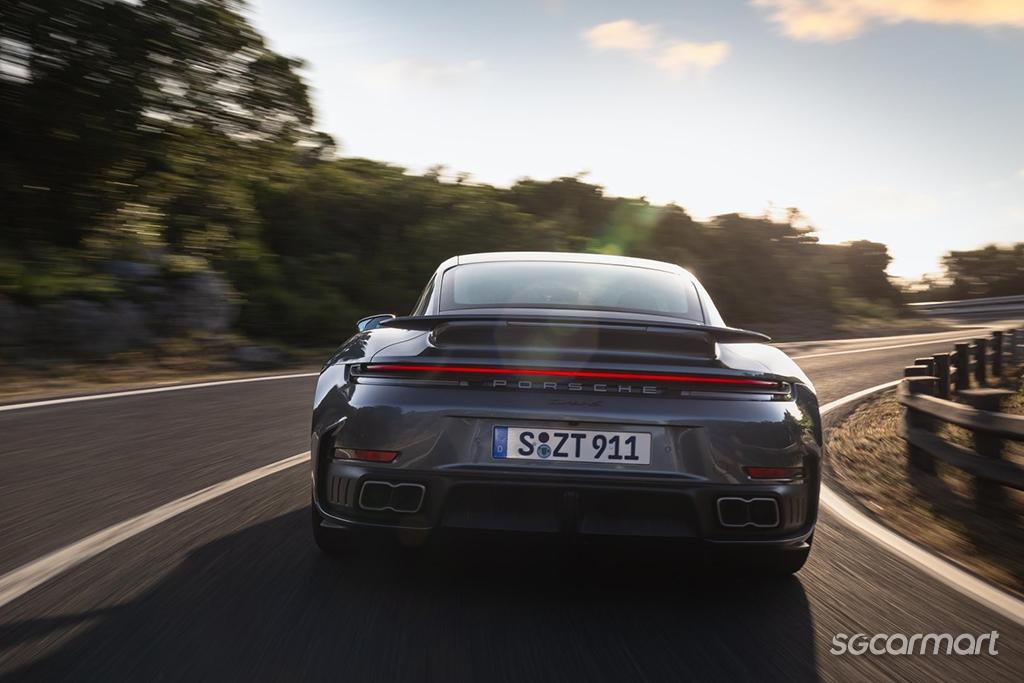
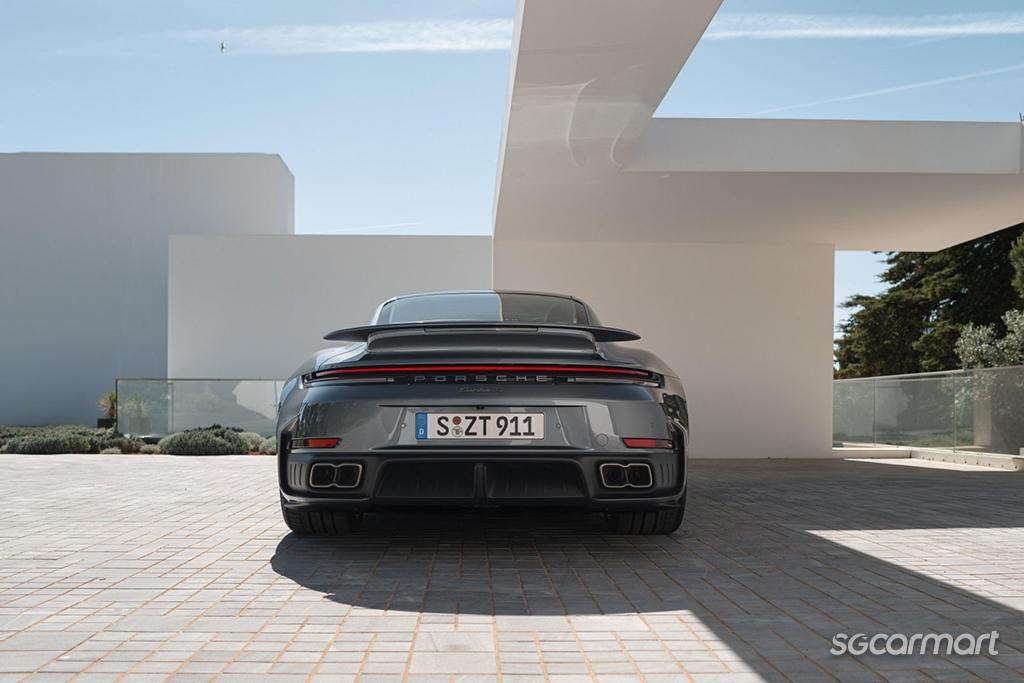
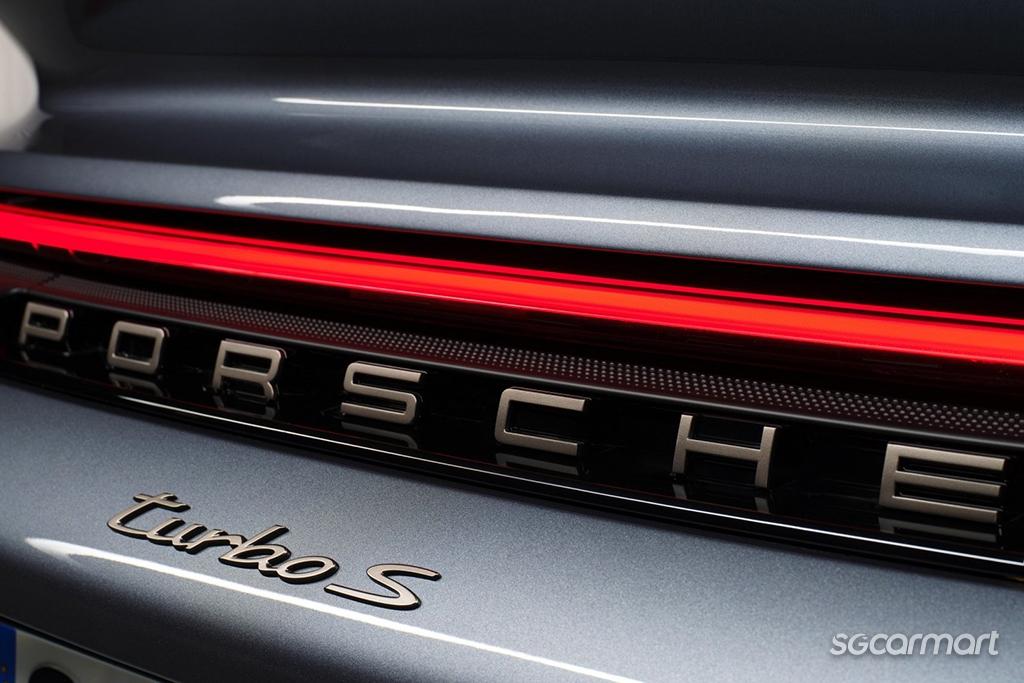
New taillights spanning the width of the rear
It's now electrified with Porsche's T-Hybrid system
More powerful than ever!
If you've been following the evolution of the 911, you'll know that Porsche doesn't reinvent the formula. But with the updated 992.2 Turbo S that you see here, the carmaker done something that would have been borderline blasphemous a decade ago: Porsche has electrified its flagship.
And somehow, it might just be the best 911 Turbo S yet.
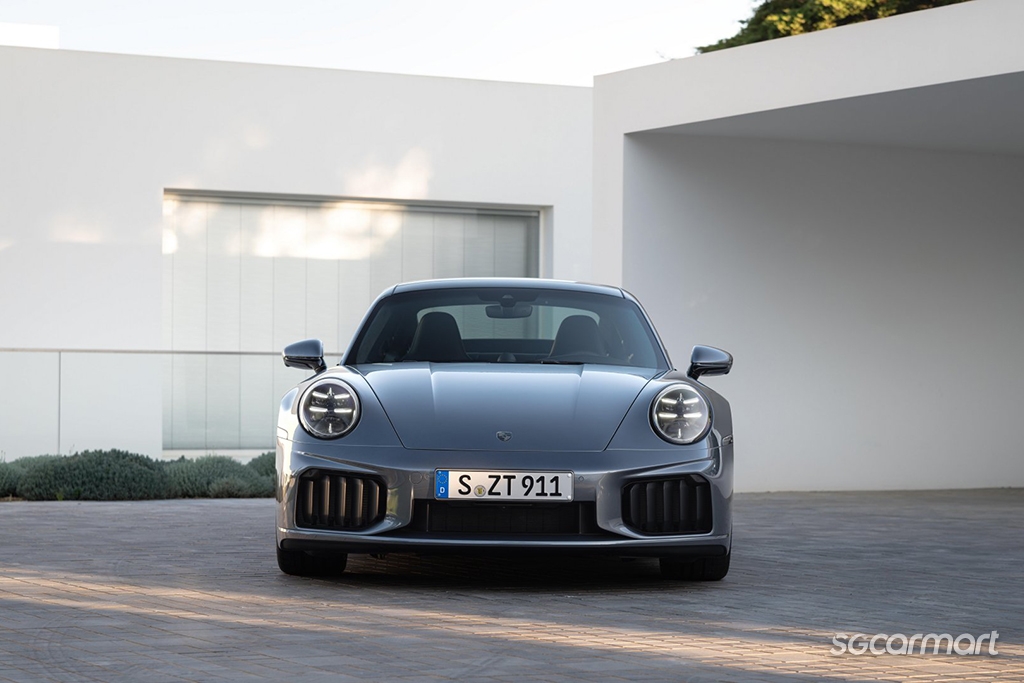
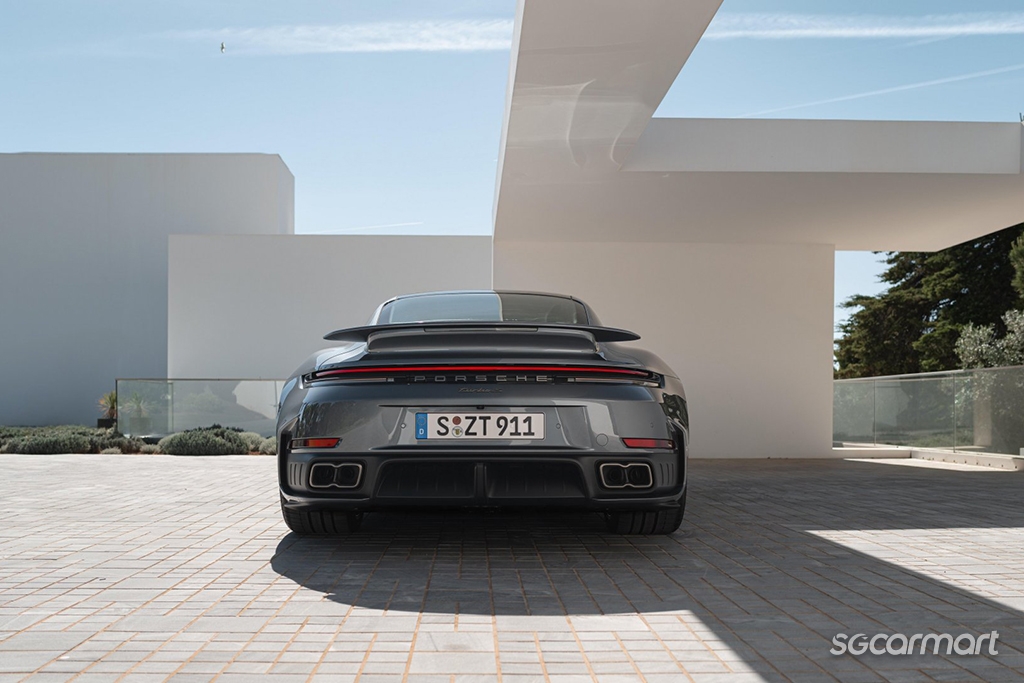
The updated 911 Turbo S that you see gets new head and taillights
Woah, you sure about that?
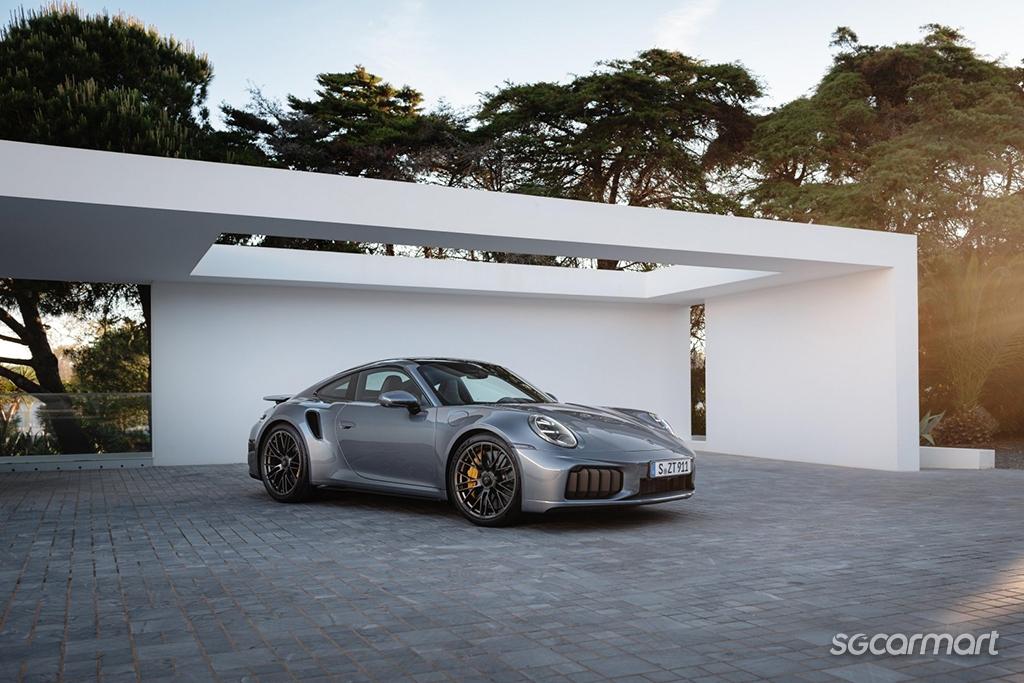
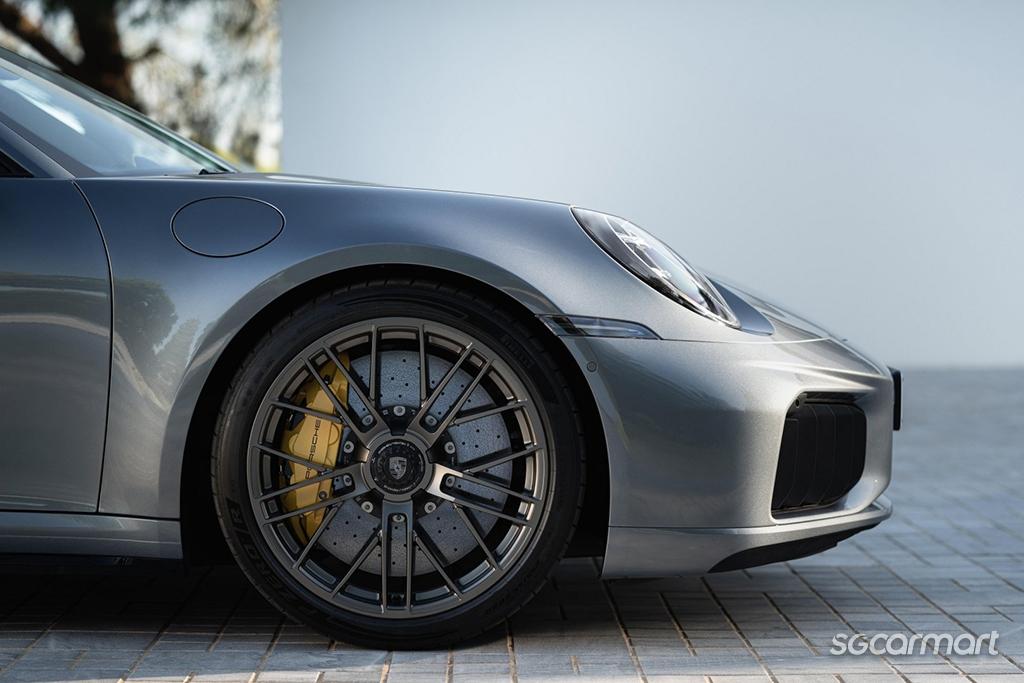
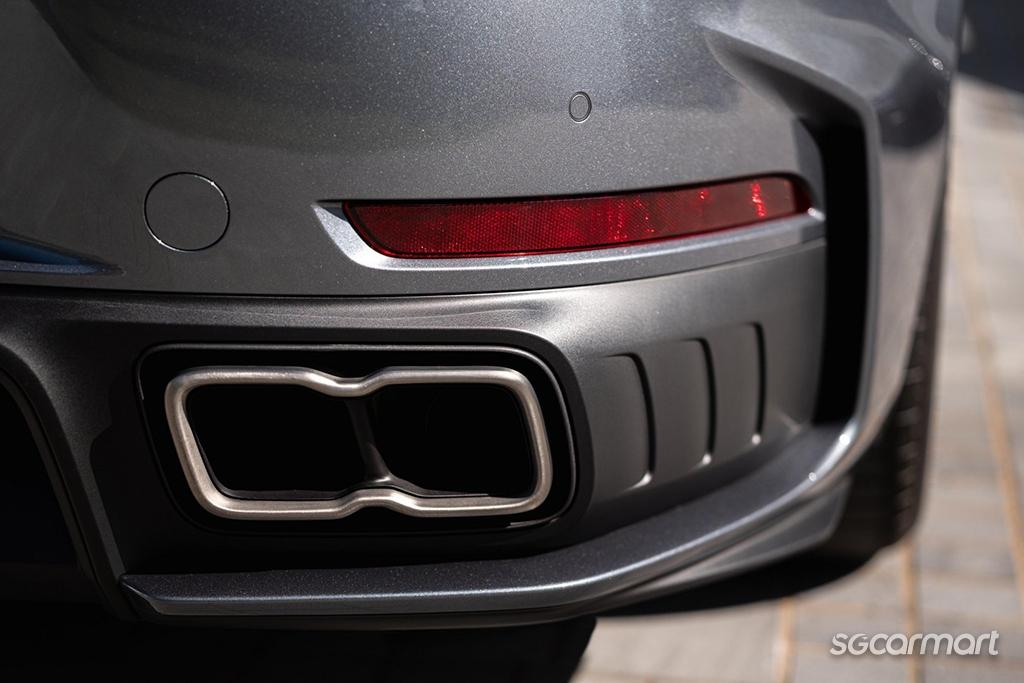
Let me dial it down a notch first. Calling the Turbo S a simple update doesn't quite do it justice. Sure, visually, the 992.2 Turbo S doesn't scream "all-new". It's not a radical departure from the 992.1. You get revised lighting, subtle aerodynamic tweaks, incremental refinements, etc. Main thing is it's still unmistakably a 911, with its planted stance and swooping silhouette we've all come to recognise.
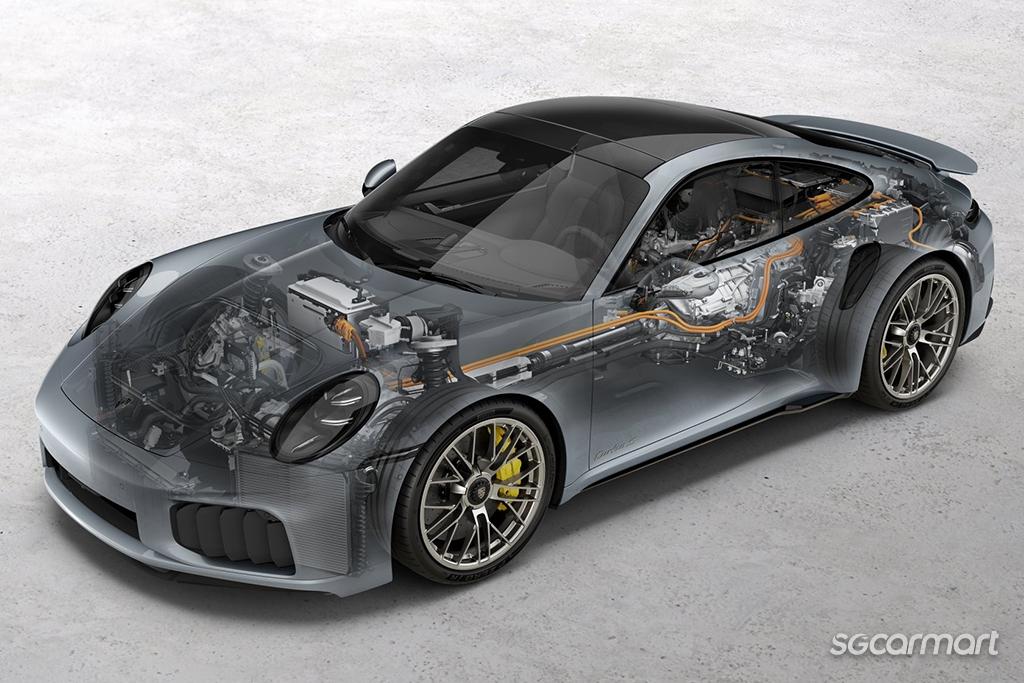
But beneath that familiar shell lies the biggest headline. For the first time, the Turbo S is now a hybrid - and not in the way your typical commuter hybrid is.
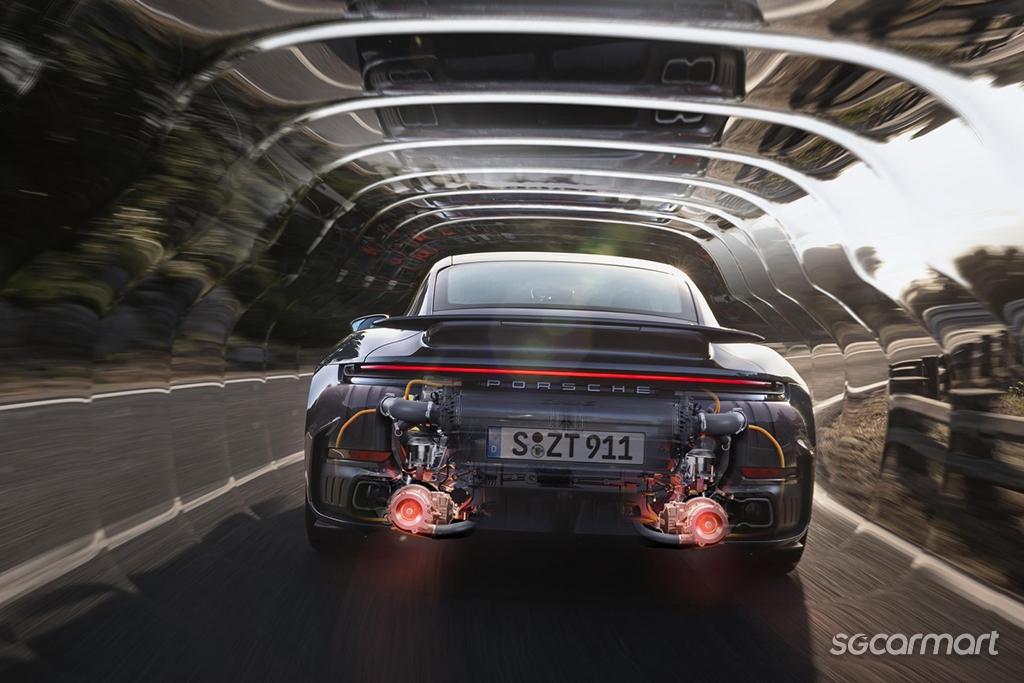
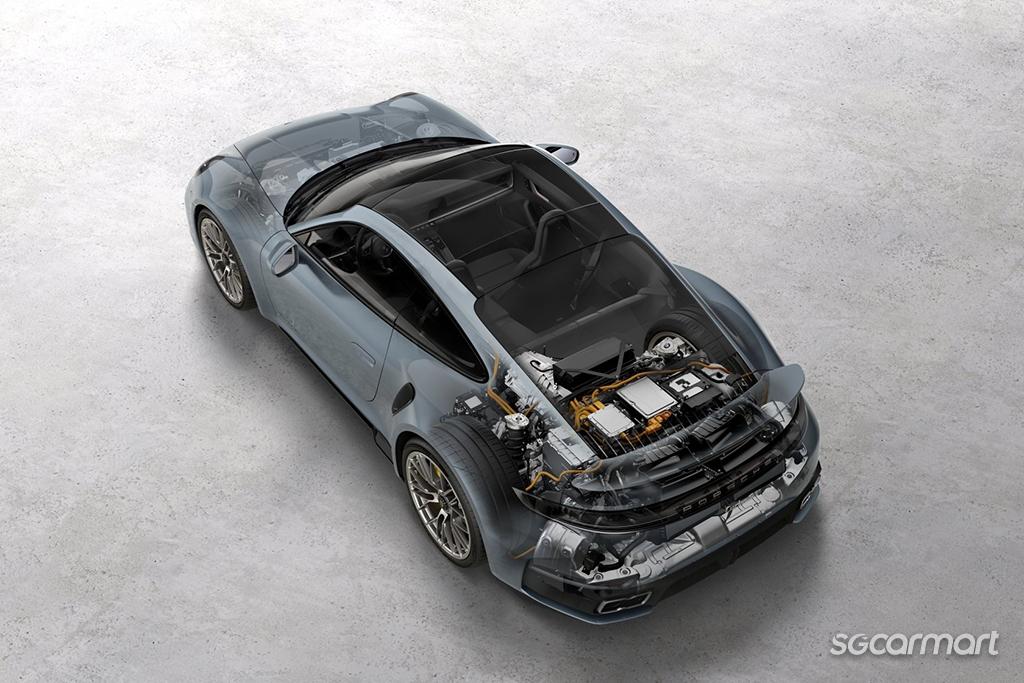
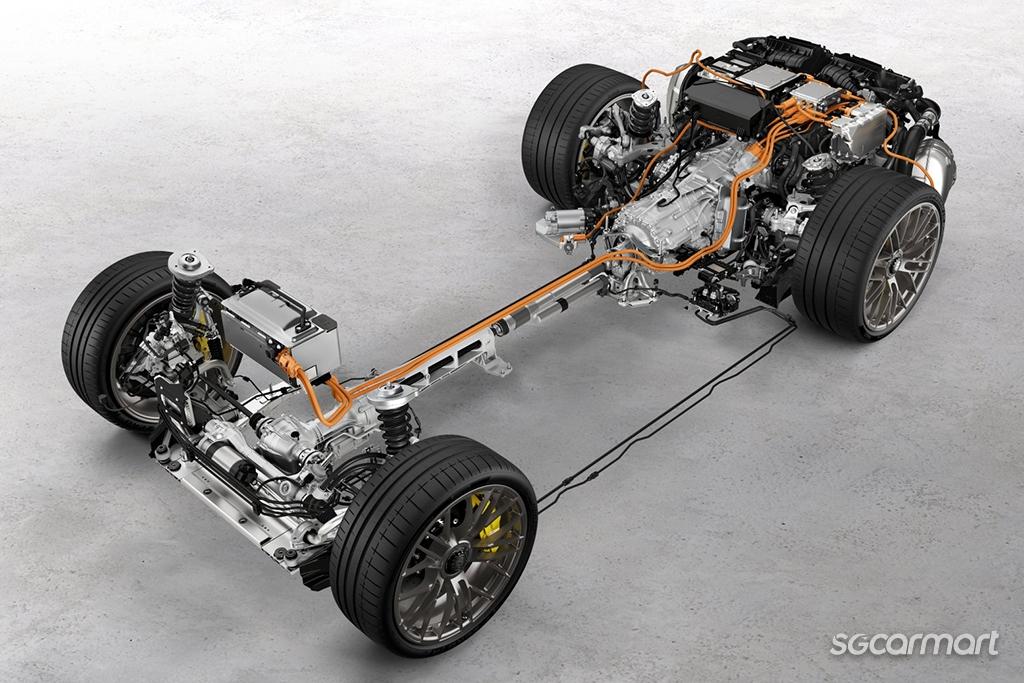
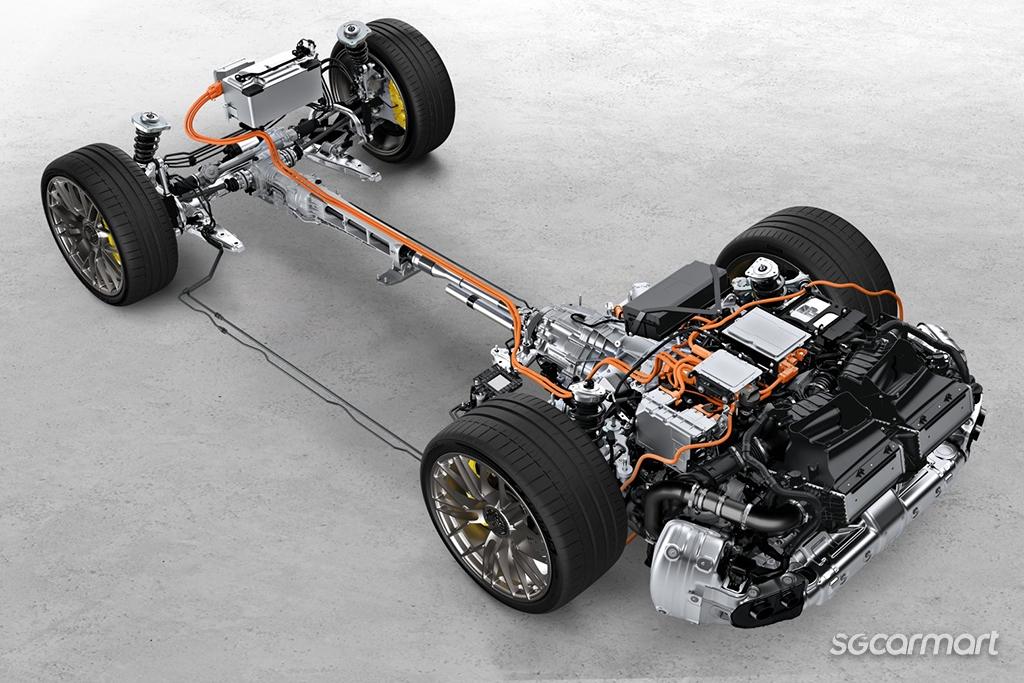
See, the 992.2 Turbo S adopts Porsche's new T-Hybrid setup - a pairing of a 3.6-litre flat-six with an electric motor integrated into the super quick-shifting gearbox and two electric exhaust turbochargers that eliminate (not minimise) lag and fill any remaining gaps in the drivetrain's torque curve. There is also a small high-voltage 1.9kWh battery.
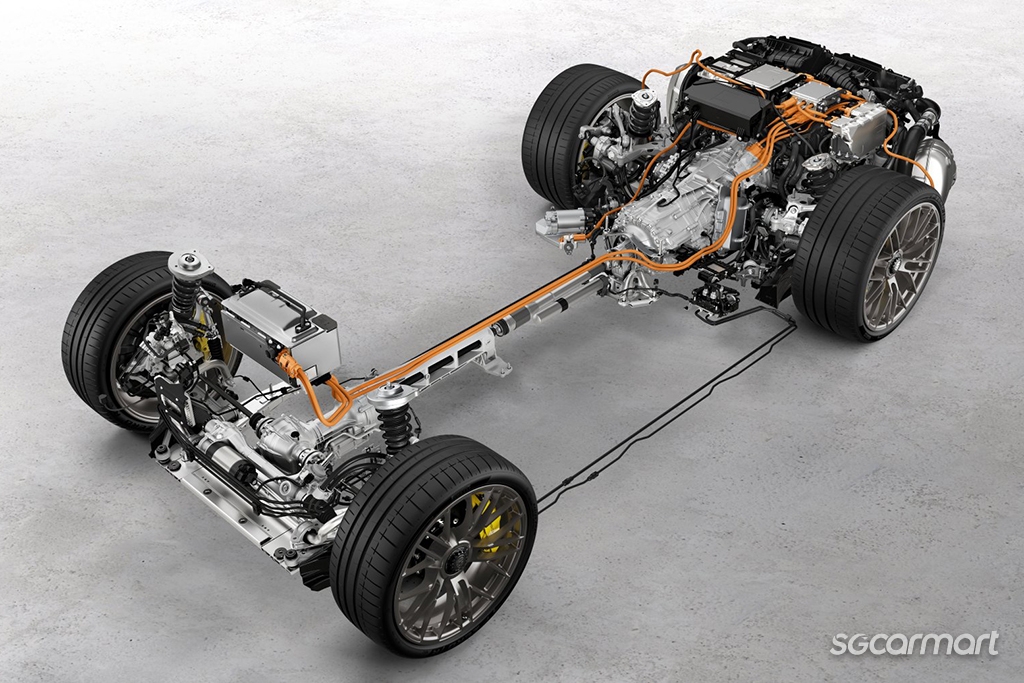
The 992.2 Turbo S gets itself electrified, but not the kind that you'd expect
Those expecting the usual hybrid talking points like fuel economy, silent running, or environmental virtue signalling will be disappointed. This is neither a car for creeping along in EV mode, nor does it pretend to be. The battery exists primarily to make the engine angrier, faster and, if possible, more impatient.
In that sense, Porsche has not so much embraced electrification. Instead, the brand weaponised it. Yes, it is still arguably electrification, but not as policymakers intended, and that isn't a bad thing at all.
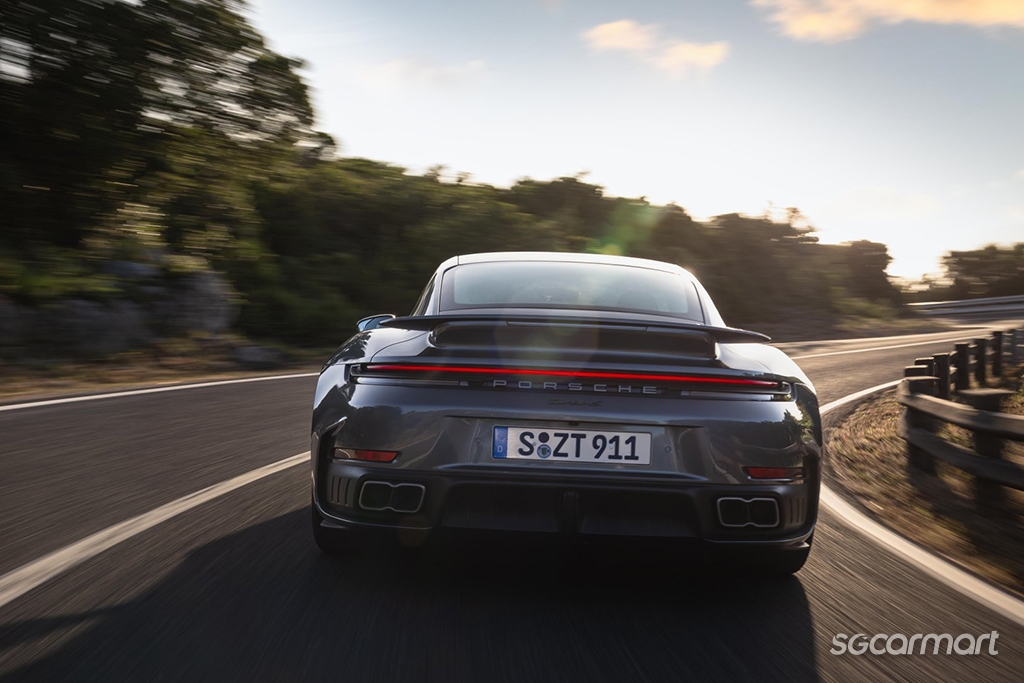
With 701bhp and 800Nm of torque, the zero to 100km/h dash in this Porsche 911 Turbo S is completed in just 2.5 seconds
Oh wow. I am listening right now
The result of it all is a total output of 701bhp and 800Nm of twisting force, making this the most powerful production 911 to date. These figures follow predictably - the Turbo S accelerates from zero to 100km/h in just 2.5 seconds.
These are numbers, mind you, that would have been reserved only for hypercars a decade ago. Today, they are delivered by a car you can, with some restraint, drive to lunch. I say that because that's exactly how the Turbo S feels on the road.
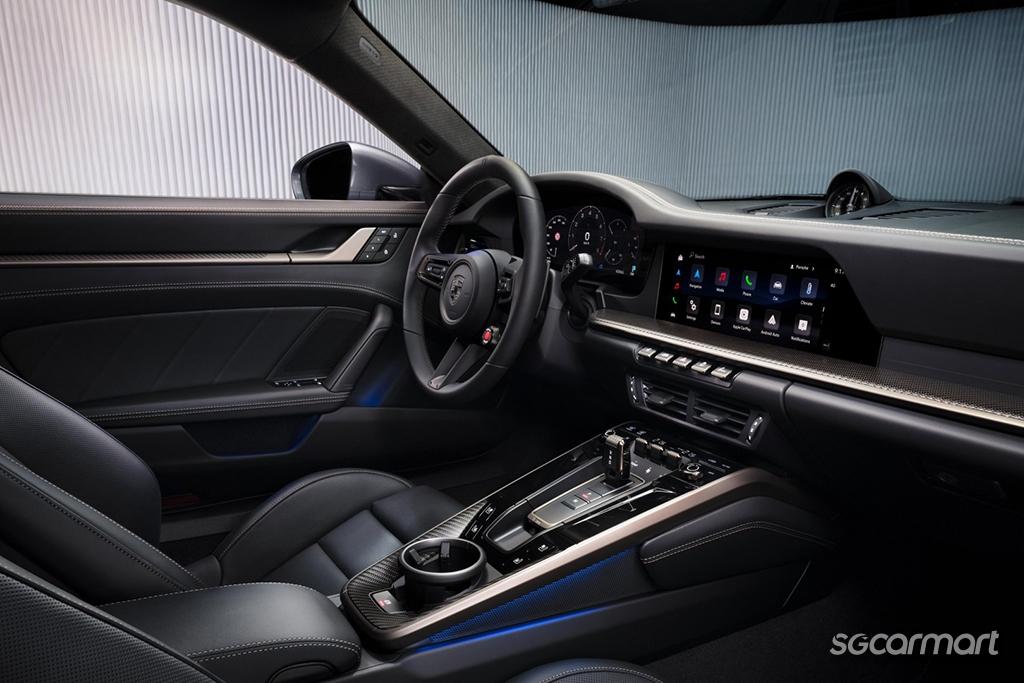
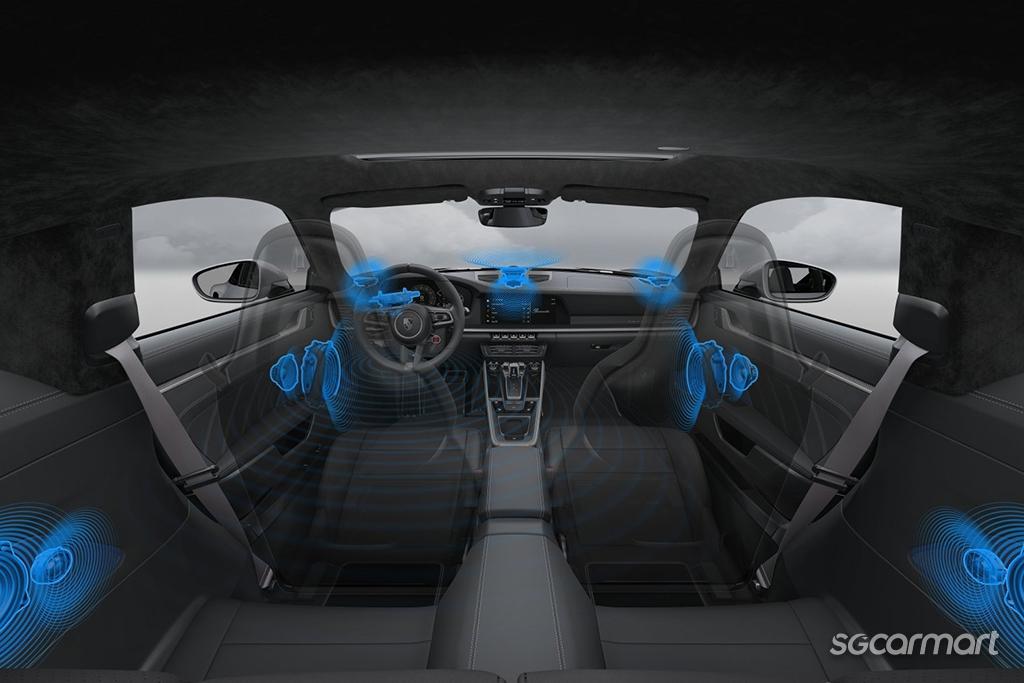
The ride is firm but compliant. The cabin is modern, well-finished, and largely free of unnecessary theatrics. Then there's that high level of maturity with the way it takes tarmac imperfections in its stride and has low levels of annoyance in the way of ensuring external noises are kept well at bay.
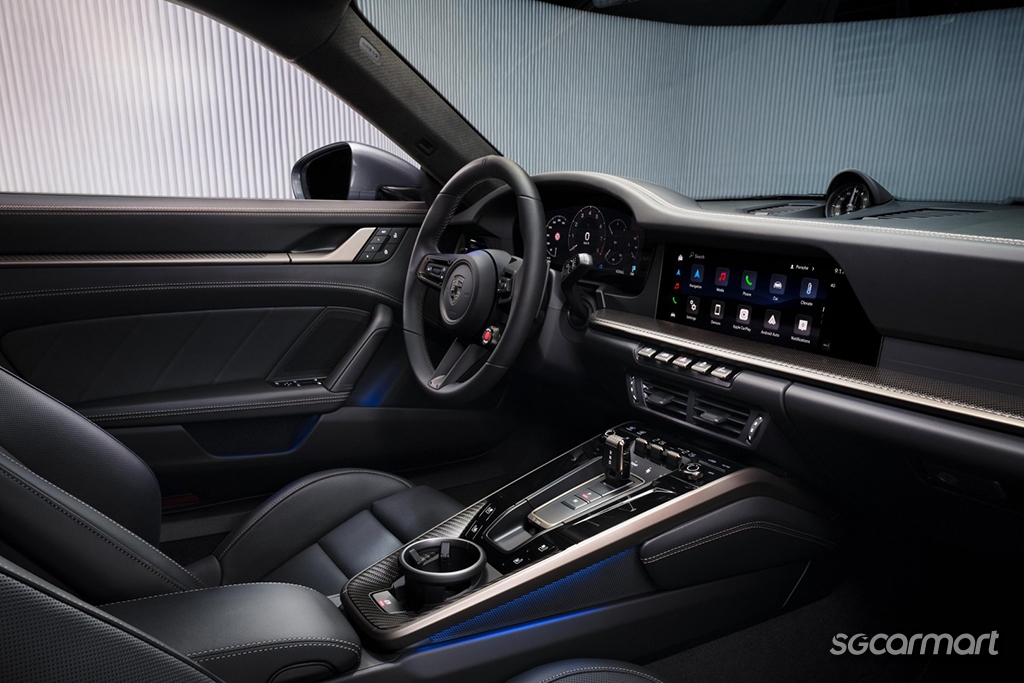
The cabin is nice, peaceful and quiet place to be when you take driving down a notch
Of course, there's ample power and the way the Turbo S dances on the tarmac - elegantly yet enthusiastically without even having to break a sweat at all. Just like the powertrain, the chassis is agile and alert, and flexible enough without you feeling overwhelmed.
Every turn with the sports car is smooth, seamless, stable and not to mention swift. You can brake late into a corner, turn steadily and accelerate out early without even having the need to second guess. Thanks to Porsche's electro hydraulic Porsche Dynamic Chassis Control system that utilises the 400V architecture from the hybrid system, the Turbo S manages to reduce body roll and increase agility.
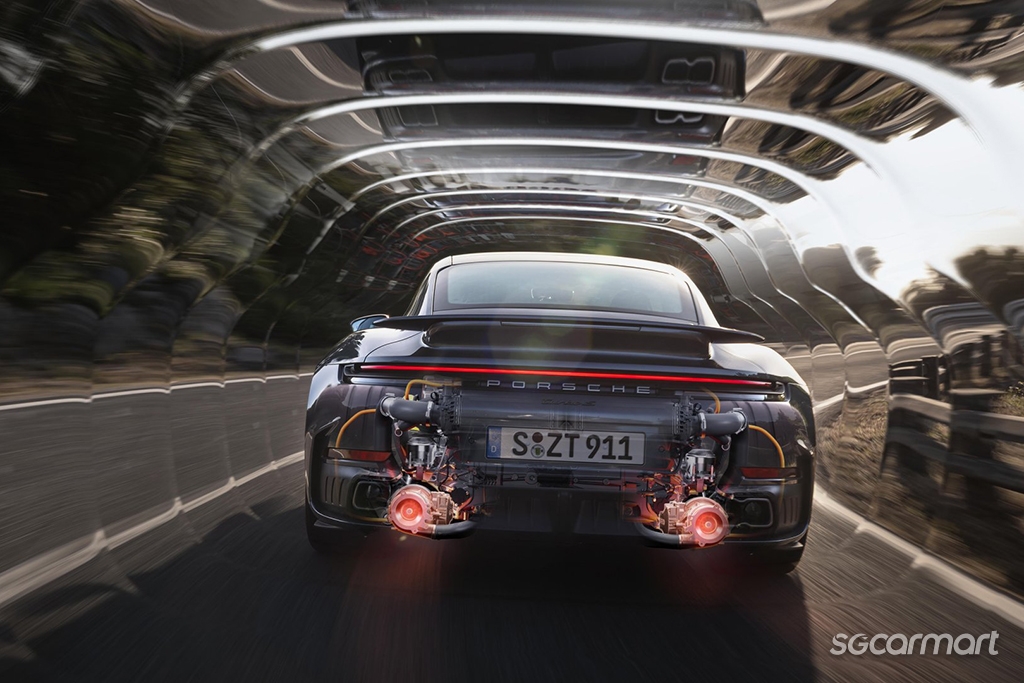
While the Turbo S has always been about theatrics, the updated model here feels a tad more clinical
Wait a min... It can't be that perfect
So, sure, while the car allows you to choose your level of engagement - from casual commuter to raging rocket - I reckon the drama is both the Turbo S' greatest strength and its most subtle loss.
The previous generation had a certain theatre - the build-up of boost and the sense of machinery working itself into a frenzy. The 992.2 replaces that with something far more clinical.
Squeeze the throttle and the car responds immediately, without hesitation or flourish. There is no crescendo, no anticipation. Just pure hard acceleration. Whether this is progress depends on your appetite for drama or your love for efficiency.
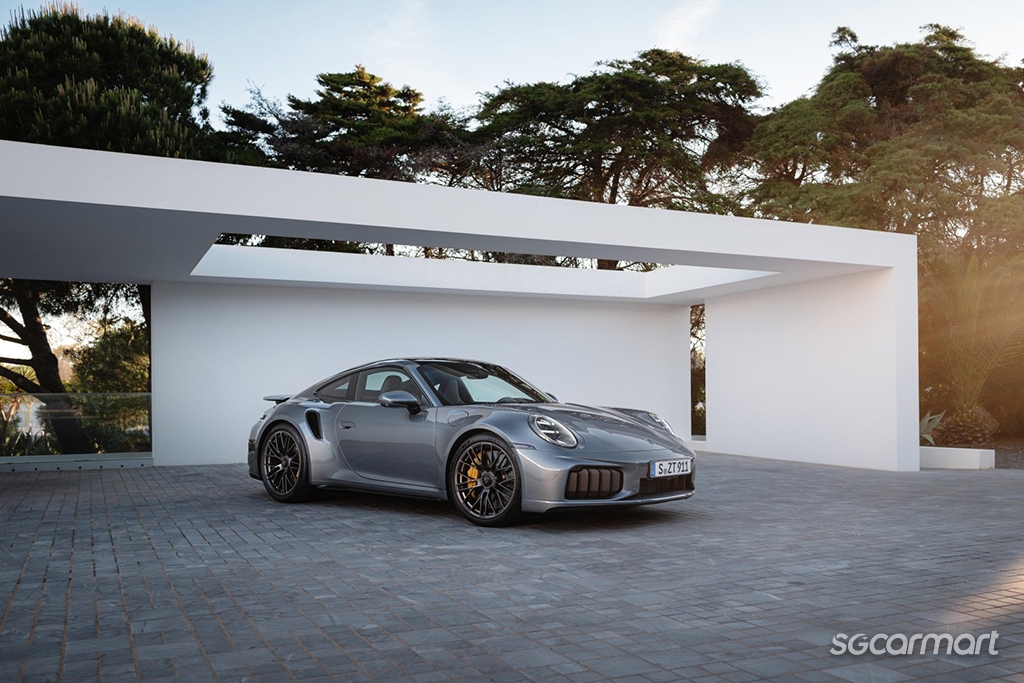
The updated 911 Turbo S proves that maximalism is key when it comes to car models
A deliberate character
Speaking of love, it almost feels like Porsche took a formula that was already verging on excessive and refined it further using electrification as a performance tool rather than a regulatory necessity.
The result is a car that accelerates with inflated immediacy, delivers its performance with clinical efficiency, and remains entirely usable in everyday conditions.
Needless to say, all these raise an important question: Is any of this necessary? My simple answer is no. I reckon the Turbo S has never been about sufficiency. Instead, it is about maximalism - the idea that if something can be improved, it should be, regardless of whether anyone asked for it.
And that is exactly how Porsche managed to create the best 911 Turbo S yet.
Facelift (What's New)
New headlamps with integrated indicators
New taillights spanning the width of the rear
It's now electrified with Porsche's T-Hybrid system
More powerful than ever!
If you've been following the evolution of the 911, you'll know that Porsche doesn't reinvent the formula. But with the updated 992.2 Turbo S that you see here, the carmaker done something that would have been borderline blasphemous a decade ago: Porsche has electrified its flagship.
And somehow, it might just be the best 911 Turbo S yet.
The updated 911 Turbo S that you see gets new head and taillights
Woah, you sure about that?
Let me dial it down a notch first. Calling the Turbo S a simple update doesn't quite do it justice. Sure, visually, the 992.2 Turbo S doesn't scream "all-new". It's not a radical departure from the 992.1. You get revised lighting, subtle aerodynamic tweaks, incremental refinements, etc. Main thing is it's still unmistakably a 911, with its planted stance and swooping silhouette we've all come to recognise.
But beneath that familiar shell lies the biggest headline. For the first time, the Turbo S is now a hybrid - and not in the way your typical commuter hybrid is.
See, the 992.2 Turbo S adopts Porsche's new T-Hybrid setup - a pairing of a 3.6-litre flat-six with an electric motor integrated into the super quick-shifting gearbox and two electric exhaust turbochargers that eliminate (not minimise) lag and fill any remaining gaps in the drivetrain's torque curve. There is also a small high-voltage 1.9kWh battery.
The 992.2 Turbo S gets itself electrified, but not the kind that you'd expect
Those expecting the usual hybrid talking points like fuel economy, silent running, or environmental virtue signalling will be disappointed. This is neither a car for creeping along in EV mode, nor does it pretend to be. The battery exists primarily to make the engine angrier, faster and, if possible, more impatient.
In that sense, Porsche has not so much embraced electrification. Instead, the brand weaponised it. Yes, it is still arguably electrification, but not as policymakers intended, and that isn't a bad thing at all.
With 701bhp and 800Nm of torque, the zero to 100km/h dash in this Porsche 911 Turbo S is completed in just 2.5 seconds
Oh wow. I am listening right now
The result of it all is a total output of 701bhp and 800Nm of twisting force, making this the most powerful production 911 to date. These figures follow predictably - the Turbo S accelerates from zero to 100km/h in just 2.5 seconds.
These are numbers, mind you, that would have been reserved only for hypercars a decade ago. Today, they are delivered by a car you can, with some restraint, drive to lunch. I say that because that's exactly how the Turbo S feels on the road.
The ride is firm but compliant. The cabin is modern, well-finished, and largely free of unnecessary theatrics. Then there's that high level of maturity with the way it takes tarmac imperfections in its stride and has low levels of annoyance in the way of ensuring external noises are kept well at bay.
The cabin is nice, peaceful and quiet place to be when you take driving down a notch
Of course, there's ample power and the way the Turbo S dances on the tarmac - elegantly yet enthusiastically without even having to break a sweat at all. Just like the powertrain, the chassis is agile and alert, and flexible enough without you feeling overwhelmed.
Every turn with the sports car is smooth, seamless, stable and not to mention swift. You can brake late into a corner, turn steadily and accelerate out early without even having the need to second guess. Thanks to Porsche's electro hydraulic Porsche Dynamic Chassis Control system that utilises the 400V architecture from the hybrid system, the Turbo S manages to reduce body roll and increase agility.
While the Turbo S has always been about theatrics, the updated model here feels a tad more clinical
Wait a min... It can't be that perfect
So, sure, while the car allows you to choose your level of engagement - from casual commuter to raging rocket - I reckon the drama is both the Turbo S' greatest strength and its most subtle loss.
The previous generation had a certain theatre - the build-up of boost and the sense of machinery working itself into a frenzy. The 992.2 replaces that with something far more clinical.
Squeeze the throttle and the car responds immediately, without hesitation or flourish. There is no crescendo, no anticipation. Just pure hard acceleration. Whether this is progress depends on your appetite for drama or your love for efficiency.
The updated 911 Turbo S proves that maximalism is key when it comes to car models
A deliberate character
Speaking of love, it almost feels like Porsche took a formula that was already verging on excessive and refined it further using electrification as a performance tool rather than a regulatory necessity.
The result is a car that accelerates with inflated immediacy, delivers its performance with clinical efficiency, and remains entirely usable in everyday conditions.
Needless to say, all these raise an important question: Is any of this necessary? My simple answer is no. I reckon the Turbo S has never been about sufficiency. Instead, it is about maximalism - the idea that if something can be improved, it should be, regardless of whether anyone asked for it.
And that is exactly how Porsche managed to create the best 911 Turbo S yet.



Thank You For Your Subscription.





Tags
Products & Services

For Owners
Quick Links
About Sgcarmart