A Harley adventure off the traditional road
01 Jul 2022|2,192 views
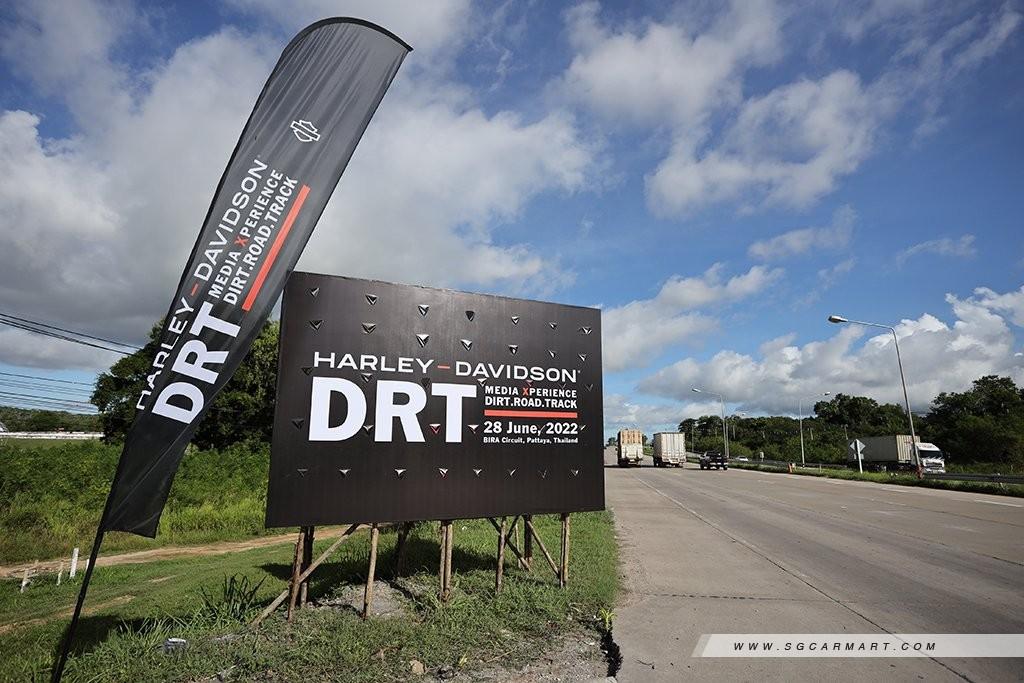
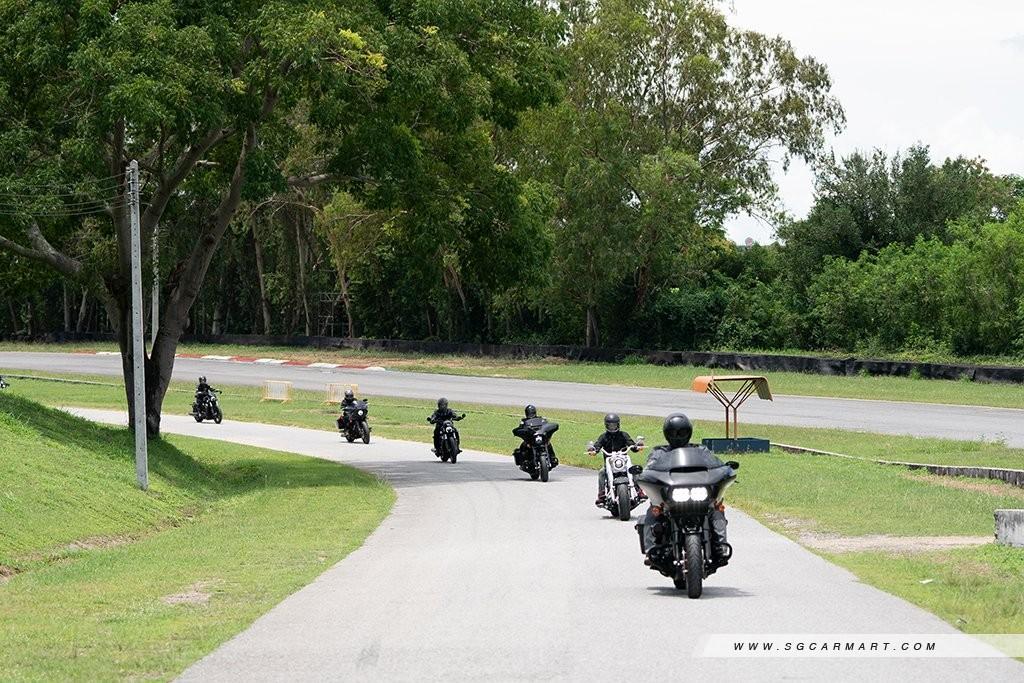
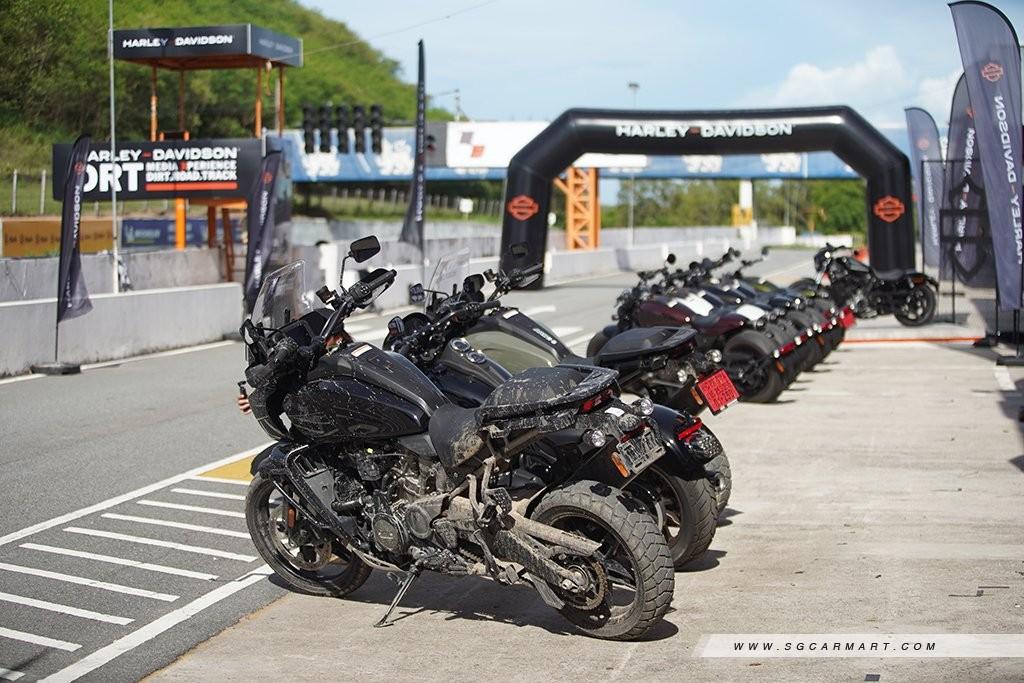
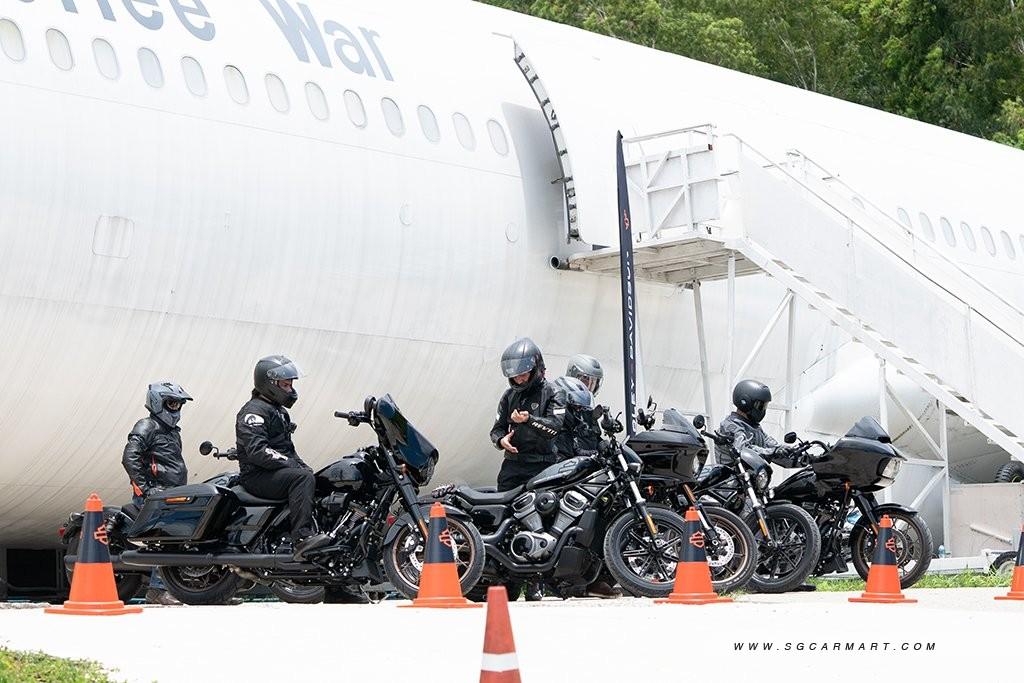
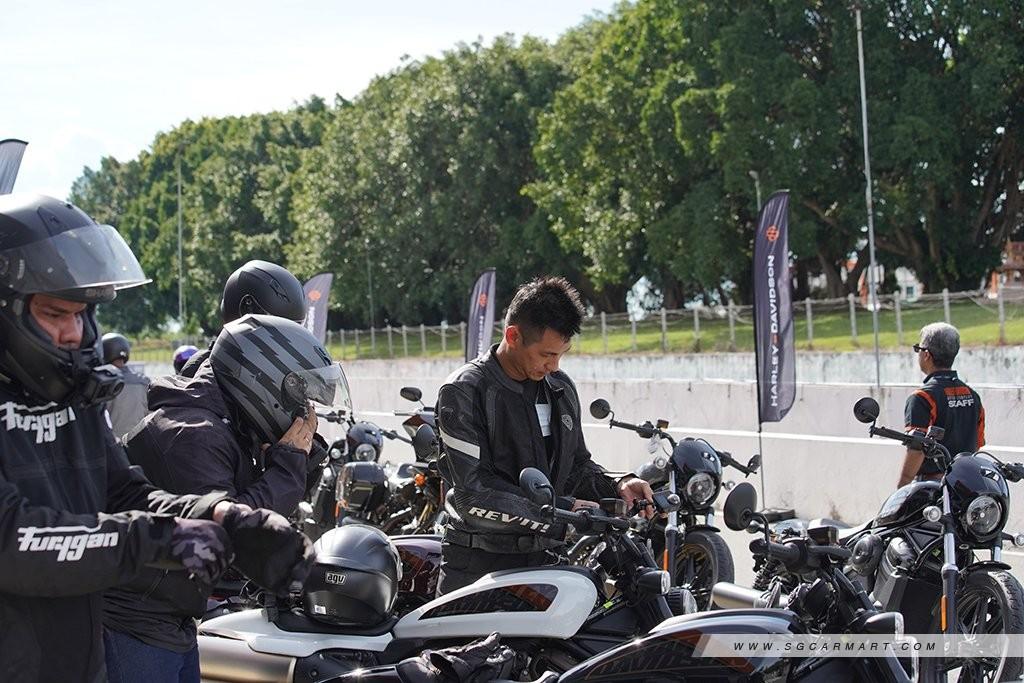
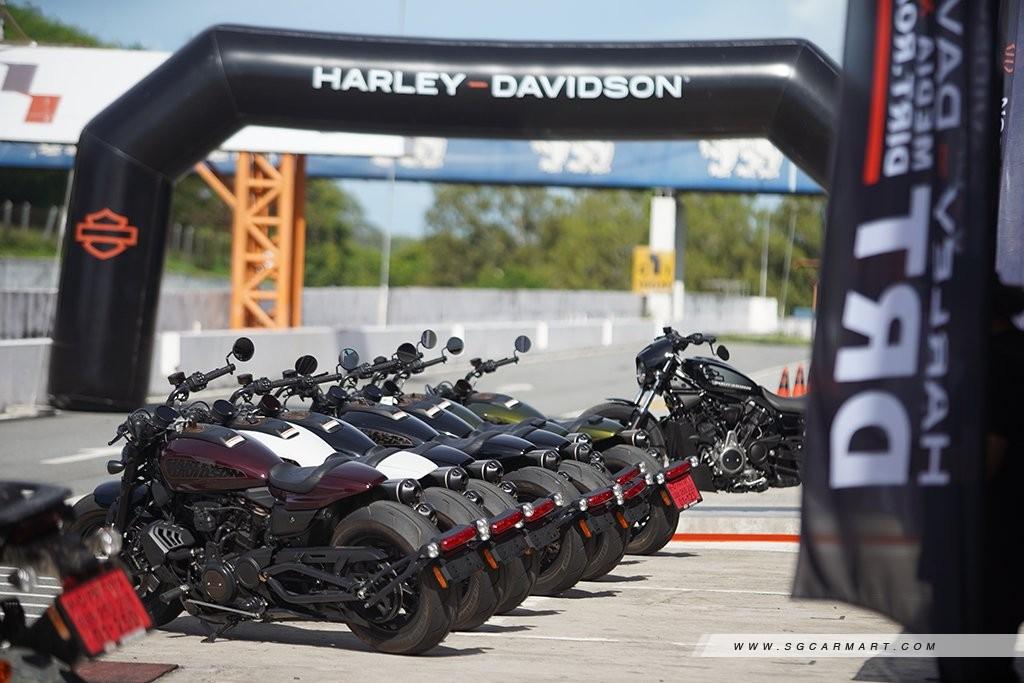
For most people, the idea of taking a Harley-Davidson either off-road or to a racetrack would seem absolutely preposterous. And yet, here I find myself at Bira Circuit in Pattaya, Thailand, about to do just that.
Why? This is the Harley-Davidson DRT Media Experience. DRT stands for Dirt, Road and Track, and as the name would suggest, it's an opportunity to ride a range of Harley models on dirt, public roads, as well as on a race track, and perhaps also an opportunity for me to be taught a lesson or two.
Off the beaten path
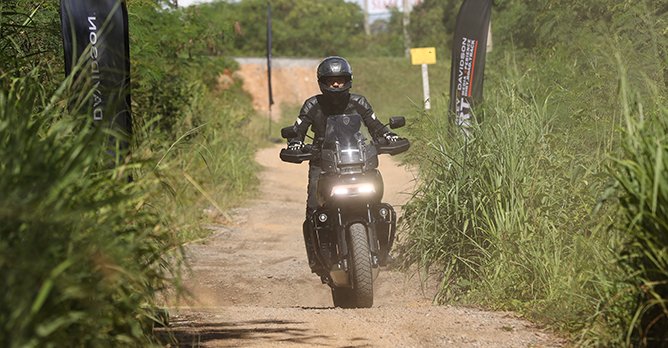
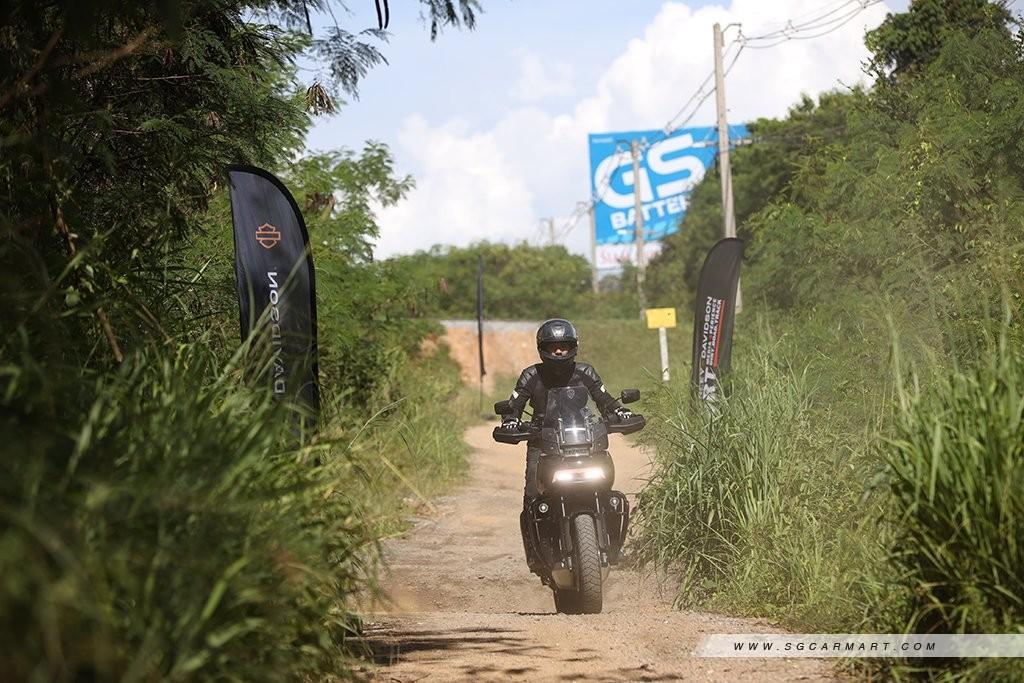
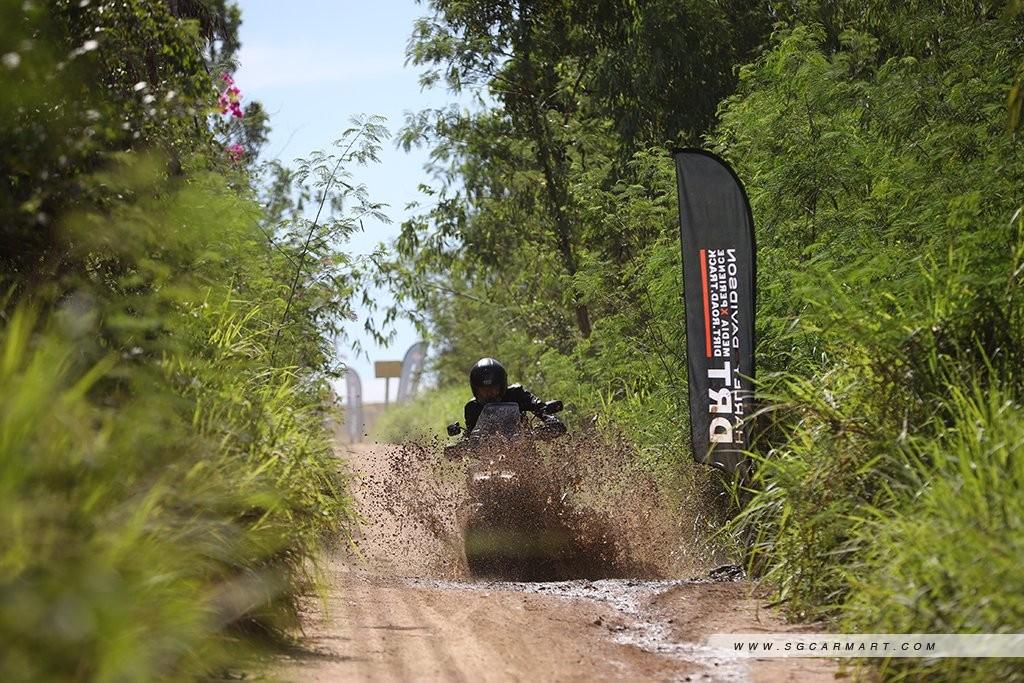
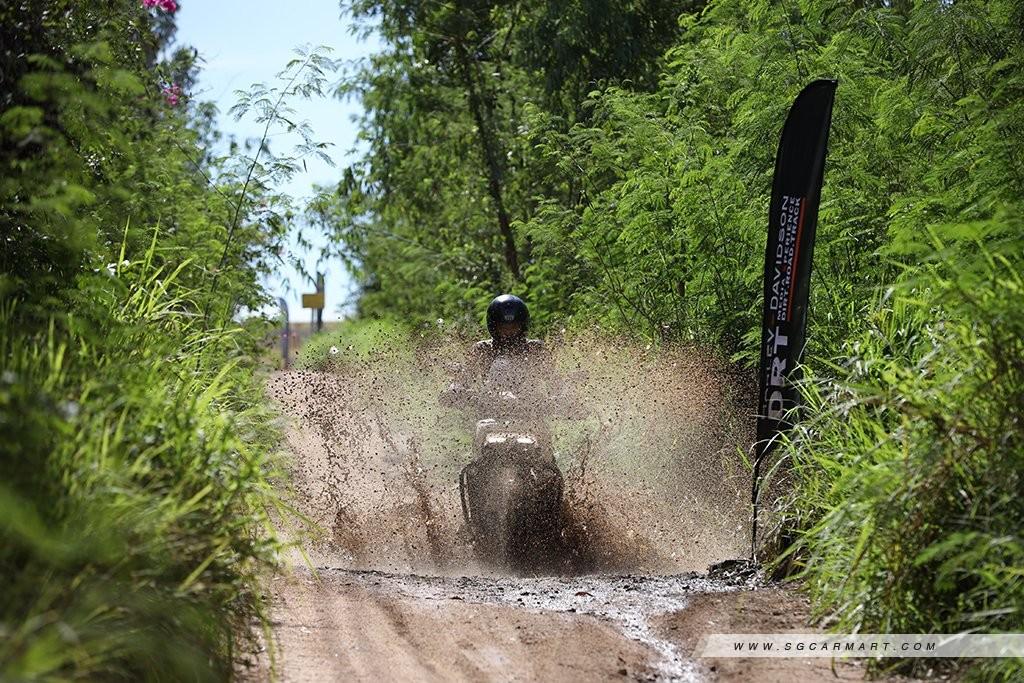
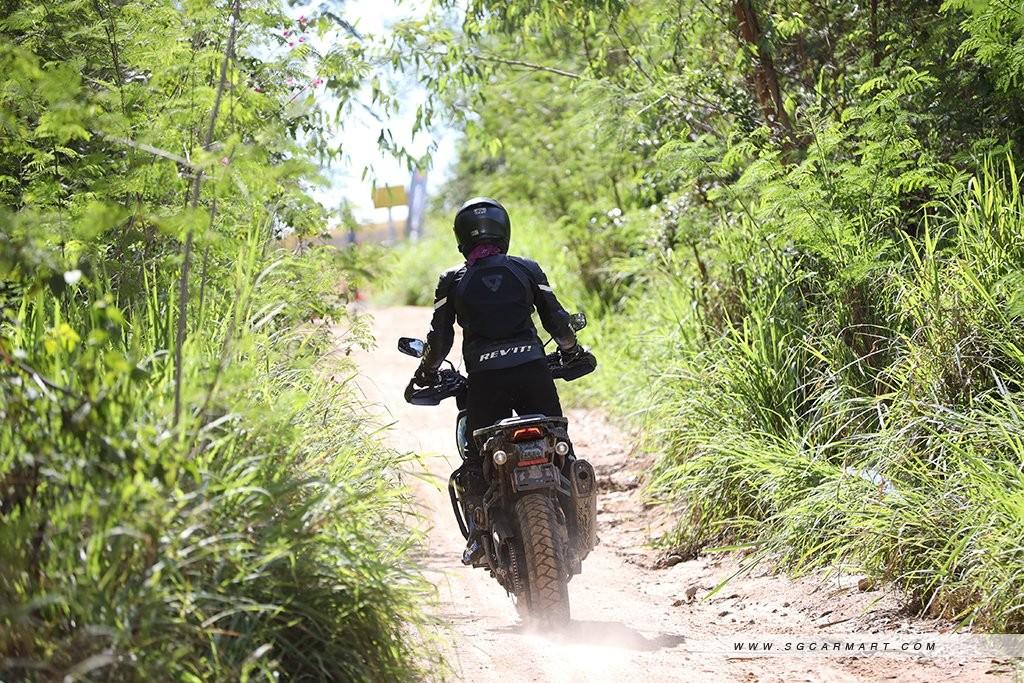
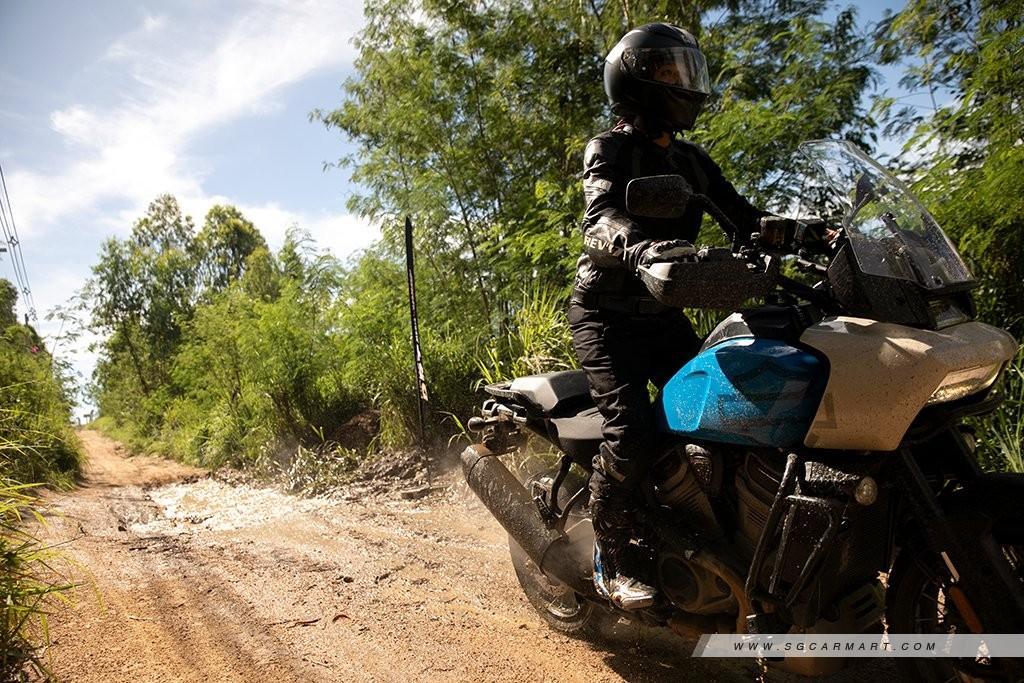
 For the brand's first go at an adventure bike, the Pan-America is mighty impressive and capable The dirt portion of the event was conducted on short dirt course with several obstacles set up, including a steep incline/decline, loose gravel, as well as a water pit. And, the tool to tackle this course is the Pan-America.
The Pan-America is Harley's first-ever adventure offering, a foray into a highly competitive segment. It is perhaps not the class-leading off-roader (it's still a little top-heavy), but for what it is, it is very, very capable. And considering it's Harley's first go at it, it is a super commendable effort.
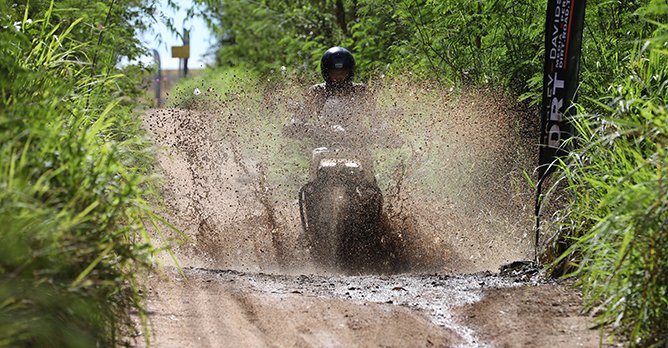 The MY22 model sees improvements that further enhance the bike's off-road capabilities And beyond that, improvements are coming. The new MY22 model, besides being offered in a new colour, also has had tweaks to its software that actually makes it better at the off-roading stuff. I got to ride the MY21 and MY22 models back to back, and the differences on some of the tricky gravel and water sections of the dirt course was obvious.
The MY22 model was noticeably less slippery, and I found myself feeling more confident (in hindsight perhaps a terrifyingly stupid thing to feel given my close-to-zero off-roading experience). But that's testament to how much help these electronics can give any rider, regardless of ability and/or bravery.
Tracking corners
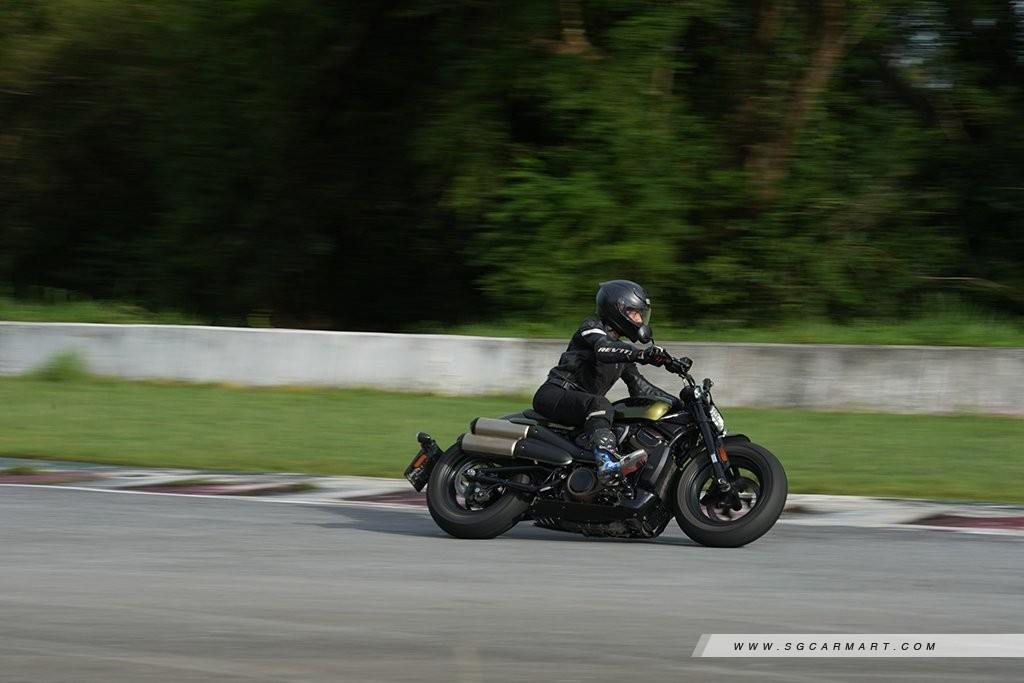
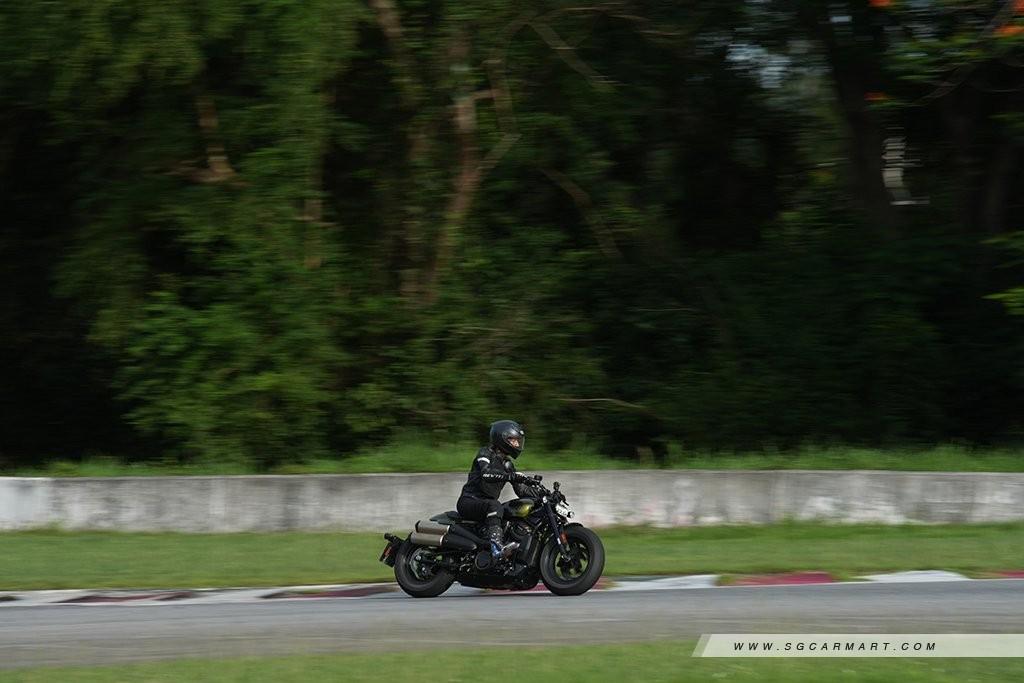
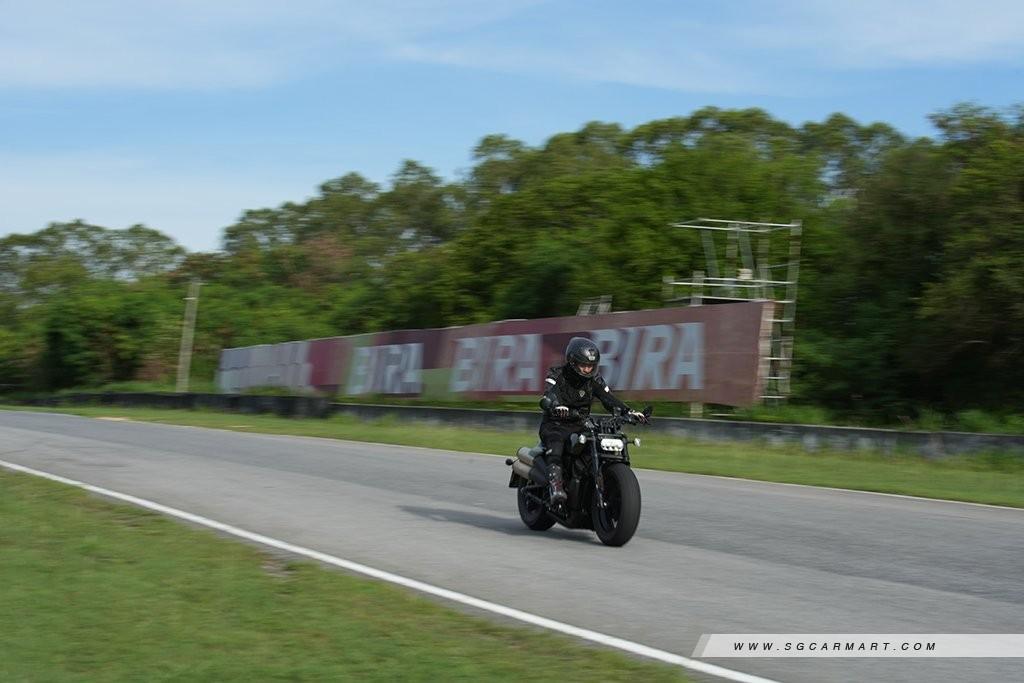
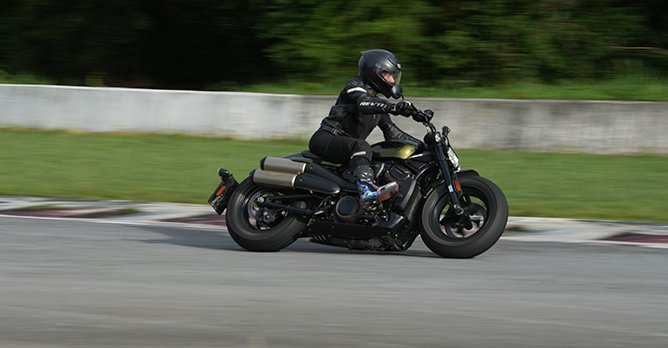 The Sportster S is a fun departure from the brand's traditional cruisers, offering plenty of sporty potency The track portion takes place on Bira Circuit, a small, twisty circuit where we put the Sportster S through its paces.
I like the Sportster S. It's quick, fairly light, nimble enough, and the riding position is much more familiar to me compared to Harley's big cruisers. And here on a racetrack where you can fully give it the beans, you become starkly aware just how potent the engine is, churning out 121bhp and 125Nm of torque.
But, despite its Sportster moniker, this isn't a full-on sports bike. To be fair, it's not designed to be.
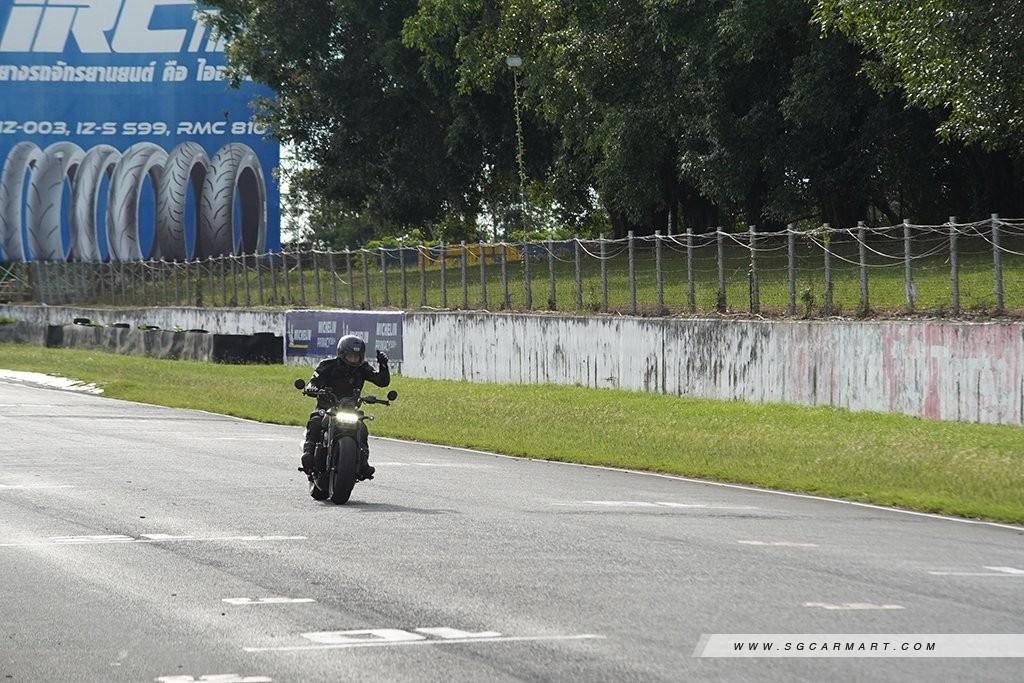
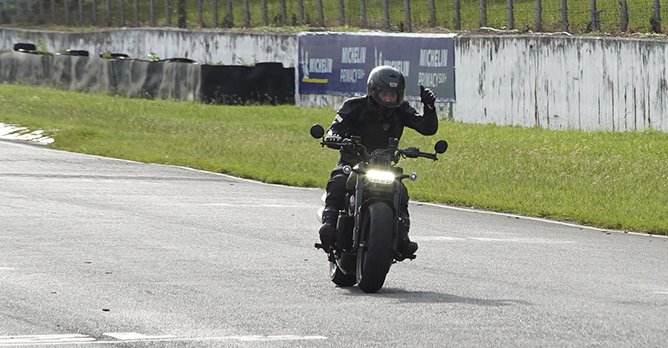 The Sportster S delivers ample fun to put a smile on anyone's face (and give a thumbs up!) In some ways, the Bira Circuit is a very good analogy for this model. While it may contain the relevant racetrack components like corners, a start/finish line and a pitlane, you will also notice some of its shortcomings (the tarmac is arguably less smooth than Singapore roads, with some sand-filled holes pimpled around the track).
Similarly, while the Sportster S has the relevant power and enough nimble handling, out on the racetrack its limitations also show. The foot-forward riding position isn't the most conducive for leaning into corners, and when pushed hard the bike will tend to understeer into quicker corners. On hard braking, the bike also squirms in a way that made my heart skip a couple of beats (or it might just be my terrible downshifting technique).
Out on the open road
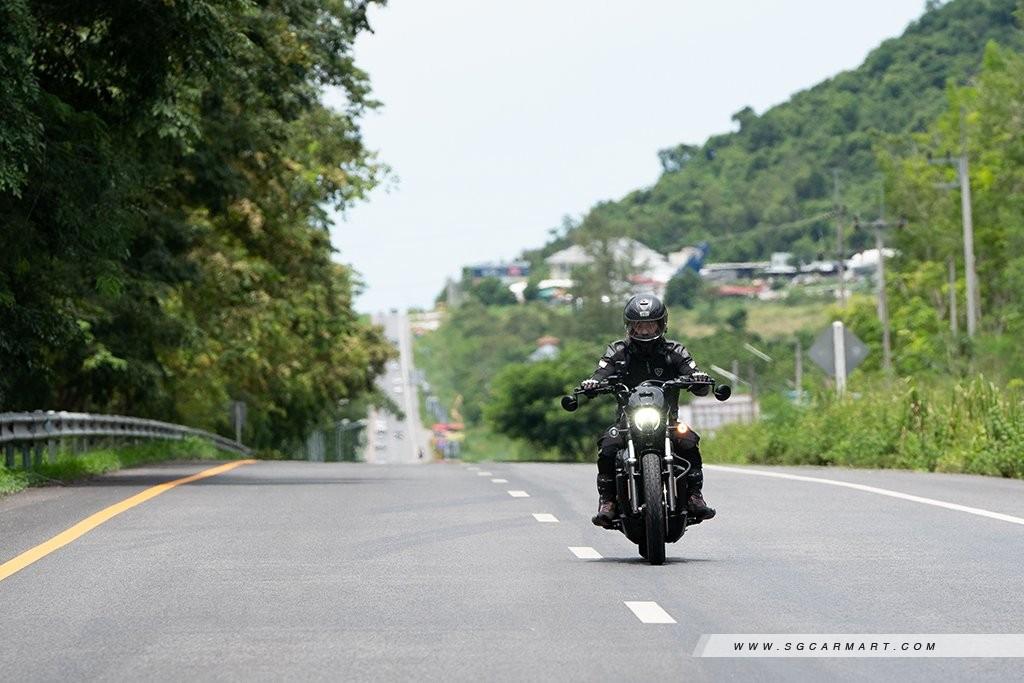
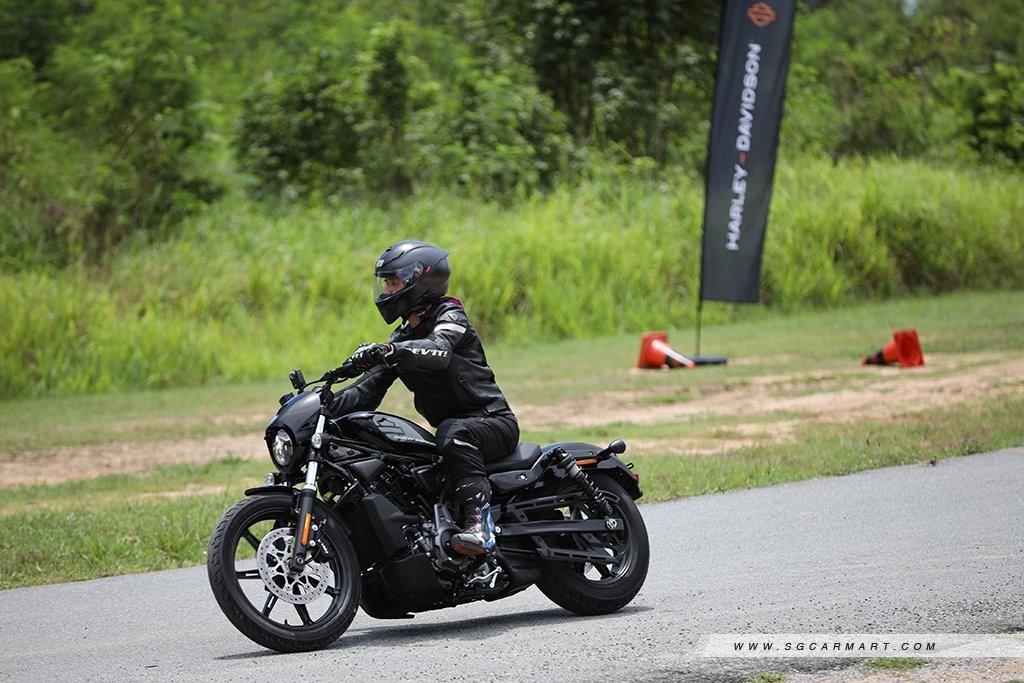
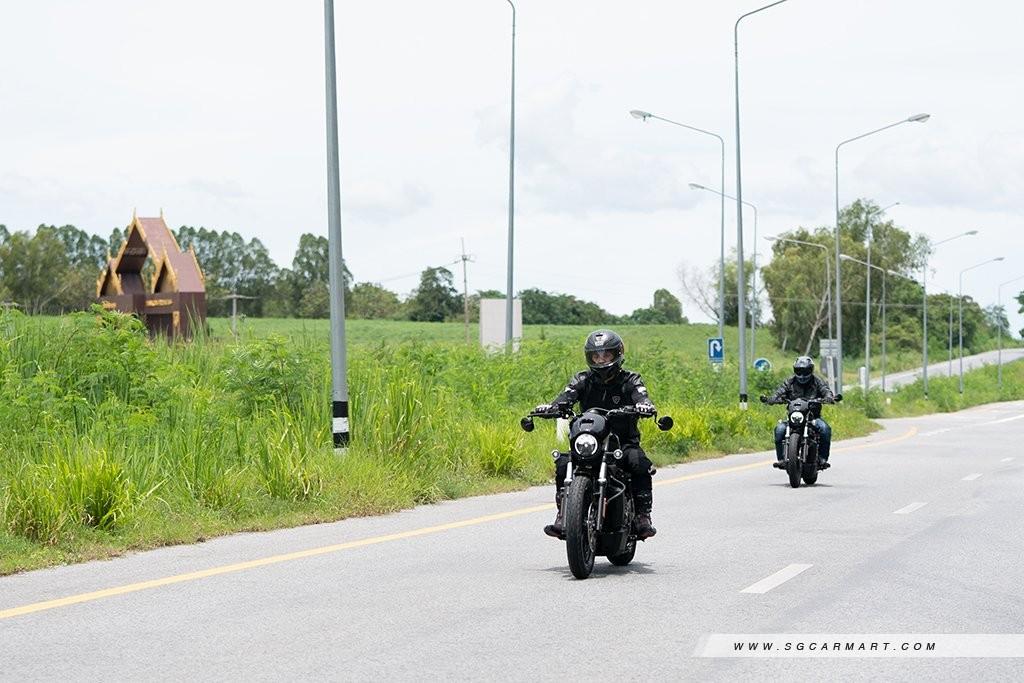
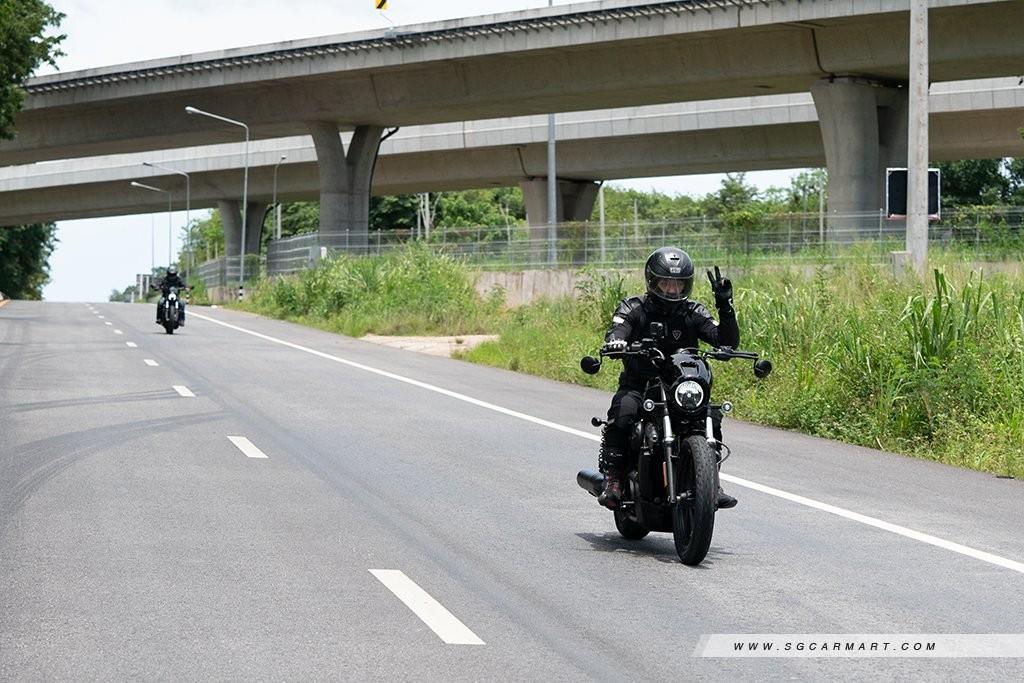
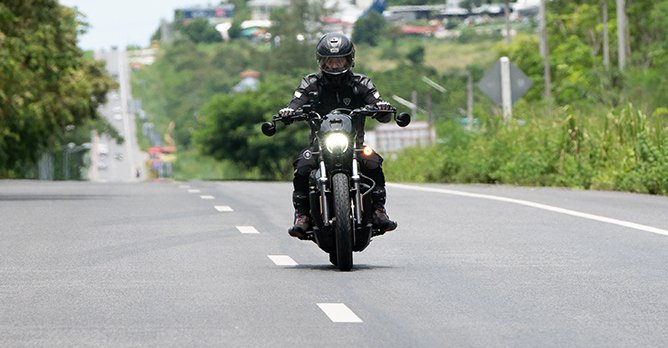 The Nightster is the newest addition to the Harley-Davidson lineup Of course, riding Harleys just on the dirt and track would be doing the brand a gigantic disservice. I got the opportunity to ride the latest model - the Nightster - on public roads as well, and this is where any Harley most truly feels at home.
With its relaxed riding position, skinny front tyres and sufficient power from the engine, the Nightster feels very much like a Harley made for the city. It's easy to steer, light on its feet, and just generally easy-going. It never feels intimidating the same way a Street Glide would (for both size and weight reasons), and as a result it feels entirely easy to hop on and go.
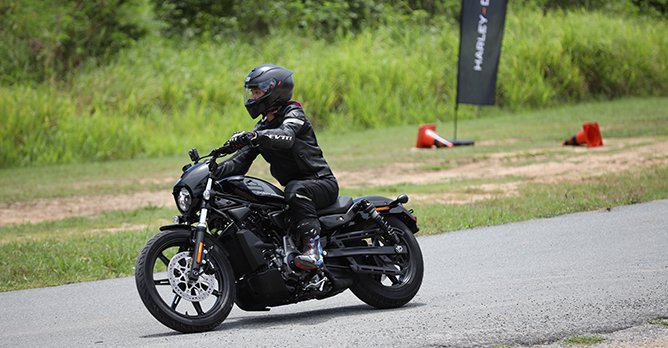 Cool, slick and effortless - just the way any Harley should be And, I can see the potential appeal of the Nightster. Besides its cool, cruiser-like looks, the downsized Revolution Max 975T engine makes for a relaxed riding demeanour - there's no impetus to push the bike hard the same way someone might do on the Sportster S.
And because it will slot in at the bottom of the Harley model lineup, it really does serve as an appealing entry into the world of Harley-Davidson.
All together now
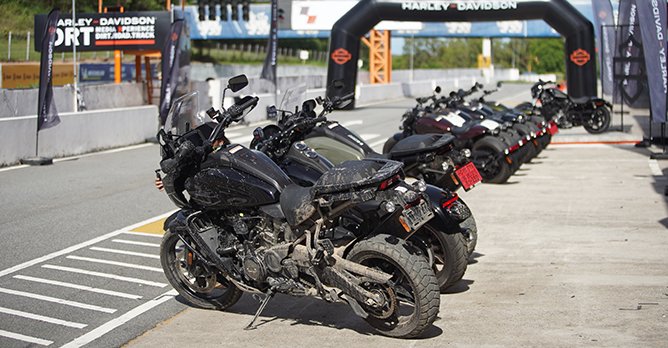 Here's hoping that the DRT experience will continue to grow, and hopefully come to Singapore! The Harley-Davidson DRT Media Experience is a unique opportunity to ride these bikes in distinctly different contexts.
While most people will admittedly likely never ride their bikes in these extreme situations (road excluded), it is heartening to see just what some of these bikes are capable of, and also to understand their limits as well.
My only hope? That this event format continues to grow, and eventually to accommodate customers as well. We all could use an extra lesson or two...
Why? This is the Harley-Davidson DRT Media Experience. DRT stands for Dirt, Road and Track, and as the name would suggest, it's an opportunity to ride a range of Harley models on dirt, public roads, as well as on a race track, and perhaps also an opportunity for me to be taught a lesson or two.
Off the beaten path
The Pan-America is Harley's first-ever adventure offering, a foray into a highly competitive segment. It is perhaps not the class-leading off-roader (it's still a little top-heavy), but for what it is, it is very, very capable. And considering it's Harley's first go at it, it is a super commendable effort.
The MY22 model was noticeably less slippery, and I found myself feeling more confident (in hindsight perhaps a terrifyingly stupid thing to feel given my close-to-zero off-roading experience). But that's testament to how much help these electronics can give any rider, regardless of ability and/or bravery.
Tracking corners
I like the Sportster S. It's quick, fairly light, nimble enough, and the riding position is much more familiar to me compared to Harley's big cruisers. And here on a racetrack where you can fully give it the beans, you become starkly aware just how potent the engine is, churning out 121bhp and 125Nm of torque.
But, despite its Sportster moniker, this isn't a full-on sports bike. To be fair, it's not designed to be.
Similarly, while the Sportster S has the relevant power and enough nimble handling, out on the racetrack its limitations also show. The foot-forward riding position isn't the most conducive for leaning into corners, and when pushed hard the bike will tend to understeer into quicker corners. On hard braking, the bike also squirms in a way that made my heart skip a couple of beats (or it might just be my terrible downshifting technique).
Out on the open road
With its relaxed riding position, skinny front tyres and sufficient power from the engine, the Nightster feels very much like a Harley made for the city. It's easy to steer, light on its feet, and just generally easy-going. It never feels intimidating the same way a Street Glide would (for both size and weight reasons), and as a result it feels entirely easy to hop on and go.
And because it will slot in at the bottom of the Harley model lineup, it really does serve as an appealing entry into the world of Harley-Davidson.
All together now
While most people will admittedly likely never ride their bikes in these extreme situations (road excluded), it is heartening to see just what some of these bikes are capable of, and also to understand their limits as well.
My only hope? That this event format continues to grow, and eventually to accommodate customers as well. We all could use an extra lesson or two...
For most people, the idea of taking a Harley-Davidson either off-road or to a racetrack would seem absolutely preposterous. And yet, here I find myself at Bira Circuit in Pattaya, Thailand, about to do just that.
Why? This is the Harley-Davidson DRT Media Experience. DRT stands for Dirt, Road and Track, and as the name would suggest, it's an opportunity to ride a range of Harley models on dirt, public roads, as well as on a race track, and perhaps also an opportunity for me to be taught a lesson or two.
Off the beaten path
For the brand's first go at an adventure bike, the Pan-America is mighty impressive and capable The dirt portion of the event was conducted on short dirt course with several obstacles set up, including a steep incline/decline, loose gravel, as well as a water pit. And, the tool to tackle this course is the Pan-America.
The Pan-America is Harley's first-ever adventure offering, a foray into a highly competitive segment. It is perhaps not the class-leading off-roader (it's still a little top-heavy), but for what it is, it is very, very capable. And considering it's Harley's first go at it, it is a super commendable effort.
The MY22 model sees improvements that further enhance the bike's off-road capabilities And beyond that, improvements are coming. The new MY22 model, besides being offered in a new colour, also has had tweaks to its software that actually makes it better at the off-roading stuff. I got to ride the MY21 and MY22 models back to back, and the differences on some of the tricky gravel and water sections of the dirt course was obvious.
The MY22 model was noticeably less slippery, and I found myself feeling more confident (in hindsight perhaps a terrifyingly stupid thing to feel given my close-to-zero off-roading experience). But that's testament to how much help these electronics can give any rider, regardless of ability and/or bravery.
Tracking corners
The Sportster S is a fun departure from the brand's traditional cruisers, offering plenty of sporty potency The track portion takes place on Bira Circuit, a small, twisty circuit where we put the Sportster S through its paces.
I like the Sportster S. It's quick, fairly light, nimble enough, and the riding position is much more familiar to me compared to Harley's big cruisers. And here on a racetrack where you can fully give it the beans, you become starkly aware just how potent the engine is, churning out 121bhp and 125Nm of torque.
But, despite its Sportster moniker, this isn't a full-on sports bike. To be fair, it's not designed to be.
The Sportster S delivers ample fun to put a smile on anyone's face (and give a thumbs up!) In some ways, the Bira Circuit is a very good analogy for this model. While it may contain the relevant racetrack components like corners, a start/finish line and a pitlane, you will also notice some of its shortcomings (the tarmac is arguably less smooth than Singapore roads, with some sand-filled holes pimpled around the track).
Similarly, while the Sportster S has the relevant power and enough nimble handling, out on the racetrack its limitations also show. The foot-forward riding position isn't the most conducive for leaning into corners, and when pushed hard the bike will tend to understeer into quicker corners. On hard braking, the bike also squirms in a way that made my heart skip a couple of beats (or it might just be my terrible downshifting technique).
Out on the open road
The Nightster is the newest addition to the Harley-Davidson lineup Of course, riding Harleys just on the dirt and track would be doing the brand a gigantic disservice. I got the opportunity to ride the latest model - the Nightster - on public roads as well, and this is where any Harley most truly feels at home.
With its relaxed riding position, skinny front tyres and sufficient power from the engine, the Nightster feels very much like a Harley made for the city. It's easy to steer, light on its feet, and just generally easy-going. It never feels intimidating the same way a Street Glide would (for both size and weight reasons), and as a result it feels entirely easy to hop on and go.
Cool, slick and effortless - just the way any Harley should be And, I can see the potential appeal of the Nightster. Besides its cool, cruiser-like looks, the downsized Revolution Max 975T engine makes for a relaxed riding demeanour - there's no impetus to push the bike hard the same way someone might do on the Sportster S.
And because it will slot in at the bottom of the Harley model lineup, it really does serve as an appealing entry into the world of Harley-Davidson.
All together now
Here's hoping that the DRT experience will continue to grow, and hopefully come to Singapore! The Harley-Davidson DRT Media Experience is a unique opportunity to ride these bikes in distinctly different contexts.
While most people will admittedly likely never ride their bikes in these extreme situations (road excluded), it is heartening to see just what some of these bikes are capable of, and also to understand their limits as well.
My only hope? That this event format continues to grow, and eventually to accommodate customers as well. We all could use an extra lesson or two...
Why? This is the Harley-Davidson DRT Media Experience. DRT stands for Dirt, Road and Track, and as the name would suggest, it's an opportunity to ride a range of Harley models on dirt, public roads, as well as on a race track, and perhaps also an opportunity for me to be taught a lesson or two.
Off the beaten path
The Pan-America is Harley's first-ever adventure offering, a foray into a highly competitive segment. It is perhaps not the class-leading off-roader (it's still a little top-heavy), but for what it is, it is very, very capable. And considering it's Harley's first go at it, it is a super commendable effort.
The MY22 model was noticeably less slippery, and I found myself feeling more confident (in hindsight perhaps a terrifyingly stupid thing to feel given my close-to-zero off-roading experience). But that's testament to how much help these electronics can give any rider, regardless of ability and/or bravery.
Tracking corners
I like the Sportster S. It's quick, fairly light, nimble enough, and the riding position is much more familiar to me compared to Harley's big cruisers. And here on a racetrack where you can fully give it the beans, you become starkly aware just how potent the engine is, churning out 121bhp and 125Nm of torque.
But, despite its Sportster moniker, this isn't a full-on sports bike. To be fair, it's not designed to be.
Similarly, while the Sportster S has the relevant power and enough nimble handling, out on the racetrack its limitations also show. The foot-forward riding position isn't the most conducive for leaning into corners, and when pushed hard the bike will tend to understeer into quicker corners. On hard braking, the bike also squirms in a way that made my heart skip a couple of beats (or it might just be my terrible downshifting technique).
Out on the open road
With its relaxed riding position, skinny front tyres and sufficient power from the engine, the Nightster feels very much like a Harley made for the city. It's easy to steer, light on its feet, and just generally easy-going. It never feels intimidating the same way a Street Glide would (for both size and weight reasons), and as a result it feels entirely easy to hop on and go.
And because it will slot in at the bottom of the Harley model lineup, it really does serve as an appealing entry into the world of Harley-Davidson.
All together now
While most people will admittedly likely never ride their bikes in these extreme situations (road excluded), it is heartening to see just what some of these bikes are capable of, and also to understand their limits as well.
My only hope? That this event format continues to grow, and eventually to accommodate customers as well. We all could use an extra lesson or two...

Photos by Harley-Davidson


Thank You For Your Subscription.


Tags
Products & Services

For Owners
Quick Links
About Sgcarmart