Jaguar C-XF first vehicle to use Wire in Composite
12 Jan 2007|2,355 views
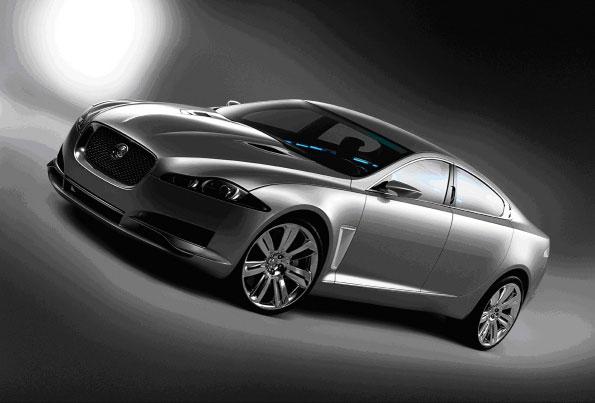
 Innovative wiring harness technology has first application as an engine wiring loom on Jaguar C-XF show car
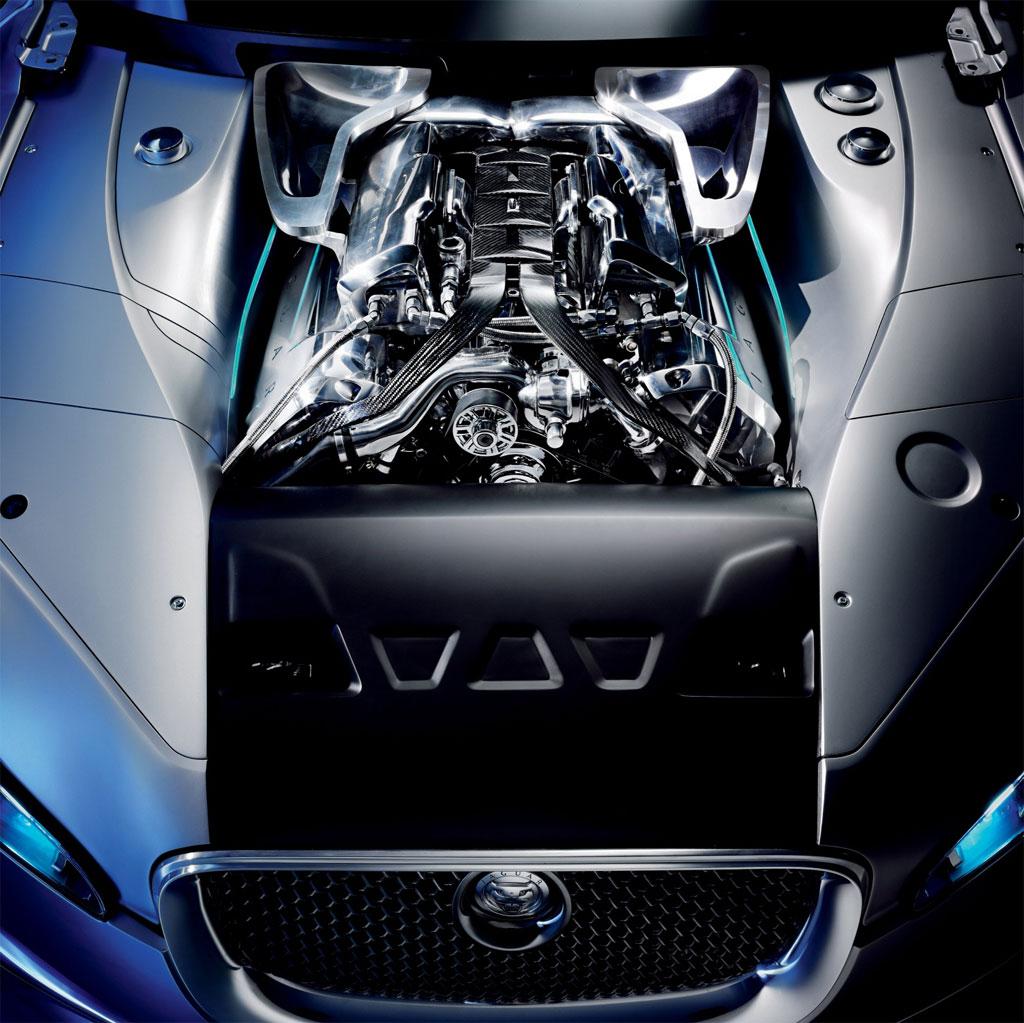
 The exciting new Jaguar C-XF is the first application of motorsport specialists BERU F1 Systems Wire in Composite (WiC) technology. WiC completely encloses wiring looms in a bespoke carbon fibre sleeve, protecting them from damage. In harmony with the C-XF, the technology also improves durability, packaging, weight, performance and aesthetics, a considerable advance over existing wiring looms.
As the first ever vehicle to use the technology, the Jaguar C-XF surges ahead of expected applications in the highest levels of motorsport and the aerospace industry, with the loom replacing the standard main engine wiring loom. For Jaguar's design department, WiC offers the freedom to form looms to virtually any shape, even incorporating sharp bend radii. With a high sheen finish and herringbone carbon pattern, instead of being concealed, the loom can become an intrinsic part of the underbonnet design, opening further new areas for designers to explore.
 "BERU F1 Systems is pleased that the debut should be on such an important and prestigious vehicle," says BERU F1 Systems' managing director John Bailey. "WiC technology offers designers and engineers fresh opportunities to optimise their design whether that is for performance, weight or appearance. With Jaguar so synonymous with design, it is highly appropriate that the C-XF is the first car to apply the technology."
 Although the technology was developed with motorsport in mind, WiC is proving to be highly applicable to road cars. The carbon fibre used improves electro-magnetic compatibility (EMC) resulting in lower electrical noise and the enclosed design increases security of the CAN network for units outside the body-in-white.
The technology is close to being production feasible. BERU F1 Systems believe a road car programme is possible within 18 months whilst a motor sport application is likely to be on track before then.
About BERU F1 Systems
Founded in 1993 and, since 2001, a specialist division of BERU AG, BERU F1 Systems offers advanced design and manufacturing facilities for vehicle electrical systems, tyre pressure monitoring, stress measurement and composites. Supplied to world championship winning cars in every major formula and every Formula 1 team, components from BERU F1 Systems are now available in military, road car, aerospace and nautical applications. In 2006, its DigiTyre product was awarded the MIA's Technology Innovation award.
Innovative wiring harness technology has first application as an engine wiring loom on Jaguar C-XF show car The exciting new Jaguar C-XF is the first application of motorsport specialists BERU F1 Systems Wire in Composite (WiC) technology. WiC completely encloses wiring looms in a bespoke carbon fibre sleeve, protecting them from damage. In harmony with the C-XF, the technology also improves durability, packaging, weight, performance and aesthetics, a considerable advance over existing wiring looms.
As the first ever vehicle to use the technology, the Jaguar C-XF surges ahead of expected applications in the highest levels of motorsport and the aerospace industry, with the loom replacing the standard main engine wiring loom. For Jaguar's design department, WiC offers the freedom to form looms to virtually any shape, even incorporating sharp bend radii. With a high sheen finish and herringbone carbon pattern, instead of being concealed, the loom can become an intrinsic part of the underbonnet design, opening further new areas for designers to explore.
"BERU F1 Systems is pleased that the debut should be on such an important and prestigious vehicle," says BERU F1 Systems' managing director John Bailey. "WiC technology offers designers and engineers fresh opportunities to optimise their design whether that is for performance, weight or appearance. With Jaguar so synonymous with design, it is highly appropriate that the C-XF is the first car to apply the technology." Although the technology was developed with motorsport in mind, WiC is proving to be highly applicable to road cars. The carbon fibre used improves electro-magnetic compatibility (EMC) resulting in lower electrical noise and the enclosed design increases security of the CAN network for units outside the body-in-white.
The technology is close to being production feasible. BERU F1 Systems believe a road car programme is possible within 18 months whilst a motor sport application is likely to be on track before then.
About BERU F1 Systems
Founded in 1993 and, since 2001, a specialist division of BERU AG, BERU F1 Systems offers advanced design and manufacturing facilities for vehicle electrical systems, tyre pressure monitoring, stress measurement and composites. Supplied to world championship winning cars in every major formula and every Formula 1 team, components from BERU F1 Systems are now available in military, road car, aerospace and nautical applications. In 2006, its DigiTyre product was awarded the MIA's Technology Innovation award.


Latest COE Prices
March 2026 | 2nd BIDDING
NEXT TENDER: 08 Apr 2026
CAT A$111,890
CAT B$115,568
CAT C$78,000
CAT E$118,119
View Full Results 
Thank You For Your Subscription.









Tags
Products & Services

For Owners
Quick Links
About Sgcarmart