LTA to review COE system to improve car categorisation
04 Mar 2026|3,654 views
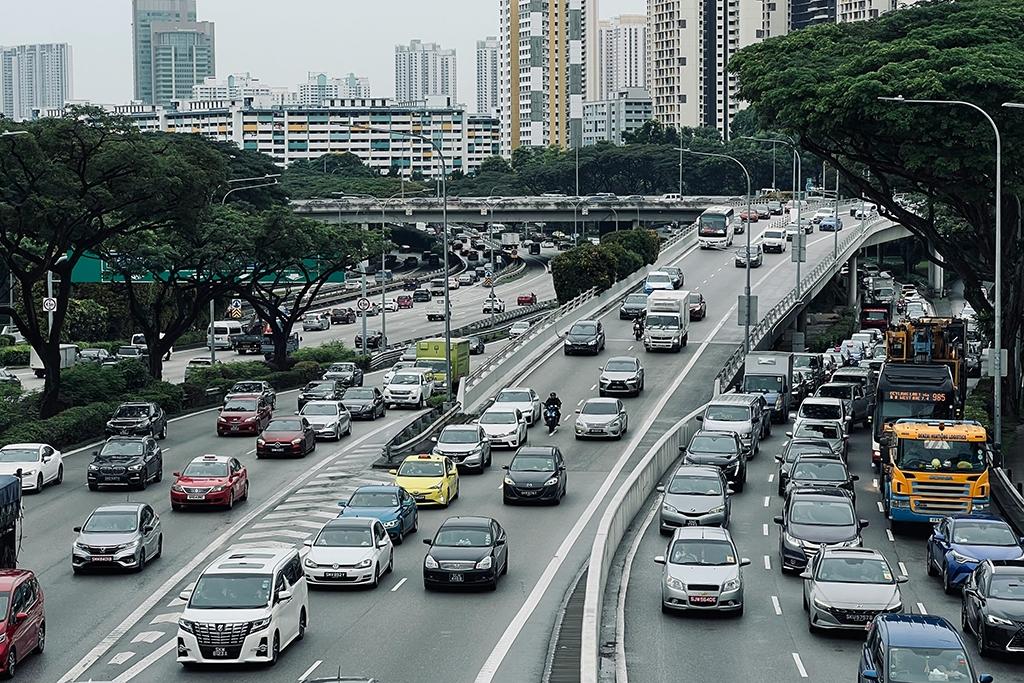
Concerned about the increasing convergence between Category A and Category B COE premiums? It seems that the authorities have heard you.
The LTA has announced that it will be reviewing the COE system to improve the categorisation of cars in Singapore. The news was first announced in a parliamentary debate about the recent Budget 2026 by Acting Minister for Transport, Mr Jeffrey Siow, while responding to requests from MPs. Thereafter, the LTA has also taken to its official social media accounts to address the issue.
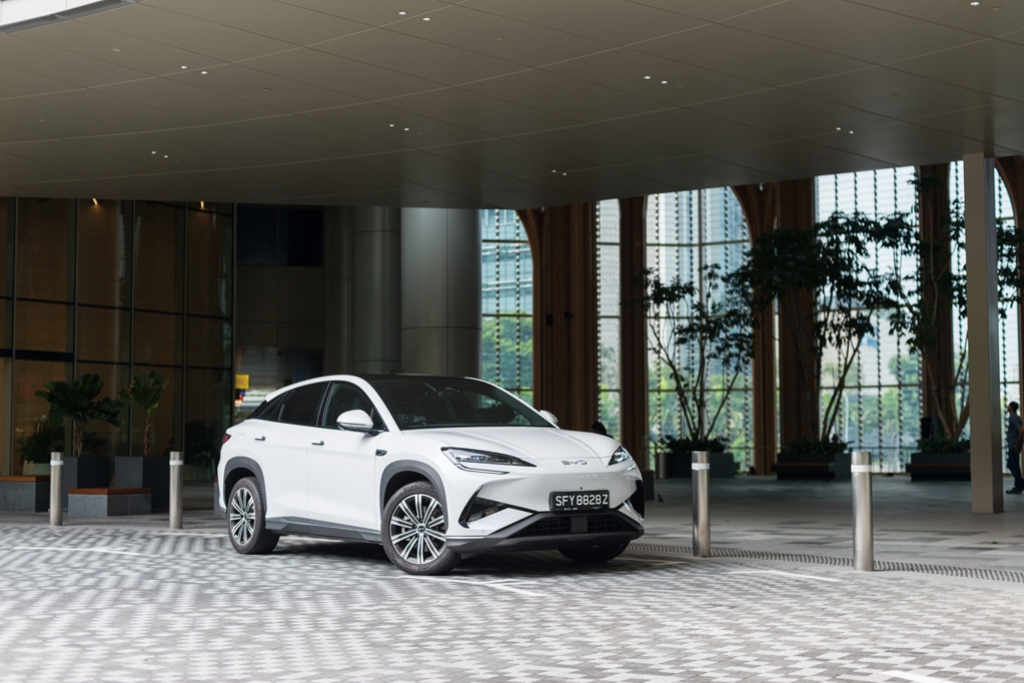
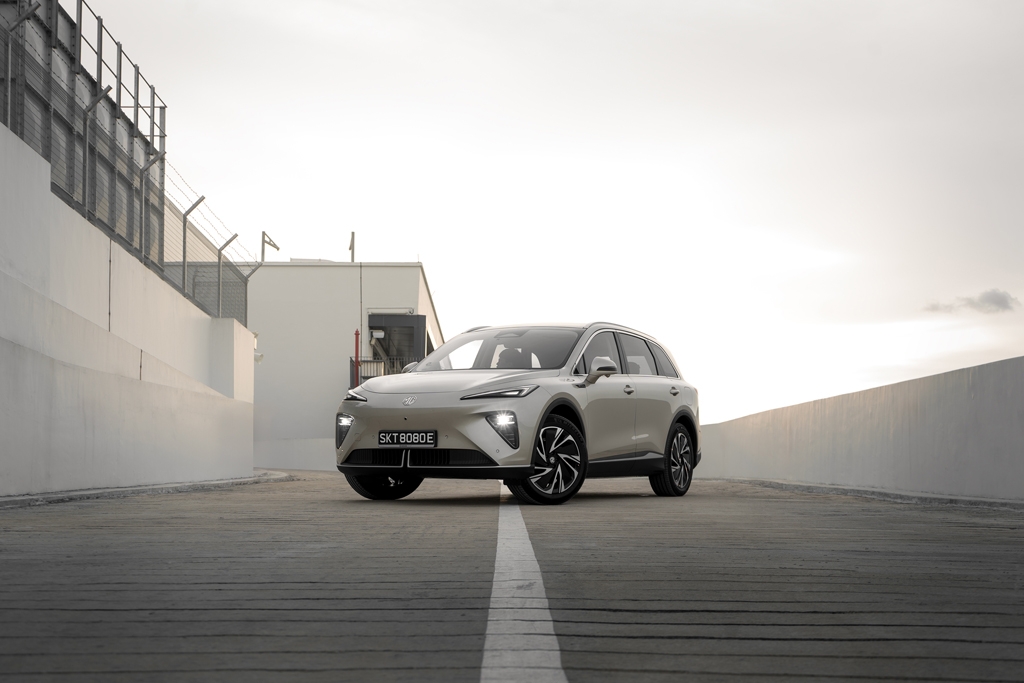
In an Instagram post published on Wednesday evening, the LTA specifically pointed to the trend of EV manufacturers detuning their high-end vehicles to qualify for Cat A as a likely reason for the convergence between Cat A and Cat B premiums
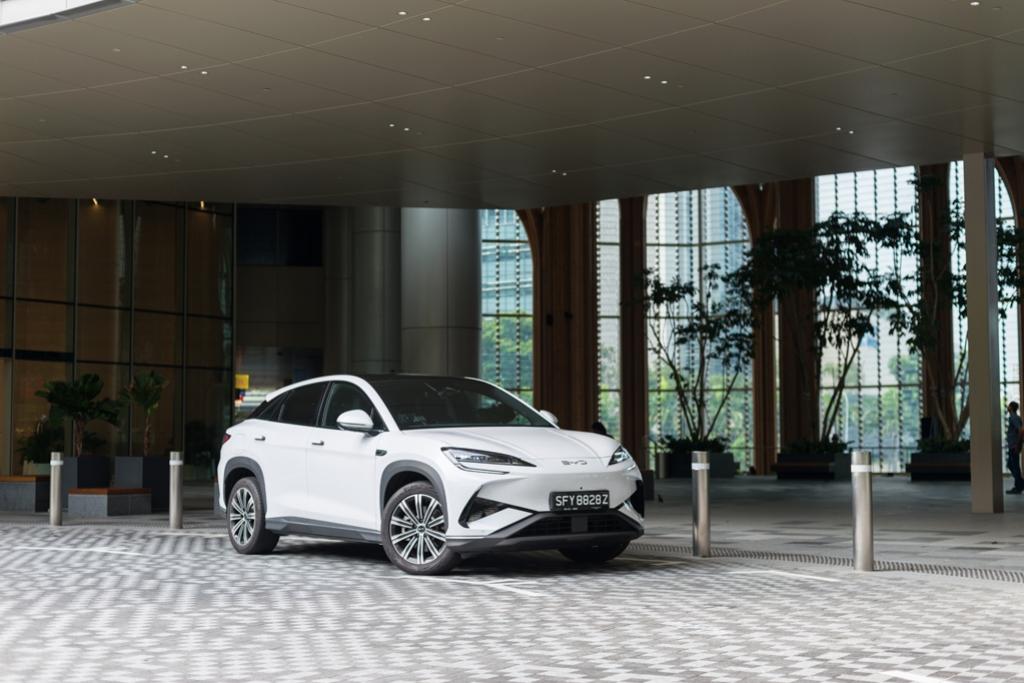
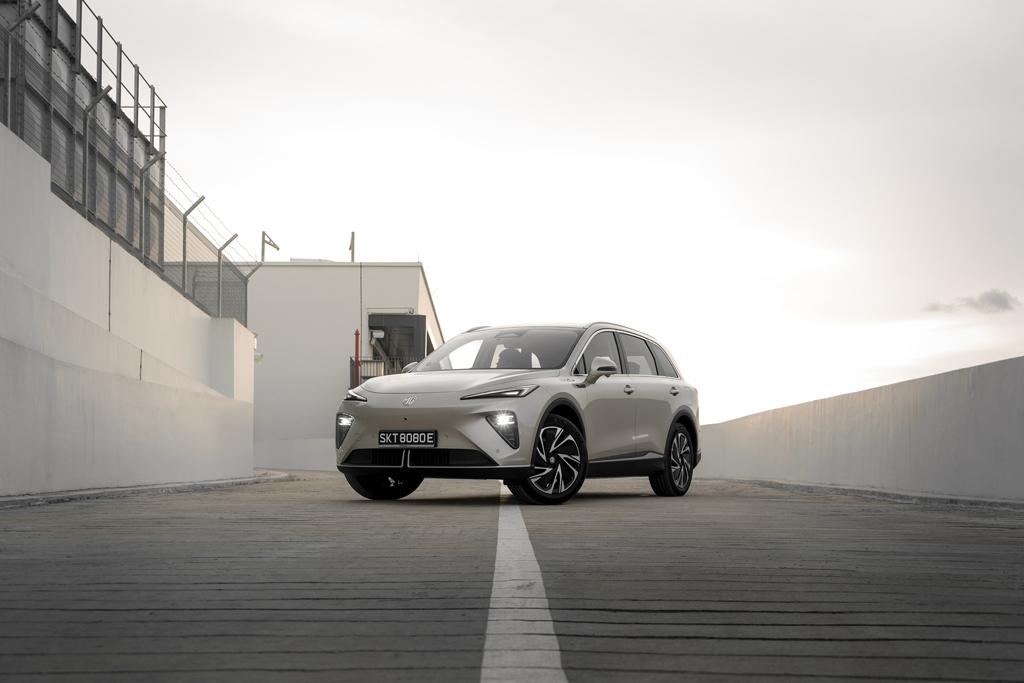
An Instagram post by the LTA points to the recent convergence of prices for Cat A and B premiums - with the second bidding round of February seeing Cat A surpass Cat B - as the main reason behind the review. In the post, the authority also notes the emergence of EV manufacturers "detuning their high-end vehicles to qualify for Cat A" as a likely reason for the phenomenon.
Perhaps more pressing, however, is the strong likelihood that this convergence will continue. While the quota for Cat A already peaked in 2025, the quota for Cat B is set to increase still for the foreseeable future.
Specifically, the authority states that it will gather public feedback on how to improve the COE categorisation of new cars, and has not ruled out the possibility of applying discounts or surcharges based on their Open Market Value (OMV). Pursuing such a path could see the gulf between entry-level cars and more premium ones expand even further.
For those who may have forgotten, any upcoming revision(s) to the categorisation of cars under the COE system will not be unprecedented.
The LTA reminds that as recently as 2014, it added a power rating criterion to engine capacity in a bid to address feedback that more powerful cars were being produced with smaller engine capacities. Prior to that revision, a car would have been eligible for a Category A COE as long as its engine was under 1,600cc in capacity, regardless of engine output. (Some modern-day cars that would have been eligible for a Category A COE under that system include the current BMW 3 Series and Mercedes-Benz C180.)
Any possible revision(s) to the system arising out of the impending reviews would thus also aim to reflect the recent market changes.
The LTA has continued to emphasise that no immediate changes to the COE system are in order while the review is underway, while underscoring that the COE system is still necessary to keep Singapore's vehicle population manageable.
"Motorists should continue to bid prudently for COEs," it added.
Concerned about the increasing convergence between Category A and Category B COE premiums? It seems that the authorities have heard you.
The LTA has announced that it will be reviewing the COE system to improve the categorisation of cars in Singapore. The news was first announced in a parliamentary debate about the recent Budget 2026 by Acting Minister for Transport, Mr Jeffrey Siow, while responding to requests from MPs. Thereafter, the LTA has also taken to its official social media accounts to address the issue.
In an Instagram post published on Wednesday evening, the LTA specifically pointed to the trend of EV manufacturers detuning their high-end vehicles to qualify for Cat A as a likely reason for the convergence between Cat A and Cat B premiums
An Instagram post by the LTA points to the recent convergence of prices for Cat A and B premiums - with the second bidding round of February seeing Cat A surpass Cat B - as the main reason behind the review. In the post, the authority also notes the emergence of EV manufacturers "detuning their high-end vehicles to qualify for Cat A" as a likely reason for the phenomenon.
Perhaps more pressing, however, is the strong likelihood that this convergence will continue. While the quota for Cat A already peaked in 2025, the quota for Cat B is set to increase still for the foreseeable future.
Specifically, the authority states that it will gather public feedback on how to improve the COE categorisation of new cars, and has not ruled out the possibility of applying discounts or surcharges based on their Open Market Value (OMV). Pursuing such a path could see the gulf between entry-level cars and more premium ones expand even further.
For those who may have forgotten, any upcoming revision(s) to the categorisation of cars under the COE system will not be unprecedented.
The LTA reminds that as recently as 2014, it added a power rating criterion to engine capacity in a bid to address feedback that more powerful cars were being produced with smaller engine capacities. Prior to that revision, a car would have been eligible for a Category A COE as long as its engine was under 1,600cc in capacity, regardless of engine output. (Some modern-day cars that would have been eligible for a Category A COE under that system include the current BMW 3 Series and Mercedes-Benz C180.)
Any possible revision(s) to the system arising out of the impending reviews would thus also aim to reflect the recent market changes.
The LTA has continued to emphasise that no immediate changes to the COE system are in order while the review is underway, while underscoring that the COE system is still necessary to keep Singapore's vehicle population manageable.
"Motorists should continue to bid prudently for COEs," it added.


Latest COE Prices
June 2026 | 1st BIDDING
NEXT TENDER: 17 Jun 2026
CAT A$126,009
CAT B$126,989
CAT C$94,000
CAT E$129,000
View Full Results 
Thank You For Your Subscription.


Tags
Products & Services

For Owners
Quick Links
About Sgcarmart