The incoming BMW i3 is undergoing final winter testing
09 Mar 2026|258 views
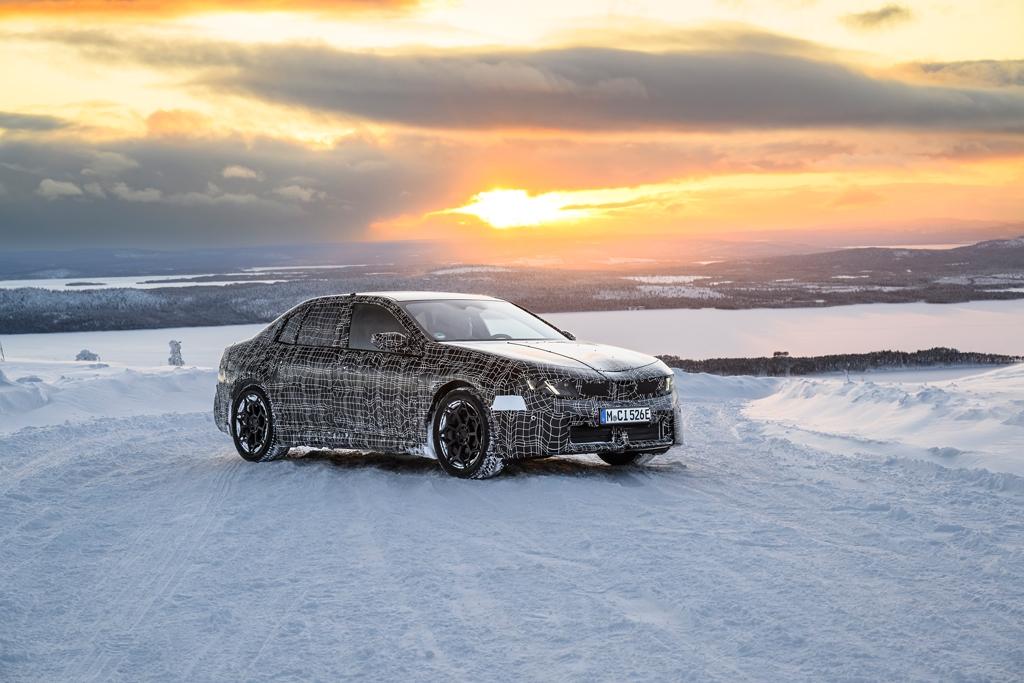
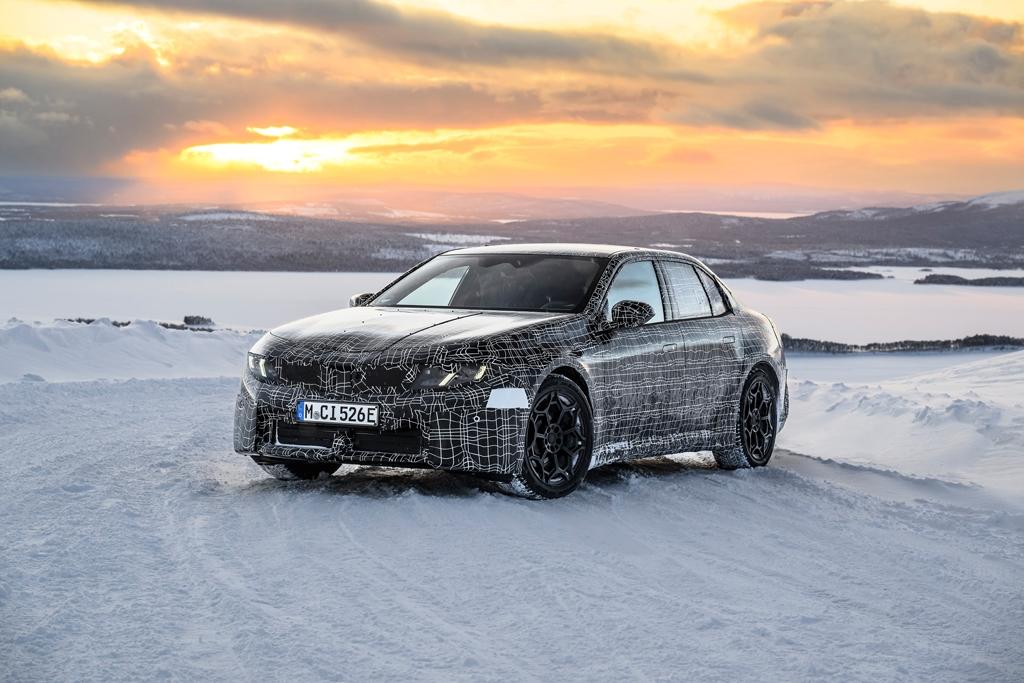



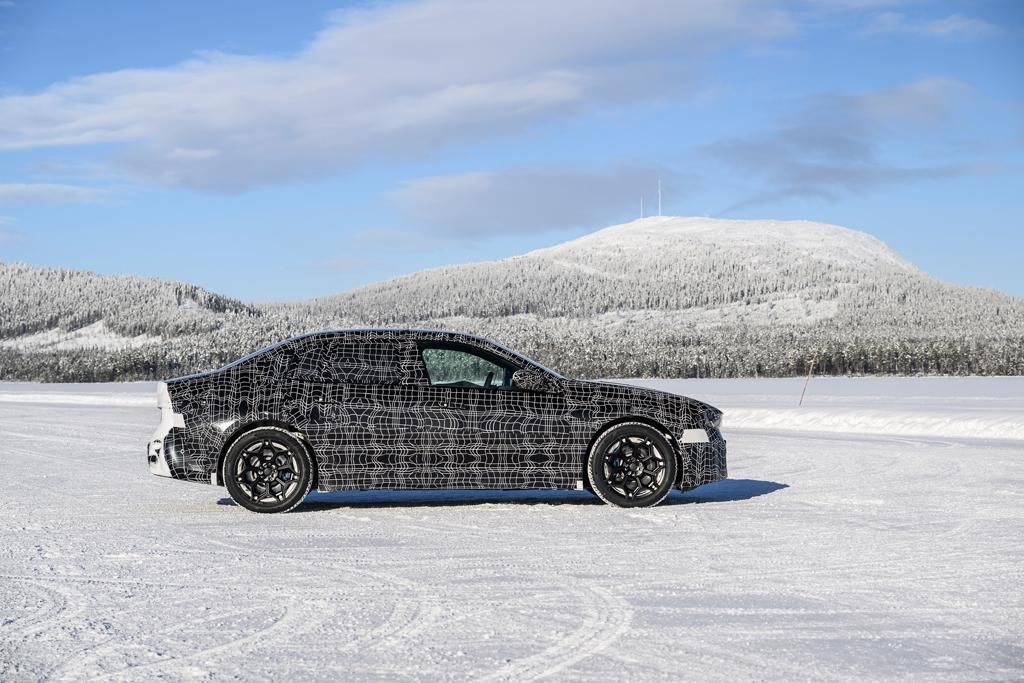
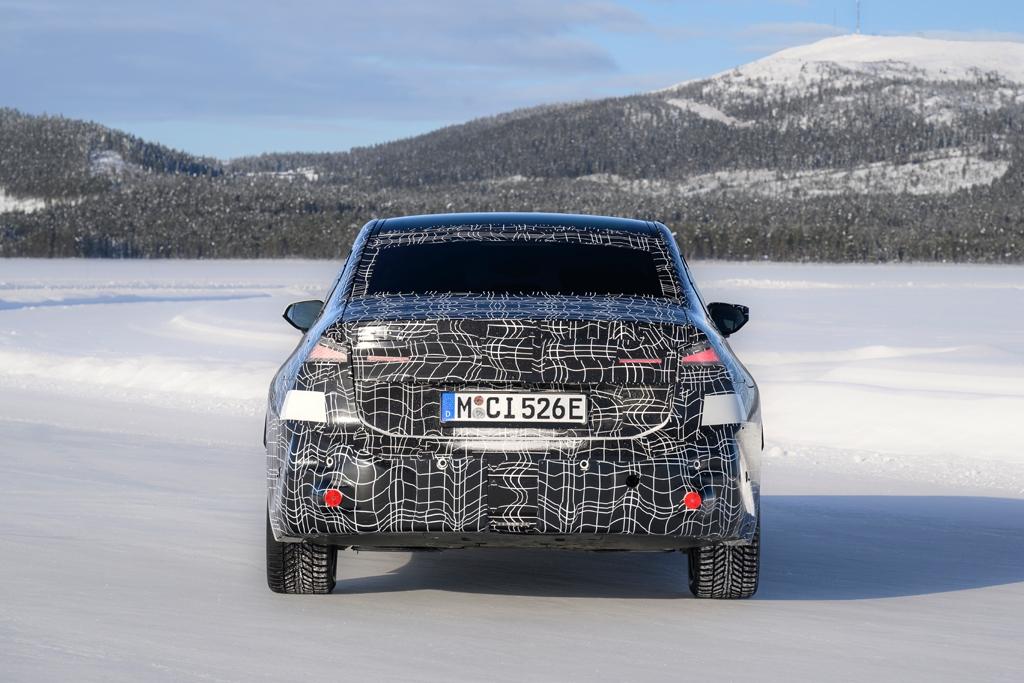
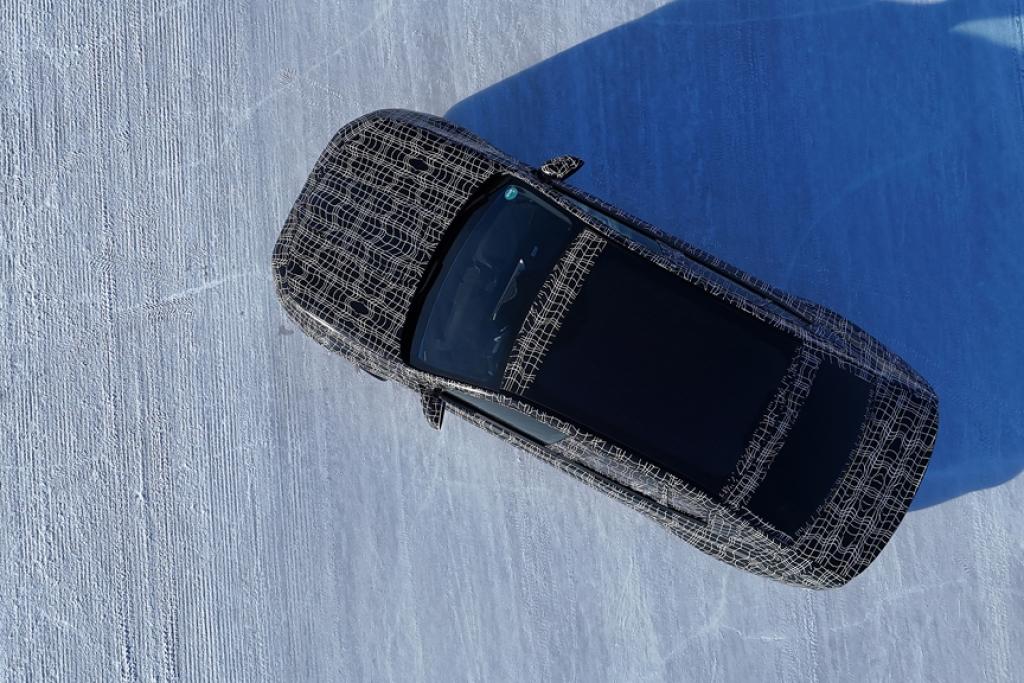
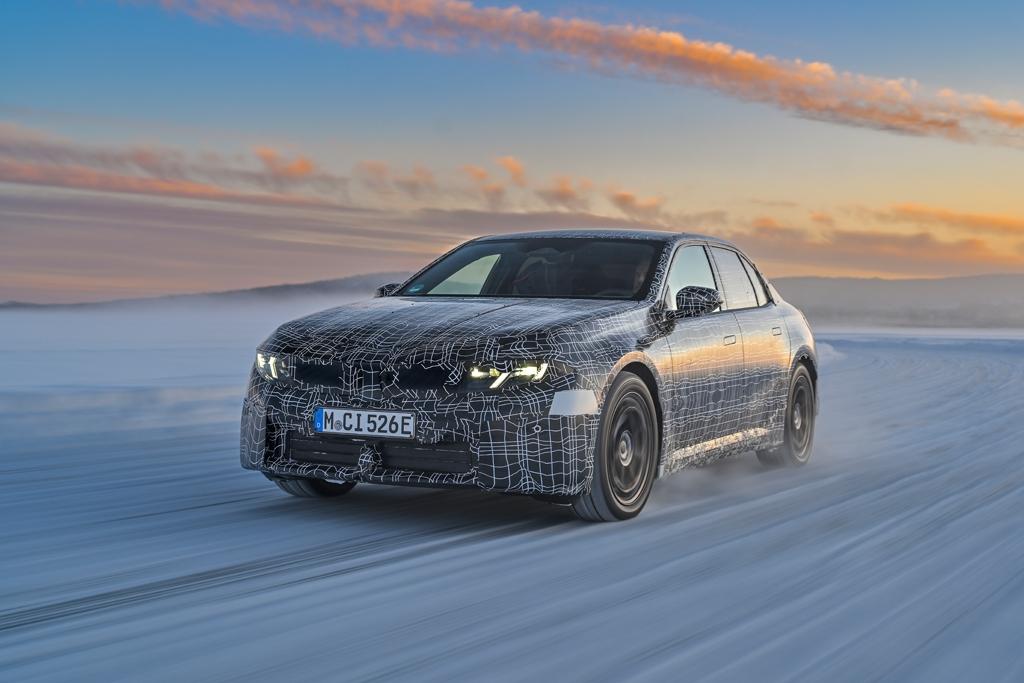
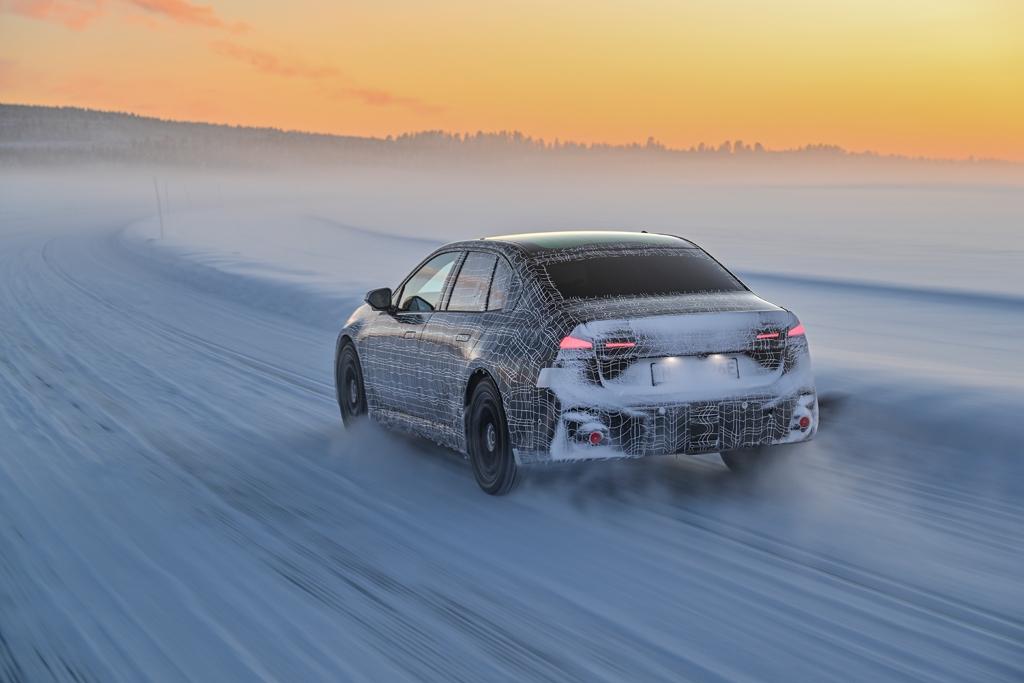
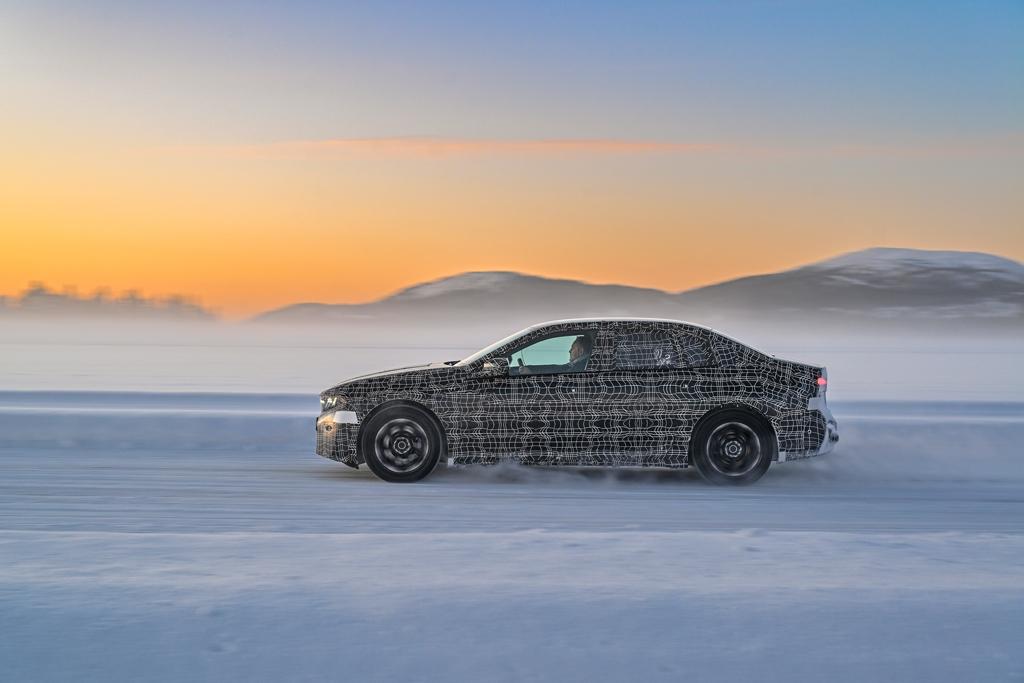

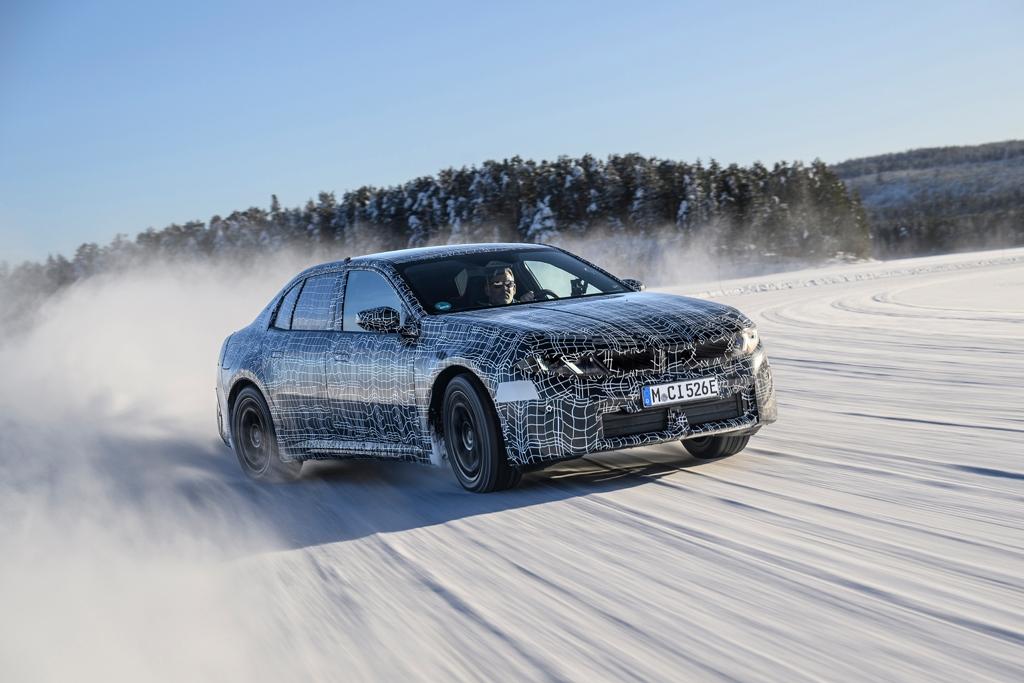
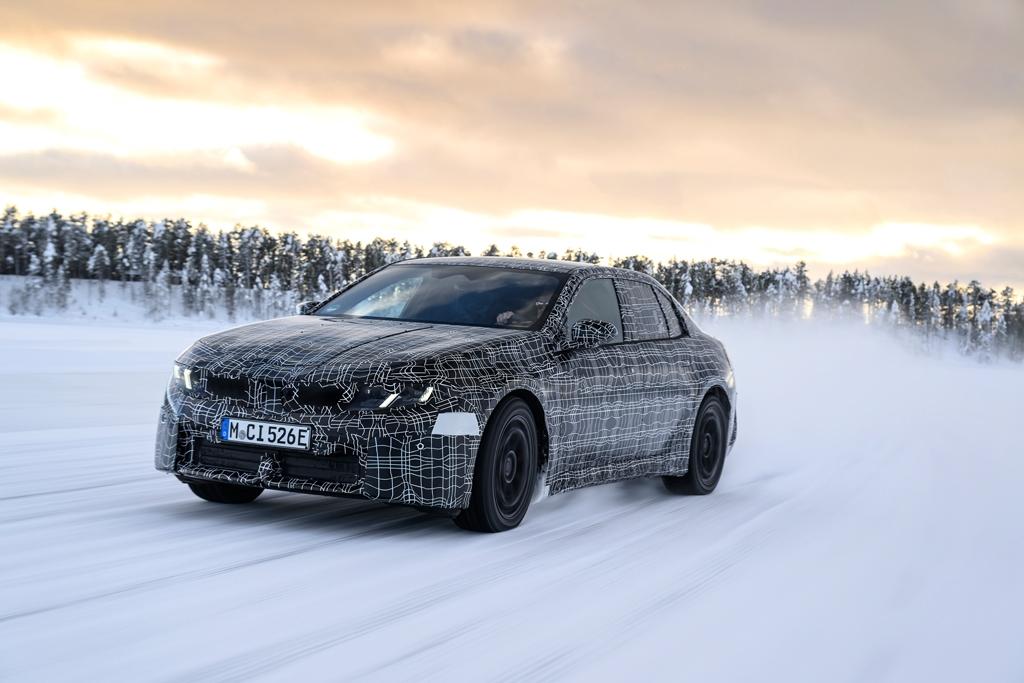
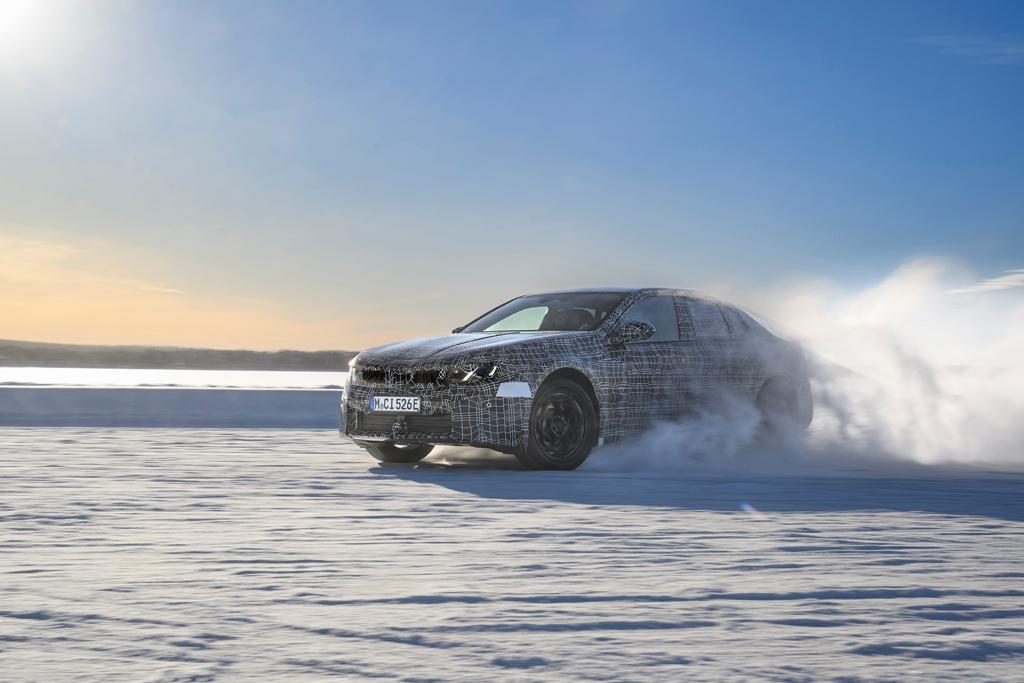


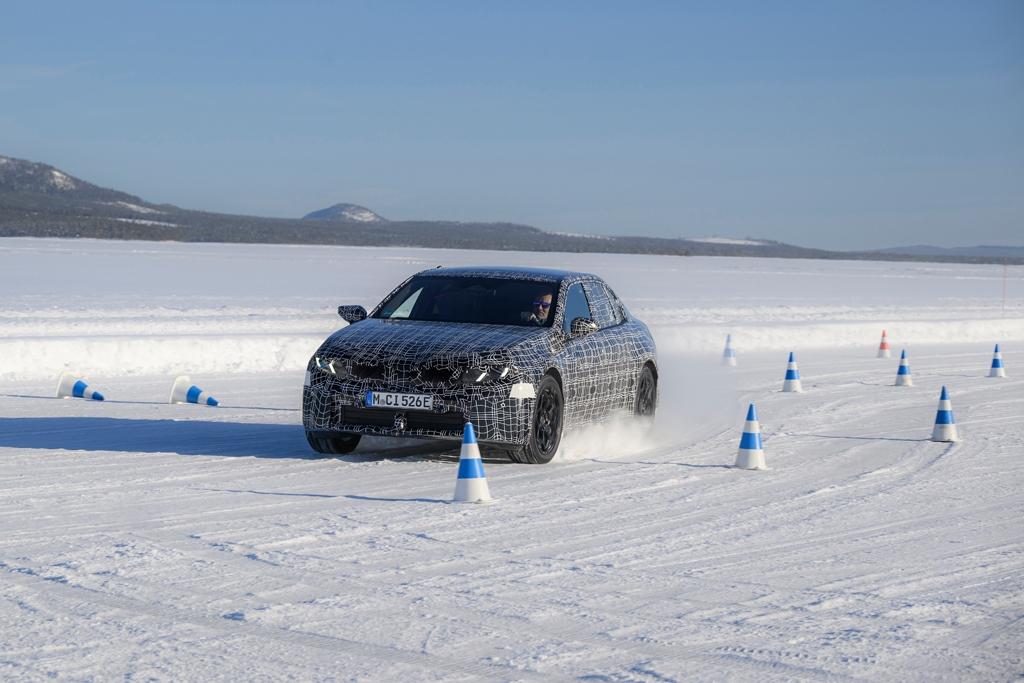
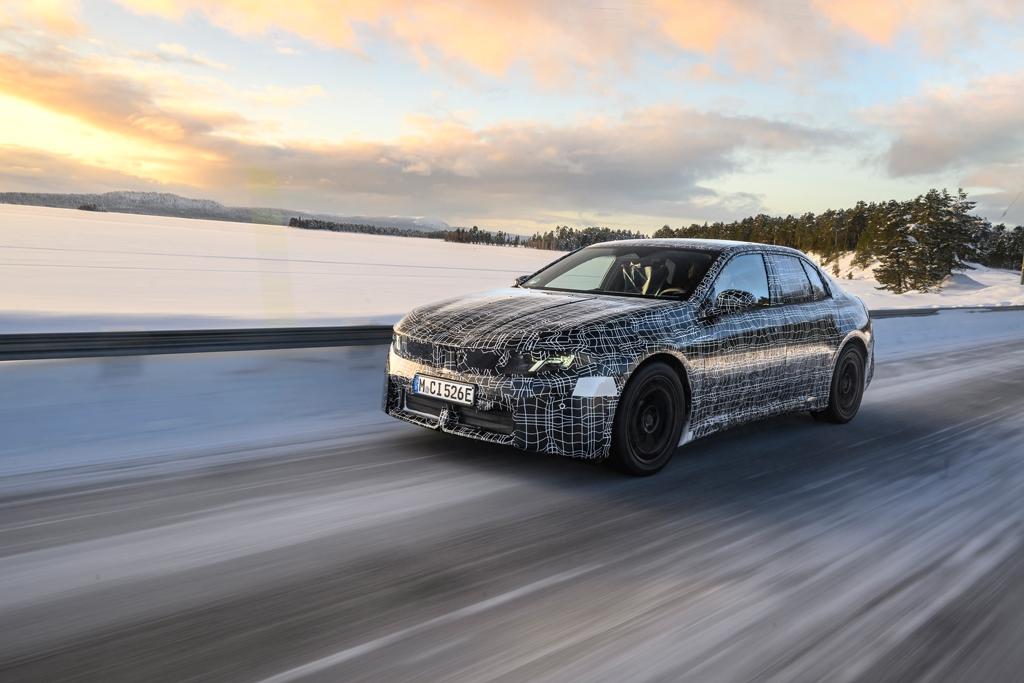
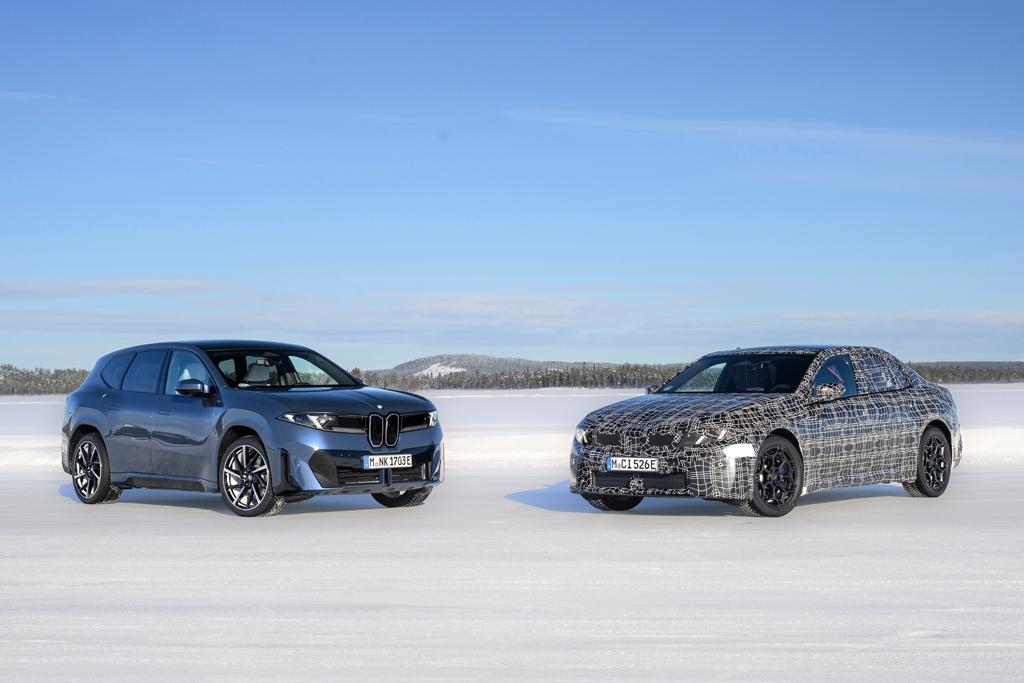

The all-new BMW i3 (the new Neue Klasse sedan, for clarity; not the successor to BMW's lovable electric hatch) is on its way, with its design world premiere already locked for 18 March 2026.
But before BMW unveils it in full, the German marque is putting the final touches on its pre-production testing programme to ensure the car lives up to the expectations of keen drivers worldwide - no matter the weather or road conditions.
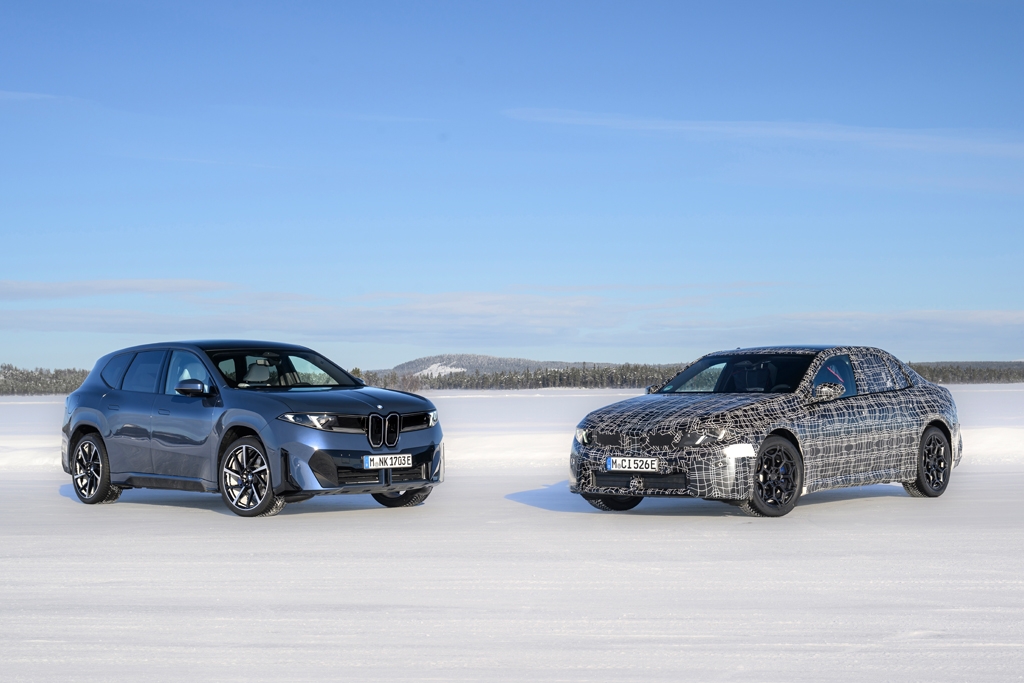
The i3 will mark the second model in BMW's new Neue Klasse generation of cars, after the iX3
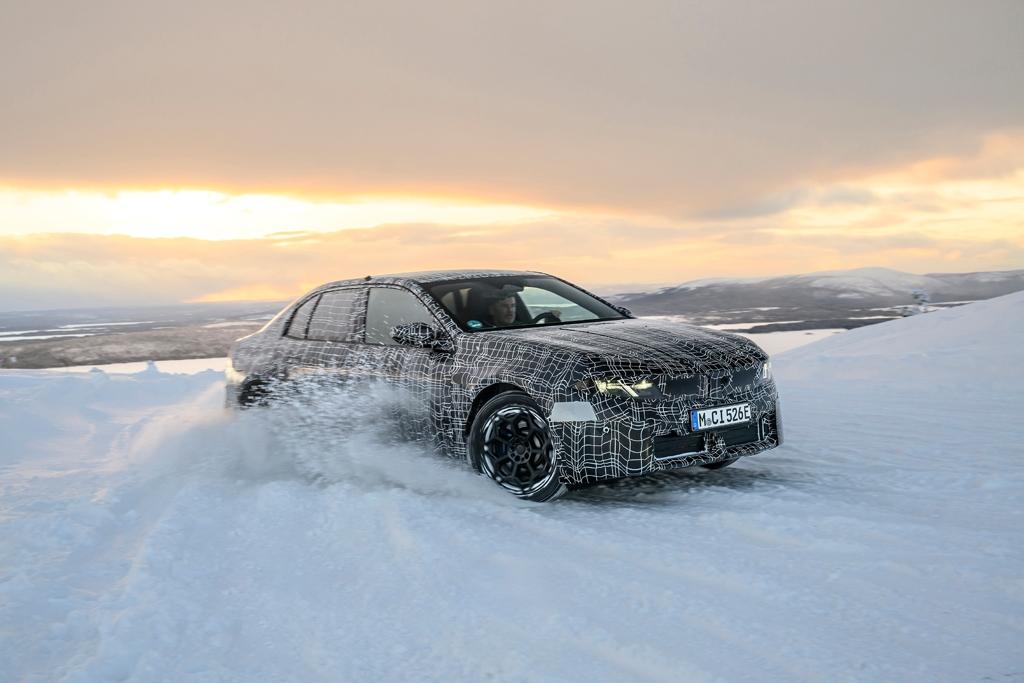
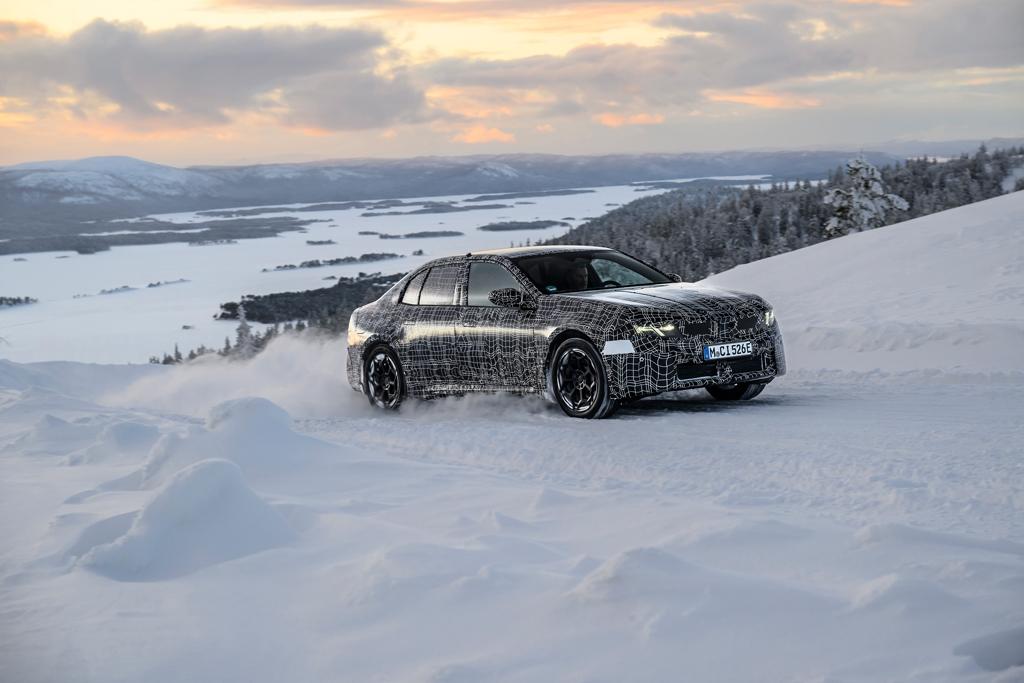
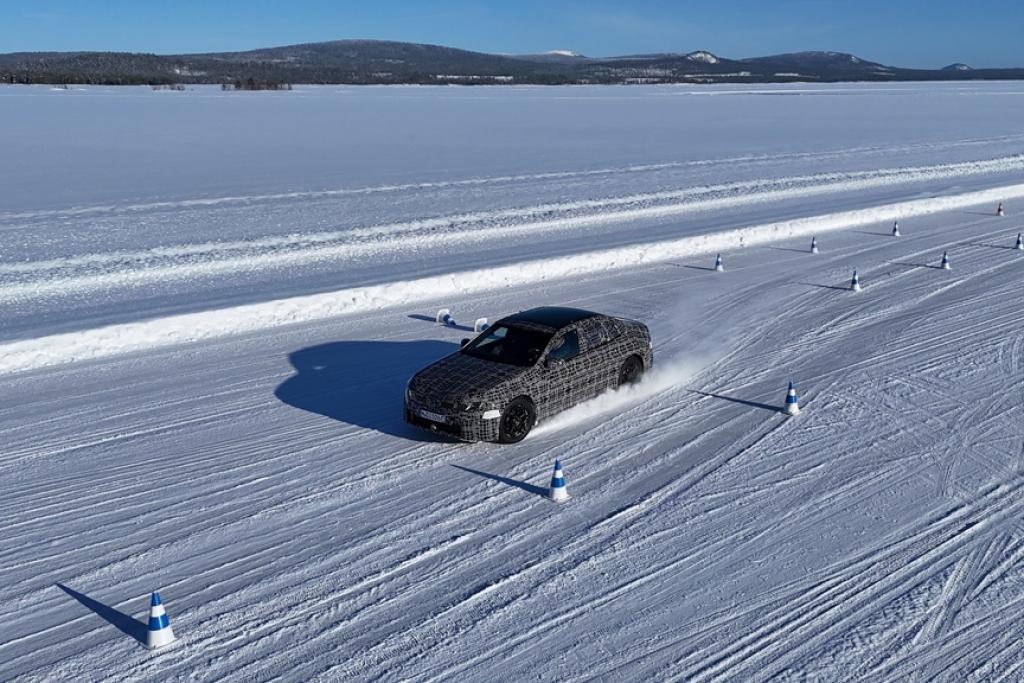
As the electric sedan nears production, BMW has revealed that its test and development team is now conducting final adjustments to the car's driving dynamics components on Sweden's snow-covered roads and frozen lakes.
If you're a longtime fan of the brand, you'll know that cold-weather endurance testing in Sweden's far north represents a longstanding BMW practice, with the snowy roads surrounding Arjeplog and specially prepared frozen lake surfaces creating optimal conditions for evaluating and refining drive and suspension systems.
BMW states that the low-grip surfaces of snow and ice allow engineers to test, analyse, and optimise system interactions under precisely repeatable conditions. This process establishes the foundation for BMW's signature driving experience.
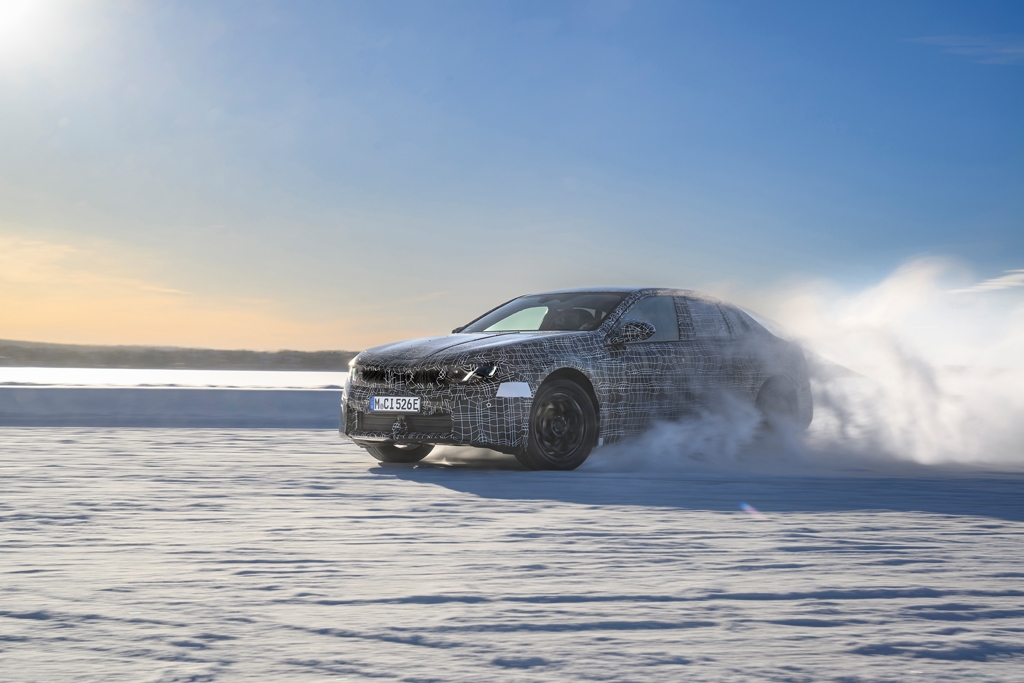
Equipped with the Heart of Joy ECU, BMW has promised that the i3 will deliver superior driving dynamics to all 3 Series generations of past
Speaking of the latter, the i3 is noteworthy because it will mark the second car in the lineup (and the first sedan) to integrate BMW's 'Heart of Joy' ECU - one of four "superbrains" within the Neue Klasse architecture.
Working alongside BMW's proprietary Dynamic Performance Control software, the Heart of Joy integrates all of the i3's advanced driving and dynamics within a single control unit, managing the powertrain, brakes, select steering functions, and energy recuperation. Remarkably, its response time is ten times faster than previous systems.
BMW claims that this technological advancement results in remarkably smooth and exceptionally precise handling for the new i3.
That's not where the joy ends.
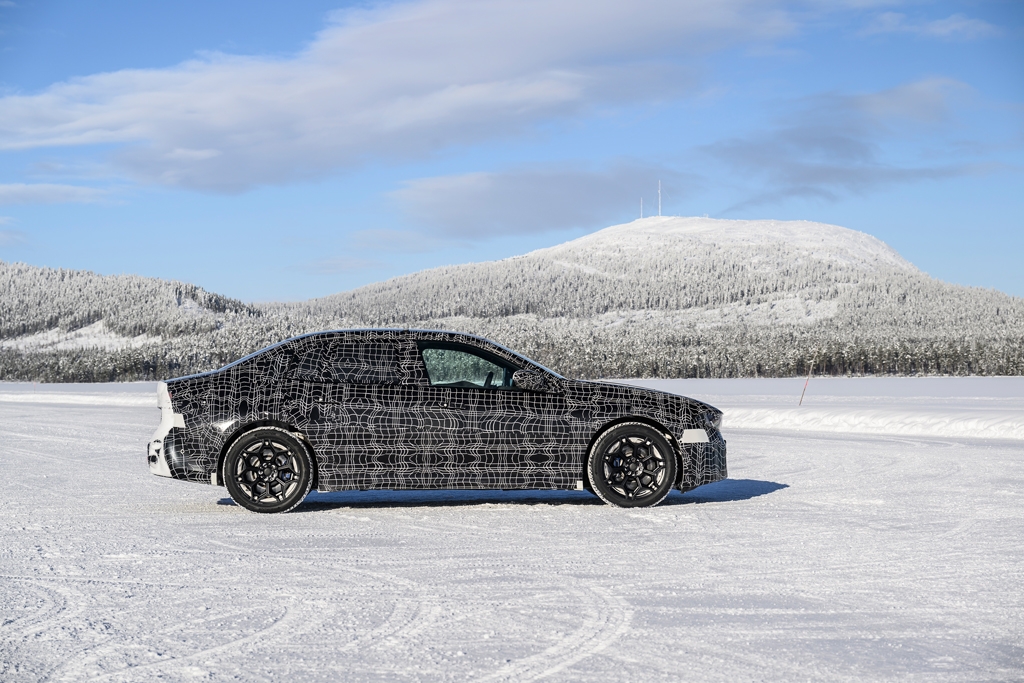
A 'Soft-Stop Function' is also said to make the i3 smoother and more comfortable to drive
With the car's dual electric motors capable of processing and executing a driver's commands instantaneously, BMW has promised that the i3 will offer superior driving stability, as well as deliver smooth and comfortable driving in all conditions. Specifically highlighted is the car's 'Soft-Stop' function, which eliminates jerks and brake noise thanks to precise electric motor control.
Efficiency also benefits, because the precise control processes of the Heart of Joy enable the i3 to recover energy as frequently and intensively as possible, even during cornering, without compromising driving stability.
BMW has further shared that the i3 - in similar fashion to the iX3 that came just before it - is likely to debut in dual-motor guise as the i3 50 xDrive. In this setup, the electric sedan has a maximum system output of 345kW and 645Nm torque, which are the exact figures you'll find from the iX3 50 xDrive.
The all-new BMW i3 (the new Neue Klasse sedan, for clarity; not the successor to BMW's lovable electric hatch) is on its way, with its design world premiere already locked for 18 March 2026.
But before BMW unveils it in full, the German marque is putting the final touches on its pre-production testing programme to ensure the car lives up to the expectations of keen drivers worldwide - no matter the weather or road conditions.
The i3 will mark the second model in BMW's new Neue Klasse generation of cars, after the iX3
As the electric sedan nears production, BMW has revealed that its test and development team is now conducting final adjustments to the car's driving dynamics components on Sweden's snow-covered roads and frozen lakes.
If you're a longtime fan of the brand, you'll know that cold-weather endurance testing in Sweden's far north represents a longstanding BMW practice, with the snowy roads surrounding Arjeplog and specially prepared frozen lake surfaces creating optimal conditions for evaluating and refining drive and suspension systems.
BMW states that the low-grip surfaces of snow and ice allow engineers to test, analyse, and optimise system interactions under precisely repeatable conditions. This process establishes the foundation for BMW's signature driving experience.
Equipped with the Heart of Joy ECU, BMW has promised that the i3 will deliver superior driving dynamics to all 3 Series generations of past
Speaking of the latter, the i3 is noteworthy because it will mark the second car in the lineup (and the first sedan) to integrate BMW's 'Heart of Joy' ECU - one of four "superbrains" within the Neue Klasse architecture.
Working alongside BMW's proprietary Dynamic Performance Control software, the Heart of Joy integrates all of the i3's advanced driving and dynamics within a single control unit, managing the powertrain, brakes, select steering functions, and energy recuperation. Remarkably, its response time is ten times faster than previous systems.
BMW claims that this technological advancement results in remarkably smooth and exceptionally precise handling for the new i3.
That's not where the joy ends.
A 'Soft-Stop Function' is also said to make the i3 smoother and more comfortable to drive
With the car's dual electric motors capable of processing and executing a driver's commands instantaneously, BMW has promised that the i3 will offer superior driving stability, as well as deliver smooth and comfortable driving in all conditions. Specifically highlighted is the car's 'Soft-Stop' function, which eliminates jerks and brake noise thanks to precise electric motor control.
Efficiency also benefits, because the precise control processes of the Heart of Joy enable the i3 to recover energy as frequently and intensively as possible, even during cornering, without compromising driving stability.
BMW has further shared that the i3 - in similar fashion to the iX3 that came just before it - is likely to debut in dual-motor guise as the i3 50 xDrive. In this setup, the electric sedan has a maximum system output of 345kW and 645Nm torque, which are the exact figures you'll find from the iX3 50 xDrive.


Latest COE Prices
April 2026 | 2nd BIDDING
NEXT TENDER: 06 May 2026
CAT A$123,010
CAT B$121,001
CAT C$83,501
CAT E$125,002
View Full Results 
Thank You For Your Subscription.







Tags
Products & Services

For Owners
Quick Links
About Sgcarmart